Aesculus parviflora, commonly called the Bottlebrush Buckeye, is a remarkable shrub from the Southeastern United States, celebrated for its eye-catching, creamy white flower clusters that can grow up to 12 inches. Typically reaching heights of 6-12 feet and spreading 12-20 feet, this plant flourishes in partial to full shade, thriving in rich, well-drained soils. It promotes ecological diversity by attracting pollinators, such as bees and butterflies, during its blooming season from late spring to summer. While its glossy dark brown seeds are toxic to humans, this shrub enriches gardens with vibrant fall foliage. Further exploration reveals its various ecological contributions.
Main Points
- Aesculus parviflora, commonly known as Bottlebrush Buckeye, is a deciduous shrub native to the Southeastern U.S.
- This plant thrives in partial to full shade and prefers rich, well-drained, consistently moist soil.
- It produces fluffy, creamy white flower clusters during summer, attracting various pollinators like bees and butterflies.
- The shrub typically grows 6-12 feet tall with an impressive spread of 12-20 feet, providing significant landscape interest.
- All parts of the Bottlebrush Buckeye are toxic if ingested, necessitating caution around pets and livestock.
Introduction
Aesculus parviflora, commonly known as Bottlebrush Buckeye, presents an exceptional blend of beauty and ecological significance.
This large deciduous shrub, native to the Southeastern United States, showcases spectacular creamy white flower spikes that bloom from late spring into summer, enticing various pollinators.
With a height ranging from 8 to 12 feet and a spread of 12 to 15 feet, it forms an impressive, hummocky landscape feature that captivates the senses throughout the seasons.
Common Name
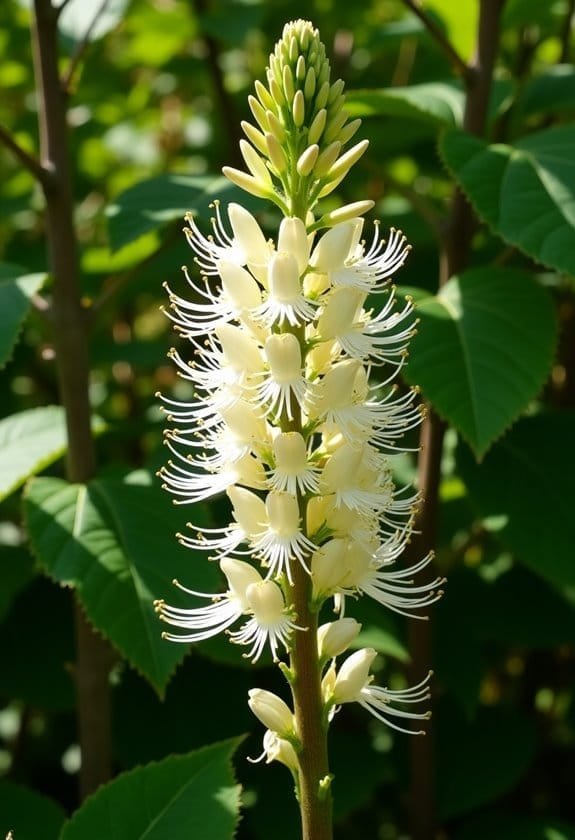
Known as the Bottlebrush Buckeye, this enchanting shrub stands out with its long, fluffy white flower clusters that bloom in early summer. The name "Bottlebrush" aptly describes the plant's distinctive flowers, which resemble the bristled cleaning tool used for bottles, creating a striking contrast against its lush green foliage.
Officially classified as Aesculus parviflora, this deciduous shrub belongs to the Sapindaceae family, showcasing its botanical lineage.
Native to the Southeastern United States, the Bottlebrush Buckeye flourishes in regions such as Alabama, Georgia, and South Carolina, where it thrives in USDA hardiness zones 5 to 9. Its unique features extend beyond its blooms; the shrub produces smooth, pear-shaped nuts encased in a bright yellow husk, further enhancing its ornamental appeal.
As autumn approaches, the foliage transforms into a mesmerizing buttery yellow, providing a vibrant display that homeowners cherish in their gardens. The Bottlebrush Buckeye isn't just a visual delight; it also attracts various pollinators, enriching local ecosystems.
This shrub embodies both aesthetic beauty and ecological importance, making it a popular choice for landscape design and conservation efforts alike.
Scientific Name
The scientific name Aesculus parviflora reflects the unique characteristics of the Bottlebrush Buckeye, a shrub that's both visually striking and ecologically significant. Belonging to the Sapindaceae family, Aesculus parviflora is a native plant to the Southeastern United States, mainly found in states like Alabama, Georgia, and South Carolina. This species stands out with its creamy white flower spikes, which bloom gracefully during the summer months, attracting a variety of pollinators.
Typically, Aesculus parviflora reaches heights between 6 to 12 feet, while its spread can extend up to 20 feet, making it an impressive choice for landscaping. Its extensive growth habit not only enhances visual interest but also serves important ecological functions.
Adaptable to hardiness zones 4 to 8, this shrub demonstrates resilience across various climates in the eastern U.S., establishing itself as a versatile option for gardeners.
The name "parviflora," derived from Latin, signifies its small flowers, which, despite their size, create a remarkable impact in gardens and natural settings alike. This native plant embodies both beauty and utility, contributing to biodiversity and habitat enrichment.
Overview
Often admired for its stunning flowers and unique form, the Bottlebrush Buckeye has carved out a niche in the gardens of the Southeastern United States. Scientifically known as Aesculus parviflora, this large deciduous shrub typically reaches heights between 6 and 12 feet, with a remarkable spread of up to 20 feet wide.
The shrub features striking creamy white flower spikes, which can extend up to 12 inches in length, blooming in late spring to early summer. These blossoms attract a variety of pollinators, including bees and butterflies, further enhancing its ecological significance.
Thriving in partial to full shade and preferring well-drained, moist soils, the bottlebrush buckeye is an ideal candidate for woodland gardens and shaded landscapes. While it possesses a slow growth rate, taking around six years to begin flowering, its beautiful golden foliage in the fall offers seasonal interest.
However, caution is warranted, as its seeds and fruits are poisonous to humans and livestock. Despite this, the bottlebrush buckeye contributes to local biodiversity, providing habitat for wildlife, and enriching garden ecosystems with its vibrant display.
Key Features
The bottlebrush buckeye (Aesculus parviflora) is an impressive deciduous shrub, reaching heights of 6 to 12 feet and spreading up to 20 feet, forming a striking, hummocky shape.
Its visually enchanting clusters of creamy white flowers appear in the late spring to early summer, creating a delightful spectacle that attracts a variety of pollinators.
With palmately compound leaves that transform into a vibrant buttery yellow in autumn, this plant not only enhances woodland gardens but also offers a unique seasonal display.
Growth Size
While growing to a mature height of 6 to 12 feet, Aesculus parviflora, or the Bottlebrush Buckeye, can spread considerably, reaching up to 20 feet wide over time. This large shrub exhibits a multi-stemmed structure that allows for a robust, thicket-forming growth habit, making it an excellent choice for expansive landscapes and woodland gardens.
Its slow growth rate means that it takes roughly six years to produce its first flowers, emphasizing the significance of patience among gardeners.
In its initial years, Aesculus parviflora focuses on establishing a deep and resilient taproot, which is essential for stability and long-term growth. This foundational support system enables the shrub to thrive in various environments, ensuring its longevity.
As it matures, the Bottlebrush Buckeye can further enhance its size through a process known as suckering. Offshoots emerge, expanding the plant's presence and creating a wider colony.
Such traits make the Bottlebrush Buckeye not merely a shrub, but a valuable addition to any garden that seeks both beauty and biodiversity.
Its striking shape and potential size offer visual interest while contributing to the overall ecosystem.
Appearance
Aesculus parviflora captivates with its striking appearance, featuring long, fluffy clusters of white flowers that can reach up to 12 inches in length. This deciduous shrub typically attains a height of 6 to 12 feet, spreading up to 20 feet to form a dense thicket that's visually appealing in any landscape.
The Bottlebrush Buckeye's compound leaves are arranged oppositely, consisting of 5 to 7 leaflets that range from 3 to 8 inches long. Their rich medium to dark green color shifts beautifully to a golden yellow in the fall, adding additional interest to its foliage.
This multi-stemmed structure boasts wide-spreading branches, creating an open, airy appearance that thrives in shade or part shade conditions. The shrub's fluffy blooms, typically emerging in June and lasting into July, enhance its charm, drawing in pollinators.
In addition, the smooth, pear-shaped capsules that follow contain shiny, dark brown seeds that are toxic yet serve as a food source for local wildlife, illustrating the interconnectedness of this plant with its ecosystem. Overall, Aesculus parviflora's elegant presence makes it a remarkable addition to any garden or natural setting.
Flowering Season
With its stunning clusters of flowers, the Bottlebrush Buckeye truly shines during its flowering season from late spring to early summer. This dramatic blooming period primarily unfolds in June and July, when the plant displays exquisite, cylindrical clusters of fragrant white flowers, reaching lengths of up to 12 inches.
These magnificent blooms not only captivate the human eye but also serve as a sanctuary for various pollinators such as bees and butterflies, fostering biodiversity within the ecosystem.
Each flower is adorned with striking orange-red anthers, creating a visually enchanting contrast that enhances the overall aesthetic appeal during this vibrant season. The flowering spectacle typically lasts around 4 to 6 weeks, transforming gardens into veritable canvases of color and fragrance throughout the summer months.
Upon successful pollination, the Bottlebrush Buckeye develops pear-shaped fruit pods containing shiny, dark brown seeds. While these seeds may attract wildlife, it's essential to highlight that they're toxic to humans, serving as a reminder of nature's intricate balance.
Essentially, the flowering season of the Bottlebrush Buckeye offers both beauty and complexity, solidifying its place in horticultural admiration.
Growing Requirements
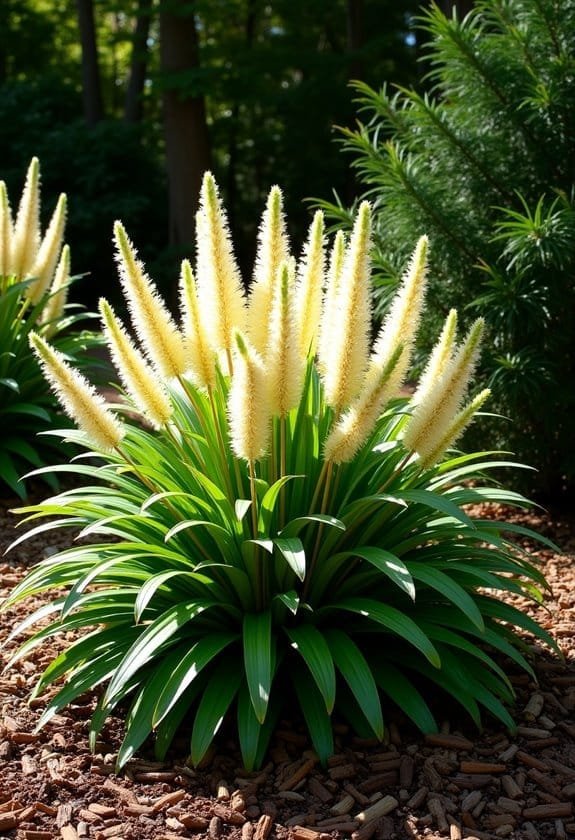
The Bottlebrush Buckeye (Aesculus parviflora) flourishes under specific growing conditions that enhance its vigor.
Preferring rich, well-drained soils and partial to full shade, this deciduous shrub requires consistent moisture, especially in its formative years to prevent drought stress.
Thriving in hardiness zones 4 to 8, it not only showcases its impressive height and width but also plays a significant role in creating lush, sustainable garden ecosystems.
Light
Bottlebrush buckeye thrives best in partial to full shade, ideally enjoying 4-6 hours of sunlight daily. This delicate plant displays a remarkable adaptability, particularly in southern climates where it flourishes under these conditions. In contrast, northern regions allow the bottlebrush buckeye to tolerate sunnier exposures, provided the surrounding soil maintains a moist and well-drained quality.
The leaves of this shrub, characterized by their medium to dark green hue, exhibit their healthiest form when shielded from intense sunlight. Placing the plant in fully sunny locations can result in leaf scorch, undermining its lush appearance. Therefore, understanding the light requirements is vital for nurturing this botanical beauty.
Furthermore, partial shade not only supports vigorous foliar development but also promotes peak flowering, enhancing its ornamental value.
Although the plant demonstrates some drought tolerance, it requires consistent moisture to fully thrive, particularly during dry spells. Maintaining adequate hydration guarantees that the bottlebrush buckeye remains vibrant and resilient.
Consequently, aspiring gardeners must carefully consider light exposure, balancing sun and shade, to cultivate a thriving and healthy bottlebrush buckeye in their landscape.
Soil
For ideal growth and health, Aesculus parviflora prefers rich, well-drained, and consistently moist soil conditions. This deciduous shrub flourishes most effectively in environments that retain moisture without becoming waterlogged.
Although bottlebrush buckeye can tolerate alkaline and clay soils, its growth rate markedly accelerates in moist soil that's also nutrient-rich. Aesculus parviflora's sensitivity to drought during its formative years necessitates regular watering, especially in arid conditions, to promote vigorous development.
Inadequate soil conditions can slow growth, underscoring the need for a carefully prepared planting site. Gardeners should consider not only the moisture retention potential of the soil but also its fertility, as nutrient-rich earth provides essential elements for robust health.
Additionally, space management shouldn't be overlooked; planting these buckeyes 10-15 feet apart allows them room to expand and display their characteristic suckering habits over time.
Ultimately, providing a foundation of rich, moist soil can lead to a lush, thriving display of bottlebrush buckeye, enhancing landscape beauty while supporting the ecosystem with its vibrant flowers and structured growth. Careful attention to soil conditions will reward one with a resilient and eye-catching specimen.
Water
Consistent moisture is vital for the thriving growth of Aesculus parviflora. This shrub flourishes in well-drained, moist soil, which promotes its overall health and development. Young plants, in particular, show hypersensitivity to drought conditions and necessitate regular watering during dry spells to establish resilient root systems.
While the bottlebrush buckeye can endure occasional drought, it truly excels in environments where dependable moisture is available. During the hot summer months, when the sun's rays can be particularly punishing, regular watering becomes important to prevent leaf scorch, a condition that can hamper its aesthetic appeal.
The careful maintenance of moist soil notably enhances the vigor and growth rate of Aesculus parviflora, especially in its developmental stages. Creating the ideal moist soil environment guarantees that nutrients are efficiently absorbed, thereby fostering stronger, healthier growth. Furthermore, planting alongside nitrogen-fixing plants can improve soil quality and promote overall health for the bottlebrush buckeye.
Temperature
Growing best in USDA zones 4 to 8, Aesculus parviflora thrives in a variety of temperature conditions. This remarkable shrub exhibits resilience, tolerating temperatures as low as -30°F (-34°C), making it suitable for climates featuring warm summers and cold winters.
Ideal growth occurs with at least six hours of direct sunlight daily; however, it can also adapt to shade to part shade, receiving four to six hours of sunlight, especially in hotter regions.
While the bottlebrush buckeye can withstand occasional drought, it flourishes in consistently moist environments, particularly during scorching summer months. Ensuring a balance of moisture is fundamental; ongoing dry spells necessitate regular watering to support healthy growth.
It's worth noting that a lack of moisture can lead to stress, affecting the plant's overall vigor.
The adaptability of Aesculus parviflora, combined with its appealing aesthetic qualities, renders it an excellent choice for diverse landscapes. Gardeners appreciate its ability to thrive under varying conditions, showcasing stunning white flower spikes that emerge during summer, contributing considerably to its ornamental value and ecological benefits.
Pollinator Criteria
Pollinator criteria for the bottlebrush buckeye (Aesculus parviflora) hinge on its ability to attract a diverse array of visitors such as bees, butterflies, and hummingbirds. Blooming from June to July, its large, tubular flowers not only produce ample nectar and pollen but also foster critical interactions that support ecological stability. This multifaceted approach to pollination not only promotes cross-pollination, increasing fruit production, but also enriches biodiversity within garden ecosystems. Additionally, similar to the Common Cowslip, the bottlebrush buckeye plays a vital role in attracting various pollinators, which enhances local habitat health.
Attracted Pollinators
The bottlebrush buckeye, with its stunning creamy white flowers, serves as a magnet for a diverse array of pollinators. Blooming from June to July, these large, cylindrical flower clusters provide essential nectar sources for native bee species during the warm summer months.
These white flowers not only attract bees but also beckon butterflies, such as skippers and swallowtails, which thrive on the abundant food resources offered by the plant.
Additionally, the bottlebrush buckeye attracts Baltimore orioles, adding layers of complexity to the garden ecosystem. These vibrant birds not only visually enhance the environment but also contribute to pollination efforts, showcasing the plant's role as a hub of biological activity.
To maximize biodiversity, planting multiple bottlebrush buckeyes in proximity is encouraged, as it fosters cross-pollination and fruit production. This interconnectedness strengthens the garden habitat, ultimately creating a thriving ecosystem where various pollinators can flourish.
Pollination Method
With its striking flower structure and alluring nectar, the bottlebrush buckeye employs a variety of pollination methods to attract vital visitors. During the bloom period from late spring to early summer, lasting approximately four to six weeks, these flowers become vibrant hubs for numerous pollinators, including bees, butterflies, and hummingbirds. The creamy white petals and reddish-orange anthers create a visual spectacle that draws attention.
The pollination method of the bottlebrush buckeye is particularly effective due to its elongated spikes, which facilitate easy access for pollinators. As these creatures visit for nectar, they inadvertently transfer pollen from one flower to another, promoting cross-pollination. This essential interaction not only enhances fruit production but also supports ecological interactions within the habitat.
The resultant pear-shaped fruit pods, while toxic to humans, serve as nutritious sustenance for local wildlife like squirrels and chipmunks.
Growing multiple bottlebrush buckeye plants in close proximity further increases cross-pollination rates, illustrating the interconnected nature of plant and fauna relationships. Through this harmonious collaboration, the bottlebrush buckeye solidifies its role in maintaining biodiversity and ecological health within its environment.
Care & Maintenance
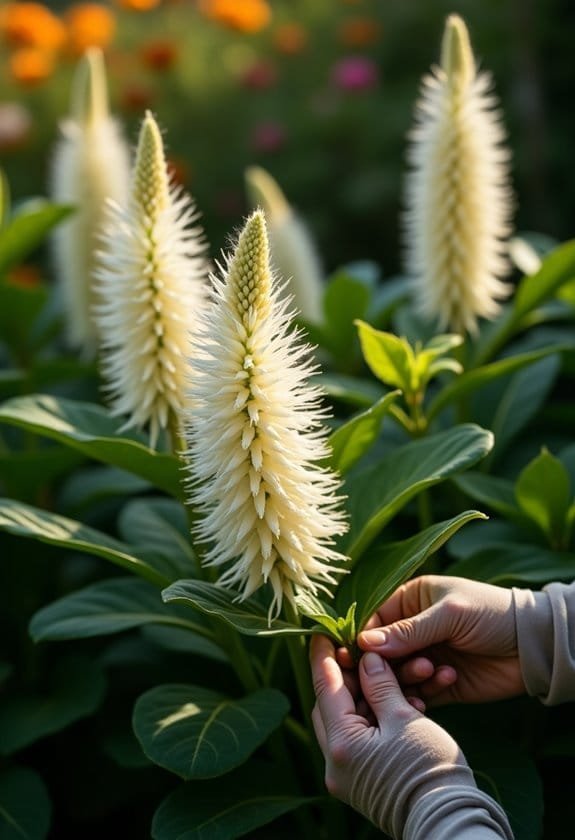
To guarantee the successful cultivation of Aesculus parviflora, gardeners should embrace specific planting tips and ongoing care practices.
Regularly monitoring the plant's hydration needs, particularly during arid spells, along with careful annual pruning after flowering, greatly enhances its health and vigor.
Additionally, selecting compatible companions can foster a rich and diverse garden environment, creating a lush ecosystem that supports mutual growth and resilience.
Planting Tips
Successful planting and maintenance of Aesculus parviflora, commonly known as bottlebrush buckeye, hinges on a few key factors that promote vibrant growth and abundant flowering.
When establishing this striking shrub in a woodland garden, gardeners should opt for well-drained, moist soil enriched with organic matter. This enriching approach not only fosters ideal growth but also mitigates potential drought stress, ensuring the plant thrives throughout the seasons.
Furthermore, bottlebrush buckeye requires full sun for a minimum of six hours daily or partial shade with similar durations to flourish. To enhance air circulation and reduce disease risk, spacing these plants 10 to 15 feet apart is essential, accommodating their broad-spreading growth.
During the establishment phase, regular watering is vital, especially during dry spells, as these plants demand substantial moisture and are sensitive to leaf scorch. Regular monitoring can also help identify potential issues, such as pest and disease management, before they affect the vitality of the plant.
Pruning the shrub immediately after flowering promotes new growth and maintains its natural shape, as it blooms on old wood.
Ongoing Care
Guaranteeing bottlebrush buckeye thrives requires consistent ongoing care that focuses on moisture management and pest monitoring. This suckering shrub demands regular watering, particularly during dry spells, as it's particularly sensitive to drought and flourishes in consistently moist soil.
To encourage ideal growth, minimal fertilization in early spring is advisable, coupled with mulching to enhance moisture retention and suppress weed competition around the base.
Pruning should be approached judiciously; it must occur only after the flowering period since the plant blooms on older wood. Premature removal of branches can drastically diminish floral displays in subsequent years.
Additionally, it's essential to maintain vigilant surveillance for pests such as aphids and to watch for diseases like leaf spot fungus, which can thrive in areas afflicted by high humidity or inadequate air circulation.
For best health, bottlebrush buckeye plants should be spaced 10 to 15 feet apart. This spacing not only accommodates their natural suckering growth habit, allowing them to expand freely, but also guarantees each specimen receives adequate air circulation and light—a significant combination for thriving health and stunning beauty.
Suggested Companions
Pairing bottlebrush buckeye with compatible companion plants can elevate the garden's overall beauty and ecological function. Aesculus parviflora flourishes alongside shade-loving perennials such as ferns, which create a lush understory in woodland gardens. The addition of Creeping Cinquefoil can further attract various pollinators as its bright yellow flowers provide essential resources.
Ideal companion plants include astilbe, hostas, and bleeding hearts; these species not only enhance the visual appeal but also contribute to the garden's biodiversity. Incorporating flowering species like coneflowers and black-eyed Susans attracts an array of pollinators—important for maintaining ecological balance. This diversity supports various ecosystems, enhancing the planting area's value. Additionally, bottlebrush buckeye's drought-resistant nature allows for a wider array of companion plants that can thrive in various conditions.
Additionally, creating a grouping of plants featuring similar water requirements guarantees that all flora receive adequate moisture, thereby preventing drought stress on any single species. Employing ground covers like Creeping Cinquefoil also helps in soil erosion control and benefits local ecosystems.
Mulching around the base of these companion plants further aids in retaining soil moisture, vital for the bottlebrush buckeye's thriving condition.
Such practices not only benefit the buckeye but also promote the health of its companions, resulting in a harmonious garden ecosystem.
Strategic use of companion plants, as a result, fosters both aesthetic appeal and environmental sustainability, creating a vibrant and resilient landscape that invites life and activity.
Common Issues
Aesculus parviflora encounters a variety of common issues that can affect its health and vigor.
While this resilient shrub withstands many challenges, it still faces threats from pests like aphids, which require careful monitoring and management.
Additionally, environmental factors such as drought and improper pruning practices can lead to stress and reduced flowering, highlighting the importance of diligent care.
Pests/Diseases
While the Bottlebrush Buckeye is generally resilient, it can still face a variety of pests and diseases that threaten its health. Common pests affecting this lovely plant include aphids, notorious for causing leaf distortion and secreting honeydew, which often leads to the growth of sooty mold that darkens the foliage. Such infestations can impair the plant's aesthetic and overall vigor.
Furthermore, leaf spot fungus emerges as a prevalent disease, manifesting as dark spots on leaves and compromising the plant's structural integrity and visual appeal.
In humid conditions, the Bottlebrush Buckeye can also suffer from powdery mildew, evidenced by a distinct white, powdery coating covering its leaves. This fungal issue weakens the plant's presence in the garden.
Additionally, poorly drained soils may lead to root rot, causing distress through wilting and yellowing of leaves. To mitigate these challenges, regular monitoring is crucial, along with maintaining good air circulation to combat pests and diseases effectively.
Addressing these specific issues not only preserves the health of the Bottlebrush Buckeye but also guarantees it thrives, providing beauty in the landscape for years to come.
Solutions
To guarantee the Bottlebrush Buckeye remains healthy and vibrant, addressing common issues promptly is essential. This stunning shrub thrives under shade conditions in rich, well-drained soil, which bolsters its resilience against leaf scorch. Excessive exposure to direct sunlight can lead to severe damage, making shade or consistent moisture vital for protection.
Regular watering is indispensable, particularly during dry spells. Since the Bottlebrush Buckeye is intolerant to drought, especially in its early growth stages, maintaining consistent moisture is imperative.
Additionally, responsible pruning is important; only prune after flowering to avoid removing next year's flower buds, as this shrub blooms on old wood.
Although generally robust, aphid infestations can occur and should be monitored closely. By treating these infestations promptly, gardeners can preserve the plant's overall health and beauty.
Another significant concern lies in the shrub's toxicity—its seeds, fruits, leaves, and bark pose risks to humans and livestock. Thus, caution is warranted when planting it in areas accessible to children and pets.
Summary
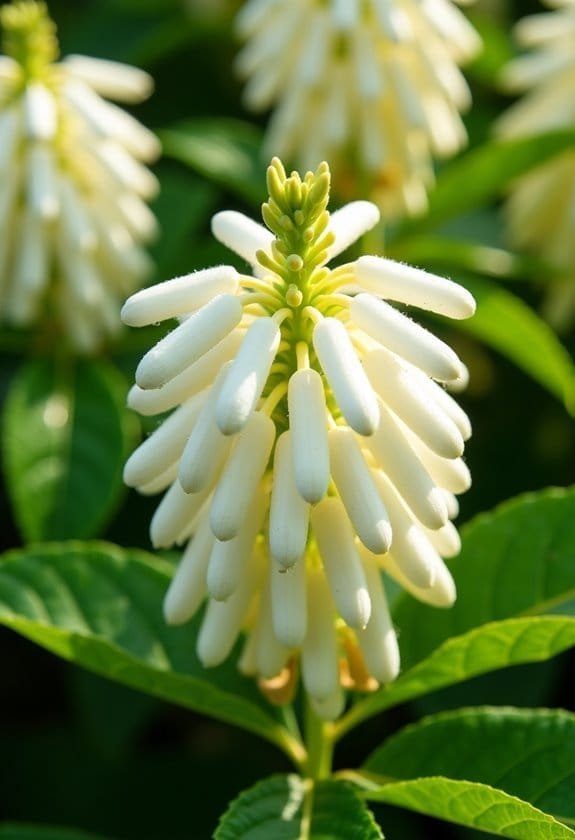
The Bottlebrush Buckeye, or Aesculus parviflora, captivates gardeners with its impressive height and stunning floral display. Reaching between 6 to 12 feet tall and wide, this deciduous shrub flourishes in the Southeast U.S., favoring moist, well-drained soils.
Its long, fluffy white flower clusters bloom in early summer, attracting various pollinators like bees and butterflies, making it a crucial component of local ecosystems.
Aesculus parviflora showcases dark green, palmate compound leaves that shift to a striking buttery yellow in the fall, providing year-round visual interest. This seasonal change not only enhances garden aesthetics but also offers habitats for wildlife, as the shrub produces pear-shaped nuts—though toxic to humans and livestock, they serve as a food source for squirrels.
Additionally, the Bottlebrush Buckeye forms colonies through suckering, enriching biodiversity within garden settings. This capacity to thrive in partial shade to full sun allows it to be well-suited for woodland gardens and shady areas, enhancing the landscape with its unique characteristics.
The combination of its architectural form, lush foliage, and spectacular flowers makes Aesculus parviflora a prized addition to any garden.