The Allium genus, with approximately 500 to 750 species, blends culinary staples and ornamental beauties. Common edibles like Allium cepa (onions) and Allium sativum (garlic) complement striking varieties such as Allium giganteum, showcasing vibrant pom-pom flowers. These versatile plants thrive in well-drained soil and require at least six hours of sunlight daily, with heights ranging from 1 to 3 feet. They attract beneficial pollinators, supporting biodiversity while providing essential nutrition. As gardeners cultivate these species, they experience the seamless interplay of aesthetics and practicality, enriching both culinary enjoyment and landscape design. Further exploration reveals even greater insights about this fascinating genus.
Main Points
- The Allium genus includes around 500-750 species, featuring both culinary staples like garlic and onions and ornamental varieties like Allium giganteum.
- Edible Alliums are rich in vitamins A, C, and K, providing health benefits such as antioxidants that support overall wellness.
- Ornamental Alliums offer striking spherical blooms, enhancing garden aesthetics from late spring to early summer with vibrant color and unique structures.
- Alliums thrive in well-drained soil with full sun requirements, needing at least six hours of sunlight daily for optimal growth.
- The ecological role of Allium species includes attracting pollinators, enhancing biodiversity, and supporting ecosystem health through staggered blooming periods.
Introduction
The Allium genus, encompassing both culinary and ornamental varieties, is rich in diversity and function.
With approximately 500 to 750 species, including well-known staples like garlic and onions alongside stunning blooms such as Allium giganteum, these plants serve crucial roles in gardens and kitchens alike.
Understanding their common and scientific names, as well as their unique characteristics, opens a nuanced dialogue about their significance in horticulture and nutrition.
Common Name
While often referred to simply as onions, alliums encompass a diverse range of species, including both ornamental and edible varieties. This genus includes approximately 500 to 750 species, making it a notable member of the Amaryllidaceae family.
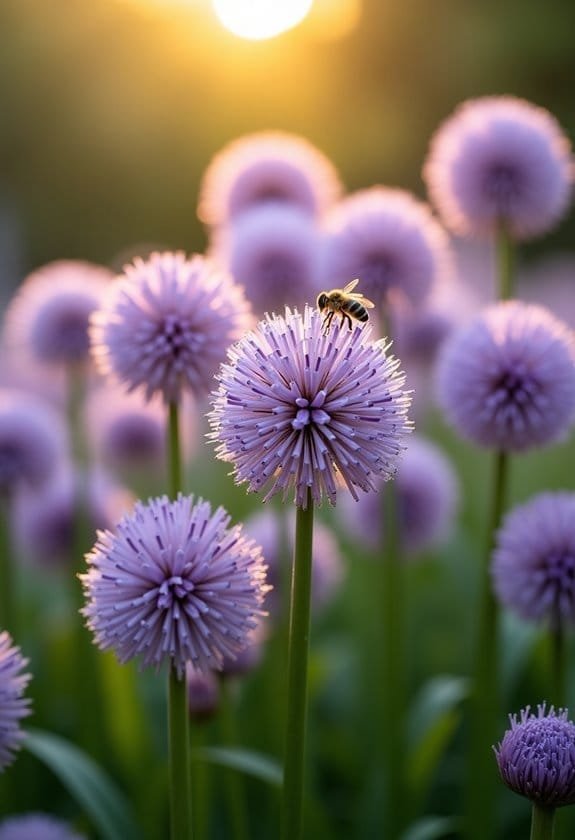
Ornamental alliums, such as Allium giganteum, are particularly admired for their striking, globe-like flower heads, which can reach 4 to 6 inches in diameter. These vibrant blooms not only enhance garden aesthetics but also attract pollinators like bees and butterflies, essential for healthy ecosystems.
Within the domain of edible alliums, varieties like Allium cepa (onions) and Allium sativum (garlic) are celebrated globally for their culinary contributions. Lesser-known but equally delightful, chives (Allium schoenoprasum) offer both flavor and nutrition, revealing the versatility of this genus.
The allure of species like Purple Sensation—a stunning purple flowered variety—reveals the merging of beauty and functionality in gardening. Increasingly, urban gardeners are turning to alliums, reflecting a growing trend toward edible landscaping, emphasizing sustainable practices while delighting in the dual purpose of these fascinating plants.
Scientific Name
With around 500 to 750 species, the Allium genus presents a fascinating study of diversity within the Amaryllidaceae family. This extensive range encompasses both ornamental onions, celebrated for their aesthetic allure, and edible varieties that grace culinary traditions worldwide.
Among the notable ornamental selections, Allium giganteum stands tall, forming striking floral displays that can reach heights of up to four feet, while Allium aflatunense captivates with its large, spherical flower heads.
In contrast, the edible spectrum features well-known species such as Allium cepa, commonly recognized as onions, and Allium sativum, known as garlic. These plants thrive in well-drained soil, showcasing their resilience and adaptability as they flourish in gardens and farms alike.
The classification of Allium emphasizes not only its botanical significance but also its role in human culture as a staple for flavoring dishes.
Scientific classification captures the essence of these plants, highlighting their remarkable variety and the intriguing combinations of traits.
With its diverse offerings, the Allium genus continues to inspire gardeners and chefs alike, bridging ornamental beauty with culinary utility, encapsulating nature's bounty in every bloom and bulb.
Overview
Exploring the Allium genus reveals a fascinating world where ornamental beauty meets culinary delight. With approximately 500 to 750 species globally, alliums encompass both vibrant ornamental varieties, such as Purple Sensation (A. aflatunense) and Millenium, and beloved edibles like garlic, onions, and chives.
These plants thrive in well-drained, sunny, or partly sunny locations, making them adaptable to various garden designs, from perennial borders to rock gardens.
Ornamental alliums capture attention with their globular blooms, some reaching heights of up to 4 feet tall, requiring minimal maintenance while attracting beneficial pollinators like bees and butterflies throughout the growing season.
Meanwhile, their edible counterparts not only enhance culinary creations with rich flavors, but they also boast significant nutritional profiles, being rich in vitamins A, C, and K, while exhibiting antioxidant properties.
Gardeners appreciate the versatility of alliums, as they seamlessly blend aesthetic allure with health benefits.
This unique combination elevates gardens and kitchens alike, demonstrating that beauty and nourishment can coexist harmoniously in nature.
The diverse Allium offerings consequently invite exploration and enjoyment, nurturing both the senses and the palate in an enriching experience.
Key Features
The Allium genus showcases a remarkable range in growth size, appearance, and flowering season.
Ranging from small, delicate chives to towering ornamental varieties that can reach heights of 3 feet, these plants boast striking spherical flower heads that captivate gardeners.
Flowering primarily in late spring to early summer, Allium species not only enhance garden aesthetics but also contribute to biodiversity and visual interest.
Growth Size
Allium species exhibit a remarkable range in growth size, typically standing between 1 to 3 feet tall. This significant height variability showcases species differentiation, as varieties such as Allium bulgaricum often achieve the upper end of this spectrum, reaching impressive heights that enhance their ornamental appeal.
When discussing the growth rate comparison among different species, it's crucial to note that some alliums may thrive rapidly in ideal conditions, while others may exhibit a slower growth pattern, promoting patient cultivation methods. The various forms of growth contribute to their adaptability in diverse garden environments, where some may flourish in sunny spaces while others prefer partial shade.
In terms of propagation, many alliums develop robust bulbous root systems that allow for effective bulb division, illustrating their resilience and versatility. This propagation method not only fosters new growth but also emphasizes their importance in both ornamental and edible contexts.
Ultimately, the growth size and adaptability of Allium species make them valuable additions to any garden, enhancing both its aesthetic charm and culinary potential with their range of heights and forms.
Appearance
Frequently admired for their striking appearance, Allium species showcase slender, grey-green leaves that emit a pungent aroma when crushed, making them easily identifiable in gardens. The leaf shape is typically narrow and elongated, contributing to their elegant stature. Growing between 1 to 3 feet tall, these plants serve as mesmerizing focal points, drawing the eye and enhancing the landscape's visual drama.
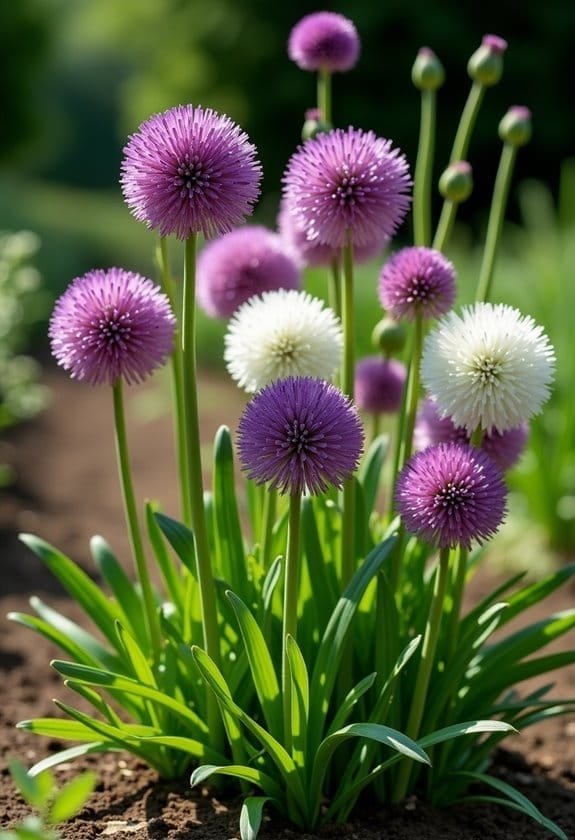
In terms of flower structure, ornamental alliums feature unique spherical flower heads, often dubbed "pom-poms." These clusters, characterized by their round arrangement of smaller blooms, display a rich palette of colors, including blues, purples, whites, and yellows. Such variety not only adds vibrant visual interest but also attracts a myriad of pollinators, like bees and butterflies, crucial for ecological balance.
Conversely, many edible alliums, such as chives and wild garlic, produce starry white blooms. These delicate flowers enhance garden aesthetics while also being culinary delights.
Collectively, the combination of their appealing leaf shape, diverse flower structures, and distinctive aroma profile makes Allium species a cherished choice for both ornamental and edible gardens, merging beauty with functionality.
Flowering Season
Displaying their enchanting beauty during specific times of the year, Allium species bloom at varying intervals, highlighting their versatility in the garden. These plants exhibit notable flowering durations, with many ornamental varieties, such as Allium giganteum and Allium moly, showcasing their spectacular clusters from late spring to early summer.
This period sees a vibrant explosion of colors, including shades of purple, blue, white, and yellow, offering a striking visual for garden enthusiasts.
Edible alliums, like chives and garlic, also contribute to this colorful display, producing their delicate flowers during the same timeframe. The bloom colors of these edible varieties often attract beneficial pollinators, such as bees and butterflies, creating a lively ecosystem that enhances the gardeners' experience.
However, seasonal variations among different allium species create a rich tapestry of interest, as some may bloom as early as spring while others remain a prominent feature until mid-summer. With their characteristic spherical clusters, Allium flowers do more than beautify; they play an essential role in sustaining their surrounding environments throughout their flowering season.
Growing Requirements
Allium species require specific growing conditions to flourish, as they perform best in well-drained soil, thriving under full sun to light shade.
These plants benefit from moderate watering practices, which help prevent waterlogging and subsequent bulb rot, a common issue in poorly drained environments.
Light
Most Allium species thrive best in well-drained soil and need full sun to light shade for ideal growth. Adequate sunlight exposure is essential; many alliums require at least six hours of direct sunlight each day to flourish. In particular, edible varieties like garlic and onions benefit immensely from sunny locations, as this enhances their bulb development and flavor.
While most alliums prefer bright conditions, some species, such as chives and wild garlic, exhibit notable shade tolerance and can endure partial shade. Nonetheless, relying too heavily on shade can impair their growth, leading to weaker plants that become increasingly susceptible to diseases.
Plants that receive insufficient light may not achieve their full potential regarding vigor and bloom quality.
For ornamental alliums, positioning them in sunny areas dramatically contributes to the vibrancy and longevity of their distinctive blooms. As a result, gardeners must carefully consider the light requirements of each species when planning their planting arrangements, ensuring ideal conditions.
Soil
Ensuring proper soil conditions is essential for the successful growth of Allium species. These vibrant plants thrive in well-drained soil, making effective drainage solutions vital to prevent issues such as bulb rot and mildew. When preparing the planting site, gardeners should focus on strongly incorporating organic soil amendments, which can enhance aeration and improve drainage.
Furthermore, Allium species prefer full sun to light shade, as sunlight plays an important role in their development and bloom production. While general fertility management emphasizes moderate nitrogen levels for growth, excessive nitrogen can lead to unwanted lush foliage that detracts from bloom quality. Generally, a soil nitrogen content of around 10 percent is ideal for these plants.
Though high humidity can negatively impact Allium, particularly in closed environments where moisture lingers, the strategic planting in open, sunny sites mitigates disease susceptibility considerably.
It's worth noting that certain varieties, like chives and wild garlic, show an unusual tolerance for partial shade, expanding their appeal and allowing for flexible planting options in varied garden settings. Overall, achieving the right soil characteristics is imperative for maximizing the beauty and health of Allium species.
Water
Watering is a fundamental component for the healthy growth of Allium species, as proper moisture levels directly influence their development. These plants thrive in well-drained soil, which is essential to mitigate risks associated with overwatering, such as root rot and fungal diseases that thrive in overly damp conditions.
Alliums require moderate watering techniques; excessive moisture may hamper bulb development, while insufficient hydration can lead to stunted growth and diminished overall health.
Timing is essential as well; spring and early fall present ideal moments for watering, ensuring bulbs get established before facing harsher temperature fluctuations.
Additionally, humidity control is important for Alliums, as balanced humidity levels foster resilience against diseases like downy mildew. Brooklime's adaptability in wetland environments demonstrates the contrasting influence of moisture levels on plant health.
While most varieties prefer full sun, some, such as chives and wild garlic, can adapt to partial shade, allowing for versatility in garden design while still necessitating appropriate moisture.
Temperature
Alliums thrive in full sunlight, requiring at least 6 to 8 hours of direct sun each day for ideal growth. Their remarkable climate adaptation enables them to flourish in a variety of environments, reflecting a strong temperature resilience. Most species can endure seasonal fluctuations, especially within USDA zones 4 to 8, where temperatures meld harmoniously with their growth requirements.
Optimal growth conditions for edible varieties, such as garlic and chives, necessitate moderate climates along with consistent moisture. Excessively cold conditions can hinder bulb development, so growers should take precautions, such as ensuring adequate drainage, to prevent bulb rot and fungal diseases that arise from overly damp soil.
While many alliums exhibit hardiness, surviving cold winters with relative ease, non-hardy species require extra care. These delicate varieties should be carefully dug up and stored in frost-free locations to shield them from freezing temperatures that could otherwise compromise their liveliness.
Pollinator Criteria
Allium flowers play a pivotal role in attracting various pollinators, such as bees and butterflies, through their vibrant colors and unique global arrangement.
These flowers utilize a method of pollination primarily facilitated by these insects, ensuring effective transfer of pollen from one bloom to another, which is essential for plant reproduction.
Attracted Pollinators
In gardens filled with vibrant blooms, alliums stand out as a magnet for a diverse range of pollinators, including bees and butterflies. The striking structure of allium flowers, characterized by their clusters of small blooms, creates ample landing spaces, enhancing nectar accessibility. This enables pollinators to efficiently gather resources, thereby fostering pollinator diversity.
Ornamental varieties such as Allium giganteum and Allium moly, with their large, showy flower clusters, play a vital role in supporting pollinator populations during spring and summer. By providing a consistent food source throughout the growing season, alliums effectively encourage biodiversity within garden ecosystems.
Their staggered bloom times guarantee continual offerings of nectar and pollen, appealing to a wide array of beneficial insects.
Moreover, alliums contribute notably to garden aesthetics, blending visual allure with ecological function. The harmonious combination of striking design and ecological responsibility makes alliums a valuable addition to any garden.
Ultimately, incorporating these elegant plants not only elevates the visual experience but also sustains the delicate balance of nature by attracting essential pollinators, ultimately nurturing a vibrant and thriving ecosystem.
Pollination Method
Attracting a variety of pollinators sets the stage for understanding the pollination methods employed by allium species. These striking plants, with their spherical flower heads and vibrant blooms, not only entice bees and butterflies but also exhibit fascinating reproductive strategies.
Primarily, alliums utilize cross pollination benefits; when pollinators visit, they facilitate pollen transfer between flowers, which enhances genetic diversity and seed production.
However, many allium species also possess self-pollination mechanisms, allowing them to produce seed even in the absence of external pollinators. This adaptability guarantees that they can thrive in various conditions, which can be particularly valuable in fluctuating climates.
Implementing pollinator-friendly practices, such as planting alliums in clusters, creates a visually impactful landscape while simultaneously fostering sustained pollinator populations.
This flower arrangement not only optimizes nectar availability but also extends blooming periods, providing essential nutrition throughout the growing season. Collectively, these features make allium species invaluable in supporting local biodiversity and enhancing garden ecosystems.
Care & Maintenance
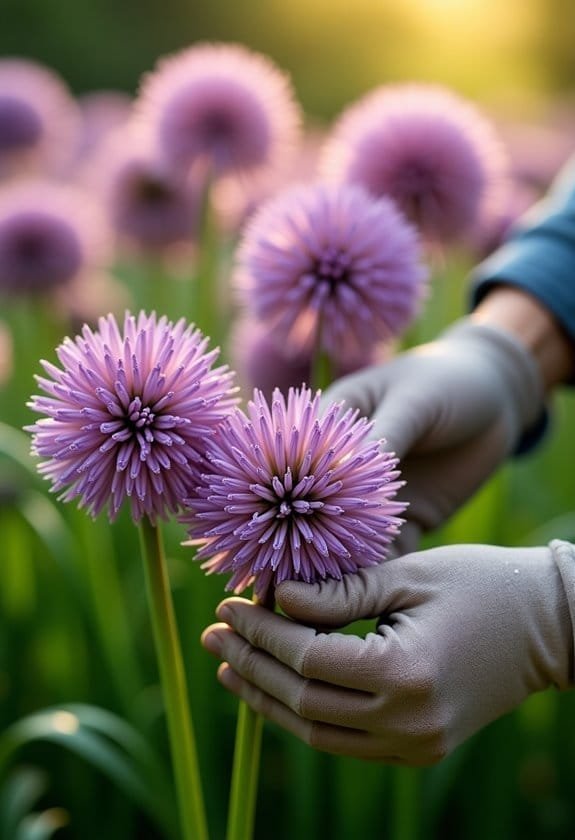
Caring for Allium species begins with proper planting conditions, emphasizing well-drained, nutrient-rich soil, preferably receiving full sun to light shade.
Ongoing maintenance involves monitoring for pests and cutting back foliage post-flowering, which redirects energy toward bulb health.
Additionally, selecting suitable companions can enhance growth; consequently, understanding their interrelationships fosters thriving, vibrant gardens.
Planting Tips
When planting allium bulbs, choosing well-drained, fertile soil is vital for ideal growth and vibrant blooms. The selection of high-quality bulbs is imperative; larger bulbs typically yield healthier and more robust plants.
When deciding on planting depth, a general rule is to bury bulbs three times their height in the soil—this guarantees proper rooting while also offering protection from temperature fluctuations.
Spacing guidelines are equally important; bulbs should be planted approximately six to eight inches apart to allow sufficient airflow, which minimizes the risk of disease and promotes better flowering.
Planting in either spring or fall is advisable, depending on your climate, as it helps establish the bulbs before the onset of extreme weather conditions.
Water moderately, making sure the soil dries out between waterings to prevent bulb rot—a common issue with overly saturated soil.
After flowering, it's beneficial to cut back foliage, allowing the plant to store energy for the following season while preparing for winter dormancy.
Additionally, monitoring for pests like aphids and onion flies will aid in maintaining plant health, protecting these ornamental treasures throughout their life cycle.
Ongoing Care
Ongoing care for allium species guarantees vibrant blooms and healthy growth throughout their life cycle. Proper attention to seasonal adjustments guarantees these ornamental plants flourish in various conditions. They thrive in well-drained soil and benefit immensely from full sun to light shade, establishing an ideal environment.
A well-structured fertilization schedule, particularly the application of low-nitrogen fertilizers in early spring or fall, enhances root strength and encourages robust plant development. Effective pest management is also essential; regular monitoring for nuisances such as aphids and onion flies protects plants from potential damage. Guaranteeing proper drainage mitigates risks associated with bulb rot and mildew, which can threaten allium health.
Post-flowering care involves cutting back foliage, allowing the plant to recharge and rejuvenate for the next blooming cycle. For non-hardy species, diligent gardeners should dig up bulbs in winter to safeguard them from frost.
Additionally, dividing bulb offsets during spring not only facilitates propagation but also promotes ongoing vibrancy, enhancing their visual impact when planted in clusters. Through these thoughtful practices, gardeners can foster a thriving environment for their beloved alliums.
Suggested Companions
For gardeners looking to enhance their allium displays, pairing these striking plants with compatible companions can elevate the overall aesthetic of the garden. Companion planting not only complements the visual impact of alliums but also fosters garden harmony.
Recommended partners include coneflowers and native grasses, which share similar light and moisture requirements, thriving alongside alliums in well-drained soil.
To create a dazzling focal point, gardeners should plant alliums in clusters, allowing their bold forms to juxtapose beautifully with the delicate structure of their companions. This strategic arrangement not only enhances the garden's appeal but also assists in maintaining ideal pest management.
Regular monitoring of companion plants for pests, such as aphids, guarantees that both alliums and their neighbors flourish without significant damage.
Timing is essential; seasonal planting schedules should align, with both alliums and their companions ideally planted in the spring or fall.
Common Issues
Allium species face several common challenges, significantly from pests and diseases that threaten their vigor.
Fungal issues like bulb rot and rust can devastate plants if not addressed with careful soil management and effective drainage solutions, while pests such as aphids and onion flies require vigilant monitoring to prevent infestations.
Pests/Diseases
Healthy growth in allium species can be markedly hindered by various pests and diseases. Overly damp conditions often lead to notable fungal issues, such as bulb rot and mildew, underscoring the importance of proper drainage and soil management.
White rot, caused by the pathogen Sclerotium cepivorum, represents a particularly destructive disease, as it can persist in the soil for years, complicating disease identification efforts. Regular monitoring is essential, as rust and other fungal diseases can severely diminish the health of alliums, thereby necessitating vigilant soil management for effective fungal prevention.
Additionally, common pests like aphids and onion flies pose threats to allium health, requiring close observation and robust pest management strategies. Implementing adequate spacing between plants not only fosters air circulation but also diminishes the risk of infections spreading among neighbors.
Acknowledging the interconnectedness of soil health, moisture levels, and the presence of pests is fundamental for growers aiming to maintain thriving allium populations. By proactively addressing these common issues, gardeners can considerably enhance their plants' resilience, ensuring that the colorful bounty of alliums flourishes amidst environmental challenges.
Solutions
Managing pests and diseases effectively can greatly enhance the health and productivity of allium species. To combat issues such as fungal diseases—including bulb rot and mildew—gardeners should prioritize proper drainage and soil management strategies. Implementing soil amendments, like sand or perlite, can greatly improve aeration, reducing overly damp conditions that foster these threats.
Regular monitoring for pests, particularly aphids and onion flies, is essential. Utilizing natural remedies, such as neem oil or insecticidal soap, can help control these intruders without harming the plants. For diseases like white rot and rust, adopting resistant varieties or practicing crop rotation can mitigate risks considerably.
Timing also plays a pivotal role; for instance, planting calendars indicate that spring is ideal for dividing and planting bulb offsets, as this promotes healthy growth while minimizing overcrowding-related issues.
Additionally, non-hardy allium species must be carefully dug up and stored over winter to shield them from freezing temperatures that could perilously affect their viability in forthcoming seasons.
Summary
The Allium family boasts a diverse range of both ornamental and edible species, totaling around 500 to 750 varieties worldwide. Among the edible varieties, garlic, onions, and chives stand out for their essential culinary uses, contributing depth and aroma to many dishes. Remarkably, shallots and leeks, with their pungent profiles, enhance flavors in gourmet cooking.
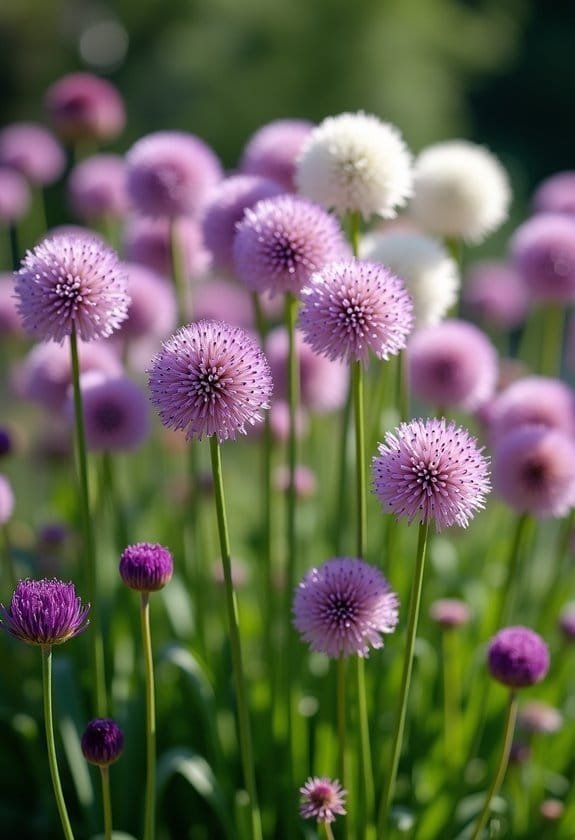
In the ornamental domain, varieties like Purple Sensation and Millenium create striking decorative arrangements that captivate garden admirers, attracting pollinators such as bees and butterflies while remaining unappealing to deer and rabbits.
Alliums thrive in well-drained soil with full sun to light shade, demonstrating resilience with minimal maintenance, making them ideal for naturalistic garden designs alongside other low-maintenance perennials.
Beyond their aesthetic and culinary appeal, many edible allium varieties possess remarkable medicinal properties, boasting significant nutritional benefits. They contain vitamins A, C, and K, as well as antioxidants, which may assist in reducing inflammation and potentially offer anticancer effects.