Alstroemeria, commonly known as Peruvian Lily, comprises approximately 190 cultivated species originating from South America, particularly Brazil and Chile. These stunning flowers display vibrant hues like pink, orange, and purple, often adorned with intricate patterns. Typically 30 to 90 cm tall, some varieties can even reach 1.5 meters. They thrive in USDA zones 7 to 10, requiring well-drained, fertile soil and ample sunlight. Alstroemeria plays a crucial role in supporting pollinators, especially bees and butterflies. With proper care, which includes vigilant pest management and regular watering, these resilient plants can enhance any garden's beauty and ecological health. More insights await those interested.
Main Points
- Alstroemeria, or Peruvian Lily, originates from South America and features around 190 cultivated varieties largely developed in the Netherlands through crossbreeding.
- The plant produces vibrant flowers in various colors, often displaying intricate patterns, and has a long vase life of up to 14 days.
- It thrives in USDA hardiness zones 7 to 10, requiring full sun and well-drained, fertile soil for optimal growth.
- The flowering season supports pollinators like bees and butterflies, enriching local ecosystems through effective pollen transfer.
- Common maintenance includes monitoring for pests and diseases, ensuring proper watering, and dividing tubers every five to six years to maintain plant health.
Introduction
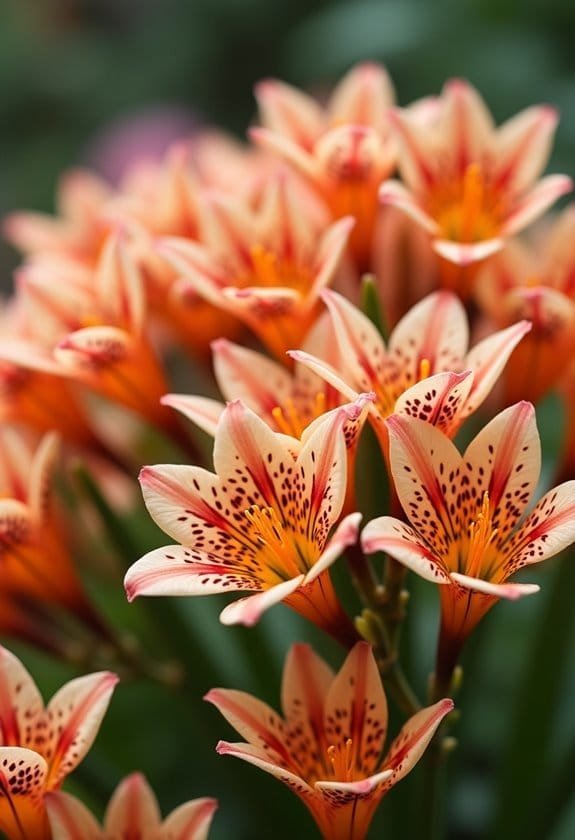
Alstroemeria, commonly referred to as Peruvian Lily, showcases a stunning array of colors and patterns that captivate flower enthusiasts.
This genus, scientifically categorized as Alstroemeria, consists of numerous species native to the diverse landscapes of South America, particularly Brazil, Argentina, and Chile.
With over 190 cultivated varieties resulting from crossbreeding, these resilient plants not only display remarkable floral beauty but also thrive in the cut flower market, boasting a vase life of up to 14 days.
Common Name
Known for its stunning blooms, the genus Alstroemeria is more commonly referred to as the Peruvian Lily. This enchanting flower is native to South America, primarily thriving in Brazil, Argentina, and Chile. Frequently, it's also called the Lily of the Incas, a name that pays homage to its cultural significance and historical relevance in the region. These names highlight not only the plant's origins but also its importance in the local flora.
In addition to the Peruvian Lily and Lily of the Incas, Alstroemeria has garnered a few other common names, such as Parrot Lilies and Princess Lilies. These alternate titles encapsulate the vivid colors and uniquely shaped petals that grace the blooms.
Celebrated in botanical circles, the flowers exhibit an astonishing array of hues, including striking pink, vibrant red, bold orange, and pure white, often featuring intricate flecks, streaks, or stripes.
Beyond ornamental value, Alstroemeria flowers have earned their place in the floral industry, thanks to their remarkable vase life, lasting up to two weeks when properly cut and cared for. This longevity makes them popular choices for arrangements and displays.
Scientific Name
The Peruvian lily's scientific classification reflects its rich botanical heritage. Known as Alstroemeria, this genus was first described in 1762 by the esteemed botanists Johan Peter Falk and Carl Linnaeus. The name "Alstroemeria" honors the Swedish baron Clas Alströmer, a pivotal figure in botany and a close associate of Linnaeus.
Within this genus, various species exhibit unique floral characteristics and impressive adaptations to diverse climates, particularly across their native South America.
Classified as inferior monocots, Alstroemeria encompasses around 190 developed cultivars, exhibiting a dazzling array of colors and intricate marking patterns. These species thrive thanks to their growth from tuber clusters, which anchor them securely in the soil. Remarkably, fertile stems of Alstroemeria can reach heights of up to 1.5 meters (4.9 feet), showcasing their ability to flourish in multiple environmental conditions.
The impressive diversity and adaptability of the Peruvian lily not only captivate plant enthusiasts but also highlight the critical role that this genus plays in the world of horticulture and landscape design. Consequently, the scientific nomenclature of Alstroemeria reveals the fascinating tales nestled within its ecological and evolutionary framework.
Overview
Celebrating a vibrant presence in gardens and floral arrangements, the Peruvian lily enchants enthusiasts with its diverse colors and unique markings. Known scientifically as Alstroemeria, this genus comprises tuberous-rooted perennial plants native to the lush landscapes of South America, particularly Brazil, Chile, and Argentina.
With heights ranging from 1 to 5 feet, Alstroemeria flowers display an impressive spectrum of colors, including red, orange, yellow, and lavender, often enhanced by darker streaks that create striking visual contrasts.
These funnel-shaped blooms typically appear from late spring to early autumn, generating numerous flowering stems that can turn any garden into a veritable palette of beauty. Breeding programs, especially in the Netherlands, have yielded over 190 cultivars, showcasing hybrids that result from the intricate crossings between Chilean and Brazilian species. Each variety bears its distinct personality, appealing to both gardeners and floral designers alike.
Taxonomically classified under inferior monocots, the Peruvian lily has been a subject of meticulous study since its initial description by Carl Linnaeus in 1762, providing a rich foundation for horticultural enthusiasts seeking to cultivate these remarkable plants.
Key Features
Alstroemeria, commonly renowned as the Peruvian Lily, showcases an impressive growth habit, reaching heights of up to 1.5 meters (4.9 feet).
Its funnel-shaped flowers, measuring up to 5 cm (2 in) across, bloom in a stunning array of colors, often adorned with darker streaks, enhancing their visual appeal throughout the flowering season.
Additionally, the dark green, lance-shaped foliage adds aesthetic value, making this plant a remarkable choice for ornamental gardens even during off-peak bloom times.
Growth Size
When you consider the growth size of Alstroemeria species, you'll find an impressive adaptability in their height and structure. These plants typically thrive in clumping forms, growing from tuber clusters that allow them to establish stability in various growing conditions.
Depending on the specific variety, Alstroemeria can range from 30 to 90 cm (1 to 3 feet) in height, although certain fertile stems may reach up to an astonishing 1.5 meters (4.9 feet).
This versatility in size not only enhances the plant's resilience but also contributes to its appeal as a source of cut flowers. The vibrant blossoms, which can appear solitary or in striking umbels, showcase a multitude of colors, including striking reds, fiery oranges, and deep purples.
These dimensions, coupled with alternately arranged, twisting leaves, guarantee that Alstroemeria maintains an engaging presence even in the absence of its stunning flowers.
Ultimately, understanding the growth size of Alstroemeria species reveals their remarkable ability to adapt, flourish, and provide beauty in garden beds and floral arrangements alike. This adaptability underscores why they remain popular among gardeners and florists.
Appearance
A striking array of features defines the appearance of Alstroemeria species, making them a favorite in gardens and floral arrangements. Commonly known as the Peruvian lily, these plants boast flowers that exhibit a stunning funnel shape, measuring about 2 inches (5 cm) across and presenting vibrant colors such as pink, red, orange, purple, and white, often adorned with darker streaks or flecks. This color variation greatly enhances their visual appeal.
The leaves of the Alstroemeria are dark green, lance-shaped, and twisted, arranged alternately along the stems, contributing to their aesthetic allure even when the flowers fade. Typically, the flowers can appear solitary or clustered in umbels, featuring six petals that increase their visual impact in diverse garden settings.
Height varies significantly; most plants grow between 1-3 feet (30-90 cm), with some impressive varieties reaching up to 5 feet (1.5 m), making them versatile for placement in borders or containers.
Additionally, their unique growth habit derived from tuber clusters and the specific structure of their three-valved capsules distinguishes Alstroemeria from other perennial species, solidifying their charm in horticulture.
Flowering Season
During the flowering season, typically lasting from late spring to early autumn, Alstroemeria species showcase their vibrant blooms, adding bright colors to any landscape. Known as Peruvian lilies, these plants can produce up to 80 flowering stems annually, creating a stunning visual impact.
Their funnel-shaped flowers, measuring about 5 cm (2 inches) across, exhibit an impressive variety of colors, including pink, red, and orange, enchanting the eye throughout the growing period.
Different cultivars of Alstroemeria bloom at varied times, contributing to a staggered flowering season that enhances garden appeal. With tailored care, including adequate watering, ideal light exposure, and proper fertilization, gardeners can maximize both the duration and vibrancy of these blooms.
Often, peak flowering occurs during the summer months when conditions are just right, illustrating the harmony between plants and seasonal changes.
As a demonstration of their versatility, Alstroemeria thrives in borders and containers, easily adapting to various gardening styles. The extended flowering season not only delights garden enthusiasts but also attracts pollinators, adding life and movement to outdoor spaces.
Fundamentally, the Alstroemeria's display transforms gardens into vibrant tapestries rich with color and energy.
Growing Requirements
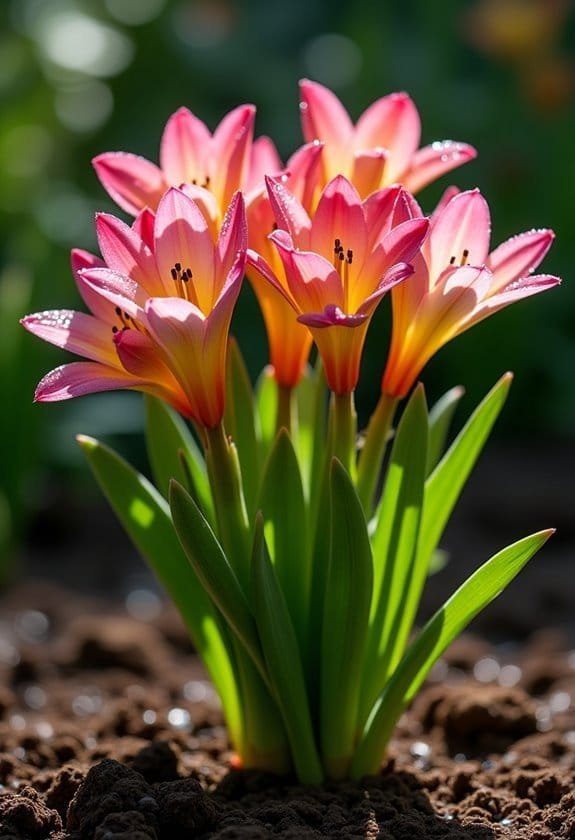
Alstroemeria requires specific growing conditions to flourish, thriving in USDA hardiness zones 7 to 10.
They need full sun for 6 to 8 hours daily, ideally situated in well-drained, fertile soil, enriched with compost, and characterized by a slightly acidic pH.
Adequate moisture is essential, as the plants benefit from at least one inch of water weekly, yet care must be taken to prevent waterlogging, which can lead to detrimental root rot.
Light
Providing adequate light is crucial for the healthy growth and blooming of Alstroemeria. These vibrant flowers flourish in full sun, requiring at least 6-8 hours of direct sunlight each day. This exposure guarantees robust plant development and vivid blossoms.
In hotter climates, afternoon shade can be beneficial, shielding the plants from excessive heat stress, which can otherwise hinder their strength and blooming potential.
While Alstroemeria can tolerate light shade, gardeners should be cautious; too much shade negatively impacts flowering performance and overall health. Insufficient light often leads to spindly growth, characterized by elongated stems and sparse blooms, ultimately diminishing the plant's aesthetic appeal. Consequently, adequate sunlight serves as a foundation for thriving flora.
Moreover, choosing a location with well-drained soil is key in maintaining proper light conditions, enhancing airflow, and supporting healthy growth. When combined with the necessary sunlight, these elements create an ideal environment for Alstroemeria to thrive.
As a result, striking a balance between sufficient light and protection from extreme conditions allows these Peruvian lilies to reach their full potential, both in growth and beauty, embodying the vibrant elegance for which they're celebrated.
Soil
The foundation of healthy Alstroemeria growth lies in the quality of its soil. This delightful flower thrives best in well-drained, fertile soil, ideally enriched with compost to provide indispensable nutrients for robust development. A slightly acidic pH range, ideally between 6.0 and 6.8, enhances root development and promotes vibrant blooms, showcasing nature's artistry.
However, while consistent moisture is essential, it's crucial to avoid waterlogging; effective soil drainage plays a significant role in preventing root rot, a common affliction that can devastate Alstroemeria plants.
To achieve ideal soil conditions, gardeners often employ raised beds or lasagna gardening techniques, which enhance drainage and aeration, allowing roots to breathe and thrive in a nutrient-rich environment. Additionally, soil temperatures should reach at least 60°F before planting tuberous roots in the spring, as cooler conditions can impede the plants' energy and growth cycles.
Through careful attention to these soil requirements, gardeners can guarantee that Alstroemeria will flourish, displaying splendid flowers that captivate the senses. Fundamentally, quality soil isn't just a foundation; it's the fertile ground from which beauty springs forth.
Water
While guaranteeing consistent moisture is critical for Alstroemeria's health, managing water levels is equally important to avoid complications. This vibrant cut flower thrives with approximately one inch of water per week, particularly during those dry spells when the soil may become parched.
Gardeners should check the soil surface; if it feels dry to the touch, it's time to water, as maintaining a balanced moisture level prevents stress on the plant.
In regions with high humidity, proper spacing becomes vital, allowing air circulation to combat potential fungal issues. Overwatering, conversely, poses a serious risk, as it can lead to root rot, a condition detrimental to the roots and overall health of the Alstroemeria.
To mitigate this risk, using well-draining soil creates an important barrier against excessive moisture accumulation.
Adjusting watering frequency according to seasonal temperature changes guarantees that Alstroemeria not only survives but also flourishes, producing those lush, colorful blooms that mesmerize gardeners and onlookers alike.
Temperature
How do temperature conditions affect the growth of Alstroemeria? Temperature plays a fundamental role in the flourishing of Alstroemeria, particularly within USDA hardiness zones 7 to 10. These zones encompass temperatures ranging from 10°F to 30°F, providing an ideal environment for this perennial plant.
For Alstroemeria to thrive, it requires a minimum soil temperature of 60°F, making the spring—the time after the threat of frost—perfect for planting.
In hotter regions, providing afternoon shade can greatly alleviate stress during peak sun hours, fostering healthier growth instead of wilting under intense heat. Although Alstroemeria can withstand light frost, it needs winter protection in zone 7 and below. Gardeners typically use mulch or store tubers indoors to guard against harsh conditions.
Additionally, local microclimates can subtly influence the plant's height, blooming cycles, and overall health. Attention to specific growing conditions in each unique environment is essential, as it allows cultivators to tailor their care, maximizing the potential of Alstroemeria amidst varying temperature influences.
Such considerations bridge the gap between mere survival and vibrant, flourishing growth in this enchanting flower.
Pollinator Criteria
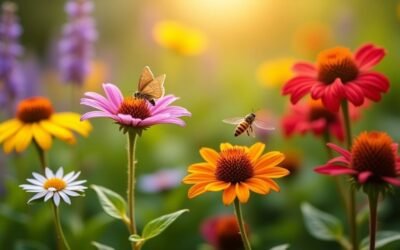
Alstroemeria species draw a diverse array of pollinators, primarily bees and butterflies, owing to their vivid floral displays and abundant nectar.
Characterized by a unique tubular shape, these flowers effectively promote pollination, attracting specialized insects that navigate their intricate structure with remarkable agility.
Attracted Pollinators
Many gardeners appreciate the vibrant allure of Alstroemeria species, particularly for their ability to attract a wide variety of pollinators. Commonly known as Peruvian lilies, these plants boast funnel-shaped flowers that can measure up to 5 cm (2 inches) in diameter, presenting an enticing source of nectar for bees and butterflies.
The blooms, which range in colors from striking reds to deep purples, not only captivate the human eye but also appeal to the visually-oriented nature of many pollinators. Additionally, similar to how selfheal attracts pollinators, Alstroemeria enhances the surrounding biodiversity.
Blooming from early summer into late autumn, Alstroemeria provides a substantial nectar supply throughout critical foraging periods for these beneficial creatures. This extended flowering period supports healthy populations of pollinators, contributing greatly to local ecosystems.
As the flowers flourish, they become essential feeding stations, offering sustenance that bolsters pollinator health and diversity. Additionally, the presence of flowering plants like Sagittaria sagittifolia in the vicinity can further enhance the pollination efficiency by attracting various species of insects.
Pollination Method
The effectiveness of pollination in Alstroemeria species lies in their intricate floral design, which invites specific pollinators. These stunning flowers exhibit vibrant colors that captivate bees and butterflies, making them essential agents in the pollination process.
The tubular structure of these blossoms encourages pollinators to explore inside, facilitating the fundamental transfer of pollen. When bees and butterflies brush against the six delicate petals, they seamlessly move pollen from the anthers to the stigma, creating the perfect conditions for fertilization.
Some Alstroemeria species have developed unique petal markings known as nectar guides, which serve to further entice pollinators toward the flowers' reproductive parts. This strategic adaptation enhances the likelihood of successful pollination.
The combination of alluring colors and nectar-rich offerings establishes a bountiful food source, ensuring that pollinators return repeatedly, thereby promoting genetic diversity within the Alstroemeria population.
Moreover, the flowers' ability to bloom over an extended season optimizes the pollination process, allowing these plants to thrive in various environments. This interplay of adaptations supports not only the Alstroemeria species but also attracts important pollinator communities, which are essential for maintaining biodiversity in surrounding ecosystems.
As a result, Alstroemeria not only captivates with its beauty but plays an important role in sustaining ecological interactions.
Care & Maintenance
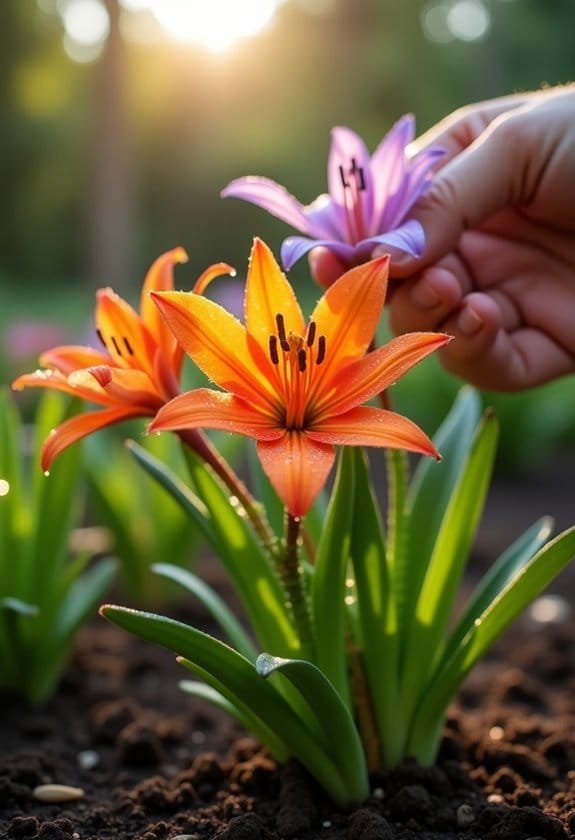
Caring for Alstroemeria requires attention to detail, ensuring consistent hydration through about one inch of water weekly.
Ongoing maintenance encompasses nutritional support with a balanced fertilizer, which enhances flowering performance while promoting vigorous growth; proper pruning techniques also play an essential role by encouraging budding from the base of spent stems.
Selecting companion plants that thrive under similar conditions can further enrich the garden, creating a harmonious environment that benefits all species involved.
Planting Tips
To successfully plant Alstroemeria, timing and location are vital. These vibrant Peruvian lilies thrive when tubers are planted in the spring, specifically after the danger of frost has passed and the soil temperature reaches at least 60°F.
Selecting a site that receives full sun for a robust 6-8 hours daily is significant; however, in particularly warm regions, offering afternoon shade can prevent scorched leaves, ensuring lush growth.
When planting, it's advisable to space the tubers about two feet apart. Cover them with roughly two inches of well-draining soil that's been enriched with organic compost, a critical factor for maximum fertility.
To nourish the plants effectively, they require a weekly watering schedule, supplying at least one inch of moisture, particularly during dry spells. Observing the surface soil's moisture level helps avoid root rot, a common problem in overly wet conditions.
After the blooming period, it's important to prune back spent stems at the base. This strategic cut redirects energy to healthier growth, sustaining vigor for future seasons and ensuring a flourishing display of Peruvian lilies year after year.
Ongoing Care
Ongoing care for Alstroemeria guarantees vibrant blooms and healthy plants throughout their growing season. These striking flowers require consistent moisture, needing at least one inch of water weekly, especially during dry spells.
It's essential to make sure their soil remains well-drained to prevent the dreaded root rot, a common peril for many gardeners.
To encourage new growth, spent stems should be pruned back to the base instead of cutting them haphazardly. This strategic pruning redirects energy, promoting abundant blooms.
Additionally, as heavy feeders, Alstroemeria benefits from a balanced, slow-release fertilizer applied throughout the growing season, enhancing flower production considerably.
In colder climates, insulating the roots with mulch and cutting back foliage after the growing season provides critical protection during the winter dormancy.
Regular monitoring for garden pests, such as aphids and slugs, is important.
Implementing proper spacing enhances air circulation, fostering healthy growth while warding off disease.
Suggested Companions
In a vibrant garden, Alstroemeria species thrive alongside various companions that enhance both aesthetics and practicality. These long-lived perennials pair beautifully with other perennials like Echinacea and Sedum. Their compatibility arises from similar soil and light conditions, creating a colorful mixed border that attracts the eye.
Combining Alstroemeria with low-maintenance plants, such as Lavender, not only boosts garden charm but also reduces upkeep; both varieties are drought-tolerant once established.
When designing container gardens, pairing Alstroemeria with ornamental grasses introduces texture and height variation, adding visual intrigue to any arrangement.
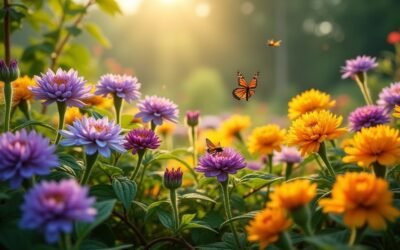
For wildlife-friendly gardens, incorporating nectar-rich plants like Salvia complements Alstroemeria, effectively drawing in beneficial pollinators such as bees and butterflies, which play vital roles in ecosystem health.
In Mediterranean gardens, Alstroemeria shines alongside heat-tolerant companions like Agastache, creating a striking color palette that flourishes in full sun and well-drained soils. The ability of various perennials, including Alstroemeria, to thrive in rich, loamy substrates(#) makes them excellent choices for sustainable gardening practices.
This harmonious blending illustrates how thoughtful companion planting can transform any garden space, ensuring luscious blooms and ecological benefits that resonate in every corner of hidden oases.
Common Issues
Alstroemeria plants face several common issues that can hinder their growth and flowering potential.
Pests such as slugs and aphids, along with fungal diseases like Botrytis, require vigilant monitoring and appropriate interventions, while overwatering can lead to debilitating root rot.
Pests/Diseases
Pests and diseases pose essential challenges for gardeners cultivating Alstroemeria. Common pests, including slugs, aphids, and whiteflies, can severely damage these vibrant plants. Gardeners often manage these infestations with insect soap or slug bait, both of which provide effective options for keeping pesky invaders at bay.
Furthermore, diseases such as Botrytis, commonly known as gray mold, manifest as gray-brown spores and thrive in excessively humid conditions. Properly spacing plants and employing thoughtful watering practices can greatly reduce the risk of this fungal infection.
One of the most detrimental ailments for Alstroemeria is root rot, which results from fungal pathogens thriving in poorly drained soil. This condition manifests as wilting and decay, robbing the plant of energy. To prevent root rot, ensuring well-drained soil and allowing the substrate to dry out between waterings is fundamental, as saturation can foster fungal growth.
Regular monitoring for pests and diseases is essential, for neglect can lead to considerable damage or even plant mortality. Additionally, overcrowding and substandard soil conditions can hinder blooming, making Alstroemeria more vulnerable to these damaging pests and diseases.
Solutions
Tackling common issues in Alstroemeria cultivation requires proactive steps to keep the plants healthy and thriving.
Confirming well-draining soil is fundamental; overwatering can lead to devastating root rot, causing plants to wilt and decay. It's important to allow the soil to dry out between waterings, maintaining a careful balance for peak growth.
Regular monitoring is significant to manage pests, such as slugs, aphids, and mites, which can disrupt the plant's vigor. Utilizing insect soap not only deters these invaders but also protects the leaves, paving the way for healthier blooms.
Additionally, in humid conditions, the risk of botrytis or gray mold increases. To combat this, gardeners should confirm adequate spacing and airflow, preventing disease development and promoting robustness.
For varieties with weak or spindly growth, providing stakes for support can be effective, allowing strong stems to develop.
Finally, dividing tubers every five to six years rejuvenates the plants, confirming a vibrant and continuous display of flowers. Notably, implementing proper cultural practices can further enhance air circulation among Alstroemeria plants.
Summary
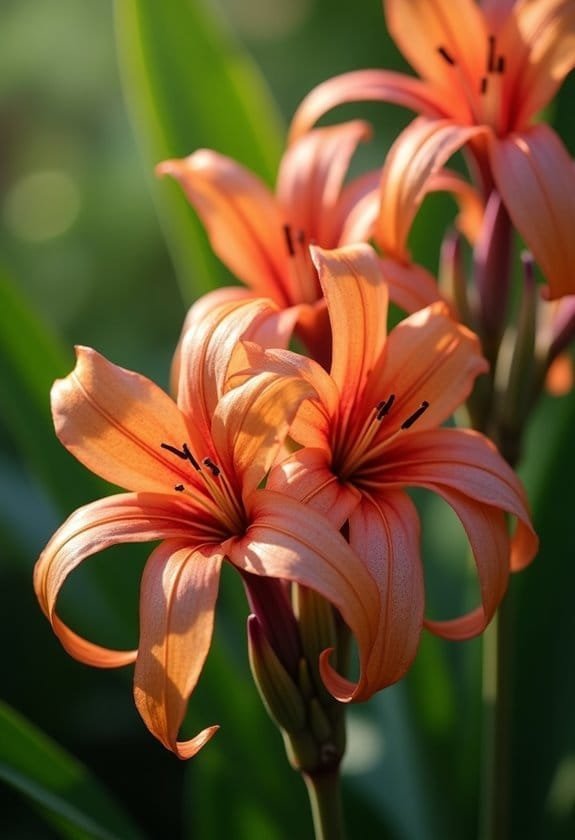
With over 190 cultivars, Alstroemeria, commonly known as Peruvian lilies, showcases a vibrant array of flower colors, including red, orange, yellow, and pink. This enchanting genus, native to South America—particularly Brazil, Argentina, and Chile—thrives in USDA hardiness zones 7 to 10.
Known for its clumping perennial growth habit, Alstroemeria can reach impressive heights of up to 1.5 meters (4.9 feet) and features smooth-edged, lance-shaped leaves that elegantly complement its striking blooms.
The flowers, typically funnel-shaped and approximately 5 cm (2 inches) across, appear either solitary or in umbels, creating a long-lasting visual display from late spring to early autumn. This remarkable adaptability and aesthetic appeal have made the Peruvian lily a favorite within the cut flower trade, offering an exceptional vase life of up to 14 days.
This longevity not only enhances its desirability for floral arrangements but also makes it a splendid choice for garden cultivation. Collectively, these attributes position Alstroemeria as a beloved staple among enthusiasts and professionals alike, ensuring its enduring popularity in gardens and floral displays worldwide.