Angelica archangelica, commonly referred to as Angelica, is a biennial herb from the Apiaceae family, renowned for its impressive height, reaching up to 8 feet, and its broad, segmented leaves. This plant flourishes in moist, well-drained soils, favoring shaded to partially shaded areas. In culinary spheres, it enhances various dishes and liqueurs with a distinctive licorice flavor, while also holding significance in traditional medicine. The abundant yellowish-green flowers attract pollinators like bees and butterflies, supporting local ecosystems. Furthermore, maintaining proper care can mitigate common challenges, ensuring the plant thrives beautifully in gardens. Explore further to uncover additional insights.
Main Points
- Angelica archangelica is a biennial herb characterized by its tall stalks, lush green leaves, and aromatic roots, thriving in moist, shaded conditions.
- It is used in cooking and beverages, particularly in Scandinavian cuisine, and has medicinal properties for digestive health.
- The plant attracts pollinators like bees and butterflies with its fragrant yellowish-green flowers, enhancing local ecosystems.
- Care includes consistent moisture, mulching, and monitoring for pests like aphids and slugs to ensure healthy growth.
- Suitable companion plants include ferns and native species, promoting biodiversity and improving soil health in gardens.
Introduction
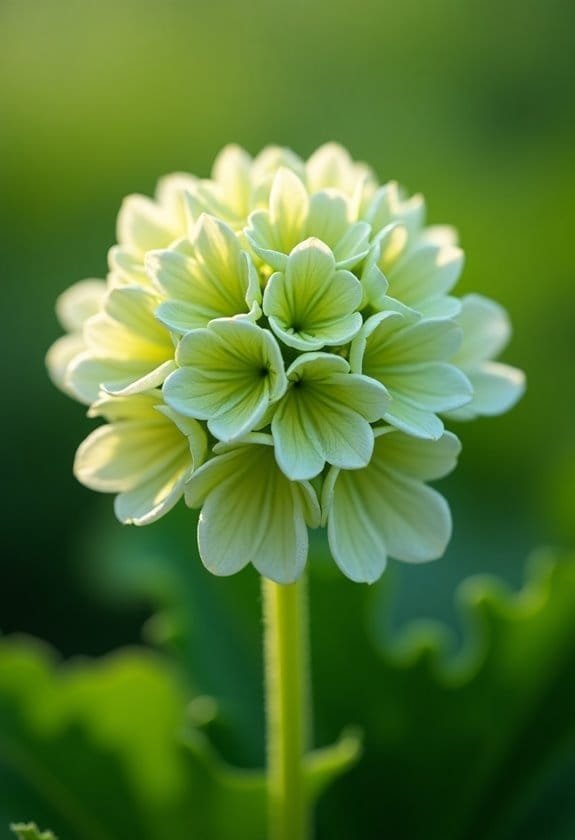
Angelica archangelica, commonly referred to as Angelica, stands out as a fascinating herb belonging to the Apiaceae family.
This biennial or short-lived perennial can reach heights of 3 to 6 feet, showcasing striking greenish-white to yellowish umbels that bloom in summer.
Renowned for its culinary and medicinal applications, Angelica captivates enthusiasts across Europe, Asia, and North America, thriving in moist, rich environments that nourish its remarkable qualities.
Common Name
Known for its aromatic qualities, Angelica archangelica is often referred to by several common names, including Angelica, Archangel, Garden Angelica, Ground Ash, and Wild Celery. The name "Angelica" has Latin roots, meaning "angel-like," which highlights the plant's fragrant characteristics and charm. This common name signifies the allure that Angelica archangelica holds in various culinary applications, particularly in flavoring alcoholic beverages like Chartreuse and Bénédictine. Additionally, its candied stalks have gained popularity as sweet delicacies.
In Scandinavian cuisine, the significance of Angelica extends beyond mere flavoring; it serves as a cherished ingredient in traditional recipes, celebrating its dual roles in culinary and medicinal practices.
The term "Archangelica" arises from Old French and Greek origins, meaning "chief angel," indicative of the plant's esteemed historical medicinal properties. This dual association with both culinary and healing uses enhances its appeal, attracting those who appreciate its versatility.
Ultimately, Angelica archangelica's common names reflect not only its delightful aromas but also its rich cultural and historical significance, connecting people through generations of use and appreciation.
Scientific Name
The scientific designation for this remarkable plant is Angelica archangelica, which identifies it within the Apiaceae family. This classification reflects its botanical characteristics and natural relationships, situating it alongside other notable herbs.
Primarily recognized for its therapeutic properties, Angelica archangelica features a thick, fleshy, purple-colored root, akin to wild carrot, that's been utilized in both culinary and medicinal applications for centuries.
Typically, this biennial herb grows to impressive heights of 3 to 6 feet while spreading between 2 to 4 feet, making it a significant presence in various herb gardens. During the early to mid-summer flowering period, the plant showcases delightful umbel formations of small flowers, often displaying beautiful shades of yellow, green, and white, adding to its aesthetic appeal.
Angelica archangelica is native to diverse regions, including Europe, Asia, and North America, thriving particularly in moist habitats such as wetlands and riverbanks.
Its scientific name not only serves as a classification tool but also embodies a legacy of traditional uses, showcasing the extensive role this plant has played in human culture and health.
Overview
Often celebrated for its vibrant presence and rich history, Angelica archangelica stands out as a remarkable biennial herb within the Apiaceae family. This striking plant can reach heights of 3 to 6 feet, exhibiting a strong musky aroma that distinguishes it from other herbs. Brooklime (Veronica beccabunga) is another perennial herb known for its ecological benefits, thriving in moist, freshwater habitats.
Thriving in moderately cool climates, Angelica prefers well-drained soil that remains consistently moist, flourishing best in conditions ranging from part shade to full sun exposure.
During early to mid-summer, specifically from June to July, Angelica showcases its charm by producing greenish-white to greenish-yellow flowers arranged in large umbels. The plant's leaves and roots boast an intriguing licorice flavor, making them ideal for culinary applications, particularly in liqueurs and desserts.
Historically, Angelica has been valued not only for its culinary uses but also for its purported digestive and medicinal properties, steeped deeply in herbal tradition. Its role in herbal medicine parallels that of other herbs, such as Eupatorium cannabinum(Hemp Agrimony), known for their significant therapeutic benefits.
Native to Europe and parts of Asia, Angelica's multifaceted nature offers both aesthetic appeal and practical benefits, cementing its status as a significant staple in gardens and herbal medicine across various cultures. Its enduring legacy continues to inspire culinary and therapeutic explorations today.
Key Features
Angelica archangelica stands out with its impressive growth size, reaching heights of 3 to 6 feet, showcasing its robust nature.
The plant's appearance is characterized by large, segmented leaves that can extend up to 2 feet in length, while its unique rounded umbels of yellowish-green flowers bloom elegantly from June to July.
This combination of notable size and striking visual features not only enhances garden landscapes but also highlights the plant's significance in culinary and medicinal contexts.
Growth Size
Reaching impressive heights, Angelica archangelica typically grows between 3 to 6 feet (90 to 180 cm) tall while spreading 2 to 4 feet (60 to 120 cm) in its second year when it produces flowering stalks.
This biennial plant shows a remarkable growth pattern; during its first year, it develops a basal rosette of large, finely divided leaves, which can measure up to 2 feet (60 cm) long. These leaves form a lush green carpet, offering a striking contrast to the plant's regal stature.
In its second year, Angelica shifts gears, channeling energy into vertical growth. The flowering stems can reach an extraordinary 8 feet (2.5 meters) high, showcasing rounded umbels of small yellowish-green flowers that draw attention and pollinators alike.
This transformation emphasizes the plant's adaptability in cooler, shadier environments where it thrives in rich, moist soil.
The substantial growth size not only renders Angelica archangelica visually impressive but also reveals its crucial role in the ecosystem, providing habitat and food sources for various species.
Consequently, cultivating this perennial guarantees not just beauty but ecological balance in the garden.
Appearance
When you see Angelica archangelica, its striking features immediately draw your attention. This robust biennial plant can reach heights of 3 to 6 feet, with a spread of 2 to 4 feet, establishing a significant presence in any garden.
Its bright green, hollow stems may possess a subtle purple tint, enhancing its visual appeal as it stands tall and proud.
In the first year of growth, Angelica displays large leaves that can stretch up to an impressive 2 feet long. Each leaf divides intriguingly into three finely toothed leaflets, forming a lush basal rosette that invites admiration.
As the seasons change, Angelica produces rounded umbels of small flowers, which bloom from early to mid-summer. These delicate blooms exhibit enchanting colors, ranging from greenish-yellow to greenish-white, creating a striking contrast against its vibrant foliage.
Furthermore, the seeds that follow are ribbed and carry a characteristic aroma, typically ripening in late summer after the flowering period.
Such features not only elevate the plant's ornamental value but also diversify the accompanying ecosystem, adorning gardens with both beauty and function.
Flowering Season
During the flowering season, which typically occurs from early to mid-summer, Angelica archangelica showcases its stunning umbels. These blooms generally appear between June and July, producing clusters that vary in color from greenish-white to greenish-yellow. Each umbel, measuring around 4 to 6 inches across, consists of numerous delicate flowers that not only embellish the plant but also entice a variety of beneficial insects, promoting a healthy ecosystem.
The flowering stalks can soar up to 6 feet tall, while the initial year sees the establishment of a rosette of leaves. Remarkably, the flowering stems emerge during the second year, underscoring the plant's biennial nature. The flowers, with their intricate arrangements, serve a dual purpose: they attract pollinators and contribute to the overall beauty of the garden.
Following the flowering period, Angelica archangelica shifts into reproductive mode, forming dry, ribbed seeds that reach maturity in late summer. This cycle reinforces the plant's enduring presence, ensuring it can thrive in diverse environments while engaging nature's pollinating allies, thereby illustrating the intricate dance of life in the ecosystem.
Growing Requirements
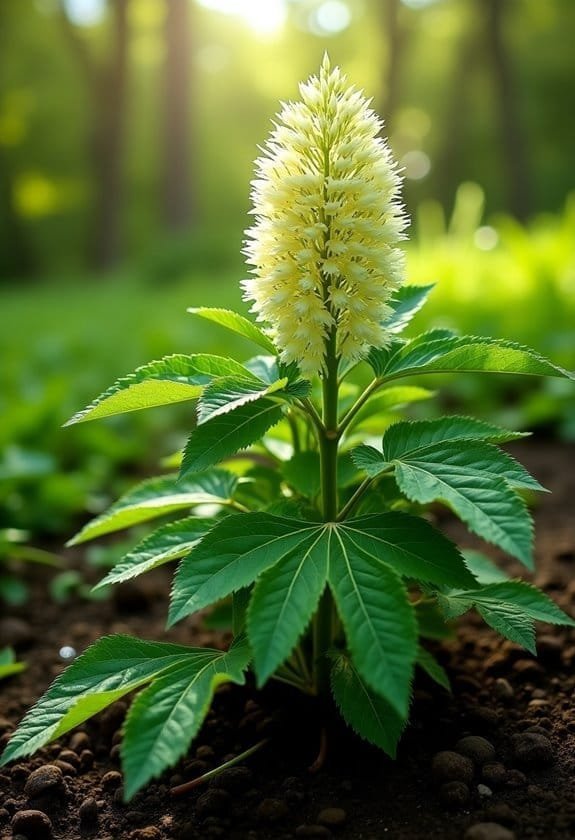
Angelica Archangelica requires specific growing conditions to thrive, showcasing its preference for shaded to partly shaded environments that shield it from intense sunlight.
With its need for consistently moist, rich, well-drained soils and a slightly acidic pH, the plant flourishes best in garden spots that mimic its native habitats, avoiding overly dry conditions that could hinder its growth.
Given its impressive height of up to 6 feet and a spread of 2 to 4 feet, proper spacing and careful attention to water and soil quality are essential for cultivating healthy specimens.
Light
For ideal growth, Angelica archangelica thrives in light conditions that range from part shade to full sun. This resilient plant flourishes best when it's positioned in the shadiest and coolest part of the garden, especially during the sweltering summer months.
Angelica appreciates a balance; while it can tolerate some full sun exposure, excessive direct sunlight may stress the plant, leading to health issues and reduced vitality.
To enhance growth, Angelica requires a site that provides at least some indirect sunlight throughout the day. This guarantees the plant remains robust and vibrant, encouraging both foliage and flowering. Regular monitoring of the light conditions is essential, as too much sun can quickly overwhelm these delicate specimens.
Moreover, Angelica's preference for moderately cool climates reinforces the need for careful placement within a garden. When planted in ideal light conditions, this herb not only contributes to an aesthetically pleasing landscape but also harnesses its medicinal properties effectively.
Given its sensitivity to drought, maintaining a consistent moisture level is equally important, making a well-thought-out light strategy a fundamental aspect of successful Angelica cultivation.
Soil
In well-drained, rich soils, Angelica archangelica thrives, showcasing its preference for consistently moist conditions. This biennial herb flourishes best when planted in fertile soil enriched with organic matter, ensuring its nutritional needs are met throughout its lifecycle.
Ideally, the soil's pH should range from slightly acidic to neutral, typically between 6.0 and 7.0, promoting ideal growth and development.
Angelica often grows in environments such as wet meadows, riverbanks, and moist woodlands, demonstrating a remarkable ability to adapt to naturally retaining moisture. While it enjoys full sun, partial shade is beneficial, as it helps to prevent the soil from drying out too quickly, particularly in warmer months.
Given its sensitivity to drought, maintaining moderate moisture levels is vital; consequently, regular watering is advised to uphold the soil's richness and moisture balance.
Water
Maintaining consistent moisture is essential for the healthy growth of Angelica archangelica. This plant thrives in rich, loamy, and well-drained soils that retain water yet provide proper drainage. To promote ideal moisture levels, regular watering is important, as Angelica is particularly sensitive to low moisture conditions.
Ideally, soil should be damp but not waterlogged, as overwatering can lead to harmful root rot.
During the warmer months, Angelica flourishes in shaded to partially shaded areas, where moisture retention is enhanced, protecting the delicate root system from excessive heat. A mulch layer can greatly assist in preserving soil moisture, especially during dry spells, as it acts as a barrier, reducing evaporation and keeping the roots cool.
To achieve the best growth outcomes, one should aim for soil that maintains high fertility while being consistently moist. Observing these watering requirements guarantees that Angelica archangelica remains healthy and vigorous, ultimately leading to a flourishing growth season. Additionally, too much moisture can similarly lead to issues such as root rot observed in other aquatic plants like the fine-leaved water dropwort.
In nurturing this plant, gardeners must strike a careful balance: providing enough water to sustain life without overwhelming the soil, creating an environment where both plant and gardener thrive harmoniously.
Temperature
Consistent moisture supports Angelica archangelica's growth, but the plant's temperature preferences also play a significant role in its success. Thriving in moderately cool climates, this biennial herb finds its ideal temperature range between 60°F to 75°F (15°C to 24°C).
Gardener's should prioritize these temperatures to promote peak development and overall health, as extreme heat can be detrimental. During peak summer months, the plant favors part shade to full shade, which helps to maintain a cooler root environment and protects it from harsh, direct sunlight.
Moreover, Angelica's frost tolerance allows it to endure cooler conditions, enabling growth periods in early spring and fall when temperatures drop. This remarkable resilience can benefit cultivation, as it invites opportunities for planting and harvesting outside typical growing seasons.
Careful attention to temperature not only encourages robust growth but also enhances the herb's flavor and medicinal properties.
To conclude, understanding Angelica archangelica's temperature preferences is essential for anyone aspiring to cultivate this enchanting herb successfully, ensuring that the delicate balance of moisture and coolness is maintained throughout its growth cycle.
Pollinator Criteria
Angelica archangelica's large, aromatic flower clusters draw in a diverse array of pollinators, most significantly bees and butterflies, enthusiastic for its nectar-rich offerings.
During its flowering period from June to July, the plant plays an essential role in sustaining these beneficial insects, which thrive in the biodiverse habitats of moist woodlands and riverbanks. Notably, plants like Angelica archangelica enhance local ecosystems by providing crucial resources for pollinators while minimizing competition with native species.
The plant's accessible umbels make it a crucial food resource, facilitating effective pollination and supporting local ecosystems without competing with native species. Furthermore, similar to Water Forget-Me-Not, Angelica provides reliable food sources for pollinators, enhancing biodiversity in its environment.
Attracted Pollinators
Pollinators find a welcoming oasis in Angelica archangelica, thanks to its abundant and fragrant flowers. These large umbels, blooming from June to July, release enticing aromas and produce rich nectar that beckons various pollinator species, particularly bees and butterflies.
During the summer months, when many pollinators are most active, the timing of Angelica's flowering aligns perfectly with their search for nutritious food sources.
The plant's striking bright green and white flower coloration enhances its visibility, making it an easy target for foraging pollinators. As these creatures visit the flowers, they facilitate the crucial process of pollen transfer, essential for the plant's reproduction.
This interaction not only increases the seed set—thereby promoting genetic diversity—but also supports local ecosystems. By cultivating Angelica archangelica, gardeners can create a thriving habitat for beneficial pollinators, which, in turn, aids in maintaining balanced ecosystems.
Ultimately, the presence of pollinators in Angelica archangelica's life cycle emphasizes the interdependence of plant and animal species, showcasing the complex dynamics that sustain biodiversity and environmental health.
Pollination Method
In the world of plant reproduction, Angelica archangelica exhibits a fascinating pollination method that centers on its reliance on insect pollinators, especially bees. This herbaceous perennial flourishes during its blooming period from June to July, a time when pollinators are most active, ensuring effective pollination.
With its large, umbrella-like flower clusters, or umbels, A. archangelica attracts bees and other insects seeking nectar, making it accessible for these essential helpers. The small, fragrant flowers release scent compounds that entice pollinators, enhancing the likelihood of cross-pollination. By promoting genetic diversity, this method not only strengthens the population but also contributes to a robust ecosystem. The plant's reliance on insect pollinators underscores the importance of maintaining biodiversity for a healthy environment.
As bees collect nectar, they inadvertently transfer pollen between flowers, facilitating successful pollination. The end result of this process is the development of ribbed seeds. These seeds can self-seed, perpetuating the lifecycle of Angelica archangelica and ensuring its persistence in the environment. Notably, the presence of nitrogen-fixing plants in the surrounding area can further enhance soil quality, benefiting the growth of Angelica archangelica.
Without the dedicated work of insect pollinators, the exquisite dance of pollination would falter, diminishing the plant's chances for survival and evolution. Consequently, bees and their pollination activities remain critical for the health and continuity of Angelica archangelica populations.
Care & Maintenance
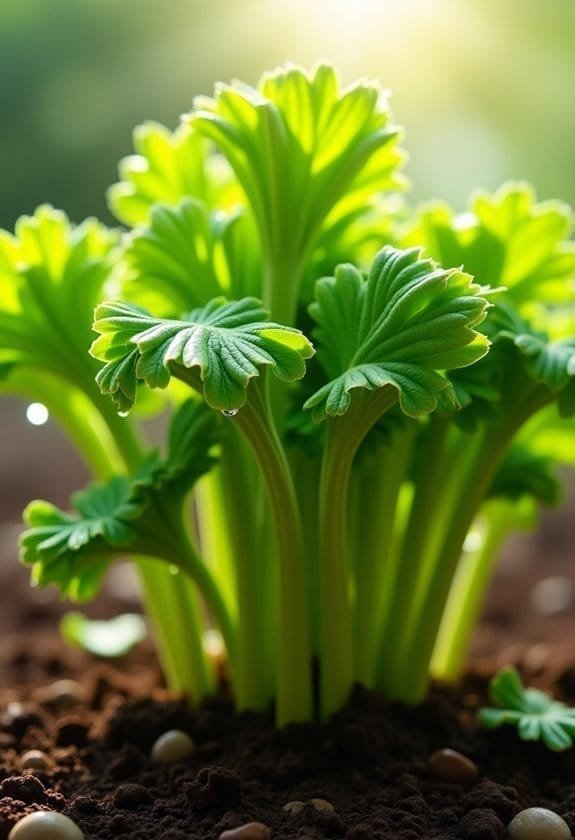
When it comes to caring for Angelica archangelica, understanding its specific needs is key to ensuring robust growth.
This enchanting plant flourishes in rich, well-drained soil and prefers consistently moist conditions, ideally nestled in partial shade to full sun.
Planting Tips
Successful cultivation of Angelica archangelica hinges on a few key care and maintenance practices. When planting, gardeners should aim for well-drained, fertile soil with a slightly acidic pH, ideally between 6.0 and 6.8. Angelica thrives in an environment that offers part shade to full sun; however, it prefers shadier and cooler areas of the garden, making it an excellent choice for woodland or near-water zones.
When considering planting tips, regular watering is essential; maintaining consistently moist soil prevents the plant from drying out, which is important for robust growth. Early spring is the ideal time for propagation, whether through seeds, root cuttings, or division, providing ample time for the plant to establish itself before winter conditions arrive.
Additionally, after flowering, one should cut back the leaves to promote healthy growth and reduce the risk of pest infestations, particularly from aphids and slugs that can target younger specimens.
For those wishing to extend the life cycle of Angelica archangelica, proactively cutting flower stalks before they form seeds may help limit self-seeding, allowing the plant to flourish for multiple years.
Ongoing Care
For Angelica archangelica to thrive, ongoing care is essential. This striking plant flourishes in consistently moist soil, making regular watering vital to prevent desiccation, especially during summer's sweltering months.
It's ideal to situate Angelica in the shadiest, coolest garden areas, ensuring best conditions for robust growth.
After blooming, it's important to cut back flower stems to reinforce new growth and sustain the plant's life for up to four years. This practice not only revitalizes the plant but also enhances its visual appeal for future seasons.
While tending to Angelica, diligent gardeners should monitor for common pests such as slugs, snails, and aphids. Spraying water can effectively manage red spider mites, a nuisance that can inhibit healthy development.
To encourage a continuous cycle of growth, it's advisable to allow spent flower umbels to remain, as they can naturally reseed, enriching the garden with future generations.
During propagation, seeds should be sown when fresh, and healthy young plants should ideally be transplanted when they reach 4-6 inches tall, promoting vigorous root formation and strengthening the plant against environmental stressors. Additionally, ensuring good drainage is important to prevent root issues similar to those seen with Horseshoe Vetch(Hippocrepis Comosa), which thrives in well-drained conditions.
Suggested Companions
Creating a thriving garden with Angelica archangelica involves strategically choosing companion plants that share its preference for moist conditions. For optimal growth, gardeners should consider integrating ferns and astilbes, both of which flourish in damp, rich soil. These plants not only coexist harmoniously with Angelica but also help create a desirable microclimate that enhances moisture retention. Additionally, the presence of native plants like Agrimonia Eupatoria can help improve overall soil health and biodiversity in the garden.
In addition to ferns, incorporating herbs such as parsley and chervil proves beneficial, as they belong to the same Apiaceae family and share similar maintenance needs. Including beneficial flowers like yarrow is a wise choice, too. Yarrow attracts pollinators and beneficial insects, fostering an ecosystem that promotes the overall health of the garden. Furthermore, the inclusion of plants like comfrey can provide important nutrients to the soil, benefiting nearby plants like Angelica.
However, it's essential to avoid grouping Angelica with drought-resistant plants, as the latter's preference for dry conditions sharply contrasts with Angelica's moisture requirements.
By maintaining a diverse planting strategy that includes a variety of compatible species, gardeners can also mitigate pest issues; certain companions naturally repel insects that commonly afflict Angelica.
Ultimately, the thoughtful selection of plants and flowers can greatly enhance the garden's vibrancy and ecological balance.
Common Issues
Angelica archangelica faces several common challenges that can compromise its vigor, including susceptibility to pests like aphids and diseases such as powdery mildew.
To effectively combat these issues, consistent monitoring and prompt intervention are crucial, especially for young plants, which require extra care during their vulnerable growth stages.
Understanding potential threats and maintaining ideal conditions helps guarantee the plant's robust development and enhances its overall appeal in any garden.
Pests/Diseases
Pests and diseases can pose significant challenges for gardeners tending to Angelica archangelica. One of the primary pests that threaten this herbaceous plant is slugs and snails, notorious for feasting on the leaves, particularly in moist environments where they thrive. Their voracious appetite results in considerable leaf damage, which can hinder the plant's overall health.
Another common pest, aphids, attack the sap of Angelica, not only weakening the plant but also serving as potential vectors for harmful plant viruses.
Moreover, leaf miners can inflict damage by targeting the foliage, leaving unsightly trails on the leaves that diminish photosynthesis and ultimately the plant's vigor.
With humidity, Angelica is also prone to powdery mildew, which manifests as a white, powdery coating, especially in shaded areas where air circulation is poor. This fungal disease can seriously affect the plant's aesthetic and physiological functions.
Regular monitoring is essential to identify these pests early. Additionally, implementing cultural practices like ensuring adequate spacing for airflow and watering directly at the base can help mitigate these issues.
Solutions
To effectively manage common issues associated with Angelica archangelica, gardeners should prioritize consistent moisture in the soil, as this plant is particularly sensitive to drying out.
Maintaining soil moisture not only prevents stress but also promotes robust growth indispensable for this biennial herb, which can be unpredictable during its second year.
Additionally, regular seed collection and sowing guarantee a continuous supply of plants, while monitoring young specimens for pests is essential; slugs, snails, and aphids often target these vulnerable stages.
Implementing organic pest control methods can mitigate damage and enhance health.
To further reinforce resilience, gardeners should cut back flower stems post-blooming.
This practice encourages fresh growth, extending the lifespan of Angelica up to four years.
Moreover, staking the plant in exposed areas is advisable to prevent toppling due to its height and weight, particularly when it flowers.
Finally, for those looking to propagate, using root cuttings can be an effective method to produce new plants, guaranteeing the preservation and expansion of this remarkable species in one's garden.
Such preventive measures, coupled with diligent care, can elevate the success of cultivating Angelica archangelica. Additionally, providing companions such as Germander Speedwell can enhance biodiversity and support local ecosystems, benefiting overall plant health.
Summary
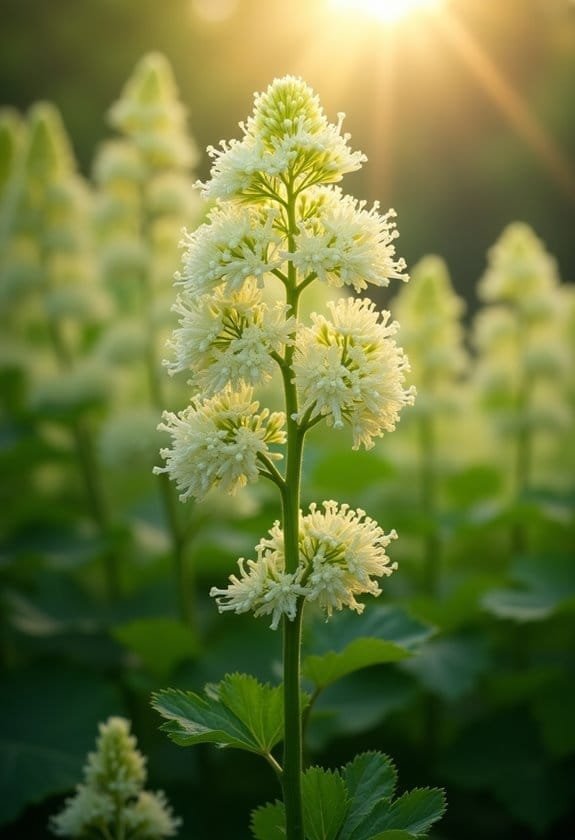
Known for its impressive height and vibrant roots, Angelica archangelica is a biennial herb belonging to the Apiaceae family. Growing between 3 to 6 feet tall, this plant features a thick, fleshy, purple-colored root that stands out in gardens and herb beds.
Thriving in moderately cool climates, Angelica flourishes in consistently moist soil and can adapt to part shade or full sun.
Beyond its aesthetic appeal, Angelica holds historical significance due to its culinary and medicinal purposes. The roots, leaves, and seeds exude a distinct licorice flavor, making them popular in liqueurs and desserts. Additionally, traditional herbal remedies leverage its therapeutic properties, illustrating the plant's versatility in health applications.
However, caution is necessary, as its resemblance to toxic plants may lead to accidental consumption. Accurate identification is essential, as Angelica can cause sensitivity to sunlight or contact dermatitis.
Hence, enthusiastic herbalists should familiarize themselves with this remarkable plant's characteristics to safely harness its benefits. In conclusion, Angelica archangelica captivates with its beauty and multifaceted uses, making it both a gardener's delight and a herbal ally.