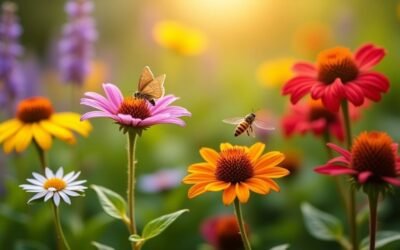
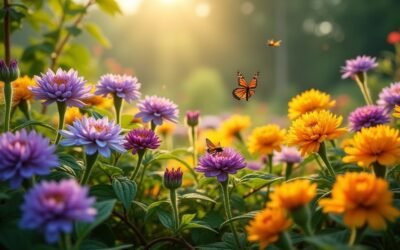
Buddleja davidii, more commonly known as the Butterfly Bush, captivates gardeners with its vibrant, nectar-rich blooms, which can reach 12 feet tall and attract various pollinators. This perennial shrub boasts lanceolate leaves, and its fragrant flower spikes can grow up to 20 cm, enticing bees and butterflies. However, its invasive nature poses ecological challenges, as it competes with native plants and disrupts local ecosystems. While it thrives in well-drained soil under direct sunlight, proper maintenance and pruning are essential to manage its vigor. The nuances of its ecological impact and care invite further exploration for informed gardening strategies.
Main Points
- Buddleja davidii, commonly known as Butterfly Bush, grows 5 to 12 feet tall and produces fragrant, nectar-rich flowers that attract pollinators.
- It is considered an invasive species in some regions, capable of outcompeting native plants, impacting local ecosystems.
- The plant thrives in well-drained soil with at least 6 hours of sunlight daily and is drought-tolerant once established.
- Regular pruning and deadheading promote new growth and manage its rapid spread, while choosing sterile varieties reduces unwanted propagation.
- Common pests include aphids and spider mites; preventive care and monitoring help maintain the plant's health and vigor.
Introduction
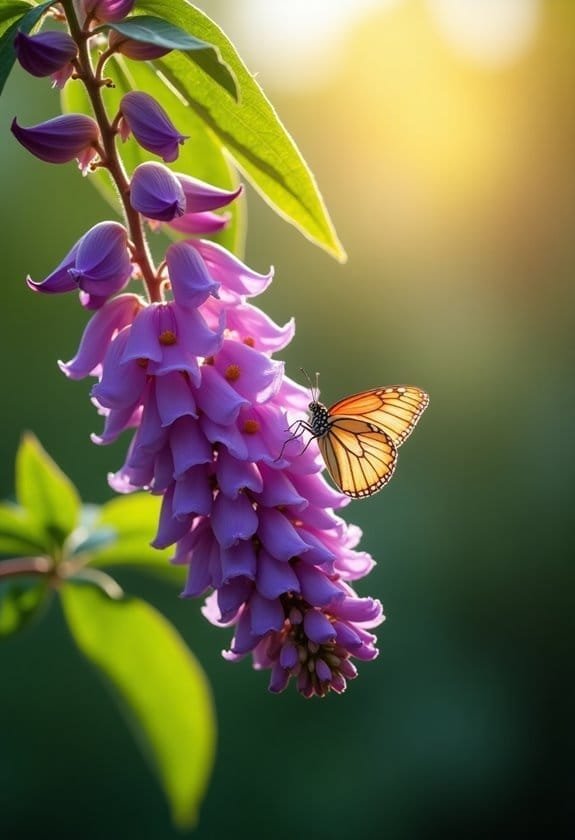
Buddleja davidii, widely recognized as the Butterfly Bush, stands out as a strikingly resilient shrub, renowned for its rapid growth and stunning, fragrant flower spikes.
Reaching heights of 5 to 12 feet, it creates a vibrant landscape, while attracting a myriad of pollinators, particularly butterflies.
However, its prolific seed production and invasiveness in areas like North Carolina raise important discussions about its ecological impact, as it simultaneously offers beauty and potential ecological challenges.
Common Name
Known for its vibrant flowers and ability to attract pollinators, the butterfly bush stands out in gardens across the globe. Also known as summer lilac or the orange-eyed butterfly bush, this attractive perennial is native to Asia and thrives in a variety of environments. Its nectar-rich blooms draw native butterflies and bees, making it a favored choice for enthusiasts looking to cultivate butterfly gardens.
However, the butterfly bush's allure isn't without consequences. It grows rapidly, reaching heights of 5 to 12 feet, and can produce as many as 40,000 seeds per panicle. These seeds retain viability for 3 to 5 years, contributing to its classification as an invasive species in certain regions.
As a result, while the butterfly bush enhances the visual appeal of landscapes and offers sustenance to pollinators, it can disrupt local ecosystems by outcompeting native flora.
Consequently, gardeners and horticulturists must weigh the benefits of attracting native butterflies against the broader ecological implications of introducing such an aggressive plant into their landscapes, ensuring a balance between beauty and environmental health.
Scientific Name
The scientific designation for the butterfly bush is Buddleja davidii, a member of the Figwort family, Scrophulariaceae. This remarkable plant, native to China, possesses notable characteristics that catch the eye and capture the imagination of gardeners and horticulturists alike.
Buddleja davidii can reach impressive heights, ranging from 5 to 12 feet, with gracefully arching stems adorned by opposite lanceolate leaves.
The plant's floral display is particularly striking, featuring honey-scented, lilac to purple flowers arranged in terminal panicles, each panicle measuring approximately 20 cm (8 inches) long. These blooms not only provide aesthetic appeal but are also nectar-rich, making Buddleja an irresistible attraction for butterflies and hummingbirds alike.
Moreover, the reproductive capabilities of the butterfly bush are astonishing; one panicle can yield up to 40,000 seeds, which can remain viable for three to five years. Such prolific generation adds to its appeal in ornamental cultivation.
This combination of beauty and utility solidifies Buddleja davidii's status as a cherished addition to gardens, inviting countless pollinators while delighting observers.
Overview
Why are Butterfly Bushes so beloved among gardeners? Buddleja davidii, commonly referred to as the Butterfly Bush, captivates enthusiasts with its tall growth, vibrant flower spikes, and ability to attract a myriad of pollinators, such as butterflies and hummingbirds.
This deciduous perennial shrub can reach impressive heights of 5 to 12 feet and widths of 8 to 10 feet, creating a striking focal point in any garden.
However, the beauty of the Butterfly Bush comes with significant ecological caveats. It's important to recognize that this popular plant is considered an invasive species in many areas, particularly in North Carolina, where it can produce up to 40,000 seeds per panicle, maintaining viability for three to five years.
The aggressive growth of Butterfly Bush can outcompete native species, thereby disrupting local ecosystems and reducing biodiversity.
While it thrives in well-drained soil with a minimum of six hours of daily sunlight, gardeners must weigh its ornamental allure against its potential ecological impacts. Additionally, like Common Broom, the Butterfly Bush displays exceptional resilience and can thrive in disturbed areas, making it a challenging plant to manage effectively.
Understanding the balance between beauty and environmental stewardship is vital for responsible gardening practices that respect native flora and fauna.
Key Features
Buddleja davidii, commonly known as the butterfly bush, showcases a remarkable growth potential, often reaching heights of 5 to 12 feet and widths of 8 to 10 feet, creating an impressive visual display in gardens.
Its arching stems sprout long panicles adorned with vibrant lilac to purple flowers, which bloom from mid-summer through fall, attracting numerous butterflies and hummingbirds enthusiastic for nectar.
While this shrub is celebrated for its beauty and pollinator appeal, gardeners must remain vigilant, as its vigorous growth can threaten native plant communities, particularly in regions like North Carolina.
Growth Size
Reaching impressive heights, the butterfly bush (Buddleja davidii) can grow rapidly between 5 to 12 feet tall and spread 8 to 10 feet wide, depending on the specific cultivar and environmental conditions. This woody, deciduous shrub demonstrates a vigorous growth habit, often producing long, arching stems adorned with striking flower spikes. These spikes typically measure around 20 cm (8 inches) in length, further enhancing the plant's visual appeal.
The remarkable growth size of the butterfly bush allows it to dominate garden spaces, attracting a myriad of pollinators. However, for gardeners with limited space, various cultivars exist, including appealing dwarf varieties. Some of these smaller options can grow as short as 18 inches, making them suitable for compact gardens while still providing the characteristic beauty and resilience associated with this species.
The butterfly bush is known not just for its size but also for its impressive reproductive capabilities. Each panicle can produce up to 40,000 seeds that can maintain viability for 3-5 years. Consequently, this deciduous shrub offers both charm and adaptability, making it a favored choice among gardening enthusiasts of all levels.
Appearance
The butterfly bush captivates gardeners with its impressive appearance and distinctive features. This remarkable plant, Buddleja davidii, boasts a vigorous growth habit, often reaching heights of 5 to 12 feet and widths of 8 to 10 feet.
Its long, arching stems create a graceful, flowing silhouette, enhancing any garden landscape. Adorned with vibrant clustered flower spikes, which can be as long as 8 inches, the butterfly bush showcases a palette of colors ranging from lilac to deep purple, making it a focal point in any setting.
The fuzzy, tomentose leaves, measuring 7 to 13 centimeters, add texture and depth to its visual appeal. Significantly, the bush's flowers are hermaphroditic, compellingly attracting butterflies and other pollinators with their nectar-rich blooms, which can yield up to 40,000 seeds per panicle.
Various cultivars, like the dark purple 'Black Knight' and the distinctive 'Evil Ways' with chartreuse leaves and maroon flowers, exhibit remarkable diversity in appearance.
This combination of characteristics makes the butterfly bush an enchanting choice for gardening enthusiasts, providing both visual delight and ecological benefits.
Flowering Season
During its vibrant flowering season, which spans from late spring to early fall, the butterfly bush showcases a stunning array of blooms that peak in the summer months. Each flower panicle can reach a remarkable length of up to 20 cm (8 inches) and produces thousands of fragrant flowers that create an intoxicating spectacle in gardens and landscapes.
The vivid colors of the blossoms—ranging from lilac and purple to pink and white—captivate onlookers and contribute to the lush aesthetics of any green space.
This plant serves as an essential nectar source for butterflies and other pollinators, fostering ecosystems and inviting a flurry of winged visitors. The peak bloom period not only enhances the visual beauty of the environment but also supports the significant lifecycle of various pollinators.
Pruning the butterfly bush in early spring encourages new growth, resulting in an even more abundant and prolonged flowering season. As the days warm and summer unfolds, the shimmering flower panicles continue to thrive, attracting nature's most delicate creatures while solidifying the butterfly bush's role as a centerpiece in gardens and a favorite among horticulturists.
Growing Requirements
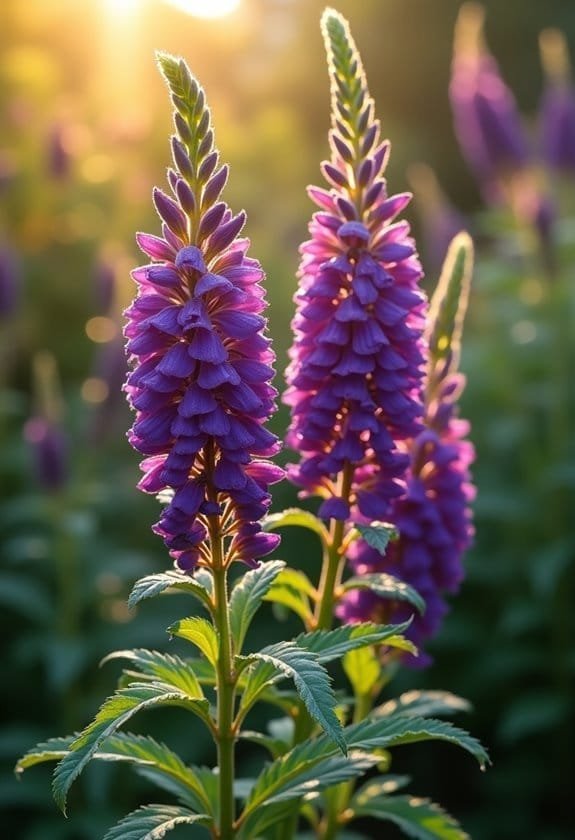
To successfully cultivate Buddleja davidii, one must consider several essential growing requirements, including light, soil, water, and temperature.
This remarkable plant thrives under at least six hours of daily direct sunlight, flourishes in well-drained, organic-rich soil, and becomes drought-tolerant once established.
Light
Butterfly bushes thrive in environments rich in sunlight, needing at least 6 hours of direct exposure each day to achieve preferable growth and vibrant blooms.
These plants flourish in full sun exposure, which not only enhances their beauty through abundant flowering but also attracts invaluable pollinators, such as butterflies and bees. When properly placed in well-lit locations, butterfly bushes exhibit ideal growth, developing robust stems and lush foliage.
Conversely, inadequate sunlight can lead to sparse growth and diminished flowering, ultimately compromising the plant's overall essence.
Gardeners should strategically position these bushes within their landscapes, ensuring they reside toward the back of flower borders or in open areas to maximize light exposure. This thoughtful placement aids in preventing overshadowing by shorter plants that could obstruct sunlight.
When butterfly bushes receive the recommended sunlight, they release their full potential, displaying clusters of uniquely shaped flowers that can sway gently in the breeze like vibrant, colorful flags.
These radiant blooms don't just beautify the landscape; they also play an important role in the ecosystem, supporting local wildlife and contributing to biodiversity.
In short, light is an indispensable ingredient for the thriving success of butterfly bushes.
Soil
For butterfly bushes to flourish, well-drained soil is a must. These plants, scientifically known as Buddleja davidii, are particularly susceptible to root rot if drainage is poor, which can impede their vibrant growth.
Ideally, they thrive in rich, loamy soil that contains ample organic matter. This nutrient-rich composition provides the essential elements necessary for vigorous development and abundant flowering.
Gardeners should also pay attention to the soil's pH, which should ideally range from 6.0 to 7.0. This slightly acidic to neutral condition allows butterfly bushes to absorb nutrients efficiently. Regular soil testing can be invaluable, helping gardeners identify nutrient deficiencies and make informed amendments to foster peak plant health.
Although butterfly bushes exhibit drought tolerance, they perform their best when given consistent moisture during the significant establishment phase. This is particularly important in sandy or excessively dry soils.
Proper attention to soil conditions guarantees a lush growth environment, seamlessly supporting the flourishing of these enchanting plants, famous for attracting butterflies and enhancing garden aesthetics.
Water
Water management is vital for the thriving of Buddleja davidii. This stunning plant flourishes best in well-drained soil, requiring moderate watering, especially during dry spells. During these times, lack of adequate moisture can stress the plant, inhibiting its vibrant blooms.
While established butterfly bushes exhibit drought-tolerant characteristics that enhance their resilience under arid conditions, newly planted specimens demand more attention. Regular watering during their growing season is fundamental for sustaining their health and prolific flowering.
It's imperative to monitor soil moisture diligently, making sure it doesn't become waterlogged, which may lead to root rot and diminish the plant's vigor.
Ideally, Buddleja should receive at least six hours of direct sunlight daily; this exposure not only enhances photosynthesis but also aids in moisture absorption, promoting vigorous growth and lush flowering.
Temperature
When it comes to temperature, Buddleja davidii thrives within USDA plant hardiness zones 5 to 9, proving its adaptability across various climates. This butterfly bush can withstand temperatures as low as -20°F (-29°C), making it resilient against winter challenges.
However, to achieve ideal growth and vibrant flowering, it requires at least six hours of direct sunlight daily.
While the butterfly bush exhibits considerable drought resistance, young plants demand consistent watering until they become established, particularly in regions with elevated temperatures. Additionally, the shrub demonstrates remarkable tolerance for heat and humidity, making it an excellent choice for warmer areas.
Nonetheless, it's essential to confirm that the soil is well-drained, as the plant doesn't thrive in excessively wet conditions.
In landscapes prone to harsh winters, horticulturists advocate for hard pruning in spring to rejuvenate growth, helping the plant recover from dieback caused by winter stress.
As a result, understanding how temperature directly influences its growing requirements allows gardeners to cultivate a healthy and vigorous butterfly bush. By managing these conditions, one can enjoy the dazzling array of butterflies this plant is known to attract.
Pollinator Criteria
The butterfly bush, known for its nectar-rich flowers, plays an essential role in attracting various pollinators, particularly adult butterflies like the monarch.
Its pollination method primarily involves these insects feeding on the abundant nectar while transferring pollen from flower to flower, which promotes cross-fertilization. Notably, the presence of native plants like Meadow Thistle can further enrich gardens by providing essential resources for a wider range of pollinators.
However, it's important to recognize that, despite its appeal, the butterfly bush doesn't support the thorough life cycle of butterflies, as it lacks food sources for caterpillars. Additionally, many native plants, including Kidney Vetch(#), offer essential nectar and food sources for both adult pollinators and their larvae, enhancing biodiversity in gardens.
Attracted Pollinators
Butterfly bushes (Buddleja davidii) are a magnet for pollinators, drawing in an array of species like butterflies, hummingbirds, and bees with their nectar-rich, vibrant flower spikes.
The plant's brightly colored blooms emit a strong fragrance that beckons these essential creatures, encouraging their frequent visits for nourishment. This fragrant allure not only attracts pollinators but also sustains them during the critical summer to fall blooming period, ensuring a continuous food source when their activity peaks.
The flower structure of the butterfly bush, with its open clusters, is particularly accessible, allowing butterflies and various bees to easily gather nectar.
This accessibility results in a diverse array of pollinator species benefiting from the shrub, enhancing local biodiversity.
Additionally, specific cultivars like the Lo & Behold® series have been selectively bred to draw in more pollinators while limiting seed production, thereby mitigating the ecological risks associated with invasiveness.
Pollination Method
How do butterfly bushes facilitate effective pollination? The butterfly bush, or Buddleja davidii, boasts nectar-rich flowers that are exceptionally alluring to a diverse range of pollinators, particularly butterflies. These vibrant blooms emit a sweet scent, coupled with vivid colors, which attract not only butterflies but also bees and hummingbirds.
Arranged in dense clusters known as panicles, typically about 8 inches long, the flower formations provide ample landing areas and feeding opportunities for their guests, ultimately enhancing pollination success. Furthermore, much like bugloss, butterfly bushes have the potential for high seed production(#) that can lead to aggressive population growth.
Primarily, pollination in butterfly bushes occurs through insects. However, it's notable that these plants don't support all butterfly life stages due to a lack of native caterpillar food sources, which can hinder butterfly biodiversity. The flowering period extends from summer to fall, ensuring pollinators have continuous access to nectar during critical months, essential for their survival and reproduction.
Moreover, the butterfly bush exhibits a remarkable seed production capability, generating up to 40,000 seeds per panicle. This high germination rate can lead to rapid population surges, potentially outcompeting native flora and overwhelming local pollinator populations. Additionally, the intense competition for resources can negatively impact local ecosystems, as they rely on a balance of diverse plant species to thrive.
Consequently, while valuable, the butterfly bush presents complex ecological implications.
Care & Maintenance
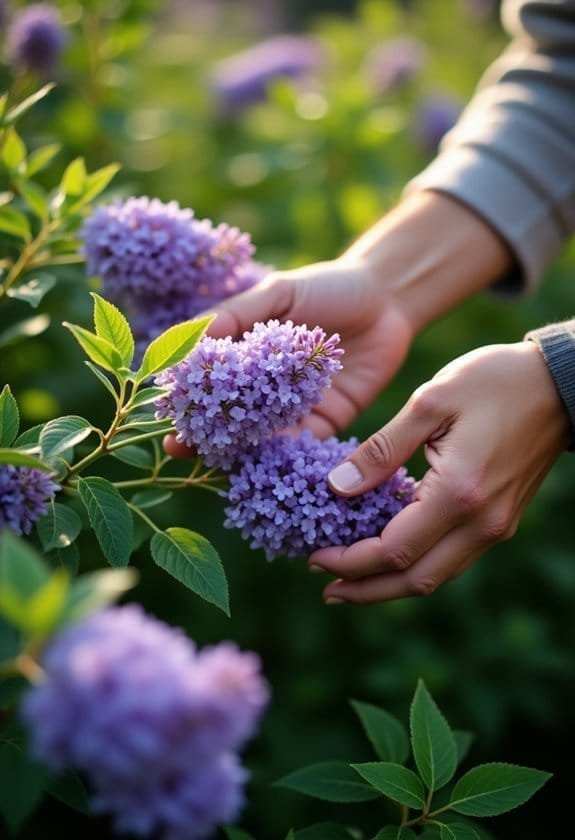
Caring for Buddleja Davidii, or butterfly bush, involves several key practices that guarantee its thriving condition.
Planting in full sun with well-drained soil sets the foundation for robust growth, while ongoing care, including regular pruning and appropriate watering during dry spells, fosters a vibrant display of flowers.
Additionally, selecting companion plants can enhance the garden's aesthetic and ecological balance, creating a harmonious environment for both the butterfly bush and its pollinator friends.
Planting Tips
Finding the right conditions for successful planting is fundamental for establishing a thriving Buddleja Davidii, commonly known as the butterfly bush.
These vibrant perennials flourish in full sun, needing at least six hours of direct sunlight daily to achieve peak growth and abundant flowering. To guarantee health, they prefer well-drained, nutrient-rich soil, which benefits from a spring application of a slow-release granular fertilizer.
When planting butterfly bushes, a good strategy is to monitor their location, preventing overcrowding and allowing ample space for growth. Regular pruning in early spring promotes new growth, enhances flowering, and maintains the desired size and shape of these robust plants.
However, gardeners must remain vigilant about their aggressive growth and tendency to self-seed, implementing measures to prevent invasiveness in cherished garden spaces. The ecological impact of plants like Buddleja Davidii may be analogous to the way Wild Angelica attracts pollinators, impacting local biodiversity.
Once established, butterfly bushes exhibit drought resistance, yet during prolonged dry spells, they should be watered regularly to sustain liveliness and overall health.
Ongoing Care
Ongoing care for Buddleja Davidii plays an important role in maintaining its vibrancy and health after planting. This butterfly bush requires regular pruning in early spring, ideally cutting back to about one-third of its height. This practice encourages new growth, leading to enhanced blooming and a more robust plant overall.
To thrive, Buddleja Davidii needs well-drained soil and a commitment to at least six hours of direct sunlight daily; both factors considerably influence its flowering capabilities. Fertilizing with a slow-release granular formula in spring can support sustained healthy growth throughout the season, facilitating bountiful blooms.
Regular monitoring is vital, especially since butterfly bushes can become invasive under ideal conditions. Deadheading spent flowers reduces seed production, helping prevent unwanted spread.
While they're drought-tolerant once established, occasional deep watering during prolonged dry spells will aid in preserving healthy foliage and supporting vibrant flower production.
With these measures in place, the ongoing care for Buddleja Davidii guarantees a thriving plant that enhances any garden with its striking beauty, drawing in pollinators and providing a delightful visual display.
Suggested Companions
Creating a vibrant garden landscape involves selecting companion plants that harmonize with Buddleja Davidii, enhancing both beauty and biodiversity. Butterfly weed (Asclepias tuberosa) and coneflower (Echinacea) are excellent choices, as they not only attract a multitude of pollinators but also create a visually striking arrangement. Additionally, incorporating Rudbeckia species ensures a burst of yellow to complement the garden's colors.
When designing the space, placing Buddleja towards the back, alongside strategically positioned Knock Out Roses, can establish layered heights, fostering an inviting atmosphere.
Maintaining a diverse palette of flowering times among these companion plants is vital. This approach guarantees a prolonged blooming season, which consequently supports sustained visits from essential pollinators throughout the summer. Additionally, incorporating plants like Stinking Hellebore can provide essential nectar for early-season pollinators while enhancing the overall garden ecosystem.
Regular pruning of Buddleja and its companions not only maintains their shape but also encourages robust growth, resulting in a healthier, more vibrant garden ecosystem.
It's important to select companion plants with similar water and light requirements, as this simplifies maintenance and promotes healthier growth.
Common Issues
Buddleja davidii, or Butterfly Bush, faces several common issues that can impede its growth and introduce complications.
Significantly, pests such as aphids and diseases like powdery mildew can diminish the plant's vigor, prompting the need for targeted solutions to mitigate these challenges.
Regular monitoring and appropriate interventions, such as insecticidal soaps and proper watering techniques, guarantee the plant remains a resilient addition to any garden.
Pests/Diseases
When it comes to maintaining healthy butterfly bushes, gardeners should be aware of several common pests and diseases that can compromise the plants' health.
Aphids, spider mites, and scale insects can inflict considerable damage by sucking sap from the leaves and stems, resulting in distorted foliage, yellowing, and stunted growth. If left untreated, these pests can greatly reduce the plant's vigor and overall resilience, making effective management crucial.
In addition to pest issues, fungal diseases such as powdery mildew and root rot often plague butterfly bushes, particularly under conditions of high humidity and inadequate air circulation.
These diseases can spread quickly, causing further stress to the shrub if proper precautions aren't taken.
Implementing proper care is essential in preventing such problems. Gardeners should guarantee good watering practices, allowing the soil to dry between waterings, and providing adequate spacing for airflow.
These measures not only help maintain ideal health but also diminish susceptibility to both pests and fungal infections.
Recognizing these challenges early enables gardeners to take proactive steps, guaranteeing their butterfly bushes thrive amidst adversity.
Solutions
Effective management is key to enjoying the vibrant beauty of butterfly bushes while minimizing common challenges. These plants are notorious for their aggressive growth, capable of producing up to 40,000 seeds per panicle, which remain viable for 3-5 years. This characteristic fosters significant invasiveness, making control difficult in gardens and natural areas.
To curb this invasive potential, gardeners should regularly prune their butterfly bushes post-flowering, effectively reducing seed production while encouraging fuller shapes and fresh growth.
Additionally, proper site selection plays an essential role; well-drained soil and at least six hours of sunlight daily can help maintain a plant's health, reducing vulnerability to disease and stress.
Opting for sterile varieties, like those from the Lo & Behold series, can greatly mitigate risks associated with self-seeding without sacrificing aesthetic appeal. Vigilant monitoring for signs of self-seeding, along with the proactive practice of deadheading spent flowers, can further prevent unwanted spread, ensuring these striking plants enhance the garden's beauty without overwhelming the landscape.
Balancing the allure of butterfly bushes while managing their growth can create a harmonious environment for both flora and fauna.
What Are the Benefits of Planting Shrubby Hare’s Ear Alongside Butterfly Bush in a Garden?
Planting a shrubby hare’s ear plant alongside a butterfly bush in your garden can bring a variety of benefits. The shrubby hare’s ear plant can add texture and interest to the garden, while the butterfly bush attracts pollinators like butterflies and bees. Together, they create a beautiful and diverse garden ecosystem.
Summary
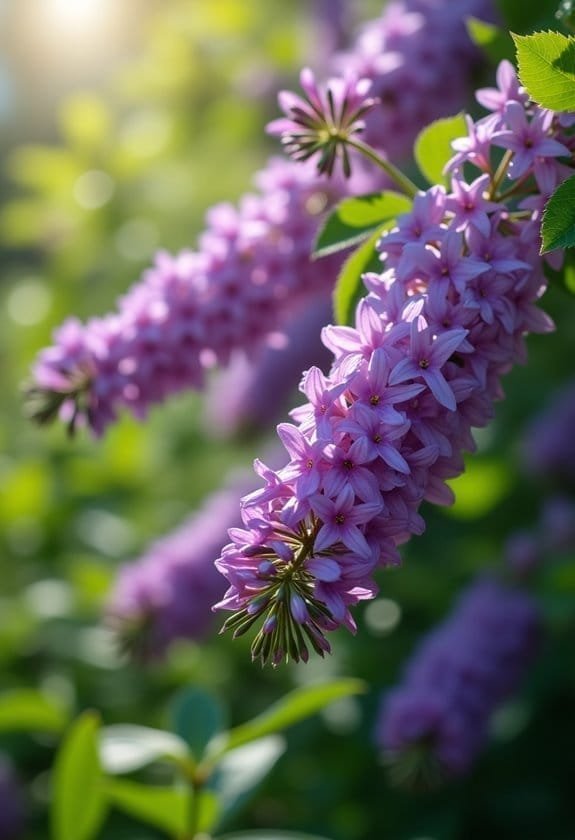
The butterfly bush, or Buddleja davidii, is a popular deciduous shrub known for its vibrant, nectar-rich flowers that attract various pollinators, especially butterflies.
Growing between 5 to 12 feet tall, this striking plant produces up to 40,000 seeds per flowering panicle, which remain viable for an impressive 3 to 5 years. While its beauty appeals to many gardeners, the butterfly bush is deemed an invasive plant in several regions, particularly in North Carolina, where it aggressively outcompetes native species.
Consequently, despite its alluring blossoms, environmentalists warn against its widespread cultivation. The shrub's resilience to drought, heat, and poor soil further contributes to its invasive tendencies, making maintenance minimal yet troublesome in natural habitats.
Numerous cultivars exist, such as 'Black Knight' and 'Royal Red', each displaying unique variations in flower color and size.
In light of the challenges posed by Buddleja davidii, conservation efforts suggest embracing native plant alternatives, such as milkweeds, which foster healthier ecosystems and better support local pollinators through their lifecycle.
Accordingly, the admiration for the butterfly bush must be balanced with cautious consideration for ecological integrity.