Centaurea atropurpurea, or Purple Knapweed, is a alluring perennial thriving in the mountainous meadows of Bohemia and the Balkans. This robust plant grows up to 24 inches (60 cm) tall, spreading about 12 inches (30 cm), and showcases striking, deep ruby-red flowers that are approximately 3 cm wide. Its gray-silver, rosette-arranged foliage is both distinctive and drought-resistant, making it suitable for well-drained, poor soils. Primarily attracting pollinators like bees and butterflies, Purple Knapweed plays a crucial role in promoting ecological balance. Regular maintenance, including deadheading, can enhance its striking display, which intertwines beautifully with diverse garden networks and habitats.
Main Points
- Centaurea atropurpurea, commonly known as Purple Centaury or Dark Purple Knapweed, features deep ruby-red blooms that thrive in well-drained, poor soils.
- This clump-forming perennial grows 24 inches tall and flowers from May to July, attracting essential pollinators like bees and butterflies.
- Native to mountainous meadows of Bohemia and the Balkans, it prefers full sun but can tolerate partial shade during hot summers.
- Regular deadheading and strategic pruning help maintain blooming and overall plant health, as it is resistant to common herbivores.
- Historically, it has medicinal significance associated with Chiron and serves as a beneficial companion plant in biodiversity gardens.
Introduction
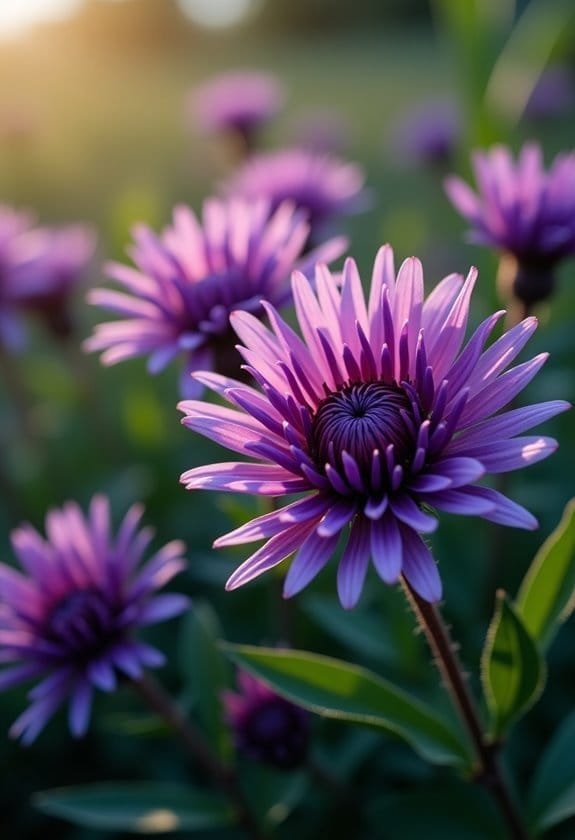
Centaurea atropurpurea, more commonly known as Purple Centaury or Dark Purple Knapweed, showcases the remarkable beauty of the Bohemian and Balkan flora.
This perennial plant, with its striking ruby-red flowers and feathery gray-silver foliage, thrives in the sun-drenched meadows of its native habitat, supporting diverse pollinator populations.
Understanding its unique adaptations not only highlights its ecological significance but also emphasizes the rich tapestry of life found within these mountainous landscapes.
Common Name
Known for its striking appearance, Centaurea atropurpurea is commonly referred to as Purple Centaury or Dark Purple Knapweed. This evocative name highlights its vibrant, deep ruby-red flower color, which resembles the thistle-like flowers characteristic of other members within the Asteraceae family.
Native to mountainous meadows in regions such as Bohemia and the Balkans, this perennial flowering plant thrives in specific habitats, preferring full sun and well-drained, poor soils.
Blooming from May to July, the Dark Purple Knapweed displays solitary flowers that reach approximately 3 cm in width, enticing a variety of pollinators, including bees and butterflies. Its alluring coloration not only enhances the visual appeal of natural landscapes but also plays an essential role in promoting biodiversity within gardens and meadows.
The ability of Centaurea atropurpurea to adapt to diverse soil conditions, while maintaining limited invasiveness, makes it a valuable addition to landscape design. As gardeners and ecologists increasingly recognize its ecological importance, this enchanting plant finds a celebrated place in both ornamental and ecological applications, fostering a more vibrant and interconnected environment.
Scientific Name
Within the domain of botanical nomenclature, Centaurea atropurpurea stands out as a notable example of the Asteraceae family. Its classification in the taxonomy hierarchy demonstrates its relation to other flowering plants, particularly those in the vast and diverse family known for their ecological versatility.
This indigenous species originates primarily from the mountainous meadows of Bohemia and the Balkans, where it flourishes, showcasing its robust structure. Typically, it reaches a height of 24 inches and spans about 12 inches across, presenting deep red-purple thistle-like flowers that bloom impressively from May to July. Vipers Bugloss shares a similar blooming season and ecological role, highlighting the importance of these species in supporting local wildlife.
The name Centaurea pays homage to Chiron, the mythological healer, highlighting the plant's historical medicinal properties, which were often sought after in traditional herbal remedies.
These properties of Centaurea atropurpurea extend beyond its medicinal uses, considerably influencing local ecosystems. Its ability to provide habitat and food sources for various pollinators underpins its ecological impact, illustrating a delicate balance between beauty and functionality in nature. Additionally, similar to the influence of common knapweed's invasive nature, understanding Centaurea atropurpurea's scientific name and its implications enhances appreciation for both its cultural and ecological significance.
Overview
Originating from the rugged landscapes of Bohemia and the Balkans, Centaurea atropurpurea, commonly referred to as Purple Knapweed, showcases the remarkable beauty and ecological importance inherent in its design.
This perennial flowering plant thrives in planting zones that favor full sun and well-drained soil, making it an excellent choice for gardens that experience dry conditions. Standing at 24 inches (60 cm) tall and spreading 12 inches (30 cm), its deep ruby-red, thistle-like flowers bloom from May to July, creating vibrant displays that attract various pollinators, including bees and butterflies. The plant demonstrates notable drought tolerance due to its deep root system, allowing it to access moisture in dry spells effectively.
Beyond its stunning aesthetic, Purple Knapweed plays a crucial role in promoting environmental impact by enhancing biodiversity. Its feathery, gray-silver leaves form a rosette, contributing to its striking appearance while providing essential habitat for wildlife. Additionally, it serves as a vital nectar source for pollinators, supporting local ecosystems and enhancing biodiversity.
The cultural significance of this plant is evident, as it supports local ecosystems and embodies the beauty of native flora. With a sturdy, drought-tolerant nature, once established, Purple Knapweed becomes a resilient component of wildlife gardens and landscapes, underscoring its value in both ecological conservation and ornamental horticulture.
Key Features
Centaurea atropurpurea, widely recognized as Purple Knapweed, showcases striking attributes that enhance its appeal in any garden.
Its deep red-purple blooms, measuring roughly 3 cm, grace the landscape from May to July, while the plant can reach heights of up to 60 cm and spread about 30 cm.
With its unique grey-silver foliage arranged in a rosette, this perennial thrives in well-drained soils, flourishing under full sun and drawing in a plethora of pollinators.
Growth Size
Robustness characterizes the growth size of Centaurea atropurpurea, as this perennial typically reaches a maximum height of 60 cm (24 inches) and features a spread of 30 cm (12 inches).
Its growth habit is clump-forming, allowing it to establish itself in various garden settings while maintaining an organized appearance. When considering plant spacing, gardeners should allow sufficient room for the species to thrive, ideally accommodating the plant's spread.
Height variability exists among individual specimens, influenced by environmental conditions such as sunlight and soil quality. While Centaurea atropurpurea flourishes in full sun, it also tolerates partial shade during extreme heat, which can affect growth rates.
The plant's robust, woody base enables it to endure diverse environmental stresses, making it a resilient addition to any landscape.
Its distinctive grey-silver foliage, arranged in a rosette, complements the striking deep red-purple flowers that bloom from May to July.
These features enhance its aesthetic appeal while underscoring its adaptability. When placed thoughtfully within a garden, Centaurea atropurpurea contributes both texture and color, making it a valuable choice for horticulturists and landscape designers alike.
Appearance
The striking appearance of Centaurea atropurpurea, commonly known as Purple Knapweed, captivates with its deep ruby-red, thistle-like flowers that bloom from May to July. Reaching a height of 36 to 40 inches (90 to 100 cm), this robust plant features solitary flowers on stout stems, showcasing a vibrant color that entices various pollinators, such as bees and butterflies.
The flower color patterns contrast beautifully against the plant's foliage, which consists of feathery, silver-gray leaves that form attractive rosettes at the base. These leaves exhibit a unique texture, enhancing the plant's visual appeal while providing essential nutrients and moisture storage.
Purple Knapweed thrives primarily in mountainous meadows, where it flourishes in well-drained soils and ample sunlight, indicating its habitat preferences. The combination of its striking flowers and distinct leaf textures creates an eye-catching display, making Centaurea atropurpurea an essential addition to gardens or natural landscapes.
Flowering Season
During the vibrant summer months, from May to July, Purple Knapweed comes alive with its striking deep red-purple, thistle-like flowers. This period marks its principal flowering time, when individual flower heads, measuring about 3 cm in diameter, bloom atop tall, sturdy stems.
The seasonal dynamics surrounding Purple Knapweed's flowering not only enhance the landscape but also attract a host of pollinators, including bees and butterflies, which play a crucial role in its reproduction.
Gardeners and cultivators can influence bloom frequency through practices like regular deadheading, encouraging extended blooming periods and elevating aesthetic appeal. For peak flowering, these plants thrive under full sun exposure while benefiting from well-drained soil, which supports robust growth and development.
Understanding the nuances of Purple Knapweed's flowering season provides insight into its ecological significance, elucidating how vibrant blooms can invigorate an environment.
As summer progresses, witnessing these radiant flowers evolve serves as a reminder of nature's intricate cycles and the importance of fostering conditions conducive to their growth. With each bloom, the landscape changes, bringing beauty and life to surroundings as they flourish.
Growing Requirements
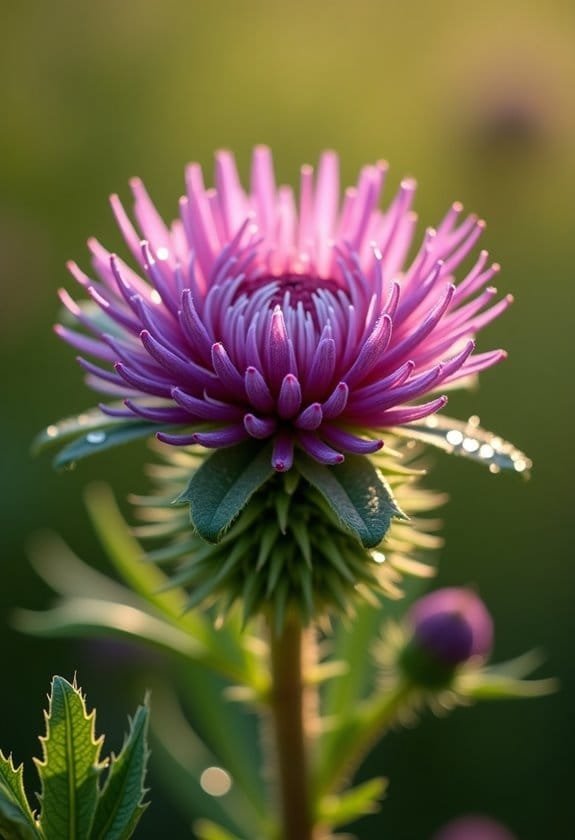
Centaurea atropurpurea flourishes in full sun but can adjust to partial shade during scorching summer days, showcasing its flexibility to varying light conditions.
This perennial thrives best in well-drained soils that are low to moderately fertile, as excessive richness or moisture can hinder its growth and reduce flowering potential.
While established plants exhibit remarkable drought resistance, providing consistent moisture is essential for extending the enchanting bloom period from May to July, enhancing both beauty and vibrancy in the garden.
Light
To grow successfully, Centaurea atropurpurea needs plenty of light, as it thrives in full sun with at least 6 hours of direct sunlight each day.
This vibrant plant flourishes under ideal lighting conditions, which greatly enhance its blooming period from May to July. While Centaurea atropurpurea exhibits some shade tolerance, prolonged exposure to intense heat coupled with insufficient light can lead to negative light intensity effects, such as diminished flowering and weakened overall vigor.
Prolonged shade can also contribute to leggy growth, resulting in a frail structure that may demand additional support to remain upright. Consequently, it's essential to position this species in sunny locations to guarantee adequate light absorption throughout its growing season.
The right balance of bright light conditions empowers the plant to produce its characteristic bold blooms, creating a striking display in any garden.
In essence, the importance of light in the cultivation of Centaurea atropurpurea can't be overstated; proper lighting not only nurtures the plant's growth but also enriches its aesthetic appeal, turning it into an enchanting centerpiece for any landscape.
Soil
For ideal growth, Centaurea atropurpurea requires well-worked, deep, and well-drained soils that prevent stagnant moisture. This species flourishes best in poor, dry soils rather than overly rich or moist environments, which can lead to issues of invasiveness.
Although it's tolerant of temporary drought conditions, maintaining favorable soil moisture regulation through appropriate soil drainage techniques greatly enhances the duration of its flowering period.
In practical terms, gardeners should regularly monitor soil conditions, providing effective drainage to support the plant's resilience against harsh climatic variability.
Implementing soil temperature management strategies, such as mulching, serves not only to regulate moisture levels but also to alleviate extremes in soil temperature. This approach promotes overall plant health and vigor, enabling Centaurea atropurpurea to thrive.
In understanding the interplay between soil composition and plant growth, cultivators gain insights into creating favorable environments.
Awareness of the conditions conducive to robust growth guarantees that gardeners can foster a vibrant lifespan for this striking plant, enhancing both aesthetics and ecological balance in their gardens.
Ultimately, whether in natural settings or cultivated landscapes, the right soil foundations pave the way for a flourishing purple knapweed display.
Water
Water management is vital for the successful growth of Centaurea atropurpurea, especially during its establishment phase. This plant thrives in fairly dry, well-drained soils and demonstrates impressive drought resilience practices once it's firmly rooted. Initially, regular watering is key to support its development, particularly during prolonged dry spells.
Implementing efficient water conservation strategies, like using soaker hoses, helps guarantee the soil receives adequate moisture without becoming overly saturated.
Employing soil moisture techniques, such as mulching around the base, greatly advantages the plant. Mulch retains soil moisture, regulates temperature, and promotes ideal growth by preventing rapid evaporation. However, it's important to avoid rich or overly moist conditions, as this can encourage invasive tendencies in Centaurea atropurpurea. Moreover, adjacent plants like Corn Marigold(Glebionis segetum) can also benefit from similar drought resistance strategies, enhancing biodiversity in the garden.
The plant can endure temporary drought, yet maintaining consistent moisture enhances its flowering duration while safeguarding against root complications due to stagnation. Additionally, consistent moisture is crucial for optimal growth and health, similar to the requirements of other drought-resistant plants like Ajuga reptans.
As a result, gardeners should monitor soil moisture levels and adapt their watering practices accordingly, fostering a robust and healthy environment conducive to the enduring beauty of this purple knapweed.
Temperature
Thriving in a range of climates, Centaurea atropurpurea is remarkably hardy and can endure temperatures as low as -29°C. This impressive temperature adaptation allows the plant to flourish even in challenging conditions, making it a favorite for garden enthusiasts who encounter temperature extremes.
Its resilience is particularly valuable for regions with harsh winters or fluctuating climates.
Optimal growth occurs when Centaurea atropurpurea enjoys full sunlight, although it can tolerate some shade during the hottest days. The plant prefers well-drained soil to prevent stagnant moisture, which can lead to detrimental root rot.
Curiously, while it can withstand periods of drought once established, consistent regular moisture contributes greatly to vibrant flower production and overall plant health.
For caregivers, diligent temperature monitoring is essential to guarantee the ideal growing environment. Seasonal maintenance tasks, such as cutting back dried stems before winter, not only promote recovery but also prepare the plant to thrive anew.
Pollinator Criteria
Centaurea atropurpurea effectively attracts a variety of pollinators, particularly bees and butterflies, drawn by its striking deep red-purple flowers.
Each flower measures about 3 cm and emits nectar and pollen, essential food sources that encourage frequent visits by these important insects.
Attracted Pollinators
With its vibrant deep red-purple flowers, Centaurea atropurpurea effectively draws in a variety of vital pollinators, primarily bees and butterflies. These pollinator preferences greatly influence the surrounding ecosystem, as the plant blooms from May to July, an essential period when other floral resources may dwindle.
The distinct shape and vivid coloration of the flowers play an integral role, making them highly visible and appealing, particularly to bees that are crucial for effective pollination. In addition, the presence of pollinator habitats like chicory encourages a diverse array of visiting species throughout the growing season.
Centaurea atropurpurea not only provides food sources for these pollinators but also enhances biodiversity in both gardens and natural habitats. By attracting diverse pollinator populations, the plant contributes to habitat benefits, fostering healthy plant ecosystems where various species can thrive.
Such ecological interactions guarantee the sustainability of plant communities and agricultural productivity, reinforcing the importance of maintaining such plants within landscapes.
Consequently, focusing on the role of Centaurea atropurpurea highlights a profound interdependence between wildflowers and pollinators.
This relationship encourages conservation efforts aimed at promoting native flora, ultimately benefiting broader ecological health and resilience in our environments. Additionally, the plant's flowering period from June to September helps ensure it captures a wide range of pollinators throughout the growing season.
Pollination Method
Pollination of Centaurea atropurpurea occurs primarily through the activity of its attracted pollinators, such as bees and butterflies, which are drawn to the plant's distinctive flower structure and vibrant coloration.
These pollination strategies are essential during the flowering period from May to July, when the deep red-purple blooms provide an important nectar availability for local pollinator populations. The solitary flower heads, perched on sturdy stems, allow easy access to nectar, making the plant an inviting stop for insects seeking nourishment.
By offering critical pollen and nectar, Centaurea atropurpurea plays a significant role in areas where floral diversity is limited. This support for pollinators enhances the ecological impact of the species, fostering a rich tapestry of interactions in disturbed habitats. As these insects visit the flowers, they inadvertently facilitate the plant's reproduction, ensuring its survival and propagation in various environments.
Thus, the presence of Purple Knapweed not only sustains individual pollinator species but also contributes to broader ecological networks, rising like a critical thread in nature's intricate design. In particular, the plant's ability to attract pollinators is enhanced by its vibrant flower structure, which is crucial for cross-pollination and genetic diversity among local flora. Additionally, its ability to resist drought makes it a reliable food source for pollinators amid changing environmental conditions, showcasing its drought resistance.
Such interactions embody a symbiosis that underscores the importance of preserving both this plant and its pollinators.
Care & Maintenance
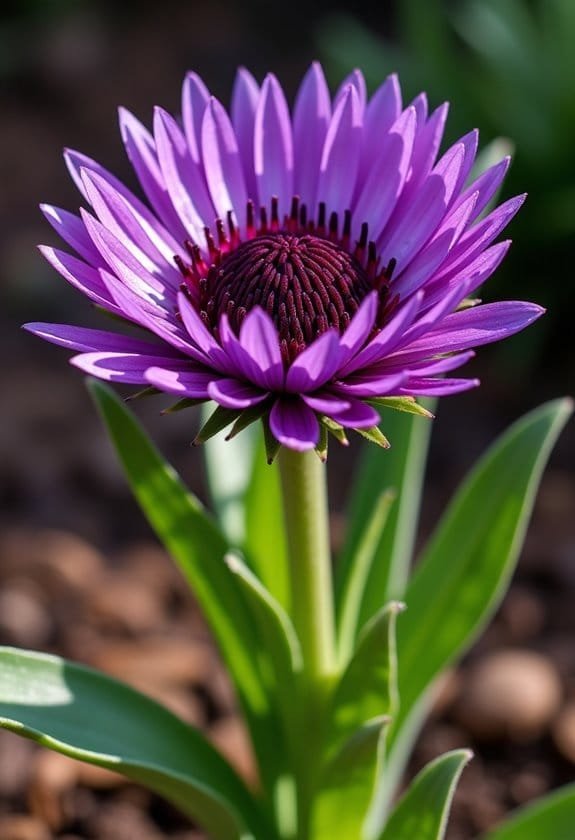
Centaurea atropurpurea thrives best when planted in well-drained soil during the spring or autumn months, establishing a strong foundation for growth.
Ongoing care involves regular deadheading to prolong the blooming season, alongside appropriate mulching practices that regulate soil temperature and moisture retention.
When selecting companions for this perennial, it's beneficial to take into account plants that share similar water and light requirements, creating a harmonious garden ecosystem.
Planting Tips
Choosing the right location for planting Centaurea atropurpurea is essential for its success. This striking perennial thrives in well-drained, deep soil, favoring sunny to semi-shady environments that facilitate ideal growth.
Employing effective seed selection strategies, gardeners can sow seeds directly outdoors or in a cold frame starting mid-April. As these seeds are light germinators, they require gentle soil pressure to promote successful propagation techniques.
Once planted, regular maintenance becomes paramount. Watering should occur consistently with an understanding that this hardy plant withstands temporary drought conditions, thriving in poor, well-drained soils.
To enhance the blooming period, one can engage in seasonal maintenance tips such as deadheading spent flowers. This practice can significantly extend flowering from May through July, ensuring a vibrant display.
As winter approaches, cutting back dried stems prepares Centaurea atropurpurea for recovery and encourages robust growth in the following season. Additionally, incorporating nitrogen-fixing capabilities through companion planting with legumes like white clover can further support soil health and encourage the flourishing of surrounding plants.
All these steps, from site selection to diligent maintenance, embody a holistic approach to cultivation, ensuring this beautiful knapweed flourishes in your garden space, enchanting onlookers with its rich hue and resilience.
Ongoing Care
How can gardeners guarantee that Centaurea atropurpurea continues to thrive after its initial planting? Ongoing care is vital, beginning with effective pruning techniques. Regularly deadheading spent flowers encourages continuous blooming, extending the flowering period from May to July. This simple practice not only beautifies the garden but also promotes healthier growth.
Moreover, cutting back dried stems in late autumn will enhance regrowth, allowing the plant to recover more efficiently in the following spring.
A disciplined fertilizing schedule also plays an important role in the plant's success. Applying fertilizers during the growing season supports robust growth and abundant flowering, always remembering to avoid over-fertilization, which can lead to nutrient imbalances.
Equally important is vigilant disease management. Monitoring for common ailments, such as powdery mildew, guarantees the plant maintains its vigor and resilience. Should symptoms appear, taking immediate action can mitigate potential damage.
Additionally, keeping the soil well-drained and preventing stagnant moisture will create ideal conditions for Centaurea atropurpurea. By adhering to these guidelines, gardeners can cultivate a striking display of vibrant purple knapweed, guaranteeing it remains a centerpiece of their garden for many seasons.
Suggested Companions
When selecting companions for Centaurea atropurpurea, gardeners should prioritize drought-tolerant plants like Echinacea and Sedum, as these species share similar sunlight and water needs. By forming thoughtful plant combinations, gardeners enhance resilience in their environments, yielding growth benefits that promote overall health.
In addition to drought tolerance, contrasting bloom times can greatly extend the visual appeal of a garden. Pairing Centaurea with later-blooming plants like Aster guarantees vibrant color throughout the growing season, especially as Silverweed's flowering period provides a crucial food source for pollinators that can also benefit from these arrangements.
Height variation is also essential; incorporating shorter plants like Thymus (Creeping Thyme) can create visual layers, enhancing structure while preventing overcrowding at the base.
Soil compatibility shouldn't be overlooked, either. Aligning Centaurea with well-drained, poor-soil enthusiasts like Lavandula (Lavender) mitigates moisture-related issues that might negatively affect plant growth, similar to the growing requirements of Silverweed which also prefers well-drained conditions.
Additionally, these diverse plant combinations encourage ecological balance, attracting a wider range of pollinators and fostering biodiversity. Common Yarrow's role as a vital food source for pollinators further emphasizes its importance in a companion planting strategy that supports biodiversity enhancement.
Ultimately, the synergy created through skilled companion planting won't only sustain Centaurea atropurpurea but also enrich its surroundings, offering an inviting and flourishing habitat for both plants and pollinators alike.
Common Issues
Centaurea atropurpurea may encounter various pests and diseases, which can compromise its health and visual appeal.
Powdery mildew, characterized by a white fungal layer on the leaves, is a common affliction that should be promptly addressed to maintain vigor, while excessive self-seeding can hinder intended garden aesthetics.
Regular monitoring and strategic deadheading serve as proactive measures to minimize infestations, ensuring this resilient perennial continues to thrive in diverse conditions. Additionally, understanding the ecological impact of plants like Creeping Buttercup can help in making informed decisions about garden management.
Pests/Diseases
While pests are generally not a major concern for Centaurea atropurpurea, growers should remain alert for the occurrence of powdery mildew, a fungal disease that can compromise the plant's foliage.
This particular strain of mildew thrives in conditions of high humidity combined with poor air circulation, which allows the fungus to flourish and spread rapidly. To mitigate the risk of this disease, effective mildew management strategies are vital.
Regular monitoring of the plants for early signs of mildew is essential, as catching the disease early can greatly reduce its impact. Improved air movement around the plants can be achieved through proper spacing and strategic pruning, thereby minimizing stagnant moisture that favors fungal growth.
Additionally, practicing moisture control during watering by avoiding overhead irrigation helps to keep leaves dry, deterring potential fungal infections.
Interestingly, Centaurea atropurpurea tends to be avoided by common herbivores like deer and rabbits, making it a relatively low-maintenance option for gardens prone to such pests.
With vigilant care and attention to the environmental conditions surrounding these plants, growers can maintain a healthy, vibrant display while minimizing the threats posed by disease.
Solutions
Many gardeners find success by implementing specific solutions for common issues associated with Centaurea atropurpurea.
One effective approach involves invasive management strategies, focusing on regular deadheading to curb seed formation, thereby preventing overgrowth. Additionally, adequate soil drainage is crucial; moist, stagnant conditions can lead to root rot, compromising the plant's health and flowering duration. Herb Robert, for instance, is a known invasive species that demonstrates the importance of managing aggressive plants in garden settings.
Implementing these sustainable gardening practices guarantees that this resilient species remains a welcome addition, not an overwhelming presence.
For effective early detection of powdery mildew, proper plant spacing and air circulation are imperative, enabling greater airflow which minimizes humidity around the foliage.
Moreover, integrating community engagement initiatives enhances overall management; local workshops and group removals create a sense of collective responsibility and knowledge sharing.
How to Care for Crambe Cordifolia (Greater Sea Kale) Like Centaurea Atropurpurea (Purple Knapweed)?
To care for crambe cordifolia (Greater Sea Kale) like centaurea atropurpurea (Purple Knapweed), provide well-drained soil and full sun. Water regularly to keep the soil moist but not waterlogged. Prune dead or damaged stems in spring. Enjoy the beautiful blooms and crambe cordifolia benefits in your garden.
Summary
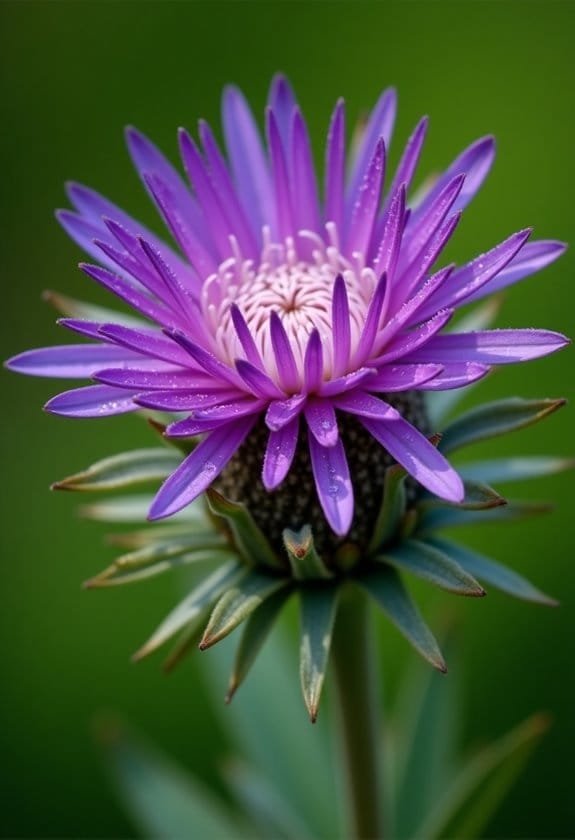
The charm of Centaurea atropurpurea, or Purple Centaury, lies in its striking deep red-purple flowers and adaptability to various garden settings. Native to Bohemia and the Balkan Peninsula, this hardy perennial flourishes in mountainous meadows, showcasing its resilience.
Growing up to 60 cm tall with a spread of 30 cm, Purple Knapweed features grey-silver, pubescent leaves arranged in a rosette, enhancing garden aesthetics.
Blooming from May to July, its fascinating thistle-like flowers attract a variety of pollinators, including bees and butterflies, demonstrating its ecological benefits. Moreover, its capacity to thrive in well-drained soils and full sunlight—while tolerating partial shade during intense heat—makes it a versatile addition to wildflower meadows, contributing considerably to biodiversity. Additionally, like Water Avens, Purple Knapweed plays a critical role in supporting local ecosystem diversity by providing nectar and habitat for various species. Notably, its blooming period aligns with that of pollinators like bees which enhances its role in promoting ecological stability.
Centaurea atropurpurea requires minimal maintenance and exhibits drought tolerance, reinforcing its practical value for gardeners.
Its cultural significance can't be overlooked; this plant not only beautifies surroundings but also reflects human endeavors to harmonize with nature.
To conclude, the Purple Centaury embodies a perfect blend of functionality and allure, fulfilling both aesthetic and ecological roles within diverse landscapes.