Centaurea cyanus, or cornflower, is a enchanting annual flowering plant from the Asteraceae family, noted for its mesmerizing blue blossoms and adaptability to diverse soil types. Growing between 12 to 36 inches (30 to 90 cm), these flowers bloom from late spring to early fall, boasting heads approximately 1.5 inches (3.5 cm) in diameter. Cornflowers thrive best in full sun or light shade, requiring minimal watering once established. They play a significant role in local ecosystems by attracting pollinators like bees and butterflies. Understanding their cultivation intricacies reveals further insights into their ecological significance and cultural symbolism, enriching the gardening experience.
Main Points
- Centaurea cyanus, or cornflower, is an annual plant known for its striking blue blooms and grows 12 to 36 inches tall.
- It thrives in well-drained soils and prefers full sun, being adaptable to USDA hardiness zones 3 to 10.
- Cornflowers bloom from late spring to early fall, attracting pollinators like bees and butterflies for effective reproduction.
- Pests like aphids and diseases such as rot can affect cornflowers, requiring good gardening practices for management.
- Symbolically, cornflowers represent love and have cultural significance, particularly as Germany's national floral emblem.
Introduction
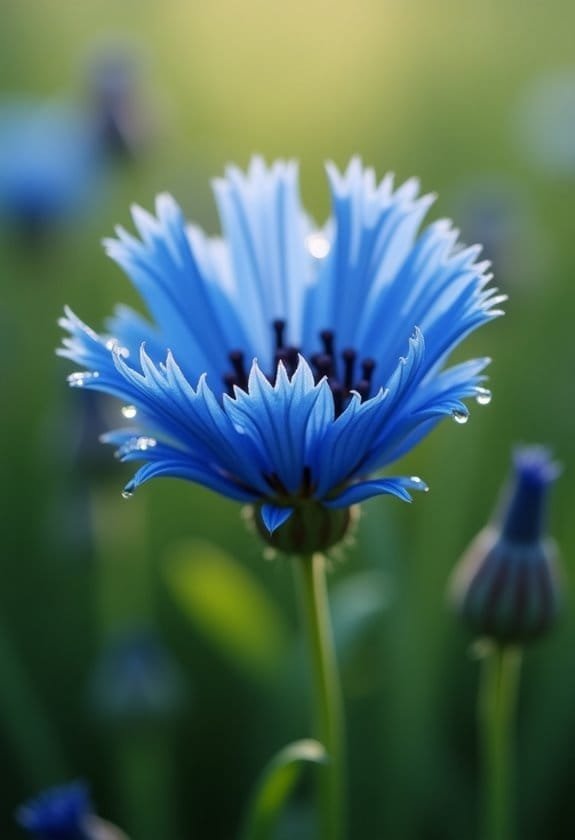
Centaurea cyanus, widely known as the cornflower, showcases remarkable blue blooms that not only enchant the eye but also symbolize deeper cultural significances across various traditions.
This annual flowering plant, part of the Asteraceae family, thrives in a diverse range of soils and demonstrates great adaptability, making it a beloved choice for gardens from the Northeast to the West Coast.
With heights reaching up to 36 inches and blooms extending around 1.5 inches in diameter, the cornflower embodies a blend of beauty and resilience, flourishing from late spring through early fall. Additionally, its ability to attract beneficial insects highlights its role in supporting biodiversity and promoting ecosystem health.
Common Name
The allure of the common name Cornflower, derived from its vibrant blue blooms, captures the essence of this beloved plant. Also known as Bachelor's Button and Witches Bells, the Cornflower embodies a rich tapestry of cultural significance, enchanting those who encounter it.
Traditionally, this striking flower symbolizes love in folklore, often associated with unreturned affections, imparting a poignant layer of meaning to its presence.
While the Cornflower's most recognized form boasts brilliant blue petals, it can also be found in hues of pink, lavender, white, and maroon, each adding a unique dimension to its appeal. This versatility contributes to its popularity in floral arrangements, making it a cherished choice for gardeners and florists alike.
In Germany, the Cornflower serves as a national floral emblem, steeped in historical importance tied to various cultural rituals and national pride.
Significantly, the Cornflower also plays an essential ecological role, attracting pollinators like butterflies and bees, which underscores its importance not only as an ornamental plant but also within broader ecosystems.
Through its vibrant presence, the Cornflower continues to inspire and connect people to their cultural and natural heritage.
Scientific Name
Known scientifically as Centaurea cyanus, this plant carries a name rooted in both botany and mythology. The genus name, Centaurea, is derived from Chiron, a wise centaur in Greek mythology widely recognized for his association with healing and medicinal plants.
Centaurea cyanus is classified as a diploid species, exhibiting a chromosome count of 2n = 24, which contributes to its significant level of genetic diversity within and across populations. This diversity is essential for maintaining ecosystem resilience, allowing the species to adapt to various environmental conditions.
Originating from temperate Europe, Centaurea cyanus has been present in regions such as Britain and Ireland since the Iron Age, categorizing it as an archaeophyte in those locales.
The distinctive flowerheads of this species typically measure between 1.5 to 3.0 cm in diameter and boast colors ranging from white to pink and purple, though vibrant blue tends to dominate and is most celebrated. Remarkably, a single plant produces approximately 800 seeds, enabling its widespread proliferation.
However, it's crucial to recognize that in agricultural contexts, Centaurea cyanus is often deemed a noxious weed, impacting crop yields and necessitating management strategies. Salad Burnet's self-seeding ability highlights the ecological significance and challenges of managing plant populations effectively. This duality highlights its ecological significance and the challenges it poses.
Overview
Embodying the charm of summer gardens, Centaurea cyanus, commonly called cornflower or bachelor's button, captivates with its vibrant blue blooms.
This annual plant, native to temperate Europe, typically showcases its striking blue flowers from late spring to fall, adding a dash of color to various landscapes. Cornflowers grow to a height of 12 to 36 inches (30 to 90 cm) and possess lance-shaped gray-green leaves that are moderately covered in woolly hairs, enhancing their visual appeal.
These resilient plants thrive in full sun or light shade, demonstrating an impressive tolerance for poor and dry soil conditions, which makes them suitable for diverse gardening settings. Additionally, cornflowers can be easily integrated into gardens to attract vital pollinators, bolstering ecological balance.
Beyond their aesthetic qualities, cornflowers attract pollinators such as bees and butterflies, thereby boosting garden biodiversity and fostering ecological balance. Additionally, these drought-tolerant and deer-resistant flowers hold historical significance, symbolizing love and remembrance, and proudly represent Estonia as its national flower.
With their enchanting presence and environmental benefits, cornflowers serve as a vivid reminder of nature's beauty and resilience, making them a cherished addition to any garden or floral arrangement.
Key Features
Centaurea cyanus, or cornflower, showcases an impressive growth size, standing between 12 to 36 inches tall and spreading 6 to 12 inches wide.
Its stunning, daisy-like flowers, measuring 1.5 to 3 cm in diameter, bloom vibrantly from late spring to early fall, adding a splash of color to gardens.
With a preference for well-drained soils and adaptability to various conditions, this low-maintenance plant not only enhances landscapes but also attracts essential pollinators.
Growth Size
How tall can cornflowers grow? Centaurea cyanus, or cornflower, typically reaches a remarkable growth height of 12 to 36 inches (30 to 90 cm), with select varieties soaring up to 39 inches (100 cm).
This stunning plant presents a moderately covered profile, spreading between 6 to 12 inches (15 to 30 cm), which adds a visually appealing element to any garden setting.
The leaves of cornflower are lance-shaped and exhibit a gray-green hue, commonly measuring 1 to 4 inches (3 to 10 cm) in length, contributing to the plant's overall aesthetic.
Furthermore, the flower heads, reminiscent of cheerful daisies, flaunt vibrant blooms, approximately 1.5 to 3 cm wide, often celebrated for their striking blue coloration.
Cornflowers are hardy annuals well-known for their resilience, as they can easily reseed, enhancing their growth and prevalence in various environments.
However, for taller varieties, gardeners may find it necessary to stake the plants to prevent them from flopping, ensuring their stunning stature is preserved.
Ultimately, cornflowers offer an inviting allure, enriching landscapes with both height and color.
Appearance
With their striking blue flowers, cornflowers instantly draw attention in any landscape. Known scientifically as Centaurea cyanus, these plants are most recognized for their vibrant blue flower heads that typically measure between 1.5 to 3 cm in diameter. Each flower head features daisy-like petals that radiate outward, creating a visually enchanting display that enchants garden enthusiasts.
Cornflowers can also be found in variations of pink, lavender, white, and maroon, but it's the blue hue that truly defines their charm. The plant's lance-shaped leaves, ranging from 3 to 10 cm in length, exhibit a gray-green color that complements the bold flowers, enhancing the overall aesthetic.
Growing between 12 to 36 inches (30 to 90 cm) tall and spreading 6 to 12 inches (15 to 30 cm) wide, cornflowers create a bushy presence in garden beds, which further contributes to their visual impact. Their branched, gray-green stems, with a slightly hairy texture, provide the necessary support for the vivid flower heads above.
This robust structure allows the cornflower to thrive in various environments, making it a delightful addition to both cultivated and wild landscapes.
Flowering Season
During the flowering season, which typically extends from late spring to early fall, cornflowers burst into a kaleidoscope of vibrant colors. This period showcases their signature rich blues, alongside shades of pink, white, and violet, embodying nature's exquisite palette.
The flower heads, resembling double daisies, reach a diameter of about 1.5 inches (3.5 cm), inviting admiration from every garden enthusiast.
Cornflowers thrive in full sun, requiring at least six hours of direct sunlight each day for ideal growth. When planted in well-drained soil with proper watering, particularly during dry spells, the plants can reach heights of 12 to 36 inches (30 to 90 cm).
This strategic arrangement contributes to an extended blooming period, as each bloom can last for several weeks. Gardeners can enhance this spectacle by deadheading spent flowers, a practice that encourages prolonged blooming while preventing unwanted self-seeding.
Ultimately, the flourishing of Centaurea cyanus transforms any landscape into a stunning display, attracting pollinators and bringing joy to all who behold their remarkable colors during the delightful flowering season.
Growing Requirements
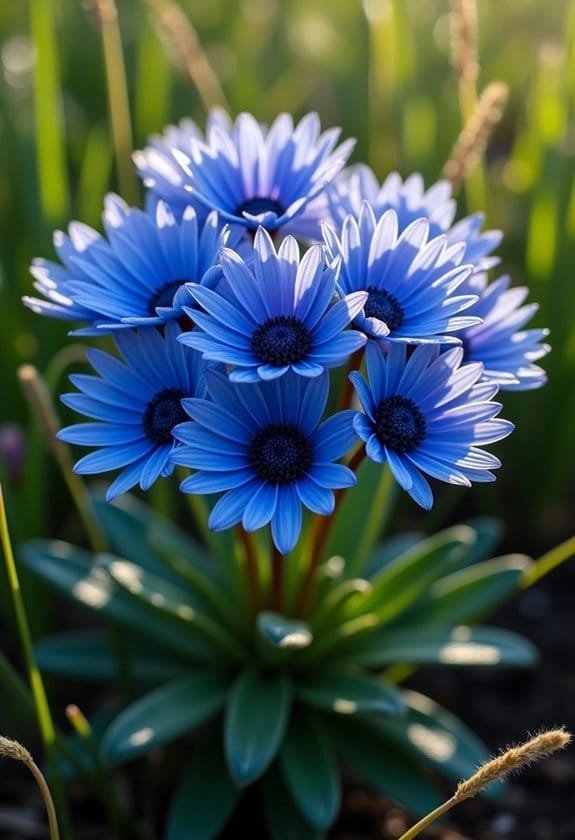
Centaurea cyanus, commonly known as cornflowers, flourish under full sun yet can adapt to light shade, illustrating their versatility in various light conditions.
They thrive in well-drained soil, ideally with a pH between 6.0 and 8.0, which highlights the importance of careful soil management in cultivating these vibrant flowers.
Watering practices are essential; while they demonstrate drought tolerance once established, regular watering during prolonged dry spells guarantees robust growth and vibrant blooms, reflecting their resilience in diverse environments.
Light
To achieve the best results, Centaurea cyanus requires full sun, ideally basking in at least six hours of direct sunlight each day. This extensive exposure enhances the plant's ability to produce its characteristic vibrant blooms, promoting robust growth.
While it can tolerate light shade, particularly during the hotter parts of the day, these conditions may lead to a tendency for the stems to become floppily elongated, thereby compromising the visual appeal and overall health of the plant.
Centaurea cyanus thrives in environments that provide ample sunlight as it enables efficient photosynthesis, the process which fuels growth and flowering. Moderately covered settings, where the plant receives filtered or intermittent sunlight, can result in diminished flowering performance and sporadic growth.
In cooler climates, these cornflowers flourish with their growth and blooming typically peaking between late spring and early fall, displaying the remarkable adaptability of the species.
Regular sunlight exposure not only enhances flowering duration but, importantly, supports the plant's drought tolerance, empowering it to thrive in less than ideal conditions as well. Therefore, ensuring proper light levels is essential for cultivating healthy and vibrant Cornflowers.
Soil
Soil (Growing Requirements)
Proper light exposure sets the stage for healthy growth, but the soil conditions considerably influence overall success for Centaurea cyanus. This resilient plant thrives in well-drained soils, demonstrating remarkable adaptability to both average and poor conditions, making it an excellent choice for gardeners seeking low-maintenance options. Additionally, this species can flourish in a range of soil pH levels, ensuring its success across various environments.
Perfect soil pH should range from acidic (6.0) to alkaline (8.0), with neutrality (around 6.0-7.0) being particularly advantageous for optimal growth.
Centaurea cyanus performs best with medium moisture levels, as its established specimens can tolerate dry conditions, requiring minimal watering. While it flourishes in full sun, which encourages vigorous flowering, moderate shade can also be beneficial. However, excessive shade may result in unsightly stem flopping and diminished blooming activity. As these plants establish themselves, their need for water lessens, making them a practical choice for gardeners in diverse climates.
When aiming to cultivate these lovely blue flowers, gardeners can either sow cornflower seeds directly into the ground after the last frost or initiate them indoors 6-8 weeks prior for earlier blooms, ensuring that they're moderately covered in soil for germination success.
Additionally, maintaining drought tolerance similar to that of rosemary can enhance the overall resilience of cornflower in varying garden conditions.
Consequently, proper soil management is essential for maximizing the beauty of these charming blooms.
Water
Effective water management is vital for the healthy growth of Centaurea cyanus. These striking plants are remarkably drought-tolerant once they become established, thriving with minimal watering.
Initially, during germination, it's critical to keep the soil consistently moist; this promotes healthy root development and guarantees the seeds establish well. As the cornflowers mature, they prefer well-drained soils, which help mitigate the risk of root rot—a common affliction linked to excessive moisture. This resilience is indicative of their adaptability to various habitats, similar to the Meadow Vetchling.
During dry spells, regular watering aids in sustaining vibrant blooms, yet care must be taken not to overwater. Cornflowers can adapt to average and even poorer soil conditions; however, maintaining a medium level of moisture is ideal.
Under the right conditions, these sun-loving plants flourish, but excessive shade can lead to them flopping over without support, robbing them of their elegant form. Therefore, gardeners should endeavor to provide either full sun or light shade, guaranteeing the vibrant blossoms remain strong and upright.
Additionally, like dropwort, cornflowers can benefit from utilizing drought-resistant strategies to thrive in challenging environments. Balancing moisture and light exposure ultimately cultivates a flourishing display, enhancing the beauty of any garden.
Temperature
A temperate environment is ideal for the growth of Centaurea cyanus, as these cornflowers flourish in cooler climates. Typically, they bloom beautifully from late spring into early fall, enjoying moderate temperatures that enhance their vibrant displays.
To achieve success with these plants, gardeners should note that ideal soil temperatures for germination range from 65°F to 70°F (approximately 18°C to 21°C). This precise temperature range enables seeds to awaken from dormancy and sets the stage for healthy plant development. Additionally, cornflowers can thrive in well-drained, slightly acidic soils similar to those preferred by other resilient wildflowers.
Planting cornflower seeds indoors six to eight weeks before the last frost can guarantee a head start, allowing for robust growth by the time outdoor conditions become favorable. Established Centaurea cyanus plants exhibit impressive drought tolerance during brief dry spells; however, consistent moisture during these times can amplify their vibrancy and overall health.
Additionally, due to their sensitivity to frost, it's essential to plant them after the last anticipated frost date. Fundamentally, providing the right temperature conditions and mindful care during these critical growth stages will cultivate flourishing cornflower blooms that dazzle the landscape. Furthermore, similar to the Common Harebell, Cornflowers also exhibit drought tolerance once their root systems are established, allowing them to thrive in challenging conditions.
Pollinator Criteria
Centaurea cyanus effectively attracts a diverse array of pollinators, including bees and butterflies, due to its vibrant blooms that provide a rich nectar source. The plant primarily relies on a method of pollination called entomophily, where insects transfer pollen among flowers while foraging. Additionally, the early blooming period of Common Cowslip plays a crucial role in sustaining pollinator populations, enhancing the biodiversity in gardens alongside Centaurea cyanus. Furthermore, the transition from pink to vivid blue flowers in related plants, such as Vipers Bugloss, offers an extended nectar source that benefits pollinators in the ecosystem.
Attracted Pollinators
Vibrant blue cornflowers lure various pollinators, including butterflies and bees, with their rich nectar and accessible blooms. These charming flowers serve as essential resources for many species, particularly native bees, which are important for sustaining local ecosystems and enhancing agricultural productivity.
The blue cornflower, or Centaurea cyanus, boasts a bloom period from late spring to early fall, perfectly aligning with the activity cycles of these necessary pollinators. During this period, the plant's abundant nectar production enhances biodiversity within gardens and wildflower settings. The simple structure of cornflower blooms not only facilitates easy access for various insects but also supports the efficiency of pollination, allowing bees to gather sustenance with remarkable ease. Additionally, cornflowers often thrive when planted in well-drained soils, further benefiting pollinator activity in garden environments.
As gardeners incorporate these native plants into their landscapes, they inadvertently create habitats that nurture and sustain pollinator populations. This mutualistic relationship contributes greatly to the overall health and resilience of ecosystems, affecting not only the immediate environment but also surrounding flora and crops. Additionally, the floral diversity, like that of fine-leaved water dropwort, enriches habitats that support a wide range of ecological interactions.
Pollination Method
With their bright blue flower heads and sweet nectar, cornflowers effectively attract a range of insect pollinators, including bees and butterflies. The primary pollination method of Centaurea cyanus hinges on beneficial insects that facilitate cross-pollination, thereby enhancing genetic diversity. This genetic variation fuels the plant's adaptability and resilience in varying environments, important for survival.
Cornflower flowers present an ideal structure for pollinators. Their large, conspicuous blooms serve as beacons for foraging insects during daylight, when these creatures are most active. The vibrant blue color, combined with the alluring scent of nectar, captures the attention of bees and butterflies, creating a bustling ecosystem around these charming plants.
During the pollination process, beneficial insects move from one bloom to another, transferring pollen necessary for fertilization. This interaction not only aids in the cornflower's reproduction but also contributes to the overall health of local ecosystems by supporting biodiversity. Additionally, like wild marjoram's flowering period, cornflowers bloom during summer months, aligning perfectly with peak pollinator activity.
Accordingly, cornflowers represent a critical link in the intricate web of life, showcasing how plants and their pollinators coexist in an essential partnership that promotes ecological stability and balance.
Care & Maintenance
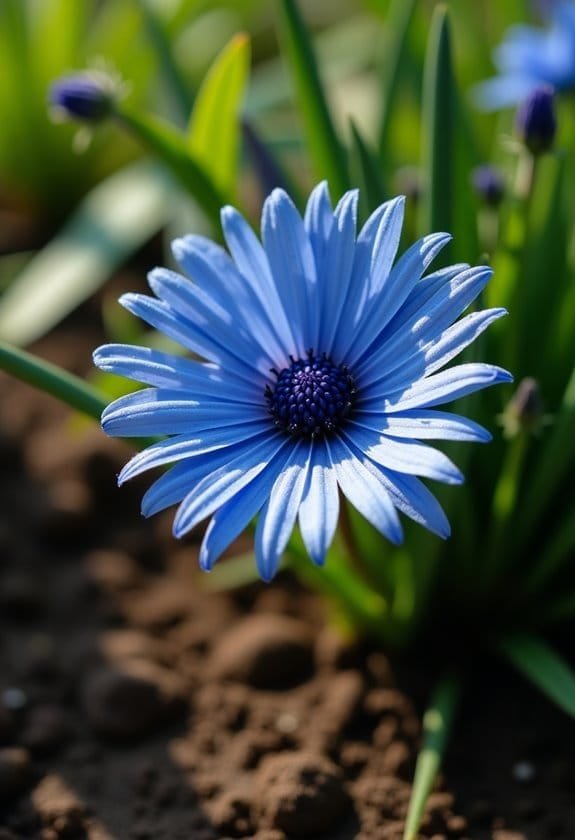
Centaurea cyanus, commonly known as cornflowers, require minimal yet attentive care to flourish beautifully.
These resilient plants thrive in full sun to light shade, adapting well to various soil types, although well-drained soil is ideal for best growth.
Regular maintenance practices, such as deadheading and appropriate watering, not only enhance their vibrant blooms but also contribute to their overall vigor and resilience against pests and diseases.
Planting Tips
When planting cornflowers, choosing the right conditions can greatly impact their growth and health. These vibrant blooms thrive best in full sun to light shade and prefer well-drained soils, showcasing an adaptability to both average and poor soil conditions.
For optimal results, gardeners can start seeds indoors 6-8 weeks before the last frost or sow them directly outdoors as the frost dissipates.
To enhance blooming longevity, regular deadheading of spent flowers proves beneficial, while established cornflowers require minimal watering, exhibiting a remarkable tolerance for dry conditions once they've settled into their environment.
In windy climates, taller varieties of cornflowers should be staked to prevent unsightly flopping, ensuring a more aesthetically pleasing plant structure.
As these flowers grow, it's essential to monitor for common pests like aphids and mealybugs. Despite these potential challenges, cornflowers generally exhibit resilience against disease and demonstrate ease of care within the garden.
Ongoing Care
After planting cornflowers and ensuring they've the right conditions for growth, ongoing care is essential for maintaining their health and vibrant appearance. Regular deadheading promotes prolonged blooming, preventing unwanted self-seeding while enhancing the plant's aesthetic throughout the growing season.
During dry spells, consistent watering is necessary; although established cornflowers can tolerate arid conditions, they flourish with moisture, particularly in the early stages of growth. For taller plants, staking may be necessary to prevent flopping, especially in windy areas or less sheltered locations.
While cornflowers are generally low-maintenance, vigilance against pests like aphids and mealybugs is important, as these can occasionally infest the plants. Fortunately, cornflowers typically resist serious pest or disease issues, making them resilient.
Monitoring soil drainage also plays a significant role in their care. Adaptable to poorer soil conditions, cornflowers thrive in well-drained soils, contributing to their robust nature. By addressing these ongoing care requirements, gardeners can enjoy a continuous display of beauty, as cornflowers bloom magnificently across various cultivation environments.
With attention to detail, these moderately covered in woolly plants reward dedicated care with stunning blossoms and vigorous growth.
Suggested Companions
Planting cornflowers alongside carefully chosen companions not only enhances the garden's visual appeal but also promotes a healthy ecosystem beneficial for both plants and pollinators.
Ideal companion plants for Centaurea cyanus include coneflowers, black-eyed Susans, and daisies, which collectively attract beneficial insects while adding vibrant colors.
Cornflowers thrive in well-drained soils and full sun; therefore, pairing well with drought-tolerant plants like salvia and lavender that similarly flourish in these conditions. Furthermore, including Common Poppy as a companion can attract additional pollinators, enhancing the biodiversity of the garden.
To guarantee continuous blooms and the avoidance of unwanted self-seeding, regular deadheading of cornflowers proves beneficial. This practice aligns perfectly with companion species that also appreciate extended flowering periods.
However, gardeners should note that taller companions, such as hollyhocks, may require staking for support due to their potential to flop over, especially when planted with the top-heavy cornflower.
For those interested in a cutting garden, grouping cornflowers with other cut flower species, such as zinnias and snapdragons, can yield stunning bouquets while maximizing garden productivity.
Ultimately, selecting the right companion plants not only cultivates beauty but also guarantees a harmonious, ecologically sound garden environment. Additionally, choosing plants that attract beneficial pollinators can enhance biodiversity within the garden ecosystem.
Common Issues
Although Centaurea cyanus is largely resilient, it isn't entirely free from challenges, particularly pests like aphids and mealybugs.
When faced with issues like wilts or rots, usually stemming from overly damp soils, gardeners must act decisively to protect their blooms. To prevent such problems, it is crucial to maintain healthy growth patterns, ensuring adequate drainage and reducing the risk of rot.
Additionally, managing uncontrolled spreading through consistent deadheading becomes essential in preventing invasive behaviors that could disrupt local ecosystems, especially in certain regions such as the Southeast U.S. Moreover, gardeners should be aware of toxic properties that some plants, like stinking chamomile, can exhibit when competing for resources in the same environment.
Pests/Diseases
Centaurea cyanus, commonly known as cornflower, is a resilient plant that typically faces few pest and disease issues. However, like any garden favorite, it can occasionally fall prey to common pests, particularly aphids and mealybugs. These tiny insects feed on tender foliage, potentially causing unsightly damage and weakening the plant's vigor if infestations go unchecked.
Though detrimental, these pests can often be managed with vigilance and prompt attention.
Disease risks, while generally limited, may include wilt, rot, and rust, although these conditions rarely pose severe threats to healthy cornflowers. Regular monitoring acts as a protective measure, allowing gardeners to intervene before issues escalate. Employing good garden practices, such as ensuring proper spacing between plants and maintaining cleanliness in the growing area, can considerably limit both pest and disease occurrences.
Additionally, incorporating the technique of deadheading spent flowers not only prolongs the blooming period but also reduces the likelihood of unwanted self-seeding.
This practice minimizes nutrient competition among plants, ultimately supporting a healthier garden environment, where Cornflower can thrive and flourish with beauty and resilience.
Solutions
Gardening enthusiasts often encounter common issues with Centaurea cyanus that can easily be managed through proactive strategies. One of the primary concerns is overcrowding, which can lead to unwanted self-seeding. Regularly deadheading spent flowers during the growing season helps mitigate this problem effectively.
Additionally, it's imperative to monitor for aphids and mealybugs, as these pests can occasionally infest cornflowers, threatening their health. Should infestations occur, applying insecticidal soap or neem oil serves as an efficient remedy.
Spacing cornflower plants adequately—6 to 12 inches apart—enhances air circulation and reduces the risk of disease spread, promoting robust growth. Moreover, staking is recommended for taller varieties, ensuring they remain upright and avoid flopping in windy conditions, which can detract from their visual appeal.
Finally, if plants exhibit signs of wilting or rot, it's vital to reassess their growing conditions. Ensuring that cornflowers are planted in well-drained soils and avoiding overwatering can prevent detrimental root-related issues, fostering a resilient and flourishing garden.
What are the differences between Centaurea Cyanus (Cornflower) and Centaurea Dealbata (Mealy Centaury)?
Centaura Cyanus, commonly known as cornflower, is an annual plant with bright blue flowers, while centaurea dealbata, also known as mealy centaury, is a perennial with deep pink to purple flowers. Cornflower is smaller in size and has a more delicate appearance, whereas mealy centaury is larger and has a more robust growth habit.
Summary
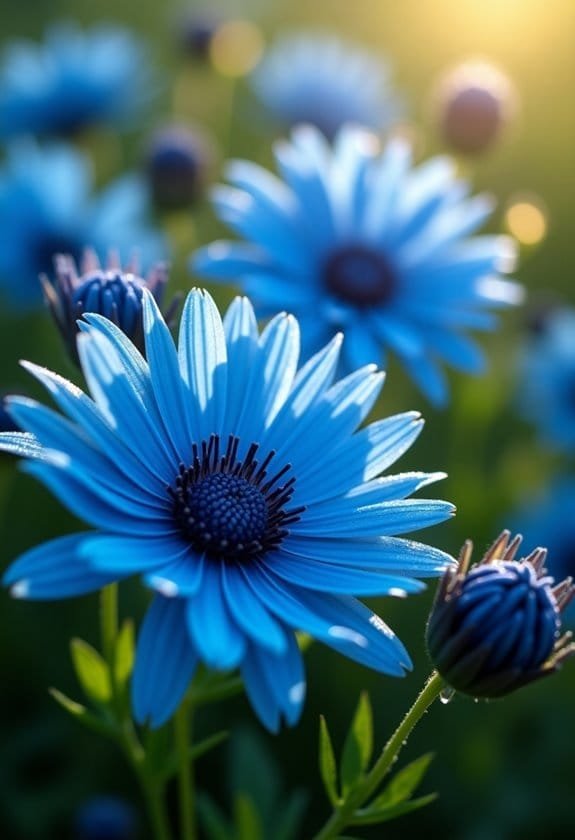
Among the vibrant flora found in gardens, Centaurea cyanus, or cornflower, stands out for its striking blue blooms and easy-care nature. This annual plant typically features daisy-like flowers that bloom from late spring to fall, reaching heights of 12 to 36 inches. Preferring full sun and well-drained soil, cornflower thrives even in average or poorer soil conditions, illustrating its adaptability across various garden settings.
Furthermore, the cornflower attracts beneficial pollinators such as bees and butterflies, enhancing local biodiversity. Its culinary versatility as an edible flower and traditional uses in herbal remedies highlight its multifaceted role in both beauty and health.
Importantly, the plant is characterized by distinctive light brown bristles that adorn its stem, adding to its visual appeal. Culturally, the cornflower symbolizes love and remembrance, serving as the national flower of Estonia while holding significance in several historical events.
Due to its propensity for reseeding and self-sowing, gardeners may encounter invasiveness. To manage growth, deadheading is recommended, promoting an extended blooming period. Consequently, the cornflower proves to be a remarkable addition to any garden, blending aesthetic charm with ecological and cultural value.