Centaurea montana, commonly referred to as perennial cornflower, is an enchanting perennial recognized for its striking blue flowers and remarkable adaptability. Typically reaching heights of 12 to 24 inches (30-60 cm), it thrives in full sun or light shade, requiring around six hours of direct sunlight daily and tolerating varying moisture levels. Renowned for attracting butterflies and bees, this hardy plant enhances biodiversity while adding aesthetic appeal with its lush, gray-green foliage. Regular maintenance, such as deadheading, is necessary to prevent overcrowding and guarantee healthy growth. Exploring its diverse applications can reveal even more about this resilient gem.
Main Points
- Centaurea montana, commonly known as the Perennial Cornflower, features vibrant blue, fringed flowers that bloom from late spring to early summer.
- This plant prefers well-drained sandy soils and requires at least 6 hours of sunlight daily for optimal growth.
- It is drought-tolerant and thrives in poor soil conditions, making it ideal for low-maintenance gardens.
- Regular deadheading and division every 2-3 years are necessary to maintain its health and prevent overcrowding.
- The Perennial Cornflower attracts pollinators like butterflies and bees, promoting local biodiversity within gardens.
Introduction
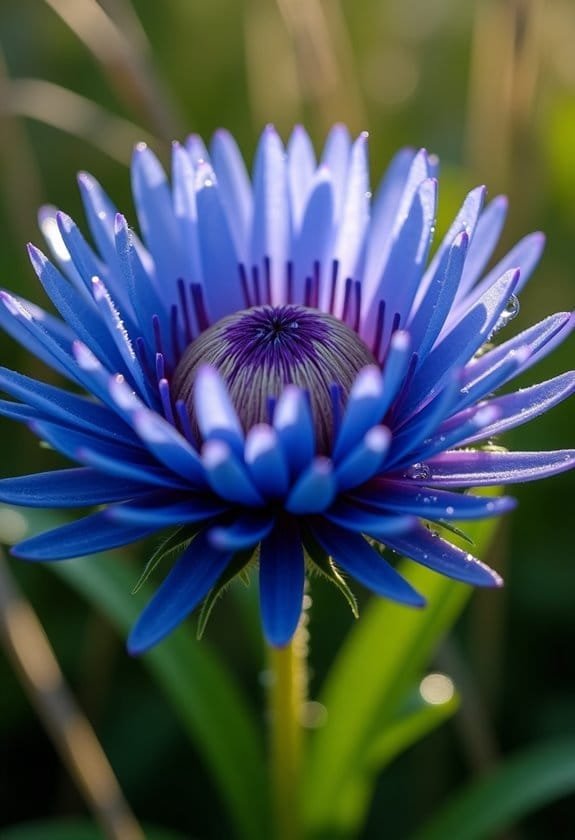
Centaurea montana, widely recognized as the Perennial Cornflower, boasts vibrant, blue fringed flowers that captivate gardeners and pollinators alike.
This resilient perennial, thriving in diverse conditions ranging from well-drained sandy soils to light shade, typically reaches heights of 12 to 24 inches, adding texture and color to open woodlands and meadows.
However, while its striking appearance enhances garden aesthetics, it also necessitates careful management due to its potential invasiveness in certain regions.
Common Name
Known for its vibrant blooms, Centaurea Montana is commonly referred to by several names, including Mountain Cornflower and Perennial Bachelor's Button. These designations highlight distinct aspects of its fascinating features and rich heritage. The plant is renowned for its striking rich blue, fringed flowers, which typically measure about 2 inches wide, creating a stunning visual impact in any garden.
Additionally, it's sometimes called Knapweed, reflecting its botanical family traits, while the common name "Mountain Bluet" emphasizes its native habitat in the mountainous regions of Europe. This adaptability to its environment allows Centaurea Montana to thrive in diverse landscapes, including cottage gardens and landscape borders. Its bright blooms not only add vibrant color to landscapes, but they also attract various pollinators, contributing to the ecological balance. Notably, the flower serves as an important nectar source for local pollinators, further enhancing its role in promoting biodiversity.
The plants are often favored for their prolonged blooming season, ensuring a splash of color throughout much of the summer. Gardeners appreciate how Centaurea Montana, with its elegant flower shape and color, serves as an excellent focal point, enhancing visual appeal while remaining ecologically beneficial. Furthermore, like its cousin, the Greater Knapweed, it acts as a vital nectar source for pollinators and local biodiversity, promoting the health of the garden ecosystem.
Scientific Name
The scientific name for the perennial cornflower, Centaurea montana, reveals much about its characteristics and origins. The term "Centaurea" has roots in Greek mythology, named after the centaurs, which were celebrated for their healing properties. This historical connection suggests that Centaurea montana may hold a symbolic legacy as a medicinal plant.
The specific epithet "montana" points to its natural habitat, indicating that this species thrives in the mountainous regions of Europe, where it courageously endures harsh conditions.
Belonging to the family Asteraceae, which includes numerous well-known flowering plants, Centaurea montana showcases stunning solitary, fringed flower heads that can measure up to 2 inches wide. These blossoms display vibrant hues of rich blue or violet, enchanting onlookers and pollinators alike.
The strong contrast of colors against a backdrop of greenery enhances its presence in the garden or wild settings, inviting admiration and curiosity. As gardeners and nature enthusiasts explore Centaurea montana, they uncover a species steeped in both mythological significance and natural beauty, fostering a deeper appreciation for its role in diverse ecosystems. Furthermore, the plant's ability to attract beneficial insects illustrates its importance in fostering a healthy environment where pollinators can thrive.
Overview
Brimming with vibrant color and resilience, the Perennial Cornflower, or Centaurea montana, captures the hearts of gardeners and nature lovers alike.
This notable clump-forming perennial, native to Europe, showcases striking, rich blue, fringed flowers that bloom spectacularly from late spring to early summer. Typically reaching heights of 12-24 inches (30-60 cm) and spreading 12-18 inches (30-45 cm) wide, Centaurea montana features soft, gray-green, lance-shaped leaves that offer a pleasing texture within garden designs.
Preferring full sun to light shade, this hardy plant thrives in average, well-drained soils, demonstrating impressive resilience to heat, drought, and poor soil conditions. Its low-maintenance nature makes it an attractive option for busy gardeners.
However, Centaurea montana is also recognized for its vigorous self-seeding capabilities, which may lead to potential invasiveness in certain regions, particularly in British Columbia, Canada, where monitoring becomes essential.
Apart from its ornamental qualities, this perennial attracts butterflies and serves as a long-lasting cut flower. Consequently, Centaurea montana proves ideal for various landscape uses, enhancing beds, borders, and charming cottage gardens with its enchanting beauty.
Key Features
Centaurea montana, or the Perennial Cornflower, showcases an impressive growth size, typically reaching heights between 12 and 24 inches, while expanding to a width of 12 to 18 inches.
Its visually engaging appearance features vibrant blue, fringed flowers that bloom from late spring into early summer, enhancing any garden with their thistle-like centers.
Additionally, with the potential for reblooming in late summer and a preference for well-drained soils, this perennial offers both beauty and versatility in garden design.
Growth Size
Reaching heights of 12 to 24 inches (30 to 60 cm), this resilient plant forms a clump-like structure that typically spans 12 to 18 inches (30 to 45 cm) in width. Centaurea Montana not only captivates with its robust size but also demonstrates exceptional drought tolerance, making it a perfect candidate for low-maintenance gardens and landscapes.
The size of Centaurea Montana fosters a striking presence in any garden setting, as its lush foliage and clump-forming growth habit contribute to its overall prominence. The lance-shaped, gray-green leaves can extend from 4 to 12 inches in length, imparting a soft texture that further enhances its visual appeal.
This perennial cornflower thrives in average to moist, well-drained soil, making it adaptable to various environments, while its burgeoning height allows it to draw attention throughout the growing season. Additionally, its ability to flourish in well-drained sandy soils is reminiscent of Silverweed's preferred conditions, showcasing the versatility of plants in diverse settings.
Typically blooming from late spring to early summer, Centaurea Montana has the potential for an enchanting late summer to early fall rebloom when properly nurtured. This characteristic growth size, coupled with its adaptability and drought resilience, makes it a valuable addition to any garden enthusiast's collection.
Appearance
While often celebrated for its eye-catching blooms, Centaurea Montana also boasts a striking overall appearance that enhances any garden. Standing at a height of 12 to 24 inches (30 to 60 cm) and spreading 12 to 18 inches (30 to 45 cm) wide, this perennial forms a lush, vibrant presence.
Its lance-shaped leaves, which exhibit a soft, gray-green hue, range in length from 4 to 12 inches and contribute to the plant's textured complexity.
The plant's structure features erect, hairy stems, which not only support the blooms but also facilitate its growth through creeping rhizomes or stolons, allowing it to form visually appealing colonies over time.
Each distinctive flower head showcases 10 to 20 rich blue, fringed ray flowers that unfurl elegantly, drawing attention to their thistle-like centers. These blossoms, approximately 2 inches (5 cm) wide, complement the fertile dark blue-violet stamens nestled within the disk flowers.
Together, these characteristics create a harmonious balance in gardens, making Centaurea Montana an indispensable choice for those seeking a blend of striking aesthetics and resilience in their landscapes. Additionally, this hardy perennial thrives in various environments, which allows it to adapt and flourish alongside other garden plants.
Flowering Season
Blooming with vibrant color from late spring to early summer, Centaurea Montana captivates gardeners with its stunning rich blue flowers. The plant typically showcases its thistle-like blooms during this period, delighting the eye with flowers that can reach up to 2 inches (5 cm) in width. Each flower head consists of numerous sterile ray flowers surrounding fertile disk flowers, creating a complex yet visually striking appearance.
To maximize the flowering period, regular deadheading is essential; this practice encourages reblooming and enhances the plant's vigor. In addition, the ability of Centaurea Montana to thrive in various soil types allows it to adapt to different garden conditions. Gardeners often find that with proper care, Centaurea Montana can continue to produce blooms into late summer and even early fall, extending the joy of its vibrant display.
Additionally, its alluring flowers attract butterflies and other pollinators, greatly contributing to garden biodiversity. During its flowering season, the rich blue petals not only enchant visitors but also play an integral role in supporting local ecosystems. Common mallow and Centaurea Montana are both appreciated for their ability to attract pollinators, promoting a lively garden atmosphere.
Consequently, those who cultivate this perennial cornflower enjoy both its aesthetic charm and ecological benefits, making Centaurea Montana a treasured addition to any garden.
Growing Requirements
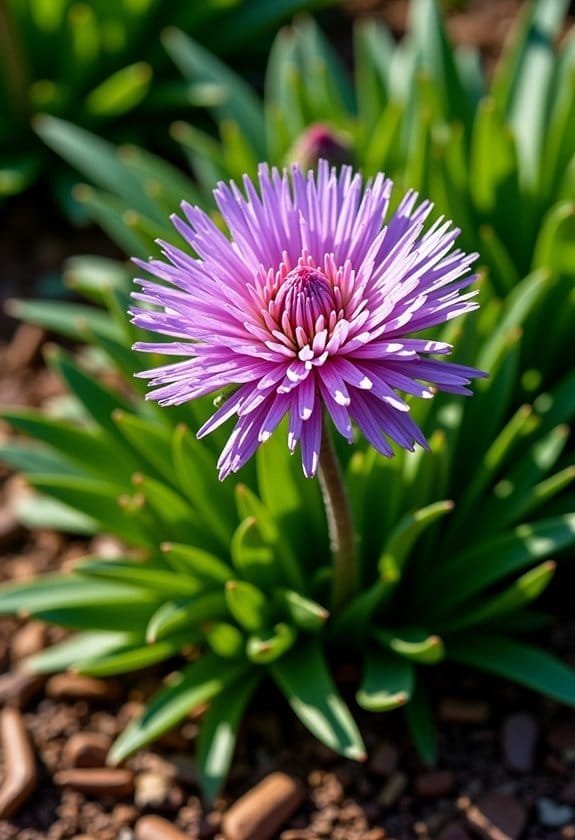
Centaurea montana flourishes under ideal conditions defined by full sunlight, although it shows resilience in partial shade.
This perennial's preference for well-drained soils, whether dry or moist, indicates its impressive adaptability, even thriving in less than perfect ecosystems. Vipers Bugloss, for instance, also prefers well-drained conditions to optimize its growth.
With excellent drought resistance, this plant proves itself a robust addition to challenging landscapes, making understanding these growing requirements essential for successful cultivation. Additionally, its ability to attract essential pollinators enhances garden biodiversity, making it a valuable choice for any landscape.
Light
For ideal growth, Centaurea Montana thrives in full sun, requiring at least six hours of direct sunlight daily. This perennial cornflower revels in bright conditions, showcasing its rich blue flowers most effectively when basking in uninterrupted sunshine.
While it can tolerate a degree of light shade, maximum flowering and overall vigor are significantly diminished without sufficiently radiant exposure. Choosing a sunny spot enhances not only the plant's visual appeal but also its overall health.
Insufficient light results in leggy growth, where the stems stretch excessively in search of sunlight; this hampers the plant's robust development and flowering potential. Consequently, selecting the right location plays an essential role in the successful cultivation of Centaurea Montana. The relationship between sunlight and plant health can't be understated; adequate sunlight guarantees robust flowering and contributes to the plant's resilience against diseases. Additionally, ensuring that the soil is well-drained, similar to the requirements of Ploughmans Spikenard, will further support healthy growth. Comfrey, for instance, also thrives in nutrient-rich soil, providing essential nutritional support for nearby plants.
Gardeners should remember that in addition to light, the surrounding environment should be well-drained, as too much moisture can compromise its health, particularly in sunny areas. By prioritizing ample sunlight, one can cultivate a vibrant display of perennial cornflowers, transforming any garden into a scenic marvel.
Soil
What kind of soil fosters the vibrant growth of Centaurea Montana?
This perennial cornflower excels in well-drained soils, which guarantee that excess water doesn't hinder its development. It flourishes within a range of soil conditions, from average to dry and even moderately moist, showcasing its versatility. The plant exhibits resilience and tolerates poor soil quality, making it an excellent candidate for less fertile garden areas often overlooked by other species.
In terms of pH, Centaurea Montana prefers a level between 6.0 (acidic) and 8.0 (alkaline), encompassing neutral soil conditions that allow for ideal nutrient uptake. Horseshoe Vetch is another plant that thrives in similar soil conditions, promoting overall ecosystem health.
Dividing the plants every two to three years, ideally in spring or fall, aids in preserving their liveliness, leading to healthier root systems and vigorous growth. Additionally, their inherent drought tolerance empowers them to thrive in challenging landscapes, greatly reducing irrigation needs and making them suitable for water-wise gardening. Furthermore, the deep taproot system of some plants helps improve soil quality and stability.
Water
During the growing season, maintaining the right water balance is essential for Centaurea Montana's health. This perennial prefers dry to medium moisture levels, thriving in well-drained soils that prevent waterlogging, which can be detrimental to its root system.
As a drought-tolerant species, Centaurea Montana showcases impressive resilience, allowing it to survive periods of low water availability without exhibiting significant stress or decline. Wood sage, with its drought tolerance, serves as a great example of a plant that can thrive under similar conditions.
While it does adapt well to average soil conditions, the key to its vigorous growth lies in slightly moist soil—just enough to sustain the plant without drowning it. During peak growth phases, soil should never be overly saturated; excessive watering leads to root rot—a condition that can threaten the plant's survival.
Gardeners should diligently monitor soil moisture, ensuring it remains within an ideal range. In climates where rain is scarce, this might mean some supplemental watering, although Centaurea Montana generally flourishes with minimal intervention. Lesser Celandine's aggressive growth can serve as a cautionary example of how excessive moisture can benefit invasive species in garden settings.
Understanding and maintaining the delicate balance of water contributes not only to the plant's health but also enhances the stunning blooms that characterize this vibrant perennial, inviting admiration in any garden setting.
Temperature
Centaurea Montana flourishes in conditions that offer full sun exposure, thriving in warm temperatures that promote robust growth. This perennial, known for its striking blue blooms, achieves ideal development in moderate to warm climates.
It exhibits a remarkable ability to tolerate heat, thereby making it an excellent choice for warmer summer environments where temperatures can soar. The plant prefers well-drained soils, ideally situated in dry to medium moisture settings, which substantially mitigates the risk of fungal diseases commonly associated with cooler, damp climates. Similar to Solidago virgaurea, its drought tolerance further enhances its resilience, allowing Centaurea Montana to withstand temperature fluctuations with minimal reliance on excessive watering.
Ideal growth temperatures typically range between 60°F to 75°F (15°C to 24°C), creating a conducive atmosphere for its enchanting flowering period that occurs from late spring to early summer. Under the right conditions, the blue flowers bloom vibrantly, offering a stunning visual display. Additionally, Crataegus monogyna serves as an example of a plant that thrives in similar growing conditions, supporting biodiversity and enhancing local ecosystems.
Pollinator Criteria
Centaurea montana, with its striking blue flowers, beckons a diverse array of pollinators, such as bees and butterflies, during its blooming period from late spring to early summer.
This plant mainly relies on anemophilous pollination methods, meaning it harnesses wind and insect movements to effectively transfer pollen, fostering a symbiotic relationship essential for both the pollinators and the ecosystem. Additionally, like fine-leaved water dropwort, its vibrant blooms provide vital nectar sources for various foraging insects, enhancing biodiversity within its habitat. Moreover, the extended blooming period ensures consistent nectar availability, similar to the Water Forget-Me-Not, which also supports a variety of pollinator species.
Attracted Pollinators
Numerous pollinators flock to Centaurea Montana, drawn by its striking blue flowers that bloom from late spring to early summer. This perennial cornflower serves as an essential nectar source, primarily attracting butterflies and bees, which play critical roles in enhancing overall garden biodiversity.
The rich, fringed petals not only offer aesthetic appeal but also meet the nutritional needs of these beneficial insects during their active feeding periods. Centaurea Montana's long-blooming nature extends its floral display well into early fall, if reblooming occurs, providing consistent food resources for attracted pollinators throughout the growing season.
Thriving in full sun while tolerating poor soil conditions, it becomes an excellent choice for pollinator gardens, even in challenging landscapes. Moreover, this species features various floral structures, catering to different pollinator species and accommodating their unique feeding preferences.
Each bloom, intricately designed, creates an inviting habitat that supports a diverse array of wildlife. By cultivating Centaurea Montana in gardens, enthusiasts not only enhance the aesthetic experience but also contribute considerably to the ecological health of their environments, fostering a harmonious relationship between plants and pollinators. Additionally, like Kidney Vetch, Centaurea Montana plays a vital role in attracting and supporting various pollinator species that are crucial for ecosystem stability.
Pollination Method
With its vibrant blue flowers, Centaurea montana employs a combination of self-pollination and cross-pollination, making it adaptable and resilient. This unique pollination method allows the Perennial Cornflower to enhance its genetic diversity, essential for thriving in various environments.
The flowers consist of striking, sterile ray florets that lure pollinators like bees and butterflies, while the fertile disk florets contain dark blue-violet stamens responsible for pollen production.
The blooming period, typically from late spring to early summer, sometimes extends into late summer or early fall, ensuring ample availability of flowers. This synchronized timing not only attracts a plethora of beneficial insects but also maximizes pollination opportunities.
Regular deadheading serves a dual purpose; it not only prolongs flowering but also fosters additional pollination, enhancing the involvement of pollinators within the ecosystem.
This effective marriage of self-pollination and cross-pollination simplifies the pollination method for Centaurea montana, allowing it to flourish in diverse habitats.
As a result, the Perennial Cornflower stands as a proof of nature's profound ability to adapt and thrive, beautifully illustrating the intricate connections within ecosystems.
Care & Maintenance
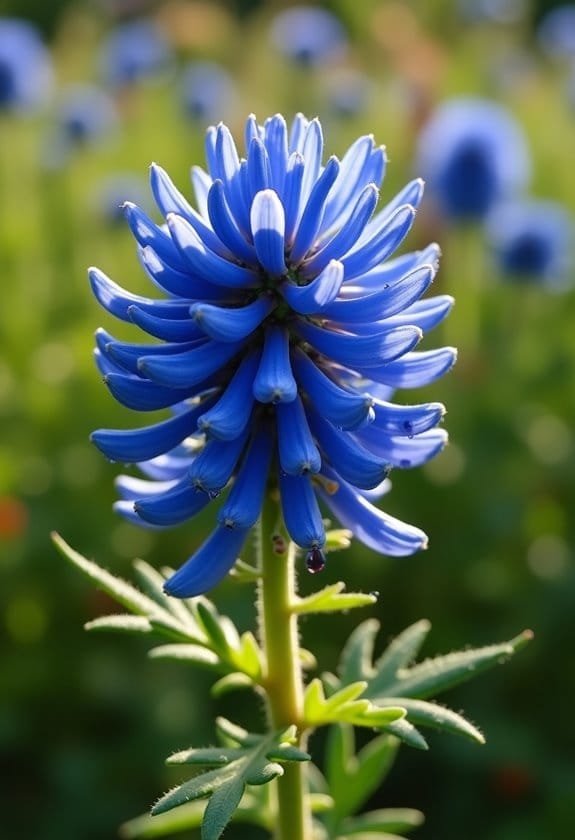
Centaurea Montana thrives best with thoughtful planting and careful maintenance.
To guarantee its vigorous growth and stunning blooms throughout the season, gardeners should focus on proper ongoing care, including regular deadheading and scheduled division.
Additionally, selecting suitable companions can enhance its aesthetic appeal while supporting a dynamic garden ecosystem, making it a versatile choice for diverse landscapes.
Planting Tips
When planning a garden with Centaurea Montana, choosing the right spot is crucial for its success. This perennial cornflower flourishes in full sun to light shade and thrives best in well-drained soil that ranges from dry to moderately moist. To guarantee optimal growth, it's essential to plant in an area that receives ample sunlight, as this promotes vigorous blooming.
For maintenance, regular deadheading is recommended, especially during late spring to early summer, as it prolongs flowering and encourages reblooming. Additionally, Centaurea Montana should be divided every 2-3 years, ideally in spring or fall, to maintain its vigor and manage its potential spread. This division helps rejuvenate the plant, stimulating healthier growth and more abundant flowers.
To prepare for winter, plants need to be cut back in the fall, which promotes robust spring growth. Gardeners should also monitor for self-seeding behavior, as these beautiful flowers can become invasive if not properly managed through consistent deadheading.
Ongoing Care
Ongoing care for Centaurea Montana guarantees a stunning display year after year. Regular deadheading is vital, as it prolongs flowering while maintaining the plant's vibrant appearance throughout the blooming season.
Once the blooming period concludes, it's beneficial to cut back Centaurea Montana by two-thirds. This rejuvenation process promotes lush foliage and encourages vigorous growth for the subsequent season, ensuring the plant remains healthy and visually appealing.
To maintain peak health and vigor, division should be carried out every 2-3 years, ideally during spring or fall. This practice prevents overcrowding and allows for better air circulation and nutrient access. Additionally, monitoring for signs of invasiveness is important, as Centaurea Montana can proliferate if not properly managed, potentially overtaking nearby plants.
Fortunately, minimal care is needed for this perennial cornflower. It possesses low nutrient requirements and tolerates poor soil conditions remarkably well.
Suggested Companions
Pairing Centaurea Montana with the right companions can greatly enhance the garden's overall impact. This clump-forming perennial thrives harmoniously alongside drought-tolerant plants like Sedum and Echinacea, enriching both the visual appeal and ecological diversity of the landscape. By incorporating these resilient species, gardeners foster a vibrant ecosystem that thrives on minimal water input.
Regular deadheading of Centaurea Montana is vital, as it not only prolongs the flowering period but also diminishes competition with nearby flora that may not require such maintenance. This guarantees that the garden remains visually consistent and engaging throughout its growing season.
Furthermore, planting Centaurea Montana with native grasses, such as Miscanthus, can introduce an important balance, providing habitat and food sources necessary for local wildlife. Low-growing flowers like Dianthus can effectively frame Centaurea Montana's stature while preserving the garden's structure.
Ultimately, confirming compatibility among perennials regarding sunlight and soil preferences is fundamental, promoting a thriving environment that showcases the beauty of these plants while nurturing biodiversity. This thoughtful combination of flora creates a harmonious and flourishing garden that appeals to both aesthetic senses and ecological principles.
Common Issues
Centaurea Montana, while generally low-maintenance, can encounter several issues, including pests and diseases like powdery mildew.
This fungus, characterized by a white, powdery coating on leaves, can affect overall plant health, though it typically requires careful monitoring rather than drastic intervention.
To keep these charming blooms thriving, gardeners should consider regular maintenance practices, including timely deadheading and seasonally cutting back, which not only curtail unwanted self-seeding but also enhance vigor in the upcoming growing seasons.
Pests/Diseases
Gardeners often appreciate Centaurea Montana for its resilience, as it's largely free from severe pest issues. This hardy perennial presents a low-maintenance option, appealing to both novice and veteran horticulturists.
However, occasional problems with powdery mildew may arise, particularly in humid or overcrowded conditions. This fungal disease thrives when moisture lingers on leaves, creating a habitat detrimental to plant health.
To combat such pests/diseases, regular deadheading of spent blooms promotes better air circulation, reducing humidity around the plant. Additionally, ensuring adequate spacing between individual plants not only enhances their aesthetic appeal but also mitigates the risk of powdery mildew while supporting overall well-being.
Though Centaurea Montana demonstrates resilience, gardeners should remain vigilant for signs of invasiveness, as it has the potential to disrupt local ecosystems. Monitoring its spread is important in order to avoid negative impacts on native flora.
Solutions
Maintaining a healthy Centaurea Montana involves addressing common issues that may arise during its cultivation.
One significant concern is the plant's propensity for self-seeding, particularly if gardeners neglect to deadhead regularly. This oversight can result in invasive growth, especially in areas where the Centaurea isn't native. To mitigate this likelihood, consistent pruning and monitoring of blooming flowers are crucial.
While occasional powdery mildew might impact the plant, it's reassuring to note that severe pest problems are uncommon. For ideal growth, experts recommend cutting back the plant by two-thirds after flowering, which not only maintains vigor but also enhances appearance.
Moreover, division every 2-3 years prevents overcrowding, fostering healthy root development and overall plant strength.
Gardeners in regions susceptible to invasiveness should remain vigilant. Signs of uncontrolled growth require immediate action to preserve ecological balance and prevent ecological disruption.
By understanding these potential issues and implementing preventive measures, they can guarantee that Centaurea Montana thrives beautifully in their gardens while maintaining harmony within local ecosystems.
A proactive approach allows this perennial cornflower to flourish, enriching the landscape with its enchanting blooms.
What are the differences between Centaurea Montana and Centaurea Nigra?
Centaurea Montana and Centaurea Nigra are two different species of flowers. Centaurea Montana, also known as Mountain Bluet, features blue or purple flowers and is commonly used in gardens for its attractive appearance. On the other hand, Centaurea Nigra, or Common Knapweed, is known for its centaurea nigra benefits and uses in traditional medicine, including its anti-inflammatory properties.
Summary
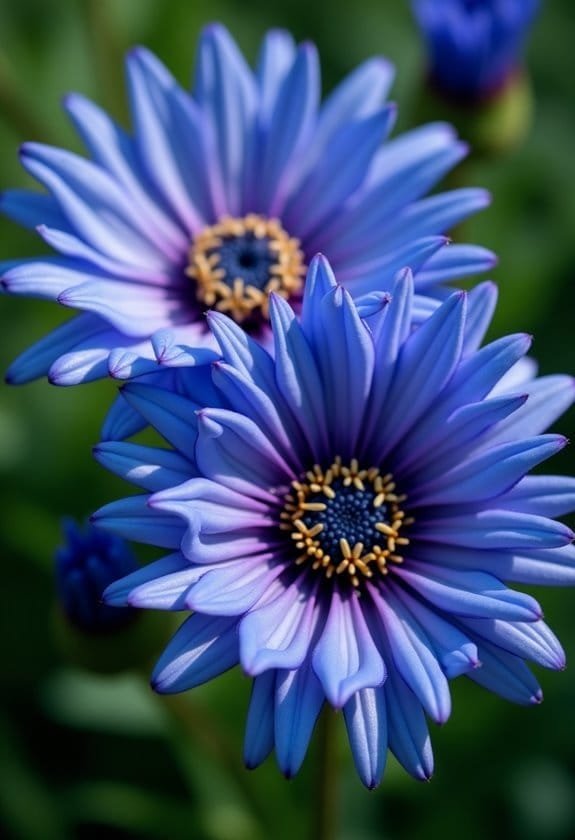
The Perennial Cornflower, known scientifically as Centaurea Montana, captivates with its striking rich blue, fringed flowers that bloom from late spring through early summer.
These blooms, reaching approximately 2 inches in width, provide a vivid display in gardens, often making way for a potential reblooming in late summer to early fall, ensuring extended beauty.
This perennial typically grows to a height of 12 to 24 inches (30 to 60 cm) and spans 12 to 18 inches (30 to 45 cm) in width, featuring gray-green, lance-shaped leaves that exhibit a delicate texture.
Centaurea Montana thrives in full sun or light shade, favoring average, well-drained soils that range from dry to moist.
It demonstrates impressive resilience, exhibiting tolerance for poor soil conditions, heat, and drought.
However, gardeners in certain regions must monitor its growth closely, as it has been classified as invasive in locations like British Columbia, Canada.
To enhance its flowering season, regular deadheading is advisable, while propagation through division in spring or autumn allows for effective garden management.