Clarkia unguiculata, often referred to as the Butterfly Flower or Elegant Clarkia, is a enchanting wildflower native to California. This species, characterized by vibrant blooms in shades of pink, purple, and white, grows between 18 to 36 inches tall. Thriving in full sun and well-drained soils, it attracts a variety of pollinators, including bees and butterflies, consequently playing a critical role in local ecosystems. With a flowering season from late spring to mid-summer, these plants support biodiversity and provide essential nectar. By understanding this remarkable species' requirements and ecological contributions, gardeners can enhance their surroundings considerably. Insights about its cultivation await.
Main Points
- Clarkia unguiculata, known as Butterfly Flower, is native to California and features vibrant pink, purple, and white blooms.
- This plant thrives in full sun and well-drained, moderately fertile soils, tolerating various soil types.
- It attracts diverse pollinators like bees and butterflies, supporting local biodiversity and enhancing pollination dynamics.
- Clarkia unguiculata produces long-lasting cut flowers, making it ideal for gardens and floral arrangements.
- Minimal care is required, with attention to watering and soil conditions critical to prevent rot and maintain health.
Introduction
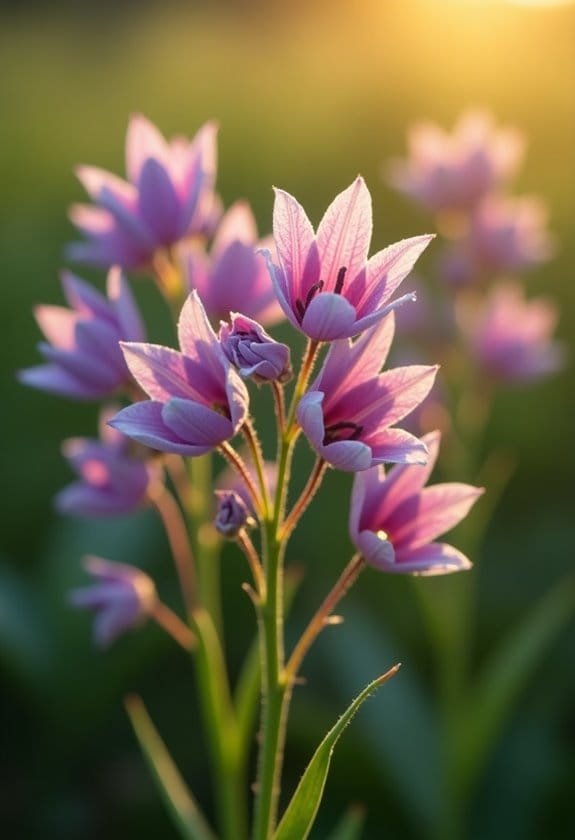
Clarkia unguiculata, commonly referred to as the Butterfly Flower or Elegant Clarkia, is an enchanting annual wildflower native to California.
This fascinating plant, noted for its striking four-petal flowers in vibrant shades of pink, flourishes in diverse environments, from sunlit meadows to partially shaded woodlands.
Understanding its ecological significance, especially in supporting local biodiversity and pollinator populations, reveals the broader importance of preserving this remarkable species.
Common Name
In the spring, the Elegant Clarkia captivates gardeners with its vibrant blooms and charming presence. More formally known as Clarkia unguiculata, this wildflower displays an enchanting array of colors, mainly shades of pink that range from soft pastels to strikingly bright hues.
Its common name, Butterfly Flower, aptly highlights its remarkable ability to attract a plethora of pollinators, including butterflies, moths, and bees, thereby playing an essential role in supporting local ecosystems.
The designation "Clarkia" pays homage to the famed botanist William Clark, underscoring the plant's deep-rooted connection to California's botanical heritage. This name accentuates the species' significance as a native flora, known for its endemic nature to the state, which stresses its ecological importance in local habitats.
The Elegant Clarkia flourishes in diverse environments, often gracing gardens with its presence and providing indispensable resources for pollinator species during blooming season.
Ultimately, the multifaceted identity of this stunning flower resonates not only with horticulturists but also with environmental enthusiasts, reaffirming its status as a beloved symbol of the natural beauty found within California's landscape.
Scientific Name
The delicate beauty of the Butterfly Flower is encapsulated in its scientific designation, Clarkia unguiculata. This enchanting plant is a member of the Evening-Primrose family, known scientifically as Onagraceae. Indigenous to California, Clarkia unguiculata thrives in various ecosystems, including oak woodlands and chaparral environments, highlighting its adaptability to diverse habitats.
Characterized by its four spade-shaped petals, the flowers exhibit a stunning spectrum of colors, mainly ranging from vibrant purple to eye-catching bright pink and occasionally white. These colorful blooms not only captivate the eyes but also play an essential role in attracting a diverse array of pollinators. Butterflies, moths, and bees are drawn to Clarkia unguiculata, creating dynamic interactions that enhance the health of local pollinator gardens.
The flowering season typically unfolds from late spring to early summer, effectively extending California's wildflower season. This period is vital for pollination, ensuring that the local ecosystems remain vibrant and productive.
Clarkia unguiculata, with its charm and ecological significance, stands as an indication of the intricate relationships between flora and fauna in the natural world.
Overview
Renowned for its stunning beauty, Clarkia unguiculata, commonly referred to as the Elegant or Woodland Clarkia, thrives across California's diverse landscapes. This annual wildflower is endemic to the region, displaying bright pink, lavender, or white four-petaled flowers from late spring through early summer.
Growing between 18-36 inches (45-90 cm) tall, it flourishes in open woodlands, particularly in oak habitats, and prefers full sun or part shade.
As an essential nectar source, the Butterfly Flower plays an important role in attracting pollinators, facilitating biodiversity by drawing in bees, butterflies, and hawk moths. Furthermore, it serves as a larval host plant for the Proserpinus clarkiae, contributing to the lifecycle of various pollinator species.
Adaptable to different soil types, this wildflower thrives in moderately fertile, well-drained soils, requiring good air circulation while self-seeding annually.
Clarkia unguiculata is especially cherished for its long-lasting cut flowers, which remain vibrant for over a month, making them popular in floral arrangements. Their contribution to visual appeal greatly enhances garden landscapes, enriching both residential and public spaces with their elegant charm.
Key Features
Clarkia unguiculata, known for its impressive growth of up to 3 feet tall, captivates with its slender stems and narrow leaves.
The plant showcases an array of blooms from late spring to early summer, with four distinct spade-shaped petals that can vary dramatically in color, creating a vibrant display in gardens and wild habitats alike.
This annual flower not only attracts a diverse range of pollinators but also thrives in conditions that favor well-drained, slightly acidic soil, further emphasizing its adaptability and ecological importance.
Growth Size
Growing between 18 to 36 inches tall, Clarkia unguiculata showcases a slender stem structure that enhances its elegant profile. This remarkable plant flourishes in full sun, thriving in the well-drained soils common to its native habitats, often found among chaparral shrubs. The foliage features narrow leaves that beautifully complement the slender stems, contributing to an overall graceful aesthetic.
As Clarkia unguiculata matures, it displays flowering spikes adorned with clusters of four spade-shaped petals. These petals come in various striking shades, including pink, purple, and white, drawing attention to the vertical growth habit of the plant. When fully established, the flower clusters not only add vibrant color but also provide a stunning backdrop in flower borders and mixed plantings, playing harmoniously with lower-growing species.
Gardeners often choose to sow seeds directly in the ground after the last frost, ensuring ideal growth conditions. By selecting appropriate locations that mimic the plant's natural environment, enthusiasts can create visually appealing arrangements that enhance any landscape.
The graceful stature and blooming characteristics of Clarkia unguiculata make it a standout choice for gardens seeking elegance and beauty.
Appearance
Elegance defines the appearance of Clarkia unguiculata, boasting slender stems that reach heights of 18 to 36 inches. This perennial, often referred to as the Mountain Garland, captivates with its impressive structure. The plant showcases beautiful blooms composed of four spade-shaped petals, presenting a range of delicate hues—pink, lavender, and white—that create a vibrant display during summer.
These flowers not only attract the eye, but also entice a diversity of pollinators, including bees, butterflies, and moths, enhancing their ecological value within gardens and natural landscapes. The slender, narrow leaves add to its gracefulness, complementing the blooms while providing necessary support in open woodlands where sunlight cascades down.
Additionally, Clarkia unguiculata produces elongated seed capsules that house numerous seeds, allowing the plant to reseed itself annually, ensuring its continued presence in suitable habitats.
The overall combination of these visual traits highlights the plant's unique adaptability and charm, making it a wonderful choice for those looking to attract butterflies and other pollinators to their gardens. Fundamentally, Clarkia unguiculata epitomizes nature's artistry through its striking features and ecological contributions.
Flowering Season
Typically, Clarkia unguiculata, commonly dubbed the Butterfly Flower, begins to bloom in late spring and continues into early summer, lighting up gardens with its vibrant colors. Its flowering period, which typically spans from early summer to mid-summer, showcases the wildflower's remarkable ability to extend the floral season with a stunning display of four spade-shaped petals.
These petals are usually found in shades of pink, purple, and white, creating a visually striking spectacle.
The Butterfly Flower serves as one of the longest-lived floral species, attracting a myriad of pollinators, including bees, butterflies, and day-flying Clark's Hawkmoths (Proserpinus clarkiae). The bloom isn't merely an aesthetic delight; it provides an essential nectar source for these creatures, underscoring the ecological significance of Clarkia unguiculata.
Gardeners can prolong this enchanting flowering season through successional sowings, fostering a longer-lasting and colorful display. By understanding the flowering patterns of this remarkable plant, enthusiasts can better appreciate its role in enhancing biodiversity and sustaining pollinator populations, making it a cherished choice for gardens enthusiastic to attract life and color throughout the warm months.
Growing Requirements
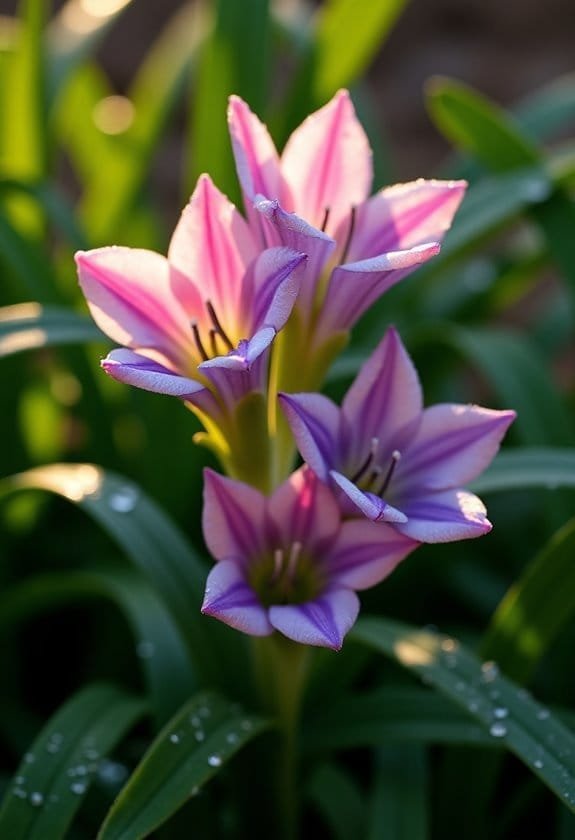
To cultivate Clarkia unguiculata successfully, it's crucial to understand its specific light, soil, water, and temperature needs.
This wildflower thrives in full sun to part shade, favoring moderately fertile, slightly acidic soil that remains moist yet well-drained—similar to a sponge that holds water without becoming saturated.
Additionally, gardeners should be mindful of the plant's drought tolerance, as it flourishes best in regions with annual precipitation between 5.88 to 95.64 inches, yet it may struggle during excessively hot, humid summers.
Light
Clarkia unguiculata flourishes under full sun to part shade, demanding at least six hours of direct sunlight for ideal growth and flowering. This light requirement plays a critical role in determining the plant's overall health, as light effects on growth can greatly influence its development.
To achieve ideal lighting strategies, gardeners should guarantee that the plant receives sufficient light intensity variations throughout the day, as both early morning and late afternoon sun can enhance flowering and stem strength.
When grown in conditions where light levels are appropriate, Clarkia unguiculata demonstrates its capacity for self-seeding and attracts a variety of pollinators, including bees and butterflies, essential for effective pollination. The Viburnum Opulus is another example of a flowering plant that attracts pollinators, showcasing the importance of light in promoting biodiversity.
Good air circulation, facilitated by adequate light exposure, prevents overheating, thereby allowing the delicate plant to thrive without stress. Consistent light also aids the formation of slender stems and vibrant, spade-shaped flowers, contributing to the plant's overall charm.
Conversely, excessive heat can compromise its growth, underscoring the importance of balanced light conditions. Consequently, carefully managing light becomes crucial to cultivating a thriving Clarkia unguiculata garden, beautifying spaces while supporting local ecosystems.
Soil
For thriving Clarkia unguiculata, soil conditions play an essential role in its growth and development. This wildflower prefers poor to moderately fertile, slightly acidic soils with a pH typically ranging from 6.0 to 6.8. Such conditions enhance nutrient absorption and promote vibrant blooms.
The importance of soil drainage can't be overstated, as Clarkia unguiculata requires moist, well-drained environments to flourish. Poor drainage can lead to detrimental effects, such as foot rot and stem rot, which threaten the plant's health.
An ideal planting area should be cleared of weeds to guarantee that competition for nutrients and light is minimized. Clarkia unguiculata exhibits remarkable versatility; it adapts well to various soil types, including clay, loam, rocky, and sandy soils. This adaptability allows gardeners to cultivate this flower in diverse garden settings.
Good air circulation around the plant is equally critical; it decreases humidity around foliage, further reducing the risk of disease. Overall, a thoughtful consideration of soil conditions leads to successful growth, bountiful flowering, and resilience, assuring that this butterfly flower adds beauty to any garden landscape.
Water
Consistently providing the right amount of water is essential for the success of Clarkia unguiculata. This beautiful plant thrives in moist, well-drained soil, which means gardeners must employ effective watering techniques to prevent overly saturated conditions that can lead to root rot.
Striking the proper moisture balance is key; light watering is preferred, particularly as the plant can tolerate drier conditions once established, reflecting its natural adaptability to California's climate.
During the summer months, Clarkia unguiculata generally requires minimal precipitation, within the range of 0.21 to 2.65 inches, ensuring that waterlogged soil doesn't become a concern.
Furthermore, good air circulation around the roots enhances overall health, allowing the plant to flourish. Early fall is the ideal time for seed propagation, as the natural rainy season provides adequate moisture for germination, setting the stage for vigorous growth by spring. Additionally, effective moisture management is essential for maintaining healthy growth in many plants, such as Ajuga reptans, which thrive with consistent moisture levels.
Temperature
In ideal conditions, temperatures ranging from 28.2°F to 83.3°F support the healthy growth of Clarkia unguiculata. This plant thrives in mild seasonal conditions, where temperature effects play a key role in its overall vitality.
When the environment becomes excessively hot, particularly during peak summer, it's crucial to provide the plant with partial shade to avoid heat stress.
Clarkia unguiculata shows impressive climate adaptability, flourishing in USDA hardiness zones 2-10. This broad range allows it to adjust to diverse climate conditions across California.
Seasonal adjustments in temperature are fundamental, as the plant performs at its best within its preferred thermal limits. When exposed to poor air circulation coupled with high humidity, the risk of growth impairment increases substantially, underscoring the necessity for a well-regulated environment.
Additionally, maintaining slightly acidic, well-drained soil further aids in regulating moisture levels, which is essential for the roots' health and prevents conditions like root rot.
Understanding how these elements interplay guarantees successful cultivation, allowing cultivators to foster vibrant butterfly flowers that enhance their landscapes while thriving under proper temperature conditions.
Pollinator Criteria
Clarkia unguiculata thrives by attracting a diverse array of pollinators, including bees, butterflies, and importantly, day-flying hawk moths.
Its vibrant, spade-shaped petals, available in striking shades of pink and purple, serve as a beacon, drawing in these essential insects during the summer blooming season.
The continual nectar supply offered by this flower not only boosts its pollination success but also supports the broader ecosystem, illustrating a significant connection between plant and pollinator interactions. Additionally, its nectar-rich flowers play a crucial role in supporting a wide range of pollinating insects, showcasing the intricate relationships within ecosystems.
Attracted Pollinators
Drawing in a diverse array of pollinators, Elegant Clarkia (Clarkia unguiculata) showcases its vibrant spade-shaped flowers, primarily in shades of pink, throughout the summer months. This stunning wildflower uniquely caters to the specific nectar preferences of various pollinators, including butterflies, moths, and bees.
Its four-petaled structure, particularly appealing to species like the Day-flying Clarks Sphinx Hawkmoth, enables these pollinators to access nourishment efficiently, demonstrating intriguing pollinator behavior.
Blooming continuously during the summer provides a crucial nectar source when other flowers may have already faded. This abundance not only satisfies the energy needs of these creatures but also fosters a thriving pollinator population in its open woodland habitat, promoting ecological interactions beneficial to local biodiversity.
As Elegant Clarkia cohabitates with native grasses and other wildflowers, it encourages a dynamic ecosystem where each species contributes to the overall health of the environment.
Pollination Method
With its unique floral structure, Elegant Clarkia efficiently employs a method of pollination that caters to the preferences of various pollinators. The vibrant, pink spade-shaped petals, designed for ideal visibility, attract butterflies, bees, and significantly moths, which are drawn in by their rich nectar. This blooming occurs in summer, coinciding with an essential nectar shortage for many local insect populations.
The intricate pollination dynamics of Clarkia unguiculata enhance reproductive success through cross-pollination, which fosters greater genetic diversity among offspring. Increased genetic variation not only boosts resilience but also adapts the plant to changing environmental conditions.
The attraction of moths, particularly as it serves as a larval host for Proserpinus clarkiae, highlights the plant's ecological significance, promoting a robust lifecycle for both species involved.
Moreover, as the plant releases elongated seed capsules, it guarantees the continuity of future generations, further enriching the local ecosystem and perpetuating moth attraction. All these facets illustrate how Clarkia unguiculata isn't merely dependent on its pollinators; it actively shapes the community around it, underscoring the intricate interdependence of nature.
Care & Maintenance
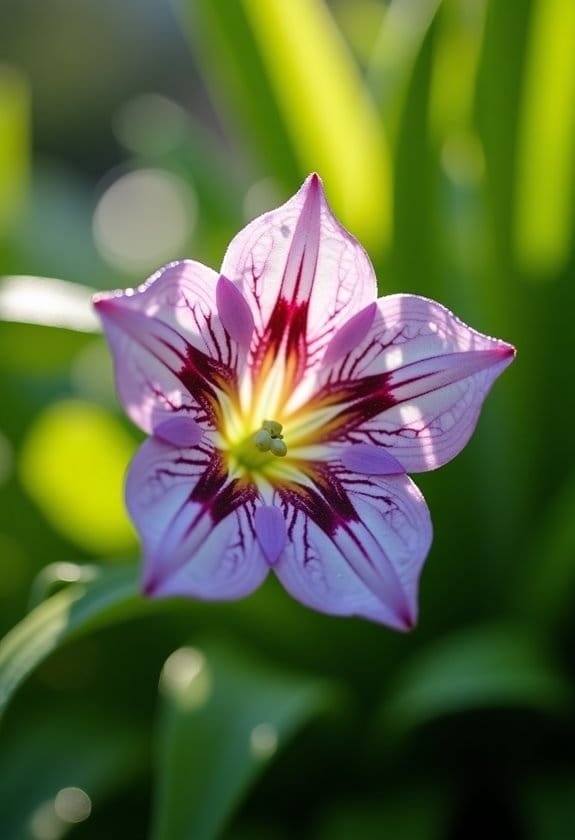
When caring for Clarkia unguiculata, gardeners should prioritize proper planting and ongoing maintenance to guarantee vibrant blooms and healthy growth.
This plant thrives in environments with full sun and well-drained, slightly acidic soil, and regular pruning after flowering enhances its longevity.
Additionally, selecting compatible companions in the garden can create a harmonious ecosystem, further supporting the plant's flourishing presence.
Planting Tips
To successfully cultivate Clarkia unguiculata, start by choosing a sunny location with well-drained, slightly acidic soil that's poor to moderately fertile. This plant thrives in environments that offer full sun to part shade, ensuring it receives adequate light to flourish.
For peak growth, gardeners should employ effective seed starting techniques, as Clarkia unguiculata is best propagated from seeds. Sowing these seeds in the fall, after clearing the area of weeds, guarantees healthier seedlings and minimizes competition for resources.
In addition, the implementation of a light layer of organic mulch considerably enhances plant vigor. Mulching offers multiple benefits, such as supporting seedlings, retaining soil moisture, and suppressing weed growth that could hinder development.
When planted correctly, the self-seeding nature of Clarkia unguiculata allows for future blooms, creating a vibrant and sustainable garden aesthetic.
To promote robust growth and extended blooming periods from early to mid-summer, regular deadheading of spent flowers is advisable. This practice encourages new flower production, enhancing the plant's overall appeal.
Ongoing Care
Successfully caring for Clarkia unguiculata after planting involves ongoing attention to its growth and overall health. This vibrant annual flourishes with diligent management, particularly regarding watering frequency and soil conditions. The plant thrives in moist but well-drained soil, ensuring consistent hydration while avoiding waterlogged roots.
Implementing seasonal pruning is essential; cutting back the stems after flowering promotes regrowth and enhances overall vitality. Regularly monitoring for potential issues, such as foot rot and stem rot, is important in identifying damp conditions that could threaten its health.
Although Clarkia unguiculata is generally pest-free and resistant to deer, gardeners should remain vigilant.
In addition to pruning, a careful fertilizer application can improve the plant's resilience. A balanced, slow-release fertilizer applied during the growing season helps maintain nutrient levels, especially in moderately fertile or poor soils.
As self-seeding is typical, occasional thinning may be necessary to prevent overcrowding in ideal growing environments.
Suggested Companions
In harmony with Clarkia unguiculata, native California wildflowers like California poppies and lupines make excellent companions, enhancing both biodiversity and visual appeal in the garden. Companion planting not only enriches garden aesthetics but also yields native plant benefits, fostering a thriving ecosystem. Additionally, incorporating plants like Betony will further support the health of local ecosystems, allowing for an even broader array of pollinator-friendly options.
By planting alongside native grasses, gardeners can bolster ecological health, providing essential habitats for local wildlife and supporting invaluable pollinator populations.
For ideal arrangements, it's advisable to position Clarkia in the middle or back of flower beds, allowing lower-growing companions like California poppies to reside in front. This strategy visually elevates the garden's appearance while ensuring that each plant receives adequate sunlight.
After flowering, regularly cutting back Clarkia encourages robust regrowth and maintains a tidy environment, benefiting neighboring plants by alleviating competition for sunlight and nutrients.
Monitoring for pests such as foot rot and stem rot is crucial for maintaining a healthy garden. Ensuring proper air circulation around the plants enhances growth resilience, creating a sustainable habitat that flourishes. The California poppy's extended blooming season contributes significantly to supporting local pollinator populations.
Therefore, employing these companion planting strategies can transform a simple garden into a vibrant, biodiverse sanctuary.
Common Issues
Clarkia unguiculata, while generally robust, faces its share of common issues primarily related to pests and diseases.
Foot rot and stem rot can arise in poorly drained soils, and inadequate air circulation often escalates these problems, leading to compromised plant health.
Consequently, gardeners must remain vigilant, addressing overcrowding and selecting suitable microclimates to enhance the flower's resilience and longevity.
Pests/Diseases
Pests and diseases can pose challenges for gardeners, but Clarkia unguiculata tends to remain mostly pest-free. However, keen observation is essential, as root rot and stem rot may develop in poorly drained soils or overly moist conditions. Ensuring well-drained soil is a key strategy in pest management.
While incidents of infestation are rare, aphids and spider mites can occasionally appear, particularly during warmer seasons. These pests can lead to leaf deformation and reduced growth, negatively impacting the plant's health. Implementing effective insect control measures, such as organic insecticidal soap, can manage these outbreaks without endangering beneficial pollinators that flock to the vibrant flowers.
It's also crucial to monitor soil moisture levels diligently. Excess water may foster fungal diseases, which threaten root health and overall strength.
Fortunately, Clarkia unguiculata enjoys a natural protection against browsing pests like deer, who typically avoid the plant. This greatly reduces the need for additional protective measures, allowing gardeners to focus on nurturing and cultivating this exquisite flower with confidence. By understanding common issues and employing basic preventive strategies, one can enjoy a thriving garden of Clarkia unguiculata.
Solutions
Proper care helps address common challenges encountered with Clarkia unguiculata, ensuring vibrant blooms year after year. One major concern is rot, which can affect the plant's roots and stems. To combat this, gardeners should employ effective planting techniques, such as amending heavy soils to improve drainage and positioning plants where air can circulate freely. Additionally, incorporating well-drained soils into the planting strategy promotes a healthier root system.
Additionally, environmental considerations are essential. In hot and humid summers, Clarkia may struggle. As a result, selecting cooler, drier locations, or providing partial shade can enhance growth and resilience.
Regular maintenance strategies, like cutting back spent blooms post-flowering, not only rejuvenate plant vigor but also help prevent overcrowding and competition within flower beds.
To further optimize conditions, it's important to prepare the planting area thoroughly, ensuring a weed-free environment enhances germination rates.
As Clarkia unguiculata often self-seeds abundantly, managing its growth becomes essential; placing them strategically in the back or middle of garden beds minimizes unwanted reseeding in undesired areas. Additionally, being mindful of plant health and pest management will further support Clarkia's growth and flowering success.
Are Gilia Capitata (Blue Thimble Flower) and Clarkia Unguiculata (Butterfly Flower) Related in Any Way?
Yes, Gilia Capitata (Blue Thimble Flower) and Clarkia Unguiculata (Butterfly Flower) are both members of the Phlox family, Polemoniaceae. However, they are not directly related. For more gilia capitata flower information, it’s best to consult a botanist or reliable plant database.
Summary
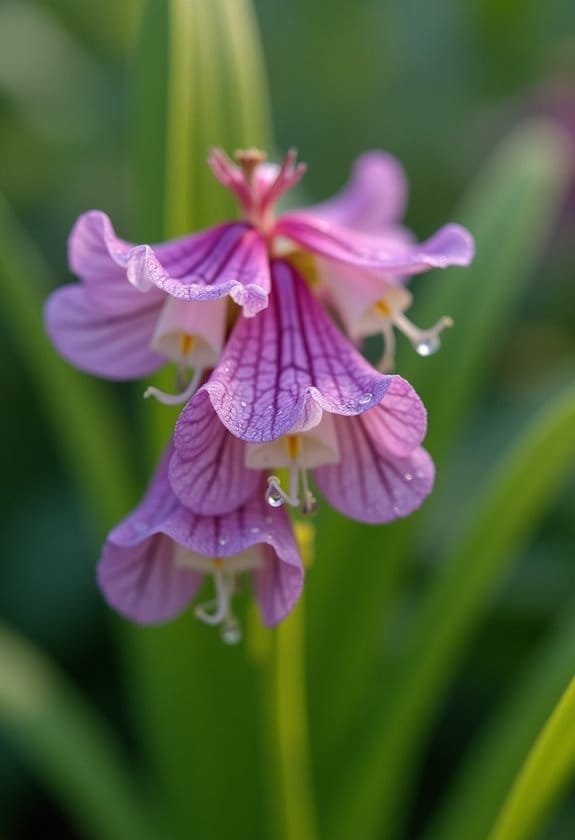
During late spring to early summer, the Butterfly Flower, or Clarkia unguiculata, captivates with its tall, slender stems and vibrant spade-shaped blooms in shades of pink, purple, and white. Ranging from 18 to 36 inches in height, these striking flowers not only enhance planting aesthetics but also serve significant ecological purposes.
By attracting pollinators such as bees, butterflies, and moths, the Butterfly Flower contributes to local biodiversity, enriching the surrounding environment.
Adapting well to open woodlands, especially in oak habitats, this drought-tolerant annual thrives in full sun to part shade, requiring well-drained and moderately fertile soil. Its self-seeding nature makes it an ideal candidate for various gardening strategies, adding color to flower beds, borders, and mini-meadows year after year.
Moreover, the long-lasting blooms remain vibrant for over a month when cut, offering a delightful option for floral arrangements. In cultivating Clarkia unguiculata, gardeners not only enjoy stunning visuals but also foster a thriving ecosystem, exemplifying the harmonious relationship between aesthetics and nature.
This engaging flower embodies a perfect blend of beauty and practicality, proving its worth in any garden setting.