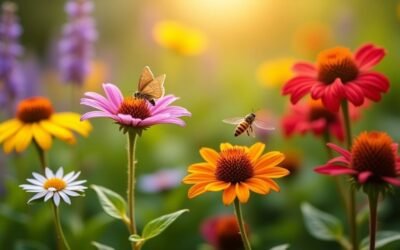
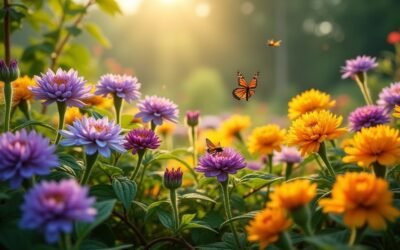
Coreopsis species, widely known as Tickseed, are strikingly diverse plants in the Asteraceae family, boasting over 100 enchanting species. These herbaceous perennials flourish in full sun and well-drained soils, reaching heights between 6 and 48 inches. Tickseed's flowering extends from late spring to fall, with bright, nectar-rich blooms that attract essential pollinators, such as bees and butterflies. Their ecological contributions include supporting local biodiversity, acting as host plants for butterfly larvae, and enhancing soil quality. With proper care, including regular deadheading and disease monitoring, Tickseed can thrive beautifully, offering vibrant color in any garden setting. There's much more to discover.
Main Points
- Coreopsis includes over 100 species and hybrids, commonly referred to as "Tickseed" due to seed appearance resembling ticks.
- Notable species such as Coreopsis grandiflora and Coreopsis lanceolata are popular for landscaping in various garden settings.
- Coreopsis thrives in full sun and well-drained soils, with optimal growth in USDA hardiness zones 4 to 10.
- The plants are attractive to pollinators like bees and butterflies, contributing to local biodiversity.
- Regular deadheading and healthy soil management can extend the flowering period from late spring through fall.
Introduction
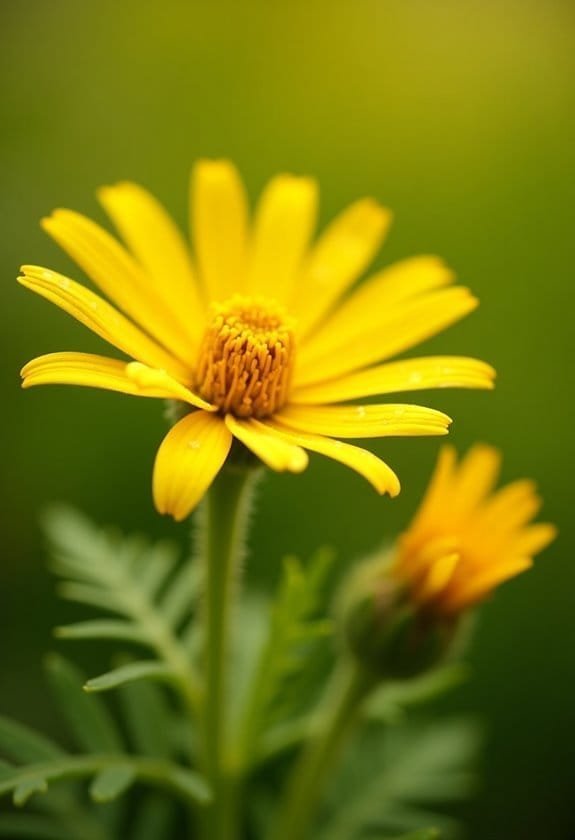
Coreopsis, universally recognized as tickseed, encompasses over 100 species primarily hailing from the Americas.
These plants are celebrated for their vibrant, daisy-like flowers that showcase an impressive range of colors, including sunny yellows and warm oranges, blooming abundantly from late spring through fall.
Understanding the scientific classifications and overall ecological significance of Coreopsis species paves the way for appreciating their ornamental beauty and crucial role in supporting garden biodiversity.
Common Name
The common name "Tickseed" reflects the unique shape of the seeds, which resemble ticks; however, these plants mainly draw in beneficial pollinators such as bees and butterflies. Coreopsis, commonly known as Tickseed, encompasses over 100 species and hybrids, showcasing a vibrant palette of colors ranging from bright gold and orange to delicate pink. This impressive diversity contributes to its popularity among gardeners seeking to enhance their landscapes with cheerful blooms.
The name Tickseed is often used interchangeably for various species within the Coreopsis genus, including notable varieties such as Coreopsis grandiflora, the large-flowered Tickseed, and Coreopsis lanceolata, known as the lanceleaf Tickseed. These plants are celebrated not only for their striking daisy-like flowers but also for their extended blooming period, which spans from late spring through fall, attracting a wide spectrum of pollinators.
Moreover, Tickseed plants display remarkable adaptability, thriving in USDA hardiness zones 4 to 10, making them suitable for an array of gardening environments.
Scientific Name
With over 100 species and hybrids, the genus *Coreopsis* stands out in the Asteraceae family for its diverse and vibrant blooms.
The scientific name *Coreopsis* is derived from a combination of Greek terms— "kore," meaning "bug," and "opsis," meaning "appearance," which aptly reflects the seed's resemblance to a tick. This genus of flowering plants showcases a remarkable variety, including notable species like *Coreopsis grandiflora*, known for its striking yellow petals; *Coreopsis lanceolata*, which features lance-shaped leaves; *Coreopsis verticillata*, recognized for its finely dissected foliage; and *Coreopsis tinctoria*, often called plains tickseed and celebrated for its rich, red and yellow colors.
*Coreopsis species* exhibit remarkable adaptability, thriving in well-drained soils and flourishing under full sunlight.
These qualities not only enhance their aesthetic appeal but also make them valuable in various landscapes, from wildflower meadows to cottage gardens.
The combination of their unique flower characteristics and adaptability maintains that *Coreopsis* remains a favorite among gardeners and botanists alike, illustrating a beautiful intersection of nature's artistry and scientific intrigue.
Overview
Vibrant displays of color and resilience define the Coreopsis genus, a collection of over 100 flowering plants celebrated for their daisy-like blooms. Commonly known as tickseed, these plants exhibit a stunning array of flower colors, ranging from cheerful yellows and golden hues to radiant oranges, fiery reds, and even soft pinks, exemplified by species such as Coreopsis rosea.
Typically, Coreopsis flowers grace gardens from late spring through fall, showcasing their beauty for an extended period.
This adaptable genus thrives in a variety of environments, flourishing in USDA hardiness zones 4 to 10. Coreopsis prefers full sun and well-drained soils; however, it demonstrates remarkable tolerance to poor conditions, including sandy and rocky terrains.
Characteristically drought-resistant and low-maintenance, tickseed makes an excellent choice for diverse garden settings, especially pollinator gardens that attract beneficial insects.
With proper care—such as timely deadheading—gardeners can encourage continuous blooming, extending the season of these delightful flowers.
Ultimately, Coreopsis not only enhances the visual appeal of landscapes but also contributes to ecological health, offering both aesthetic pleasure and practical benefits in gardening contexts.
Key Features
Coreopsis species exhibit a delightful array of growth sizes, with heights ranging from a petite 6 inches to an impressive 48 inches, perfectly suiting various garden landscapes.
The bright daisy-like flowers, available in sumptuous shades of yellow, gold, and orange, attract pollinators and bring vibrant energy from late spring through fall, often blooming to the delight of gardeners.
This adaptability not only enhances aesthetic appeal but also offers practical benefits, as these resilient plants thrive under diverse conditions and require minimal maintenance once established.
Growth Size
When exploring the diverse growth sizes of Coreopsis species, gardeners will find a range that suits various landscapes. These perennial plants showcase an impressive height spectrum, with some varieties standing as low as 6 inches (15 cm) while others can tower up to 48 inches (120 cm).
Amongst the tall options, Coreopsis lanceolata typically grows between 12 to 18 inches, offering vibrant, deep yellow flowers and a wildflower aesthetic that blends beautifully into naturalized settings.
Coreopsis grandiflora, or the Large-Flowered Tickseed, typically reaches heights of 18 to 24 inches, attracting attention with its striking yellow blooms.
Equally enchanting, threadleaf varieties like Coreopsis verticillata also thrive at similar heights, renowned for their feathery foliage and prolonged flowering periods that extend the garden's colorful display.
Additionally, certain cultivars, such as Moonbeam, present a more compact form, achieving heights of approximately 10 to 14 inches, yet remain adorned with lively yellow flowers.
This impressive variation in growth size illustrates how Coreopsis can harmonize with diverse design goals, seamlessly integrating into landscapes that require both height and texture, enriching the visual appeal of any garden.
Appearance
In gardens, the striking appearance of Coreopsis species enchants with their daisy-like flowers and unique foliage. These perennial plants are celebrated for their vibrant blooms, often showcasing bright yellow flowers that radiate warmth and cheer throughout garden landscapes.
Coreopsis cultivars not only display traditional yellow hues, but also feature a stunning array of colors such as gold, orange, and even pink in the case of Coreopsis rosea, creating visual interest in any setting.
Most varieties exhibit diverse heights, ranging from a compact 6 inches to an impressive 48 inches, making them suitable for various applications, from borders to background plantings.
The daisy-like flowers generally possess a prominent yellow center with petal-like rays that enhance their enchanting visual appeal.
For instance, Coreopsis grandiflora boasts large, bright yellow blooms that command attention, while Coreopsis verticillata presents a delicate beauty with feathery foliage that softens garden aesthetics.
Flowering Season
Blooming from late spring through fall, Coreopsis species offer an extended flowering season that delights gardeners for several months.
These vibrant plants produce colorful blooms in shades ranging from sunny yellows to deep reds and soft pinks, depending on the specific type. Notable varieties, such as Coreopsis grandiflora and Coreopsis verticillata, are acclaimed for their long blooming periods, often extending from early summer until the first frost.
To maximize the flowering season, gardeners can practice deadheading, which involves the removal of spent flowers. This simple technique encourages the production of new buds and may result in repeat blooms throughout the growing season.
Curiously, some cultivars, like Coreopsis Moonbeam, are particularly prized for their ability to flower continuously without the need for deadheading, making them a hassle-free addition to any garden.
With their long blooming period and diverse color palette, Coreopsis not only brightens landscapes but also attracts pollinators, creating a lively environment.
Growing Requirements
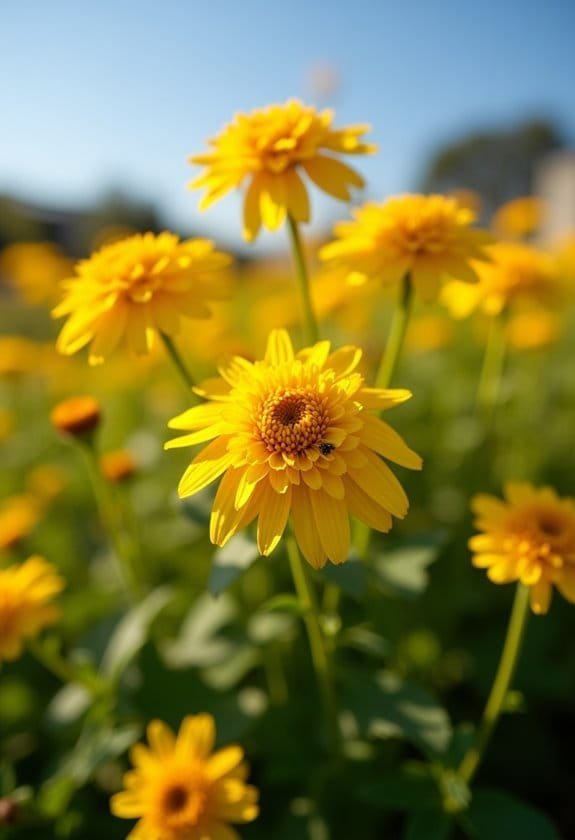
Coreopsis thrives under full sun, requiring at least six hours of direct sunlight each day to reach its potential.
Adaptable to various soil types, including poor, rocky, or sandy substrates, it prefers well-drained conditions that foster its drought tolerance once established.
Understanding its water and temperature needs is essential for cultivation; while young plants benefit from regular watering during dry spells, mature specimens can endure hot, arid conditions with resilience.
Light
To thrive and put on a spectacular show, Coreopsis plants soak up full sun exposure, requiring at least six hours of direct sunlight each day. These remarkable plants flourish in bright, sunny locations that notably enhance their vibrant flower production.
With their rich hues, Coreopsis is an excellent choice for pollinator gardens, attracting bees and butterflies that play crucial roles in the ecosystem.
When Coreopsis receives insufficient light, the results can be disheartening. Weak plants exhibit sparse blooms and become more susceptible to diseases that threaten their longevity and health. Conversely, full sun conditions support the plant's impressive drought tolerance once established, allowing Coreopsis to withstand challenging, hot, and dry climates.
Moreover, proper light levels enable consistent flowering from late spring through fall, delighting gardeners and pollinators alike. Regular deadheading—removing spent flowers—can further encourage repeat blooms under these sunny conditions.
Soil
Healthy Coreopsis growth hinges on well-drained soil, although these adaptable plants can thrive in less-than-ideal conditions like rocky or sandy environments. The resilience of Coreopsis is notable, as it flourishes in various soil types, from alkaline to acidic, provided that drainage remains ideal to prevent detrimental root rot.
While they can endure challenging situations, regular watering is essential, especially during dry spells or in their formative stages. Newly established plants benefit greatly from consistent moisture, allowing their root systems to develop fully and ensuring robust growth.
As they mature, their drought tolerance increases, offering gardeners some flexibility in maintenance. To combat poor soil conditions, applying a slow-release granular fertilizer in spring can promote not only healthy foliage but also vibrant blooms throughout the season.
This nurturing approach enhances nutrient availability, creating a more conducive environment for Coreopsis to thrive. To sum up, understanding the importance of well-drained soil and providing appropriate care allows these delightful perennials to bring joy and beauty to any garden setting, resiliently adapting to their surroundings while remaining a favorite among horticulturists and enthusiasts alike.
Water
Watering plays an essential role in the growth of Coreopsis, especially during the initial establishment phase. During this significant period, the plant requires regular watering to create a robust root system capable of supporting its vibrant blooms.
It's important to ascertain that the soil remains consistently moist, yet not soggy, which can jeopardize the plant's health. Coreopsis prefers well-drained soil, so allowing the soil to dry between watering sessions is imperative; this practice helps prevent the onset of root rot and diseases, such as downy and powdery mildew.
Once established, Coreopsis exhibits remarkable drought tolerance and can thrive on minimal water during dry conditions. However, during prolonged dry spells, supplemental watering becomes necessary to maintain blooming vitality and overall plant health.
Providing approximately one inch of water per week enhances the plant's resilience while guaranteeing that its vivid flowers continue to flourish. Ultimately, understanding and monitoring water needs not only fosters the coreopsis's longevity but also bolsters the garden's aesthetic appeal, revealing the delicate balance between hydration and soil health in cultivating this resilient perennial.
Temperature
Coreopsis flourishes across a wide temperature range, making it a versatile choice for gardeners in various climates. These resilient plants thrive in USDA hardiness zones 4 through 9, withstanding temperatures as low as -30°F and reaching up to 30°F. Certain species, like Coreopsis Moonbeam, impressively endure much colder conditions, thriving even down to -40°F, which underscores their adaptability.
For peak growth, Coreopsis requires full sun, ideally basking in six or more hours of direct sunlight each day. While established plants exhibit remarkable drought tolerance, managing well in hot and dry environments, younger plants demand more regular moisture to promote their development.
Remarkably, these flowers prefer well-drained soil, yet their adaptability allows them to establish roots in various soil types, including rocky or sandy conditions.
This ability to thrive in different thermal and soil environments not only enhances their appeal in diverse regions but also illustrates the resilience inherent in Coreopsis. Consequently, gardeners can confidently cultivate these vibrant blooms, knowing they'll flourish beautifully even amidst challenging climate variations.
Pollinator Criteria
Coreopsis species, with their vibrant blooms and abundant nectar, attract a diverse array of pollinators, including bees and butterflies, who seek out these colorful flowers.
The pollination method employed by Coreopsis, primarily facilitated by visiting insects, enhances genetic diversity while ensuring a steady food supply across multiple growing seasons.
As critical host plants for various butterfly larvae, they also support specialized pollinators like the Coreopsis Bee, which relies heavily on Coreopsis for its nutritional needs. Additionally, like corncockle, Coreopsis plays a vital role in supporting local biodiversity by attracting essential pollinators.
Attracted Pollinators
Numerous pollinators are drawn to the vibrant blooms of Coreopsis species, which offer an appealing feast of nectar and pollen. These bright, daisy-like flowers, displaying shades of yellow, orange, and pink, are highly attractive to various pollinators, particularly bees and butterflies. The flowers provide a rich source of essential nutrients, sustaining these beneficial insects during their active months from early summer to fall.
Among the many visitors, the Coreopsis Bee (Andrena beameri) specifically relies on Coreopsis for its primary source of pollen, underscoring the plant's critical role in local ecosystems. Research highlights that incorporating Coreopsis into garden landscapes can notably enhance biodiversity, not just by serving as a food resource but also by providing a habitat for diverse species, including nectar-loving hummingbirds. In meadow ecosystems, Meadow Vetchling (Lathyrus pratensis) also plays a significant role in supporting pollinator populations and enriching soil quality.
The prolonged blooming period of Coreopsis, coupled with its ability to rebloom when deadheaded, amplifies its attractiveness to pollinators. This continuous floral display supports a dynamic ecosystem where pollinator populations can thrive. Additionally, Coreopsis plants share characteristics with Vipers Bugloss(Echium Vulgare) in their ability to attract essential pollinators and contribute to ecosystem health.
Fundamentally, Coreopsis species act as essential hubs, fostering health and diversity within their natural environments.
Pollination Method
The vibrant blooms of Coreopsis not only attract a variety of pollinators but also play a significant role in their pollination method. These plants' flowers are usually yellow, adorned with daisy-like petals, which provide a distinctive visual cue for foraging insects. The bright colors and enticing fragrance of species like Coreopsis verticillata invite creatures such as bees, butterflies, and hummingbirds, who seek the abundant nectar.
Pollination typically occurs through the interactions between these enchanting flowers and their pollinators, mainly solitary bees. These insects, essential for the reproduction of Coreopsis, collect both pollen and nectar, facilitating the transfer of genetic material between flowers. By feeding on the nectar, pollinators inadvertently transport pollen from the male parts to the female parts of the flowers, ensuring successful fertilization.
Moreover, Coreopsis boasts a lengthy blooming period from early summer to fall, maintaining a consistent food supply for pollinators. This strategic adaptation not only supports the local wildlife but also enhances biodiversity within garden ecosystems, fostering ecological health and resilience. Additionally, similar to Echium vulgare, Coreopsis is adept at attracting pollinators and enhancing biodiversity, reinforcing its vital role in sustaining ecological systems.
Fundamentally, the relationship between Coreopsis and its pollinators exemplifies a harmonious cycle of mutual benefit and environmental sustainability.
Care & Maintenance
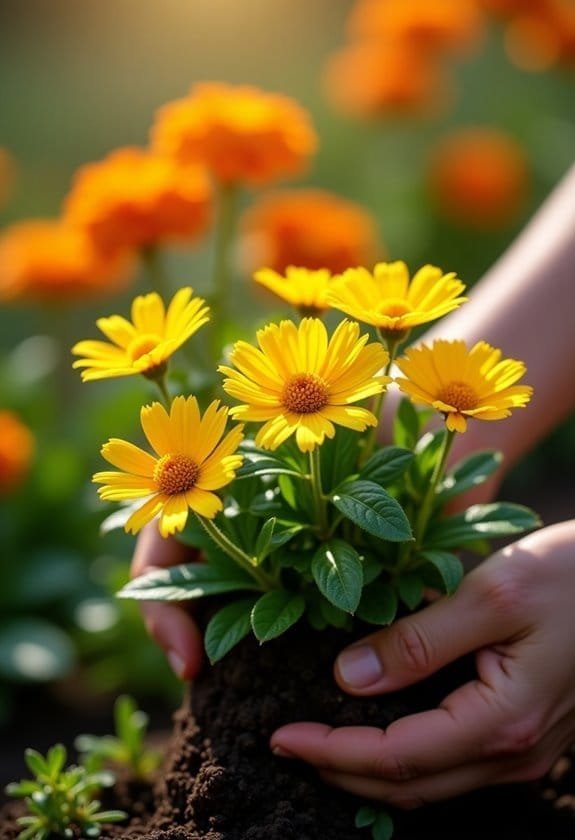
In caring for Coreopsis, gardeners should prioritize ideal planting conditions and ongoing maintenance to guarantee vibrant blooms and robust growth.
With an affinity for full sun, these hardy plants flourish with at least six hours of direct sunlight daily, complemented by well-drained soil that accommodates various textures from sandy to rocky.
Regular practices, such as deadheading spent flowers and timely divisions, play an essential role in fostering both visual beauty and ecological benefits, sustaining pollinator interest throughout the growing season.
Planting Tips
Coreopsis thrives in well-drained soil with plenty of sunlight, needing at least six hours of direct sunlight each day. For ideal growth, gardeners should adhere to several essential planting tips.
First, it's vital to select a site that enjoys full sun exposure, as this encourages vibrant blooms and robust foliage. Watering should be consistent during the establishment phase; however, gardeners must allow the soil to dry out between watering sessions. This significant practice underscores Coreopsis's drought-tolerant nature once established.
Additionally, if planting in poor soil, applying a slow-release granular fertilizer in spring can be beneficial. This approach nourishes the plants without the risk of over-fertilizing, which can lead to unhealthy growth.
Gardeners should also consider dividing Coreopsis plants every two to three years to maintain vigor and prevent overcrowding. Overcrowding can increase susceptibility to pests and diseases, ultimately compromising the plants' health and beauty.
Regular deadheading of spent flowers encourages continuous blooming from early summer to fall, enhancing the garden's overall appeal. With these careful considerations, gardeners can nurture their Coreopsis, creating a vibrant display that delights the eye while enriching the landscape.
Ongoing Care
Ongoing care for Coreopsis requires minimal effort but yields impressive results, particularly through regular deadheading of spent blooms. This practice encourages prolonged flowering, ensuring these vibrant perennials showcase their full splendor throughout the growing season.
Known for their resilience, Coreopsis thrive with low nutrient needs, yet applying a slow-release granular fertilizer each spring can enhance growth, especially in poorer soils.
To maintain peak health, it's advisable to divide Coreopsis clumps every 2-3 years, preventing overcrowding and allowing for better air circulation around the plants. During this time, gardeners should monitor for potential pests and diseases, such as downy mildew and bacterial leaf spot, which can diminish their vigor over the years.
Additionally, while Coreopsis are drought-tolerant once established, during dry spells, they benefit from regular watering to support their growth. It's crucial to avoid overly soggy soil, as this can lead to root rot.
In colder climates, applying mulch in the fall provides a protective layer against frost damage, ensuring these cheerful blooms return robustly each spring.
With attentive yet straightforward care, Coreopsis can flourish and enrich gardens for many seasons.
Suggested Companions
Many gardeners find that pairing Coreopsis with complementary plants enhances both beauty and functionality in their landscapes. The vibrant yellows of Coreopsis, particularly when juxtaposed with the rich golds of Black-Eyed Susans or the purples of Coneflowers, create stunning visual displays. These contrasting colors and diverse flower shapes establish excitement within mixed borders and pollinator gardens, attracting essential wildlife such as bees and butterflies.
When incorporating Coreopsis, it's advisable to plant taller companions like Salvia and Echinacea behind them. This arrangement provides a stratified height, promoting a more dynamic and appealing garden layout. Additionally, including plants such as Campanula glomerata can further enhance pollinator attraction due to their nectar-rich blooms.
For rock gardens, low-growing varieties like C. verticillata 'Moonbeam' can thrive beautifully, particularly when combined with trailing plants like Creeping Jenny, which add delightful texture to the landscape.
Regular deadheading of Coreopsis not only encourages extended blooming but also fosters a continually colorful atmosphere alongside its companions.
In addition, grouping Coreopsis with other drought-tolerant perennials strengthens overall resilience in hot, dry climates while simultaneously offering habitat for beneficial wildlife, making these companions not just aesthetically pleasing but also ecologically beneficial. Furthermore, dandelions' role in maintaining healthy ecosystem dynamics highlights their potential as companion plants that support pollinator populations and enhance biodiversity in the garden.
Common Issues
Coreopsis species, while generally resilient, can encounter several common issues that may compromise their health and aesthetic appeal.
Susceptibility to diseases like downy and powdery mildew, particularly in humid conditions, necessitates proper air circulation; likewise, bacterial leaf spot, identifiable by dark, wet spots, can be effectively managed with the timely removal of affected leaves.
Additionally, maintaining well-drained soil is paramount to prevent root rot, while regular monitoring for pests such as the Coreopsis Leaf Beetle and strategic division every few years can greatly mitigate potential complications.
Pests/Diseases
How do Coreopsis plants manage to stay largely pest-resistant despite occasional challenges? While these vibrant flowers usually thrive with minimal intervention, they can experience specific pests and diseases, especially under certain conditions.
Bacterial leaf spot and powdery mildew may emerge, particularly in humid environments where moisture accumulates. Coreopsis is also susceptible to downy mildew, which tends to flourish when air circulation is restricted; hence, maintaining adequate spacing between plants is essential for robust health.
Although the Coreopsis leaf beetle (Calligrapha californica coreopsivora) can inflict damage by feasting on the foliage, infestations rarely reach severe levels.
Regular maintenance plays a crucial role in the overall vigor of Coreopsis. By practicing techniques such as deadheading spent blooms and prioritizing proper air circulation, gardeners can greatly mitigate potential issues related to pests and diseases.
Additionally, adopting good cultural practices—such as watering directly at the base of the plants rather than overhead irrigation—further minimizes disease onset, providing Coreopsis with a fighting chance against common adversities.
Solutions
To effectively address common issues with Coreopsis, gardeners should embrace a proactive approach. Although Tickseed plants are generally resilient and require minimal care, ensuring their ideal health demands attention to certain concerns.
For instance, good air circulation is crucial in preventing downy and powdery mildew, diseases that can threaten their vigor.
Equally important is the maintenance of well-drained soil. Overly moist conditions can lead to bacterial leaf spot, jeopardizing the beautiful blooms. Implementing a routine of deadheading spent flowers promotes continuous flowering while minimizing unwanted self-seeding, which may cause overcrowding.
To sustain plant vigor and reduce pest risk, division every two to three years is advisable, creating space for each plant to thrive.
Moreover, during fall, applying mulch can greatly protect Coreopsis from frost damage, fostering healthier growth in the spring.
By integrating these solutions into their gardening practices, enthusiasts will promote thriving Tickseed plants that not only enhance their gardens' aesthetics but also stand resilient against common ailments.
Ultimately, the key to flourishing Coreopsis lies in the delicate balance of proactive care and environmental considerations, ensuring these vibrant perennials continue to delight for years to come.
Are Coreopsis and Digitalis Both Safe for My Garden?
Yes, both coreopsis and digitalis species (foxglove) are safe for your garden as long as they are planted in appropriate conditions and in moderation. Coreopsis adds vibrant color and requires minimal maintenance, while digitalis species (foxglove) offers a striking vertical element. For more information, visit the digitalis species (foxglove) information page.
Summary
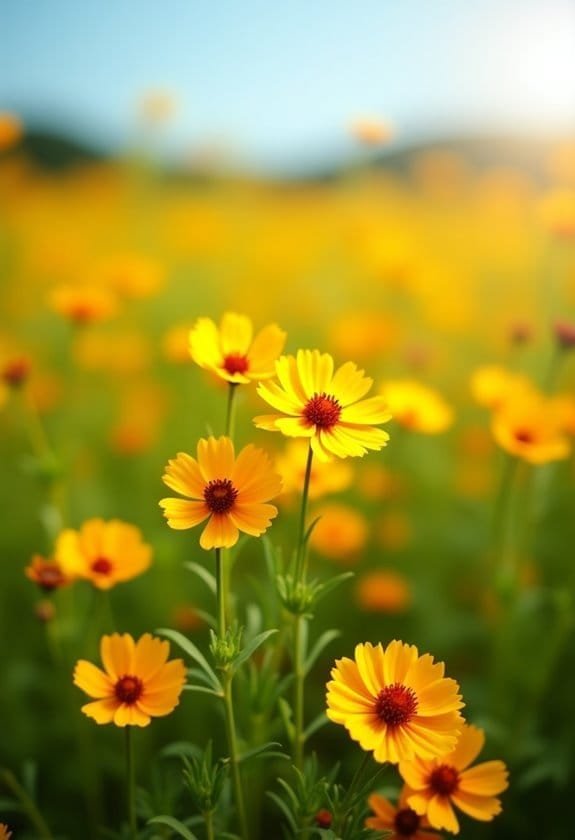
The vibrant and diverse world of Coreopsis, often referred to as tickseed, features over 100 species and hybrids primarily found in the Americas, all belonging to the Asteraceae family.
This extensive genus showcases remarkable flowering plants that thrive under full sun conditions and adapt well to various soil types, particularly well-drained soil, which encourages healthy root development.
Among the most notable species are Coreopsis grandiflora, celebrated for its large yellow flowers, and Coreopsis lanceolata, known for its deep yellow blooms.
Coreopsis verticillata, with its feathery foliage, adds texture to gardens, appealing to both gardeners and pollinators like bees and butterflies.
With a long bloom time that extends from late spring through fall, these plants continuously offer color, enhancing any landscape.
Popular cultivars such as 'Moonbeam' and 'Mercury Rising' not only provide variations in height and flower color but also exhibit low maintenance requirements.
Drought-tolerant once established, Coreopsis plants are ideal for sustainable gardens, offering beauty and resilience.
Through their vivid colors and adaptability, these plants enrich ecosystems, making them a favored choice for home gardeners and landscape professionals alike.