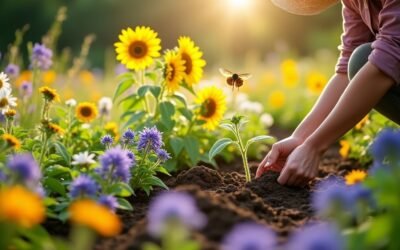
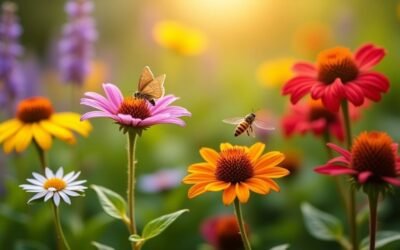
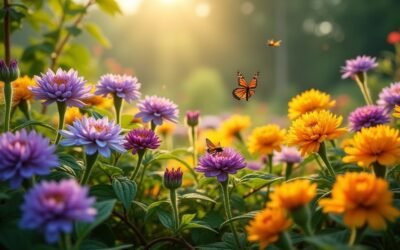
Eryngium alpinum, known as Alpine Eryngo or Queen-of-the-Alps, is a remarkable herbaceous perennial native to Europe's subalpine regions. Growing between 30 to 90 cm (12 to 35 inches), it boasts stunning purplish-blue flower heads encircled by fibrous, blue bracts. Thriving in well-drained, dry soils and demanding at least six hours of sunlight daily, this resilient plant flourishes in altitudes from 1,200 to 2,500 meters. Its blooms attract essential pollinators, such as honeybees and butterflies, while also serving as winter sustenance for wildlife. Understanding its care and ecological role can greatly enhance one's gardening experience, offering richer insights into Alpine Eryngo's beauty.
Main Points
- Eryngium alpinum, commonly known as Alpine Sea Holly, is a striking perennial that thrives at high altitudes in Europe.
- This plant features unique purplish-blue flowers and deeply toothed leaves, blooming from mid-summer to early fall.
- It prefers well-drained, poor to moderately fertile soils and requires full sun for optimal growth.
- Eryngium alpinum attracts various pollinators and provides wildlife food sources with its spiny seed heads.
- The plant faces habitat loss and requires conservation efforts to maintain its populations in alpine ecosystems.
Introduction
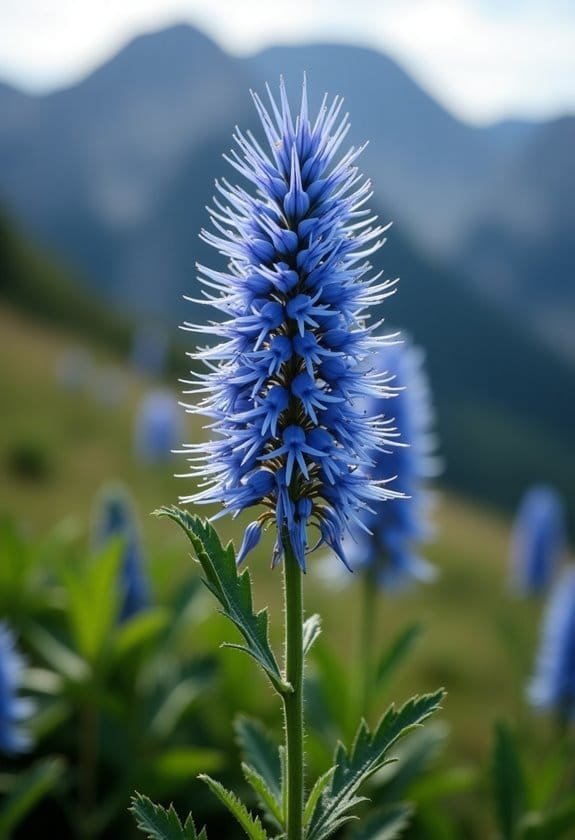
Eryngium alpinum, often referred to as Alpine Sea Holly, captures attention with its stunning purplish-blue flower heads and distinctive foliage.
This perennial thrives in the challenging conditions of Europe's mountainous terrain, favoring well-drained soils and full sunlight, where it manages to flourish at altitudes between 1,500 to 2,000 meters.
As a member of the Apiaceae family, it not only provides ornamental beauty but also contributes to the local ecosystem by attracting pollinators like bees and butterflies. Additionally, Alpine Eryngo shares a similar ecological importance as its relative, Blue Eryngo, by serving as a nectar source for pollinators.
Common Name
Commonly known as "Alpine Sea Holly" or "Queen-of-the-Alps," Eryngium alpinum enchants gardening enthusiasts with its stunning floral beauty and resilience in alpine habitats.
This perennial wildflower, a member of the Apiaceae family, stands out due to its striking purplish-blue flower heads, which emerge from a rosette of leathery leaves. Surrounding these blooms are soft blue, feather-like bracts that enhance their visual appeal, rendering Eryngium alpinum a popular choice for ornamental gardening.
Native to subalpine regions across Europe, Alpine Sea Holly has adapted beautifully to cooler mountainous climates, demonstrating durability that many gardeners cherish.
Its capacity to thrive even in poor soil conditions and during periods of drought makes it a valuable addition to a variety of landscapes. Additionally, this species is deer-resistant, allowing it to flourish in diverse environments.
The plant's allure isn't solely aesthetic; it plays a significant role in promoting biodiversity by attracting essential pollinators like bees and butterflies, thereby enriching local ecosystems.
Scientific Name
Classified scientifically as Eryngium alpinum, this remarkable plant belongs to the Apiaceae family, renowned for its unique floral structures. Commonly called the Alpine Eryngo, Eryngium alpinum captivates with its striking blue to purple flower heads that resemble miniature globes, enhancing alpine landscapes.
This herbaceous perennial grows to heights of 30 to 90 cm (12 to 35 inches) and thrives in full sun, showcasing its adaptation to challenging conditions.
As a hemicryptophyte, Eryngium alpinum possesses buds situated just beneath the soil surface, allowing it to conserve energy and survive harsh winter climates. This category of plant survival mechanism is essential in the rugged alpine environment, where temperatures can plunge and winds can howl fiercely.
Largely native to high-altitude regions of Europe, it flourishes between 1,200 to 2,500 meters (3,900 to 8,200 feet) above sea level, where many other plants struggle to endure.
The scientific classification of this beautiful alpine eryngo not only highlights its botanical lineage but also underscores its remarkable adaptability and resilience.
Eryngium alpinum serves as a stunning emblem of alpine flora, embodying both elegance and tenacity in hostile terrains.
Overview
With its striking purplish-blue flower heads and unique, feather-like bracts, the Alpine Sea Holly captivates both gardeners and nature enthusiasts alike. Scientifically named Eryngium alpinum, this hardy perennial flourishes in the pristine alpine landscapes of Europe, often gracing rocky meadows and damp pastures at elevations ranging from 1,200 to 2,500 meters.
Growing to a height of 24-36 inches, it requires well-drained soil and full sun, exhibiting remarkable drought and nutrient-poor soil tolerance.
Renowned for its aesthetic appeal, Eryngium alpinum not only enhances landscape design but also fosters ecosystem benefits. During its flowering period from mid-summer to early fall, it becomes a magnet for pollinators like bees and butterflies, supporting essential ecological interactions. Additionally, traditional medicinal uses of this plant extend back to ancient times, showcasing its therapeutic attributes.
Its glossy, deeply toothed leaves form basal rosettes, enriching the visual texture of gardens and natural settings alike. By incorporating Alpine Sea Holly into landscaping, individuals can create vibrant displays while promoting biodiversity, crafting a harmonious blend of beauty and sustainability in their outdoor spaces.
Key Features
Eryngium alpinum, or Alpine Sea Holly, stands impressively between 24 and 36 inches tall, showcasing robust basal rosettes adorned with heart-shaped, intricately toothed leaves.
The plant's striking purplish-blue flower heads, elegantly encircled by delicate feather-like bracts, not only enhance its visual allure but also attract essential pollinators throughout the growing season.
Flowering spans from mid-summer to early fall, providing a delightful spectacle that constitutes an invaluable addition to any garden, particularly in drought-prone or coastal landscapes.
Growth Size
Reaching impressive heights, Eryngium alpinum typically grows between 30 and 70 cm (12 to 28 in), though it can soar up to 100 cm (39 in) under ideal conditions. This remarkable height variation reflects the plant's adaptability to diverse environments, enabling it to thrive in various soil types.
Its sturdy leafy stems can spread 60 cm (2 feet) wide, promoting cluster formation that creates an eye-catching display in garden spaces.
In addition to its impressive size, Eryngium alpinum demonstrates exceptional soil adaptability, flourishing in poor to moderately fertile soils. This resilience makes it a great choice for gardeners seeking low-maintenance options that still offer aesthetic charm.
The perennial's robust structure and drought tolerance enable it to withstand challenging conditions, ensuring that it remains a staple in many gardens.
Moreover, the plant's growth habits allow for intriguing spatial dynamics, as the dense clusters can attract curious pollinators while providing a natural, visually striking presence.
Gardeners may appreciate how this adaptable periphery plant truly embodies the essence of resilient beauty, making it a valuable addition to any landscape design.
Appearance
What makes Eryngium alpinum truly stand out are its distinct key features that combine visual charm with robust structure. This plant typically reaches impressive heights of 24-36 inches (60-90 cm), presenting a striking silhouette in any landscape.
The glossy, heart-shaped leaves, measuring about 13-17 cm long and 10-15 cm wide, form basal rosettes with a deep, serrated texture that invites touch while providing essential color variations that brighten its surroundings.
At the heart of Eryngium alpinum's appeal lies its alluring floral arrangement. Dense umbels of purplish-blue flowers, reminiscent of thistles, emerge dramatically from mid-summer to early fall. These flowers are gracefully enfolded in soft, feather-like blue bracts, enhancing the plant's exotic appearance.
The unique spine-tipped foliage not only enriches leaf texture but also creates a stunning contrast against the gentle hues of its blooms.
Together, these features make Eryngium alpinum an extraordinary addition to borders and wildlife gardens, drawing attention and admiration. Its robust growth form and intricate details guarantee it remains a focal point, showcasing nature's artistry throughout the growing season.
Flowering Season
Typically, Eryngium alpinum enthralls with its spectacular blooms from mid-summer to early fall, peaking between July and September.
This remarkable plant showcases unique flowering habits, producing dense umbels of striking purplish-blue flower heads, each enveloped in rigid, feather-like blue bracts. These ornamental features not only enhance the aesthetic appeal of gardens, but also elevate the blooms to heights of 24-36 inches (60-90 cm), ensuring visual prominence against the backdrop of lush foliage.
The vibrant bloom colors attract a variety of pollinators, including bees and butterflies, which play essential roles in the ecosystem.
Each flower head comprises numerous small, spiny achenes, about 0.5 cm wide, further contributing to its allure.
As seasonal changes unfold, gardeners often leave the seedheads intact after flowering, allowing for continued interest during winter months.
The persistent seedheads add a touch of beauty and texture, giving life to otherwise dormant landscapes.
Growing Requirements
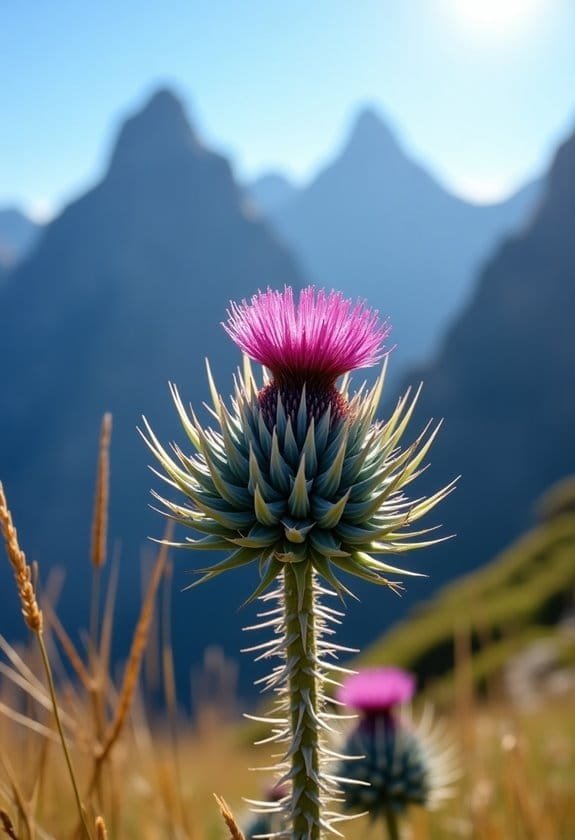
Eryngium alpinum showcases distinct growing requirements that guarantee its best development in various environments.
Preferring well-drained soils and an abundance of sunlight, this resilient plant thrives in hardiness zones 2 through 8, flourishing within elevations of 1,200 to 2,500 meters.
Its remarkable drought tolerance allows it to adapt to dry conditions, making it an ideal choice for gardeners seeking low-maintenance, striking flora.
Light
For ideal growth and flowering, Eryngium alpinum requires at least six hours of direct sunlight each day. The light intensity effects can't be overstated; adequate sunlight guarantees the robust development of the plant and the vibrant blue to purple coloration of its flowers, greatly enhancing ornamental appeal.
When evaluating shade tolerance, it's important to acknowledge that while Eryngium alpinum thrives in full sun, it can tolerate light shade. However, insufficient lighting can hinder flowering and result in weaker stems, diminishing the plant's overall vigor.
Moreover, understanding the light spectrum importance is vital, as different wavelengths promote various physiological responses within the plant. High-intensity light boosts photosynthesis, leading to healthier growth patterns.
For best results, gardeners should plant Eryngium alpinum in locations that provide full sunlight, guaranteeing good air circulation to prevent moisture-related issues. This exposure allows the plant to flourish, reaching its full potential as a striking addition to any garden.
Soil
Healthy growth in Eryngium alpinum hinges on well-drained soil, vital for preventing issues related to waterlogged conditions. This plant thrives in environments with specific drainage requirements, as it exhibits intolerance to standing water. Superior soil composition for Eryngium alpinum involves sandy or gravelly substrates, particularly those resembling its natural alpine habitats.
Rocky, calcareous soils are also suitable, showcasing the plant's adaptability to various nutrient needs. Eryngium alpinum enjoys dry conditions once established, allowing it to endure periods of drought, which further illustrates its resilience in low moisture availability.
While the plant demonstrates versatility across different soil types, it remains indifferent to pH levels, thriving in both acidic and alkaline environments. This adaptability enables gardeners to cultivate Eryngium alpinum in diverse landscapes without the constant worry over soil pH.
For peak growth, gardeners should guarantee that their soil maintains excellent drainage, preventing overly compacted or boggy areas. By prioritizing these factors, they can recreate the plant's natural habitat, allowing for vigorous growth and striking, spiky blue flower heads that enhance any garden setting.
Ultimately, selecting the right soil composition is essential for the flourishing of Eryngium alpinum.
Water
Watering Eryngium alpinum requires a careful balance, as this plant thrives on minimal moisture once established. Its remarkable drought tolerance allows it to flourish in poor to moderately fertile soils, making frequent watering unnecessary. This resilience is particularly beneficial in dry environments, where Eryngium alpinum prefers low to moderate soil moisture levels, avoiding waterlogged conditions that can lead to root rot and moisture-related diseases.
Implementing effective watering techniques is vital during the plant's early growth stages. Growers should aim for a light sprinkling, ensuring the soil remains adequately moist but not saturated.
Once established, Eryngium alpinum demands minimal intervention, with water only necessary during prolonged dry spells. Its hardy nature extends to salt tolerance, enhancing its adaptability in varied garden settings, including coastal landscapes.
Avoiding over-watering becomes paramount, as Eryngium alpinum's intolerance to excessive moisture can hinder its growth potential.
Temperature
Thriving in a range of cold climates, Eryngium alpinum flourishes in hardiness zones 2-8. This remarkable plant exhibits substantial temperature tolerance, adeptly handling temperature fluctuations that often accompany colder environments.
Ideally, Eryngium alpinum requires a prime temperature range of 60 to 75 degrees Fahrenheit, which fosters robust growth and vibrant flowering. While it can withstand higher temperatures, particularly once established, this species prefers full sunlight exposure to achieve its best.
In shaded settings, flowering may decline markedly, thereby limiting its potential beauty. Eryngium alpinum's ability to endure drought conditions showcases its remarkable resilience, allowing it to survive extended dry spells without compromising health.
It's important to note that alongside temperature considerations, well-drained soils with moderate fertility enhance healthy development, negating the necessity for overly rich soil.
Pollinator Criteria
Eryngium alpinum's striking blue and purple flower heads attract a variety of pollinators, particularly honeybees and bumblebees.
These unique structures not only offer a rich nectar source but also facilitate efficient pollination, supporting the plant's reproductive success.
Attracted Pollinators
While many plants can attract pollinators, Eryngium alpinum stands out for its ability to entice a variety of species, including bees and butterflies.
The plant's striking purplish-blue flower heads bloom from mid-summer to early fall, serving as important nectar sources during a crucial period for pollinator activity. Its flowering structures are exceptionally designed to facilitate insect interactions, ensuring a successful mating process for both the plant and the visiting insects.
Pollinator preferences lean heavily towards Eryngium alpinum due to its reliable provisioning of resources in often rugged alpine and subalpine environments. This species demonstrates remarkable drought resistance—an attribute that allows it to thrive where other floral varieties falter—ultimately providing a consistent food supply for essential pollinators.
Additionally, Eryngium alpinum contributes meaningfully to ecosystem benefits, enhancing biodiversity within its native habitats. By attracting a diverse range of pollinators, this plant plays an invaluable role in maintaining the ecological balance necessary for the survival of numerous organisms.
Pollination Method
Pollination in Eryngium alpinum relies mainly on insects, particularly bees and butterflies, which are drawn to its vibrant flower heads. The plant's unique flower morphology features a dense umbel structure, which acts as a spacious landing platform for these pollinators, facilitating their access to the abundant nectar and pollen. This structural design not only enhances insect interactions but also notably promotes its pollination ecology.
The spiny, stiff blue bracts that surround the flowers further assist visitors by providing solid support, allowing them to navigate the flower head with ease.
Flowering takes place from July through September, a strategic period that correlates with peak insect activity, thereby enhancing the likelihood of successful pollination.
As pollinators engage with the flowers, they inadvertently transfer pollen, ensuring reproductive success. The outcome of this meticulous process is a spiny achene, approximately 0.5 cm wide, which exemplifies the plant's successful adaptation in response to its pollination strategy.
Care & Maintenance
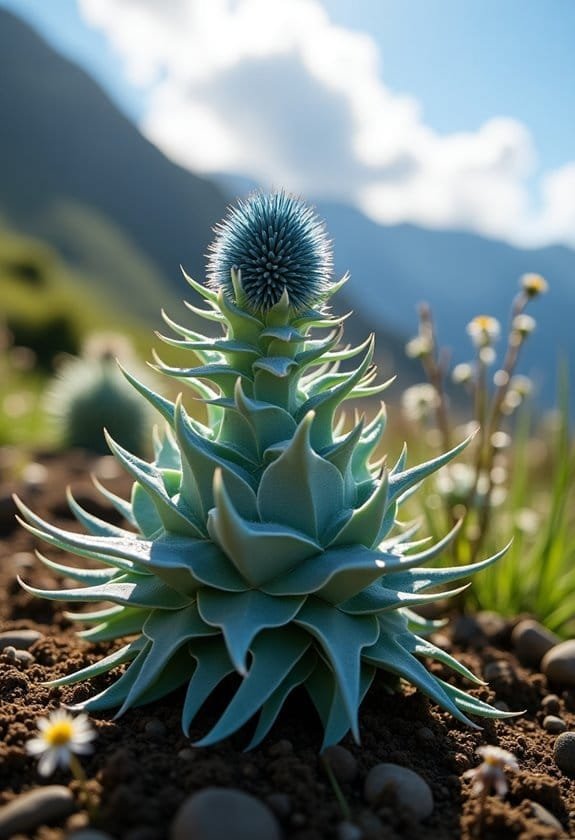
When caring for Eryngium alpinum, gardeners should consider a few essential planting tips to guarantee peak growth and longevity.
This resilient plant flourishes in well-drained, dry soils and benefits from full sun, yet it can tolerate some light shade, allowing for flexible garden placements.
Regular monitoring for pests and timely pruning can enhance its visual appeal and contribute to the overall health of the garden ecosystem.
Planting Tips
To successfully care for Eryngium alpinum, it's essential to plant it in full sun and well-drained soil, ideally suited for dry conditions. This drought-tolerant perennial flourishes in poor to moderately fertile environments, thriving with minimal irrigation.
When selecting a planting location, consider areas that mimic its natural alpine habitat, such as gravel or cottage gardens, where sunlight is abundant and moisture evaporates quickly.
For seed preparation, sow ripened seeds in pots placed in cold frames, ensuring they receive adequate ventilation, or divide established plants carefully to minimize disturbance.
Companion planting can also enhance growth; pairing Eryngium alpinum with drought-resistant flora helps create a harmonious ecosystem that deters pests and attracts beneficial insects. Such arrangements can yield vibrant, diverse floral displays while supporting local wildlife.
After flowering, which occurs from mid-summer to early fall, gardeners should cut back the flower stems but retain some seedheads. This practice not only maintains the plant's health but also provides visual interest during winter months, fostering a connection to the ecological cycle.
Ongoing Care
Effective ongoing care for Eryngium alpinum is fundamental to maintain its health and stunning appearance in the garden. This low-maintenance perennial thrives in poor to moderately fertile soils, requiring minimal watering once established.
An appropriate fertilization schedule is essential; employing a slow-release fertilizer during the growing season can enhance its vitality. Regular observation for pests and diseases, such as powdery mildew and eelworm infestations, guarantees any issues are swiftly addressed.
Seasonal pruning plays an important role in maintaining Eryngium alpinum's aesthetic. After the flowering period, cutting back the flower stems while allowing seed heads to remain can create winter interest, enhancing the garden's overall beauty.
Additionally, companion planting can foster a healthier growing environment; introducing resilient nearby species can deter pests and promote beneficial interactions.
It's advisable to propagate Eryngium alpinum through seeds sown in pots placed in cold frames, making sure seeds are harvested once ripe. Maintaining well-draining soil is also critical to prevent root rot, which can arise from overly saturated conditions.
Suggested Companions
Selecting the right companions for Eryngium alpinum enhances both its health and visual appeal. This striking perennial thrives alongside other drought-tolerant plants like lavender (Lavandula) and sedum, which flourish in full sun and well-drained soils. Pairing Eryngium alpinum with ornamental grasses, such as blue fescue (Festuca glauca), introduces delightful texture contrasts and color combinations that captivate the eye while maintaining similar growth conditions. Eryngium plants, like Echinops, are known for their architectural presence and can coexist beautifully to create a stunning focal point in the garden.
Incorporating bee-attracting flowers, especially coneflowers (Echinacea), enriches the garden's biodiversity and invites beneficial pollinators, underscoring Eryngium's ecological importance. Additionally, considering the pollination strategies of nearby plants can foster a thriving ecosystem that benefits all species involved.
Planting low-growing ground covers, such as creeping thyme (Thymus serpyllum), effectively suppresses weeds and emphasizes Eryngium's unique height and architectural form.
Grouping Eryngium alpinum in clusters alongside similar-height plants, like ornamental alliums, creates impactful visual displays, considerably elevating the garden's aesthetics.
These thoughtful combinations not only guarantee seasonal interests with varied bloom times but also foster a harmonious ecosystem. Ultimately, carefully selecting companions for Eryngium alpinum can transform a simple garden into a vibrant and thriving landscape, rich in both beauty and ecological functionality.
Common Issues
Eryngium alpinum faces several common challenges that can jeopardize its health, including leaf and bud eelworms as well as powdery mildew, particularly in humid environments.
These conditions, if left untreated, can diminish the plant's vigor and visual appeal, revealing the necessity of regular monitoring and intervention.
Additionally, root rot poses a significant risk in poorly drained soils, underscoring the importance of well-drained conditions to guarantee flourishing growth and resilience.
Pests/Diseases
Pests and diseases can pose significant challenges for gardeners cultivating Eryngium alpinum. Among the common issues, leaf and bud eelworms threaten the plant's liveliness, leading to stunted growth and diminished health.
Additionally, in humid conditions, powdery mildew manifests as unsightly white patches, hindering the leaf's photosynthetic capacity. Root rot, another essential concern, arises from overwatering or poorly drained soil, resulting in decay that may ultimately kill the plant.
Effective pest management relies on regular observation of your plants for any signs of distress. Implementing robust disease prevention strategies is essential; ensuring well-drained soil and adequate air circulation can mitigate many risks associated with moisture accumulation.
Natural remedies, such as neem oil, may prove beneficial in addressing infestations without harmful chemicals. Exposure to direct sunlight fosters an environment that discourages fungal growth, while maintaining proper spacing allows for airflow that detracts from humidity levels unfavorable to Eryngium alpinum.
Staying vigilant and informed equips gardeners to tackle these challenges, ultimately fostering a thriving ecosystem within their gardens and enhancing the resilience of this remarkable alpine species.
Solutions
To tackle common issues faced by Eryngium alpinum, gardeners should prioritize proactive measures. Effective pest management begins with regular observation for pests like leaf and bud eelworms, minimizing potential damage to the foliage.
Prompt intervention is essential, as immediate pest control can greatly mitigate their negative impact.
Disease prevention is equally critical, particularly concerning powdery mildew, which flourishes in humid environments. Ensuring good air circulation and avoiding excessive overhead watering can remarkably reduce the risk of this fungal affliction.
Additionally, implementing measures to promote soil health is crucial; Eryngium alpinum thrives in well-drained soils. Gardeners should avoid planting in areas prone to water retention, as poor drainage often leads to root rot.
Furthermore, deadheading spent flowers fosters additional blooming while maintaining an aesthetically pleasing appearance. Leaving some seedheads not only enriches the winter landscape but also provides crucial ecosystem benefits, serving as a food source for wildlife.
Planting Eryngium alpinum can also help deter invasive species like bugloss by occupying space and resources, reducing competition.
What are the differences in care and maintenance between Alpine Eryngo and Spurge?
When it comes to euphorbia donii plant care, Alpine Eryngo and Spurge have different needs. Alpine Eryngo requires well-drained soil and full sun, while Spurge prefers partial shade and moist soil. It’s important to avoid overwatering both plants and to wear gloves when handling Spurge due to its toxic sap.
Summary
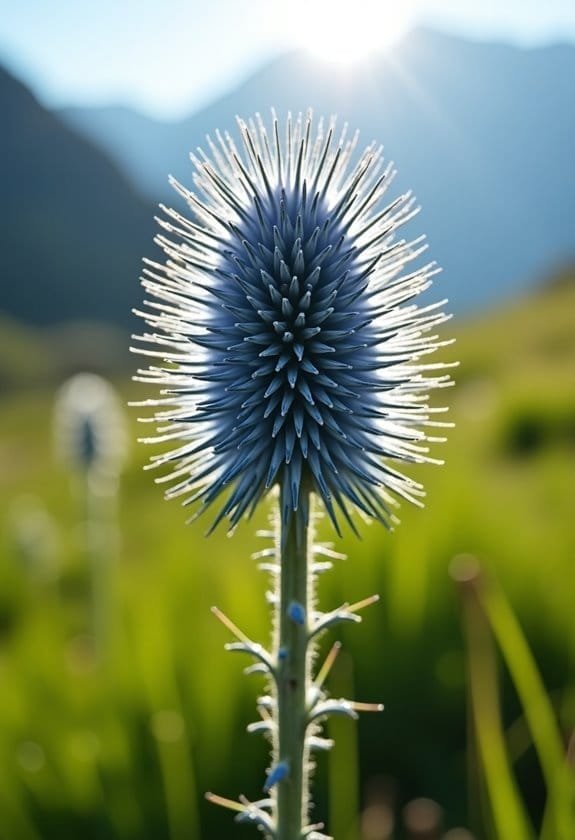
Featuring striking purplish-blue flower heads and feather-like blue bracts, Eryngium alpinum, widely recognized as Alpine Sea Holly or Queen-of-the-Alps, is a remarkable perennial plant. Thriving in well-drained soils and basking in full sun, this species flourishes in dry, rocky environments across hardiness zones 2-8. The plant produces basal rosettes of glossy, deeply toothed leaves, reaching heights of 24-36 inches (60-90 cm) while blooming from mid-summer to early fall.
Eryngium alpinum holds significant ecological value, particularly due to its attractiveness to bees and butterflies, thereby enhancing biodiversity in its native habitats. However, this plant faces threats, primarily resulting from habitat loss, which affects its conservation status and denotes vulnerability.
In response, conservation efforts gain momentum, focusing on protecting the plant and its ecosystems within alpine regions. Preserving Eryngium alpinum is essential not only for maintaining species richness but also for sustaining the delicate balance of its native environments.
As stakeholders work collectively to implement practices that guarantee the survival of this beautiful perennial, they foster resilience in ecosystems, highlighting the crucial connection between plants, wildlife, and overall ecological health.