Eryngium planum, commonly referred to as Blue Eryngo or Flat Sea Holly, captivates gardeners with its unique steel-blue flower heads and spiky, thistle-like leaves. This perennial herbaceous plant typically grows between 1 to 3 feet and thrives in well-drained sandy or loamy soils, demonstrating impressive drought tolerance. Blooming from June to September, its vibrant flowers attract pollinators such as bees and butterflies, supporting local biodiversity. While maintenance is minimal, regular deadheading enhances further growth and visual appeal. Given its potential medicinal uses and ecological benefits, Blue Eryngo tantalizes with secrets worth exploring further.
Main Points
- Eryngium planum, or Blue Eryngo, is a perennial herb native to Central Europe and Asia, thriving in well-drained soils.
- The plant grows 1 to 3 feet tall, featuring distinct steel blue flower heads that attract pollinators like bees and butterflies.
- It prefers full sun, is drought-tolerant, and flourishes in USDA hardiness zones 4 to 8, requiring minimal water once established.
- Blue Eryngo contributes to biodiversity, supporting pollinator-friendly ecosystems, especially when paired with plants like Liatris and Sedum.
- Historically, it possesses potential medicinal benefits, including diuretic effects and appetite enhancement, reflecting its cultural significance.
Introduction
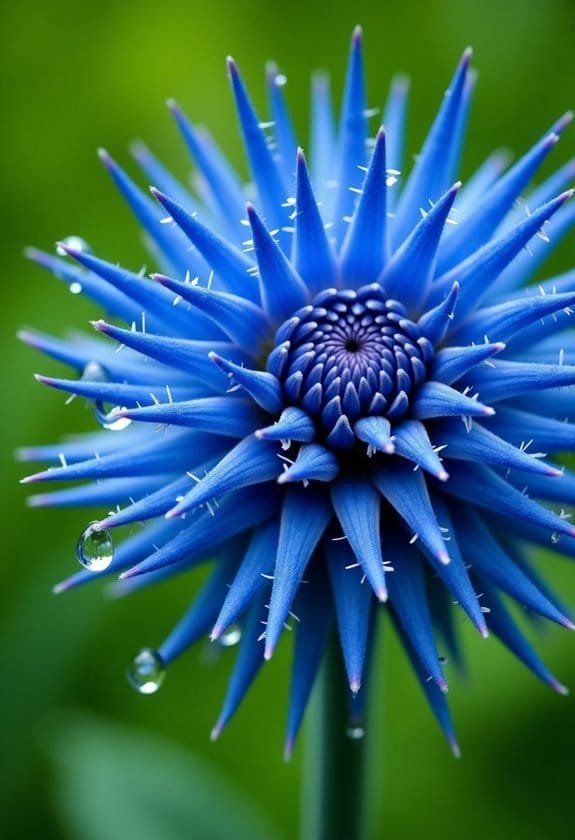
Eryngium planum, often referred to as Blue Eryngo or Flat Sea Holly, captivates gardeners with its unique beauty and resilience.
Standing between one and three feet tall, this perennial herbaceous plant showcases stunning steel blue flower heads enveloped by spiky bracts, thriving in a variety of soil conditions.
Its impressive blooming period from June to September not only enhances visual appeal but also beckons pollinators, enriching any garden environment with life.
Common Name
Known by several common names like Blue Eryngo, Flat Sea Holly, and Sea Holly, this perennial plant showcases a unique beauty that fascinates many gardeners. The names reflect not only its striking, metallic blue to blue-purple flower heads but also its affinity for coastal habitats.
Resembling thistles, these enchanting flowers attract an array of pollinators, including bees and butterflies, which contribute to a vibrant garden ecosystem.
Eryngium planum thrives particularly well in full sun, requiring well-drained sandy or loamy soils to flourish. This adaptability makes it a superb choice for diverse garden settings such as cottage gardens, rock gardens, and perennial borders.
Its impressive tolerance for poor or dry soils and resistance to browsing by rabbits and deer add to its allure, offering low-maintenance beauty for gardeners.
Beyond its ornamental qualities, Eryngium planum holds a rich history in traditional European folk medicine, where it has been used for its diuretic and stimulant properties.
Consequently, the Blue Eryngo, with its multifaceted appeal, enriches both the aesthetic and practical aspects of any garden.
Scientific Name
The impressive characteristics of Blue Eryngo extend beyond its common names to its scientific designation: Eryngium planum. Classified within the Apiaceae family, Eryngium planum stands out as a perennial herbaceous plant native to Central Europe and Central Asia. It thrives in diverse climates, showcasing its resilience and adaptability.
Eryngium planum reaches heights of up to 40 inches, distinguished by its striking metallic blue or blue-purple flowers. These blooms, typically emerging from June to September, form distinctive spiky heads that capture attention in any garden setting.
The plant's deeply lobed, spiny leaves add to its ornamental allure, making it a favorite amongst gardeners seeking to attract pollinators like bees and butterflies.
The common names for Eryngium planum—such as Flat Sea Holly and Flat-leaved Eryngium—reflect its unique morphology and ecological role. This nomenclature emphasizes not only its physical traits but also its importance in supporting local ecosystems.
Enthusiasts recognize Blue Eryngo not merely for its beauty, but also for its distinctive scientific classification, which provides a deeper understanding of its botanical identity and significance.
Overview
With its striking appearance and ecological benefits, Blue Eryngo (Eryngium planum) captivates gardeners and nature enthusiasts alike.
This herbaceous perennial, reaching heights of 1 to 3 feet, showcases an impressive display of steel blue, thistle-like flower heads that bloom from June to September. Thriving in full sun, the plant flourishes in well-drained sandy or loamy soil and proves adaptable to various pH levels, making it suitable for diverse garden environments.
Blue Eryngo exhibits remarkable drought tolerance, requiring only occasional watering during dry spells once established, thereby promoting sustainability in water usage.
Its unique metallic blue spiky bracts not only enhance ornamental landscapes but also attract essential pollinators, such as butterflies and bees, thereby fostering biodiversity in local ecosystems.
Despite its many virtues, the plant is susceptible to pests like aphids, slugs, and snails, and it can suffer from root rot in overly moist conditions, underscoring the necessity for well-draining soil.
Key Features
Eryngium planum, or Blue Eryngo, showcases distinct characteristics that make it a striking addition to any garden.
Its impressive growth size reaches up to 3 feet, with metallic blue flower heads that bloom profusely from June to September.
With a robust structure and an attractive flowering season, this perennial captures the attention of pollinators while enhancing the visual appeal of outdoor spaces.
Growth Size
Standing out in gardens, Blue Eryngo showcases its impressive growth size and distinctive features. This remarkable perennial, scientifically recognized as Eryngium Planum, typically grows between 1 to 3 feet tall and can expand up to 2 feet wide. Its growth size not only enhances visual interest but also offers a robust presence in ornamental landscapes.
Characterized by upright, clumping growth, the plant supports branched stems, sustaining a consistent height of approximately 2-3 feet (60-90 cm). The foliage is striking, with deeply lobed, dark green leaves that add structural depth.
Blue Eryngo produces spiky, thistle-like flower heads, reaching about 2 inches in diameter, which seize attention and evoke an element of whimsy in the garden. Blooming profusely from June to September, the ornamental bracts of this plant attract a multitude of pollinators, enriching the ecosystem.
The combination of its impressive growth size and unique characteristics make Blue Eryngo a favored choice for gardeners seeking to create visually engaging environments. In this way, the plant fulfills both aesthetic and ecological functions, enhancing the charm and dynamism of any garden setting.
Appearance
Blue Eryngo enchants with its striking appearance, showcasing unique features that make it a standout in any garden setting. The plant boasts mesmerizing steel-blue, globe-shaped flowerheads that typically measure around 2 inches (5 cm) across. These flowerheads provide not only color but also an intriguing texture, drawing the eye of gardeners and pollinators alike.
Accompanying the vivid blooms, the ornamental bracts are metallic blue and spiky, maintaining their vivid hue even after the flowers have dried. This enduring color adds a dynamic element to its appearance throughout the seasons.
Additionally, Eryngium Planum's deeply lobed, dark green leaves, reminiscent of a thistle's, contribute notably to its distinctive profile. These spiny leaves create a striking contrast against the softer tones of most other garden plants.
Standing between 1 to 3 feet tall, with a spread of 1 to 2 feet, it forms a charming clumping habit, with branched stems enhancing its overall stability. Each feature, from its enchanting flowerheads to its intricate foliage, combines to create a visually arresting display that brings both elegance and intrigue to garden landscapes.
Flowering Season
Throughout the summer months, the vibrant blooms of Eryngium Planum come alive, enchanting garden enthusiasts from June to September. This perennial showcases striking, globe-shaped flower heads that span approximately 2 inches (5 cm) across, crowned by spiky, metallic blue bracts. These bracts not only enhance the visual appeal of the plant but also maintain their vivid hue even as the flowers mature.
During late summer, the plant becomes a beacon for pollinators, attracting a myriad of bees and butterflies that relish the nectar-rich blooms. Each flower head resembles a thistle, contributing to its unique allure and ecological importance.
Remarkably, Eryngium Planum is celebrated for its dried flowers, which preserve their beauty and add texture to floral arrangements, whether fresh or dried.
To optimize the plant's appearance and flowering potential, gardeners can practice deadheading, which involves removing spent blooms after flowering. This technique not only prevents unwanted self-seeding but can stimulate further blooming, prolonging the enjoyment of these exquisite plants throughout the growing season.
Growing Requirements
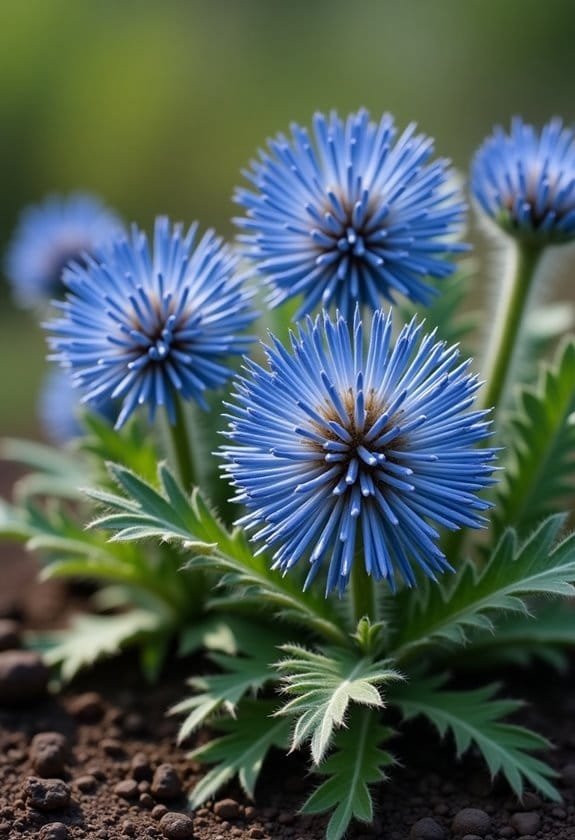
Blue Eryngo, or Eryngium planum, flourishes in full sun and thrives within USDA hardiness zones 4 to 8, making it an ideal choice for sunny gardens.
This perennial prefers well-drained sandy or loamy soils, as it can adapt to a range of pH levels while requiring careful attention to moisture to avoid root rot.
With its impressive drought tolerance once established, regular watering only becomes necessary during excessive dry spells, allowing for resilient growth and stunning floral displays.
Light
Eryngium planum thrives best in full sun, as ample sunlight enhances the vibrancy of its striking blue flowers. This sun-loving perennial flourishes when it receives at least six to eight hours of direct sunlight daily, resulting in an impressive display of color during the blooming season. The intensity of sunlight not only bolsters the plant's aesthetic appeal but also supports its overall health and growth.
While Blue Eryngo is relatively drought-tolerant—requiring minimal watering once established—it's essential to verify that it grows in well-drained soil. The combination of sunlight and appropriate drainage makes all the difference, as soggy conditions can lead to root rot and other detrimental issues.
Adaptable to a variety of soil pH levels, Eryngium planum can thrive in both acidic and alkaline environments. Gardeners appreciate the low-maintenance nature of this spectacular plant, but to maintain its visual charm, it's advisable to cut back after flowering, effectively promoting new growth for subsequent seasons.
Fundamentally, providing full sun and well-drained soil creates an ideal habitat, encouraging the striking beauty characteristic of Blue Eryngo.
Soil
For ideal growth, Eryngium planum needs well-drained soils, such as sandy or loamy types, which help prevent root rot. These soil types facilitate water drainage and aeration, crucial for strong root development.
This resilient plant is remarkably adaptable, thriving across a spectrum of soil pH levels, encompassing both acidic and alkaline conditions. Such flexibility allows it to flourish in diverse environments, making it an excellent choice for various gardens.
Eryngium planum's drought tolerance further underscores its resilience, enabling it to survive in dry, nutrient-poor soils once established. However, it's important to avoid overly moist or nutrient-rich soils, as these conditions may lead to leggy growth—where tall stems stretch in search of light—and increase susceptibility to leaf spot diseases.
Striking the right balance in soil composition not only supports vigorous growth but also enhances overall plant health.
Water
When it comes to watering, Eryngium planum shines in its ability to thrive in dry conditions, making it a perfect fit for drought-prone gardens. This resilient plant prefers well-drained soil, which prevents common issues associated with excess moisture, such as root rot.
Initially, during the establishment phase, regular watering is necessary to help the roots settle into their new environment; however, once established, Eryngium planum dramatically reduces its water requirements.
Gardeners should keep a diligent eye on soil moisture levels, adjusting watering practices to avoid over-saturation, particularly during rainy periods, when additional water becomes unnecessary.
Eryngium's outstanding drought tolerance is complemented by its preference for full sun exposure, which further enhances its ability to flourish in arid settings. This bright sun encourages strong growth and robust blue blooms, creating vibrant displays that can enliven any garden.
Temperature
Growing best in USDA hardiness zones 4-8, Eryngium planum adapts well to various temperature conditions. This resilient plant can flourish in climates that experience a range of temperatures, demonstrating its versatility in suitable growing environments. Full sun exposure is essential for producing the intensely colored blue flowers that characterize this species, as it thrives under bright conditions.
Eryngium planum exhibits remarkable drought tolerance once established, making it an ideal choice for regions with limited moisture availability. It can withstand poor and dry soil conditions, which is particularly advantageous when faced with challenging climatic scenarios. Furthermore, Calluna vulgaris, known for thriving in acidic soils, illustrates the importance of specific soil conditions for successful plant growth.
However, gardeners should monitor temperature extremes closely, as excessive fluctuations can adversely affect its growth. Furthermore, while nutrients are important for plant development, overly rich soils may lead to leggy growth, detracting from its compact form.
Balanced temperature and soil conditions are significant, supporting the plant's ability to flourish while maintaining aesthetic appeal. By understanding these growing requirements, gardeners can create favorable environments that elevate the striking beauty of Eryngium planum, ensuring that it thrives within its designated hardiness zones and endures the test of time.
Pollinator Criteria
Eryngium planum, or Blue Eryngo, serves as a beacon for various pollinators, particularly bees and butterflies, enticed by its striking 2-inch steel-blue flower heads.
The spiky bracts surrounding the flowers not only enhance the plant's aesthetic appeal but also provide essential landing platforms, fostering successful pollination. Additionally, Common Rockrose is recognized by the RHS Plants for Pollinators program for its ability to support pollinator health through accessible floral structures.
As these blooms flourish from June to September, they play a vital role in sustaining pollinator populations, offering a reliable food source throughout the summer months. Additionally, the plant's extensive taproot system allows it to thrive in various soil conditions, supporting its growth and longevity.
Attracted Pollinators
Pollinators find Eryngium planum, or Blue Eryngo, irresistible thanks to its striking steel blue flowers and abundant nectar supply. Blooming from June to September, these globe-shaped flower heads, each about 2 inches in diameter, present spiky bracts that enhance their ornamental allure while providing ideal landing platforms for pollinators.
This perennial's vibrant flowers attract a diverse range of pollinators, particularly bees and butterflies, essential for ecosystem sustainability. The plant's substantial nectar and pollen resources not only entice these beneficial insects but also support their populations, promoting biodiversity in local habitats.
Eryngium planum demonstrates resilience, thriving in various garden settings despite browsing pressure from deer and rabbits, which frequently hinder other plants. Its longevity and reliability as a food source underscore its desirability among gardeners committed to fostering pollinator habitats.
As an exceptional choice for cottage gardens and perennial borders, Eryngium planum cultivates thriving ecosystems, inviting various pollinator species. By creating such an environment, this remarkable plant contributes greatly to the well-being of pollinator populations and ultimately enhances the resilience of biodiversity in its vicinity.
Pollination Method
The pollination method of Eryngium planum relies heavily on the attractive traits of its flowers, designed for maximum appeal to bees and butterflies. During its peak blooming season from June to September, the vibrant blue flowerheads release nectar, serving as a primary food source for various insect pollinators.
This unique structural design of the flowerheads provides not only visual allure but also functional benefits, facilitating efficient access to both nectar and pollen for busy pollinators.
The spiky arrangement of flowerheads acts as a natural landing platform, enhancing the efficiency of the pollination process. These platforms are essential, allowing pollinators to perch comfortably while they forage.
The metallic blue hue captures light, drawing the attention of bees and butterflies, increasing the chances that these vital creatures will visit multiple flowers, thereby promoting cross-pollination. This strategic attraction directly impacts the reproductive success of Eryngium planum, fostering genetic diversity within the plant population and contributing to ecosystem stability.
Furthermore, Eryngium planum's inclusion in pollinator-friendly gardens highlights its importance in supporting local biodiversity, providing essential resources for a range of pollinators while enriching the environment.
Care & Maintenance
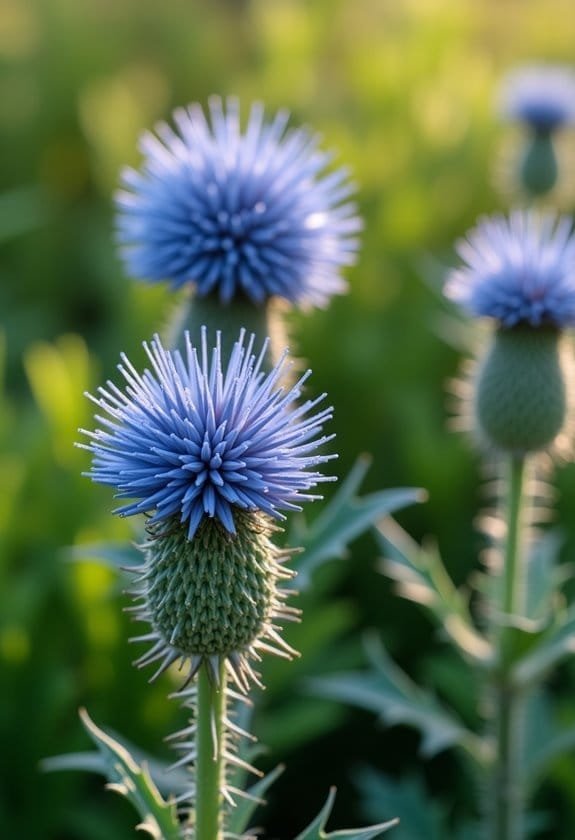
Eryngium planum thrives best when planted in well-drained sandy or loamy soil, basking in full sunlight for ideal growth and the production of its stunning steel blue flowers.
Ongoing care includes regular deadheading to enhance the plant's appearance and prevent self-seeding, while vigilant monitoring for pests like aphids can safeguard its health.
As gardeners consider suitable companions, they should look for plants that share similar sun and soil preferences, enhancing both aesthetic appeal and biodiversity in the landscape.
Planting Tips
When planting Blue Eryngo, gardeners should prioritize well-drained sandy or loamy soil to prevent root rot and promote healthy growth. This resilient perennial, scientifically known as Eryngium planum, thrives in conditions that might deter other plants.
It prefers poor or dry soils and tolerates a wide range of pH levels, making it a versatile addition to any garden.
For peak blooming, gardeners must guarantee the plant receives full sun exposure. The intense sunlight is vital, as it greatly enhances the vibrancy of those small blue conical flowerheads that characterize Blue Eryngo.
Careful attention to sunlight will yield a stunning display.
Additionally, it's wise to deadhead spent flowers. This practice not only maintains the plant's aesthetic appeal but also prevents excessive self-seeding, which can lead to overcrowding.
After the flowering period, cutting back the stems in late winter or early spring will encourage new growth, making certain that this hardy plant remains a striking feature in the garden.
Ongoing Care
For ideal growth and significance, ongoing care of Blue Eryngo involves a few essential practices.
Regularly deadheading spent blooms encourages continual flowering and helps prevent unwanted self-seeding, allowing the plant to maintain its striking appearance and conserve energy. Additionally, cutting back the foliage in late winter or early spring not only enhances the plant's aesthetic but also stimulates robust new growth.
To promote plant health, vigilant monitoring for aphids and root rot is imperative, especially in poorly drained soils, where excess moisture can compromise the plant's liveliness.
Blue Eryngo thrives in full sun; therefore, guaranteeing this plant receives adequate sunlight is essential for peak flower color and growth performance.
While this species demonstrates drought tolerance once established, it benefits from regular watering during particularly dry periods to support its initial development.
Suggested Companions
Creating a harmonious landscape with Blue Eryngo can elevate any garden's aesthetic while promoting plant health. This resilient perennial thrives in sunny, poor soils and flourishes when paired with other drought-tolerant companions like Sedum and Agastache. These plant choices encourage a robust, low-maintenance cottage garden that thrives in arid conditions.
Incorporating ornamental grasses, such as Calamagrostis or Miscanthus, introduces delightful textural contrast and lively movement, enhancing the visual appeal. Moreover, grouping Blue Eryngo with pollinator-friendly plants like Liatris or Monarda fosters a vibrant habitat, attracting beneficial bees and butterflies that play essential roles in ecosystem health.
Planting alongside Nepeta (Catmint) not only harmonizes with Blue Eryngo's enchanting blue hues but also supplies contrasting foliage and aromatic flowers that deter common pests. Additionally, including species such as White Clover can improve soil health by enhancing nitrogen-fixing capabilities, benefiting neighboring plants in the garden.
For additional diversity, integrating perennials like Salvia and Echinacea, which bloom concurrently, enriches the garden's color palette while ensuring sustained visual interest.
Common Issues
Eryngium planum often faces challenges from pests like aphids and common garden nuisances such as slugs and snails, which can severely impact its health and visual appeal.
Additionally, overly rich soils can provoke leaf spot diseases, while excessive moisture might lead to root rot, compromising the plant's structural integrity and growth.
Consequently, proactive management, including regular deadheading and monitoring soil conditions, is essential to maintain the plant's vigor and beauty throughout its blooming period.
Pests/Diseases
When it comes to common issues affecting Eryngium Planum, pests and diseases can pose significant challenges. This stunning plant, while resilient, is susceptible to a few harmful pests, especially aphids, slugs, and snails. If uncontrolled, these pests can severely damage the foliage and overall health of the Blue Eryngo.
In addition to insect threats, root rot emerges as an essential concern, particularly in poorly drained soils. This condition can quickly lead to the decline of the plant, highlighting the necessity for well-drained growing conditions to prevent excess moisture accumulation.
Additionally, when cultivated in nutrient-rich soils, Eryngium Planum may experience leaf spot diseases, indicating that moderation in soil fertility is vital for peak health.
Furthermore, in excessively fertile environments, plants can become leggy, leading to a risk of toppling under their own weight. Thus, careful management of nutrient levels is important.
Thankfully, while self-seeding can occur in this species, it remains manageable and isn't usually invasive, allowing Eryngium Planum to thrive harmoniously across various garden settings. Addressing these pest and disease challenges guarantees a flourishing garden experience.
Solutions
How can gardeners effectively combat common issues with Eryngium planum?
First, managing pests like aphids, slugs, and snails is vital. Regular monitoring enables timely interventions, such as introducing beneficial insects or using organic insecticidal soap. Additionally, maintaining well-drained soil is critical, as this plant thrives in dry conditions. Excess moisture can lead to root rot, a garden villain that undermines health and vigor.
Moreover, careful soil selection can make a significant difference. To mitigate leaf spot diseases, avoid overly rich soils, which can foster unhealthy, leggy growth and invite various ailments. Instead, opt for sandy or gravelly substrates that mimic Eryngium planum's native habitat.
Deadheading spent flowers not only preserves the plant's aesthetic charm but can also ward off unwelcome self-seeding. While it's a rare issue, proactive measures keep the garden orderly and vibrant.
Lastly, fostering an environment that attracts pollinators enhances the plant's ecological role, creating a biodiverse habitat. Additionally, incorporating pollinator-friendly plants like Guelder Rose can further benefit the ecosystem by providing crucial food sources for insects.
What are the differences between Blue Eryngo and Alpine Eryngo?
When comparing Blue Eryngo and Alpine Eryngo, it’s important to note that both belong to the Eryngium genus. The Blue Eryngo (Eryngium planum) features vibrant blue flowers and is known for its drought tolerance, while the Alpine Eryngo (Eryngium alpinum) is native to mountainous regions and has delicate, spiky blue flowers. For more information, you can read an eryngium alpinum (alpine eryngo) article.
Summary
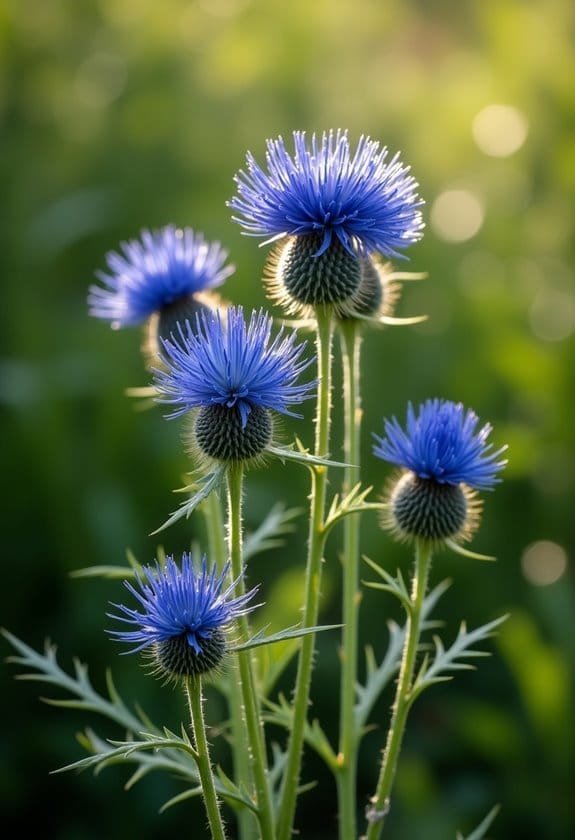
Blue Eryngo, also known as Eryngium planum, is a resilient perennial that flourishes in sunny environments with well-draining sandy or loamy soils. This striking plant reaches heights of 1 to 3 feet (30 to 90 cm) and displays fascinating steel blue flower heads resembling thistles, which bloom profusely from June to September. Its vibrant blossoms attract a variety of pollinators, including bees and butterflies, enhancing the biodiversity of gardens where it's planted.
Eryngium planum is particularly valued for its drought tolerance, making it suitable for cottage gardens and rock gardens. However, gardeners should note that this species is susceptible to pests like aphids and can experience root rot in overly moist conditions. Proper care involves monitoring soil moisture levels and deadheading spent flowers to encourage continued blooming.
Additionally, this remarkable plant contains bioactive compounds that possess medicinal properties. Historically, Eryngium planum has been employed in European folk medicine for its diuretic and appetite-enhancing effects, demonstrating its cultural significance and utility beyond mere aesthetics.
Therefore, Blue Eryngo serves as both a visually stunning and functionally beneficial addition to varied landscapes.