Erysimum species, commonly referred to as wallflowers, comprise roughly 160 species within the Brassicaceae family, showcasing remarkable adaptability across the northern hemisphere. These plants are characterized by vibrant, aesthetically pleasing blooms—often measuring about 1 inch across—ranging from bright yellows to deep reds. They thrive in sunny, well-drained environments and require at least six hours of sunlight daily for ideal growth. Wallflowers also attract essential pollinators like bees and butterflies, contributing to ecosystem health. With their combination of ecological benefits and historical medicinal applications, wallflowers hold significant value, hinting at rich insights awaiting exploration in this genus.
Main Points
- Erysimum species, or wallflowers, consist of approximately 160 species known for their vibrant flowers and adaptability to various northern hemisphere ecosystems.
- These plants attract pollinators like bees and butterflies, enhancing biodiversity and ecological stability within their habitats.
- Wallflowers prefer full sun and well-drained soils, requiring regular watering and seasonal fertilization for optimal growth.
- Common issues include pests like aphids and diseases such as powdery mildew, which can be managed through monitoring and natural pest control methods.
- Erysimum species possess chemical defenses that protect them from herbivory, while also offering medicinal properties and aesthetic appeal in gardens.
Introduction
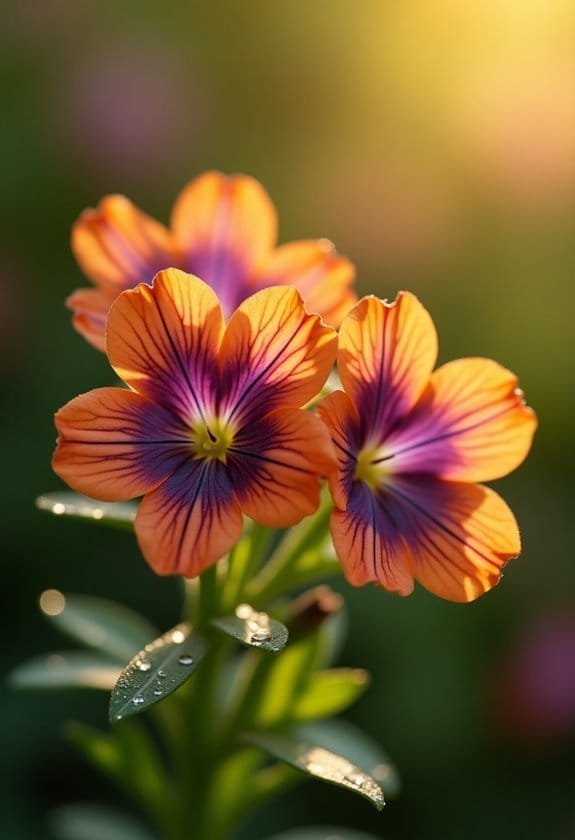
Erysimum, commonly known as wallflower, represents a fascinating genus within the Brassicaceae family, showcasing a diverse range of species characterized by their vibrant floral displays.
These plants, with their erect stems and varied leaf structures, thrive in a variety of ecosystems across the northern hemisphere, reflecting remarkable adaptability and resilience.
As the introduction to this intriguing genus unfolds, it's crucial to explore both their scientific nomenclature and the broader implications of their unique chemical properties and historical significance.
Common Name
Known for their vibrant blooms, wallflowers are the common name for Erysimum species, members of the Brassicaceae family. The name "wallflower" originates from Erysimum cheiri, which typically thrives in rocky environments and wall-like habitats across Europe. This genus includes a diverse array of growth forms, encompassing annuals, biennials, and perennials, each displaying striking flower colors ranging from vivid yellows to deep reds and soft pinks.
Wallflowers play an essential ecological role by attracting numerous pollinators, such as bees and butterflies, due to their abundant nectar sources. This interaction not only supports biodiversity but also benefits agricultural ecosystems by promoting pollination.
Additionally, the ethnobotanical history of Erysimum species reveals their medicinal use since ancient times, with documented references by famous naturalists like Pliny the Elder and Dioscorides highlighting their significance in herbal medicine.
The appeal of wallflowers extends beyond their beauty; their contributions to both habitat and traditional medicine underscore their value in nature and human culture alike. Whether adorning a garden or supporting local ecosystems, these plants exemplify the rich interplay between flora and fauna.
Scientific Name
Wallflowers, belonging scientifically to the genus Erysimum, are fascinating members of the Brassicaceae family, which consists of cruciferous plants. Comprising approximately 160 species, Erysimum showcases an impressive array of morphological variations, particularly across Europe and North America. This diversity highlights the remarkable adaptability of these species to various ecosystems.
Among the notable species, Erysimum cheiri stands out for its medicinal properties, while Erysimum capitatum is recognized for its dense flower clusters and remarkable tolerance to coastal conditions. Such traits not only contribute to their ecological success but also signify their potential applications in horticulture and medicine.
Erysimum species exhibit polyphyletic characteristics, meaning they've multiple evolutionary lineages within the genus. Recent phylogenetic studies aim to clarify these complex relationships within the Brassicaceae family, shedding light on their evolutionary history.
Beyond their aesthetic appeal, Erysimum members also produce defense compounds, including glucosinolates and cardiac glycosides. These natural chemicals serve as a deterrent against herbivory, enhancing their survivability in challenging environments. Additionally, Erysimum species play a significant role in supporting pollinator populations within their native ecosystems.
Consequently, the genus Erysimum embodies both beauty and resilience, intricately woven into the tapestry of plant diversity.
Overview
Among the diverse plant families, the Brassicaceae stands out for its remarkable members like Erysimum, commonly referred to as wallflower. This genus encompasses various species that exhibit a fascinating range of morphological traits, making them remarkable in gardens and ecological studies alike.
Erysimum plants can be classified as annuals, herbaceous perennials, or sub-shrubs, and they mainly flower in spring and summer, showcasing vibrant flowers that entice a variety of pollinators.
One of the defining characteristics of Erysimum species is their production of glucosinolates and the accumulation of cardiac glycosides. These compounds not only serve essential ecological functions—detering herbivory—but also contribute considerably to the plants' interactions within ecosystems.
Historically, certain species, such as E. cheiri, have been valued for their medicinal properties, while contemporary applications focus on extracting beneficial compounds like erysimin and erysimoside.
As scientific exploration of Erysimum expands, researchers increasingly focus on plant defense mechanisms and their complex relationships with herbivores and pollinators. Understanding these interactions can pave the way for enhanced ecological conservation and the sustainable use of these remarkable plants.
Key Features
Erysimum species exhibit remarkable diversity in growth size and appearance, ranging from compact annuals to robust perennial sub-shrubs.
These plants typically showcase erect stems adorned with bifid hairs, while their leaves vary considerably; lower leaves appear broad and round, contrasting with the linear shapes of stem leaves.
Blooming primarily in spring and summer, wallflowers produce vibrant clusters of flowers in hues from sunny yellow to deep red, contributing to their appeal in gardens and ecosystems alike.
Growth Size
Typically found in gardens and wild landscapes, Erysimum species showcase notable growth sizes and features that vary considerably among different types. These plants typically reach heights ranging from 30 cm (12 inches) to over 1 m (3.3 feet), influenced by the specific species and surrounding environmental conditions.
Fascinatingly, the stems of Erysimum are generally erect and slender, measuring between 25 to 53 cm long, with a thickness of 2–3 mm. Most often, these stems are unbranched, except at the points where flower clusters emerge.
In addition, leaf sizes also reveal remarkable variation; the basal leaves may extend up to 10 cm (4 inches) long and 2.5 cm (1 inch) wide, while the upper leaves remain primarily narrow and lance-shaped.
Flower clusters, which form elegantly at the stem tips and leaf axils, produce vibrant blooms that can expand up to 2.5 cm (1 inch) across, available in striking hues like yellow, orange, and red. Additionally, the slender fruit of Erysimum species, approximately 7.5 cm (3 inches) long and either straight or slightly curved, plays a significant role in species identification based on its distinctive characteristics.
Appearance
With their striking presence, wallflowers exhibit several key features that make them easily identifiable in gardens and the wild. Typically, Erysimum species boast erect stems that rise between 25 to 53 centimeters in height, with a slender diameter of 2 to 3 millimeters. These stems are often covered in bifid hairs, adding texture to their appearance.
The morphology of wallflower leaves varies considerably; lower leaves tend to be broad and rounded, measuring 50-80 millimeters in length and 0.5-3 millimeters in width. Stem leaves, on the other hand, have a linear shape, ranging from 21 to 43 millimeters long and 1.5-2 millimeters wide, enhancing the plant's diversity.
In spring and summer, wallflowers release clusters of vibrant blossoms, with colors spanning yellow, orange, red, and pink. Individual flowers have four rounded petals and measure about one inch across.
Following the flowering phase, these plants develop slender pods, typically 3 inches long, which may grow straight or slightly curved, extending perpendicularly from the stem. Together, these characteristics help distinguish wallflowers within their diverse species.
Flowering Season
Budding in the spring and summer, Erysimum species light up gardens with their vibrant colors. These flowering plants display a remarkable variety of hues, from cheerful bright yellow and orange to striking red, mauve, and purple, enriching the landscape.
Generally, the flowering season lasts several weeks, particularly when gardeners practice deadheading to stimulate further blooms.
Erysimum flowers, characterized by their four rounded petals and six stamens, typically measure around 1 inch across; sizes may vary among different species. The flowers form elongated clusters, elegantly perched at the tips of stems or nestled within leaf axils, making them an inviting target for a myriad of pollinators, including industrious bees and graceful butterflies.
Some Erysimum varieties extend their blooming period into autumn or even winter, providing a prolonged spectacle of color and life in the garden. This adaptability makes them valuable assets for gardeners seeking extended visual interest.
Growing Requirements
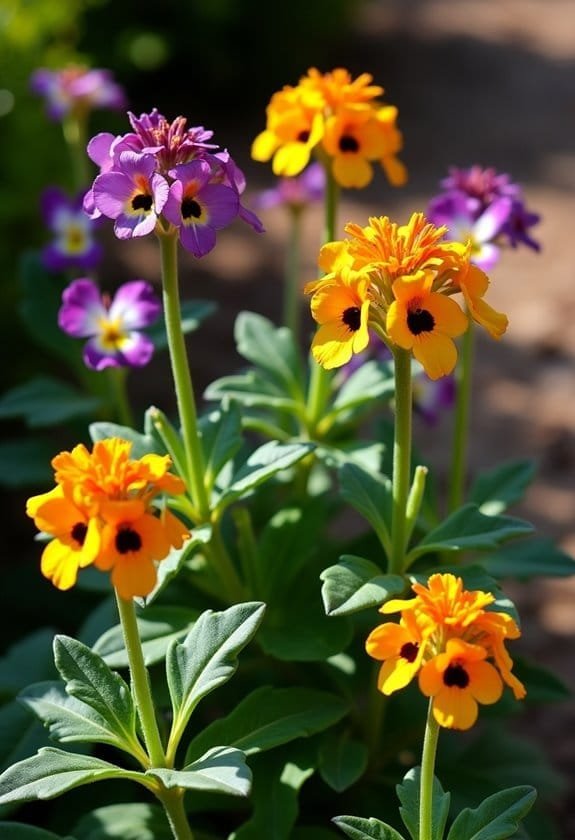
Erysimum species flourish under full sun, which allows their vibrant blooms to reach their full potential.
They prefer well-drained soil but can adapt to various soil types, demonstrating resilience that suits both novice and seasoned gardeners alike.
Consistent watering during dry spells and appropriate temperature conditions are essential for sustaining their growth, ensuring these hardy plants remain a striking feature in any landscape.
Light
Sunlight is essential for Erysimum species to flourish, as these plants thrive best in full sun, needing a minimum of 6 hours of direct sunlight each day. Ideal light exposure not only boosts their growth but also enhances flowering, resulting in vibrant, striking blooms that become the focal point of any garden.
While Erysimum can tolerate partial shade, insufficient light often leads to leggy growth and diminished flowering potential. Inadequate sunlight deprives these plants of the energy necessary to exhibit their full vigor and charm.
Moreover, the availability of nectar in Erysimum flowers greatly increases with adequate sunlight, which in turn attracts invaluable pollinators, such as bees and butterflies. These creatures play a key role in promoting biodiversity and ensuring healthy ecosystems.
On the contrary, Erysimum plants struggling in low-light conditions tend to grow more slowly, compromising their overall appearance and health.
Thus, providing ideal light conditions is essential for maintaining the enchanting colors, mesmerizing fragrances, and robust presence of Erysimum blooms throughout their blooming period, allowing gardeners to enjoy their full splendor.
Soil
Thriving in well-drained soils, Erysimum species require the right growing conditions to flourish. These wallflowers exhibit remarkable adaptability, allowing them to thrive in various soil types, including sandy, loamy, and rocky substrates.
However, the critical factor for their success lies in guaranteeing excellent drainage to prevent root rot, which can severely hinder their growth.
An ideal soil pH range of 6.0 to 7.5 supports peak nutrient availability, fostering vigorous development. When soil is within this range, plants can efficiently absorb essential nutrients, leading to robust health and vibrant blossoms.
Additionally, while Erysimum plants prefer well-drained conditions, consistent soil moisture is necessary, particularly during arid spells, which prevents stress and promotes continuous growth.
To enhance soil structure and fertility, incorporating organic matter, such as compost, is beneficial. This addition not only enriches the soil but also improves its texture, allowing for better water retention and root penetration.
Water
Proper watering is crucial for the health of Erysimum species, since these plants flourish best with consistent moisture. These robust flowers thrive in well-drained soil, requiring regular applications of water, particularly during dry spells. Watering deeply but infrequently encourages the roots to grow strong and expansive. A good rule of thumb is to provide approximately one inch of water per week, either from rainfall or supplemental irrigation.
However, care must be taken to avoid excessively wet conditions, as poorly drained soils can lead to root rot, which jeopardizes plant health. Consequently, proper drainage is paramount to Erysimum's longevity. Water mint is also known to thrive in similar moist, nutrient-rich soils, demonstrating the versatility of plants in wet habitats. Additionally, like Horseshoe Vetch, Erysimum species benefit from well-drained soils, which are essential for preventing root diseases.
Mulching around these plants contributes greatly, as it helps retain soil moisture while suppressing unwanted weed growth that competes for moisture and nutrients.
Erysimum's remarkable adaptability allows successful cultivation across diverse soil types, from coastal areas to open fields. Hence, gardeners should monitor moisture levels actively, ensuring that soil remains consistently damp, yet well-drained.
Temperature
Erysimum species flourish best in temperate climates, where temperatures ideally range between 60°F to 75°F (15°C to 24°C). In these favorable conditions, wallflowers exhibit robust growth and vibrant blooms.
Significantly, Erysimum capitatum, a resilient cultivar, tolerates cooler temperatures, allowing it to withstand frost. This adaptability enables it to thrive comfortably in USDA hardiness zones 3 to 7.
However, Erysimum species can suffer due to excessive heat. When temperatures rise above 85°F (29°C), plants may experience stress, leading to diminished flowering and potential dehydration if watering isn't sufficient. Consequently, maintaining an ideal temperature is essential for these plants' overall well-being.
In addition, gardeners should keep a close watch on temperature fluctuations, as extreme conditions—either hot or cold—can adversely affect seed germination and plant vigor.
To complement these temperature requirements, Erysimum species prefer well-drained soil and abundant sunlight; insufficient light can impede growth and flowering potential.
Pollinator Criteria
Erysimum species, widely celebrated for their vibrant blooms, attract a multitude of pollinators, including essential bees and delightful butterflies.
The unique pollination method employed by these wallflowers relies heavily on their enchanting colors and enticing fragrances, which beckon pollinators to engage with the floral structures. Additionally, the presence of flowering plants like White Stonecrop can further enhance pollinator activity in the garden.
As these interactions occur, the reproductive success of Erysimum species increases, making them crucial allies in promoting biodiversity within their ecosystems. Additionally, like chicory, Erysimum species thrive by providing essential habitat for numerous pollinators, supporting a healthy ecosystem.
Attracted Pollinators
During the vibrant spring and summer months, Erysimum species attract a diverse range of pollinators, playing an essential role in local ecosystems. Pollinators such as bees and butterflies flock to the bright, colorful blooms of these wallflowers, which exhibit shades from vivid yellows to rich reds and soft pinks. This array of colors acts like a beacon, guiding these critical insects towards much-needed nectar and pollen.
Among the notable visitors is the solitary bee Anthophora alluadii, which specializes in feasting on Erysimum flowers. The relationship between these plants and their pollinators proves instrumental in facilitating pollen transfer, fundamental for successful reproduction.
Flowering Erysimum not only provides sustenance but also fosters a habitat that encourages diverse insect populations. The extended blooming period of wallflowers guarantees an ongoing attraction for pollinators throughout the growing season.
Some Erysimum species display unique adaptations in flower structure, increasing their appeal to specific pollinators. By catering to these preferences, Erysimum enhances interaction among species, contributing considerably to biodiversity and ecosystem stability, showcasing the intricate web of life that flourishes in these vibrant floral communities.
Pollination Method
Attracting a variety of pollinators is a key strategy for Erysimum species, optimizing their pollination methods. These plants primarily rely on bees and butterflies for fertilization, with some species, such as Erysimum cheiranthoides, forming specific associations with specialist pollinators like Anthophora alluadii.
The bright coloration of Erysimum flowers—ranging from vibrant yellows to rosy reds—serves as an effective visual cue, enhancing visitation rates throughout the flowering season.
Typically blooming in the spring and summer, Erysimum coincides its flowering period with the peak activity of key pollinator species, a timing vital for successful cross-pollination. The plants produce nectar, a valuable reward that incentivizes pollinators to visit multiple flowers in a short span, thereby promoting effective cross-pollination within the community.
Structurally, Erysimum flowers are designed with four rounded petals and six exposed stamens, providing easy access to pollen for visiting bees and butterflies. This strategic flower architecture maximizes pollen transfer efficiency, essential for the reproductive success of these species.
As a result, Erysimum not only facilitates its propagation but also plays a significant role in sustaining pollinator populations in its ecosystem.
Care & Maintenance
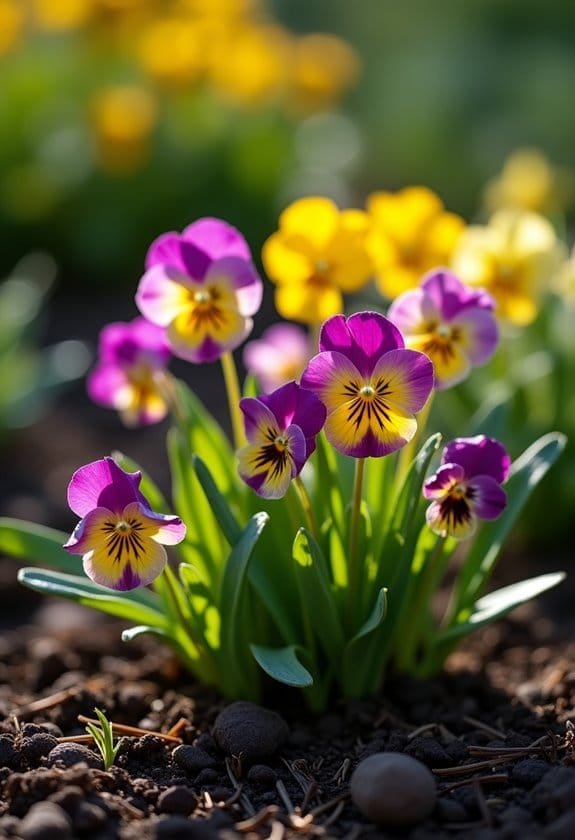
In the domain of Erysimum species, understanding their care and maintenance considerably enhances their growth potential and visual appeal.
These wallflowers flourish in well-drained soil, and implementing effective ongoing care—such as regular watering during drought conditions and appropriate fertilization during the active growth phase—can foster lush blooms and robust plants.
Additionally, pairing them with compatible companions can create a harmonious garden environment, supporting both aesthetic beauty and ecological balance. Furthermore, incorporating plants that provide nectar for pollinators can enhance the garden's ecological benefits, promoting biodiversity.
Planting Tips
Erysimum species flourish when planted in well-drained soil that receives full sun, making them perfect for borders, rock gardens, and containers.
To encourage their vigorous growth, attention to watering is essential; regular hydration, particularly during dry spells, guarantees these resilient plants remain healthy and vibrant. The need for fertilization during the active growth phase can't be overstated, as nutrient-rich soil enhances flowering and promotes overall plant vigor, ultimately rewarding gardeners with an abundant display of colorful blooms.
Pruning spent flowers is also advantageous; this simple act fosters additional blooming and refines the plant's shape, thereby enhancing the visual appeal of any garden setting.
In addition, applying mulch plays several beneficial roles; it retains soil moisture, suppresses the rise of weeds, and nurtures a stable environment for Erysimum roots to develop.
When selecting a location, verify that it boasts at least six hours of direct sunlight daily, allowing Erysimum to thrive and showcase its natural beauty.
Ongoing Care
To maintain the health and vibrancy of Erysimum species, ongoing care is fundamental throughout their growing season. Regular watering is essential, particularly during dry periods. Adequate hydration guarantees the plants remain vigorous and lush, contributing to their overall resilience.
Fertilizers, rich in nutrients, should be applied during the active growth phase in the spring, promoting robust flowering and supporting the lush foliage characteristic of Erysimum.
Pruning spent flowers is another important practice. By removing these faded blossoms, gardeners not only enhance the plant's aesthetic shape but also encourage a subsequent wave of blooming throughout the season, leading to a more continuous flower display.
Additionally, mulching around the base of Erysimum species conserves moisture, suppresses competitive weeds, and stabilizes soil temperature, fostering an ideal growth environment.
Lastly, vigilant monitoring for pests, particularly aphids and caterpillars, proves significant. Timely interventions can prevent infestations that may jeopardize the health of Erysimum.
Through these ongoing care practices, enthusiasts can guarantee their wallflowers thrive, creating a stunning display that enriches any garden.
Suggested Companions
Choosing the right companions for Erysimum species can greatly enhance garden aesthetics and health. These vibrant herbaceous perennials thrive alongside drought-tolerant plants, making them ideal partners for rock gardens and borders where water conservation is essential. White clover, with its notable nitrogen-fixing capabilities, can improve soil fertility, providing a beneficial environment for Erysimum to flourish.
Pairing Erysimum with pollinator-friendly plants like lavender or salvia not only increases garden biodiversity but also attracts beneficial insects such as bees and butterflies, vital for a balanced ecosystem.
To maintain peak growth, Erysimum should be planted in well-drained soil, benefiting from the addition of mulch, which retains moisture and suppresses competing weeds. Companion plants, such as thyme or sedums, share similar light and water requirements, creating a cohesive and low-maintenance environment.
Regular deadheading of spent flowers encourages prolonged blooming while enhancing overall plant health. This practice prevents Erysimum from expending valuable energy on seed production, allowing for a more vigorous display of flowers.
Incorporating Potentilla species alongside Erysimum can further enhance garden beauty and support pollinator activity. When strategically organizing Erysimum species alongside these carefully selected companions, gardeners can cultivate a vibrant, sustainable habitat that delights both the eye and the surrounding wildlife. Ultimately, thoughtful companion selection fosters a garden that flourishes in harmony.
Common Issues
Erysimum species often grapple with various pests and diseases that can hinder their growth and floral display.
While some insects, like certain caterpillars and beetles, readily feed on wallflowers, the plants employ chemical defenses such as glucosinolates to ward off many of these herbivores.
However, managing issues like improper soil drainage and periodic infestations becomes essential for maintaining healthy populations and vibrant blooms in these resilient yet vulnerable plants.
Pests/Diseases
When it comes to maintaining healthy Erysimum species, awareness of potential pests and diseases is crucial. Among the most common pests are aphids, tiny insects that can distort growth and weaken plants by extracting essential sap.
Additionally, cutworms and root maggots pose risks to young seedlings, often resulting in stunted growth or, in severe cases, plant death.
Fungal diseases can also threaten these wallflowers. Powdery mildew, typically developing in humid conditions, manifests as a white, powdery coating on leaves, substantially reducing plant vigor and aesthetic appeal.
Moreover, improper watering practices can lead to root rot, a condition exacerbated by poor drainage that engenders wilting, yellowing leaves, and ultimately, potential plant demise.
Regular monitoring of Erysimum species allows gardeners to spot and address these pests and diseases early on. Removing infested or infected plant parts, coupled with appropriate horticultural practices, helps mitigate the impacts of these common issues.
Consequently, diligent care and informed action become the cornerstones of nurturing healthy wallflowers, ensuring their vibrant blooms grace gardens rather than succumb to insidious threats.
Solutions
Addressing common issues with Erysimum species requires a proactive approach that combines careful monitoring and practical solutions. One key concern is the susceptibility of wallflowers to aphids and other sap-sucking insects. Introduced natural predators or insecticidal soap can effectively manage these pests.
Overwatering presents another challenge, often leading to root rot; utilizing well-drained soil and allowing the top inch to dry out between waterings helps prevent this fate.
Fungal diseases like leaf spot and powdery mildew can also plague Erysimum plants. To mitigate these issues, improving air circulation around plants is essential, while fungicides serve as an effective treatment.
Caterpillars and other herbivorous pests may cause significant damage to foliage. In this case, systemic insecticides or organic repellents, such as neem oil, can provide effective solutions.
Lastly, yellowing leaves may suggest nutrient deficiencies. A balanced fertilizer applied during the active growing season can promote vibrant, healthy foliage.
What are the similarities between Wallflowers and Cucumberleaf Sunflowers?
Wallflowers and Cucumberleaf Sunflowers both belong to the same family as the helianthus debilis sunflower. They share similar growing conditions, such as needing full sun and well-drained soil. Additionally, all three plants produce beautiful, daisy-like flowers that add brightness to any garden.
Summary
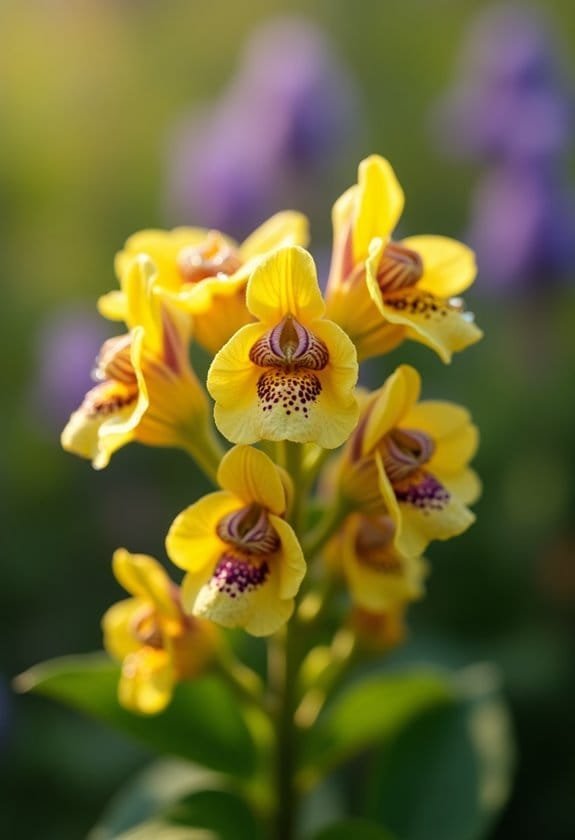
The Erysimum species, commonly referred to as wallflowers, showcase remarkable diversity within the Brassicaceae family, encompassing annuals, herbaceous perennials, and sub-shrubs. These plants exhibit bright, elongated clusters of flowers that primarily bloom in spring and summer. The color palette ranges from vibrant yellows to deep reds and soft pinks, enchanting gardeners and nature enthusiasts alike.
Their foliage, varying widely among species, often features broad, round leaves at the base, evolving to thinner, densely haired upper leaves.
In a fascinating display of chemical prowess, Erysimum species produce glucosinolates and accumulate cardiac glycosides, which serve as natural defenses against herbivorous insects. This biochemical strategy not only deters pests but also shapes ecological interactions in their habitats, highlighting their role within the ecosystem.
Historically, Erysimum has held significant medicinal value, finding its place in traditional practices, particularly for treating heart disease in traditional Chinese medicine.
The multifaceted uses, striking aesthetics, and ecological importance of these plants reflect their integral part in both human culture and the natural world.
Therefore, Erysimum species embody both beauty and resilience, appealing to a broad audience while fulfilling essential ecological functions.