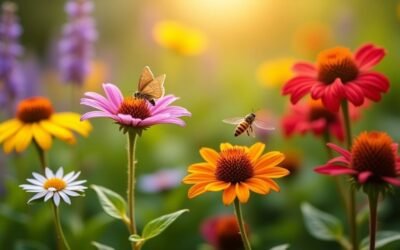
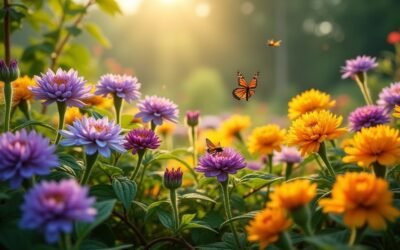
Gaillardia × grandiflora, or Blanket Flower, charms gardeners with its vibrant, red and yellow blooms, reaching heights of 1 to 3 feet. This hybrid thrives in well-drained, nutrient-poor soils, favoring a pH of 6.0 to 8.0. Requiring 6 to 8 hours of sunlight, it blooms continuously from early summer to fall, attracting diverse pollinators like bees and butterflies. With a remarkable drought tolerance, it supports local ecosystems by providing essential sustenance during winter. Regular deadheading promotes vigorous flowering, while vigilant pest management guarantees plant health. Uncovering its ecological and aesthetic benefits invites further exploration of this enthralling perennial.
Main Points
- Gaillardia × grandiflora, commonly known as Blanket Flower, features vibrant blooms with red petals accented by yellow tips and thrives from early summer to fall.
- This hybrid plant prefers well-drained, nutrient-poor soils and requires 6 to 8 hours of direct sunlight daily for optimal growth.
- Once established, it showcases impressive drought tolerance, making it low-maintenance and suitable for various garden environments.
- Blanket Flowers attract diverse pollinators such as bees and butterflies, enhancing local ecosystem biodiversity and providing food sources.
- Regular deadheading promotes continuous blooms, while care against pests like leafhoppers and diseases like powdery mildew ensures plant health.
Introduction
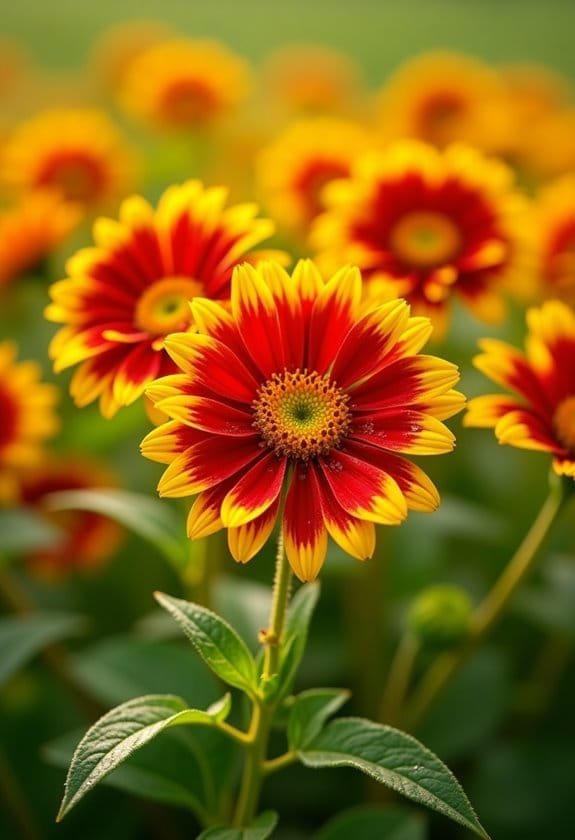
The blanket flower, known scientifically as Gaillardia × grandiflora, captivates with its vibrant, bi-colored blooms that resemble cheerful daisies. This hybrid emerges from the crossing of two species, perennial Gaillardia aristata and annual Gaillardia pulchella, showcasing its adaptability and charm across diverse landscapes. With a height of 1-3 feet and a striking flower head measuring 3-6 inches, this resilient plant not only enhances gardens but also attracts a multitude of pollinators, enriching the ecosystem. Additionally, it thrives in well-drained soil, demonstrating its ability to adapt to a variety of growing conditions.
Common Name
Known for its vibrant blooms, Blanket Flower captures the essence of its namesake with colors that evoke the traditional woven blankets of Native American cultures. This common name arises from the striking, daisy-like flowers of Gaillardia × grandiflora, which often feature large, red outer petals adorned with yellow tips. The vivid floral display not only delights gardeners but also attracts essential pollinators, including bees and butterflies, enriching local ecosystems.
The term "Blanket Flower" reflects adaptability, as this hybrid thrives in sunny, hot environments, flourishing even in poor, well-draining soil.
Delving deeper, Gaillardia × grandiflora is a hybrid offspring of the perennial Gaillardia aristata and the annual Gaillardia pulchella, seamlessly combining traits from both parent species. This versatility guarantees its wide appeal across various landscapes, taking root in gardens, meadows, and natural habitats alike.
In addition to its visual allure, the Blanket Flower intricately links to cultural heritage, symbolizing survival and resilience.
Through its breathtaking appearance and ecological significance, Gaillardia × grandiflora not only enhances garden aesthetics but weaves a richer narrative within the tapestry of nature.
Scientific Name
With its scientific designation of Gaillardia × grandiflora, the Blanket Flower exemplifies the beauty of hybridization in the plant kingdom. This hybrid, first developed in 1857 in Belgium, results from the intentional crossing of two parent species: Gaillardia aristata and Gaillardia pulchella. The scientific name underscores this plant's unique characteristics, as it marries the vibrant flower attributes of each parent while enhancing its heat tolerance.
Gaillardia × grandiflora typically boasts striking bi-colored flowers, displaying bold red or mahogany centers accented by eye-catching yellow edges, making it a favored choice for garden enthusiasts seeking color and flair. On average, this stunning plant reaches heights ranging from 10 to 36 inches, often spreading about 12 to 24 inches, depending on the cultivar selected.
As a proud member of the Asteraceae family, Gaillardia × grandiflora not only enhances aesthetic appeal but also plays a crucial role in the ecosystem, attracting essential pollinators like bees and butterflies.
This contribution enriches garden biodiversity, establishing the Blanket Flower as both a decorative and functional addition to any landscape.
Overview
Blanket Flower, scientifically known as Gaillardia × grandiflora, captivates gardeners and nature enthusiasts alike with its vibrant, daisy-like blooms.
This remarkable hybrid emerges from the crossbreeding of the perennial Gaillardia aristata and the annual Gaillardia pulchella. Typically standing at a height of 1 to 3 feet and spreading up to 2 feet, they thrive best in well-drained, poor soils under full sun exposure.
The flowers of Blanket Flowers, often adorned with bi-colored petals in a striking blend of red and yellow, can range from 3 to 6 inches in diameter.
This vivid display not only enchants the eye but also attracts a variety of pollinators, including bees and butterflies, which play a vital role in sustaining healthy ecosystems.
Among the numerous varieties, the acclaimed Arizona Sun stands out, recognized as the 2005 All-America Selections Winner due to its improved flower uniformity and abundant summer blooms.
Hardy in USDA Zones 3 to 10, these resilient plants exhibit impressive drought tolerance once established, rendering them ideal for hot, sunny locations where many other plants might falter.
Key Features
The Blanket Flower, or Gaillardia × grandiflora, showcases notable features that make it an appealing addition to various landscapes.
Typically reaching heights of 1 to 3 feet, it boasts striking bi-colored flowers—red outer petals with vibrant yellow tips—that can measure between 3 to 6 inches in diameter.
Flowering primarily occurs during the summer months, providing a continuous burst of color that not only captivates the eye but also attracts essential pollinators like bees and butterflies.
Growth Size
Ranging in height from 10 to 36 inches, Gaillardia × grandiflora showcases a versatile growth size that varies by cultivar. The plant typically spans 12 to 24 inches in width, offering a robust presence in any garden. Its stems and leaves are densely hairy, enhancing not only its height but also its visual texture, contributing to the overall allure of the blanket flower.
Certain cultivars, like 'Arizona Sun,' are particularly remarkable for their ability to produce more blooms with improved flower uniformity. These flowers, which exhibit a striking diameter of 3 to 6 inches, showcase stunning bi-colored petals, often elevating the aesthetic with vibrant red outer blooms juxtaposed against cheerful yellow tips.
Furthermore, established plants can spread up to 2 feet wide, allowing them to create a fuller look in borders or container gardens. The capability for such expansion makes Gaillardia × grandiflora an appealing choice for landscape design.
The variation in size across cultivars ultimately guarantees that gardeners can select the perfect height and spread, bringing a touch of natural elegance to diverse planting schemes.
Appearance
With its impressive growth size, Gaillardia × grandiflora showcases distinct visual features that make it a standout in any garden setting. This perennial plant boasts erect stems reaching heights of 1 to 3 feet, complemented by a spread of up to 2 feet, creating a robust presence.
The plant's crowning glory is its striking, daisy-like flowers, which exhibit a fascinating bi-colored pattern. Each flower possesses large, vivid red outer petals adorned with bright yellow tips, creating a tantalizing contrast. The flattened dome-shaped center, surrounded by disc flowers, further heightens the visual appeal, measuring between 3 to 6 inches in diameter.
The foliage consists of alternate, simple leaves with a grayish-green hue, enhancing the overall aesthetic. The lower leaves can extend up to 10 inches long, while the upper leaves are smaller, clasping the stems elegantly.
Terminal heads, solitary on elongated peduncles, enhance the directional focus of the plant, drawing the eye and creating an inviting atmosphere in any landscape. Altogether, these elements contribute to a striking composition that guarantees Gaillardia × grandiflora fascinates the hearts of garden enthusiasts and passersby alike.
Flowering Season
Blanket flowers deliver a spectacular show of color from early summer to fall, enchanting garden enthusiasts with their continuous blooms.
These resilient plants thrive through a lengthy flowering season, consistently gracing gardens with vibrant hues. The large flower heads, ranging from 3 to 6 inches in diameter, display bi-colored ray petals, typically showcasing rich reds adorned with bright yellow tips. This striking contrast creates a visual feast for both pollinators and admirers alike.
Cultivars like Arizona Sun exemplify the blanket flower's potential for abundant blooms, providing improved uniformity and an increased flower count that elevates any landscape's aesthetic.
Although deadheading is recommended to encourage additional blooms, it isn't essential; blanket flowers exhibit a natural inclination to flourish with minimal intervention.
Growing Requirements
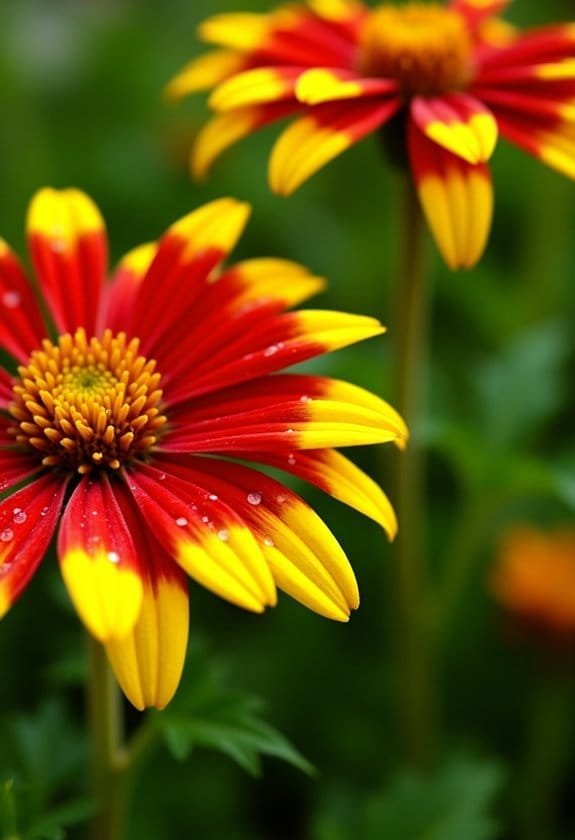
To cultivate the vibrant Blanket Flower, one must understand its specific growing requirements.
This resilient species flourishes in well-drained, sandy soil that boasts minimal nutrients, discouraging root rot, while basking in at least six hours of full sun each day for ideal health.
Adequate watering, particularly during dry spells, along with careful attention to temperature and soil conditions, enables this hardy plant to thrive even amid challenging environments.
Light
Light plays an essential role in the growth of Gaillardia × grandiflora, as these vibrant flowers thrive in full sun. Ideally, they require at least 6 to 8 hours of direct sunlight daily for preferable growth and prolific flowering. In full sun conditions, the blanket flowers exhibit enhanced blooming periods, delighting observers with an array of blossoms from early summer through to fall.
While Gaillardia × grandiflora can tolerate partial shade, insufficient light can hinder their performance greatly. Reduced sunlight diminishes not only the quantity of blooms but also the vigor and health of the plants, leading to leggy growth as they stretch toward the sun.
This leggy appearance often signals the need for relocation to a sunnier area, ensuring they regain their robust, attractive form.
These resilient plants are remarkably heat tolerant, making them well-suited for hot climates with ample sun exposure. Providing the right light conditions not only encourages a vibrant display of flowers but also supports the plant's overall well-being.
Soil
Gaillardia × grandiflora flourishes in well-drained, poor soils, making it fundamental for gardeners to avoid rich amendments and heavy clay, as these conditions can be detrimental to the plant's health. This resilient species finds its ideal growing environment when the soil pH ranges from 6.0 to 8.0, promoting the availability of essential nutrients.
Gardeners seeking perfect conditions might consider incorporating humus before planting; this organic matter enhances moisture retention while ensuring the necessary drainage that blanket flowers crave.
Additionally, established blanket flowers exhibit remarkable drought tolerance, requiring minimal watering—only once or twice weekly during particularly hot and dry spells.
However, it's important not to overwater, as maintaining moisture levels about one inch below the soil surface is critical to preventing root rot. By allowing the soil to remain relatively dry, gardeners can encourage the development of a robust root system that's well-adapted to arid conditions.
Water
After establishing the right soil conditions, proper watering practices play a significant role in the health of blanket flowers. Gaillardia × Grandiflora, celebrated for its vibrant blooms, exhibits impressive drought tolerance once established.
This resilient plant thrives in dry climates, demanding moderate watering initially to promote healthy growth. Gardeners should monitor soil moisture closely, ensuring it remains roughly one inch beneath the surface. Overwatering can lead to root rot, jeopardizing the plant's health.
During hot periods, it's advisable to water these flowers once or twice weekly. This schedule helps maintain their prime health and enhances blooming potential, creating a fascinating display.
Established blanket flowers demonstrate extreme drought resistance, thriving with minimal care in sunny gardens. Their ability to flourish in poor, well-draining soil further underscores their low-maintenance appeal.
Temperature
For blanket flowers to truly shine, they need warm temperatures and plenty of sunlight. Thriving in USDA Hardiness Zones 3 to 10, Gaillardia × grandiflora exhibits remarkable versatility in various climates. Full sun exposure is critical, with at least six hours of direct sunlight daily, ensuring these vibrant blooms reach their full capacity.
Though incredibly drought-tolerant once established, these hardy perennials require moderate watering during their initial growth phase, especially in scorching, dry spells when the temperature soars. Ideal soil conditions comprise well-drained, infertile soils, as heavy clay or overly rich amendments can hinder their development and overall health.
While blanket flowers can withstand high temperatures, they flourish best with consistent moisture, particularly during peak growing periods. This equilibrium of temperature and hydration allows them not only to endure but to thrive even in the most heat-prone regions, resembling resilient warriors in a sun-drenched landscape.
Consequently, aspiring gardeners must prioritize ideal temperature and water management to cultivate a vibrant display of blanket flowers, celebrating their beauty while embracing their essential growing requirements.
Pollinator Criteria
Blanket flowers, particularly the Gaillardia × grandiflora varieties, attract a diverse array of pollinators, including bees, butterflies, and goldfinches due to their vibrant colors and continuous blooming from early summer to fall.
Known for their disk flowers that offer accessible nectar, these plants employ a sophisticated method of attracting pollinators, ensuring a steady food source throughout the growing season. Meadow Vetchling, with its nitrogen-fixing abilities, is another example of a plant that contributes to a thriving garden ecosystem. This multi-faceted interaction not only supports the pollinators themselves but also enriches the broader garden ecosystem, highlighting the intrinsic connection between flowering plants and their essential visitors. Additionally, like dropwort, blanket flowers significantly contribute to biodiversity and ecological stability, serving as vital resources within their ecosystems.
Attracted Pollinators
The vibrant blooms of Gaillardia x grandiflora, commonly known as blanket flowers, captivate a variety of pollinators, including bees, butterflies, and goldfinches. These daisy-like flowers, particularly the Arizona Sun cultivar with its striking mahogany-red petals adorned with yellow edges, serve as visual beacons, guiding pollinators toward their nourishing nectar.
Blooming from early summer through fall, blanket flowers provide an extensive food source over an impressive growing season, offering sustenance for diverse pollinators. The flowers' open structure allows for efficient nectar collection, as the design grants easy access for bees and butterflies, which are essential for successful pollination and ecosystem health.
Moreover, gardeners can enhance the appeal of their landscapes to goldfinches by leaving the seed heads intact after flowering. These seeds become a crucial food source, supporting these charming birds through the colder months.
The integration of blanket flowers into gardens not only fosters biodiversity but creates a thriving environment for pollinators important to ecological balance, emphasizing the intricate interdependence of plant and animal species. Consequently, these flowers exemplify the beauty and significance of cultivating native plants that attract crucial pollinators.
Pollination Method
Attracting a diverse range of pollinators, blanket flowers employ several unique characteristics that enhance their effectiveness in the pollination process. The distinct bi-colored patterns, especially in cultivars like Arizona Sun, guide pollinators toward the flower's reproductive parts. This visual cue proves significant for attracting butterflies, bees, and even goldfinches, as they seek out the vibrant, daisy-like petals that serve as a rich nectar source.
In the structure of blanket flowers, both disk flowers and ray florets play essential roles. The outer ray flowers, though sterile, are visually appealing, drawing the attention of foragers, while the inner disk flowers contain fertile ovules important for reproduction. This dual-function design maximizes pollination efficiency. Furthermore, these vibrant flowers, like the Guelder Rose, also provide abundant nectar that attracts various pollinators, enhancing local biodiversity.
Moreover, the long bloom period from early summer through fall guarantees continual foraging opportunities, further solidifying the plant's role in the ecosystem. Additionally, similar to Water Forget-Me-Not, blanket flowers can significantly contribute to wetland ecosystem health by providing reliable food sources for pollinators.
By leaving spent flower heads on the plants, gardeners create a thriving habitat for seed-eating birds like goldfinches, establishing a rewarding symbiotic relationship between flora and fauna.
Care & Maintenance
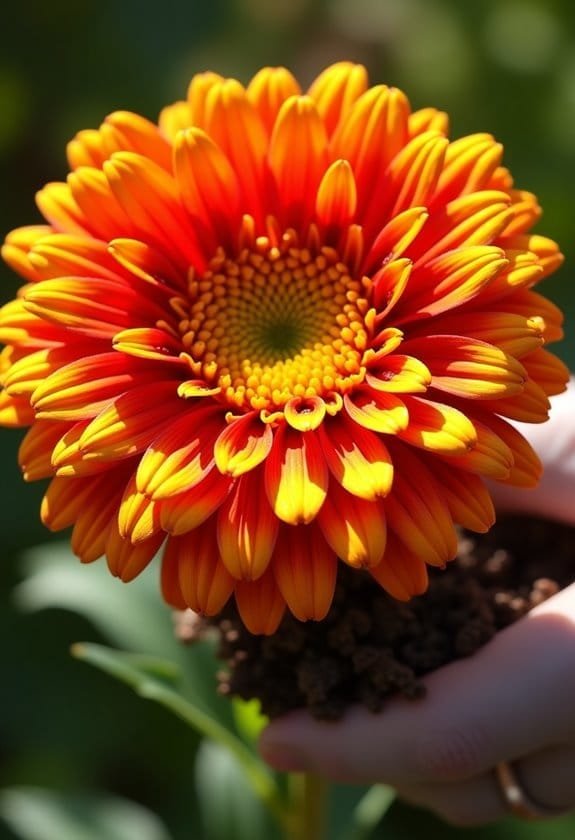
Caring for blanket flowers requires both strategic planting and ongoing maintenance to guarantee their vibrant blooms thrive season after season.
Proper planting in well-drained, poorer soils establishes a resilient foundation, while regular deadheading and dividing every 2-3 years enhance long-term vigor.
Thoughtful watering during hot spells and mulching for winter protection further bolster their ability to withstand environmental stresses, creating a flourishing display in the garden.
Planting Tips
For ideal health, blanket flowers are often best planted in well-drained, sandy soil that isn't overly rich. This choice of soil helps prevent waterlogging, which can be detrimental to their growth.
Furthermore, planting seedlings about 12 inches apart allows adequate space, promoting airflow and reducing the risk of disease.
It's crucial to water blanket flowers one or two times a week during dry spells, maintaining moisture without saturating the soil. Once established, they exhibit excellent drought tolerance, thriving with less water.
Moreover, deadheading—removing faded flowers—encourages continuous blooming throughout the summer season, enhancing the garden's aesthetic without being strictly necessary for the plant's health.
In colder climates, gardeners should consider applying a thick layer of organic mulch in winter. This mulching technique helps insulate the roots and conserves moisture, safeguarding the plants during harsh conditions.
Revitalizing the mulch in early spring ensures that blanket flowers receive the best possible environment for vigorous growth, leading to vibrant blooms.
Ultimately, by following these planting tips, gardeners can cultivate robust blanket flowers that will flourish within their gardens, enhancing the landscape beautifully.
Ongoing Care
Ongoing care for blanket flowers is vital to guarantee their vibrant blooms and overall health. Minimal pruning is needed, but deadheading—removing spent flowers—is highly recommended to enhance their appearance and encourage continuous blooming throughout the summer months.
Additionally, seasonal cutbacks to about six inches in late summer not only rejuvenate the plants but also promote better winter survival and aesthetics.
Dividing blanket flowers every two to three years supports longevity, fostering new growth and maximizing blooming potential. Regular inspections for common pests and diseases are significant, as they help mitigate issues, making certain the plants thrive and maintain their striking colors.
For winter protection, particularly in cooler climates, applying a thick layer of organic mulch around the plants is advised. This layer retains moisture and insulates the root systems, providing a protective shield against harsh temperatures.
By implementing these ongoing care practices, gardeners can make certain that their Gaillardia × grandiflora flourish, providing a dazzling display throughout the warmer seasons, appealing to both pollinators and admirers alike.
Proper care turns these resilient flowers into steadfast companions in any garden setting, enhancing both beauty and biodiversity. Common Yarrow is also a great companion plant to attract additional pollinators and improve ecosystem health.
Suggested Companions
Choosing the right companion plants for Gaillardia × grandiflora can elevate any garden's aesthetic and health. Integrating drought-tolerant varieties such as Sedum and Echinacea guarantees consistency in water and soil drainage, thereby boosting the garden's resilience. Charlock (Sinapis arvensis), a winter annual, is an example of a plant that can thrive in similar environmental conditions, highlighting the importance of selecting compatible species.
The vibrant petals of blanket flowers harmonize beautifully with ornamental grasses like Blue Fescue or Prairie Dropseed, creating a visually dynamic landscape that adds texture and movement.
Incorporating low-growing annuals, including Alyssum or Marigolds, serves to fill gaps while offering a pop of color. Their shorter stature complements the taller Gaillardia plants without competing for light, guaranteeing an effective use of vertical space. Diverse plantings can reduce the risk of attracting pests and diseases that would threaten the health of the blanket flowers.
Furthermore, utilizing native pollinator-friendly species such as Bee Balm (Monarda) reinforces the ecological balance, attracting beneficial insects and enhancing biodiversity. Additionally, the use of plants like Berberis vulgaris can serve as a natural deterrent against herbivores, protecting the more delicate flowers in your garden.
To optimize growth conditions and promote healthy air circulation, gardeners should space Gaillardia and their companion plants approximately 12 inches apart. This strategic spacing prevents overcrowding, which can lead to diseases while fostering an environment where both resilience and beauty thrive in concert, encouraging a flourishing ecosystem.
Through thoughtful selections, the synergy between these plants nurtures both aesthetic appeal and ecological health, creating a true garden masterpiece.
Common Issues
Blanket flowers often face a range of issues, including pests and diseases that can severely impact their growth and flowering potential.
Common culprits like powdery mildew, leaf spot, and aster yellows threaten the plants, necessitating vigilant inspection and prompt removal of affected specimens to halt disease progression.
Pests/Diseases
Gardeners should be aware that blanket flowers face various pests and diseases that can compromise their health. Among the most notable pests are leafhoppers and aphids, which, apart from stressing the plants, can also transmit diseases like aster yellows. This particular disease leads to stunted growth and the appearance of green flowers, making proper monitoring imperative to manage infestations effectively.
Moreover, blanket flowers are susceptible to powdery mildew, a fungal disease that typically thrives in conditions of high humidity and inadequate air circulation. Signs of this disease often manifest as a white, powdery coating on leaves, greatly affecting the plant's vigor.
Leaf spot, another disease of concern, can cause unsightly marks on foliage, further diminishing the plant's aesthetic appeal.
Symptoms indicative of declining health may include drooping stems and discoloration, often stemming from issues such as underwatering or poor soil drainage. Addressing these conditions promptly is essential for preventing further decline.
In a healthy garden ecosystem, beneficial predators like ladybugs can aid in the reduction of pest populations surrounding blanket flowers, contributing to their overall well-being.
Solutions
Regular maintenance and timely interventions can greatly enhance the health of blanket flowers. Crucial strategies include aerating the soil and providing consistent care, as well as addressing common challenges.
For instance, plants afflicted by aster yellows must be swiftly removed to halt the spread of disease, preserving the vitality of neighboring flora remains intact. Regular inspections for pests, particularly leafhoppers and aphids, are essential; these insects can introduce diseases that severely hinder plant growth.
Water management is critical, as overwatering can lead to root rot. To prevent this, gardeners should verify the soil drains well, avoiding nutrient-rich amendments that retain excess moisture. Common toadflax also prefers well-drained soils, thus ensuring proper drainage supports the health of various flowering plants.
Conversely, drooping stems often signal underwatering, and implementing a steady watering routine—especially during dry spells—can rejuvenate wilting plants.
Furthermore, leggy growth is frequently a result of insufficient sunlight. In such cases, relocating the plants to sunnier positions can stimulate stronger, more compact growth.
Additionally, maintaining well-drained, nutrient-rich soil is vital for overall plant health and encourages robust growth, echoing the needs of various flowering plants. Throughout this process, it's important to feed the flowers with balanced fertilizers to support their robustness, promoting vibrant blooms that embody the brightness of summer gardens.
With these careful practices, gardeners can maintain thriving blanket flowers year after year.
Are Cuphea Ignea (Cigar Flower) and Gaillardia Grandiflora (Blanket Flower) Related?
Yes, Cuphea ignea flower and Gaillardia Grandiflora (Blanket Flower) are not related. Cuphea ignea, also known as Cigar Flower, belongs to the family Lythraceae, while Gaillardia Grandiflora belongs to the sunflower family, Asteraceae. Despite their similar vibrant and colorful blooms, they are not closely related.
Summary
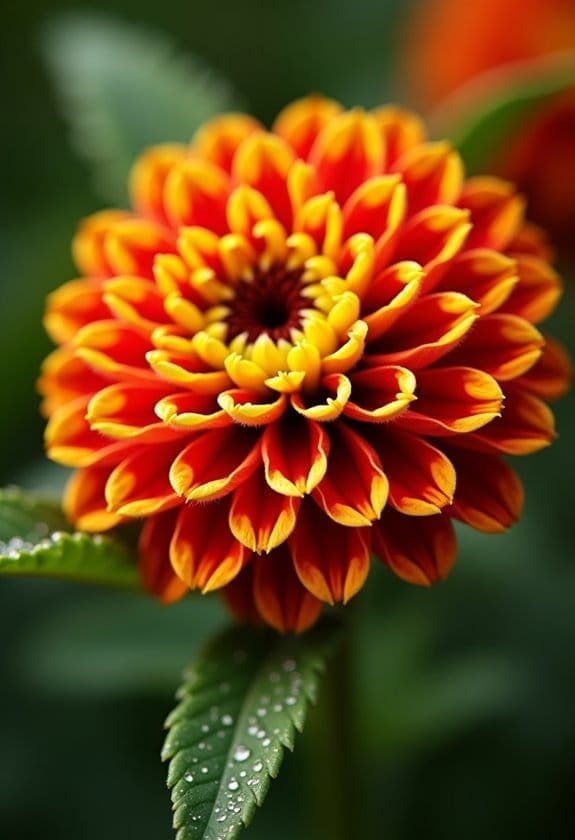
Known for its vibrant, bi-colored blooms, Gaillardia × grandiflora, or the blanket flower, is a popular choice among enthusiasts. This hybrid, resulting from the cross between perennial Gaillardia aristata and annual Gaillardia pulchella, boasts stunning, daisy-like flowers that usually measure around 3 inches in diameter.
Standing at a height of approximately 10 inches and spreading 12 inches wide, these flowers create a lively garden display throughout the summer months.
Blanket flowers flourish in well-drained, poor soils, thriving in full sun while exhibiting impressive drought tolerance once established. One particularly celebrated variety, Arizona Sun, garnered recognition as a 2005 All-America Selections Winner, featuring deep mahogany-red petals adorned with bright yellow edges.
This coloring not only enhances garden aesthetics but also attracts essential pollinators such as bees and butterflies.
To encourage a continuous bloom, regular deadheading is advisable; however, these resilient plants can self-sow, facilitating natural propagation in compatible environments.
The blanket flower's combination of beauty, adaptability, and low maintenance makes it an excellent addition for gardeners seeking to cultivate a vibrant outdoor space.