Gaura Lindheimeri, or White Gaura, is a striking perennial flowering plant, celebrated for its elegant, airy flower spikes that bloom from early summer to fall. Reaching heights of 2-4 feet and widths of 2-3 feet, this plant flourishes in warm climates, particularly Texas and Louisiana. It thrives in well-drained soils and exhibits remarkable drought tolerance, needing only 1 inch of weekly water during the growing season. Delightfully attracting butterflies and hummingbirds, Gaura enhances local biodiversity while requiring minimal maintenance. With its delicate white blooms evolving to rosy hues, it captivates gardeners, promising much more about its care and ecological benefits ahead.
Main Points
- Gaura Lindheimeri, also known as White Gaura or Butterfly Gaura, features delicate four-petal flowers that change color from pink to white and rosy hues.
- This perennial plant thrives in USDA zones 5 to 9 and requires full sun for optimal growth.
- It prefers well-drained sandy or loamy soils and exhibits excellent drought tolerance once established.
- Regular trimming can promote new blooms, while vigilance in soil drainage prevents root rot and diseases.
- Gaura attracts butterflies and hummingbirds, enhancing local biodiversity and serving as a valuable companion plant in gardens.
Introduction
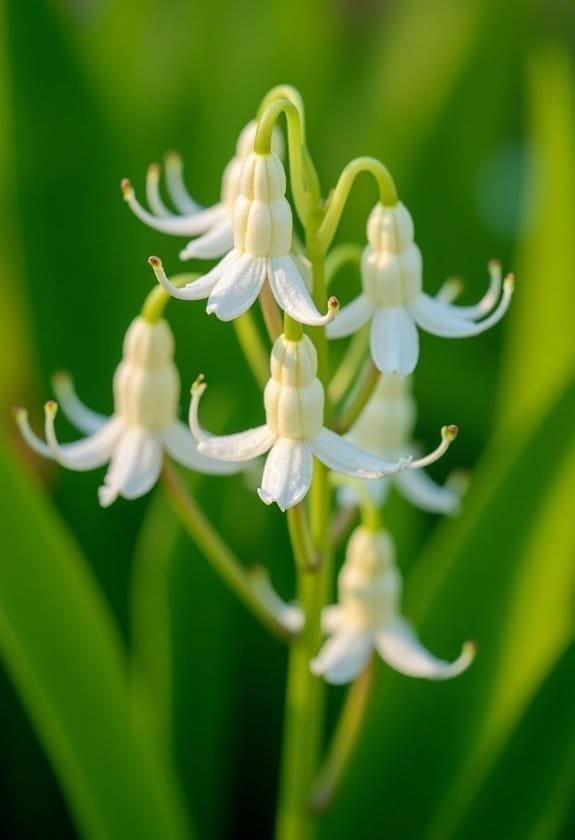
Gaura lindheimeri, commonly known as White Gaura or Butterfly Gaura, presents a stunning flora native to the warm climates of Texas and Louisiana.
This perennial flowering plant captivates with its tall, airy clusters of blossoms, which shift elegantly in color from delicate pink to a soft white, eventually maturing into a rosy hue by late summer.
Known for its resilience, Gaura thrives in sunny environments and well-drained soils, making it a beloved choice among gardeners aiming for low-maintenance yet vibrant landscapes.
Common Name
Known for its delicate blooms and attractive form, Gaura lindheimeri is commonly referred to as White Gaura, Butterfly Gaura, and Lindheimer's Beeblossom. This perennial plant, native to the warm climates of Texas and Louisiana, thrives in full sun, making it an excellent choice for gardens seeking vibrant color and low-maintenance options.
Its slender flowering stems gracefully extend upwards, often reaching heights of three to four feet, adorned with charming, pink-tinged or pure white flowers that flutter gently in the breeze.
From early summer into the fall, these enchanting blooms create a visual spectacle, enthralling not only human observers but also drawing butterflies and hummingbirds, which are magnetically attracted to the clusters of nectar-rich flowers.
Gaura lindheimeri's resilience against drought conditions, paired with its minimal care requirements, contributes to its reputation as a gardener's delight. The plant's airy structure and elegant appearance can transform a mundane landscape into a lively, vibrant space, reminiscent of a carefree summer's day.
Scientific Name
The scientific nomenclature of White Gaura, Gaura lindheimeri, reflects its characteristics and classification within the plant kingdom. This perennial flowering plant, native to Texas and Louisiana, belongs to the Onagraceae family, recognized for its stunning floral display.
The elegant, butterfly-like flowers bloom in mesmerizing shades of pink-tinged white, showcasing nature's artistry. Typically, Gaura lindheimeri flourishes from early summer to fall, transforming from delicate pink buds into mature white blossoms, creating a striking visual contrast.
The plant forms vase-shaped clumps, with heights ranging from 2 to 4 feet and widths of 2 to 3 feet, making it an appealing choice for diverse landscape designs. Its striking stems rise elegantly from the base, supporting the airy flowers that dance gently in the breeze.
Thriving in full sun and well-drained soils, Gaura lindheimeri demonstrates remarkable adaptability, flourishing in USDA zones 5 to 9. This resilience allows it to withstand varying climatic conditions, reinforcing its charm as a versatile garden addition.
With its enchanting beauty and hardy nature, Gaura lindheimeri embodies the essence of flowering plants that elevate outdoor spaces and captivate the hearts of gardeners.
Overview
A vibrant addition to gardens, Gaura lindheimeri, commonly referred to as White Gaura or Butterfly Gaura, enchants with its unique floral display and resilient nature. This perennial, native to Texas and Louisiana, boasts delicate, four-petaled flowers that gracefully evolve from soft pink buds to stunning white and rosy hues, blooming from early summer through fall.
Thriving in full sun and well-drained sandy or loamy soils, Gaura exhibits a remarkable tolerance to heat, humidity, and drought, making it an exceptional choice for various climates.
Growing in elegant, vase-shaped clumps, it typically reaches heights of 2 to 4 feet and widths of 2 to 3 feet, thereby providing versatility in landscape designs.
Regularly trimming back the plant is necessary for continued blooming, as it encourages new flowering stems to emerge, ensuring a vibrant display throughout its blooming season.
Additionally, its high resistance to deer and rabbits enhances its appeal, while attracting butterflies and hummingbirds adds aesthetic value and biodiversity to outdoor spaces.
Indeed, White Gaura serves as a visual delight and ecological asset in any garden setting.
Key Features
Gaura lindheimeri stands out with its graceful height, typically reaching 2 to 4 feet while spreading 2 to 3 feet wide.
Its remarkable flowering season spans from early summer to fall, showcasing delicate, four-petaled blooms that shift from pink to pristine white, creating a mesmerizing display.
This perennial not only captivates the eye but also thrives effortlessly in a variety of climates and well-drained soils, making it an ideal choice for diverse gardens.
Growth Size
Typically growing to heights of 2 to 4 feet, Gaura lindheimeri forms graceful, vase-shaped clumps that spread 2 to 3 feet wide. This perennial's long, wispy stems emerge elegantly from a thick taproot, contributing to its delicate appearance while allowing movement in the garden.
The plant's foliage consists of lance-shaped, mid-green leaves that enhance the airy structure, providing a soft backdrop for the flourishing stems. As it matures, the flowering stems to emerge create an enchanting display, attracting pollinators and adding a dynamic element to any landscape.
With its ability to thrive in zones 5 to 9, this hardy perennial adapts well to well-drained sandy or loamy soils, making it an excellent choice for low-maintenance gardens. With the right conditions, the plant will look vibrant and inviting, offering both aesthetic and practical benefits to the gardener.
Its resilience to drought, thanks to the robust taproot, reinforces its suitability for water-wise gardening. Ultimately, the growth size and structure of Gaura lindheimeri make it a standout choice for those seeking elegance with minimal upkeep in their outdoor spaces.
Appearance
Characterized by its elegant flower spikes, Gaura lindheimeri boasts delicate 4-petaled blooms that shift from soft pink buds to creamy white and may finish in a rosy hue. These flowers, measuring approximately 1 inch in length, possess a graceful, butterfly-like appearance that captivates garden enthusiasts and pollinators alike. The airy nature of these flower spikes allows for exceptional movement, creating an enchanting display, especially on breezy days.
The foliage, comprised of lance-shaped, mid-green leaves, emerges closer to the foliage and adds texture to the overall plant structure. These leaves, which provide a lush backdrop, guarantee visual interest even when the plant isn't in bloom.
Gaura lindheimeri typically forms vase-shaped clumps that reach heights of 2-4 feet and widths of 2-3 feet, making it superb for use in flower beds or as a border plant. Its long blooming period, extending from early summer to fall, assures a dynamic garden display, as the plant consistently produces flowers throughout the season.
This remarkable resilience and aesthetic quality position Gaura lindheimeri as a favored choice among landscape designers and gardening aficionados aiming for enduring beauty.
Flowering Season
Blooming from early summer through fall, Gaura lindheimeri presents an enchanting show of flowers from May to September. This perennial delights garden enthusiasts with its graceful flowering patterns, characterized by a delicate change from pink buds to striking white blooms, eventually maturing into a soft rosy hue.
Each flower, featuring four exquisite petals and measuring approximately one inch long, adds an ethereal quality to the landscape.
The flowering of Gaura occurs sporadically, creating a charming display, as only a few flowers open at any given moment. This unique trait fosters a dynamic visual interest, particularly as seasonal changes unfold throughout the summer into early fall. The plant's bloom duration enhances its appeal, as it continuously offers a fresh array of blossoms during its active months.
Moreover, Gaura lindheimeri is a low-maintenance candidate, requiring minimal care. Deadheading isn't necessary, although mid-summer trimming is encouraged to stimulate new flowers and sustain interest.
Therefore, this elegant perennial not only enriches the gardens with its enchanting blooms but also presents an effortless beauty that thrives amid various conditions, making it a favorite choice for many gardeners.
Growing Requirements
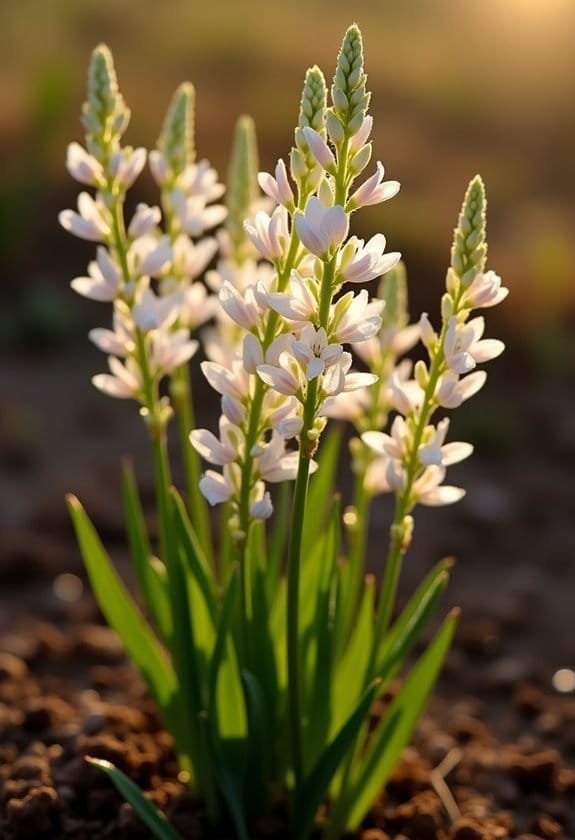
Gaura lindheimeri flourishes when given the right conditions, particularly thriving under full sun for at least six hours daily.
It favors well-drained soils, such as sandy or loamy types, and exhibits remarkable drought tolerance, making it an excellent choice for low-water gardens.
Additionally, this hardy perennial adapts effectively to temperatures in USDA zones 5 to 9, showcasing its resilience across various climates while inviting gardeners to create vibrant displays with minimal effort.
Light
To thrive, Gaura lindheimeri needs plenty of sunlight; ideally, it should receive at least six hours of direct sun each day. This abundant sun exposure not only promotes robust growth but also enhances flower production, creating a picturesque display in any garden.
Although White Gaura can adapt to partial shade, receiving four to six hours of sunlight daily may limit its vibrant bloom, leading to fewer flowers than those seen in sunnier conditions.
Light adaptation is essential for Gaura, as this resilient perennial flourishes in various climates across hardiness zones 5-9.
Its ability to withstand heat and humidity makes it an excellent choice for sunny borders, where it can thrive with minimal care. Additionally, Gaura's role in attracting pollinators like bumblebees enhances its ecosystem contributions.
While some plants struggle in lower light, Gaura's flexibility allows it to survive in diverse environments, increasing its appeal among gardeners.
Soil
For ideal growth, Gaura lindheimeri requires well-drained sandy or loamy soils. These soil types are paramount in preventing the plant from experiencing root rot, thereby guaranteeing vigorous growth and abundant flowers. The importance of drainage can't be overstated, as Gaura is particularly sensitive to waterlogged conditions, which can impede not only its development but also its flowering capabilities.
Interestingly, this resilient plant thrives in dry soils and demonstrates a remarkable tolerance for drought, making it an excellent choice for low-water gardens. While Gaura prefers full sun, it accommodates partial shade, presenting flexible planting options for various garden settings.
Though adaptable to a range of soil types, Gaura performs best in soils that strike a fertility balance—avoiding overly rich or compacted environments. A balanced approach to soil fertility guarantees that the plant receives the nutrients it requires without the risk of excessive growth that could lead to compromised health.
Water
Watering is essential for the health of Gaura lindheimeri, especially during its initial establishment period. This plant requires an average of 1 inch of water per week during the growing season to thrive and produce an abundance of blooms.
Employing effective watering techniques is imperative, as Gaura prefers well-drained soil and is sensitive to soggy conditions. Overwatering can compromise its health and lead to root rot, so moisture management is critical.
Once established, Gaura exhibits impressive drought resilience, adapting to extended dry spells with minimal watering. Its ability to endure longer periods without moisture sets it apart from many other perennials, making it an excellent choice for low-maintenance gardens.
Gardeners should adjust their watering habits according to rainfall, concentrating on thorough, deep watering sessions rather than frequent light watering. This approach encourages robust root development, enabling the plant to access moisture deeper within the soil.
Temperature
Temperature plays an essential role in the successful cultivation of Gaura lindheimeri, as this plant thrives in USDA hardiness zones 5 to 9. Its remarkable temperature adaptability allows it to flourish in both warmer and moderately cooler environments, making it an excellent choice for diverse climates.
Although Gaura displays tolerance to a range of temperatures, it prefers conditions that provide ample sunlight and warmth, which are vital for ideal growth.
While the plant can withstand drought once established, it becomes particularly resilient in higher temperatures and extended dry periods.
However, gardeners should be aware of temperature extremes, especially during winter months in colder zones, where the risk of frost can negatively impact the plant's health.
Providing adequate protection, such as mulching or covering, during severe frost events promotes survival and encourages robust spring growth.
Pollinator Criteria
Gaura lindheimeri captivates a variety of pollinators, particularly butterflies and hummingbirds, thanks to its vibrant blooms and generous nectar supply.
Blooming from early summer to fall, the plant employs a unique pollination method that allows these creatures to easily access its pollen, fostering essential ecological relationships.
Attracted Pollinators
With its nectar-rich flowers, Gaura lindheimeri serves as a magnet for a diverse array of pollinators, particularly butterflies and hummingbirds.
The plant's delicate blooms, which grace gardens from early summer to fall, create a visual feast for these winged visitors, drawing them in with their vibrant colors and airy movement. Pollinator behavior indicates a strong attraction to nectar preferences, and the exquisite blossoms of Gaura fulfill these cravings admirably.
As butterflies flit among the petals, they contribute not only to the plant's reproductive success but also enhance local ecosystem health.
The consistent bloom period guarantees that these pollinators find a reliable food source throughout the growing season, diminishing competition for nectar and fostering a nurturing habitat.
Additionally, Gaura lindheimeri's resilience against pests and diseases means that it thrives without harmful chemicals, promoting a safe haven for these essential insects.
Pollination Method
Successful pollination relies on the intricate relationship between Gaura lindheimeri and its insect visitors, primarily butterflies and bees. The flower morphology of Gaura, characterized by an open structure, facilitates effortless access for these pollinators, enhancing their foraging efficiency. As pollinators interact with the plant, unique pollinator behavior emerges; they're drawn to the plant's fragrant, nectar-rich blossoms, which provide a dependable food source throughout the summer and fall. Additionally, the plant's extended flowering season attracts various pollinator species, enhancing the vibrant garden ecosystems.
Gaura's blooming pattern guarantees that only a few flowers are open at any given time, prompting repeated visits from pollinators. This strategy not only maximizes pollen transfer but also increases the likelihood of successful fertilization across the plant. The ecological impact of Gaura's long flowering period, spanning from May to September, can't be minimized. It supports diverse pollinator species, consequently enhancing local biodiversity. Furthermore, the ability of flowering plants like Gaura to attract pollinators like bees plays a vital role in ensuring healthy ecosystems.
In urban and garden landscapes, the presence of Gaura greatly benefits pollinator populations, fostering a vibrant ecosystem. Furthermore, its capability to establish pollinator habitats enhances resources for beneficial insects, further solidifying its role in ecological networks.
Ultimately, the symbiotic relationship between Gaura lindheimeri and its pollinators exemplifies the critical role that flowering plants play in sustaining ecological networks, highlighting their importance in both nature and cultivated settings.
Care & Maintenance
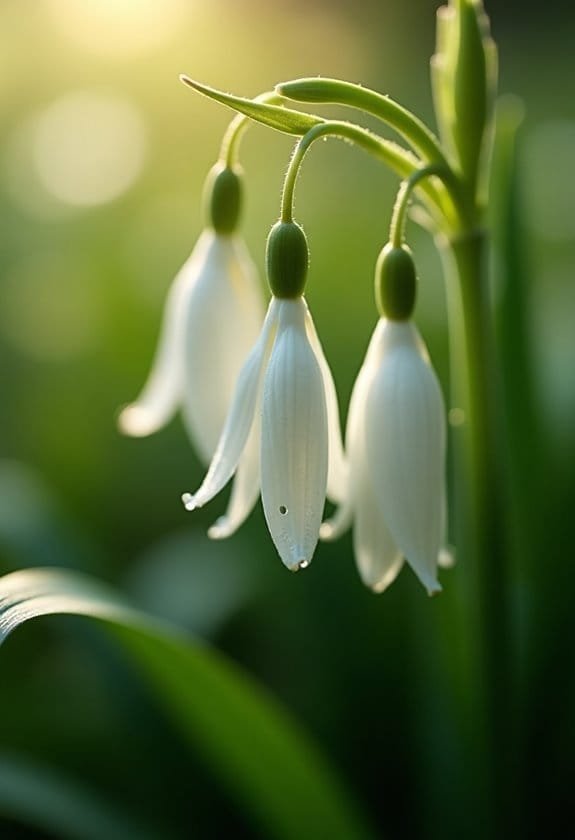
Gaura lindheimeri thrives with minimal maintenance, making it perfect for gardeners seeking ease without sacrificing beauty.
To guarantee these resilient plants flourish, understanding proper planting tips is essential, as well as ongoing care techniques that promote enduring elegance through consistent blooms.
Additionally, selecting suitable companions in the garden can enhance the overall aesthetic while supporting the ecological balance that these enchanting flowers naturally attract.
Planting Tips
To achieve a thriving Gaura lindheimeri, gardeners should focus on a few essential planting tips. First and foremost, selecting the right location is vital, as this perennial plant flourishes in full sun, requiring at least six hours of direct sunlight each day.
When considering planting techniques, confirm the chosen soil is well-drained, ideally sandy or loamy, to encourage healthy root development.
Optimal spacing also plays a significant role in the plant's performance; spacing plants 2 to 3 feet apart allows for proper air circulation and access to nutrients.
Timing is equally important; planting during the spring or early fall in hardiness zones 5 to 9 maximizes the plant's chance for establishment.
Moreover, while deadheading is unnecessary for Gaura, mid-summer trimming can stimulate fresh growth and maintain a tidy appearance, enhancing the overall look of the garden.
Given its adaptability and resilience in various soil types and conditions, gardeners find Gaura lindheimeri an excellent addition to their landscape, providing height and texture with minimal effort and maintenance.
Ongoing Care
After establishing Gaura lindheimeri in the garden, ongoing care guarantees the plant continues to flourish. Despite its low-maintenance nature and resilience against pests and diseases, attentive practices enhance its overall health and aesthetics.
Implementing deadheading benefits—removing spent flowers—can improve the plant's appearance and mitigate self-sowing, ensuring that seeds don't propagate unintentionally throughout the garden.
Mid-summer trimming is another effective technique that rejuvenates the plant, promoting new flowering stems and extending the blooming period from May to September. This trimming, while not absolutely necessary, invigorates the growth and efficiently utilizes the sun's energy to create a more robust display of delicate blooms.
Although Gaura possesses a deep, thick taproot that dislikes division, its performance thrives in well-drained, drought-tolerant environments, making it an excellent choice for low-water gardens. Additionally, practitioners of integrated pest management can use crab apples as pollinators, which reinforce biodiversity and support the ecological balance in garden settings.
Regularly observing the plant's condition and adapting care routines fosters a vibrant and lively display. By understanding and applying these ongoing care strategies, gardeners can enjoy the ethereal beauty of Gaura lindheimeri while ensuring its enduring presence in the landscape.
Suggested Companions
Selecting the right companion plants for Gaura lindheimeri can enhance the garden's aesthetic and create a balanced ecosystem. This plant thrives in full sun and appreciates well-drained soil, so companion planting should prioritize similar growing conditions.
The airy appearance of Gaura is beautifully complemented by low-maintenance plants like Slender Woodoats and Goldilocks Rocks Bidens, which enhance overall garden aesthetics without demanding excessive care. Complementing your garden with drought-tolerant species like Sedum album can further support an environment that requires minimal watering.
For added visual interest, consider incorporating Coral Bean and Shrubby St. Johns Wort. These selections provide contrast in height and foliage texture, enriching the garden's dynamic look while harmonizing with Gaura's delicate structure.
Consistent with their low-water needs, these companions also exhibit impressive drought tolerance, ensuring that they flourish in unison with Gaura. Additionally, introducing native pollinators such as bees can enhance the flourishing of companion plants, much like how wild strawberries attract pollinators in diverse ecosystems.
To maintain a tidy display, regularly trimming the flowering stems of Gaura mid-summer can encourage new growth, creating a neat backdrop for your enthralling companions.
Common Issues
Despite its resilience, Gaura lindheimeri can encounter a few common issues that may affect its health.
While it boasts a remarkable resistance to pests and diseases, overwatering in humid conditions can lead to root rot, undermining its vigorous growth.
Gardeners should remain vigilant about soil drainage and consider corrective measures, such as amending soil with sand or loam to prevent water retention that might harm this elegant perennial.
Pests/Diseases
Gaura lindheimeri stands out as a low-maintenance plant, largely free from pests and diseases. This resilient perennial primarily thrives without significant interference from garden nuisances. While it generally resists pests, the occasional appearance of aphids may occur. Gardeners can effectively employ aphid control techniques like insecticidal soap to manage these pests when necessary, preserving the plant's health with minimal effort.
Despite its minimal pest concerns, Gaura lindheimeri can face issues related to disease, particularly if overwatering occurs in poorly drained soils, leading to potential root rot. Accordingly, implementing disease prevention methods is vital for maintaining ideal soil conditions.
The plant's thick taproot further fortifies its resistance against common garden threats, reducing the likelihood of disease outbreaks. Moreover, maintaining well-draining, calcium-rich soils is essential for ensuring robust plant health.
Regular monitoring and practicing basic garden hygiene, such as removing debris and ensuring adequate air circulation, can effectively prevent minor infestations, promoting a healthier environment for the Gaura.
Through these pest management strategies, the gardener not only fosters robust plant health but also cultivates a harmonious garden ecosystem, where every element contributes positively to the vibrant tapestry of growth.
Solutions
For gardeners facing common issues with Gaura lindheimeri, effective solutions can dramatically enhance plant health and flowering potential. This resilient plant flourishes in well-drained soils, embodying drought solutions through its natural tolerance to arid conditions.
Incorporating Gaura into garden design not only provides visual appeal but also minimizes upkeep, favoring low-maintenance landscaping.
Companion planting plays an essential role in supporting Gaura's growth. Pairing it with drought-tolerant species encourages synergistic benefits, as mutually supportive plants can bolster one another's resilience against pests or environmental stress.
As Gaura thrives in full sun to partial shade, selecting appropriate companions can enhance overall bloom performance.
While deadheading isn't strictly necessary, mid-summer trimming serves as an effective strategy to invigorate flowering stems and maintain aesthetic appeal throughout the season.
The staggered blooming pattern guarantees consistent flowers without overwhelming the plant, creating a graceful visual rhythm within the landscape.
Additionally, Gaura's resistance to deer and rabbits amplifies its desirability for gardens frequently targeted by these persistent pests.
Summary
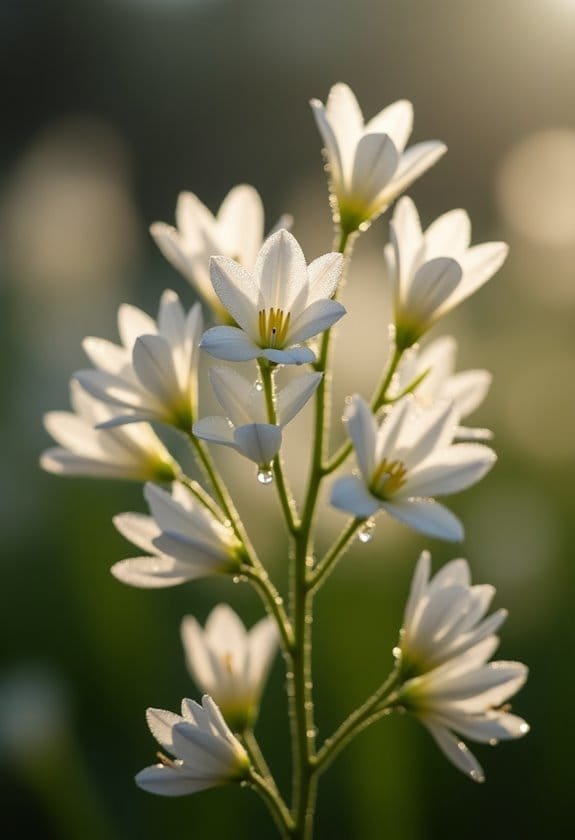
Embracing its nickname, Butterfly Gaura, Gaura lindheimeri captivates gardeners with its tall, delicate flowers that bloom from early summer to fall. This perennial plant, native to Texas and Louisiana, features 4-petaled blossoms that shift from a lovely pink hue to bright white and back to a rosy shade, resembling fluttering butterflies in a summer breeze.
With peak performance in hardiness zones 5 through 9, Gaura thrives in full sun and well-drained soils. Gardeners often employ specific planting techniques to facilitate its success, such as spacing the plants adequately to promote air circulation. This adaptability in landscape design makes it an excellent choice for sunny borders, containers, and rock gardens.
Additionally, Gaura is low-maintenance, tolerating heat, humidity, and drought, while being resistant to deer and rabbits. Its ability to attract butterflies and hummingbirds enhances the environmental benefits of incorporating this plant into the garden.