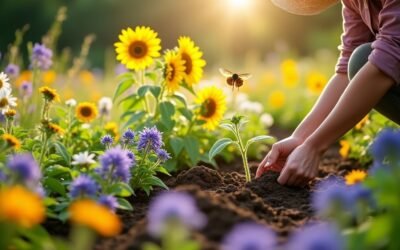
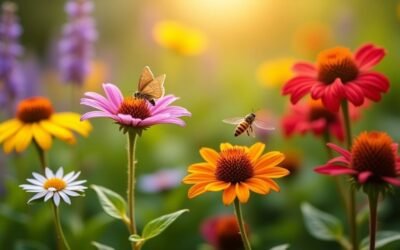
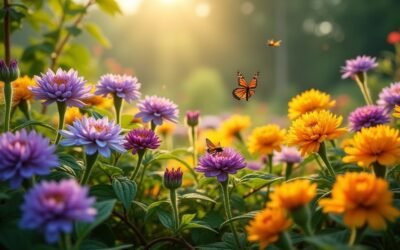
Gilia capitata, or the Blue Thimble Flower, is an enchanting annual herb indigenous to western North America, thriving with striking lavender-blue clusters of 50-100 flowers. Each flower measures 1-2 inches across and blooms from late spring to mid-summer. This resilient plant grows between 6 to 24 inches tall, demonstrating drought tolerance, making it ideal for sustainable gardens. Gilia capitata not only attracts beneficial pollinators like bees and butterflies but also enhances soil fertility. Its compact growth and minimal maintenance requirements create an appealing landscape element that harmonizes with diverse gardening styles, promoting ecological health among flora and fauna alike. Discover more about its cultivation and ecological roles!
Main Points
- Gilia capitata, also known as the Blue Thimble Flower, is an attractive annual herb with lavender-blue clusters of flowers, blooming from late spring to midsummer.
- It thrives in full sunlight and well-drained soils, requiring minimal watering, making it suitable for drought-tolerant gardens.
- This plant attracts important pollinators like bees and butterflies, thereby enhancing local biodiversity and supporting healthy ecosystems.
- Gilia capitata self-seeds readily, promoting natural re-growth and soil fertility, which aids wildlife habitats.
- Its compact growth habit and low maintenance make it ideal for various garden styles, including cottage and rock gardens.
Introduction
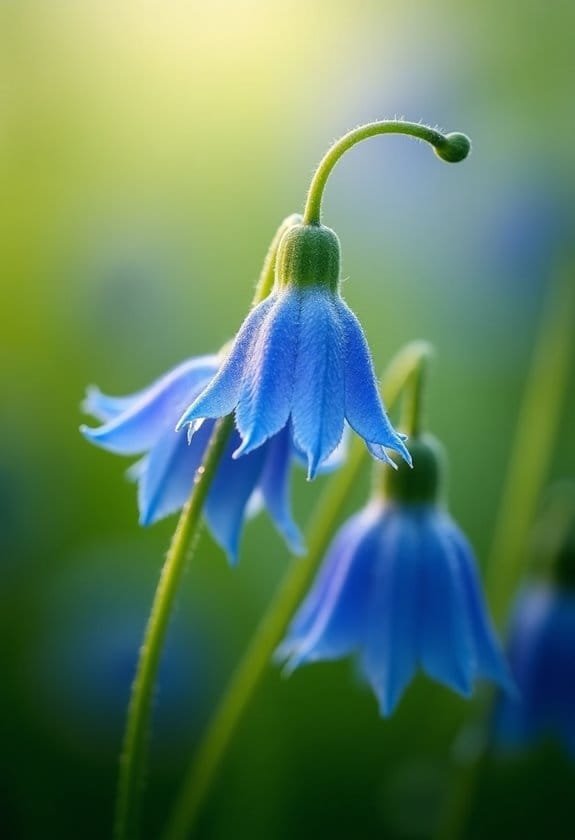
Gilia capitata, or the Blue Thimble Flower, epitomizes the beauty and resilience of native flora in western North America, flourishing from Alaska to northern Mexico.
This erect annual herb, known for its stunning lavender-blue clusters, draws essential pollinators like bees and butterflies, contributing considerably to local ecosystems.
With its self-sowing nature and preference for drought-tolerant conditions, Gilia capitata stands out as an excellent choice for sustainable gardens, combining aesthetic appeal with ecological benefits.
Common Name
The enchanting beauty of Blue Gilia, also known as Bluehead Gilia or Blue-head Gily-flower, fascinates nature enthusiasts and gardeners alike. This exquisite annual herb, scientifically named Gilia capitata, showcases stunning spherical clusters of delicate light blue to blue-violet flowers. Blooming from late spring until midsummer, it transforms landscapes, delighting those who encounter its charm.
Historically referred to as Queen Anne's thimble, this name alludes to the flower's unique shape, reminiscent of a thimble used for sewing. Each inflorescence consists of 50 to 100 small flowers, ranging from 1 to 2 inches across, creating a marvelous puffball-like appearance. The densely packed flowers invite admiration, as they sway gently in the breeze, offering a visual symphony of color.
Native to western North America, from Alaska to northern Mexico, Gilia thrives in diverse habitats, enhancing gardens and natural landscapes alike. Belonging to the phlox family, Polemoniaceae, this fascinating species displays not only aesthetic appeal but also a resilience that underscores the complexity of ecological interactions.
Blue Gilia's contribution to biodiversity and beauty solidifies its status as a cherished floral gem.
Scientific Name
A striking example of botanical classification is the scientific name Gilia capitata, which belongs to the Polemoniaceae family. This unique naming conventions reflect the plant's distinctive characteristics, emphasizing its genus and species.
Gilia capitata, commonly known as the Blue Thimble Flower, is an annual herb native to western North America, with a range that stretches from Alaska to northern Mexico.
The plant's elegant ferny foliage forms a striking backdrop for its clusters of flowers, which range from 50 to 100 powder-blue blooms. These flowers, which generally measure between 1 and 2 inches across, possess a remarkable structure characterized by protruding stamens that create a striking visual effect.
Historically, Gilia capitata has also been affectionately called Queen Anne's thimble, a name derived from the flower's resemblance to a thimble, an everyday object associated with sewing.
Such fascinating botanical designations not only enrich the scientific community's understanding but also underline the plant's beauty and ecological significance.
As Gilia capitata flourishes from late spring to mid-summer, it captivates those who appreciate the delicate intricacies of nature.
Overview
Known for its vibrant beauty and ecological benefits, Gilia capitata, or the Blue Thimble Flower, captures the attention of gardeners and nature enthusiasts alike. This annual herb features elegant ferny foliage and clusters of striking lavender-blue flowers, which not only delight the eye but also attract a diverse array of pollinators, including native bees and butterflies.
Native to a broad expanse across western North America, from Alaska down to northern Mexico, Gilia capitata exemplifies adaptability in various environments.
Reaching heights between 6 to 24 inches (15 to 60 cm), this plant blooms generously from late spring to midsummer, displaying flowers measuring 1-2 inches (2-5 cm) across.
Often associated with the historical name Queen Anne's thimble, the Blue Thimble Flower thrives in full sun and well-drained, moderately fertile soil—a perfect companion for hardy annuals like poppies. Its drought tolerance allows for minimal watering, while its propensity to self-seed makes it a low-maintenance addition to gardens.
Consequently, Gilia capitata not only enriches landscapes visually but also supports local ecosystems, making it a cherished choice for sustainable gardening practices.
Key Features
Gilia capitata, with its potential height of up to 24 inches, captivates gardeners with robust, erect foliage adorned by fern-like, lobed leaves.
Its remarkable clusters of 50 to 100 powder-blue flowers, each measuring 1 to 2 inches, create a stunning visual display from late spring through midsummer.
This annual not only beautifies gardens but also plays an essential role in supporting local pollinators, making it a valuable addition to any landscape.
Growth Size
How tall can Gilia capitata grow? This marvelous plant typically reaches a growth size ranging from 6 to 24 inches tall (15 to 60 cm), with the possibility of spreading up to 9 inches wide (22 cm). Its maximum height provides an impressive display, showcasing its dense clusters of blue to lavender flowers.
Each spherical inflorescence, measuring 1 to 2 inches (2 to 5 cm) across, consists of 50 to 100 small flowers, which create a stunning visual impact in any garden.
The growth habit is erect, supported by a strong, glabrous stem that contributes to the overall vigor of the plant.
Gilia capitata's fern-like leaves are bright green, intricately divided into toothed or lobed leaflets, which not only enhance its ornamental charm but also play a role in its survival strategy.
Additionally, this remarkable species exhibits the ability to self-seed readily, allowing it to return each spring without the need for replanting.
Through its fleshy herbage and adaptability, Gilia capitata proves to be an engaging choice for gardeners seeking vibrant color with minimal upkeep.
Appearance
With its striking combination of features, Gilia capitata captivates garden enthusiasts. This enchanting plant showcases dense clusters of 50 to 100 powder-blue flowers, each measuring 1-2 inches (2-5 cm) across, creating a stunning visual effect.
The flower clusters, spherical in shape, present striking petals that appear delicate yet vibrant, often showcasing protruding stamens that enhance their unique allure.
Gilia capitata's foliage further complements its aesthetic appeal, featuring fern-like, bright green leaves divided into toothed or lobed leaflets. This contrast between the lush foliage and blue flowers adds depth to the plant's appearance, making it a fascinating focal point in any garden.
Typically reaching a height of 6 to 24 inches (15-60 cm) and expanding to about 9 inches (22 cm) wide, the Blue Thimble Flower maintains a compact yet eye-catching presence.
During its bloom from late spring to midsummer, the plant offers a visually striking display that not only attracts the eye but also invites pollinators such as bees and butterflies, emphasizing the interconnectedness of beauty and ecological significance within the garden.
Flowering Season
The flowering season of Gilia capitata, commonly known as Blue Thimble Flower, is a vibrant spectacle that enchants garden lovers. Typically blooming from late spring to midsummer, this alluring plant showcases clusters of 50 to 100 tiny, powder-blue flowers, each measuring 1 to 2 inches in diameter.
These enchanting blooms create a stunning visual display, lasting for several weeks and enhancing the seasonal interest in any garden setting.
During its flowering period, Gilia capitata plays a crucial role in attracting a variety of pollinators, including bees and butterflies, which are drawn to its abundant nectar. The plant's rich bloom not only provides sustenance for these essential wildlife species but also contributes to the overall biodiversity of garden ecosystems.
Gardeners appreciate how these blue flowers serve as both an aesthetic addition and an essential resource that supports numerous creatures.
As pollinators journey from flower to flower, they facilitate the important process of cross-pollination, promoting a healthier garden environment.
As a result, the flowering season of Gilia capitata transcends mere beauty, embodying a harmonious relationship between flora and fauna, ultimately enriching the tapestry of the garden landscape.
Growing Requirements
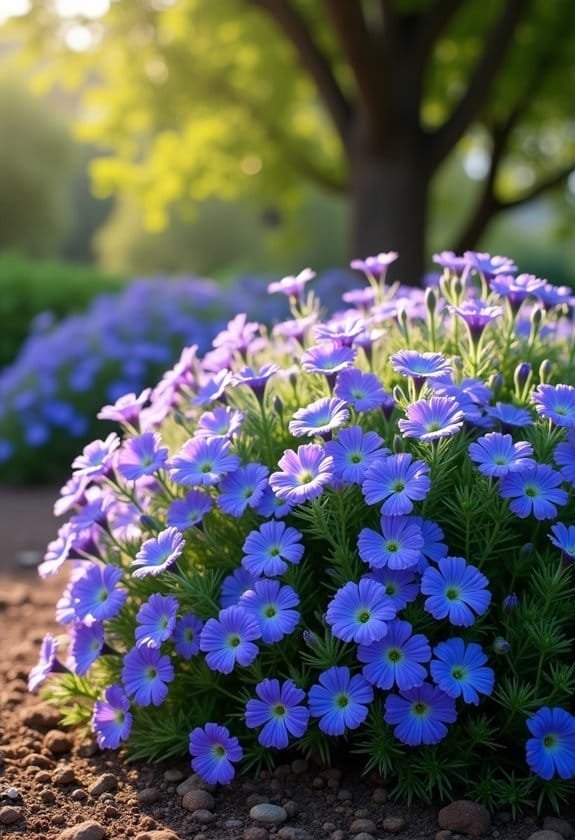
Gilia capitata flourishes under the warm embrace of full sun, making it essential to provide sufficient light for peak growth.
This drought-tolerant annual prefers well-drained, moderately fertile soil, ideally sandy or rocky, and requires occasional watering—no more than twice monthly during the hot summer months.
With its remarkable ability to self-sow, this resilient plant can return year after year, beckoning to gardeners with minimal maintenance and vibrant blooms.
Light
Full sun is essential for Gilia capitata, as it thrives when exposed to at least six hours of direct sunlight daily. This enchanting plant flourishes best in these bright conditions, which notably encourage its vigorous growth.
While it can tolerate partial shade, ideal blooming and overall plant health are garnered when Gilia capitata resides in sunlit areas. Increased exposure to sunlight catalyzes the development of its intriguing blue flowers, a hallmark of this delightful species.
Moreover, Gilia capitata prefers well-drained soils, exemplifying its adaptation to dry environments. This ability to thrive in well-drained, arid conditions makes the plant a perfect candidate for drought-tolerant gardens, where water conservation is essential.
In regions characterized by warmer climates, providing some afternoon shade can be advantageous during the hottest summer hours, alleviating heat stress and ensuring continued growth.
Soil
When growing Gilia capitata, well-drained and moderately fertile soil is essential for its success. This plant flourishes in conditions similar to its native habitats, which often include sandy or rocky substrates. While it can tolerate clay soil, achieving a superior growing environment necessitates good drainage; waterlogged conditions can adversely affect growth.
The ideal soil pH for Gilia capitata ranges from 6.0 to 7.0, promoting the availability of key nutrients essential for healthy development. To improve soil quality, adding amendments such as compost before planting can greatly enhance nutrient content, fostering robust plant vitality.
Even though Gilia capitata demonstrates adaptability to various soil types, it's important that the soil remains moderately fertile without being overly rich. This balance allows the plant to experience some drought conditions, which are instrumental for its thriving.
Successful cultivation of Gilia capitata hinges upon understanding these soil requirements, ensuring that gardeners create a supportive foundation for this delightful annual herb. By catering to its specific soil preferences, one can achieve flourishing plants adorned with striking blue thimble flowers, embodying the beauty of nature's resilience.
Water
Proper watering is vital for the health of Gilia capitata, as this plant thrives in conditions that favor low water use and drought tolerance. Watering requirements for Gilia capitata are minimal, with only twice a month recommended during the drier summer months. Overwatering can harm the plant, leading to root rot or other complications.
The flower flourishes best in well-drained soil, which prevents water from pooling and creating overly saturated conditions. This aspect of its care is essential, as even clay soils can support Gilia capitata, provided they drain efficiently.
Establishment is a significant phase for this resilient plant, as it can self-sow, returning each spring with very little additional watering required. Once established, its need for water diminishes substantially, reinforcing its suitability for xeriscaping and dry garden designs. Additionally, like Orpine, Gilia capitata exhibits excellent drought resistance, ensuring it remains vibrant even in challenging conditions.
With proper management, gardeners can enjoy the vibrant blooms of Gilia capitata while conserving water. Consequently, aspiring cultivators should guarantee proper drainage and a mindful watering routine to nurture this drought-tolerant species effectively, allowing it to thrive in diverse environments while showcasing its unique beauty.
Temperature
Gilia capitata flourishes in warm climates, ideally thriving in temperatures between 60°F to 75°F (15°C to 24°C). This remarkable plant exhibits a robust tolerance for a range of temperatures, making it perfectly suited for drought-tolerant gardens. When placed in environments that mimic its natural habitat—dry and warm—Gilia capitata achieves peak growth and blooms from late spring to midsummer, as long as temperatures remain below 85°F (29°C).
However, during its early growth stages, it's crucial to note that Gilia capitata is frost-sensitive. Consequently, gardeners should protect this delicate species from freezing temperatures that could jeopardize its development. A well-timed planting, ideally after the last frost, can guarantee a strong start.
Moreover, Gilia capitata thrives with minimal watering, typically requiring no more than two waterings per month throughout the sweltering summer heat. Additionally, healthy pollinator habitats are essential as they support Gilia capitata's growth and contribute to overall ecosystem health.
Pollinator Criteria
Gilia capitata serves as an essential nectar source, attracting a diverse array of pollinators, including native bees and butterflies.
The plant's unique structure, with clusters of 50-100 small flowers, offers accessible foraging opportunities, while its blooming period aligns perfectly with the active months of these crucial species. Additionally, Gilia capitata's early blooming period is vital for sustaining pollinator populations in their habitats, similar to the role played by Common Cowslip.
Understanding the specific pollination methods utilized by these insects reveals the intricate relationships that underscore the health of ecosystems supported by Gilia capitata. Additionally, wild strawberries also play a significant role in supporting pollinator populations in their habitats.
Attracted Pollinators
The Blue Thimble Flower, known scientifically as Gilia capitata, attracts a diverse array of pollinators thanks to its abundant nectar and vibrant blooms. Serving as a significant nectar source, this enchanting flower draws in bees and butterflies from late spring to midsummer, providing essential resources for their survival and reproduction.
With clusters consisting of 50 to 100 small, fragrant flowers, Gilia capitata guarantees that pollinators have ample nourishment. The intriguing lavender-blue flowers not only entice native bees but also contribute to enhancing local biodiversity, which is crucial for ecosystem stability. Additionally, many of these pollinators, like butterflies and bees, play a vital role in promoting the overall health and productivity of various plant species.
As bees and butterflies flit among the blooms, they engage in a critical symbiotic relationship that fosters the growth of surrounding flora. Additionally, Gilia capitata's self-sowing capabilities create a continuous supply of flowers year after year, assuring a persistent haven for pollinators without the need for replanting.
Pollination Method
In the vibrant world of pollination, Gilia capitata stands out for its effective attractants that lure in pollinators like bees and butterflies. These enchanting Blue Thimble Flowers feature spherical inflorescences, housing 50 to 100 small flowers, which secrete rich nectar, enticing various pollinators.
During the bloom period from late spring to midsummer, these plants provide a consistent and imperative food source, supporting diverse pollinator populations.
The visual appeal of these flowers, with colors ranging from white to lavender and light blue, serves as a beacon for pollinators searching for nectar. This color diversity not only enhances aesthetic value but also increases visitation rates among bees and butterflies, vital for effective pollination.
Gilia capitata, known for its low water requirements and drought tolerance, emerges as a sustainable option for pollinator gardens, considerably reducing irrigation needs.
Furthermore, the plant's ability to self-seed guarantees a continuous support system for pollinators year after year, allowing ecosystems to flourish.
In this harmonious relationship between Gilia capitata and its pollinators, the natural world finds resilience and beauty, illustrating the importance of such symbiotic connections.
Care & Maintenance
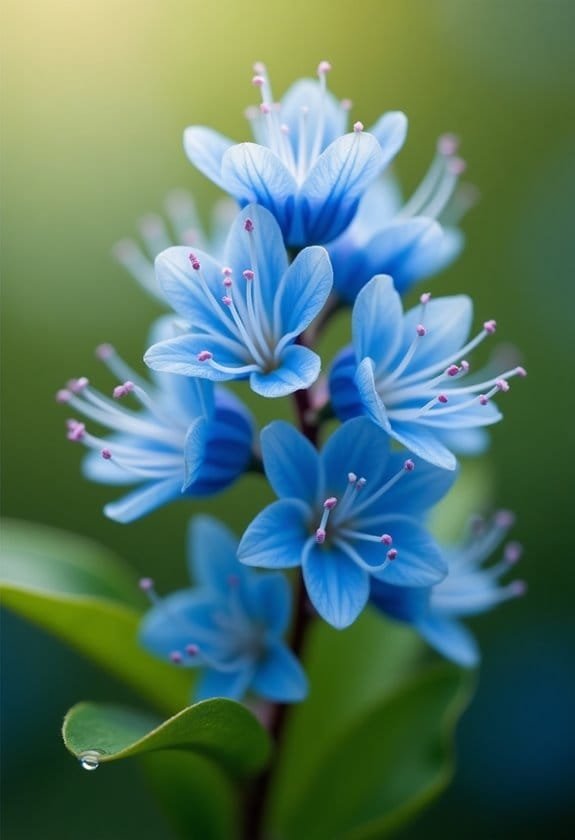
When it comes to the care and maintenance of Gilia capitata, understanding its resilience is essential.
With minimal ongoing care, this plant thrives in full sun, self-sowing each spring. Yet cutting it back after blooming encourages robust new growth.
Companion planting effectively enhances its beauty, creating a vibrant garden ecosystem while managing reseeding in crowded areas.
Planting Tips
For successful planting of Gilia capitata, gardeners should direct sow seeds in early spring or fall, especially in warmer areas. This plant thrives best in well-drained, moderately fertile soil, making it crucial to incorporate compost prior to planting. The addition of compost not only provides necessary nutrients but also helps improve soil structure, which is essential for the growth of this drought-tolerant annual.
To enhance germination, gardeners may choose to stratify seeds for about two weeks before planting. However, it's significant to mention that this pretreatment isn't mandatory for successful growth.
Once established, the plant flourishes with minimal water. As a result, limiting watering to a maximum of twice a month during the summer is advisable, as Gilia capitata prefers dry conditions and can be prone to overwatering.
After flowering, cutting back the plant can spur new growth and potentially encourage additional blooms later in the season, providing further enjoyment for gardeners.
Ongoing Care
Ongoing care for Gilia capitata revolves around minimal maintenance, making it an ideal choice for low-effort gardens. This perennial thrives effortlessly in drought-like conditions, requiring just two waterings each month during the scorching summer heat.
After the vibrant blooms fade, cutting back the plant encourages robust new growth and may even induce a second round of flowering, enhancing the visual allure in the garden.
For best results, gardeners should sow seeds directly into the soil from autumn to early spring. This timing maximizes the plant's ability to germinate, particularly when seeds undergo a stratification period of approximately two weeks.
Gilia capitata is a remarkable self-seeder, allowing the plant to emerge anew each spring without demanding special care or replanting.
Moreover, deadheading spent blooms not only promotes additional flowering but also contributes to the overall aesthetic appeal, creating a lush and colorful display.
By adhering to these simple practices, gardeners will enjoy the beauty of Gilia capitata with very little effort, harmonizing low maintenance with an enchanting garden presence.
With its unique adaptability, this species proves to be a valued addition to various landscapes.
Suggested Companions
Pairing Gilia capitata with suitable companions can enhance both aesthetics and functionality in the garden. Its drought tolerance allows it to flourish alongside other drought-tolerant species, creating a low-maintenance, water-efficient landscape. Hardy annuals like poppies offer a stunning visual contrast, contributing vibrant colors and varied bloom times. Together, they cultivate an inviting atmosphere for human eyes and pollinators alike.
In selecting companion plants, consider those that attract similar pollinators, such as lavender and yarrow. These plants not only enhance biodiversity but also promote a bustling garden ecosystem, teeming with beneficial insects. Additionally, incorporating drought-resistant species like Echium vulgare can enhance local biodiversity by providing additional food sources for pollinators. Furthermore, the self-sowing nature of Gilia capitata supports neighboring annuals, lending a naturalized look that minimizes upkeep.
When planting Gilia capitata, confirm compatibility in soil preferences; it thrives best in well-drained, moderately fertile conditions. Water Forget-Me-Not is another excellent companion that provides reliable food sources for pollinators while adding vibrant blue blooms to your garden. This synergy fosters healthy growth and vibrant displays throughout the seasons.
Ultimately, the chosen companions will create a dynamic space where ecological balance and beauty converge, inviting both gardeners and wildlife into a mutually rewarding environment.
Common Issues
Gilia capitata proves to be a remarkably resilient plant with few pest and disease issues, yet it's not without challenges that gardeners should be aware of.
Overwatering, for instance, can stymie growth because this species thrives in well-drained, drought-prone environments.
Additionally, while self-sowing can enhance naturalized gardens, it may lead to unwanted spreads in more controlled landscapes, necessitating vigilance in maintenance practices.
Pests/Diseases
Gardeners appreciate Gilia capitata for its remarkable resilience, as this plant faces few major diseases or pest issues. This self-sowing annual is particularly valued for its drought tolerance, which minimizes its susceptibility to water-related diseases that frequently plague less hardy species. Its ability to thrive under dry conditions not only fosters a stable growth environment but also contributes to the broader ecological balance in the garden.
The fern-like foliage and vibrant blue flowers of Gilia capitata enhance biodiversity by attracting beneficial insects, such as predatory wasps, which naturally control harmful pests. With minimal intervention, these attractive features allow biodiversity to flourish, further reducing pest populations.
Regular practices, such as deadheading—the removal of spent flowers—can support overall plant health by minimizing the rare potential for fungal issues. However, such maladies are uncommon for this resilient species.
With its self-regeneration and robust nature, Gilia capitata stands as an exceptional choice for gardeners looking to cultivate a vibrant landscape while minimizing concerns regarding pests and diseases. By incorporating Gilia capitata, enthusiasts can enjoy a healthy, sustainable garden ecosystem.
Solutions
When cultivated properly, Gilia capitata can thrive with minimal intervention, addressing common gardening concerns effectively. This remarkable plant isn't only drought-tolerant but also self-sowing, ensuring it returns each spring without the need for replanting.
Gardeners appreciate how this low-maintenance flower requires watering a maximum of twice a month during summer, effectively reducing the risk of overwatering issues.
Moreover, Gilia capitata typically experiences minimal pest and disease challenges, making it an ideal choice for various garden settings. To enhance germination rates, employing a period of cold stratification can be beneficial; this process mimics natural seasonal variations and aids in seed sprouting.
Additionally, regular deadheading after blooming considerably encourages new growth and potentially extends the flowering period throughout the season. By removing spent flowers, gardeners not only maintain the plant's aesthetic appeal but also stimulate further blooming.
Therefore, the combination of self-sowing attributes, low maintenance demands, and drought resilience positions Gilia capitata as a savvy choice for anyone seeking to cultivate beauty in their garden with ease.
Summary
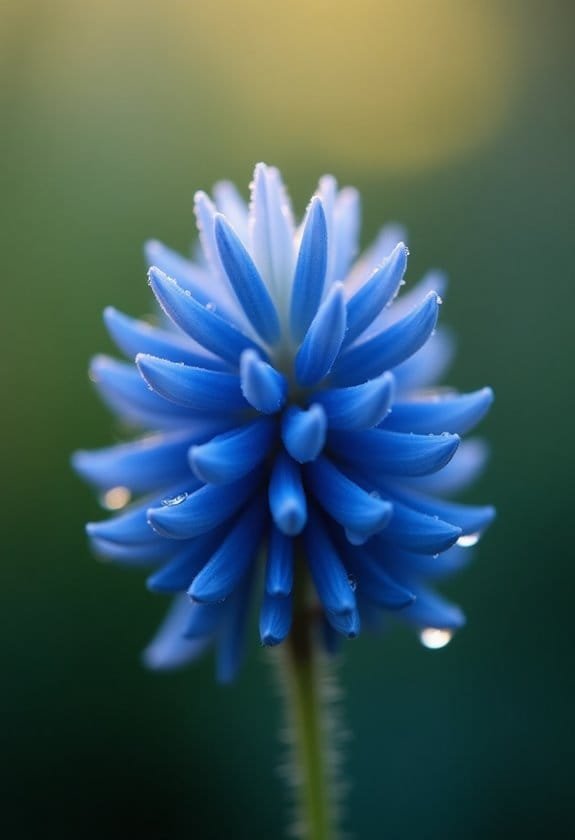
Known as the Blue Thimble Flower, Gilia capitata stands out for its drought tolerance and beautiful powder-blue blooms. This stunning annual herb, native to western North America, thrives in sandy or rocky soils, showcasing elegant ferny foliage.
Gilia capitata typically grows between 6 to 24 inches in height and produces dense clusters of 50 to 100 enchanting blue flowers from late spring to mid-summer. These blooms are particularly attractive to native bees and butterflies, making the plant an essential element in pollinator-friendly gardens.
With minimal maintenance required, Gilia capitata self-sows effectively, ensuring a vibrant return each spring without the need for special care. Its adaptability to various soil conditions—including clay—allows it to flourish in diverse landscapes, particularly in cottage and rock gardens where it enjoys full sun exposure.
Additionally, the absence of significant pests or diseases marks this resilient species as an ideal choice for gardeners aiming to support local wildlife. The plant's ecological role as a significant nectar source aligns with the importance of pollinator relationships, particularly as many species depend on such plants for sustenance.
In essence, Gilia capitata not only enhances garden aesthetics with its enthralling blossoms but also plays a vital role in sustaining local biodiversity by inviting native bees and other pollinators into the ecosystem.