The *Hebe* genus includes over 100 species chiefly native to New Zealand, characterized by various heights, leaf shapes, and vibrant flower colors. These evergreen shrubs thrive in USDA Zones 7 and 8B, ideally requiring well-drained soil and at least six hours of sunlight daily. Many species, such as *H. cupressoides* and *H. buxifolia Pattys Purple*, grow between 0.5 and 1 meter tall, while others can reach up to 2.5 meters. They attract pollinators, fostering biodiversity within urban ecosystems, and require careful maintenance, including watering and pruning. Exploring these intriguing species further reveals their ecological importance and ideal growing conditions.
Main Points
- *Hebe* is a diverse genus with over 100 species, mainly found in New Zealand, showcasing various heights and vibrant flower colors.
- Optimal growth conditions for *Hebe* include full sun and well-drained soil, with careful water management especially for young plants.
- These evergreen shrubs flower from late spring to early autumn, attracting essential pollinators like bees and butterflies to gardens.
- Maintenance involves regular watering, pruning, and companion planting with drought-tolerant perennials to enhance garden aesthetics and biodiversity.
- Some *Hebe* varieties exhibit cold hardiness and resistance to deer and rabbits, supporting sustainable gardening in challenging environments.
Introduction
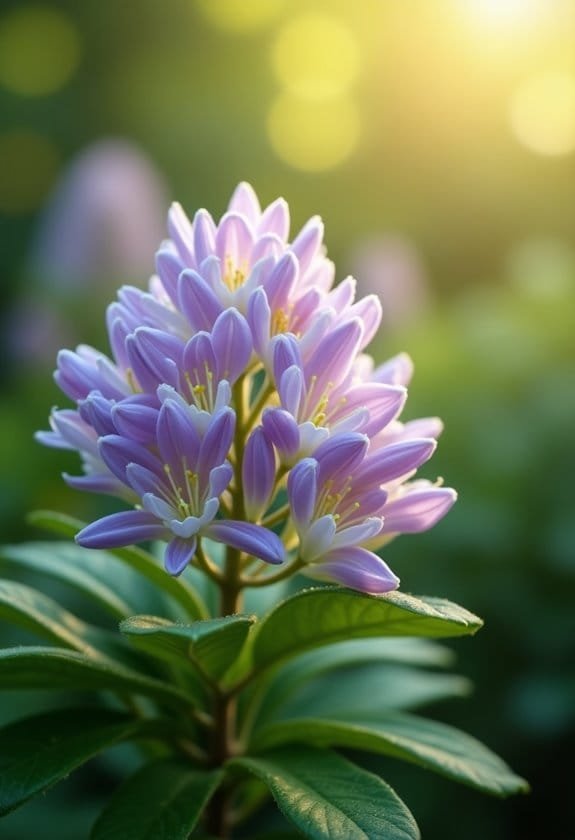
Hebe species, also known informally as hebe plants, belong to the genus *Veronica* within the family Scrophulariaceae, encompassing more than 100 distinct species.
These resilient plants, primarily native to New Zealand, exhibit a remarkable diversity in heights, leaf structures, and flowering hues, making them cherished components of temperate gardens worldwide.
With their ability to thrive in a range of climates and their stunning blooms that attract essential pollinators, Hebes are increasingly recognized for their ornamental value and ecological benefits.
Common Name
Often called shrubby veronicas, Hebe species are cherished for their vibrant foliage and beautiful blooms. These evergreen shrubs, native to New Zealand, range in height and exhibit distinct leaf shapes and flower colors, including striking white, pink, purple, and blue hues, enthralling gardening enthusiasts across various climates.
With over 100 species available, gardeners can select the varieties that best complement their landscape designs.
Hardy hebes thrive particularly well in USDA Zone 7, making them ideal for locales like Portland, where they flourish in well-drained soils and bask in full sun conditions. This adaptability enhances their appeal as versatile ornamental plants.
Remarkable cultivars, such as Hebe Caledonia, Champion, and Karo Golden Esk, have garnered the Royal Horticultural Society's Award of Garden Merit for their exceptional visual impact.
The Hebe Society, founded in 1985, underscores the significance of these plants, promoting their conservation and cultivation. By emphasizing their role in temperate gardens and coastal landscapes, the society helps promote the enduring presence of these stunning evergreen shrubs, which continue to delight both novice and experienced gardeners alike, painting outdoor spaces with a palette of rich colors and textures.
Scientific Name
The scientific classification of Hebe species highlights the fascinating complexities of plant taxonomy. Originally classified under its own name, the genus *Hebe* now resides within the broader genus *Veronica*. This shift underscores the evolving nature of scientific understanding.
With over 100 distinct Hebe varieties, they exhibit notable diversity in height, leaf shape, and flower color, including hues ranging from white to vibrant pinks, purples, and blues. The distinctive arrangement of their flowers in spikes may complicate identification, particularly when the species aren't in bloom.
The scientific name is pivotal in recognizing these variations. Common notable species include *Hebe cupressoides*, *Hebe speciosa*, and *Hebe andersonii*. Each of these varieties not only showcases unique characteristics—such as differing foliage textures or growth habits—but also adapts well to diverse temperate gardening settings, primarily thriving in USDA zones 7-8.
The classification and identification process, while intricate, allows gardeners and botanists alike to appreciate the multifaceted beauty and ecological importance of the Hebe species, underscoring the necessity for accurate scientific names to foster informed horticultural choices and conservation efforts.
Overview
Known for their striking beauty and versatility, Hebe species capture the attention of gardeners and botanists alike. Formerly categorized under their own genus, these plants now reside within the broader genus Veronica, encompassing over 100 species that showcase ornamental evergreen foliage and stunning summer flowers.
Flourishing in well-drained soils with ample sunlight, Hebe plants are particularly suited to sunny borders and coastal gardens, exhibiting resilience against salt-laden winds.
The flowers, forming delightful clusters, display a vibrant array of colors, including white, pink, purple, and blue, with peak blooming typically occurring during summer months.
These fascinating species vary in size, from diminutive shrubs to small trees, with some climbing to impressive heights of up to 7 metres (23 feet). The Hebe Society champions the cultivation and conservation of these unique plants, highlighting their significance within temperate gardens.
Emphasizing adaptability, Hebe species thrive in diverse soil types, making them a highly valuable addition to any landscape.
Ultimately, the allure of Hebe species lies not just in their aesthetic appeal, but also in their functional benefits, solidifying their status as enduring favorites among horticulturists and garden enthusiasts.
Key Features
Hebe species present a remarkable diversity in growth size and appearance, ranging from compact varieties that reach about 30 centimeters to more expansive forms exceeding 1 meter.
Their foliage, characterized by unique leaf arrangements in four perpendicular rows, enhances their striking aesthetics, while the flowering season generally spans from late spring to early autumn, showcasing vibrant spikes of blooms.
This versatility not only enriches gardens but also underscores Hebe's adaptability, making them invaluable for both ornamental use and ecological health.
Growth Size
Variety stands out among Hebe species when it comes to growth size, with some reaching impressive heights while others stay compact. For instance, the diminutive H. Youngii can reach only 20 cm, showcasing one extreme of growth size. In contrast, larger varieties like H. × andersonii can soar to a towering 2.5 meters, illustrating the remarkable diversity within this genus.
Compact varieties, such as H. pinguifolia Pagei, typically reach heights between 0.1 and 0.5 meters, making them superb choices for ground cover in various landscapes.
Many Hebe species and cultivars maintain a compact form, with mature sizes ranging from 0.5 to 1 meter, exemplified by varieties like H. Wiri Charm and H. buxifolia Pattys Purple. Curiously, the hardiness rating of each species often influences its growth size, with the hardiest varieties proving resilient in different climatic conditions without compromising their dimensions.
Additionally, a few species display significant spread, such as H. cupressoides Boughton Dome, achieving a spread of nearly 1 meter while adhering to a compact height profile. Together, these traits create a dynamic selection for gardeners.
Appearance
Distinctive features set Hebe species apart in the landscape, showcasing their ornamental value. These remarkable plants display leaves arranged in four perpendicular rows, growing in opposite decussate pairs, creating a striking structural appearance. The variety of leaf shapes adds to their charm, ranging from narrow, elongated forms to broader leaves, some adorned with striking edges or unique patterns that intrigue the observer.
Hebe species, with their perfect flowers, further enhance their aesthetic appeal. Each flower typically features a corolla comprised of four slightly unequal lobes along with two stamens, often arranged in fascinating spikes that create a visual symphony. The flowers bloom in an array of colors, including white, pink, purple, and blue, adding splashes of vibrancy to gardens and landscapes alike.
These plants vary in size, from compact dwarf shrubs to impressive specimens reaching up to 7 meters (23 feet) in height, depending on the species. The combination of colorful flowers and diverse leaves not only creates a dynamic visual interest but also establishes Hebe species as sought-after focal points in horticulture, leaving a lasting impression on any garden.
Flowering Season
During the flowering season, Hebe species showcase a vibrant display that captivates gardeners and nature enthusiasts alike. Generally, these plants exhibit a long flowering period stretching from late spring to early autumn, with peak blooming occurring during the summer months.
The flower clusters, characterized by a cloud-like appearance, vary in color among species, presenting shades of white, pink, purple, and blue.
The intensity and timing of flowering can differ based on the specific species and the local climate conditions, influencing overall blooming performance considerably. Most varieties of Hebe bloom gloriously during summer, while some continue to produce flowers in late summer and even into early autumn, extending the season of interest within gardens.
This ongoing display not only enchants observers but also plays a crucial role in enhancing garden biodiversity.
During their blooming periods, many Hebe varieties attract important pollinators like butterflies and bees, fostering ecological interactions and supporting the local environment.
As a result, incorporating Hebe species into gardens not only enriches the aesthetic appeal but also contributes positively to wildlife, making them a valuable choice for conscientious gardeners.
Growing Requirements
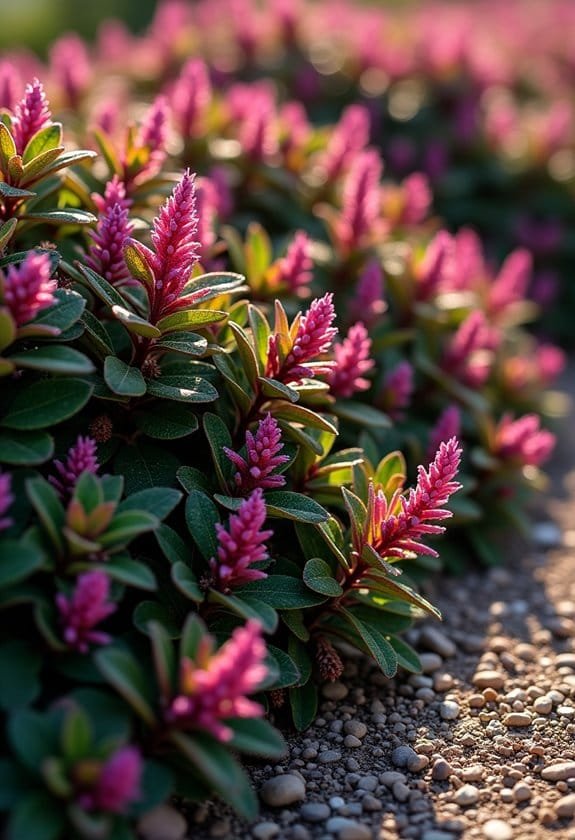
Growing Hebe species requires careful attention to several environmental factors, including light, soil, water, and temperature.
These plants flourish in well-drained soils that bask in full sunlight, ideally receiving at least six hours of direct sunlight each day to stimulate vigorous growth.
Additionally, maintaining consistent moisture, particularly during arid spells, greatly supports their development and creates a thriving garden display.
Light
Successful Hebe cultivation hinges on the key element of light, as these plants flourish in full sun. Typically, Hebe species thrive best when they receive several hours of direct sunlight each day, which greatly supports their growth and flowering. Full sun exposure not only enhances their vibrant foliage but also promotes robust blooms, adding color to gardens throughout the growing season.
For best results, gardeners should place Hebe plants in locations where they'll bask in sunlight, avoiding shaded areas that might impede their development.
While most varieties can adapt to various soil types, their performance can decline without sufficient light, compromising their overall health. It's important to remember that compact varieties, such as H. Wiri Cloud, thrive under these conditions but may require additional winter protection, particularly in colder climates.
In essence, ensuring adequate sunlight is critical for the prosperity of Hebe species. As these resilient plants mature, they'll become more drought-resistant, only necessitating attention when the top soil becomes dry.
Consequently, when planning a garden, it's fundamental to prioritize full sun exposure to facilitate flourishing Hebes year after year.
Soil
Hebe species thrive in well-drained soils that provide excellent drainage to prevent root rot, an essential aspect for their overall health. These versatile plants show adaptability, favoring a variety of soil types, such as sandy, loamy, and even chalky soils.
Their ability to tolerate a range of pH levels—typically from mildly acidic to neutral—further enhances their appeal in diverse gardening settings.
When cultivating Hebes in containers, using high-quality potting soil becomes paramount, ensuring that plants receive adequate moisture and essential nutrients.
While young Hebe plants require regular watering for successful establishment, mature specimens demonstrate a remarkable resilience to drought, needing water only when the topsoil reveals dryness.
Additionally, mulching once per year serves a dual purpose of retaining soil moisture and regulating temperature, fostering healthier growth conditions. This organic layer acts like a protective blanket, moderating the environment around the roots.
Consequently, providing the right soil conditions for Hebe species not only prevents root rot but also enhances their vigor, promoting lush foliage and vibrant blooms that delight any garden enthusiast.
Water
Water management plays a key role in the cultivation of Hebe species, as these plants thrive in consistently moist soil without becoming waterlogged. Regular watering is essential, especially during dry spells, since Hebes aren't drought tolerant. Newly planted specimens require frequent irrigation to establish a robust root system, while mature plants can occasionally endure brief periods of drought.
However, it's important to balance soil moisture; overwatering can lead to root rot, particularly in poorly drained soils. To optimize water management, gardeners must pay close attention to their soil's drainage characteristics.
Hebes prefer well-drained substrates, such as sandy or chalky soils, that facilitate rapid water movement away from the roots. Implementing mulch once a year not only helps retain soil moisture but also minimizes weed competition, fostering healthier plants.
It's a form of protective cover, akin to a warm blanket, sheltering the soil from extreme temperature fluctuations. When cultivating Hebe species, maintaining appropriate soil moisture levels is crucial for vibrant growth and overall plant health, ensuring these striking plants thrive in their garden environment.
Temperature
A suitable environment for Hebe species hinges on their temperature preferences and hardiness. Generally, these plants flourish in USDA hardiness zones 7 to 8B, perfectly suited for regions like Portland.
Cold hardiness varies considerably among different species; for instance, H. cupressoides and H. propinqua are among the most robust, while larger-leaved varieties often exhibit less tolerance to harsher conditions.
For optimum growth, it's essential to understand that temperatures as low as 27°F can drastically affect Hebe survival, leading to varying degrees of cold damage. This exposure can manifest itself in compromised foliage and diminished health, as the plants struggle to regain strength.
Severe winter damage can prolong recovery, sometimes requiring 2-3 years, especially if subsequent winters continue to be mild.
Understanding these temperature dynamics not only aids in selecting appropriate Hebe varieties but also informs gardeners about important care practices. By prioritizing species with suitable cold hardiness, horticulturists can guarantee the longevity and robustness of their Hebe specimens, enabling these beautiful plants to withstand winter's challenges effectively.
Pollinator Criteria
Hebe species flourish with their abundant blooms, attracting a diverse array of pollinators such as bees and butterflies.
With their long-lasting inflorescences in vibrant colors, these plants become essential foraging resources, especially during their flowering period from late spring to early autumn.
The combination of high nectar production and the structural features of Hebe varieties creates an inviting environment, not just for pollinators, but also for enhancing local biodiversity.
Attracted Pollinators
Attracting a diverse array of pollinators, Hebe species flourish during their extended flowering seasons from late spring to early autumn.
The unique morphology of their flowers, characterized by spikes adorned with corollas featuring four unequal lobes, makes them particularly inviting to creatures like butterflies and bees. These blooms, which peak in summer, produce ample nectar, serving as irresistible food sources for a wide variety of pollinators.
Some cultivars, such as Hebe Champion and Hebe Caledonia, are especially notable for their extraordinary nectar and pollen production.
This excess not only draws in pollinators but also boosts their activity, creating a vibrant scene in any garden.
The long-lasting floral displays guarantee that these plants remain appealing throughout the warm months, contributing considerably to local biodiversity. Additionally, like the Rough Hawkbit, Hebe species play a role in attracting diverse pollinator populations, which enhances urban biodiversity and supports ecosystem stability.
Pollination Method
How do Hebe species enhance their chances of successful pollination? These remarkable plants mainly depend on insect pollinators, such as bees and butterflies, which are irresistibly drawn to their abundant, vibrant flowers. The unique structure of the flowers features spike-shaped inflorescences, providing convenient landing platforms for these essential creatures. In this way, Hebes create a welcoming environment for pollinators, simplifying the process of nectar collection.
Pollination occurs primarily during the peak flowering season, which ranges from late spring to early autumn, depending on species and climatic conditions. Many hebe varieties encourage cross-pollination, which considerably boosts genetic diversity within their populations, fostering resilience against environmental changes. The production of nectar serves as a delightful reward for pollinators, further enhancing the likelihood of successful pollination.
Ultimately, the interdependence between Hebe species and their pollinators exemplifies a beautiful ecological relationship, where flowers not only thrive but also secure future generations through the intricate dance of life.
This synergy underscores the essential role of insect pollinators in sustaining diverse plant communities, highlighting the delicate balance within ecosystems that support their survival.
Care & Maintenance
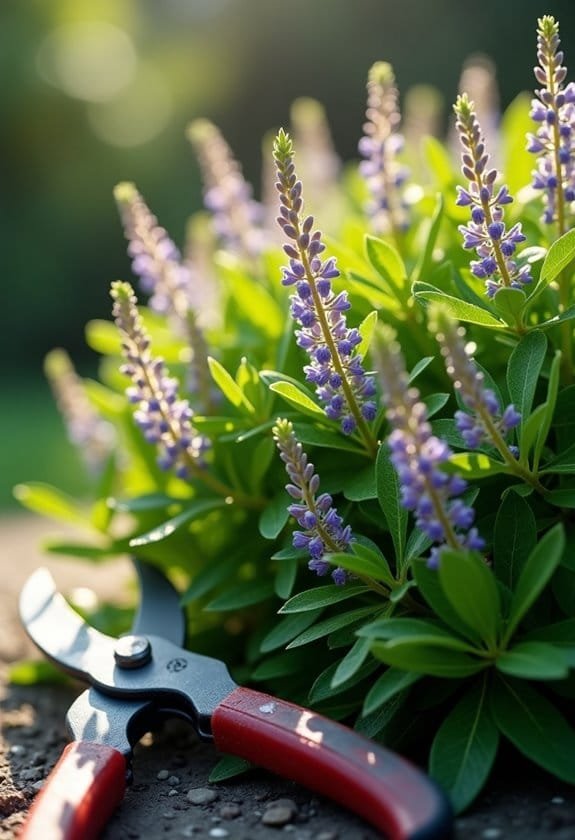
Caring for Hebe plants requires attention to their specific needs, starting with well-drained soil and full sunlight.
Regular watering fosters robust growth, particularly during dry spells, while annual mulching enhances moisture retention and soil quality.
Ensuring ongoing care, including timely pruning and vigilant monitoring for pests, profoundly influences their health and longevity in a garden setting.
Planting Tips
Successful care and maintenance of Hebe species begins with choosing the right conditions for planting. These plants flourish in full sun, and proper light exposure encourages robust growth and flowering. Securing well-drained soil is essential, as it prevents waterlogging, which can lead to detrimental conditions like Phytophthora root rot, a significant pest and disease concern for Hebe.
When establishing young Hebe plants, reliable watering practices are necessary to avoid drought stress. Regular watering not only aids in their settlement but also supports their future resilience, as mature Hebe species exhibit some drought resistance.
Additionally, annual mulching with organic materials enhances moisture retention and insulates the roots against harsh temperature fluctuations, particularly beneficial in colder regions.
For ideal health, light pruning post-bloom fosters compact growth and energy. In cases of older plants requiring rejuvenation, employing severe pruning techniques can stimulate new growth from old wood, enhancing their longevity.
Ongoing Care
To guarantee Hebe species flourish throughout the growing season, consistent ongoing care is important.
These plants thrive in full sun, requiring several hours of direct sunlight daily to achieve ideal growth. Regular watering is essential, especially for younger specimens, as hebes are sensitive to drought conditions and need consistent moisture during dry spells to prevent stress.
Additionally, applying mulch once a year can greatly enhance the health of hebes by retaining soil moisture and regulating temperature fluctuations. This simple practice also reduces competition from weeds, allowing the plant's natural growth to shine.
Light pruning after flowering, particularly in autumn, aids in maintaining a compact form and fosters new growth for the subsequent season.
Routine inspections for pests and diseases shouldn't be overlooked. Issues such as root rot and leaf spots can compromise a plant's health. By identifying these problems early, gardeners can implement effective measures to preserve the health and vigor of their hebes.
Through diligent ongoing care, including proper sunlight exposure and regular watering, gardeners can cultivate robust and vibrant Hebe species that make splendid additions to any landscape.
Suggested Companions
Incorporating Hebe species into garden designs becomes even more rewarding when complemented with the right companion plants. Drought-tolerant companions like lavender and rosemary thrive alongside Hebes, forming a resilient, low-maintenance garden.
These aromatic plants flourish in well-drained soils, creating an efficient irrigation harmony, which reduces the frequency of watering.
Additionally, incorporating flowering perennials such as salvia or sedum enhances seasonal color, appealing to the eye while attracting pollinators like butterflies and bees. Such dynamic interactions among plants boost biodiversity, promoting a healthy ecosystem.
Furthermore, adding ornamental grasses like blue fescue provides textural contrast to the solid foliage of Hebes, enriching visual interest in garden borders. For ideal health, companion plants must share similar watering needs, as Hebes require regular moisture without the risk of detrimental waterlogging.
For a much-structured landscape, pairing Hebes with shrubs like boxwood or dwarf conifers guarantees a cohesive aesthetic, while also matching light requirements—most prefer full sun.
Common Issues
Hebe species often face several common issues that can threaten their health and vigor.
Pests and diseases like Phytophthora root rot, leaf spot, and downy mildew lurk beneath the surface, compromising the plant's ability to thrive.
To guarantee robust growth, gardeners must remain vigilant, employing targeted solutions that address these challenges promptly and effectively.
Pests/Diseases
Pests and diseases pose important challenges to the health of Hebe species, making vigilance essential for gardeners. One of the most detrimental issues is Phytophthora root rot, a fungal disease that flourishes in waterlogged soil. This relentless pathogen induces wilting, an alarming precursor to the plant's demise if remediation efforts are delayed.
Another prevalent concern is leaf spot, largely attributed to fungal pathogens that manifest as unsightly brown or black lesions on leaves, noticeably detracting from the plant's overall aesthetic.
Furthermore, under humid conditions, hebes may succumb to downy mildew, characterized by yellowing leaves and a downy, greyish mold blanketing the undersides of affected foliage.
To combat these threats effectively, regular pest and disease checks are imperative. Hebes often attract aphids and scale insects, harmful pests that can weaken the plants and exacerbate their health issues.
Lastly, maintaining proper drainage and avoiding overwatering is vital. These practices safeguard against root-related diseases, ensuring the vibrancy and longevity of Hebe species.
Solutions
Gardening enthusiasts can effectively tackle common issues with Hebe species by adopting a few strategic practices.
Regular watering is essential, as these plants aren't drought tolerant; they require consistent moisture, particularly during dry spells. Maintaining well-drained soil is crucial to prevent root rot, which can result from overwatering.
Pruning after flowering considerably enhances the Hebe's form. Light pruning in autumn encourages healthy growth and maintains a compact structure, ensuring that the plant remains visually appealing and vigorous.
Annually applying mulch not only aids in moisture retention but also improves soil health, ultimately promoting robust blooms.
Hebe species exhibit varying cold hardiness; therefore, it's important to choose cultivars known for resilience in temperatures below 27°F. Some varieties are particularly adept at withstanding winter damage, enhancing their survival rate.
Regularly checking for pests and diseases, such as aphids and powdery mildew, is imperative for preventing infestations that could threaten plant health.
What Are the Similarities Between Hebe and Heliopsis Helianthoides?
Hebe and Heliopsis helianthoides, also known as smooth oxeye, have several similarities. Both plants belong to the Asteraceae family and produce clusters of daisy-like flowers. They also prefer full sun and well-drained soil. This smooth oxeye heliopsis helianthoides article will delve deeper into their shared traits and differences.
Summary
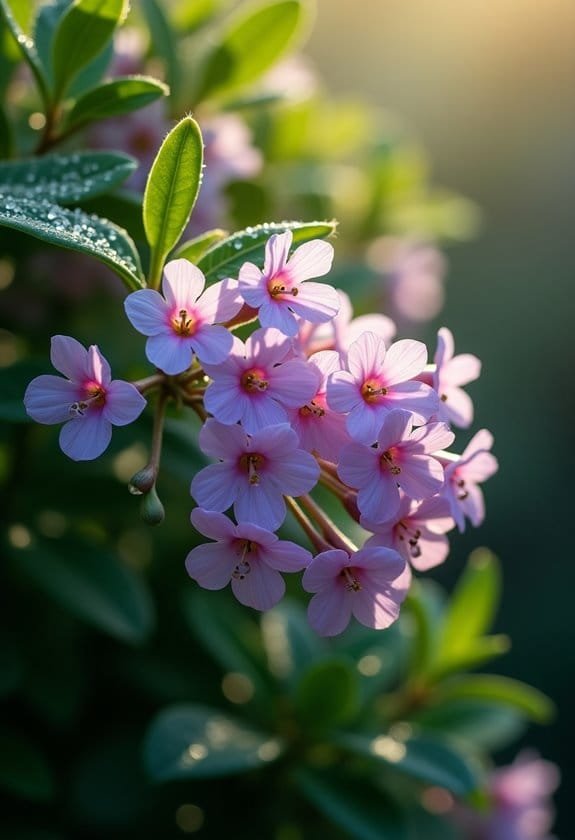
The Hebe species, now classified under the genus *Veronica*, are admired for their attractive foliage and vibrant flowers that bloom in a variety of colors from late spring to early autumn. These hardy shrubs contribute considerably to gardens, showcasing white flowers along with hues of pink, purple, and blue.
With over 100 species, the diversity within Hebe is remarkable, making these plants versatile choices for many landscapes. Thriving in well-drained soils with full sun exposure, Hebe species generally flourish in USDA zones 7 and 8B, although certain varieties require winter protection to withstand colder conditions.
Their unique ability to attract pollinators like butterflies and bees enhances local biodiversity, creating a dynamic ecosystem in garden environments. Regular watering, especially during dry spells, helps maintain their health and vibrance. Additionally, some varieties of Hebe are known for their deer and rabbit resistance, similar to Columbine, making them ideal choices for challenging garden environments.
Cold hardiness, however, varies among species; for instance, *H. cupressoides* exhibits impressive resilience, while others may succumb to extreme cold. Understanding these characteristics not only aids in their cultivation but also guarantees that gardeners can appreciate their beauty throughout the growing season, creating a vibrant spectacle of color and life.