Helenium species, often referred to as Helen's Flower or Sneezeweed, are enchanting perennials belonging to the Asteraceae family. These plants typically grow between 3 to 5 feet tall, spreading 2 to 3 feet wide, and exhibit vibrant yellow or bronze blooms from July to September. Thriving in full sun, they prefer acidic, well-drained soils, necessitating consistent moisture management to prevent root rot. Rich in nectar, Helen's Flowers attract various pollinators, enhancing biodiversity within local ecosystems. As they display striking colors and resilience, they serve as both functional and aesthetic additions to gardens, leading to further intriguing aspects of their cultivation and care.
Main Points
- Helenium species, also known as Helen's Flower or Sneezeweed, are native to the U.S. and southern Canada, thriving in full sun.
- They bloom from July to September, displaying vibrant yellow to bronze flowers, attracting pollinators like bees and butterflies.
- These flowers prefer acidic, well-drained soils and require regular watering and mulching to maintain consistent moisture.
- Helenium plants can grow 3 to 5 feet tall and should be spaced 3 to 4 feet apart to ensure adequate airflow and prevent disease.
- Regular deadheading and division every few years are necessary for maintaining plant vigor and enhancing growth.
Introduction
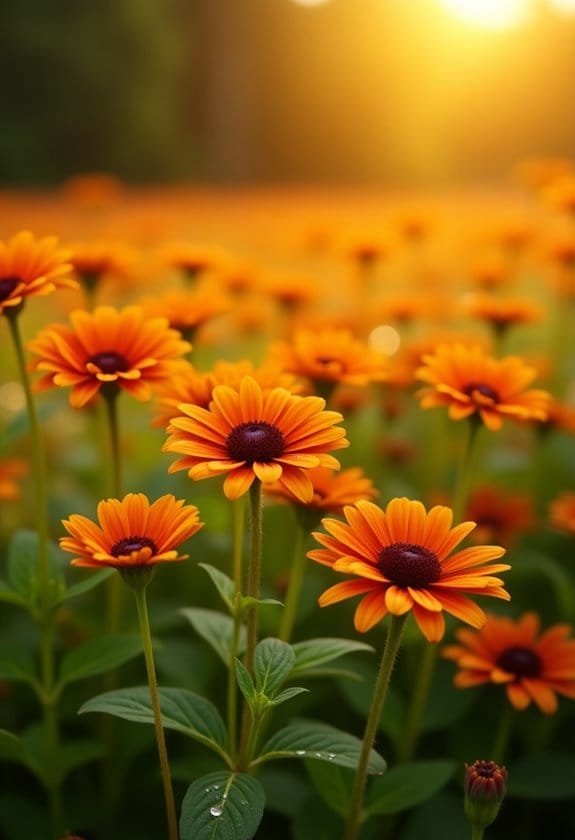
Helenium, often referred to as Helen's Flower or Sneezeweed, is a fascinating genus belonging to the Asteraceae family.
This group of flowering plants, native to the United States and southern Canada, showcases vibrant yellow blossoms that typically flourish from July through September.
Common Name
Many gardeners recognize Helenium autumnale by its common name, Sneezeweed, which reflects its historical use as an ingredient in snuff that induced sneezing. This native perennial plant, belonging to the Asteraceae family, thrives across the U.S. and southern Canada.
Standing at an impressive height of 3 to 5 feet, Sneezeweed expands between 2 to 3 feet wide, showcasing vibrant yellow flowers adorned with dog-toothed petals that captivate passersby. Blooming from July to September, Sneezeweed fills gardens with brilliant color, making it a valuable asset for late-summer landscapes. Its striking appearance both complements and contrasts with other garden favorites, such as echinacea, which tends to bloom earlier.
Sneezeweed prefers moister soils, a preference that highlights its adaptability and resilience in diverse environments. While the plant's common name harks back to its folkloric use, today, Sneezeweed is celebrated primarily for its striking visual appeal and ability to attract pollinators. Additionally, its vibrant flowers serve as crucial nectar sources, supporting the pollination services essential for many garden ecosystems.
Scientific Name
Recognized as Sneezeweed in the garden, Helenium autumnale carries a scientific name that reflects its botanical identity within the Asteraceae family. This native plant of the United States and southern Canada typically grows to a mature height of 3 to 5 feet, achieving a spread of 2 to 3 feet.
The genus name "Helenium" is believed to derive from the Greek word "helios," meaning sun, aptly highlighting the plant's preference for full sun exposure.
Blooming from July to September, Helenium autumnale showcases striking yellow dog-toothed petals that transform into a warm bronze in the early spring, signaling the arrival of autumn. This dynamic color change adds an alluring visual element to any garden space, appealing to gardeners and pollinators alike.
Helenium autumnale flourishes in acidic soils with good drainage but demonstrates an impressive tolerance for moist conditions. Such adaptability allows it to thrive in diverse environments, making it a resilient choice for a range of landscapes.
As gardeners consider planting this magnificent species, they embrace not only its beauty but also its ecological significance in supporting local wildlife.
Overview
As a vibrant addition to gardens, Helenium species, commonly known as Helen's Flower or Sneezeweed, offer both beauty and ecological benefits.
These native plants belong to the Asteraceae family and flourish primarily in the United States and southern Canada. Reaching heights of three to five feet, their striking yellow or bronze flowers bloom from July to September, creating a stunning visual display throughout the summer months.
Helenium thrives best in full sun, showcasing their resilience in well-drained, acidic soils, with a pH between 5.5 and 7.0. They prefer moist environments but require careful consideration to avoid overly boggy conditions.
Beyond their aesthetic appeal, these plants play a significant role in attracting pollinators, such as bees and butterflies, therefore supporting local biodiversity.
It's important to note that Helenium leaves contain toxic compounds, providing a natural defense against herbivores. This characteristic requires caution when handling the plants, ensuring gardeners appreciate their beauty while understanding their potential hazards.
Key Features
Helenium autumnale, or Sneezeweed, presents a striking growth size, reaching heights of 3 to 5 feet while spreading 2 to 3 feet wide.
Its vibrant yellow, dog-toothed petals, alongside a distinctive central cone shape, create a visual spectacle that blooms from July to September, shifting to warm bronze tones in the fall.
Ideal for late-season gardens, this perennial not only adds beauty but also attracts essential pollinators, showcasing its role in enhancing local biodiversity.
Growth Size
The impressive stature of Helenium species makes them standout additions to any garden. Helenium autumnale, or Helen's Flower, reaches a mature height of 3 to 5 feet and spans about 2 to 3 feet wide. This upright, clump-forming growth presents a striking silhouette, particularly against the backdrop of early summer blooms. They thrive in cottage gardens, where their vibrant colors attract pollinators and add charm.
For peak growth, these plants should be spaced 3 to 4 feet apart, guaranteeing good airflow and allowing their bold presence to shine. The robust structure sometimes requires staking to support the weight of the abundant flowers, particularly during bloom periods that typically last from July to September.
As summer shifts to fall, the blooming flowers' lush, yellow petals gracefully change to rich bronze hues, enhancing their visual appeal.
Helenium species enjoy a lifespan of about three years, after which they may require division and replanting to sustain vigor and liveliness. This meticulous care guarantees that their stunning displays continue to enliven landscapes, drawing admiration from garden enthusiasts and passersby alike.
Their dynamic growth and adaptability make them crucial contributors to vibrant garden design.
Appearance
Boasting vibrant blooms, Helenium species are visually striking with their bright yellow petals that surround a central cone, resembling coneflowers. Typically, these plants grow to a height of 3-5 feet and a width of 2-3 feet, forming upright clumps that create an impressive display in any garden.
The flowers, while initially radiant yellow, shift to a warm bronze hue as the season progresses, offering visual interest that lasts through the late summer months.
Helenium, commonly known as Helen's Flower, features lush and dense foliage, which supports the tall flowering stems, providing an attractive backdrop for any landscape. This thriving greenery not only enhances the aesthetic appeal but serves to frame the vibrant blossoms effectively.
For peak health and importance, gardeners should consider cutting back the plants early in the growing season. This practice encourages new growth and can lead to more abundant flowers.
Additionally, the deer-resistant nature of Helenium makes it an excellent choice for gardeners in areas where these animals are prevalent, ensuring that the stunning blooms remain unharmed throughout the growing season.
Flowering Season
With vibrant colors and distinctive shapes, the flowering season of Helenium species captivates garden enthusiasts. Helenium autumnale, known as Sneezeweed, showcases its striking dog-toothed yellow petals encircling a prominent central cone from July to September. This period, particularly during late summer, enhances the garden's aesthetics and creates an exhilarating spectacle. The flowering duration typically lasts for 1-2 months, especially when the plants receive ideal sunlight, ideally over six hours a day.
As the season shifts into fall, the blooms undergo a delightful metamorphosis, shifting to rich bronze hues that provide extended seasonal color and visual interest. This transformation not only pleases the eye but also prolongs the plant's appeal in the garden landscape.
Regular deadheading of spent flowers is essential; it encourages continuous blooming and diverts energy away from seed production, thereby promoting healthier growth.
Moreover, the unique appearance of Helenium attracts various pollinators, enhancing the ecological balance within the garden. By observing these plants during their flowering period, gardeners contribute to a vibrant ecosystem while enjoying the spectacular display of nature's artistry.
Growing Requirements
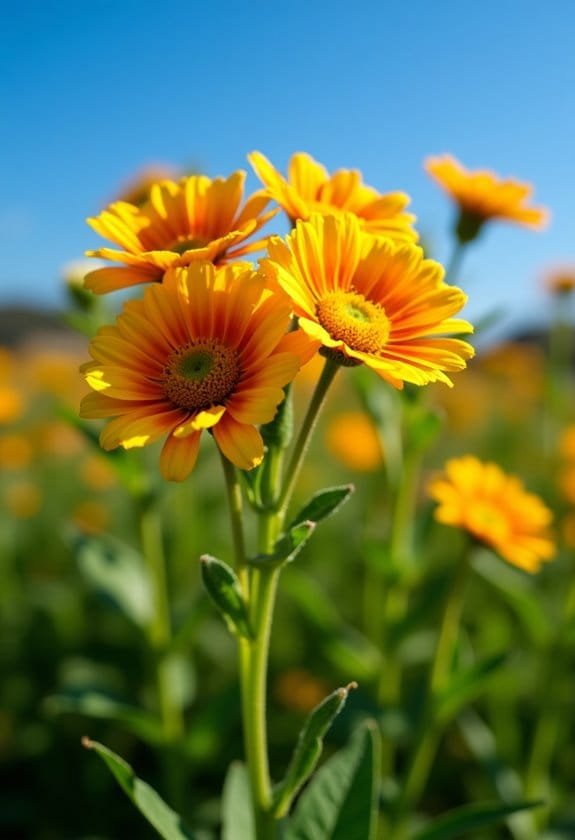
Helenium species require specific growing conditions to thrive, beginning with full sunlight, which means they need at least six hours of exposure each day.
These plants flourish in acidic, well-drained soils, ideally with a pH between 5.5 and 7.0, demanding careful consideration of their moisture needs to avoid waterlogged roots.
Understanding the delicate balance of light, soil, and moisture sets the foundation for healthy, vibrant blooms, ensuring gardeners can enjoy the stunning displays these flowers provide throughout the growing season.
Light
For best growth and blooming, Helenium species thrive in full sun, ideally basking in at least 6 hours of direct sunlight each day. Sun exposure benefits these vibrant plants considerably, promoting vigorous flowering and sturdy growth. When Heleniums receive ideal lighting, they flourish, producing robust, colorful blooms that attract pollinators.
While these resilient flowers can tolerate some afternoon shade, consistent full sun is critical. Insufficient light can lead to issues such as leggy growth and poor flowering, which diminishes their aesthetic appeal.
Planting spacing of 3 to 4 feet between individual Heleniums further enhances their light requirements, allowing for better air circulation and maximizing exposure to sunlight.
Moreover, Helenium species are sensitive to drought conditions, making their need for adequate sun and moisture paramount for sustained health and robust flowering. Ensuring they bask in plentiful sunlight not only fortifies their overall vigor but also enhances the vibrancy of their blossoms.
To conclude, the relationship between Heleniums' growth and light conditions underscores the importance of proper placement in the garden, aligning their needs with an observer's desire for engaging blooms.
Soil
Achieving vibrant blooms in Helenium species is closely tied to the soil in which they grow. These colorful flowers thrive in acidic soils with a pH range of 5.5 to 7.0, guaranteeing optimal growth and health. Heleniums prefer average to rich soils, but they display remarkable versatility by tolerating wet and heavy clay conditions.
However, it's imperative to provide well-drained environments, as boggy conditions can lead to root rot, jeopardizing their health.
To enhance soil quality, gardeners might consider adding organic soil amendments, such as compost or well-rotted manure. These amendments improve soil structure and nutrient content, promoting better overall growth. Additionally, maintaining adequate soil moisture is important; Heleniums flourish in moist soils but dislike standing water.
Gardeners should also verify proper spacing, allowing 3 to 4 feet between plants. This spacing not only facilitates crucial airflow but also encourages healthier plant development and enhances aesthetic appeal in garden designs.
Water
Consistent moisture is imperative for the healthy growth of Helenium species. These vibrant flowers flourish in moderate to heavy moisture conditions and aren't drought-tolerant, therefore requiring regular watering to maintain vitality.
Moisture management is essential; Heleniums prefer consistently moist soil, but gardeners must avoid planting them in boggy conditions, which can compromise root health.
During the early growth stages, young Heleniums need adequate moisture to establish their roots firmly, laying the foundation for robust flowering in the future. In addition, layering a generous 3-inch application of organic mulch around the plants can effectively conserve moisture while moderating soil temperature, promoting healthier growth.
Watering frequency should be adjusted according to environmental conditions, ensuring that soil remains adequately moist but not excessively wet.
Ideally, soils should possess good drainage to prevent the risks associated with overwatering, particularly root rot. By monitoring soil drainage, gardeners can maintain a favorable balance, fostering vibrant blooms without jeopardizing the plant's health.
Through attentive care and strategic moisture management, Helenium species can truly flourish, bringing delightful color to gardens and landscapes alike.
Temperature
Growing best in full sun, Helenium species need at least six hours of direct sunlight each day to achieve ideal growth and blooming. These perennials thrive within a specific temperature range, preferring soil temperatures around 65-70ºF during germination. The germination period typically spans from 7 to 20 days, emphasizing the importance of maintaining suitable conditions for successful growth.
While these plants flourish in warm summer climates, they aren't drought-tolerant; consequently, consistent moisture is essential. Regular watering becomes essential, particularly during drier periods.
The seasonal effects of temperature can greatly influence their health; excessive heat without adequate hydration may lead to wilting. Notably, Helenium species can tolerate light shade, especially in the afternoons, offering them relief from intense sunlight and helping to safeguard against heat stress.
Pollinator Criteria
Helenium species serve as crucial attractors for a diverse range of pollinators, particularly bees and butterflies, which rely heavily on their abundant nectar and pollen.
The disc-shaped flowers, blooming from July to September, not only provide essential resources throughout the growing season but also facilitate effective pollination methods that enhance genetic diversity and crop yield.
Attracted Pollinators
Many gardeners find that Helenium species, commonly known as Helen's Flower, are a magnet for pollinators. These late-season blooming perennials attract various native species, including bees and butterflies, which thrive on their rich nectar and pollen. Helenium flowers bloom from late summer to early fall, when many floral resources dwindle, making them a crucial source of sustenance for pollinators during this critical time.
Their bright yellow disc-shaped flowers, coupled with delightful aromas, visually entice these creatures, enhancing pollinator diversity in the surrounding ecosystem.
Pollinator visits to Helenium not only satisfy the nectar preferences of bees and butterflies but also foster cross-pollination, thereby increasing seed production and promoting robust plant populations.
Furthermore, cultivating Helenium contributes markedly to habitat enhancement, as these flowers provide essential food sources and shelter for various pollinators. Gardeners play an integral role in preserving local biodiversity by planting these vibrant blossoms, transforming their gardens into thriving sanctuaries for pollinator communities.
Fundamentally, Helenium species stand as beacons of life, illuminating how thoughtful gardening can perpetuate ecological harmony and secure our crucial pollinators' survival.
Pollination Method
Pollination in Helenium species primarily hinges on their relationship with native pollinators like bees and butterflies. These vibrant yellow, disc-shaped flowers exhibit a unique flower structure, featuring a prominent central cone. This design not only captivates pollinators but also facilitates easy access for them, ensuring efficient pollen transfer between flowers.
Pollination strategies in Helenium are intricately timed, occurring from late summer to early fall, coinciding perfectly with the peak bloom period from July to September, when pollinators are most active. The nectar-rich blooms entice various beneficial insects, enhancing the reproductive success of these plants.
As native pollinators forage for sustenance, they inadvertently contribute to the ecological impact of Helenium in their ecosystems. The presence of these flowers in garden settings can notably bolster local biodiversity, providing essential food sources for a variety of pollinator species throughout the blooming season.
This symbiotic relationship highlights the importance of preserving native pollinators and their habitats, as their activity fosters a healthy environment where Helenium can thrive, promoting overall plant genetic diversity and resilience in natural landscapes.
Care & Maintenance
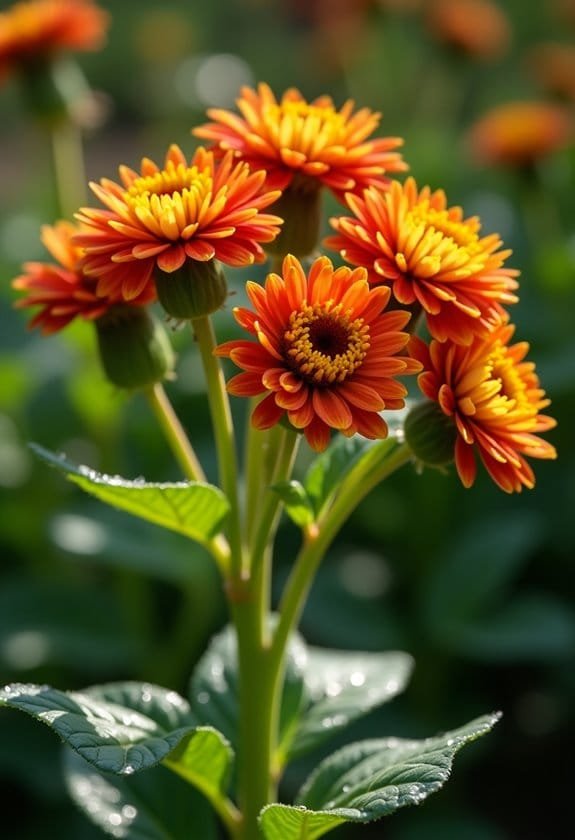
When caring for Helenium, attention to moisture and nutrient requirements is vital for flourishing blooms.
Regular watering, combined with the application of organic mulch, creates a perfect environment that promotes robust growth while maintaining optimal soil conditions.
In addition, strategic practices like spring pinching and fertilization not only enhance plant aesthetics but also increase resilience and flowering potential, making for a vibrant garden display.
Planting Tips
Caring for Helenium species requires attention to their specific needs to guarantee vibrant blooms and healthy growth. Successful planting techniques demand proper seasonal timing; ideally, these flowers should be planted in spring or early fall to establish roots before winter's chill or summer's heat sets in.
Providing adequate spacing guidelines is essential, typically leaving about 18 to 24 inches between each plant. This distance promotes ideal air circulation, reducing the risk of fungal diseases and ensuring robust growth.
Moisture management is essential, as Heleniums thrive in moderately moist to heavy soil conditions, devoid of drought stress. During the early growth stages, regular watering is important to uphold this moisture level.
A three-inch layer of organic mulch around the base of each plant conserves moisture, suppresses weeds, and fosters healthy root development. In early spring, applying a balanced flower fertilizer invigorates these perennials, encouraging vigorous bloom cycles throughout the season.
Additionally, pinching back young plants in spring enhances branching, yielding a fuller appearance. Finally, deadheading spent flowers rejuvenates the plant, ensuring continuous energy directed toward blooming rather than seed production, securing an enchanting display season after season.
Ongoing Care
Establishing Helenium species is just the beginning; ongoing care is significant for their long-term health and vibrant blooms. These hardy perennials thrive on regular watering routines, particularly during their early growth stages when they demand moderate to heavy moisture, as they lack drought tolerance. A consistent watering schedule guarantees robust development and colorful flowers.
Incorporating mulch application is also essential. A layer of organic mulch, approximately three inches thick, conserves soil moisture, fosters healthy growth, and helps suppress pesky weeds that may compete for resources.
Additionally, the careful use of a balanced flower fertilizer in spring stimulates vigorous growth and amplifies bloom quality throughout the season.
Engaging in seasonal pruning is significant for maintaining plant vitality. Deadheading spent flowers not only encourages ongoing blooming but also reallocates the plant's energy away from seed production towards new growth, enhancing its vigor.
Moreover, pruning back stems after blooming cultivates a bushier appearance, enriching the overall aesthetic in subsequent years. With meticulous attention to these care components, Helenium species can flourish beautifully, rewarding gardeners with their striking visual display year after year.
Suggested Companions
Finding the right companions for Helenium species can greatly enhance both their growth and visual appeal. Selecting ideal pairings that thrive in full sun, such as Echinacea and Rudbeckia, not only complements Heleniums but also fosters a harmonious and vibrant plant community. These native perennials share similar moisture and soil requirements, which is critical for guaranteeing robust health and minimizing competition. Additionally, incorporating Common Yarrow's impressive drought resilience ensures that your garden remains vibrant even during dry spells.
To promote garden aesthetics, consider incorporating taller companions, like Joe-Pye weed or ornamental grasses, planted behind Heleniums. This technique provides structural support and creates a dynamic contrast in height, enhancing visual interest while allowing each plant to shine in its own way.
Maintaining adequate spacing of 3-4 feet between Heleniums and companion plants is essential for good airflow, which aids in disease prevention.
Regular deadheading of both Heleniums and their companions guarantees a continuous bloom, as it redirects energy towards flower production rather than seed formation. Additionally, using well-drained soil will help prevent root rot and support healthy growth for both Heleniums and their companions.
Through thoughtful planning, garden enthusiasts can cultivate a setting that not only bursts with color but also supports the health and liveliness of each plant. Ultimately, these strategic choices contribute to a flourishing, disease-resistant garden space.
Common Issues
Helenium species, while celebrated for their stunning blooms, often encounter significant challenges, including pests, diseases, and environmental stressors.
Common adversaries like aphids and spider mites can impede their growth, while conditions such as high humidity may foster powdery mildew, necessitating vigilant care and proactive management strategies.
Addressing these issues with appropriate solutions not only guarantees the plants remain vibrant but also safeguards their overall health, allowing for a flourishing display in gardens.
Pests/Diseases
Monitoring for pests and diseases in Helenium species is essential for maintaining their health and vigor. These vibrant flowers face various threats, with aphids being a considerable concern. Aphids can distort leaf growth and transmit viruses, making effective aphid management critical for long-term plant vitality.
Similarly, powdery mildew thrives in humid conditions, presenting as a deceptive white dust on leaves. To mitigate this issue, gardeners should guarantee adequate spacing and airflow among plants, creating an environment that discourages such fungal afflictions.
Rust diseases also plague Helenium species, characterized by the appearance of orange or yellow pustules on foliage. To practice efficient rust control, promptly removing affected leaves can halt its spread and protect the plants' overall health.
Additionally, root rot poses a threat when the soil remains overly saturated, particularly in bog-like conditions. Assuring proper drainage and well-aerated soil is paramount to fostering healthy root systems.
Regular inspections for pests and diseases, combined with proper cultural practices, can considerably reduce the likelihood of infestations. These proactive measures promote robust plant health, helping Helenium species bloom beautifully while minimizing potential setbacks from common issues in their care.
Solutions
To guarantee healthy growth and vibrant blooms, gardeners should address common issues that can hinder Helenium species. Poor sunlight exposure can severely impact bloom quality, so employing effective planting strategies is vital; ideally, Helenium should receive at least six hours of direct sunlight daily.
Additionally, maintaining proper soil moisture is critical in pest management. Overly wet conditions can invite diseases, so it's advisable to monitor soil moisture carefully, preventing waterlogged roots.
For taller varieties, staking may become necessary during heavy rain to protect delicate flower stems from toppling over. Regular maintenance, including deadheading spent blooms, promotes a continuous cycle of flowering and enhances overall appearance.
Finally, if Helenium shows signs of decline after several years, it likely requires division and replanting; this rejuvenates growth and secures the plants continue to thrive. Successful propagation techniques, such as division, not only improve the health of existing plants but also can yield new growth.
What are the Care Tips for Dianthus Barbatus, Similar to Helenium Species (Helen’s Flower)?
When caring for Dianthus barbatus (sweet william), similar to Helenium species (Helen’s flower), ensure they receive ample sunlight, well-drained soil, and proper watering. Deadhead both plants to encourage continuous blooming. Avoid overwatering to prevent root rot. Follow these dianthus barbatus (sweet william) article tips for a healthy garden.
Summary
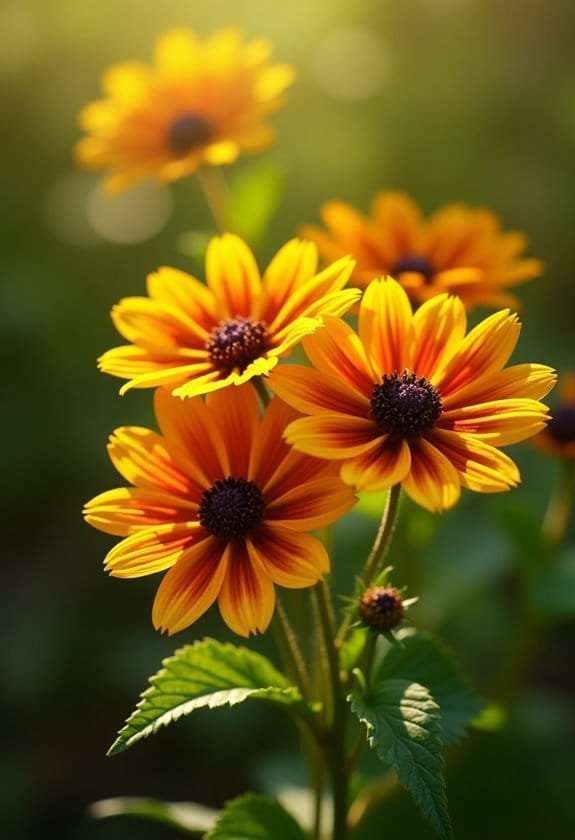
Sneezeweed, scientifically known as Helenium autumnale, is a vibrant late-season blooming perennial that regularly attracts attention in gardens with its striking yellow flowers. This remarkable plant thrives in full sun, typically reaching heights of 3 to 5 feet, and showcases its spectacular blooms from July to September.
While Sneezeweed boasts historical significance—having been historically used to create a snuff inducing sneezing—it lacks culinary uses due to the toxic compounds present in its leaves. Gardeners can appreciate its ecological benefits, as Sneezeweed provides essential nectar to various pollinators, enhancing local biodiversity.
To cultivate this robust perennial effectively, one should space plants 3 to 4 feet apart for proper airflow while ensuring average to rich, moist soils, avoiding overly boggy conditions. Regular care entails moderate to heavy watering, organic mulch application, and fertilization once each spring to promote vigorous growth.
Additionally, Sneezeweed can be easily propagated through seeds or cuttings and benefits from biennial division, maintaining its health and well-being. Consequently, this beautiful native plant offers both aesthetic pleasure and ecological contributions, making it a valuable addition to many garden landscapes.