Hyssopus officinalis, or hyssop, is a versatile herb belonging to the Lamiaceae family, typically growing between 1 to 2 feet tall. This aromatic plant thrives in well-drained loam soils with a pH of 6.0-8.0, requiring full sunlight or partial shade for peak health. Hyssop's luxurious purple, blue, or pink flowers not only attract beneficial pollinators but also support local biodiversity. With a lifespan of 3 to 5 years, regular care practices, including pruning and vigilance against pests, guarantee robust growth. Known for its culinary and medicinal uses, hyssop embodies both historical and contemporary significance in various cultures. Further insights await those curious about its enduring impact.
Main Points
- Hyssopus officinalis, or hyssop, is a drought-tolerant herb known for its aromatic qualities and culinary uses in Mediterranean dishes.
- This plant thrives in well-drained, fertile loam soils with a pH of 6.0 to 8.0, preferring full sun or partial shade.
- Hyssop has significant historical importance, being mentioned in the Hebrew Bible and used for purification rituals and traditional medicine.
- It features self-fertile flowers that attract various pollinators like bees, promoting biodiversity and ecosystem health.
- Regular pruning and maintenance are essential for longevity, as hyssop typically has a lifespan of 3 to 5 years.
Introduction
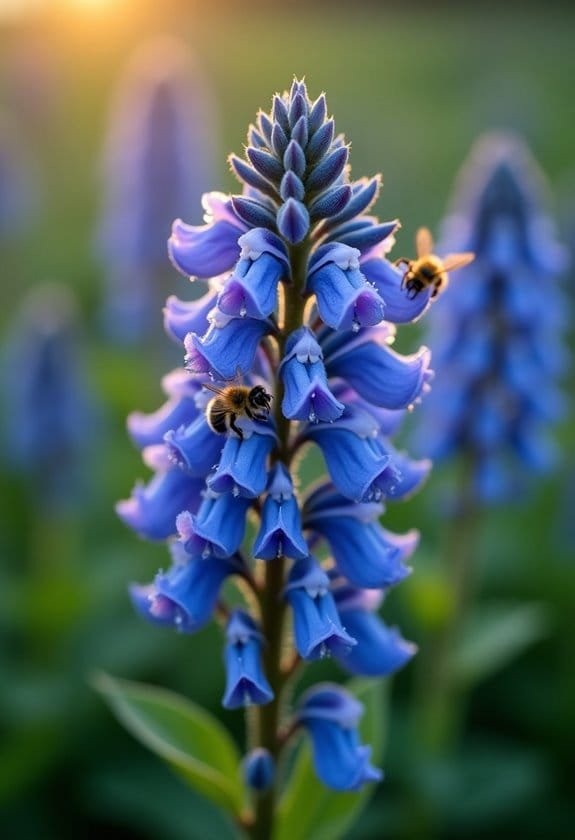
Hyssop, scientifically known as Hyssopus officinalis, is a remarkable aromatic herb that captivates both gardeners and historians alike.
With its distinctive bluish-purple flowers and dark green lanceolate leaves, this semi-evergreen perennial thrives in well-drained, fertile loam while often reaching heights of 1 to 2 feet.
Its rich historical significance, including mentions in purification rituals of the Hebrew Bible, underscores its enduring relevance in culinary and medicinal practices throughout the ages.
Common Name
Known for its aromatic qualities and vibrant flowers, hyssop is a beloved herb with a rich history of culinary and medicinal uses. Hyssopus officinalis, as it's scientifically named, thrives in herb gardens, where its semi-evergreen leaves provide not just nourishment but also a striking visual appeal. The plant typically reaches a height of 1 to 2 feet, sporting lanceolate dark green leaves measuring 2 to 2.5 cm in length. Its leaves offer a distinct aroma, enhancing various dishes and beverages.
Native to Europe, Asia, and Africa, hyssop has found its way into gardens across the USA, where gardeners cultivate it for its numerous applications. During summer, the plant bursts forth with fragrant purple to blue flowers, which attract beneficial insects like bees and butterflies, fostering biodiversity within herb gardens.
Its culinary versatility is notable, as hyssop flavor enhances stews, soups, and liqueurs such as Chartreuse, delighting those who savor its unique taste. This multifunctional herb exemplifies the intersection of beauty and utility, making it an invaluable addition to both traditional and modern gardening.
Scientific Name
Often celebrated for its culinary and medicinal applications, hyssop's scientific name is Hyssopus officinalis. This semi-evergreen perennial, belonging to the Lamiaceae family—commonly known as the mint family—typifies the rich hyssop history that spans centuries. Typically growing to heights of 1 to 2 feet, Hyssopus officinalis showcases lanceolate, dark green leaves and produces flowers in various hues, including purple, blue, and white during the summer months.
These blossoms draw essential pollinators such as bees and butterflies, contributing to local biodiversity.
Hyssopus officinalis has long been utilized for its diverse hyssop uses, ranging from culinary flavoring to therapeutic treatments. Its essential oils, containing compounds like thujone and pinocamphone, are celebrated for their purported medicinal properties.
Additionally, hyssop has long held a unique place in various cultures, often embodying hyssop symbolism tied to purification and healing. The combination of its vibrant appearance, historical significance, and versatility elevates Hyssopus officinalis beyond a mere herbal plant, cementing its status as a staple in both kitchens and apothecaries worldwide.
Through time, it reflects a fragrant legacy intertwined with human tradition and well-being.
Overview
With a rich history that intertwines culinary and medicinal applications, hyssop has earned its place as a beloved herb in gardens and kitchens around the world. Known scientifically as Hyssopus officinalis, this semi-evergreen perennial typically reaches heights of 1 to 2 feet, showcasing striking purple to blue flowers during the summer months.
Historically, hyssop has found prominence in ancient texts, including the Hebrew Bible, which recognized its use in purification rituals and various medicinal applications.
Hyssop's medicinal properties are extensive, with traditional uses ranging from respiratory relief to digestive support. Its aromatic qualities have led to popular hyssop culinary applications, where it flavors stews, soups, and even liqueurs like Chartreuse.
Beyond its taste, dried leaves and flowers are often incorporated into potpourris, adding a fragrant touch to home environments.
This resilient plant thrives in well-drained, fertile loam soil and prefers partial shade, exhibiting impressive drought tolerance and resistance to deer.
A delicate balance of care, including timely trimming, can promote ideal health and longevity, allowing hyssop to flourish as an indispensable addition to any garden or culinary repertoire.
Key Features
Hyssop, scientifically known as Hyssopus officinalis, typically grows between 1 to 2 feet, offering a compact yet striking presence in gardens.
Its vibrant purple and blue flowers, which bloom during the summer months, not only captivate the eye but also attract beneficial pollinators like butterflies and bees.
This semi-evergreen perennial thrives in partial shade and prefers well-drained, fertile loam, making it a resilient addition to various landscapes.
Growth Size
While growing to a height of 1 to 2 feet, hyssop also spreads approximately 1 foot to 18 inches wide. This semi-evergreen perennial thrives under ideal conditions, achieving impressive results when employing effective hyssop cultivation techniques. The plant's lanceolate, dark green leaves, measuring 2 to 2.5 cm (0.8 to 1 inch), contribute to its attractive stature, complemented by a robust woody stem that supports multiple upright branches.
Understanding hyssop growth stages is essential for successful propagation. The flowering season occurs in summer, producing enchanting purple to blue blooms that range from 1 to 3 inches in size. These flowers not only enhance the garden's aesthetic appeal but also serve to attract butterflies, adding to the overall biodiversity of the space.
Hyssop propagation methods, such as seeds or cuttings, can facilitate the establishment of healthy plants in various garden settings. Since hyssop prefers well-drained, fertile loam soil and partial shade, proper soil preparation and location selection are vital for maximizing growth potential.
Additionally, its drought tolerance and deer-resistant properties make it an excellent choice for low-maintenance gardens, ensuring beauty and resilience with minimal effort.
Appearance
Standing out in gardens, hyssop displays a distinctive appearance characterized by its lanceolate, dark green leaves that are about 2 to 2.5 cm (0.8 to 1 inch) long. These leaf characteristics contribute to the plant's overall aesthetic appeal, forming dense clumps that lend a textured richness to garden designs. The leaves are aromatic, emitting a pleasant scent when brushed against, which enhances its sensory presence.
Hyssop's flower morphology is particularly striking, with blooms that can vary in color from vibrant purple to gentle blue. Notable cultivars include Alba, featuring pristine white flowers, and Rosea, showcasing soft pink hues. The flowers range from 1 to 3 inches in size and form dense spikes, creating an eye-catching display during the summer months. This enchanting arrangement not only captures the gaze of passersby but also invites pollinators, further enriching the garden ecosystem.
Once the flowering phase concludes, hyssop produces small oblong tetra-achenes, its seeds, which exemplify the plant's practical aspect.
Cultivators often appreciate hyssop not just for its ornamental value but also for its multifunctional uses in herbal remedies and culinary applications, making it a beloved choice among gardeners.
Flowering Season
Blooming brightly during the summer, hyssop transforms gardens into vibrant landscapes filled with colorful spikes of flowers. Typically, these alluring blooms range from 1 to 3 inches in size and exhibit hues of purple, blue, pink, and even rare white varieties. The flowering duration generally lasts several weeks, markedly enhancing the garden's aesthetic appeal.
Beyond mere beauty, hyssop offers numerous seasonal benefits, particularly in its capacity to attract pollinators like butterflies and bees. This pollinator attraction not only beautifies surroundings but also fosters ecological health by promoting effective pollination and encouraging biodiversity. Each plant is self-fertile, possessing both male and female reproductive organs that facilitate successful seed production throughout its blooming period.
To promote robust growth, proper pruning in spring can stimulate reblooming during mild winters, further extending its visual and ecological contributions. Hence, gardeners can appreciate both the immediate enjoyment of hyssop's lush flowers and the longer-lasting benefits they provide, creating a flourishing habitat for essential insects.
Growing Requirements
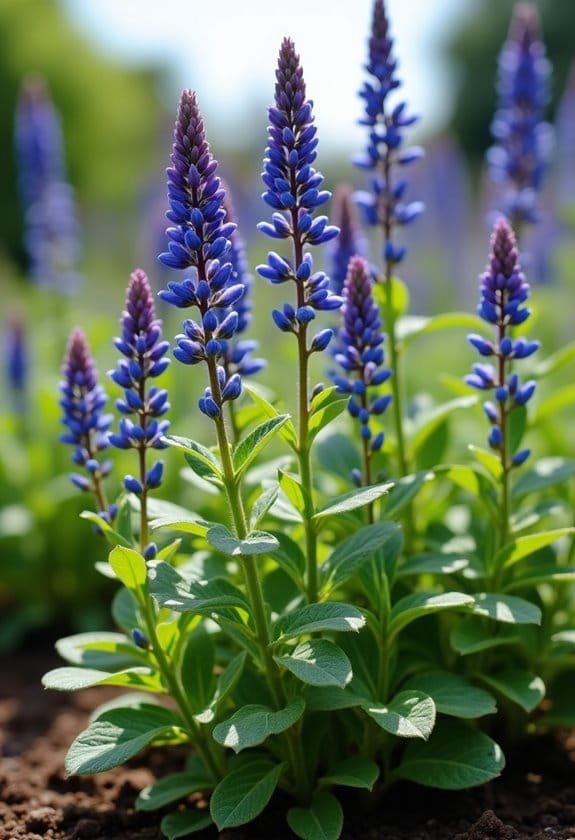
Hyssop showcases a remarkable adaptability in its growing requirements, thriving under full sunlight or partial shade.
Its preference for well-drained, fertile loam soil with a pH range between 6.0 and 8.0 facilitates robust growth and guarantees excellent conditions, while its drought tolerance reduces maintenance needs.
Ideal cultivation conditions not only enhance its resilience but also enrich the gardening experience, allowing enthusiasts to enjoy its aromatic foliage and vibrant blooms without excessive care.
Light
For ideal growth, hyssop flourishes in full sunlight, needing at least six hours of direct light each day. The light requirements of Hyssopus officinalis are essential to guarantee robust health and vigor.
Adequate sunlight exposure directly influences its overall development, imparting higher flavor intensity and enriching its aromatic essential oil content.
Though hyssop can tolerate partial shade, excessive shading effects may lead to leggy growth and diminished flower production, which detracts from its aesthetic appeal and potential uses.
When grown in suboptimal light conditions, the plant's natural vigor can be compromised, making it less resilient against pests and diseases.
Cultivating hyssop in a sunny environment is particularly beneficial for regions with lower humidity, as this drought-resistant herb can effectively adapt to such conditions.
In addition, adopting strategies to maximize sunlight exposure—such as planting in open spaces or utilizing reflective surfaces—may enhance crop yield.
Gardeners should keep in mind that providing consistent access to full sunlight not only meets hyssop's needs but also cultivates an exuberant growth experience, basking in the nurturing warmth of the sun's rays.
Soil
Healthy soil is vital for the thriving growth of hyssopus officinalis. This aromatic herb flourishes in well-drained, fertile loam soils, which promote ideal drainage and prevent troublesome root rot.
Soil types play an important role, as heavy and compact soils hinder air circulation, negatively affecting root health. Hyssop prefers a pH range of 6.0 to 8.0, indicating a strong tolerance for alkaline to neutral environments, significant for pH balancing to enhance its flavor profile.
Incorporating organic matter such as compost serves as an excellent soil amendment, increasing fertility before planting. This practice enriches the soil, providing additional nutrients to support hyssop's development.
Additionally, hyssop demonstrates remarkable drought resistance, allowing it to thrive even in sandy and chalky soils. Once established, the plant needs minimal watering, making it an ideal candidate for resilient gardening.
To summarize, achieving healthy soil conditions for hyssopus officinalis involves selecting the right soil types, maintaining proper pH balancing, and utilizing beneficial soil amendments.
These elements come together to foster remarkable growth, ensuring the plant not only survives but thrives in diverse environments.
Water
Achieving the right soil conditions sets the stage for hyssop's water needs. This aromatic herb prefers well-drained soil, as waterlogged conditions can result in root damage. Additionally, like Horseshoe Vetch, hyssop thrives in calcareous soils, which helps support its growth.
While hyssop demonstrates impressive drought resilience, consistent moisture during the growing season is crucial for promoting vigorous growth and abundant flowering. Initial growth stages demand regular watering to establish robust roots, especially when the plants are exposed to full sunlight.
Adopting effective watering techniques can make a significant difference in hyssop's development. Irregular watering should be avoided, as it can disrupt moisture management and compromise plant health.
Even established hyssop plants benefit from adequate watering during dry spells, which not only encourages their aromatic qualities but also enhances the flavors of the leaves and blossoms. Simple techniques, such as deep watering once or twice weekly, can guarantee that the soil retains sufficient moisture without succumbing to waterlogging. Additionally, planting hyssop alongside pollinator-friendly plants can create a thriving ecosystem in your garden.
Temperature
Temperature plays an essential role in the successful cultivation of hyssop. This aromatic herb thrives best in full sunlight, preferring temperatures between 60°F and 75°F (15°C to 24°C) for ideal growth. It exhibits remarkable resilience as a semi-evergreen perennial, tolerating light frost; however, protection from severe winter temperatures below 20°F (-6°C) is imperative.
In regions with temperature fluctuations, seasonal adaptations become essential for the plant's survival. During sweltering summer months, hyssop benefits from partial shade in the hottest parts of the day, mitigating the risk of heat stress and ensuring healthy growth.
Additionally, ensuring adequate air circulation and well-drained soil is critical to prevent root rot, particularly in areas characterized by high humidity levels.
Hyssop flourishes in climates reminiscent of the Mediterranean, making it suitable for cultivation in USDA hardiness zones 3 to 9. By understanding and managing these temperature requirements, growers can cultivate robust plants that not only enhance gardens but also promote various health benefits associated with this versatile herb.
Adapting to growing conditions lays the foundation for a bountiful and flavorful harvest.
Pollinator Criteria
Hyssop attracts a diverse array of pollinators, particularly bees and butterflies, thanks to its fragrant blue to purple flowers that bloom in summer.
This plant employs a self-fertilizing pollination method, enhancing seed production and strengthening its overall health when pollinators visit.
Consequently, hyssop plays an important role in bolstering local biodiversity, offering essential food and habitat for various species in challenging environments. Furthermore, the fragrant flowers provide a reliable food source for beneficial insects, similar to the contributions of Knautia macedonica in garden ecosystems.
Attracted Pollinators
With its fragrant purple to blue flowers, hyssop effectively attracts a variety of pollinators, including butterflies and bees. These delightful visitors are essential for promoting pollinator diversity, ensuring a balanced ecosystem.
During the summer flowering period, hyssop serves as a reliable nectar source, providing sustenance for pollinators when many other plants may be less abundant. The presence of both male and female reproductive organs in hyssop's flowers encourages frequent pollinator visits, enhancing the likelihood of fertilization.
Moreover, hyssop's remarkable drought tolerance and resistance to deer allow it to thrive in diverse garden settings, further contributing to habitat enhancement. By integrating varieties such as Blue Flower and Rosa into gardens, homeowners not only beautify their outdoor spaces but also create exceptional resources for beneficial insects.
These vibrant flowers serve as excellent nectar sources, enticing bees and butterflies while also improving the overall biodiversity of the area. Addressing the need for sustainable landscapes, hyssop stands out as an exemplary choice for gardeners keen to foster a symbiotic relationship with nature and support the essential role of pollinators in food production and plant reproduction.
Pollination Method
Many gardeners appreciate hyssop for its unique pollination method. This aromatic herb, scientifically known as Hyssopus officinalis, is self-fertile, containing both male and female reproductive organs. Such self-pollination benefits guarantee that even in the absence of pollinators, hyssop can successfully reproduce.
However, the plant primarily thrives on cross-pollination facilitated by insects, which brings significant advantages. Solitary bees and bumblebees are particularly drawn to hyssop's vibrant flowers and abundant nectar, enhancing genetic diversity within its species.
During the summer blooming period, hyssop becomes a vital source of sustenance for these pollinators, whose activities promote the plant's reproductive vigor. Gardeners often employ insect attraction strategies to maximize this synergy, securing a flourishing ecosystem.
By maintaining a diverse habitat with flowering plants, they effectively support local pollinator populations, providing them with continuous foraging opportunities.
In the grand tapestry of nature, the interplay between hyssop and its insect partners illustrates a beautiful balance—self-sufficiency intertwined with the necessity of cross-pollination.
This dynamic relationship not only sustains hyssop but also enriches the surrounding environment, underscoring the importance of nurturing such connections in gardening practices.
Care & Maintenance
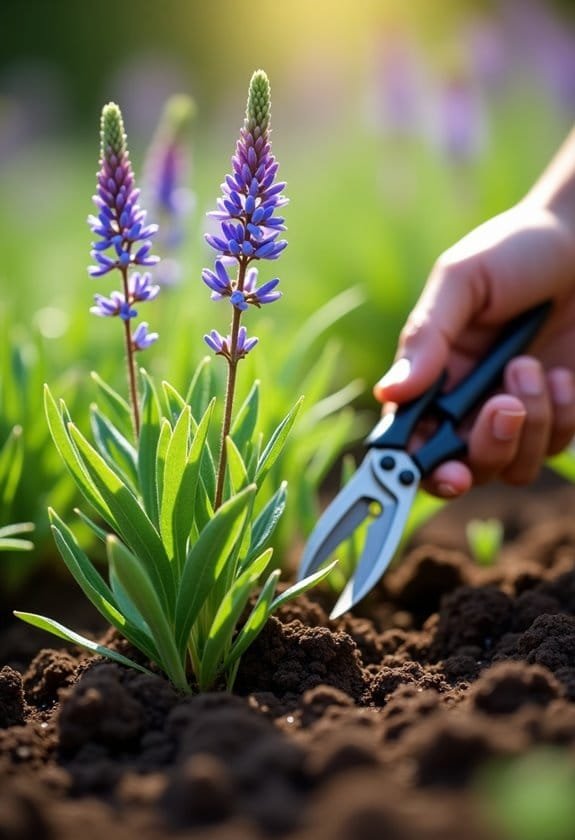
Hyssop requires careful attention to thrive, starting with its planting in well-drained, fertile loam soil that receives ample sunlight.
Ongoing care, including regular trimming and adequate watering, not only supports its health but also enhances its aromatic qualities.
Selecting companion plants, which harmonize with hyssop's growth patterns, can cultivate a vibrant garden ecosystem that benefits both the hyssop and its neighbors.
Planting Tips
Properly caring for hyssop is essential for its longevity and energy in the garden. To guarantee healthy growth, gardeners should plant hyssop varieties in well-drained, fertile loam soil, taking care to position them in full sunlight or partial shade. These elements considerably enhance their vitality, allowing plants to thrive.
When considering planting techniques, gardeners can propagate hyssop through methods like seed sowing, stem cuttings, or division in spring. Each of these approaches establishes new plants effectively, expanding a garden's floral array.
Companion planting with herbs such as basil and rosemary can also support a robust ecosystem, enhancing growth and pest resistance.
Regular spring trimming is critical; it keeps plants bushy and prevents degeneration, mitigating the risk of developing unhealthy habits.
Though hyssop plants are drought tolerant, they require moderate watering to guarantee that the soil remains adequately drained, as standing water could lead to root rot.
Gardeners should stay vigilant about nematodes, for early intervention can mitigate damage, ensuring the plant's short life maximizes its potential and vibrancy in the garden's tapestry.
Ongoing Care
Caring for hyssop involves ongoing attention to its environment and routine maintenance practices. To guarantee robust growth, regular trimming techniques should be employed each spring. By cutting back the plant, gardeners encourage healthy development, prevent degeneration, and maintain a compact shape.
Planted in well-drained, fertile loam soil with partial shade or full sunlight, hyssop thrives and expresses its many benefits, including enhanced landscape beauty and aromatic foliage.
Despite its notable drought resilience, hyssop appreciates consistent watering during extended dry periods, which helps retain vibrant, lush foliage. After the initial bloom, shearing back flower stems promotes reblooming while enhancing the plant's aesthetic appeal in the cooler months.
Careful observation for potential nematode issues is essential, as they can mildly disrupt growth, although hyssop generally suffers from few serious pests or diseases.
Due to its relatively short lifespan, replanting every few years might be necessary, allowing gardeners to enjoy the full spectrum of hyssop's healthful properties year after year. Consequently, cultivating this hardy herb not only enriches gardens but also provides delightful aromatic benefits, blending functionality with beauty.
Suggested Companions
When combining hyssop with other plants, gardeners can create a harmonious garden environment that enhances both aesthetics and functionality. Hyssop thrives particularly well when planted alongside aromatic herbs like Tricolor Sage, Lavenders, and Catmint. These companions not only elevate the visual appeal of the garden but also enrich the flavor profiles in culinary uses, resulting in a delightful dining experience.
In addition to their aesthetic contributions, these herbaceous companions offer medicinal benefits, creating a symbiotic relationship that supports overall plant health. Hyssop, known for its drought tolerance, pairs wonderfully with other drought-resistant plants, making it a smart addition to low-water gardens. Rosemary, for instance, is a perfect companion due to its remarkable drought resistance and aromatic qualities.
Optimal care requires that hyssop be planted in well-drained, fertile loam soil and placed in an area with partial shade to full sunlight. Regular spring trimming is essential to maintain its vigor, promoting a compact shape and encouraging vibrant blooms. After flowering, gardeners should shear back the stems to foster potential reblooming during milder winters. Overall, these thoughtful aromatic pairings create not just a productive but also a visually inspiring and fragrant garden. Additionally, gardening with drought-resistant plants supports a sustainable approach to landscape management.
Common Issues
Hyssop, while generally robust, isn't devoid of challenges that can hinder its growth and beauty.
Nematode infestations particularly threaten plant health, and overwatering can lead to root rot, a condition that suffocates roots and stunts growth.
Understanding these common issues allows gardeners to implement effective solutions, ensuring hyssop remains a fragrant and vibrant addition to any landscape.
Pests/Diseases
In the world of gardening, hyssop stands out for its robust resistance to pests and diseases, making it an ideal choice for low-maintenance gardens. While generally hardy, hyssop isn't completely immune.
Aphids and spider mites occasionally infest, yet gardeners can employ effective pest management strategies, such as regularly monitoring plants and using organic insecticidal soaps. These methods not only safeguard the health of hyssop but also align with environmentally conscious practices.
Another significant concern lies with nematodes, particularly in poorly drained soils, which can lead to root damage and diminished plant vigor. To counter this threat, implementing disease prevention techniques, such as maintaining proper soil drainage and avoiding overwatering, is crucial.
Signs of distress, like yellowing leaves or wilting stems, may indicate root rot, prompting immediate attention.
Furthermore, spring trimming serves as an excellent method to prevent overcrowding and humidity-related diseases, fostering a healthier growing environment.
Solutions
To guarantee hyssop remains healthy and vibrant, addressing common growth issues is vital. Although typically resistant to pests and diseases, growers should remain vigilant against nematodes, which can adversely affect plant health and vigor. Implementing effective pest management strategies is imperative, particularly in making certain plants receive the necessary care and protection.
Regular trimming in spring prevents degeneration. If left untrimmed, hyssop can become woody and less productive over time, greatly diminishing its usefulness in culinary and medicinal applications, showcasing its many hyssop benefits.
Additionally, maintaining fertile, well-drained loam soil not only facilitates ideal growth but also enhances drought tolerance, addressing common concerns related to soil types.
Hyssop's short lifespan, averaging three to five years, may necessitate replanting to guarantee a reliable supply of this valuable herb. Furthermore, to prevent overcrowding, growers should consider dividing and propagating hyssop plants every few years, promoting healthy air circulation while sustaining vigorous growth.
Adopting these measures guarantees that both the plant and the experience of cultivating hyssop remain rewarding for enthusiasts and gardeners alike, fostering a lush and productive garden environment.
Summary
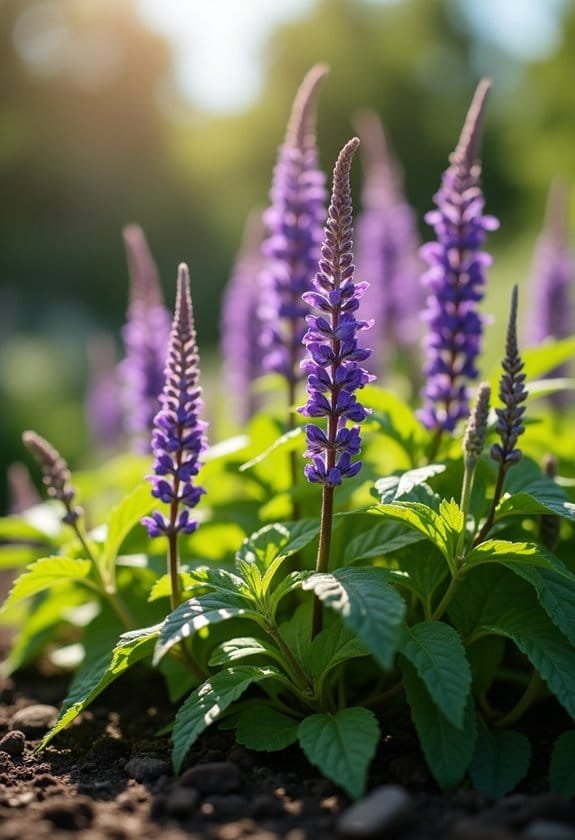
Hyssop's aromatic charm and historical significance make it a fascinating perennial shrub. Known scientifically as Hyssopus officinalis, this semi-evergreen plant, native to Europe, Asia, and Africa, grows to heights of 1 to 2 feet and displays stunning purple to blue flowers during summer.
Its historical significance is profound, as hyssop is mentioned in the Hebrew Bible and has been utilized in purification rituals throughout the ages.
In addition to its rich past, hyssop boasts a range of culinary uses, serving as a flavoring herb in various dishes and even liqueurs, enhancing their taste with its unique aroma. Furthermore, its medicinal properties stem from essential oils rich in thujone and phenol; although beneficial for antiseptic and anti-inflammatory purposes, caution should be exercised due to the potential toxicity at elevated levels.
Hyssop not only enriches the palate and promotes well-being but also contributes to garden biodiversity by attracting essential pollinators, such as butterflies and bees. Common Yarrow, with its ability to enhance biodiversity, complements hyssop in creating a harmonious garden ecosystem.
Its adaptability allows it to thrive in various soil types, making it an excellent choice for cottage gardens, borders, and erosion management projects, solidifying its role as a valuable botanical asset.