*Jasminum officinale*, commonly called Common Jasmine, thrives as a climbing plant, reaching heights of 15 to 30 feet. Originating from Central Asia, its star-shaped, white flowers charm gardeners and pollinators alike, with a peak bloom period in July. These fragrant blooms flourish in well-drained, moderately fertile soil and require at least six hours of sunlight daily. While nurturing this resilient species involves simple care practices like watering and annual fertilization, it also contributes to biodiversity. As it graces gardens with beauty and aroma, the plant's culinary and ornamental uses offer delightful surprises for enthusiasts keen to explore.
Main Points
- *Jasminum officinale*, commonly known as Common Jasmine, is celebrated for its fragrant white flowers and historical significance in various cultures.
- This climbing plant thrives in USDA zones 7-10, requiring full sun and well-drained soil for optimal growth.
- Flowering occurs from late spring to frost, attracting pollinators like butterflies and moths with its intoxicating aroma.
- Jasmine has culinary uses, including flavoring teas and desserts, and is integral to traditional Asian cuisines.
- It requires low maintenance, with routine watering and pruning recommended, alongside monitoring for occasional pests like aphids.
Introduction
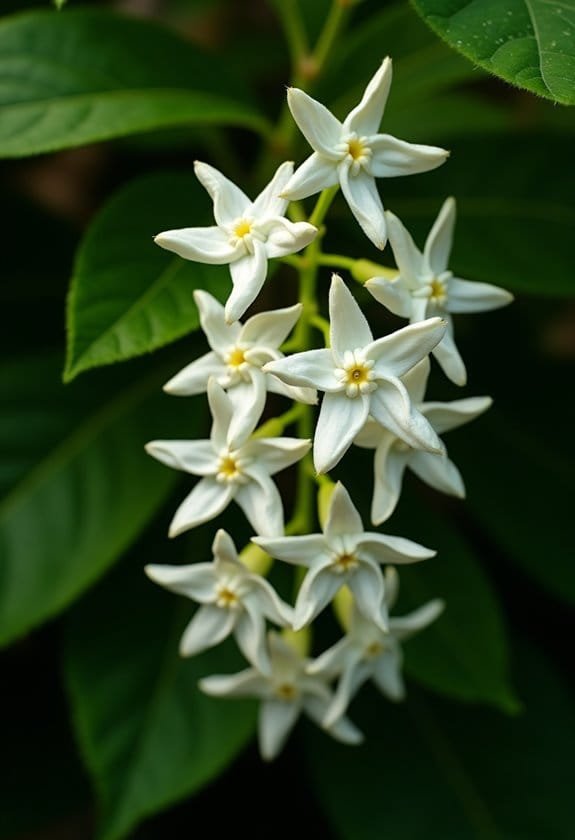
Common Jasmine, scientifically known as Jasminum officinale, embodies a delightful blend of beauty and utility.
As an evergreen perennial vine, it enchants with clusters of fragrant white flowers that bloom from late spring until the frost, enthralling gardeners and perfumers alike.
Additionally, its versatility as a climbing shrub, capable of reaching impressive heights of up to 30 feet, enhances its significance within various landscapes and cultural traditions.
Common Name
Jasminum officinale, widely recognized for its enchanting scent and delicate beauty, is commonly known as Common Jasmine, Poets Jasmine, or Summer Jasmine. These names encapsulate the plant's cultural significance and its intoxicating fragrance, which captivates those who encounter it.
The sweet, aromatic flowers of Common Jasmine bloom in clusters, revealing star-shaped white petals that grace gardens from late spring until the first frost, adding charm and elegance throughout the summer months.
In addition to its enchanting aesthetics, Jasminum officinale has historical medicinal uses, as implied by its Latin name "officinale." This nomenclature highlights the plant's importance in traditional herbal practices and natural remedies.
Renowned for its versatility, Common Jasmine is frequently employed in perfumes and culinary infusions, demonstrating its appeal beyond mere ornamentation.
Common Jasmine can also be referred to as True Jasmine, emphasizing its status among the various jasmine species.
Through its fragrant allure and vibrant blooms, this plant not only enhances landscapes but also enriches cultural and medicinal traditions, making it a cherished element in both gardens and herbal practices.
Scientific Name
The fragrant blooms of Common Jasmine are widely recognized, but its scientific classification reveals much about its identity and heritage. Known scientifically as *Jasminum officinale*, this plant belongs to the olive family, or Oleaceae, which encompasses a diverse array of aromatic flowering plants and shrubs. The genus name, "Jasminum," signifies its classification among jasmine species, while "officinale" has its roots in Latin, indicating its traditional use in herbal medicine and apothecaries.
Originating from Central Asia, *Jasminum officinale* boasts a rich cultivation history, traceable to as early as the 3rd century CE in ancient Chinese texts. This species thrives in full sun, promoting its growth and enhancing its aromatic qualities.
With its global recognition, Common Jasmine has become naturalized in various regions, adapting to diverse climates while still retaining its distinctive characteristics.
The scientific classification not only encompasses its botanical features but also emphasizes its ecological significance. As an integral part of the Oleaceae family, *Jasminum officinale* connects the natural world to human history through its enduring cultural and medicinal uses.
Overview
An enticing choice for gardeners, Common Jasmine captivates with its vigorous growth and intoxicating fragrance. Known scientifically as Jasminum officinale, this deciduous climber can soar to heights of 15 to 30 feet, making it an impressive addition to any landscape.
Its clusters of fragrant white flowers bloom from late spring to frost, attracting pollinators such as butterflies and hummingbirds, while enhancing the sensory experience of outdoor spaces.
Originating from regions in Asia, particularly Turkey, India, and China, Common Jasmine thrives in warm, sheltered environments with well-drained, moderately fertile soils. Hardy in USDA zones 7–10, it requires minimal maintenance due to its resistance to pests and diseases, appealing to both novice and experienced gardeners.
Beyond its ornamental beauty, this plant holds cultural significance in various societies, often symbolizing love and purification. The flowers possess culinary uses, frequently incorporated into teas and desserts, showcasing their delightful versatility.
With its fragrance benefits, Common Jasmine not only elevates garden aesthetics but also enriches culinary experiences, proving itself a multifaceted gem in horticulture.
Key Features
Common Jasmine, or Jasminum officinale, captivates with its impressive growth size, reaching heights of up to 30 feet as it gracefully twines through surrounding structures.
Its glossy, dark green leaves complement the star-shaped white flowers that bloom from late spring until frost, creating a fragrant spectacle that enchants both pollinators and gardeners alike.
This vigorous climber not only adds aesthetic appeal but also thrives in varied light conditions and tolerates a range of well-drained soils, making it a versatile choice for diverse landscapes.
Growth Size
With its vigorous growth, Jasminum officinale can reach impressive heights of 15 to 30 feet (4.5 to 9 meters) when provided with adequate support. This deciduous climber exhibits robust growth habits, characterized by a strong root system that enhances its ability to survive winter conditions.
To fully harness its potential, gardeners should utilize support structures, such as trellises or arbors, allowing the plant to ascend freely and creatively.
While Jasminum officinale can spread up to 15 feet wide, strategic planting against a wall or fence guarantees peak growth and showcases the plant's elegant form. Pruning techniques play a significant role in shaping this climber, encouraging denser foliage and more abundant flowering.
Regular trimming not only controls its spread but also fosters healthier growth and enhances air circulation, benefiting the overall vigor of the jasmine.
Thriving in USDA zones 7-10, this hardy species adapts well to various climates, producing fragrant clusters of delicate white flowers, especially through late spring and summer.
Consequently, informed care in managing its growth size ultimately transforms Jasminum officinale into a stunning, aromatic addition to any landscape.
Appearance
Boasting striking visual features, Jasminum officinale captivates with its clusters of starry, pure white flowers that emit a delightful fragrance. Measuring approximately one to two inches across, each flower radiates an enchanting aroma that's both heady and alluring, making it a treasured addition to gardens and perfumeries alike.
The plant exhibits a notable leaf structure, characterized by dark green, glossy leaves that consist of five to nine sharply pointed pinnate leaflets, arranged in elegant pairs along its stems. This efficient design allows the plant to thrive, maximizing sunlight absorption and photosynthesis.
Its climbing habit is particularly impressive; the vigorous vine can reach heights of 15 to 30 feet, scaling fences, trellises, or wall structures with delightful ease.
This deciduous variety's adaptability and hardiness to USDA zone 7 guarantee it withstands winter temperatures as low as 0°F, allowing it to flourish in various climates. The interplay of fragrant blossoms and glossy leaves not only creates an inviting atmosphere in gardens but also champions the plant's overall beauty and resilience, making Jasminum officinale a quintessential choice for ornamental gardening.
Flowering Season
The flowering season of Jasminum officinale captivates garden enthusiasts, beginning in late spring and extending until the first frost. This remarkable vine produces an abundance of fragrant blooms that primarily occur from July onwards. Throughout summer gardens, these pristine white flowers, with their starry appearance, create stunning visual clusters, becoming a focal point for anyone who appreciates nature's beauty.
These clusters feature a highly fragrant aroma that not only enchants gardeners but also serves a crucial ecological role by attracting pollinators such as butterflies and hummingbirds. The combination of scent and visual appeal makes Jasminum officinale a quintessential choice for enhancing biodiversity in outdoor spaces.
For peak flowering, the plant thrives in full sun, necessitating well-drained, fertile soil to support its vigorous growth and prolific blooms.
As summer wanes and temperatures begin to drop, gardeners celebrate the last displays of these beautiful flowers. The prolonged flowering season of Jasminum officinale guarantees that summer gardens remain vibrant, effectively bridging the gap between the bloom-filled days of summer and the quiet of winter.
Hence, this delightful plant remains a cherished element in many landscapes.
Growing Requirements
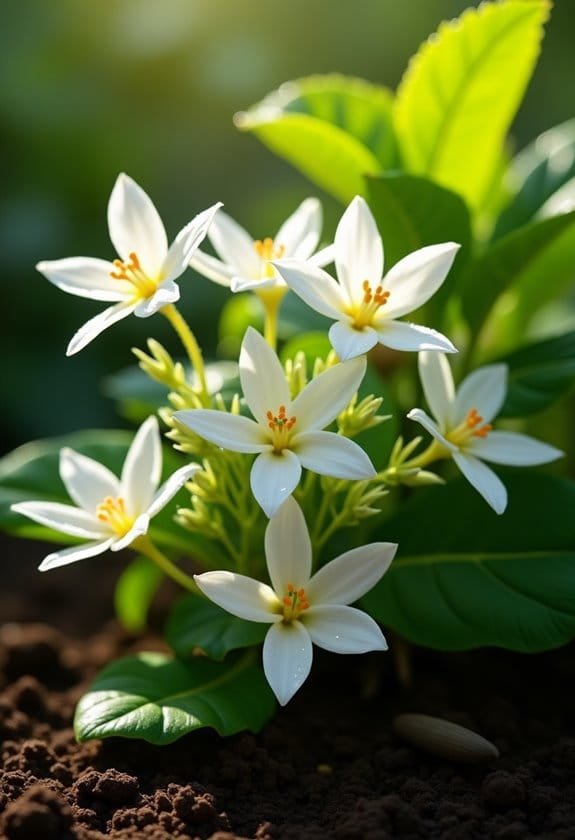
Common Jasmine, a resilient flowering plant, flourishes under the warm embrace of full sun to partial shade, supporting its vibrant growth.
Preferring well-drained, moderately fertile soils, it thrives best in USDA hardiness zones 7-10, comfortably enduring temperatures as low as 0°F.
To guarantee peak health, consistent watering and careful attention to mulch during winter months bolster its well-being, making for a truly enchanting addition to gardens.
Light
To thrive, Jasminum officinale needs at least 6 hours of direct sunlight each day, ideally flourishing in full sun to part shade. This light requirement variation is significant, as the plant prefers warm, sheltered spots within USDA hardiness zones 7-10.
Adequate light exposure benefits the jasmine's growth and flowering, contributing to its renowned fragrance and energy. Insufficient sunlight can adversely impact the plant, leading to poor flowering and leggy growth, which diminishes its aesthetic appeal.
Consequently, maintaining a well-lit environment plays a pivotal role in ensuring the plant's overall health. In indoor settings or areas with partial shade, it's imperative to employ effective indoor lighting solutions, such as grow lights, to mimic natural sunlight.
Rotating the plant occasionally can also facilitate even light exposure, promoting balanced growth. Moreover, proper lighting not only enhances the jasmine's exquisite scent but also increases its resilience against pests and diseases, making it a robust addition to any garden or home.
Soil
Successful growth of Jasminum officinale not only relies on adequate sunlight but also on the right soil conditions.
This fragrant vine flourishes best in moderately fertile, well-drained soils that contain medium moisture, which is essential for maintaining healthy roots and robust plant vigor. While Jasminum officinale shows adaptability to various soil types, including average conditions, it truly thrives in organic matter-rich substrates that enhance its growth potential.
To guarantee ideal development, proper drainage is crucial; avoiding waterlogged conditions prevents the risk of root rot, which can be detrimental.
The plant also benefits from an annual fertilization regimen, enriched with balanced nutrients during the growing season, as this enhances both growth and blooming capacity.
Additionally, when gardeners employ organic mulching techniques, they not only retain beneficial soil moisture but also regulate temperature effectively.
This practice is particularly advantageous in cooler climates, where fluctuations in temperature can affect growth.
Water
Maintaining consistently moist soil is essential for Jasminum officinale's vibrant growth and abundant flowering. Regular watering is important, particularly during dry spells, as it fuels the plant's vigorous development.
However, overwatering presents significant risks, including root rot; consequently, ensuring well-drained soil is crucial for maintaining ideal moisture levels.
Employing moisture retention techniques, such as mulching, proves beneficial. A layer of at least 12 inches of organic material around the plant's base effectively conserves water, shielding roots from harsh winter conditions.
For those growing Jasminum officinale in containers, adherence to irrigation frequency guidelines becomes even more important. Potted plants tend to dry out more rapidly than those planted in the ground, necessitating more frequent watering to sustain their health and flowering potential.
During the active growing season, particularly from July until frost, adequate watering not only supports blooming but also enhances overall plant health and resilience.
Temperature
Temperature plays an essential role in the growth and flowering of Jasminum officinale, as it flourishes in USDA hardiness zones 7-10, where winters are mild. This plant thrives in environments that regularly experience moderate temperatures, which are vital for maintaining its health and vigor.
Although it exhibits remarkable cold tolerance, enduring temperatures down to 0°F (-18°C) under ideal conditions, the jasmine truly flourishes when it encounters cooler weather, stimulating the flowering process from July until frost.
Jasminum officinale demonstrates a remarkable capacity for seasonal adaptations. The need for a mild climate is apparent; while it can survive in diverse conditions, the plant prefers warm, sheltered spots to promote ideal growth, enhancing its resilience against temperature extremes.
Such locations enable the vine to thrive, allowing it to produce the fragrant blossoms for which it's renowned.
Gardeners should keep in mind that successful cultivation depends on understanding these climate preferences. By nurturing jasmine in a suitable environment, one can guarantee robust growth and an abundant floral display that captivates the senses.
Pollinator Criteria
Common Jasmine attracts an array of pollinators, including bees and butterflies, thanks to its alluring fragrance and nectar-rich blooms.
The flowers' strong scent acts as both a beacon and incentive, encouraging these essential species to engage in the pollination process.
This interaction not only sustains the growth of jasmine but also reinforces local biodiversity, illustrating the significant role this plant plays in supporting ecological health.
Attracted Pollinators
The fragrant blooms of Jasminum officinale lure a diverse array of pollinators, making it an essential choice for any garden aimed at supporting local ecosystems. Its sweet aroma attracts various bees and butterflies, aligning perfectly with their pollinator preferences.
Additionally, the delightful scent is particularly appealing to nocturnal pollinators, like moths, who are drawn to the fragrance during the evening hours when the air is still and the aroma intensifies.
Common Jasmine's starry white flowers boast adaptations that enhance their visibility, signaling to pollinators the presence of valuable nectar and pollen. This adaptation aids in drawing attention from potential visitors since many insects instinctively seek out colorful blooms as indicators of available resources.
Furthermore, the plant's bloom time, stretching from late spring to frost, guarantees a continuous supply of nectar, thereby bolstering garden biodiversity and supporting local pollinator populations throughout the growing season.
Pollination Method
Often, various pollinators interact with Common Jasmine (Jasminum officinale) due to its enticing flowers and nectar. The star-shaped, white blossoms emit a highly fragrant aroma, attracting essential visitors like bees, butterflies, and hummingbirds. These pollinators play a fundamental role in the plant's reproductive process, utilizing pollination techniques that enhance genetic diversity. When they collect nectar, they inadvertently transfer pollen from one flower to another, facilitating cross-pollination.
The blooming period, spanning from late spring to frost, increases the array of pollinators that visit. Each interaction provides significant pollination benefits, bolstering the survival and reproduction of Common Jasmine through enhanced genetic variation.
Pollinator behaviors also impact the success of this relationship; for example, certain hummingbirds prefer specific floral shapes that correspond to their feeding methods, ensuring efficient nectar extraction.
Moreover, environmental factors—like light availability and temperature—dictate both the flowering time and health of visiting pollinators. Ideal conditions encourage frequent foraging activities, thereby maximizing the chances of successful pollination.
Through this intricate dance, Common Jasmine demonstrates the essential interconnectedness of flora and fauna, showcasing nature's remarkable resilience and adaptability.
Care & Maintenance
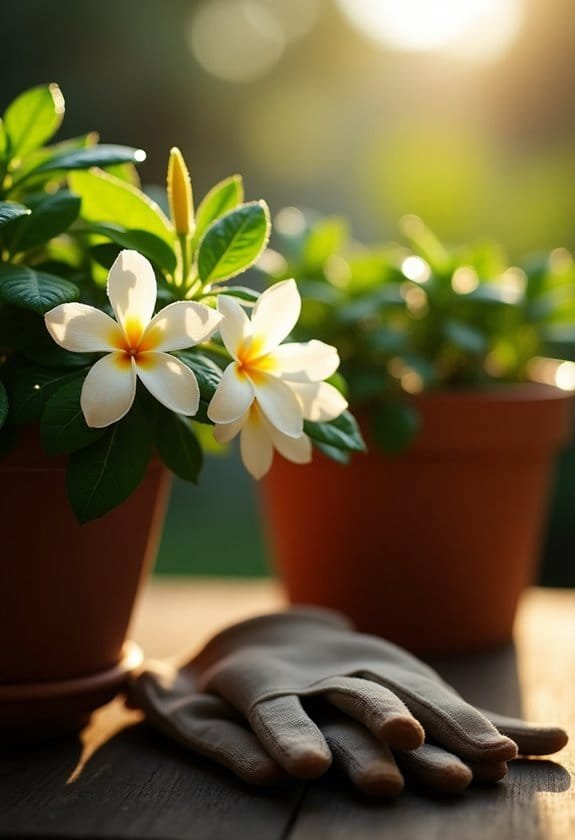
In establishing a thriving Common Jasmine, understanding the nuances of planting, ongoing care, and suitable companion plants becomes essential.
Careful attention to pruning, watering, and fertilization guarantees lush growth and abundant blooms, while integrating the plant with compatible species enhances the overall garden ecosystem.
Planting Tips
To successfully plant Jasminum officinale, gardeners should choose a location that boasts full sun to part shade, guaranteeing the plant gets at least 6 hours of sunlight daily. This positioning fosters ideal growth and vibrant blooms.
The choice of soil is equally important; a well-drained, moderately fertile soil rich in organic matter promotes healthy root development, sustaining moisture levels without becoming waterlogged.
When selecting a planting container, verify it has adequate drainage holes to prevent excess water accumulation. It's wise to take into account companion plants that thrive in similar conditions, which can enhance the garden's overall aesthetics and health.
Regular watering plays a significant role, particularly in dry spells; however, it's essential to allow the soil to dry slightly between waterings to avoid root rot.
Pruning techniques are imperative for maintaining the plant's shape and promoting bushier growth. Gardeners should prune after flowering, removing old wood to encourage more abundant blooms in the following season.
Additionally, applying a balanced fertilizer in early spring enhances growth, supporting the development of new, fragrant blooms throughout the growing season.
With these tips, Jasminum officinale can flourish beautifully in any garden setting.
Ongoing Care
Ongoing care is essential for the thriving health and beauty of Jasminum officinale. To promote vigorous growth and abundant blooms, gardeners should implement effective pruning techniques. After flowering, they should remove old shoots, ensuring that the plant can channel its energy into producing fresh flowers for the next season.
Watering the jasmine regularly during dry spells is also important, maintaining moderately moist soil without risking saturation, which can lead to root rot. To support robust growth and flowering, applying balanced fertilizer options in early spring helps enrich the nutrients in well-drained, moderately fertile soils.
Furthermore, pest management is critical to safeguard the plant's well-being. Gardeners must keep a watchful eye for common pests like scale and aphids that may invade the fragrant foliage. Preventive strategies, such as introducing beneficial insects or using insecticidal soap, can notably bolster the plant's resilience against infestations.
During colder months, particularly in zones 6 and below, mulching around the roots with a 12-inch layer provides necessary insulation.
Suggested Companions
Companion planting can greatly enhance the health and beauty of Common Jasmine (Jasminum officinale).
Growing jasmine alongside sun-loving plants like roses and clematis not only provides structural support but also elevates garden aesthetics with a lively display of colors and fragrances.
Herbs such as mint and thyme, when planted nearby, can amplify jasmine fragrances while serving as effective pest deterrents, reducing the likelihood of infestations that could compromise plant health.
For a diverse ecosystem, incorporating flowering plants like echinacea and black-eyed Susans attracts beneficial pollinators, which can enhance jasmine blooms considerably.
A trellis or support structure for jasmine is essential, and combining this with companion plants that have similar water and light requirements guarantees that all plants thrive harmoniously.
Additionally, pairing jasmine with shade-tolerant species, such as ferns or hostas, helps maintain soil moisture, aligning perfectly with jasmine's preferred growing conditions.
These thoughtful combinations not only foster a lush, vibrant atmosphere but also create an interconnected environment where each plant contributes to the overall beauty and health of the garden. Furthermore, companion planting supports local ecosystems by attracting a variety of pollinators, including those drawn to Orpine's star-shaped flowers.
Such deliberate planning proves both crucial and rewarding for ideal jasmine cultivation.
Common Issues
While Common Jasmine is mostly resistant to pests and diseases, it can still face challenges from scale, mealybugs, and aphids, particularly in indoor environments.
Regular monitoring becomes essential, as overwatering might develop into a significant issue leading to root rot, prompting the need for well-drained soil and judicious watering practices.
Addressing these common problems through adequate care and understanding promotes healthy growth and vibrant blooms, enhancing the plant's overall appeal.
Pests/Diseases
Common Jasmine (Jasminum officinale) is a resilient plant, but it can still face challenges from pests and diseases. While it generally thrives, gardeners should remain vigilant about pest identification, as occasional invaders like aphids, scale, and mealybugs may affect its health.
Indoor specimens are particularly susceptible to scale insects and whiteflies, necessitating regular monitoring to maintain their vigor.
Although serious diseases are rare, overwatering poses a significant risk. It can lead to root rot, emphasizing the importance of guaranteeing well-drained soil. Disease prevention strategies, such as proper watering techniques, become essential for protecting this beautiful plant.
In addition, well-structured pruning post-bloom can enhance air circulation and reduce pest populations, effectively deterring potential diseases.
For effective pest management, organic insecticides can be used, alongside the introduction of beneficial insects, such as ladybugs, which naturally control pest populations without harming the plant.
Solutions
Regular attention to the needs of Common Jasmine can greatly enhance its growth and longevity. Implementing appropriate pruning techniques is imperative; trimming old shoots right after blooming not only maintains a tidy appearance but also encourages vibrant new flowers the following season. This practice contributes considerably to the plant's overall vitality.
Moreover, effective winter protection is essential, especially for those cultivating Jasmine in colder climates. Utilizing mulch serves as a protective blanket around the roots, safeguarding against frost and ensuring the plant's survival through harsh winter weather.
Containerized Jasmine requires extra care; bringing pots indoors during frigid spells is often necessary to prevent root damage.
Although Common Jasmine is generally pest-free, vigilant pest management shouldn't be overlooked. Regularly monitoring for issues such as scale, mealybugs, and aphids can prevent potential infestations.
Since Jasmine tends to deter deer, garden enthusiasts can feel more confident in their landscape, free from this common threat.
Summary
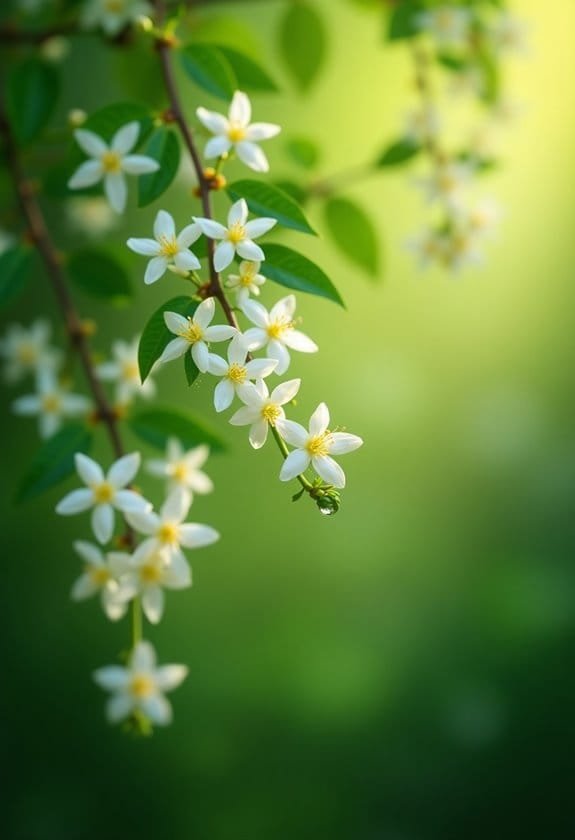
What's it about Common Jasmine that captivates gardeners and culinary enthusiasts alike? Jasminum officinale offers both cultural significance and striking beauty, enriching gardens around the world. This evergreen perennial vine thrives gracefully in USDA hardiness zones 7-10, reaching impressive heights of 15 to 30 feet, while its fragrant white flowers bloom from late spring to frost, intoxicating the air with their delicate aroma.
The culinary uses of Common Jasmine are expansive and delightful; gardeners often utilize its flowers to infuse teas, flavor desserts, and craft unique jasmine-infused syrups for cocktails, elevating culinary experiences. The versatility of jasmine elevates both sweet and savory dishes by imparting nuanced aroma and flavor.
Beyond its culinary applications, the fragrance benefits of Common Jasmine extend to its ornamental presence in landscapes, providing an enchanting sensory experience. In addition to its aesthetic allure, this hardy plant is virtually pest and disease-free, requiring only basic care practices like spring pruning to promote ideal blooming.
Historically rooted in Central Asia, Jasminum officinale is celebrated across Europe and the Americas, solidifying its place in gardens as a beloved staple of beauty and fragrance.