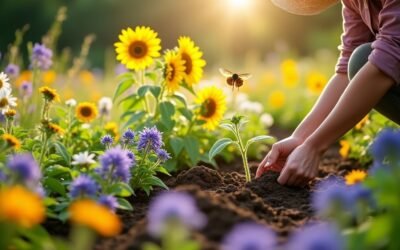
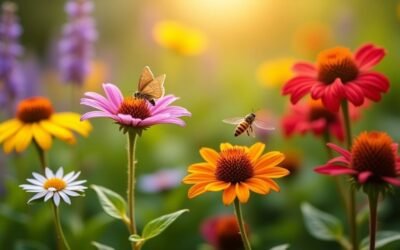
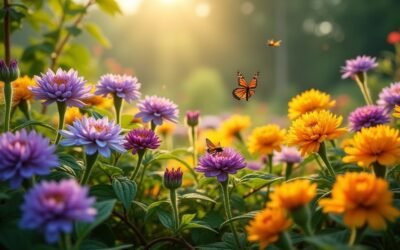
Knautia macedonica, or Macedonian scabious, is a stunning clump-forming perennial that reaches heights of 18 to 36 inches (45-90 cm). Known for its bold crimson pincushion-like flowers, about 1.5 inches (3-4 cm) wide, it blooms from early summer through fall. Thriving in USDA zones 5 to 9, it prefers well-drained, moderately fertile soils and full sunlight, attracting diverse pollinators with its nectar. While it self-seeds, regular deadheading enhances visual interest and supports sustained blooming. This drought-tolerant plant contributes to garden biodiversity, yet it can face challenges from aphids. Exploring its care can yield revitalizing insights for any garden enthusiast.
Main Points
- Knautia macedonica, also known as Macedonian scabious, features deep crimson pincushion-like flowers that bloom from early summer to fall.
- This perennial thrives in USDA hardiness zones 5 to 9, preferring well-drained, moderately fertile soils and full sunlight.
- It attracts diverse pollinators such as bees and butterflies, enhancing garden biodiversity and ecosystem health.
- Regular deadheading promotes continued blooming, while vigilant monitoring for aphids helps maintain plant vitality.
- Self-seeding can lead to overcrowding, so managing spacing is essential for air circulation and disease prevention.
Introduction
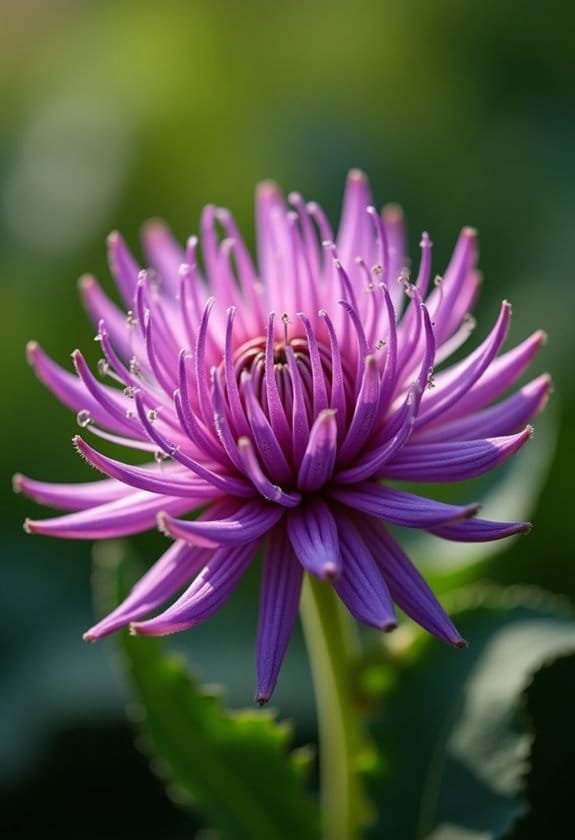
Knautia macedonica, known as Macedonian scabious, offers a remarkable display of deep crimson flowers that bloom from early summer to fall.
As a clump-forming perennial, it typically reaches heights of 18 to 36 inches and thrives in well-drained, alkaline soils under full sun, showcasing its adaptability to various garden environments.
This resilient plant not only enhances aesthetic appeal but also plays an essential role in supporting biodiversity, attracting important pollinators like bees and butterflies to the garden ecosystem.
Common Name
Known for its striking appearance, Macedonian scabious is a common name for Knautia macedonica, reflecting the plant's origins in Southeastern Europe. This perennial delight showcases deep crimson, pincushion-like flowers that bloom generously from early summer to the fall, enchanting not only the human eye but also alluring crucial pollinators such as bees and butterflies.
Macedonian scabious typically reaches impressive heights of 18-36 inches (45-90 cm), exhibiting an upright, clump-forming growth habit that enhances its visual impact in various garden settings. The term "scabious" hails from the plant's historical applications in traditional medicine; however, today, it primarily serves ornamental purposes, gracing landscapes with beauty and attracting admiration. Additionally, like Kidney Vetch(Anthyllis vulneraria), it plays a vital role in supporting local biodiversity by providing essential nectar for pollinators.
As a member of the Caprifoliaceae family, Knautia macedonica is synonymous with Scabiosa macedonica, illustrating its fascinating botanical lineage. The plant is also known for its capacity to attract diverse pollinators, thereby enhancing the biodiversity of garden ecosystems.
In any garden, the presence of Macedonian scabious offers an enchanting touch, transforming outdoor spaces into vibrant ecosystems that support essential wildlife. Whether in a cottage garden or a formal landscape, this stunning perennial stands out, bringing color and life to its surroundings while offering a glimpse into the rich biodiversity of its native habitats.
Scientific Name
The scientific classification of Macedonian scabious, identified as Knautia macedonica Griseb., provides insight into its botanical heritage. This plant belongs to the Caprifoliaceae family, a group known for its distinctive flowering structures and rich diversity.
Initially recognized under synonyms like Scabiosa macedonica and Trichera macedonica, the naming conventions surrounding Knautia macedonica reflect its evolving understanding within the scientific community.
Furthermore, this species showcases remarkable variation, with notable subspecies such as Knautia macedonica var. indivisa and var. lyrophylla, each presenting unique morphological traits that add to its charm.
Knautia is closely related to other intriguing species, including Knautia atrorubens and Scabiosa lyrophylla, illustrating the rich tapestry of its botanical affiliations.
The taxonomy of Knautia macedonica emphasizes its native range in Southeastern Europe, specifically thriving in environments across Albania, Bulgaria, and Greece. This geographical distinction not only enhances its ecological significance but also highlights its adaptability to various habitats.
Ultimately, understanding the scientific name Knautia macedonica enriches appreciation for this enchanting plant and its role within the broader context of botanical studies and eco-conservation.
Overview
A striking addition to any garden, Knautia macedonica, or Macedonian scabious, captivates with its vibrant crimson pincushion flowers and resilient growth habits. This clump-forming perennial showcases blossoms approximately 1.5 inches (3-4 cm) in diameter, blooming from early summer through fall.
Typically reaching heights of 18-36 inches (45-90 cm), the plant thrives in full sun, preferring moderately fertile, well-drained alkaline soils, which accentuates its robustness. Native to central and southeastern Europe, Knautia macedonica exhibits remarkable hardiness, successfully growing in USDA zones 5 to 9.
Its drought tolerance establishes a presence that many gardeners appreciate, particularly in increasingly dry climates. One of its notable ecological contributions involves attracting a variety of pollinators—like bees and butterflies—thereby fostering biodiversity within garden settings.
Moreover, under suitable conditions, this perennial may self-seed, which enhances its longevity and guarantees its prevalence in various landscapes, such as cottage gardens and wildflower meadows.
With its vibrant colors and pollinator-friendly nature, Knautia macedonica serves as an enchanting centerpiece, seamlessly blending visual appeal with ecological significance.
Key Features
Knautia macedonica, with its remarkable stature of 18 to 36 inches tall and striking clusters of deep crimson flowers, stands as a visual centerpiece in any garden.
Blooming from early summer to early fall, the pincushion-like blossoms, which can reach 1.5 inches in diameter, not only attract pollinators but also enhance the plant's aesthetic appeal.
Its silvery-green lobed basal leaves complement its flowering season, ensuring that even when not in bloom, Knautia macedonica continues to captivate through its unique structure and color.
Growth Size
Standing upright, Knautia macedonica typically reaches heights of 18-36 inches (45-90 cm) and spreads 18-24 inches (45-60 cm) at maturity. Its growth size is characterized by a robust clump-forming habit, which enhances its visually appealing presence in gardens.
This resilient plant exhibits a moderate growth rate, occasionally exceeding standard height expectations when placed in ideal conditions. The overall mounded structure, supported by silvery-green basal leaves with distinct lobes, contributes to its upright growth.
This foliage not only impacts its aesthetic but also plays a critical role in photosynthesis, which fuels the plant's growth. Moreover, under ideal circumstances, Knautia macedonica has the ability to self-seed, which promotes its spread and persistence in landscaping arrangements.
Gardeners seeking a vibrant and hardy addition to their perennial borders may find the growth size of Knautia macedonica compelling. Its ability to thrive and adapt allows it to maintain a significant presence, creating a striking focal point while simultaneously providing habitat and resources for various pollinators.
The result is a dynamic and enduring connection between the plant and its surrounding ecosystem.
Appearance
With its striking deep crimson pincushion-like flowers, Knautia macedonica draws attention in any garden. These vibrant blossoms, measuring approximately 1.5 inches (3-4 cm) in diameter, create an impactful visual display, enchanting the eyes of passersby.
The plant reaches a height of 18-36 inches (45-90 cm), with a notable spread of 18-24 inches (45-60 cm), making it a substantial and commanding presence.
The leaves of Knautia macedonica are deep green, pinnately lobed, and contribute to the plant's robust appearance. This foliage highlights the delicate nature of the flowers, creating a striking contrast that enhances its overall aesthetic appeal.
Each flowerhead is composed of numerous small florets, which work harmoniously to attract a variety of pollinators, including bees and butterflies. This symbiotic relationship furthers the plant's role in supporting biodiversity.
Knautia macedonica boasts an upright and mounded growth habit, upheld by slender, wiry stems. This structure not only enhances its airy appearance within garden beds but also offers versatility for floral arrangements.
Ultimately, its dynamic presence elevates any landscape, making it an ideal choice for gardeners seeking vibrant color and visual interest.
Flowering Season
During its flowering season, Knautia macedonica showcases vibrant deep crimson blooms from early summer to early fall, lasting around four months. These striking flowers, measuring approximately 1.5 inches (3-4 cm) in diameter, resemble pincushion heads, adding a unique texture to garden spaces. When cared for properly, this perennial can produce continuous blooms if spent flowers are regularly deadheaded throughout the growing season.
Knautia macedonica thrives in full sun, requiring at least six hours of direct sunlight each day to reach its full potential during this period. This sun-loving plant not only enhances the aesthetic appeal of any landscape but also plays a crucial role in supporting local ecosystems. Additionally, white clover's nitrogen-fixing capabilities can enhance soil fertility, creating a healthier environment for Knautia macedonica.
The flowers attract a variety of pollinators, such as bees and butterflies, fostering biodiversity and creating a vibrant scene during the blooming season. The presence of these charming flowers contributes greatly to the overall health of the garden, as pollinators help facilitate the reproduction of numerous plants. Additionally, similar to *Greater Knapweed*, Knautia macedonica serves as an important nectar source for pollinators and local biodiversity, enhancing the health of garden ecosystems.
Growing Requirements
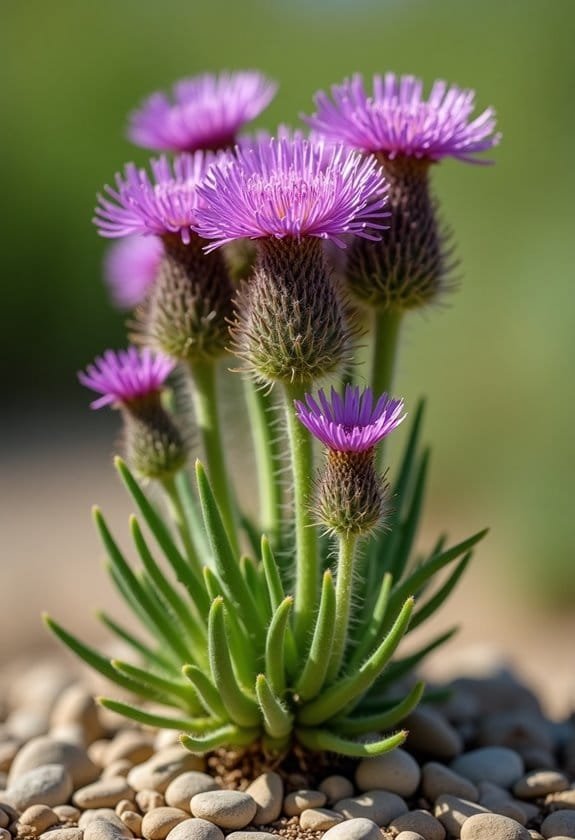
Knautia macedonica flourishes under full sunlight, demanding at least six hours of direct exposure to thrive and produce its stunning blooms.
This resilient perennial favors moderately fertile, well-drained soils with a neutral to alkaline pH, showcasing remarkable drought tolerance once established.
With a height ranging from 18 to 36 inches and a width of 18 to 24 inches, it embodies an upright clump formation, presenting a visually appealing addition to gardens throughout its blooming season from early summer to fall. Additionally, this plant thrives in environments similar to those preferred by Silverweed(Potentilla anserina), indicating its adaptability to various growing conditions.
Light
For ideal growth and flowering, Knautia macedonica thrives in full sun, needing at least six hours of direct sunlight each day. This stunning perennial showcases its deep crimson blooms from early summer to fall, drawing the admiration of garden enthusiasts. Positioned in sunny areas, Knautia flourishes with robust liveliness, producing an abundance of flowers that elevate spaces with brilliant color.
In cooler climates, selecting sheltered locations can greatly enhance the plant's development. These warm spots are particularly beneficial during cool summer nights, as they prevent the plant from experiencing temperature shocks. Adequate sunlight exposure plays a critical role in promoting its drought tolerance, allowing Knautia macedonica to withstand periods of low precipitation once established.
Furthermore, the interplay of sunlight and warmth fosters an environment conducive to vigorous blooming, ensuring a prolonged display of blossoms. Gardeners should note that while Knautia is tolerant of various conditions, consistent sunlight remains crucial to its overall health and vibrancy.
Therefore, by providing this sun-loving plant with the right amount of light, they can expect a spectacular show of deep crimson flowers throughout the growing season, enhancing the charm and aesthetic appeal of any garden. The successful growth of Knautia can also be attributed to its adaptation to saline environments similar to other coastal plants like Sea Rocket (Cakile maritima), showcasing its versatility in various conditions.
Soil
To achieve ideal growth, Knautia macedonica requires moderately fertile, well-drained soils with a neutral to alkaline pH. This adaptability allows the plant to thrive in a variety of conditions, provided that the essential elements are met. The best soil composition must facilitate good drainage to prevent root rot, a common concern in overly saturated environments.
However, it should also retain enough moisture to sustain the plant during periods of drought, as Knautia macedonica demonstrates a remarkable drought tolerance. Regular assessments of soil quality can greatly impact the health and longevity of this delightful perennial.
Ideally, Knautia macedonica prefers soils that balance moisture and aeration, ideally achieving a pH level ranging from 6.0 to 8.0. Full sun exposure, encompassing at least six hours of direct sunlight daily, enhances its growth, enabling vibrant blooms. Additionally, incorporating native wildflowers into the planting area can support local ecosystems and enhance overall biodiversity.
Water
Adequate watering is crucial for Knautia macedonica to establish a healthy root system and thrive throughout its growing season. This perennial plant, renowned for its striking blooms, flourishes best in moderately fertile, well-drained soils that maintain medium moisture levels.
While Knautia macedonica is drought tolerant once established, regular watering particularly during the first growing season greatly enhances its ability to develop a robust root structure. Additionally, the plant's adaptability to nutrient-poor conditions allows it to flourish in a variety of environments.
The key to successful growth lies in keeping the soil moisture consistent, as waterlogged conditions can be detrimental to the plant's health. Full sun exposure plays an essential role; sunlight influences soil moisture retention and guarantees the plant can perform at its best.
Ideally, the soil should lean towards neutral to alkaline pH levels, which help preserve the necessary moisture conditions for growth and sustenance. Additionally, maintaining well-draining soil conditions is vital to ensure the plant's overall health and prevent root rot.
As Knautia macedonica adapts to occasional dry spells, gardeners will find it a low-maintenance choice, provided they take care to establish proper watering practices early on.
Temperature
In the domain of temperature requirements, Knautia macedonica showcases impressive hardiness, thriving in USDA zones 5 to 9. This remarkable plant tolerates temperatures down to −20°C (−4°F) and continues to flourish, underscoring its resilience.
However, Knautia macedonica prefers cool summer nights, which greatly enhance its growth and blooming performance. These cooler temperatures allow the plant to conserve energy during the high heat of the day.
For ideal growth, it requires full sun exposure, basking in at least six hours of direct sunlight daily. While this plant exhibits drought tolerance once established, Knautia macedonica thrives best in moderately fertile, medium moisture, well-drained soils, reflecting its preference for balanced environmental conditions. Additionally, incorporating nitrogen-fixing abilities such as those found in red clover can improve soil quality and promote healthy plant growth.
Understanding local climate conditions also proves vital; variations in temperature and moisture availability can extensively influence growth rates and bloom characteristics. Such nuances highlight the interplay of climatic factors that define a plant's success in any given location.
Pollinator Criteria
Knautia macedonica attracts a diverse array of pollinators, including bees and butterflies, thanks to its rich nectar and vividly colored pincushion flowers.
These 3-4 cm blooms not only serve as essential food sources but also facilitate effective pollination through their accessibility and visibility in full sun. Additionally, it plays a significant role in supporting biodiversity promotion by serving as a vital nectar source for various insects during its flowering season.
As a self-seeding perennial, it fosters a continuous floral display, enhancing the ecological benefits it provides to visiting insects and promoting overall biodiversity in garden ecosystems. Additionally, like Common Vetch, Knautia macedonica contributes to enhanced soil quality through its growth dynamics and interactions with other plants.
Attracted Pollinators
With its vibrant deep crimson pincushion flowers, Knautia macedonica attracts a variety of pollinators that thrive on the nectar and pollen it provides.
Blooming from early summer to late fall, these striking flowers, measuring approximately 1.5 inches in diameter, display a unique structure that entices beneficial insects, particularly bees and butterflies.
These pollinators, crucial for the fertilization of many plants, flock to the pincushion flowers, finding a rich source of sustenance. Additionally, the presence of these flowering plants can help support pollinator preferences similar to those observed with species like wild marjoram.
Knautia macedonica's extensive blooming period guarantees a steady supply of food, which is essential for their survival during the summer months when resources may be scarce.
This plant is classified within the RHS Plants for Pollinators initiative, underscoring its ecological significance and its role in enhancing garden biodiversity. Additionally, like Campanula glomerata, it supports pollinator-friendly practices that foster local ecosystems and biodiversity.
Pollination Method
The unique structure of Knautia macedonica's flowers plays a significant role in its pollination method, effectively attracting various pollinators.
These striking deep crimson pincushion-like flowers provide both nectar and pollen, appealing to important pollinators, especially bees and butterflies. Throughout their flowering season, which stretches from early summer to early fall, the dense clusters of blooms present an inviting landscape that enhances visibility and accessibility for these beneficial insects. Notably, the plant's ability to support biodiversity is critical to its ecological impact in garden environments.
The plant's floral design allows easy access, ensuring that pollinators can navigate the blossoms effectively, which subsequently increases the success rate of pollination.
Recognized in the RHS Plants for Pollinators initiative, Knautia macedonica stands out for its ecological contributions, enhancing biodiversity within garden settings. Additionally, the plant's dense flower clusters serve as essential feeding stations for butterflies and other pollinators, providing accessible nectar during foraging.
Care & Maintenance
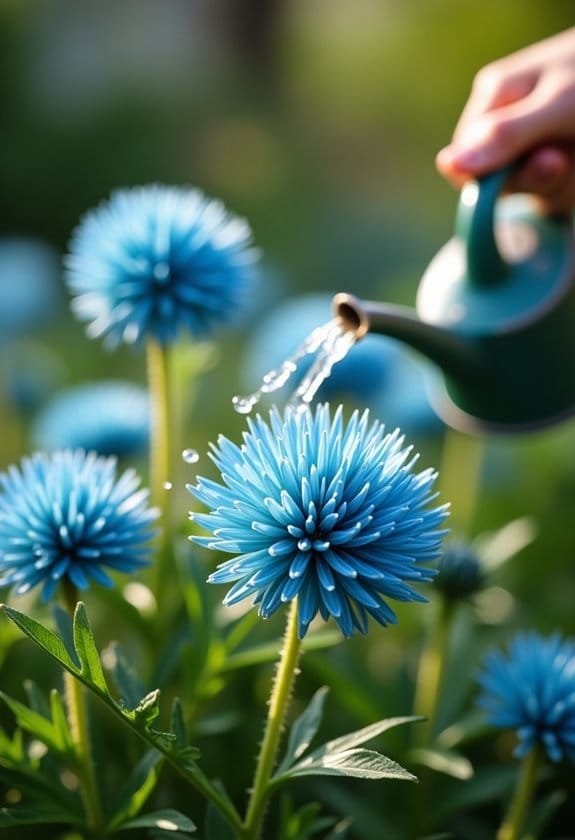
When considering the care and maintenance of Knautia macedonica, it's crucial to focus on planting tips, ongoing care, and suggested companions that enhance its growth.
Thriving in full sun and well-drained soils, this resilient perennial requires regular deadheading and late winter pruning to promote vitality and maintain its attractive form, thereby inviting a burst of color to any garden.
Additionally, selecting complementary plants can create a harmonious landscape while ensuring each species' unique needs are met, ultimately fostering a thriving ecosystem.
Planting Tips
Plant Knautia macedonica in moderately fertile, well-drained soil to secure vibrant growth. This perennial flourishes in well-drained soils in full sun, requiring at least six hours of direct sunlight daily for ideal development.
When planting, make sure to provide enough spacing to allow air circulation, promoting healthy growth and reducing disease risks. A layer of mulch can be beneficial, helping to retain moisture and suppress weeds, particularly during its establishment phase. Notably, Creeping Buttercup's aggressive nature can sometimes overshadow other plants in garden settings, highlighting the importance of thoughtful planting.
Once established, Knautia macedonica exhibits impressive drought resistance, making it a low-maintenance addition to gardens. Regularly deadheading spent flowers is among the most effective planting tips, encouraging a longer blooming season that spans from early summer to fall.
This practice not only enhances aesthetic appeal but also promotes the plant's energy reallocation towards producing new blossoms. Additionally, performing annual late winter pruning aids in maintaining tidiness, ultimately supporting new growth in the spring.
While Knautia macedonica is resilient, vigilance for pests like aphids is essential; promptly addressing infestations will help safeguard overall health and vigor. Common Yarrow is another perennial that can serve as a vital food source for pollinators in your landscape. Following these guidelines will yield a stunning display of hardy blooms, enriching any landscape.
Ongoing Care
Ongoing care for Knautia macedonica is essential to guarantee thriving blooms and ideal health. This herbaceous perennial flourishes with regular practices that enhance vigor and prolong its impressive flowering season from early summer through to fall.
One of the most beneficial tasks involves deadheading spent flowers, which effectively encourages further blooming. Additionally, Knautia macedonica thrives best in moderately fertile, well-drained soil. Although the plant exhibits remarkable drought tolerance once established, providing occasional watering during particularly dry spells supports its overall health.
Pruning in late winter is another vital step, as it promotes tidiness and stimulates fresh growth when spring arrives. Gardeners should also remain vigilant, monitoring for pests such as aphids. Swift removal of affected areas is key to preventing infestations, ensuring that the plant continues to flourish vigorously.
Moreover, while Knautia macedonica possesses a self-seeding ability that aids in maintaining its population, managing this growth becomes necessary; otherwise, overcrowding may stifle its potential.
With dedicated ongoing care, Knautia macedonica can provide a stunning visual display year after year, enriching any garden landscape.
Suggested Companions
Creating a vibrant garden landscape involves thoughtfully selecting companion plants for Knautia macedonica. By employing companion planting strategies, gardeners can enhance both aesthetic appeal and ecological diversity.
For instance, pairing Knautia macedonica with echinacea proves advantageous, as their complementary colors attract a similar array of pollinators, enriching biodiversity within the garden ecosystem.
Furthermore, the combination of Knautia with gaura creates a striking visual contrast, with gaura's airy, delicate blooms softening the dense clusters of Knautia's deep crimson flowers. Incorporating sisyrinchium alongside Knautia offers textural diversity and a delightful mix of foliage colors, which further elevates the garden's aesthetic.
Another excellent choice is Coreopsis verticillata 'Moonbeam', whose fine leaves and bright yellow flowers beautifully offset Knautia's rich tones, creating a mesmerizing interplay of color.
When engaging in companion planting, it's crucial to verify that all selected plants thrive in similar conditions—namely, full sun and well-drained soil—to promote their best health and growth. This harmonious selection encourages a thriving ecosystem, where plants support one another while simultaneously enchanting the eye through a well-crafted symphony of colors and textures.
Common Issues
Knautia macedonica, while typically resilient, faces several common issues that can affect its overall health and aesthetic appeal.
Aphid infestations may require vigilant monitoring and timely intervention, as well as proper soil conditions to prevent flopping or drought stress that impairs blooming potential. Additionally, plants that are not well-drained may experience the risk of root rot, which can severely hinder their growth.
Regular maintenance guarantees a robust, well-proportioned plant while managing tendencies for self-seeding, safeguarding the garden from overcrowding and maintaining harmony in its ecosystem. Additionally, ensuring proper pollinator attraction can significantly enhance its blooming success and overall vitality.
Pests/Diseases
Aphids are the primary pest concern for Knautia macedonica, often appearing on the stems and leaves. These small, sap-sucking insects can weaken the plant, leading to stunted growth and diminished vigor.
Fortunately, Knautia macedonica is generally disease-free and exhibits remarkable resilience, thriving with minimal care. Regular monitoring of the plant's health plays an essential role in early detection of pests, notably reducing the risk of widespread infestations.
While aphids pose the main threat, maintaining healthy growing conditions is key for preventing their intrusion. Proper watering techniques and balanced soil management create an environment that discourages pests.
Signs of aphid infestation include curled leaves and sticky residue on the foliage, which can serve as indicators for gardeners.
Solutions
How can gardeners effectively manage common issues with Knautia macedonica? This clump-forming perennial is celebrated for its resilience and minimal maintenance, yet vigilance remains essential to prevent minor complications.
Gardeners should regularly check for aphids, as these pests can invade and weaken the plant. Promptly removing affected areas can thwart infestations and protect the plant's vigor.
Additionally, frequent deadheading of spent flowers not only enhances the appearance of Knautia macedonica but also stimulates ongoing blooming throughout the growing season, ensuring an extended display of vibrant flowers.
To combat potential flopping, particularly in taller cultivars, gardeners may consider implementing supportive structures, which can keep the plant upright even in breezy conditions.
Maintaining moderately fertile, well-drained soils alongside full sun exposure is critical for ideal growth, reducing care requirements considerably.
While Knautia macedonica exhibits drought tolerance once established, gardeners must provide occasional moisture during prolonged dry spells to support robust growth and abundant flowering.
With these preventative measures in place, gardeners can cultivate a thriving landscape filled with the enchanting allure of Knautia macedonica.
Summary
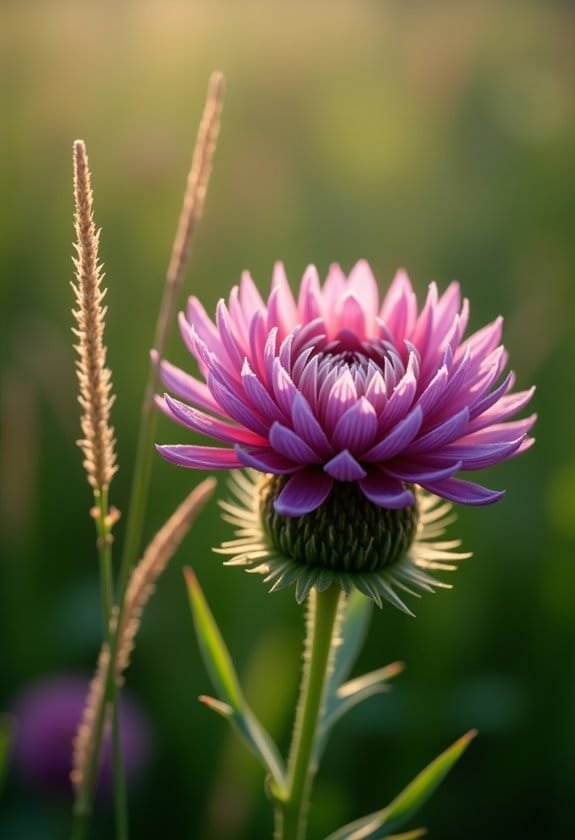
Macedonian scabious, or Knautia macedonica, is a vibrant perennial known for its striking deep crimson, pincushion-like flowers that bloom from early summer to fall. This clump-forming plant can reach heights of 18 to 36 inches (45 to 90 cm), adding an impressive presence to cottage gardens.
Thriving in well-drained, moderately fertile soils, Knautia macedonica prefers full sun and neutral to alkaline conditions, making it an adaptable choice for gardeners in hardiness zones 5 to 9.
Native to central and southeastern Europe, the plant has demonstrated remarkable resilience characterized by its drought tolerance and deer resistance.
In addition, it plays an important role in enhancing biodiversity by attracting various pollinators, including bees and butterflies.
To maintain continuous blooming, regular maintenance such as deadheading spent flowers is recommended, while the self-seeding ability helps sustain dynamic garden displays over time.