Lavandula × intermedia, known as Lavandin, is a remarkable hybrid lavender that emerges from the union of Lavandula angustifolia and Lavandula latifolia. This vigorous plant reaches heights of 2 to 3 feet (60-90 cm) and produces stunning purple blooms that flourish between July and September, making it visually striking in gardens. Thriving in USDA hardiness zones 5 to 9, it prefers well-drained soil and at least six hours of sunlight daily. Rich in camphor, its essential oil is sought after for its therapeutic benefits and aromatic intensity, considerably enhancing gardening and culinary experiences, with implications for diverse ecosystems. For further insights on its care and environmental impact, there's more to discover.
Main Points
- Lavandin is a hybrid lavender known for its intense aroma and high camphor content, ideal for essential oils in perfumery and culinary uses.
- This plant thrives in full sun and well-drained sandy soils, suitable for USDA hardiness zones 5 to 9, with drought tolerance once established.
- Blooming from July to September, Lavandin features vivid purple flowers that attract pollinators, enhancing garden biodiversity and supporting local ecosystems.
- Regular care includes annual pruning, monitoring for pests like aphids, and ensuring proper air circulation to prevent diseases such as powdery mildew.
- Lavandin's robust aroma and blooms not only provide ornamental appeal but also serve practical horticultural uses, enriching the garden environment.
Introduction
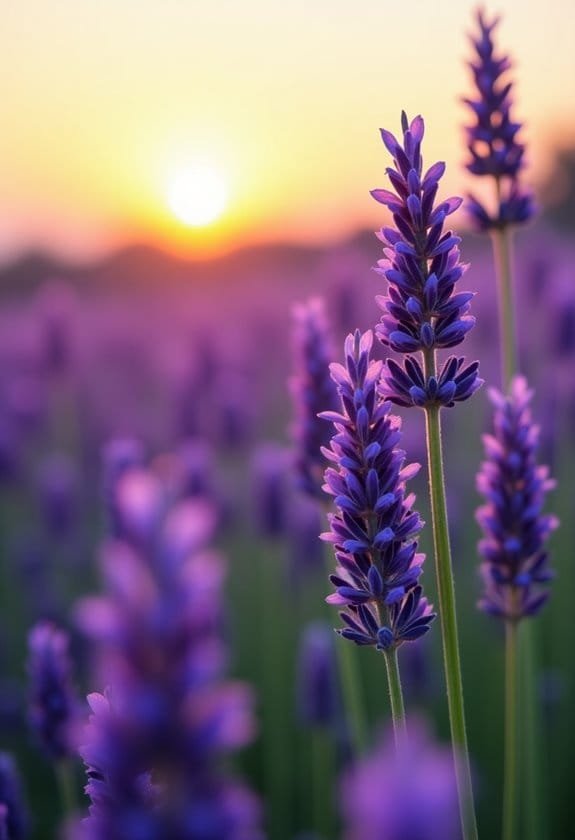
Commonly known as Lavandin, Lavandula × intermedia represents a unique hybrid, resulting from the crossbreeding of Lavandula angustifolia and Lavandula latifolia.
This semi-evergreen shrub, with heights ranging from 2 to 3 feet, not only captivates with its striking purple-blue flowers but also plays an essential role in supporting local pollinators from July to September.
With its notable fragrance attributed to elevated camphor content, Lavandin has gained recognition in both essential oil production and culinary applications, embodying the harmony between nature's beauty and practical utility. Additionally, this plant features aromatic needle-like leaves that enhance its appeal in gardens and landscapes.
Common Name
Lavandin, known scientifically as Lavandula × intermedia, is a hybrid that captures the essence of two prominent lavender species: English Lavender and Portuguese Lavender. This striking plant thrives with its dense, semi-evergreen shrub-like growth, typically reaching heights of 2 to 3 feet (60-90 cm).
Lavandin stands out primarily during its bloom season, from July to September, when it showcases abundant purple-blue flowers that emit a stronger scent than many other lavender varieties. This is due to its higher camphor content, a compound that intensifies aroma and enhances sensory experiences.
From August to October, Lavandula × intermedia produces seeds, which contribute not only to its propagation but also to its allure in gardens. The unique phonetic spelling, "lah-VAN-dew-lah in-ter-MEE-dee-uh," reflects its diverse origins and rich characteristics.
In addition, Lavandin is widely cultivated for its essential oil, which is a sought-after ingredient in perfumery and culinary applications, further solidifying its status in both agricultural and commercial domains. Its aromatic properties, coupled with an enchanting appearance, make this hybrid a cherished species among enthusiasts and professionals alike.
Scientific Name
The scientific designation for Lavandin is Lavandula × intermedia, clearly reflecting its hybrid nature resulting from the cross between Lavandula angustifolia and Lavandula latifolia. This intriguing hybrid, known for its resilience and beauty, typically ranges from 2 to 3 feet in height and width.
Its semi-evergreen structure, adorned with silvery-grey, linear leaves, adds a striking visual element to gardens and landscapes.
Lavandula × intermedia thrives in hardiness zones 5 to 9, revealing a slightly less robust disposition compared to its parent, English Lavender. The plant is especially celebrated for its profusion of purple-blue flowers that grace the landscape from July to September.
These blooms not only enrich the aesthetic appeal but also attract pollinators, benefiting local ecosystems.
Notably, Lavandula × intermedia contains a higher concentration of camphor, which contributes to its potent fragrance, making it a prime candidate for essential oil production.
The aromatic properties inherent in this hybrid render it immensely popular within industries such as aromatherapy and perfumery, showcasing the multifaceted value of this remarkable plant.
Overview
Renowned for its intriguing beauty and versatility, Lavandin (Lavandula × intermedia) stands out as a valuable hybrid in the world of horticulture and essential oils. This impressive shrub results from the crossing of Lavandula angustifolia, commonly known as English Lavender, and Lavandula latifolia, or Portuguese Lavender. Typically achieving heights of 2 to 3 feet (60-90 cm), intermedia is characterized by its dense, silvery-grey foliage that adds visual interest to any garden.
Blooming profusely from July to September, Lavandula × intermedia produces an array of striking purple-blue flowers, celebrated for their potent fragrance stemming from a higher camphor content compared to other lavender varieties. This high camphor content enhances its appeal in commercial markets, making it a sought-after choice in the essential oil industry. Thriving in hardiness zones 5 to 9, this plant prefers full sun and well-drained soil, making it an excellent choice for gardeners seeking hardy, aromatic specimens.
High in demand for its essential oil, Lavandin is widely utilized in aromatherapy, perfumes, and culinary creations. Its enchanting fragrance not only benefits humans but also attracts valuable pollinators, like bees and butterflies, enhancing biodiversity in cultivated landscapes. Furthermore, Lavandin shares the same drought tolerance characteristic as Thyme, making it suitable for low-maintenance gardens.
Consequently, Lavandula × intermedia embodies both aesthetic and practical significance, enriching gardens and industries alike.
Key Features
Lavandin, a hybrid of Lavandula angustifolia and Lavandula latifolia, presents an impressive growth size, usually reaching heights of 2 to 3 feet.
Its striking, silvery-grey foliage complements the profusion of purple-blue flowers that bloom from July to September, creating a visually enchanting display.
The unique features of this plant not only enhance its aesthetic appeal but also underscore its suitability for various landscapes, particularly due to its hardiness and drought tolerance.
Growth Size
Typically, mature Lavandin plants reach heights between 2 to 3 feet (60-90 cm) and spread equally wide. This remarkable hybrid, scientifically known as Lavandula × intermedia, showcases a dense, semi-evergreen growth habit, making it a striking feature in any garden. Its silvery-grey, linear leaves not only enhance its visual appeal but also play a role in its overall health and adaptability.
When considering the growth size of Lavandula × intermedia, one must note the slight variances among its varieties. For instance, the Phenomenal cultivar can reach a height of approximately 3 feet while expanding to a width of 5 feet, creating an impressive presence in the landscape.
While it thrives well in hardiness zones 5 to 9, Lavandin is somewhat less resilient than its English Lavender counterparts, which may affect its growth size in less favorable climates.
Ultimately, the consistent dimensions of Lavandin promote garden versatility, allowing for effective integration into both formal and informal settings. Its lush bushiness and fragrant blooms from July to September further enhance its desirability, supporting various pollinators and contributing to ecological balance.
Appearance
With its striking visual appeal, Lavandula × intermedia features dense, semi-evergreen growth that reaches heights of 2 to 3 feet (60-90 cm) and spreads between 2 to 5 feet (60-150 cm).
Its lush foliage consists of narrow, silvery-grey linear leaves, which create a delightful contrast against the vivid purple flowers that grace the plant in mid-summer.
The abundant, fragrant spikes of flowers are a defining characteristic of lavandin, enchanting not only the eye but also the senses. These purple flowers bloom with a vibrant intensity, often varying in hue; popular cultivars like Grosso display particularly deep violet tones, offering a stunning visual spectacle.
The strong, alluring fragrance emanating from the purple flower spikes is significantly enhanced by lavandin's higher camphor content compared to other lavender species, making them immensely attractive to pollinators such as bees and butterflies.
Lavandula × intermedia serves as a multifaceted addition to gardens, combining aesthetic charm with ecological benefits, effectively drawing wildlife while adorning landscapes with its picturesque purple flowers and elegant, silvery-grey leaves.
Its robust appearance and fragrance render it a valuable choice for both ornamental and practical horticultural purposes.
Flowering Season
From mid-summer to early fall, Lavandula × intermedia bursts into a vivid display of purple-blue flower spikes. This stunning visual spectacle peaks between July and September, enthralling not only garden enthusiasts but also essential pollinators like bees and butterflies.
The variety known as Lavandula × intermedia Grosso excels in this enchanting flowering season, producing particularly abundant flower spikes that emanate a delightful fragrance. Their heightened camphor content contributes to this strong aroma, distinguishing them from other lavender varieties.
Flowering may occur twice annually, contingent upon specific regional conditions and the selected variety, leading to even more opportunities for admiration and ecological contributions. As the flowers bloom, they serve a crucial role in enhancing local ecosystems, attracting various pollinators that assist in the reproduction of surrounding flora.
Seed production typically takes place between August and October, allowing gardeners and nature enthusiasts alike to explore propagation possibilities while ensuring the continued cultivation of this remarkable hybrid.
Growing Requirements
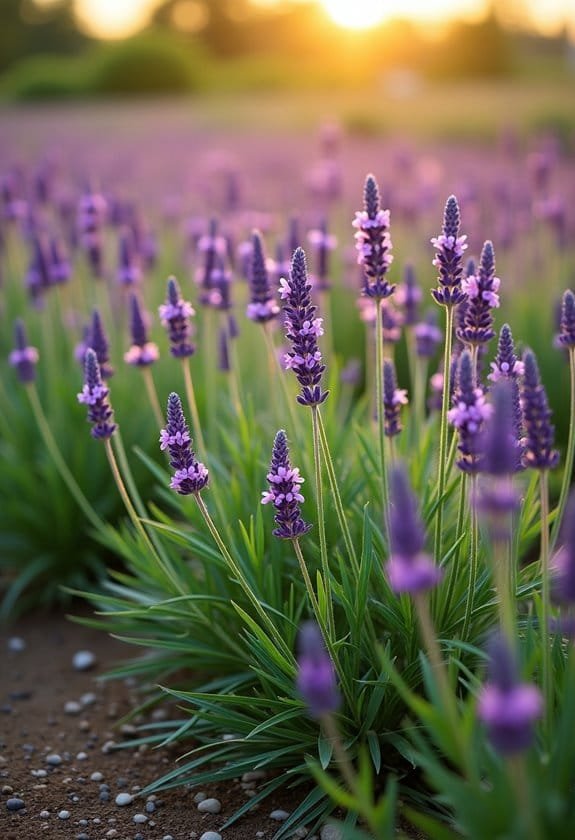
To thrive, lavandin demands specific growing conditions that enhance its robust nature.
It flourishes under full sun exposure, requiring at least six hours of direct sunlight daily, and it favors well-drained soil that allows for healthy root development.
Effective management of these elements, along with proper spacing and seasonal planting, greatly contributes to the plant's successful cultivation and resilience.
Light
How important is sunlight for the thriving of Lavandin? This aromatic hybrid, Lavandula × intermedia, flourishes in full sun, requiring at least six hours of direct sunlight each day for ideal growth and vibrant flowering.
A robust sunlight regimen promotes necessary photosynthesis, which fuels the plant's energy needs and enhances its magnificent fragrance. Conversely, insufficient light exposure can greatly diminish flower production and weaken the overall structure of the plant, putting its health at risk.
Moreover, the right light conditions bolster Lavandin's resilience against pests and diseases, making an adequate sunlight regimen not just beneficial, but essential.
Placing Lavandin in shady spots is inadvisable; low light environments can severely curtail its vigor and overall health. When planning a garden for Lavandin, it's crucial to think about sunny locations that allow the plants to receive the necessary light, fostering both robust growth and abundant blooming.
Ultimately, ensuring Lavandin gets its daily dose of light is akin to nurturing its spirit, allowing it to thrive and captivate all who encounter its splendid blooms and enchanting fragrance.
Soil
Healthy Lavandin (Lavandula × intermedia) flourishes in well-drained soil, crucial for preventing issues like root rot that can stall growth.
This plant thrives best in a soil pH that ranges from slightly acidic (6.0) to alkaline (8.0), which maximizes nutrient absorption. When adequately balanced, Lavandin can efficiently uptake the essential minerals needed for its vigorous development.
Once established, Lavandin exhibits remarkable drought tolerance, making sandy or rocky soils ideal. These types of soil typically lack moisture retention, allowing Lavandula × intermedia to adapt effectively.
Regular soil testing is recommended to monitor nutrient levels, particularly in high-light conditions where deficiencies may arise. This proactive approach guarantees that the plant receives the critical nutrients required for maximum growth.
To further support its growing needs, incorporating a light layer of mulch can help retain soil moisture and regulate temperature. The mulch acts much like a protective blanket, maintaining a stable environment conducive to healthy Lavandin.
Water
Watering Lavandin (Lavandula × intermedia) requires a careful balance to guarantee ideal growth. This plant flourishes best in well-drained soil, which is imperative because excess moisture can lead to detrimental root rot. Upon initial planting, it's essential to water thoroughly, enabling deep root establishment. This foundation helps Lavandin thrive as it matures into a resilient specimen.
Once established, Lavandin showcases remarkable drought tolerance, necessitating only occasional watering during prolonged dry spells. During the growing season, providing approximately 1 inch (2.5 cm) of water each week is most favorable for maintaining its vigorous development.
While Lavandin appreciates moisture, it unequivocally prefers drier conditions over soggy soil, making overwatering a significant concern. The delicate balance between hydration and dryness becomes fundamental; too much water can induce stress and stifle growth.
Maintaining this equilibrium not only nurtures the plant but also enhances its aromatic oils, beloved for their fragrance and therapeutic properties. Therefore, understanding Lavandin's water requirements can transform a simple gardening endeavor into a flourishing, satisfying experience, bringing both beauty and resilience to any landscape.
Temperature
The ideal temperature conditions for growing Lavandin (Lavandula × intermedia) greatly influence its health and productivity. Thriving in USDA plant hardiness zones 5 to 9, this versatile hybrid showcases significant adaptability, capable of surviving in zone 4 with adequate protection during frigid winters.
Lavandula × intermedia flourishes under full sun, requiring a minimum of six hours of direct sunlight daily, which catalyzes its robust growth and fragrant blooms. Furthermore, it's well-known for its resilience to heat and humidity, positioning it as a prime candidate for cultivation in warmer climates that experience extreme temperatures. This characteristic makes Lavandin an excellent choice for gardeners in regions where summer heat can be relentless.
Once established, Lavandin exhibits remarkable drought tolerance, necessitating minimal watering beyond its initial planting phase. This ability to thrive in less-than-ideal moisture conditions not only reduces maintenance efforts but also underscores its suitability for sustainable landscaping.
Cultivating Lavandula × intermedia consequently becomes not just an exercise in aesthetic gardening but a practice rooted in ecological mindfulness, celebrating both beauty and resilience in diverse environmental contexts.
Pollinator Criteria
Lavandin's enchanting purple-blue flowers serve as a crucial nectar source, attracting a range of pollinators, particularly honeybees, during their blooming period from July to September. These highly fragrant blooms entice various beneficial insects, facilitating efficient pollination through their abundant floral structures. Moreover, similar to Campanula glomerata, Lavandin flowers support biodiversity and ecosystem health by providing vital food sources for essential pollinators throughout the growing season. Additionally, the presence of climbing plants like white bryony in nearby ecosystems can enhance habitat complexity and increase pollinator visitation rates.
Attracted Pollinators
Numerous pollinators flock to Lavandin (Lavandula x intermedia) due to its rich nectar and vibrant purple-blue flowers, which bloom from July to September. This hybrid lavender, with its fragrant blooms, captivates various species, particularly bees and butterflies, who rely on its abundant food supply during the significant mid-summer months.
The distinctive aroma of Lavandula x intermedia enhances its appeal, enabling pollinators to locate the flowers with remarkable accuracy. In agricultural regions, where natural forage can be scarce, Lavandin serves as a dependable sanctuary for these essential creatures. Additionally, the flowers of Lavandin are designed to attract long-tongued bees, ensuring effective pollination.
The positive impact of regular pruning can't be overstated, as it encourages more vigorous blooming and guarantees a steady influx of flowers, critical for sustaining local pollinator populations throughout the growing season. Furthermore, Lavandin's extended flowering season provides essential nectar resources that further support local biodiversity. By cultivating Lavandin in gardens and landscaped areas, gardeners actively contribute to biodiversity, fostering healthy ecosystems by attracting and nourishing important pollinators.
Through such practices, they help combat the decline of pollinator species, reinforcing the significance of Lavandula x intermedia not only as a stunning ornamental but also as a key player in nurturing ecological resilience.
Pollination Method
With its fragrant flowers, Lavandin (Lavandula × intermedia) creates an inviting environment for a diverse array of pollinators, particularly bees and butterflies, which are essential for its reproduction. The purple-blue blooms of Lavandin, which thrive from July to September, serve as a rich nectar source, particularly appealing to honeybees and bumblebees.
During these months, these insects are actively foraging, maximizing interaction with Lavandin's blooms. Common Cowslip also plays a similar role by attracting a variety of pollinators in temperate ecosystems, ensuring floral diversity and ecosystem health.
Pollination in Lavandin primarily occurs through cross-pollination, which is fundamental for promoting genetic diversity. The architectural design of the flowers actively encourages visits from multiple pollinator species, ensuring that pollen transfer is efficient and effective.
As bees flit from bloom to bloom, they facilitate the necessary fertilization process, leading to successful seed production.
The health and abundance of local pollinator populations greatly impact Lavandin yield; heightened pollinator activity correlates with increased flower fertilization.
Therefore, fostering environments that support bees and butterflies is imperative. The phenomenal interplay between Lavandula × intermedia and its pollinators not only highlights the importance of biodiversity but underscores the need for conservation practices that protect these essential species in their natural habitats. Additionally, like Greater Knapweed, Lavandin serves as an important nectar source for pollinators, supporting wildlife gardens and enhancing biodiversity.
Care & Maintenance
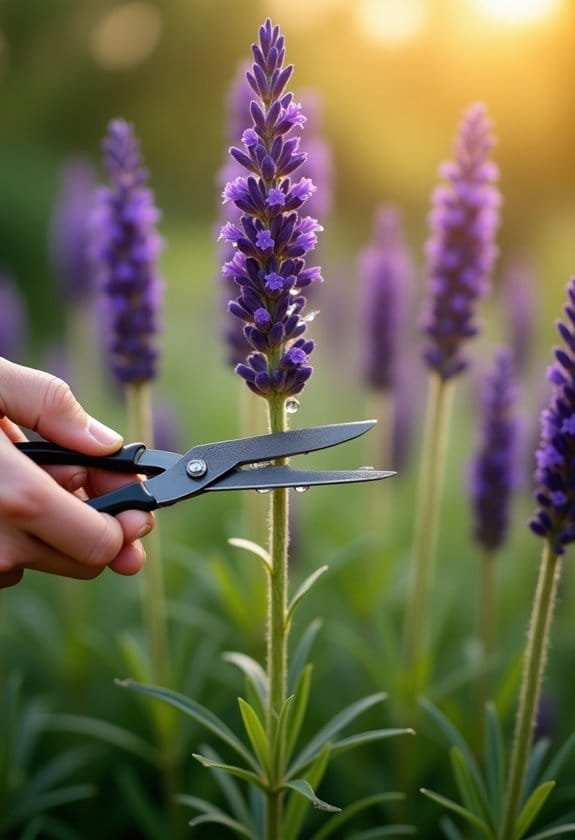
To guarantee Lavandula × intermedia thrives, proper care and maintenance play an essential role in its growth and flowering success.
With an ideal requirement for at least six hours of direct sunlight daily, along with well-drained soil and adequate spacing for air circulation, foundational planting tips set the stage for ongoing care.
Additionally, integrating suitable companions can enhance aesthetic appeal and create a harmonious garden environment, ultimately maximizing both beauty and functionality.
Planting Tips
If you're looking to grow Lavandin successfully, choosing the right conditions is crucial. Lavandula × intermedia Grosso requires full sun, meaning it needs at least six hours of direct sunlight daily to thrive. This exposure guarantees healthy growth and promotes bountiful flowering, vital for a vibrant garden display.
Prior to planting, consider the soil; Lavandin prefers well-drained soil, which helps prevent waterlogging and encourages ideal root development.
For placement, space the plants 2 to 3 feet apart. This distance allows for adequate air circulation, reducing the risk of fungal diseases that can plague densely planted blooms.
Spring is the perfect season for planting, particularly after the last frost; this timing gives the plants the opportunity to establish strong roots before the heat of summer sets in.
Once Lavandin is well-established, it becomes remarkably low-maintenance. It requires only occasional watering and yearly pruning.
Be cautious during the fall, avoiding any trimming that could harm sensitive new growth, guaranteeing a beautiful array of flowers come summer.
Following these planting tips will set the stage for flourishing Lavandin gardens, filled with the soothing fragrance and stunning color that this hybrid offers.
Ongoing Care
Once Lavandin is established, ongoing care confirms it remains healthy and vibrant. To promote ideal growth and a neat appearance, gardeners should undertake annual pruning in the spring. This essential practice enhances Lavandin's ability to produce more flower spikes while preventing damage to new growth that may occur if trimmed in the fall.
Lavandin thrives when planted in well-drained soil, receiving a minimum of six hours of full sun each day. Its remarkable drought tolerance reduces watering needs, making it an excellent choice for xeriscaping and low-maintenance gardens. After planting, a light layer of mulch works wonders by conserving moisture and suppressing competing weeds that can hinder growth.
Regularly observing Lavandin for pests and diseases is vital, despite its generally resilient nature and ability to attract beneficial pollinators such as bees and butterflies. This natural equilibrium minimizes the reliance on chemical interventions, allowing Lavandin to flourish in a harmonious ecosystem.
Suggested Companions
Lavandin's vibrant blooms can truly shine when paired with compatible companions that share its care requirements.
These companion plants, such as Echinacea, thrive well alongside Lavandin, creating a visually stunning and drought-tolerant garden. Both Lavandin and Echinacea enjoy full sun and well-drained soil, making them ideal partners for mutual growth.
When seeking to enhance the aromatic qualities of the garden, integrating fragrant herbs like Rosemary and Thyme proves fruitful. Additionally, planting water mint nearby can attract various pollinators, enriching biodiversity within the garden.
Their scents complement Lavandin's delightful fragrance while attracting beneficial pollinators, thereby enriching biodiversity within the garden.
To optimize air circulation and prevent overcrowding, gardeners should maintain a recommended spacing of 2 to 3 feet (60 to 90 cm) between Lavandin and its companions.
Furthermore, including ornamental grasses such as Festuca or Miscanthus can introduce texture and movement, while maintaining a cohesive Mediterranean aesthetic.
Additionally, incorporating plants like Borage can provide critical food sources for pollinators, promoting a healthier garden ecosystem.
Common Issues
Lavandin, with its aromatic beauty, faces several common issues that can hinder its growth.
Susceptible to pests and diseases, such as aphids and powdery mildew, it demands proactive monitoring, good airflow, and ideal soil conditions to thrive.
Addressing nutrient deficiencies and maintaining proper watering practices are essential for ensuring this plant remains vigorous and beautiful, transforming gardens with its striking presence.
Pests/Diseases
Managing pests and diseases is imperative for maintaining the health of Lavandin plants. Among the most common pests affecting Lavandula × intermedia are aphids, spider mites, and lavender beetles, which can lead to significant declines in plant vigor if left unchecked. Infestations may result in yellowing leaves and stunted growth, underscoring the significance of vigilant monitoring.
Powdery mildew also poses a threat, particularly in humid conditions, where it manifests as white, powdery spots on leaves. This fungal disease signifies poor air circulation and may require adjustments to watering practices.
Another serious issue is root rot, a consequence of overwatering or inadequate drainage, which can devastate Lavandin's root system.
Additionally, mealybugs can infiltrate the plants, presenting as white, cottony masses that not only weaken the Lavandin but also produce honeydew, encouraging sooty mold.
Effective pest management strategies become essential to sustain healthy Lavandin; this includes maintaining plant hygiene and potentially introducing beneficial insects. By being proactive and attentive, gardeners can safeguard their Lavandin against pests and diseases, ensuring robust growth and flourishing blooms.
Solutions
To guarantee Lavandin thrives, addressing common issues like root rot, overwatering, and pest infestations remains crucial.
Lavandin is prone to root rot when planted in poorly drained soil, which emphasizes the need for well-drained substrates. Adding organic matter can enhance drainage, ensuring roots receive adequate oxygen while preventing saturation. Overwatering often leads to wilting and other stress symptoms; consequently, soaking the soil thoroughly but infrequently once established encourages healthy growth.
Additionally, proper maintenance through timely pruning after flowering is essential. This practice not only prevents woody growth but also promotes vibrant new blooms for the following season, ensuring the plant's aroma remains rich and its dried flowers retain their visual appeal.
Occasionally, pests such as aphids and spider mites may target Lavandin; however, their impact can be mitigated through regular monitoring. Employing natural pest management techniques—such as introducing beneficial insects—can effectively control infestations.
Notably, Lavandin's higher camphor content can deter many herbivores and pests, bolstering its resilience. By addressing these concerns, gardeners can cultivate healthier Lavandin plants that produce aromatic, dried flowers, perfect for various uses.
Summary
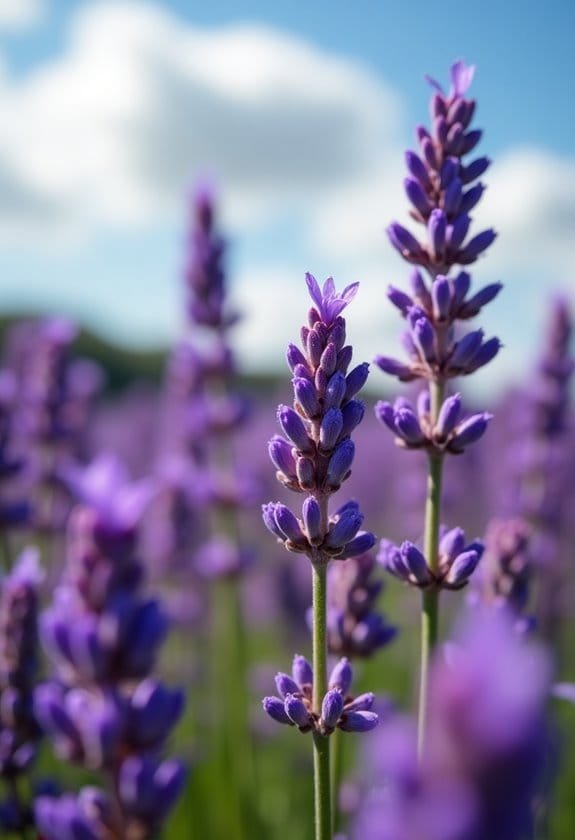
Lavandin is a hybrid shrub prized for its vibrant purple-blue flowers and delightful fragrance. This remarkable plant, scientifically known as Lavandula × intermedia, results from a cross between English Lavender and Portuguese Lavender, showcasing dense growth and attracting pollinators like bees and butterflies.
Typically reaching heights of 2 to 3 feet, Lavandin thrives in USDA zones 5 to 9, requiring full sun and well-drained soil to flourish.
The cultivation of Lavandin offers not only aesthetic pleasure but also significant ecological benefits. Its essential oil, extracted from both fresh and dried flowers, finds extensive use in aromatherapy, perfumes, and culinary creations. Similar to wild marjoram, Lavandin also contains valuable antimicrobial properties that enhance its appeal for both healing and culinary purposes.
Popular varieties such as Grosso, Hidcote Giant, and Phenomenal highlight its versatility.
Once established, maintaining Lavandin necessitates minimal effort; planting occurs in spring, followed by occasional watering and yearly pruning to promote healthy growth.
This resilient shrub exhibits drought tolerance and adapts to various soil types, making it an excellent choice for landscaping enthusiasts.
Through its charming blooms and aromatic allure, Lavandin has secured a cherished spot in gardens, enchanting those who appreciate nature's beauty and serenity.