Leucanthemum × superbum, commonly known as the Shasta Daisy, is a striking hybrid flower, celebrated for its pristine snow-white petals and vivid yellow centers. Typically reaching heights of 2 to 4 feet and spreading 1 to 3 feet, it flourishes in USDA hardiness zones 4 to 9 and prefers well-drained soil with a pH of 6.0 to 7.0. Best grown in full sunlight, it blooms from early summer to late fall, attracting vital pollinators like bees and butterflies. With proper care, including 1 inch of weekly watering and annual division, this daisy enhances garden flourishing, suggesting further exploration of its enchanting characteristics.
Main Points
- Shasta Daisy, scientifically known as Leucanthemum × superbum, features striking snow-white blooms with yellow centers and thrives in full sun.
- The plant grows 2 to 4 feet tall and adapts well in USDA hardiness zones 4 to 9, preferring well-drained soil.
- Blooming from early summer to late fall, Shasta Daisies attract pollinators like bees and butterflies, supporting local biodiversity.
- Regular care includes watering about 1 inch weekly, deadheading, and dividing every 2-3 years to promote robust growth and flowering.
- Renowned cultivars like 'Becky' offer unique traits, while companion plants like Salvia and Echinacea enhance visual appeal and provide nectar sources.
Introduction
The Shasta Daisy, scientifically known as Leucanthemum × superbum, represents a remarkable fusion of beauty and resilience in the plant world.
Introduced by Luther Burbank in 1890 and named in honor of California's majestic Mount Shasta, this perennial hybrid captivates gardeners with its striking snow-white blooms and vibrant yellow centers.
Thriving in a range of conditions, the Shasta Daisy not only enhances floral arrangements but also supports essential pollinators, enriching garden biodiversity.
Common Name
A common sight in gardens, the Shasta Daisy, or Leucanthemum × superbum, captivates with its vibrant, snow-white blossoms and cheerful yellow centers. Named after Mount Shasta in California, this perennial is celebrated for its large, abundant flowers that adorn landscapes and provide striking visual appeal.
Shasta Daisies thrive in various garden settings, particularly in perennial borders, cottage gardens, and cutting gardens, where they deliver exuberance and charm.
With a variety of cultivars, including both single and double-flowered forms, Leucanthemum × superbum enhances garden diversity, allowing gardeners to select based on personal preference and aesthetic desire. This adaptability enables the flowers to complement many garden themes, offering dynamic contrast alongside other perennial species.
Originally hybridized by Luther Burbank in 1890, Shasta Daisies quickly gained popularity across the globe, becoming a beloved choice for both amateur and professional gardeners. Their resilience and ability to attract pollinators further cement their status as favorable additions in diverse horticultural settings.
Easy to grow and maintain, the snow-white flowers of Shasta Daisies symbolize purity and innocence, brightening outdoor spaces with their joyful presence and timeless charm.
Scientific Name
Known scientifically as Leucanthemum × superbum, the Shasta Daisy reflects its hybrid origin with a name that combines elements from Greek, where "leucas" denotes white and "anthemon" signifies flower. Renowned horticulturist Luther Burbank introduced this enchanting plant in 1890, aiming to create an improved garden flower that thrives in various conditions.
Currently classified under the Asteraceae family, which includes illustrious members like sunflowers and asters, Leucanthemum × superbum displays remarkable characteristics suited for any flower garden. With its striking white blooms, accentuated by dark green leaves, this perennial commands attention, especially when planted in Full Sun.
The plant's ability to flourish in bright light allows its vibrant blossoms to provide a stunning contrast to the lush greenery, creating a vivid visual display.
Historically, the Shasta Daisy was categorized under the genus Chrysanthemum, but advancements in botanical classification have led to its current distinction as part of Leucanthemum. Such reclassification exemplifies the evolving nature of plant taxonomy, inviting both curiosity and admiration for this resilient bloom that continues to adorn gardens and landscapes alike.
Overview
Shasta Daisies captivate garden enthusiasts with their stunning snow-white flowers and resilience, making them a popular choice for vibrant landscapes. Scientifically known as Leucanthemum × superbum, this perennial plant typically reaches heights of 2 to 4 feet while spreading between 1 to 3 feet, finding an ideal place in borders and containers alike.
Thriving in USDA hardiness zones 4 to 9, Shasta Daisies prefer well-draining soil accompanied by full sun exposure for peak growth; however, they can also tolerate partial shade, making them adaptable to various garden settings.
From spring through late summer, these daisies produce large blooms that not only add beauty but also attract butterflies and beneficial insects, integral for a healthy ecosystem.
Additionally, their long-lasting, striking cut flowers render them a favorite for floral arrangements, effortlessly bringing life indoors.
Renowned cultivars like 'Becky,' with impressive resistance to phytophthora, and 'Crazy Daisy,' celebrated for its double frilly blooms, demonstrate the diversity and appeal of the Shasta Daisy.
Key Features
Shasta Daisies, known scientifically as Leucanthemum × superbum, display impressive growth, reaching heights of 2-4 feet with a spread of 1-3 feet.
Their large, snow-white flowers, measuring between 2-5 inches in diameter, bloom from early to late summer, creating a vibrant and enduring spectacle in any garden.
With multiple cultivars showcasing unique traits, these perennial plants adapt beautifully to various landscapes, enriching garden aesthetics while thriving in sunny or partially shaded conditions.
Growth Size
The Shasta Daisy typically reaches a height of 2 to 4 feet, with a width that spans 1 to 3 feet, making it a robust addition to any garden. This sturdy perennial flourishes in various climates, thriving in USDA hardiness zones 4-9. Its adaptability to different soil types enhances its appeal for gardeners seeking versatility.
The growth size of the Shasta Daisy provides ample visual impact, particularly when paired with companion plants such as Sweet Potato Vine. The contrast between the daisy's tall, upright structure and the cascading vines creates a dynamic and engaging garden landscape. In addition, the glossy dark green leaves of Leucanthemum × superbum serve as a lush backdrop, enriching the overall aesthetic of the garden while supporting its tall stems.
As this hybrid plant flourishes, it boasts long-lasting blooms from early summer through late summer, often reaching a generous spread that adds fullness to garden arrangements.
The large, snow-white flowers, measuring 2 to 5 inches across, emphasize the importance of placing the Shasta Daisy where it can fully thrive and make a lasting impression. This growth size ultimately enhances the garden's vibrancy and charm.
Appearance
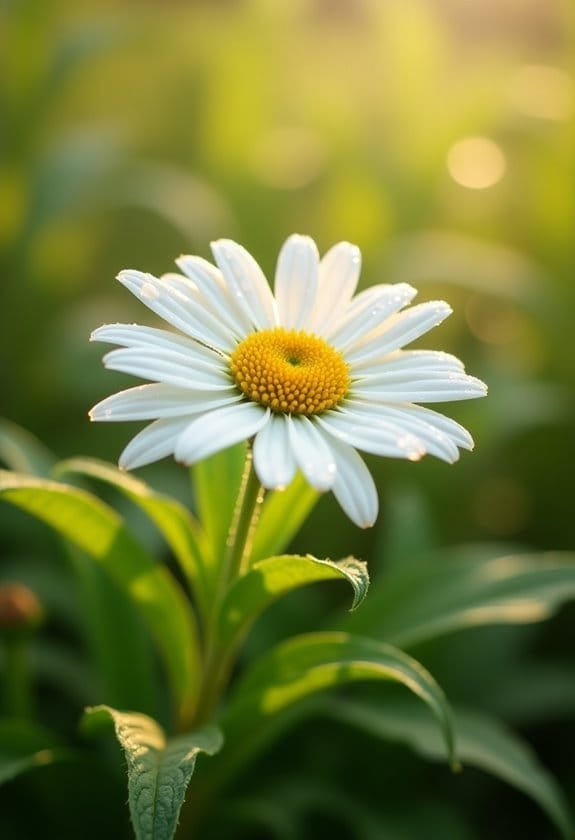
With its impressive stature, Leucanthemum × superbum, or Shasta Daisy, captivates gardeners not just through height but also stunning visual features. This perennial showcases substantial, snow-white flowers, spanning an impressive 2 to 5 inches in diameter, adorned with a striking yellow central disk surrounded by delicate white petals. The plant can impressively exhibit both single and double bloom forms, presenting an intriguing variety that enhances diverse garden landscapes.
Reaching heights of 2 to 4 feet and spreading 1 to 3 feet, Shasta Daisies serve as vibrant border plants that command attention. The glossy, dark green leaves display an oblong to lanceolate shape, adding to the plant's overall allure, even when the flowers aren't in full bloom.
When thoughtfully placed in garden arrangements, these bright white flowers provide a stunning contrast against colorful companions like Echinacea and Rudbeckia. Together, they create a harmonious visual symphony that elevates the aesthetics of any garden space. Additionally, integrating plants that attract pollinators like bees can enhance overall biodiversity in the garden.
Essentially, the Shasta Daisy stands as a resilient, beautiful choice for enthusiasts seeking to enrich their garden's visual narrative, delivering lasting appeal through both foliage and flower colors.
Flowering Season
During spring and summer, Leucanthemum × superbum, or Shasta Daisy, puts on a breathtaking display of large, snow-white flowers that bloom abundantly. These floral beauties typically measure between 2 to 5 inches across, showcasing striking petals that surround a prominent yellow center. The flowering patterns of Shasta Daisies create an impressive seasonal color palette that brightens gardens and landscapes alike.
Bloom longevity is a key feature of this robust perennial. With ideal care, including occasional deadheading of spent blooms—though optional—gardeners can enjoy a near-continuous flowering show from early summer into late fall. This cycle is greatly influenced by the climate and growing conditions, particularly within USDA hardiness zones 4-9, where Shasta Daisies thrive best.
At their peak, these flowers not only enhance visual appeal but also attract beneficial pollinators, reinforcing the ecosystem's health. Therefore, maintaining Shasta Daisies isn't merely an aesthetic endeavor; it contributes to a vibrant landscape, enriching both the environment and the gardener's experience.
To summarize, the Shasta Daisy's flowering season offers a rewarding spectacle that can transform any outdoor space.
Growing Requirements
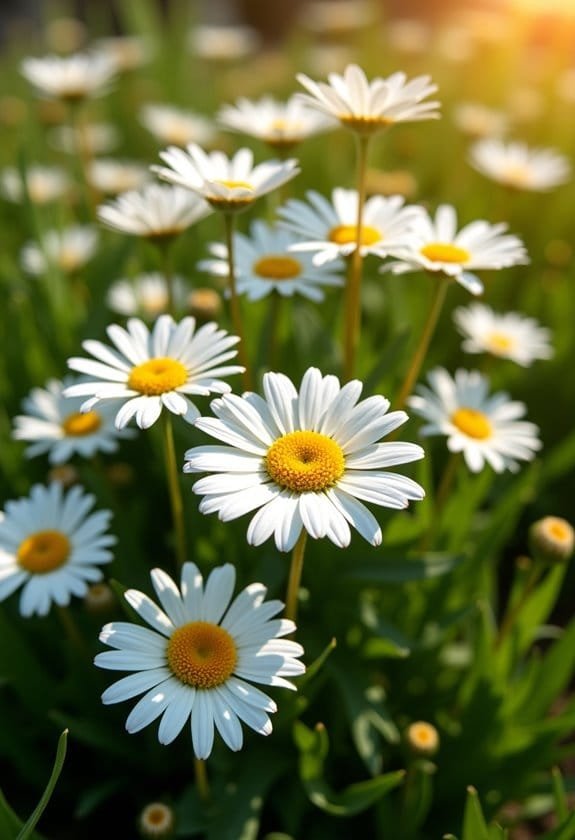
Shasta Daisies flourish under a variety of light conditions, ranging from full sun with six or more hours of sunlight to a calming part shade with four to six hours.
Their preference for well-drained soil, coupled with a notable adaptability to temperatures from USDA hardiness zones 4 to 9, allows these resilient flowers to thrive even in challenging climates. Additionally, drought-tolerant plants such as Wild Thyme can be excellent companions for Shasta Daisies, enhancing both aesthetic appeal and ecosystem support.
Proper watering practices—approximately one inch weekly—and occasional fertilization in early spring guarantee robust growth, while also maintaining the overall vigor of this delightful garden addition. Additionally, like the English Daisy, Shasta Daisies benefit from companion planting to enhance their growth and attract beneficial pollinators.
Light
Light is essential for the thriving of Leucanthemum × superbum, commonly known as the Shasta Daisy. This resilient plant flourishes best under full sun conditions, requiring at least six hours of direct sunlight each day to achieve peak growth and vibrant flowering.
Light intensity effects play a significant role, as Shasta Daisies exhibit diminished blooming and overall health when grown in partial shade, receiving only four to six hours of sunlight. While they can survive in areas with up to four hours of full shade, their growth potential drastically declines, often leading to weaker, drooping stems, especially during periods of significant rainfall.
Employing shade tolerance strategies becomes important for gardeners aiming for healthier plants; nonetheless, for those looking to maximize flower production, sunlight enhancement techniques should be prioritized.
Positioning Shasta Daisies in bright, sunny spots guarantees vigorous growth, further supported by well-draining soil, particularly within hardiness zones 4-9. By judiciously managing light exposure and matching it with the plant's needs, gardeners can cultivate a lush display of blossoms that truly embodies the beauty of the Shasta Daisy. Additionally, effective pollinators such as bumblebees are attracted to flowers like the Shasta Daisy, enhancing the overall health of the garden ecosystem.
Soil
For the Shasta Daisy to thrive alongside its need for ample sunlight, the right soil conditions are equally important. Ideally, Leucanthemum × superbum prefers average to dry, well-drained soil types, which helps prevent the detrimental effects of poor drainage. This plant is particularly susceptible to root rot and other complications resulting from overly wet conditions, especially during the chilling winter months.
To promote optimal growth, soil pH testing is vital. The ideal pH range for Shasta Daisies lies between 6.0 and 7.0, creating a balanced environment that promotes healthy flowering. If soil testing reveals imbalances, soil amendments—such as lime to raise pH or sulfur to lower it—can be utilized effectively.
When planting, it's necessary to position the root ball level with the soil surface, facilitating proper establishment and drainage. Regular monitoring of soil moisture, particularly during days of intense heat, also plays a pivotal role in maintaining vigor.
Water
Watering is crucial for the healthy growth of Leucanthemum × superbum, requiring about 1 inch (2.5 cm) of water per week. Proper watering strategies can greatly enhance soil moisture levels and contribute to the plant's overall vigor.
It's important to allow the soil to dry out between waterings, as continuous dampness can lead to root rot, particularly in poorly draining conditions.
When newly planted, these daisies should receive thorough watering immediately after installation, fostering robust root development. Regular monitoring of soil moisture plays a critical role, especially during extreme heat periods, ensuring that the plant remains healthy and upright.
Importantly, while Leucanthemum × superbum showcases impressive drought tolerance, it's crucial to strike a balance; overwatering can result in drooping or damage from heavy rain, underscoring the importance of efficient hydration management. Common Yarrow's drought resilience can serve as an inspiration for managing water practices effectively in your garden.
To maintain ideal growing conditions, gardeners should be vigilant about the watering practices employed. Guided by an understanding of the plant's needs, one can cultivate vibrant blooms that resonate with natural beauty, bringing a delightful touch to gardens and landscapes alike.
Temperature
Although Shasta daisies can thrive in various climates, they flourish best in USDA hardiness zones 4-9. These remarkable plants exhibit considerable climate resilience, tolerating temperatures as low as -30°F (-34.4°C). This extraordinary adaptability enables them to withstand harsh winters without compromising their liveliness. Additionally, their resilience aligns with the growing conditions preferred by Dorset Heath, which thrives in similar hardy environments.
In contrast, ideal growth occurs in warmer regions, specifically heat zones 5-8, where the temperature effects favor consistent blooming throughout the summer months.
While Shasta daisies prefer full sun for at least six hours a day, they exhibit admirable seasonal adaptations, tolerating light shade with up to four hours of direct sunlight. As a result, gardeners can cultivate these daisies in diverse environments, making them an accessible choice for many landscapes.
However, maintaining well-draining soil is essential to prevent temperature-related issues such as root rot, particularly during wetter periods. The relationship between temperature and soil conditions can't be overstated, as it greatly influences the plant's overall health and flowering potential. Additionally, plants like heather (Calluna vulgaris) thrive in acidic soils, showcasing their unique growing requirements and ecological significance.
Pollinator Criteria
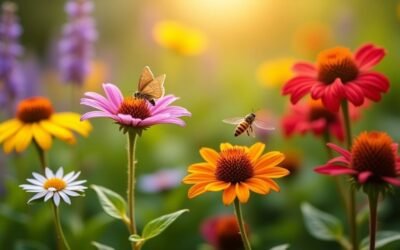
Shasta Daisies, with their large, open blooms, serve as beacons to a variety of pollinators, particularly bees and butterflies, lured by the abundant nectar.
These species facilitate effective pollination, ensuring the transfer of pollen essential for plant reproduction, which ultimately contributes to the life force of surrounding ecosystems. Additionally, like the flowers of Hedera helix, Shasta Daisies also provide vital nourishment for pollinators during late-season blooms. Furthermore, these daisies can thrive in acidic and alkaline soils, showcasing their adaptability and providing sustenance to pollinators in diverse environments.
Attracted Pollinators
Gardeners often find that the attractive Shasta Daisy, scientifically known as Leucanthemum × superbum, draws a variety of pollinators, including bees and butterflies. The flower morphology, characterized by large, snow-white petals encircling vibrant yellow centers, serves as a prominent visual cue that beckons these beneficial insects. This striking contrast plays a significant role in guiding pollinators to the plant, facilitating their search for nectar.
Shasta Daisies bloom from early summer to late summer, providing an enduring source of sustenance. The prolonged flowering period meets the nectar preferences of various pollinators, ensuring a steady food supply during essential periods. Pollinator behavior becomes particularly evident as bees and butterflies exhibit targeted foraging, frequently returning to the familiar blooms. Additionally, the Shasta Daisy's dense growth pattern can provide shelter for pollinators from harsh weather conditions, enhancing their survival rates.
Moreover, planting Shasta Daisies alongside other flowering species can create a diverse habitat, fostering more complex interactions among pollinators. This diversity not only enhances the aesthetic appeal of the garden but also augments the ecological balance, inviting an array of beneficial insects to flourish. Additionally, the presence of native plants like Horseshoe Vetch(Hippocrepis comosa) can significantly boost local biodiversity, supporting specialized pollinators and contributing to overall ecosystem health.
Pollination Method
The pollination method of Shasta Daisies involves a reliance on various insects, particularly bees and butterflies, that are naturally attracted to the flowers' striking coloration and accessible structure.
The bright white petals and vibrant yellow centers serve as effective insect attraction strategies, luring pollinators during the daisies' blooming season, which spans from spring to summer. This period aligns well with peak insect activity, creating ideal conditions for interaction.
While Shasta Daisies are generally self-fertile, introducing cross pollination benefits greatly enhances seed set and genetic variability.
Pollinators transfer pollen from one flower to another, facilitating this genetic exchange and contributing to a more robust plant population. The simple floral architecture provides ease of access, encouraging pollinators to extract nectar and pollen, which further supports successful reproduction.
Proper care—such as guaranteeing adequate sun exposure and moisture management—can enhance the overall health of the daisies, thereby attracting a wider range of beneficial insects.
Care & Maintenance
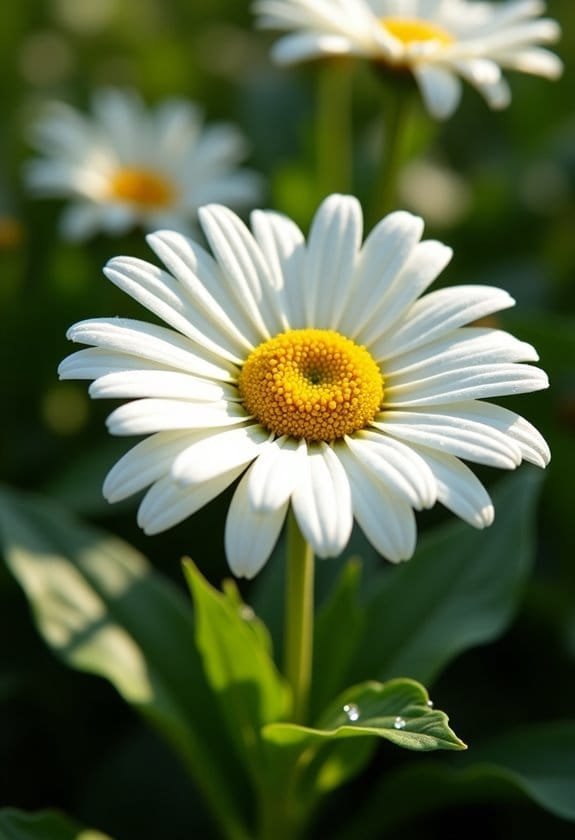
When cultivating Shasta Daisies, proper care and maintenance are essential for their vibrant growth and stunning blooms.
Gardeners should focus on effective watering techniques, such as providing a thorough soak of about 1 inch per week, while also ensuring the soil dries between waterings to avert root rot.
Additionally, incorporating practices like regular deadheading and seasonal division not only enhances their floral display but also sustains their health and liveliness throughout the years.
Planting Tips
For successful planting and maintenance of Shasta Daisies, guarantee they receive ample sunlight and are positioned in well-drained soil. The ideal planting duration occurs in spring or fall, facilitating strong root establishment.
When preparing the planting site, consider incorporating soil amendments like compost or aged manure, enhancing drainage and nutrient availability for the daisies' vigorous growth.
Choosing the right location is important, as these flowers thrive in full sun, requiring a minimum of six hours of direct sunlight daily. After planting, water the newly sown daisies thoroughly, ensuring they receive about 1 inch (2.5 cm) of water weekly, while allowing the soil to dry slightly between waterings to avert root rot—a common issue in overly moist conditions.
Through seasonal considerations, it's essential to maintain a consistent care schedule. In early spring, applying a slow-release fertilizer supports robust blooming and overall plant health.
Regular deadheading of spent flowers encourages continual blossoming, while promptly trimming back foliage to 2 inches (5 cm), post-frost in late fall, prepares the plants for winter and fosters renewed energy come spring.
Ongoing Care
Caring for Shasta Daisies requires attention to regular watering, fertilizing, and maintenance practices to guarantee their vibrant blooms throughout the growing season.
Watering techniques should aim for about 1 inch (2.5 cm) of water weekly, allowing the soil to dry between waterings; this prevents the risk of root rot, which can derail the health of these beautiful perennials.
In early spring, applying a slow-release fertilizer acts as an important soil amendment, promoting rich growth and abundant flowering.
To enhance the plant's appearance and encourage further blooms, regularly deadhead spent flowers throughout the summer months. This not only sustains the visual appeal but also directs energy towards new growth.
Seasonal pruning becomes significant in late fall when the plant's foliage needs to be cut back to approximately 2 inches (5 cm) above the ground after the first frost.
This prepares the Shasta Daisy for a peaceful winter dormancy, minimizing stress and protecting its wellbeing.
Additionally, every 2-3 years, dividing the clumps in spring helps to prevent overcrowding, ensuring robust growth and providing opportunities to replant or share new varieties with garden enthusiasts.
Suggested Companions
A vibrant garden can benefit greatly from the strategic pairing of Shasta Daisies with complementary plants. Incorporating Salvia, with its striking blue and purple blooms, creates a beautiful contrast against the daisies' white petals, enhancing the visual appeal of the landscape.
Meanwhile, Rudbeckia, distinguished by its bold gold flowers, not only offers a warm contrast but also attracts crucial pollinators, hence increasing garden vitality. Additionally, planting Rudbeckia species can serve as a crucial nectar source for pollinators, benefiting the overall ecosystem. Hylotelephium telephium can also be a great addition to the garden, providing another resilient and attractive bloom during late summer.
Echinacea aligns well in height and spacing with Shasta Daisies, introducing vibrant purple or pink flowers that enrich the overall color palette. The inclusion of Lavender adds silvery foliage and aromatic purple blooms, providing textural contrast and delightful fragrance, enhancing the sensory experience of the garden.
Plant combination strategies like adding ornamental grasses further amplify the garden's dynamic character, introducing movement that complements the static beauty of the daisies.
Common Issues
Shasta Daisies, while beloved for their vibrant blooms, often face common issues that can impact their overall importance.
Pests such as aphids and diseases like verticillium wilt pose significant threats, weakening these resilient flowers and diminishing their aesthetic appeal.
Implementing proactive management strategies, including regular monitoring and proper cultural practices, is essential for maintaining the health and beauty of these stunning perennials.
Pests/Diseases
While these vibrant flowers can brighten up any garden, they're not immune to common pests and diseases that can threaten their health. Shasta Daisies often face challenges from pests like aphids, which suck sap from the plant, weakening it and leading to a notable reduction in flowering if pest management strategies aren't implemented promptly.
Additionally, Verticillium wilt can invade, causing yellowing leaves and wilting—a clear sign that improved soil drainage and care are necessary.
Fungal infections can lead to nasty leaf spots, underscoring the significance of disease prevention techniques that emphasize proper watering practices to avoid excessive moisture on foliage. Moreover, adequate sunlight and well-drained soil are vital to mitigate the risk of root rot, a condition that flourishes in poorly maintained environments.
Regular plant health monitoring, involving close observation for symptoms of distress, allows for early intervention, markedly reducing susceptibility to detrimental pests and diseases.
Solutions
Gardeners can effectively address common issues faced by Shasta Daisies by implementing a few key solutions. Deer, often a significant pest, can reduce bloom counts dramatically. To combat this issue, using deer deterrents, such as repellents or strategically planting deer-resistant companion plants, can help protect these cherished flowers.
Weather effects also play an essential role in the plant's health; when subjected to heavy rain or extreme heat, Shasta Daisies may droop. To counteract this, ensuring well-drained soil and monitoring watering practices are fundamental for maintaining their upright structure.
Additionally, regular deadheading benefits the overall vigor of the plants. By removing spent flowers, gardeners can prolong the blooming season, encouraging new growth throughout spring and summer.
Moreover, careful attention to soil moisture, particularly during unpredictable weather, can prevent problems like root rot, which stems from both overwatering and underwatering. Dividing Shasta Daisy plants every 2-3 years during spring can alleviate overcrowding, promoting robust growth and ensuring vibrant blooms.
Summary
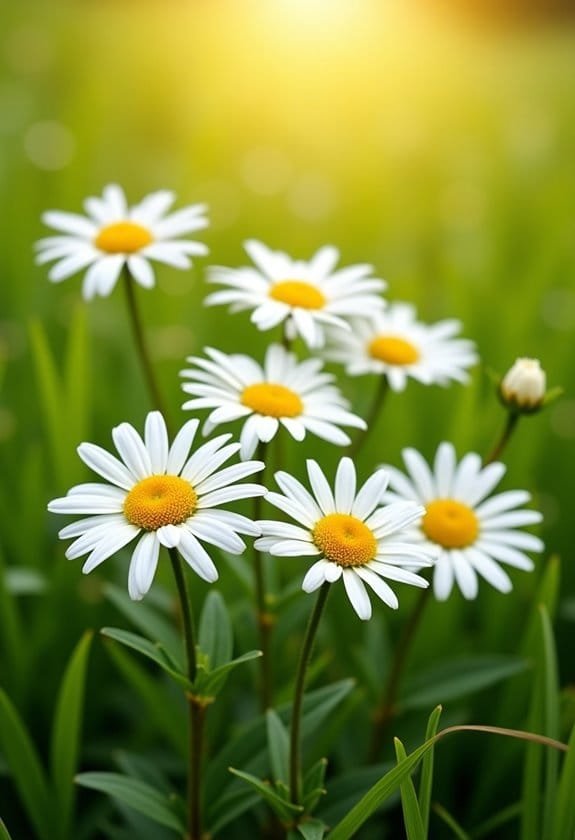
During the summer months, Leucanthemum × superbum, known as Shasta Daisy, showcases its striking large white flowers with yellow centers. This perennial, which typically blooms from early to late summer, offers gardeners vibrant aesthetics, reaching heights of 2 to 4 feet and spreading 1 to 3 feet wide.
Thriving in USDA hardiness zones 4-9, it requires well-draining soil and enjoys full sun to partial shade.
Shasta Daisy's history traces back to hybridization efforts in the early 1900s, with cultural significance rooted in its ability to symbolize purity and cheerfulness. Additionally, this versatile flower plays a role beyond its beauty; traditional medicinal uses include applications for inflammation and wounds, showcasing its practicality.
To maintain peak health, gardeners should implement regular watering, early spring fertilization, and deadheading to encourage prolonged blooms.
While some cultivars exhibit excellent resistance to common diseases, including phytophthora, others may struggle with leaf spots. Embracing the Shasta Daisy not only adds visual appeal to borders and gardens but also connects individuals to historical and contemporary practices, reinforcing its enduring place in landscapes and herbal remedies alike.