Linaria maroccana, known as annual toadflax or Moroccan toadflax, captivates with its vibrant, snapdragon-like flowers in shades of purple, white, and pink. Growing 1 to 2 feet tall and 4 to 6 inches wide, this plant flourishes in well-drained sandy-loam soil and requires full sun for at least six hours daily. Its elongated corolla spur, measuring 8 to 15 mm, attracts essential pollinators like bees and butterflies from April to June. Minimal maintenance is required, although vigilance against aphids and regular watering—about 1 inch weekly—are essential. Continued exploration reveals further insights into care and cultivation practices.
Main Points
- Linaria maroccana, or annual toadflax, showcases vibrant snapdragon-like flowers in colors like purple, white, and pink, adding ornamental value to gardens.
- This plant thrives in well-drained, sandy-loam soils and prefers full sun exposure with at least 6 hours of direct sunlight daily.
- Flowering occurs from April to June, attracting pollinators like bees and butterflies, crucial for local ecosystems.
- The plant is low maintenance, self-seeding, but requires monitoring for pests like aphids to maintain health.
- Companion planting with low-growing species, such as Lobelia and Alyssum, enhances biodiversity and visual appeal in garden designs.
Introduction
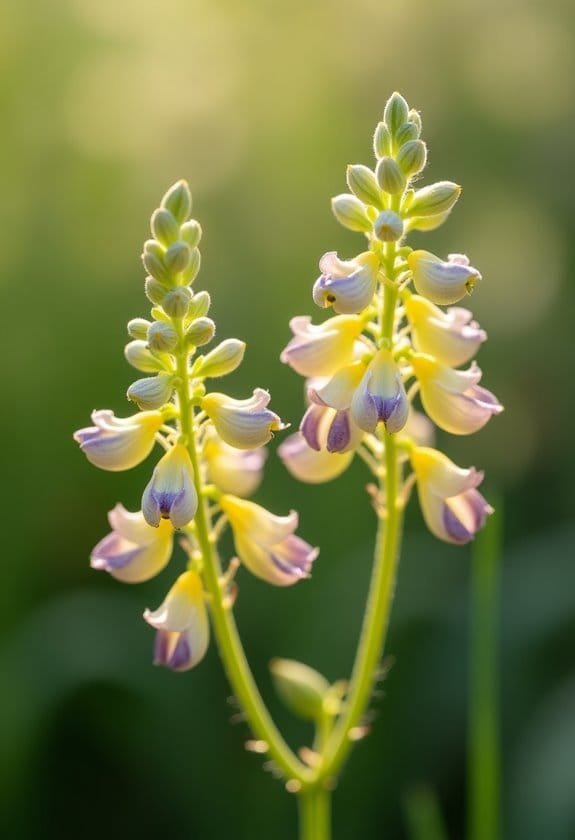
Linaria maroccana, commonly referred to as annual toadflax or Moroccan toadflax, stands out with its stunning, snapdragon-like flowers, enchanting garden enthusiasts.
Native to Morocco, this annual herb typically grows between 1 to 2 feet tall and displays linear leaves that are reminiscent of flax, adapting beautifully to well-drained and sandy-loam soils.
Blooming primarily in spring and fall, its vibrant hues—ranging from purple to bronze—ensure that this plant not only thrives in ideal conditions but also self-seeds readily, enhancing its ornamental appeal.
Common Name
Known for its striking blooms, Moroccan toadflax captures the attention of gardeners and plant enthusiasts alike. This vibrant annual, scientifically recognized as Linaria maroccana, thrives in a variety of garden settings, showcasing an enchanting palette of purple, bronze, white, and pink flowers.
It's easy to see why this plant earns its informal name due to its remarkable resemblance to snapdragons and its ties to the flax family. The term "toadflax" signifies its botanical relationship with flax plants, establishing its identity within the rich tapestry of horticulture.
One of the key toadflax benefits lies in its ability to attract pollinators, making it a valuable addition to any garden landscape aiming to support local ecosystems. Additionally, Moroccan toadflax is known for its self-seeding ability, allowing it to establish colonies and thrive year after year. Notably, its extended flowering period can provide a reliable food supply for pollinators like bees and butterflies.
For aspiring gardeners, understanding essential gardening tips is fundamental for ensuring a successful growth cycle. These include planting Moroccan toadflax in well-drained soil and positioning it in full sun for peak flowering.
As these delightful blooms emerge, they not only enhance visual appeal but also invite a slew of beneficial insects, fostering a thriving garden environment.
Through proper care and attention, Moroccan toadflax continues to charm and enrich the gardening experience for many enthusiasts.
Scientific Name
The scientific name Linaria maroccana reflects both the plant's rich heritage and its botanical connections. Belonging to the Plantaginaceae family, this annual toadflax was first described in 1872, showcasing a striking resemblance to snapdragon flowers. The specific epithet "maroccana" signifies its native origins in Morocco, where it thrives in open fields and disturbed areas.
Understanding the taxonomy significance of Linaria maroccana enhances appreciation for its ecological role, as it completes its life cycle in a single growing season. The flowers exhibit color variations, such as purple with white palates, and are distinguished by their particularly longer corolla spur, which adds to the plant's unique morphology.
In the domain of botanical nomenclature, Linaria maroccana generates synonym relationships that may include names historically used to classify similar species. These relationships underscore the complex web of connections within plant taxonomy, offering insights into evolutionary adaptations and environmental interactions.
As scientists continue to study this enchanting herb, they unravel new layers of knowledge, illuminating the intricate tapestry of nature that Linaria maroccana represents.
Overview
With its striking appearance and ecological significance, Moroccan toadflax presents an enthralling subject for gardeners and botanists alike. Linaria maroccana, native to Morocco, showcases vibrant snapdragon-like flowers that bloom in an array of striking colors, including purple, white, and pink. Typically reaching heights of 1 to 2 feet, this annual herbaceous plant thrives in full sun and well-drained soil, making it an excellent choice for various planting methods.
The flowering period, mainly from April to June, offers an extended display of beauty that enhances any garden. Additionally, its ecological benefits can't be overlooked; Moroccan toadflax provides important nectar resources for numerous pollinators, including bees. However, it's essential to monitor for aphids, as they can pose a threat to this otherwise robust species.
Notably, Moroccan toadflax exhibits a self-seeding propensity under favorable conditions, allowing it to flourish in home gardens with minimal intervention.
Gardeners are drawn to its versatility and deer-resistant nature, making it an ideal candidate for a variety of landscape designs, thereby enriching both aesthetic and ecological landscapes.
Key Features
Linaria maroccana stands out with its unique characteristics, making it an engaging choice for gardeners and plant enthusiasts.
Reaching a height of 1 to 2 feet, this annual toadflax showcases snapdragon-like flowers, blooming in a spectrum of colors including vibrant purple and soft pink, all while flourishing in well-drained, humusy to sandy-loam soil.
Primarily flowering in spring and fall, its notable corolla spur—a defining feature that exceeds the flower length—further emphasizes this plant's distinctive charm.
Growth Size
Reaching impressive heights, Linaria maroccana typically grows between 1 and 2 feet (30 to 60 cm) tall at maturity. This enchanting plant commonly exhibits a width of about 4 to 6 inches (10 to 15 cm), reflecting its compact structure and adaptability to diverse growth conditions.
While most specimens flourish within this established size range, variations do occur due to factors such as soil quality, moisture levels, and sunlight exposure.
The linear leaves add to the plant's overall elegance, measuring between 2–4 cm (0.8–1.6 inches) in length. These slender foliage elements serve as a backdrop to the striking floral display.
At the top of each stem, spike-like racemes of flowers emerge, further enhancing the plant's appeal. Each flower, measuring between 2–4 cm (0.8–1.6 inches) long, showcases five distinct lobes and a striking spur that exceeds the length of the corolla, creating an impressive visual effect.
Appearance
The elegant appearance of Linaria maroccana makes it a standout in any garden setting. This charming plant typically grows between 1 ft. to 2 ft. tall, with a compact width of 4 in. to 6 in. Its striking snapdragon-like flowers, primarily purple adorned with nuanced white, also showcase delightful color variations, including beautiful pink and blue shades that captivate the eye.
These flowers flourish in spike-like racemes, with each measuring 2–4 cm long, characterized by five distinct lobes and a graceful spur extending 8–15 mm.
Accompanying these vibrant blooms are the plant's linear leaves, which reflect its name's connection to flax (L. vulgaris). Ranging between 2–4 cm in length, these slender green leaves contribute to the overall refined aesthetic, resembling fine brush strokes against a textured canvas.
The combination of colorful flowers and elegant leaf characteristics makes Linaria maroccana a dynamic addition to any landscape, drawing attention while maintaining an air of subtlety. Additionally, this species shares a similar ecological presence to Common Toadflax, both enhancing their environments while also posing challenges in terms of invasive potential.
As it enhances the garden during its vibrant blooming period from April to June, this annual toadflax elevates outdoor spaces, reminding observers of nature's artistry in full display.
Flowering Season
Blooming primarily from April to June, Linaria maroccana showcases its vibrant flowers in a stunning array of colors, including purple, white, pink, and blue. This annual toadflax typically achieves a height of 1 to 2 feet, with each flower measuring 2 to 4 cm long. The bloom resembles the snapdragon, featuring five lobes and a prominent spur, which adds to its visual appeal.
The flowering duration is most prolific during the spring months. However, seasonal variations mean that some flowering can occur in the cooler fall months, although this is less frequent amid the summer heat. As temperatures rise, the plant's blooming may diminish, reflecting its adaptability to environmental conditions.
Following the initial flowering phase, practitioners often engage in cutting back the plant, which encourages robust flower production and extended blooming activity.
Additionally, Linaria maroccana capitalizes on successful self-seeding when conditions are favorable. This reproductive strategy guarantees its persistence in gardens and disturbed habitats, allowing it to grace landscapes with extraordinary color year after year. Consequently, the plant's flowering season isn't only beautiful but also essential for its ecological resilience.
Growing Requirements
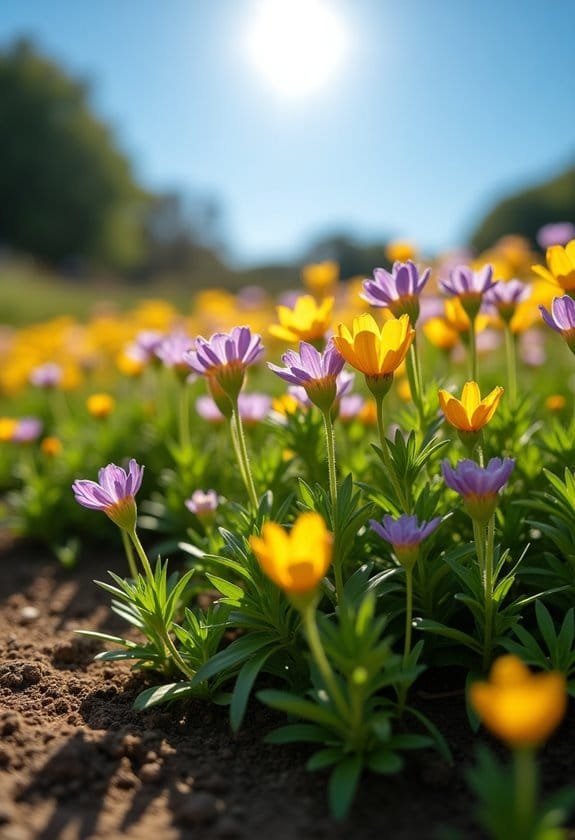
Linaria maroccana requires specific growing conditions to thrive and exhibit its vibrant blooms.
This annual plant flourishes best in full sun, necessitating at least six hours of direct sunlight each day, while it prefers well-drained, humusy to sandy-loam soil that doesn't retain excessive moisture.
Additionally, maintaining ideal temperature and water levels guarantees healthy growth, allowing this resilient species to withstand pests and encourage abundant flowering.
Light
While it flourishes in full sun, Linaria maroccana requires at least 6-8 hours of direct sunlight each day to achieve best growth and vibrant blooming. This annual's light requirements are pivotal for its development, as insufficient sunlight exposure may hinder the plant's ability to thrive.
Ideally suited to sunnier locations, Linaria maroccana reveals its full potential in gardens where sunlight pours generously, promoting robust stalks filled with radiant flowers.
Interestingly, blooming typically occurs profusely in both spring and fall, during periods of milder light intensity, while summer's high intensity can diminish flowering. Therefore, gardeners should consider cutting back the plant after initial flowering to encourage renewed growth, effectively harnessing favorable light conditions for a secondary bloom.
Moreover, adequate sunlight is essential for seed germination and subsequent establishment, given Linaria maroccana's self-seeding tendencies. For those wishing to propagate this charming species, ensuring sufficient light is paramount.
To summarize, understanding and meeting the light requirements of Linaria maroccana not only enhances its aesthetic value but also supports its natural lifecycle, ensuring a vibrant display year after year.
Soil
To achieve ideal growth, Linaria maroccana thrives in well-drained, humusy to sandy-loam soil. This annual toadflax, preferring full sun, benefits considerably from a foundation that warms quickly, allowing it to flourish during the growing season. For optimal health, enriched soil enhances both drainage and nutrient availability, critical factors for vibrant flowering.
Soil enrichment, through the addition of organic matter such as compost or well-rotted manure, not only improves drainage but also supports microbial activity crucial for the plant's nutrient uptake. Ideally, the pH of the soil should range from neutral to slightly alkaline. Such conditions foster an environment conducive to maximum blooming potential.
Regularly monitoring soil moisture is paramount, as overwatering can lead to detrimental conditions like root rot. Therefore, implementing drainage improvement strategies becomes essential, particularly in areas prone to waterlogging.
Water
Water management plays an essential role in the successful growth of Linaria maroccana. This plant prefers well-drained soil to prevent root rot, an affliction that can hinder its health and hinder beautiful blooms.
Implementing effective watering techniques is critical, particularly during the initial growth stages when the plant is establishing its root system. Regular watering during prolonged dry spells guarantees the plant receives adequate moisture, but care must be taken to avoid overwatering, as this can lead to detrimental conditions. Wild Angelica (Angelica sylvestris) also thrives in similar growing conditions, highlighting the importance of moisture management in plant care.
Moisture management is important, especially since Toadflax thrives in humusy soils that hold some water without becoming saturated. Once established, however, Linaria maroccana exhibits impressive drought tolerance, making it suitable for diverse gardens. This resilience allows it to withstand periods of little rainfall, adapting effortlessly to fluctuating water availability.
Gardeners should aim for deep watering sessions, allowing water to penetrate the root zone while avoiding surface runoff. With approximately 1 inch of water per week, either through rainfall or irrigation, the plant can flourish beautifully. Additionally, understanding the importance of moisture control not only supports Linaria maroccana's vitality but also encourages its stunning spring and fall blooms.
Temperature
Ideal temperature conditions greatly influence the growth and flowering of Linaria maroccana, as this plant thrives in cooler weather. Typically, Linaria maroccana demonstrates temperature sensitivity, favoring a range between 60°F to 75°F (15°C to 24°C). Such moderate conditions guarantee not only robust growth but also prolific blooming.
As a consequence, this annual toadflax's temperature adaptations allow it to flourish primarily during the spring and fall, while productivity diminishes during the scorching summer months.
To maximize its blooming potential, early spring planting is advantageous, enabling the plant to establish itself before the arrival of extreme heat. By doing so, gardeners can prolong the flowering period and enhance the likelihood of self-seeding, which contributes to future generations.
It's important to remember that while this hardy plant is adaptable to various soil types, ideal growth occurs in well-drained, humusy to sandy-loam conditions that prevent root rot.
Ultimately, providing Linaria maroccana with its preferred temperature range not only enhances its aesthetic appeal but also supports its overall health and resilience, making it a charming addition to any garden.
Pollinator Criteria
Linaria maroccana garners attention from a diverse array of pollinators, particularly bees and butterflies, thanks to its striking snapdragon-like flowers that yield ample nectar.
The plant's unique floral architecture, characterized by an elongated nectar spur, plays an essential role in attracting long-tongued bee species, ensuring effective pollination. This makes it a valuable addition to gardens, similar to Campanula glomerata, which also attracts a variety of pollinators.
Consequently, the bloom period—spanning from April to June—not only aligns with the active foraging cycles of these spring pollinators but also establishes a significant ecosystem for maintaining biodiversity in ornamental gardens. Furthermore, its ability to provide a vital nectar source contributes significantly to the overall health of local ecosystems.
Attracted Pollinators
With its vibrant snapdragon-like flowers beckoning a variety of pollinators, Linaria maroccana plays an integral role in attracting key species like bees and butterflies. The plant's flowering period, spanning from April to June, coincides harmoniously with the active season for many pollinators. This makes Linaria an excellent choice for pollinator gardens aiming to enhance biodiversity.
The elongated corolla spur, measuring between 8 to 15 mm, offers an advantageous nectar availability for longer-tongued pollinators, particularly bumblebees, which skillfully access the nectar. Such structural characteristics cater to specific pollinator preferences, ensuring that these essential species find sustenance during their foraging journeys.
Additionally, the intriguing color variations of the flowers—including shades of purple, white, and pink—serve to enhance visual attraction. This diversity draws different species of pollinators, increasing the likelihood of diverse animal interaction.
As Linaria maroccana self-seeds readily in suitable conditions, it can establish abundant patches over time, thereby supporting larger populations of pollinators. Fundamentally, this plant not only contributes to individual species' success but also plays a critical role in fostering overall ecosystem health.
Pollination Method
How do various pollinators interact with Linaria maroccana's unique structure? The plant's exquisite flowers lure bees and butterflies, enticing them with vibrant colors and abundant nectar. This vibrant display is essential for the pollination process, which peaks from April to June, coinciding with the plant's highest nectar distribution. Horseshoe Vetch, for example, also attracts various pollinators due to its striking flowers, showcasing the interconnectedness of plant species in attracting similar pollinator groups.
The long spurs of the flowers enable efficient nectar extraction, a feature that certain pollinators have adapted to exploit. Upon visiting the flowers, pollinators not only seek the sweet nectar but also facilitate fertilization. As they navigate the intricate floral architecture, the transfer of pollen occurs, resulting in successful reproduction.
The flowers exhibit a range of colors, including striking purple and delicate white, which influences the diversity and volume of pollinators drawn to them, ensuring an effective engagement with the necessary elements for successful pollination. Additionally, the interaction between pollinators like bees and wasps can significantly enhance the genetic diversity of the plant population, promoting resilience and adaptability.
Effective pollination is critical for Linaria maroccana's survival, enabling the plant to self-seed and flourish in garden environments. By creating a sustainable cycle, these interactions contribute greatly to the plant's prolific nature, demonstrating the profound impact of pollinator relationships within our ecosystems.
Care & Maintenance
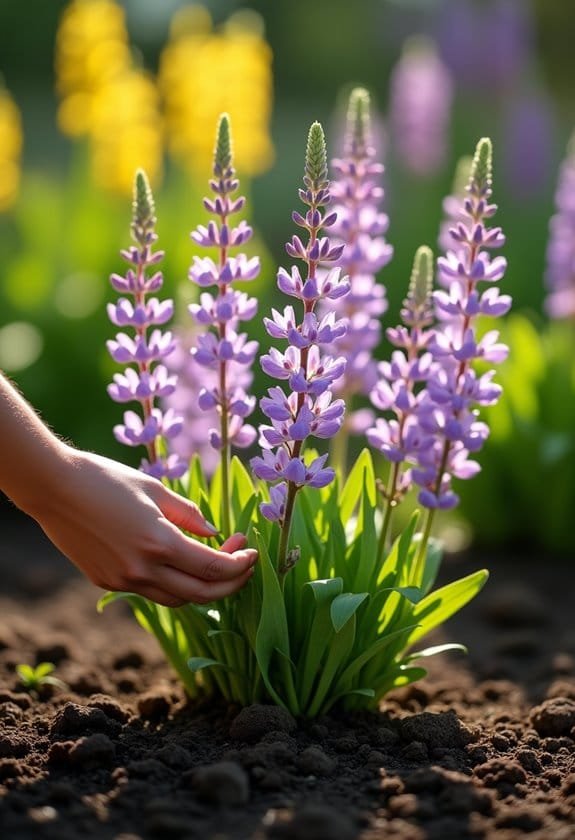
To successfully cultivate Linaria maroccana, gardeners should focus on essential planting techniques and ongoing care practices.
This vibrant annual flourishes in full sun, thriving in well-drained, humusy to sandy-loam soil, while also benefiting from periodic cutting back to stimulate further blooming. Phacelia tanacetifolia is another excellent choice for enhancing garden biodiversity, attracting various pollinators with its nectar-rich blooms. Effective management of garden spaces can also incorporate insights from the control strategies used for invasive species like Japanese barberry, enhancing both aesthetic appeal and plant health, creating a dynamic and resilient garden environment.
Planting Tips
Choose a bright spot in your garden to plant Linaria maroccana, as it thrives best in full sun. This annual toadflax prefers well-drained, humusy to sandy-loam soil, guaranteeing ideal growth alongside vibrant blooms.
To enhance soil quality, consider incorporating organic soil amendments such as compost or aged manure. These amendments not only improve drainage but also enrich the soil with essential nutrients.
When employing planting techniques, it's essential to space the young plants about 10 to 12 inches apart to allow for adequate air circulation and growth. Water the plants regularly, particularly during dry spells, yet be cautious of overwatering, which can lead to detrimental root rot.
After the initial flowering period, cutting back the plants can stimulate a second bloom in the fall, further extending their display.
Additionally, be mindful that Linaria maroccana readily self-seeds, presenting both opportunities and challenges in garden management. This self-seeding characteristic aids in naturalizing garden areas but may necessitate control measures to prevent overgrowth.
Regular observation for aphid infestations is important, as early intervention can greatly mitigate potential damage and guarantee healthy plants thrive in your garden. Furthermore, these annuals can attract a variety of pollinators, making them beneficial alongside plants like Common Honeysuckle(#) that support local biodiversity.
Ongoing Care
Ongoing care for Linaria maroccana is vital for sustaining its vibrant blooms and overall health. Regular fertilizer application, using a balanced, water-soluble option, can greatly enhance growth and flowering. This plant thrives in well-drained, humusy to sandy-loam soil, which helps it resist diseases, so ensuring ideal soil conditions is imperative.
Seasonal trimming plays a significant role in maintaining Linaria maroccana's aesthetic appeal. After its initial flowering, it's advisable to cut the plant back, which encourages a second round of blooms in the fall, ensuring a continuous display of color. Additionally, gardeners should closely monitor for aphid infestations, as these pests can cause considerable damage if left unchecked.
Watering practices need to be meticulously managed; the soil should be allowed to dry out between watering sessions to prevent root rot, yet moisture must be provided during dry spells.
For those keen on controlling the plant's spread, deadheading the flowers is an effective strategy, whereas leaving some to mature may encourage self-seeding, fostering new plant growth for future seasons.
Therefore, consistent attention to care can yield a thriving and beautiful display of Linaria maroccana throughout the growing season.
Suggested Companions
When considering plant companions for Linaria maroccana, gardeners can enhance both beauty and health in their flower beds. Pairing Toadflax with low-growing companions like Lobelia and Alyssum works exceptionally well, as these plants complement Linaria's snapdragon-like flowers without overshadowing them. Additionally, incorporating self-heal (Prunella vulgaris) can bring medicinal benefits to the garden ecosystem.
For a striking visual effect, incorporating taller plants such as Delphinium or Foxglove introduces vertical interest, creating a dynamic layered appearance in mixed borders.
Mixing in annuals like Petunias and Marigolds provides vibrant color combinations that not only contrast beautifully with the Toadflax but also prolong blooming periods, especially when Linaria is cut back post-bloom. The inclusion of ornamental grasses, such as Blue Fescue, accentuates plant textures and articulates the garden layout with its fine blades, providing a respite amidst the colorful blooms.
Furthermore, regular deadheading of Linaria maroccana guarantees continued prosperity, making it beneficial to select companion plants that respond similarly to maintenance tasks like deadheading or cutting back. Additionally, planting Common Yarrow nearby can attract beneficial insects and enhance overall biodiversity in the garden ecosystem.
Common Issues
Linaria maroccana faces several common issues, particularly regarding pests and diseases, that can greatly impact its vitality.
Aphid infestations, for example, demand vigilant monitoring, as these pests can swiftly devastate a plant's health, while poorly drained soil can lead to root rot, hindering growth and flowering potential. The challenges faced by Linaria maroccana are similar to those experienced by the Common Poppy, which also contends with various pests and soil conditions.
Understanding these challenges and implementing effective solutions, such as proper soil management and pest control measures, is essential for cultivating resilient and flourishing specimens of this delicate species. Additionally, awareness of insect pollinators is crucial, as they play a vital role in the reproduction and overall health of plant populations.
Pests/Diseases
Aphid infestations pose a considerable threat to Linaria maroccana, as these pests feed on the plant's sap, leading to potential damage. The presence of aphids can weaken the plant, resulting in stunted growth and diminished flowering.
Regular monitoring for these pests is essential, particularly during warmer months when infestations are more likely to occur. Effective pest management strategies, including careful observation and prompt action, can help mitigate risks.
Healthier plants, nurtured under ideal conditions—such as well-draining soil, adequate sunlight, and proper irrigation—exhibit increased resilience against diseases and pest attacks.
In the domain of aphid control, early intervention proves fundamental. Utilizing insecticidal soap or neem oil can appreciably reduce aphid populations, maintaining the overall health of Linaria maroccana.
Though this plant faces challenges from pests, it possesses a remarkable resistance to deer browsing, making it an excellent choice for gardens situated in areas with high deer populations.
Solutions
To maintain the vigor and beauty of Linaria maroccana, gardeners should adopt proactive strategies for addressing common issues. Regular monitoring for aphid infestations is essential, as early detection allows for swift pest management, preventing severe damage that can impede healthy growth.
Following the initial flowering, cutting back the plant promotes robust growth and enhances subsequent blooms, thereby fostering growth promotion through rejuvenation.
Planting Linaria maroccana in well-drained, humusy to sandy-loam soils is vital, as adequate drainage prevents root rot and moisture-related dilemmas. It thrives in full sun, where its dazzling flowers flourish; inadequate sunlight leads to diminished blooming and weakened vigor.
Additionally, providing proper care improves resilience against diseases, emphasizing the importance of early intervention. Silverweed's preference for well-drained sandy soils highlights the significance of soil conditions in plant health management.
Gardeners must understand that healthy plants are strong plants, capable of resisting potential threats. By maintaining proper soil conditions and light exposure, coupled with diligent pest management practices, they can create an environment conducive to thriving Linaria maroccana.
These strategies not only address immediate problems but also cultivate a sustainable garden, enhancing both the plant's beauty and its ecological contributions. The journey of nurturing this resilient species involves attentive planning and care, ensuring a flourishing garden that captivates the eye.
Summary
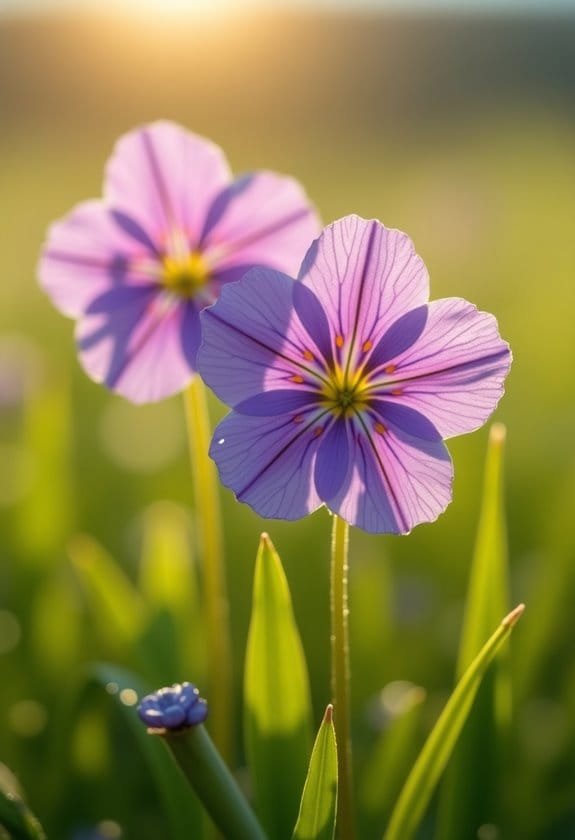
The Moroccan toadflax, or Linaria maroccana, is a striking annual herb that flourishes in sunny, well-drained sandy-loam soils. This enchanting plant, reaching heights of 1 to 2 feet, showcases an array of vibrant bloom colors, such as purple, white, bronze, and pink, reminiscent of a painter's palette.
Known for its self-seeding ability, Linaria maroccana thrives with minimal intervention, though it benefits from regular maintenance, like cutting back after flowering, to promote further exuberant displays.
Moreover, the plant's linear leaves resemble those of flax, adorned with unique flowers that feature a characteristic spur longer than their corolla. Garden designers appreciate the ornamental value of cultivars like Fairy Bouquet, which contribute not only beauty but also rich plant symbolism, representing joy and wonder in landscapes.
Resilient to deer browsing, the annual toadflax does require vigilance against aphids, necessitating early interventions to guarantee robust health.
Incorporating Moroccan toadflax into garden design enhances aesthetic appeal while emphasizing the importance of proper care, making it a favored choice for those looking to create a vibrant, lively environment.