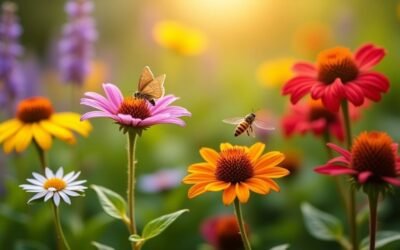
Lychnis flos-cuculi, commonly referred to as Ragged Robin, is an enchanting perennial plant characterized by its striking, star-shaped pink flowers that bloom from May to June. Thriving in moist environments like floodplains and meadows, it typically reaches heights of 14-16 inches (35-40 cm) and spreads up to 18 inches (45 cm). This species attracts various pollinators, including bees and butterflies, thereby enhancing local biodiversity and ecological balance. Ragged Robin prefers full sunlight and consistently moist soil, requiring minimal maintenance once established. Understanding its specific needs and environmental role reveals hidden depths of its garden value and ecological significance.
Main Points
- Scientific Classification: Lychnis flos-cuculi, known as Ragged Robin, is a flowering plant thriving in moist environments.
- Bloom Period: It produces distinct pink star-shaped flowers from May to June, attracting various pollinators.
- Growing Conditions: Prefers full sunlight and consistently moist, well-drained soils, ideal for bog gardens and wet meadows.
- Ecological Role: Contributes to local biodiversity by supporting pollinators like bees and butterflies, enhancing ecosystem balance.
- Care Requirements: Minimal maintenance needed after establishment; deadheading can prolong blooming, and it thrives in naturally rich soils.
Introduction
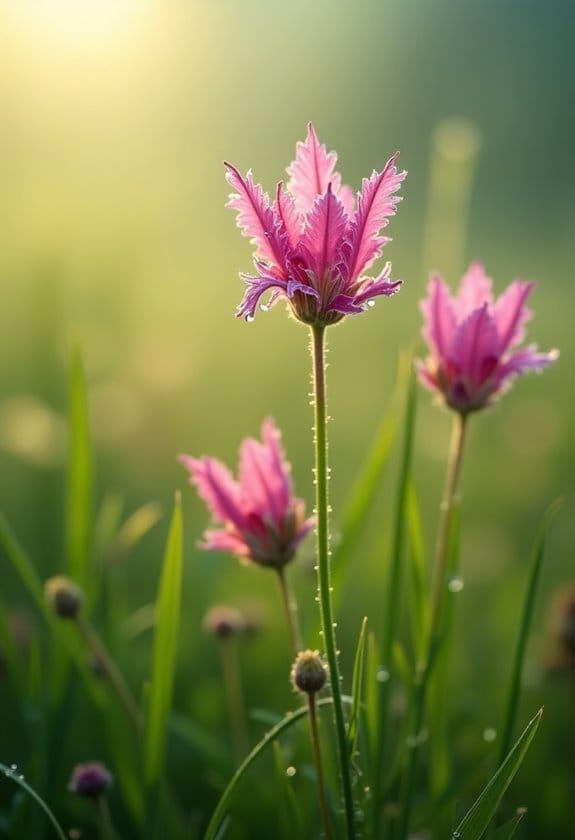
Ragged robin, scientifically known as Lychnis flos-cuculi, captures attention with its striking, cotton-candy pink blooms that grace the landscape from May to June.
This perennial member of the Caryophyllaceae family thrives in moist, disturbed habitats like floodplains and meadows, adapting well to New England's varied environments since its introduction around 1880. It often shares its habitat with other species like Marsh Woundwort, which also prefers wetland settings.
Despite forming extensive patches, its impact on local ecosystems remains moderate, distinguishing it from more aggressive invasive species. Additionally, like Common Harebell, Ragged Robin also plays a role in attracting various bee species, contributing to the local plant-pollinator interactions.
Common Name
Known for its charming appearance, Lychnis flos-cuculi, commonly referred to as Ragged robin, showcases striking cotton-candy pink star-shaped petals that catch the eye in any garden.
This perennial plant, native to Europe, has successfully adapted to the diverse climate of New England since its introduction around 1880, mostly through garden planting and ships' ballast.
Ragged robin, characterized by its delicate, star-like blooms, adds vibrant hues to wet meadows and can often be found flourishing in bog gardens or even disturbed sites, enhancing the natural beauty of these habitats.
The flowering period, typically from May to June, attracts both gardeners and pollinators alike, making it a favored choice for those seeking spring blooms.
While Ragged robin can proliferate and form large patches, it's essential to recognize that it doesn't pose a significant threat as an invasive species in New England.
Instead, it enriches the native flora and contributes to the ecological balance of its surroundings.
Ultimately, the allure of Ragged robin and its cotton-candy pink flowers serves not just to beautify landscapes but also to support local ecosystems, making it a cherished addition to any garden.
Scientific Name
Often, scientific names provide valuable insights into a plant's characteristics and its classification. In the case of Ragged Robin, its scientific name is Lychnis flos-cuculi, revealing much about its identity within the Caryophyllaceae family. The genus name "Lychnis" suggests connections to light, hinting at the plant's vibrant appearance, while "flos-cuculi" translates to "flower of the cuckoo," alluding to its seasonal bloom in May and June, when the plant is most striking.
Lychnis flos-cuculi is a perennial herb, noted for its star-shaped petals that are deeply divided into four lobes, creating a unique and enchanting silhouette. The flowers exhibit a vivid pink coloration, attracting pollinators to its nectar-rich blooms. This species displays free-central placentation, a term indicating the arrangement of ovules, which further emphasizes its distinctive reproductive features.
Historically, the distribution of this species extends across various regions of the United States, with native and non-native populations identified, particularly within New England counties. The presence of several synonyms, including Coronaria flos-cuculi and Silene flos-cuculi, shows its rich botanical history and importance in ecological contexts.
Overview
Featuring striking pink blooms and a unique floral structure, Lychnis flos-cuculi, commonly known as Ragged Robin, captivates garden enthusiasts and supports local pollinators. Introduced from Europe to New England in the 1880s, this perennial plant thrives in disturbed habitats such as floodplains, meadows, and fields.
Blooms appear from late spring to early summer, specifically from May to June, showcasing star-shaped petals reminiscent of cotton candy, an enchanting sight that draws admiration. Like Germander Speedwell, Ragged Robin shows a resilience that allows it to thrive in various environments, particularly in well-drained soils that contribute to its adaptability.
Ragged Robin, with its dark green leaves, is highly adaptable to various soil types and moisture levels. It favors moist environments, often forming extensive patches that contribute to lush landscapes. Despite increasing in population, it holds a stable status in New England, not classified as a major invasive species, making it a Great Plant choice for gardeners seeking ecological balance.
Once established, Ragged Robin requires minimal maintenance, allowing gardeners to enjoy its beauty without extensive effort. Its role in supporting local pollinators highlights its importance in promoting biodiversity. Additionally, Ragged Robin blooms are similar to Red Campion flowers, which also attract various pollinators and support ecosystems.
This charming flower not only enhances garden aesthetics but also enriches the surrounding ecosystem, making it a cherished addition to any green space.
Key Features
The ragged robin (Lychnis flos-cuculi) captivates with its striking growth size and unique appearance, characterized by its delicate cotton-candy pink star-shaped petals that bloom from May to June.
This hardy perennial thrives in moist to wet soils, showcasing remarkable adaptability as it flourishes in various habitats, from bog gardens to disturbed sites across New England.
With sepals ranging from 2.5 to 9 mm, the plant's distinctive floral features contribute not only to its aesthetic appeal but also to its ecological significance in supporting diverse ecosystems. Additionally, its flowering period aligns with peak pollinator activity, providing essential nectar sources for various insects.
Growth Size
Ragged robin typically reaches heights of 14 to 16 inches (35 to 40 cm) and can spread up to 18 inches (45 cm) wide, forming compact tufts. This perennial plant thrives in diverse settings and proudly showcases features that epitomize adaptability.
Its dark green leaves, oblong in shape, are variably divided into four lobes and exhibit pronounced teeth from the base to the tip, providing texture and interest in any garden.
During the peak flowering months of May and June, ragged robin delights with its distinctive cotton-candy pink star-shaped petals, each measuring between 2.5 and 9 mm long. When cultivated in favorable conditions, it has the remarkable ability to form large, monospecific patches, enriching the landscape with its presence.
Many gardeners use ragged robin to make stunning contributions to bog gardens, where its affinity for moisture and partial shade can be fully realized.
With its persistent return each year after blooming, ragged robin not only enhances garden aesthetics but also signifies resilience in disturbed anthropogenic habitats, solidifying its role in promoting biodiversity and ecological stability.
Appearance
With its enchanting cotton-candy pink star-shaped petals that flourish from May to June, Lychnis flos-cuculi stands out in any garden setting. This perennial plant reaches a height of 14 to 16 inches (35 to 40 cm), showcasing not only its striking flowers but also its lush foliage.
The oblong, dark green leaves vary in shape and size, providing a dynamic background to the vivid blossoms. The flowers themselves possess unique sepals that range from 2.5 to 9 mm, and their free-central placentation adds an intriguing layer to their structure.
What distinguishes Ragged Robin is its ability to produce sterile flowers, cleverly extending the blooming period. This characteristic enhances the vibrant display, attracting a plethora of pollinators like butterflies, hummingbirds, and bees, thereby creating a lively garden atmosphere.
The combination of delicate petals, varying foliage, and functional floral structures makes Lychnis flos-cuculi a fascinating specimen. Its captivating appearance not only draws the eye but also supports important ecological functions, enriching both aesthetic and biological diversity in garden environments.
Flowering Season
Blooming from May to June, Lychnis flos-cuculi captures attention with its stunning cotton-candy pink flowers.
This perennial plant features distinctive star-shaped petals that have a delicate structure reminiscent of bursting stars. Its flowering duration is particularly long, making it a delightful addition for anyone cultivating colorful spring gardens.
Ragged robin flourishes best in sunny or partially shaded locations, thriving in moist to wet soils, which account for its presence in bog gardens and wet meadows.
The vibrant bloom colors of this species, combined with its adaptability, create striking seasonal variations, transforming landscapes into enchanting displays of pink.
Moreover, the flowering period can be extended through deadheading, a practice where gardeners remove spent blooms to promote new growth.
This can potentially lead to an increase in flowering throughout the season, offering a continuous show of color.
For those looking to inject lively hues into their gardens, Lychnis flos-cuculi stands out as an appealing option, ensuring that the beauty of blooming spring lasts longer and captivates all who behold it.
Growing Requirements
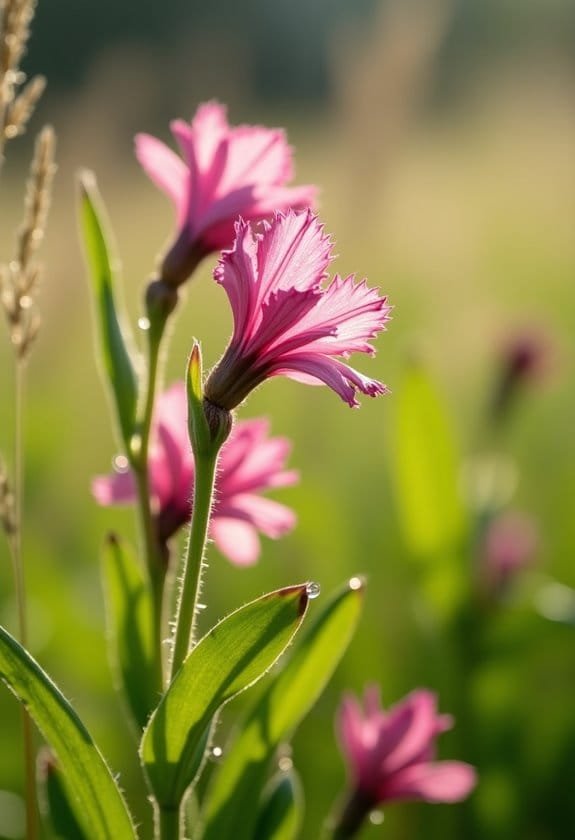
In discussing the growing requirements of Lychnis flos-cuculi, one must acknowledge the plant's preference for full sunlight, thriving best with a minimum of four hours of exposure daily.
The soil should be consistently moist, mirroring the damp habitats it naturally inhabits, such as bog gardens and wet meadows.
Temperature plays a vital role as well; maintaining an appropriate balance guarantees robust growth while establishing the right environment fosters minimal care once the plant is rooted.
Light
Sunlight is vital for the successful growth of ragged robin, as this vibrant plant thrives in full sun or partial shade. To achieve ideal growth, ragged robin requires at least four hours of direct sunlight daily.
The plant exhibits remarkable sunlight preferences, establishing a strong foundation in bright environments, which promotes robust flowering and healthy foliage. Curiously, its shade tolerance allows it to endure less-than-ideal lighting conditions, making it a versatile choice for various garden settings.
Ragged robin's growth habits benefit greatly from the balance between sun and shade. Too much shade, however, can hinder its blooming potential, resulting in sparse flowers. Conversely, excessive sun exposure, especially in warmer climates, may lead to dehydration if moisture levels aren't carefully managed.
Understanding these light requirements is essential for gardeners aiming to create a thriving environment for ragged robin. When placed in well-lit areas that offer some shelter during the hottest parts of the day, this plant flourishes magnificently.
Together, proper sunlight exposure and adequate moisture guarantee that ragged robin thrives, adding colorful charm to bog gardens, wet meadows, and more.
Soil
While ragged robin can adapt to various soil types, it flourishes best in consistently moist soils that make it a perfect choice for bog gardens and wet meadows. Ideally, the soil should maintain its moisture throughout the year, creating an environment compatible with the plant's requirements.
These hardy plants demonstrate remarkable resilience, thriving even in disturbed or anthropogenic habitats. However, it'll struggle if soil drainage is inadequate; overly saturated conditions can lead to root rot, hindering the plant's growth.
Ragged robin prefers a well-draining structure, ensuring that excess water can escape while retaining essential moisture necessary for its sustenance. This balance is vital, as soil moisture levels must be regularly monitored, especially during the hotter summer months when evaporation increases.
For finest growth, ragged robin benefits from a sunny location, needing a minimum of four hours of sunlight daily, which complements its soil needs.
Water
Water is essential for the successful growth of ragged robin, as it thrives in consistently moist conditions. This beautiful plant flourishes best in bog gardens, wet meadows, and marshy areas, where the soil remains saturated. To achieve ideal growth and prolific flowering, maintaining moist soil throughout the year is critical.
Under its minimal care requirements, trained gardeners often employ various irrigation strategies, especially during summer when the risk of drying out increases.
To further enhance moisture levels, they utilize moisture retention techniques such as mulching, which prevents evaporation while enriching the soil. Utilizing organic matter like compost not only improves moisture retention but also promotes soil health.
Additionally, effective water conservation methods—like collecting rainwater or employing drip irrigation—help guarantee that ragged robin receives a consistent supply of water without waste.
As ragged robin tolerates a range of soil types, its success greatly hinges on maintaining adequate moisture. Regular watering, particularly during dry spells, will support its delicate roots and vibrant blooms, ultimately transforming any garden area into a stunning display of flora.
With intentional care, this charming plant can thrive, providing beauty and ecological benefits in appropriate landscapes.
Temperature
In temperate climates, ragged robin (Lychnis flos-cuculi) thrives across USDA Hardiness Zones 3-9, demonstrating its resilience to varying temperatures. This perennial flower exhibits remarkable temperature resilience, allowing it to flourish in a variety of regional conditions.
Thanks to its inherent temperature adaptability, ragged robin can withstand temperature fluctuations that often characterize changing seasons. It efficiently copes with cool springs and warm summers, making it a versatile choice for many gardeners.
Ragged robin prefers full sun to partial shade, requiring a minimum of four hours of sunlight daily to optimize its growth. However, gardeners should also be mindful of soil moisture, as this plant flourishes best in consistently damp soil.
The ideal environment often includes bog gardens, wet meadows, and marshy areas, where this floral delight can express its full potential. While it adapts to diverse soil types, it thrives in fertile, moist substrates that provide nutrients essential for robust growth.
This adaptability not only enhances its appeal but also underscores its value in promoting biodiversity in temperate landscaping.
Pollinator Criteria
Ragged robin captivates a variety of pollinators, such as butterflies and the endangered Rusty patched Bumble Bee, thanks to its striking cotton-candy pink petals.
This plant utilizes cross-pollination, where pollinators gather nectar, inadvertently transferring pollen between flowers to enhance genetic diversity.
Attracted Pollinators
Many pollinators are drawn to the vibrant blooms of Lychnis flos-cuculi, commonly known as ragged robin, thanks to the plant's striking pink star-shaped flowers. This enchanting appearance serves as a significant element in its attraction strategies, designed to lure diverse pollinators such as bees and butterflies.
The unique floral structure, featuring long, thin petals that resemble an exploding star, provides easy access for these indispensable visitors, enhancing pollinator diversity in the surrounding ecosystem.
Ragged robin thrives in wet meadows and bog gardens, habitats characterized by their nutrient-rich, damp soils, which support a wide array of pollinator species. During its blooming period from May to June, the plant offers essential nectar resources for pollinators awakening during the early spring and summer months, filling a fundamental gap in their food supply.
The adaptability of ragged robin guarantees that it serves as a consistent food source across various regions in New England, reinforcing its ecological significance.
Consequently, the importance of maintaining such habitats can't be overstated, as they not only foster the survival of ragged robin but also contribute to the health of the entire pollinator community.
Pollination Method
While various factors contribute to the effective pollination of Lychnis flos-cuculi, the flower's structural features and blooming patterns play a crucial role in attracting insect pollinators.
The vibrant, cotton-candy pink star-shaped flowers, prominent from May to June, excel in their flower morphology. With thin petals and free-central placentation, they allow easy access for pollinators, efficiently facilitating pollen transfer and enhancing seed production.
Ragged robin's prolonged flowering season, due in part to sterile flowers, greatly supports diverse pollinator preferences. This continuous bloom provides essential resources for various beneficial insects like bees, which, in turn, underscores the ecological importance of Ragged robin in local ecosystems.
By attracting these pollinators, Lychnis flos-cuculi enhances its chances for successful reproduction and the formation of dense, monospecific patches in disturbed habitats.
Through this interplay of flower morphology and pollinator interaction, Ragged robin not only propagates itself but also contributes to the health of its native environment.
Ultimately, understanding the intricacies of its pollination method reveals the delicate balance of nature and the crucial role each species plays within its ecosystem.
Care & Maintenance
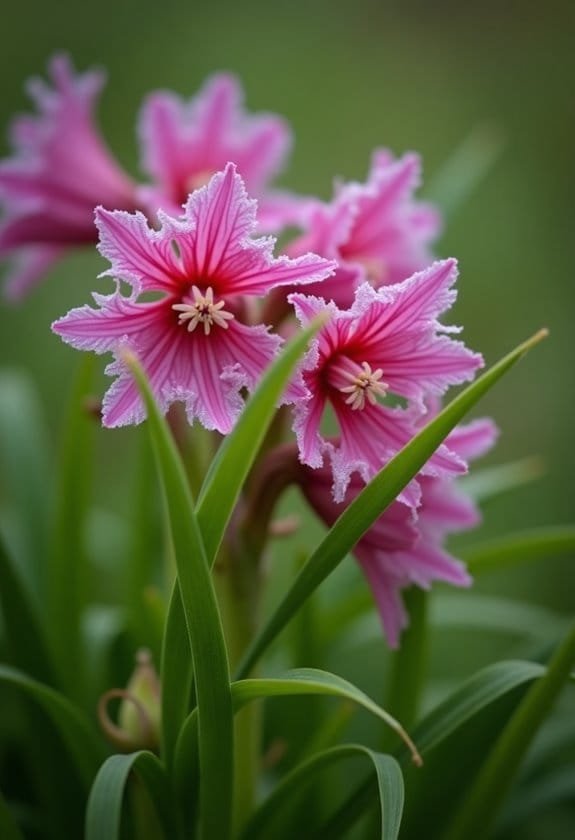
In caring for Lychnis flos-cuculi, gardeners should pay attention to essential planting tips and ongoing care to guarantee robust growth.
This adaptable perennial flourishes in full sun, thriving on consistently moist soil while enjoying companionship with other moisture-loving plants that can enhance its visual appeal and ecosystem benefits.
Proper maintenance can yield a vibrant display, as the heartiness of ragged robin allows it to flourish with minimal intervention once well-established.
Planting Tips
Creating a thriving habitat for Ragged Robin (Lychnis flos-cuculi) starts with careful planting. This perennial plant flourishes best in moist soil, making it an excellent choice for bog gardens and wet meadows. When selecting a site, confirm it receives at least four hours of sunlight daily to promote ideal growth.
Employing effective planting techniques is important; consider seasonal planting, as young pot-grown Ragged Robin should ideally be set in the ground during autumn or early spring. For a fuller appearance, utilize appropriate spacing—about 12 to 18 inches apart—when arranging the plants in clusters or singly. This distance allows for adequate airflow and reduces competition for nutrients, guaranteeing each plant can reach its full potential.
Once the plants are established, they'll require minimal maintenance; however, vigilant monitoring during the summer months is vital to prevent drying out.
Ongoing Care
Ongoing care for Ragged Robin (Lychnis flos-cuculi) is straightforward, especially when plants are established in consistently moist soil. This perennial thrives with minimal intervention, making it a prime candidate for low-maintenance gardens.
Regularly monitoring the soil is vital, particularly during summer months, to prevent any signs of drying out that could impede healthy growth and blooming. Given its preference for moist environments, it often complements other moisture-loving plants like Nettle-Leaved Bellflower(Campanula trachelium) in the garden.
For ideal health, gardeners can consider seasonal pruning to maintain an attractive appearance. By deadheading spent flowers, they can encourage reblooming, extending the visual appeal throughout the growing season. Additionally, some may choose to apply a balanced fertilizer in early spring, though Ragged Robin typically flourishes without excessive fertilizer application.
Soil amendments can enhance nutrient content, especially in poorer soils, contributing to vibrant growth. *Common Yarrow* can also thrive in similar habitats, showcasing its adaptability to various environmental conditions.
It's also important to allow seed heads to ripen and disperse naturally, promoting self-seeding and naturalization in suitable habitats.
Significantly, this hardy plant faces minimal threats from pests or diseases, providing gardeners with a largely trouble-free experience.
With proper care and attention, Ragged Robin can transform any garden into a delightful tapestry of delicate pink blooms and lush greenery, inviting both beauty and resilience.
Suggested Companions
Choosing the right companions for Ragged Robin (Lychnis flos-cuculi) can enhance both its beauty and the overall health of the garden. This charming perennial thrives in damp soil, making it an exemplary partner for other moisture-loving plants like ladys smock (Cardamine pratensis) and marsh marigold (Caltha palustris).
These harmonious companions share similar growing conditions, thriving best in sunny areas that receive at least four hours of sunlight daily, alongside consistently moist soil. Additionally, incorporating native pollinator species can further aid in attracting beneficial insects to the garden.
To optimize growth and flowering, effective planting techniques are crucial, urging gardeners to prepare the site while eliminating grass and obstructions. When selecting planting arrangements, clustering Ragged Robin with its companions fosters an increased sense of biodiversity, creating a vibrant and inviting garden display.
Moreover, understanding the companion benefits emerges as essential; the interdependent relationships can bolster the overall ecosystem, enriching the garden's potential. Brooklime's ecological benefits include soil stabilization, which can further enhance the growth conditions of Ragged Robin.
Regular monitoring of moisture levels is paramount, ensuring all plants flourish in their humid environment. By prioritizing these strategies, gardeners won't only appreciate the collective beauty of these species but also support their ongoing health, vigor, and resilience.
Common Issues
Although ragged robin (Lychnis flos-cuculi) is largely free from pests and diseases, gardeners may occasionally encounter issues related to its growth and environment.
Monitoring soil moisture is essential, particularly in hot summer months when drought can stress the plant, potentially leading to unhealthy growth patterns.
In addition, the plant's vigorous self-seeding might create dense patches that hinder biodiversity unless appropriately managed through thoughtful gardening practices. Additionally, ensuring well-drained soils is crucial for preventing issues like root rot and promoting healthy growth.
Pests/Diseases
Ragged robin (Lychnis flos-cuculi) stands out for its resilience, facing few significant pests and diseases in typical garden settings. This hardy plant generally enjoys robust health, requiring minimal care.
While it's typically free from specific pest threats during its growth cycle, gardeners should still remain vigilant. Regular monitoring for signs of drying out, particularly during the summer months, is important for maintaining plant vigor. Comfrey's deep-rooted system allows it to efficiently utilize resources, which can serve as a useful model for observing similar needs in Ragged Robin.
Environmental stress factors, such as inadequate watering or poor soil conditions, can result in unusual wilting or discoloration that may be mistaken for pest infestations. As a result, implementing effective pest management strategies and disease prevention methods becomes essential, primarily through observational practices rather than reactive measures.
Understanding the plant's needs and the environmental requirements helps in preemptively identifying potential issues. Additionally, the toxic nature of Creeping Buttercup can pose risks to nearby garden flora if allowed to encroach on Ragged Robin habitats.
Encouraging naturalization through remaining seed heads allows Ragged robin to sustain healthy populations, as this species is well-adapted to self-seed under ideal conditions.
Solutions
Ensuring Ragged robin thrives involves prioritizing consistent moisture and proper soil preparation. This remarkable plant flourishes in its natural habitats, such as bog gardens and wet meadows, where poor drainage allows for adequate moisture retention. Regular monitoring of soil moisture is essential, particularly during the summer months; drying out can hinder healthy growth. Additionally, incorporating plants like Red Clover can further enhance soil quality.
When planting Ragged robin, it's important to prepare the soil adequately, ensuring it's free of grass and other competing plants. This preparation, ideally carried out in autumn or early spring, enhances establishment and supports the plant's thriving condition. The species also exhibits remarkable self-seeding benefits, which permit naturalization; garden caretakers should allow seed heads to ripen before cutting back flowered stems in autumn, maximizing future growth potential.
Though Ragged robin is generally pest and disease-free, routine checks for healthy growth and flowering will allow for early detection of any potential issues. Additionally, ensuring the soil is acidic and well-drained contributes to a thriving environment, reflecting the successful cultivation practices established with other hardy plants like heather.
Summary
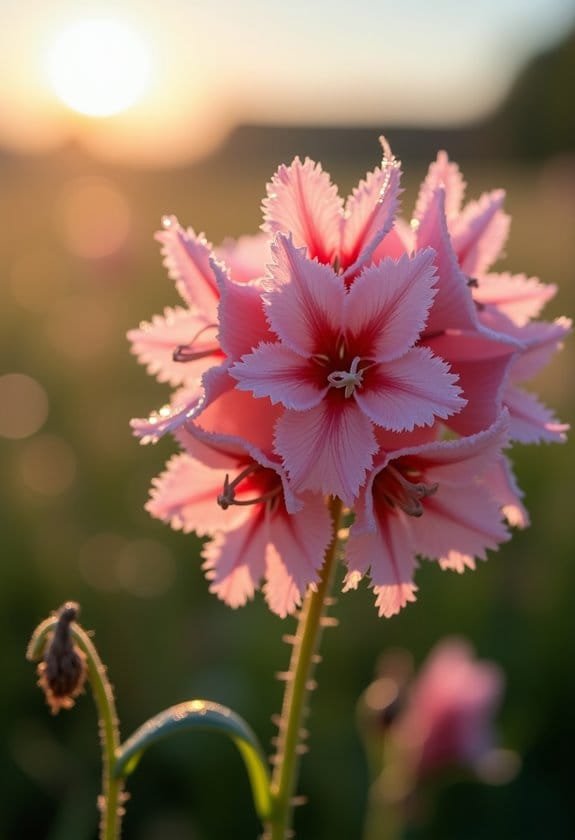
Lychnis flos-cuculi, commonly known as ragged robin, is a perennial flowering plant that adds a splash of color to New England's landscape. Introduced from Europe around 1880, ragged robin thrives in unique habitats such as floodplains, meadows, and low fields. It prefers moist, well-drained soils and sunny locations, making it a delightful addition to both natural and cultivated spaces.
Ragged robin blooms in May and June, showcasing its vibrant cotton-candy pink, star-shaped petals that attract a variety of pollinators, thereby enhancing its ecological impact. Though it can form large monospecific patches, it isn't considered a major invasive species in the region, demonstrating a balance between growth and coexistence within local ecosystems.
For gardening enthusiasts, incorporating ragged robin into their landscapes can yield stunning visual results while supporting biodiversity. They should guarantee proper soil moisture and sunlight exposure for peak growth. Additionally, ragged robin complements other flora that serves as a critical nectar source, attracting various beneficial insects.
With its distinctive leaf characteristics aiding in species identification, ragged robin offers taxonomic intrigue, particularly through its subspecies, Lychnis flos-cuculi ssp. flos-cuculi. Overall, this charming plant serves as a reflection of both beauty and ecological significance.