Malva moschata, or Musk Mallow, is a perennial plant from the Malvaceae family, reaching heights of up to one meter. With its pale pink flowers, measuring approximately 2.5 inches in diameter, it enchants both the eye and the sense of smell, emitting a musky aroma from its lobed leaves. Thriving in full sun and well-drained soils, this adaptable species flourishes in meadows and gardens alike. Musk Mallow attracts essential pollinators, enhancing ecosystems. Regular care, including deadheading and vigilance against pests, guarantees its vibrant presence. This fascinating plant offers culinary delight and ecological benefits, sparking curiosity about its many uses.
Main Points
- Malva moschata, or Musk Mallow, is a perennial plant that grows up to 1 meter and features striking pale pink flowers.
- This plant thrives in full sun and well-drained soils, flourishing from early summer to fall.
- Musk Mallow supports local pollinators like bees and butterflies, enhancing garden biodiversity through its fragrant blooms.
- Both the flower petals and leaves are edible, commonly used in salads and teas for unique flavor and culinary diversity.
- Regular deadheading, pest vigilance, and proper air circulation are essential for maintaining plant health and preventing disease.
Introduction
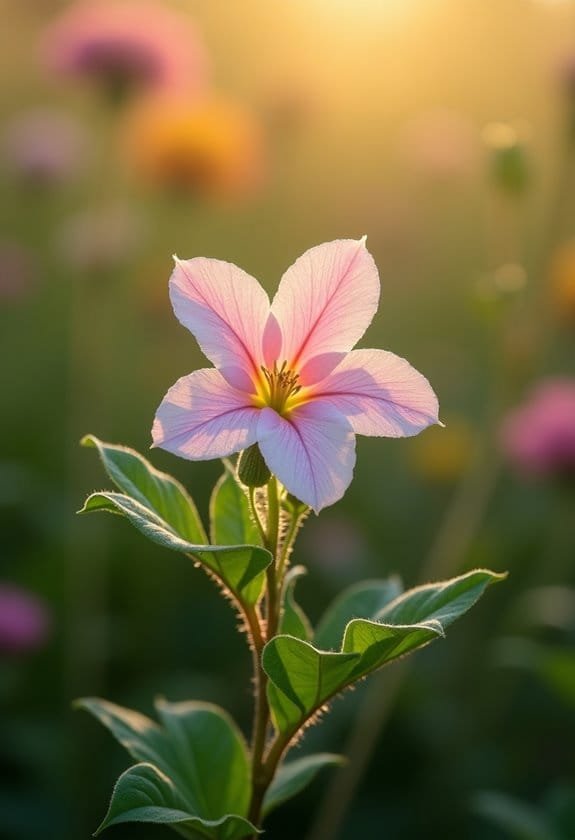
Musk Mallow, scientifically recognized as Malva moschata, captivates with its elegant form and aromatic presence.
This perennial plant, native to Europe and certain regions of Asia, typically reaches heights of up to 1 meter while showcasing striking pale pink flowers that bloom from early summer through fall.
With its broad, lobed leaves emitting a musky scent, Musk Mallow not only enhances garden aesthetics but also offers culinary versatility, as both its flowers and leaves can be enjoyed in salads for their unique flavor profile.
Common Name
Often found in gardens and wildflower meadows, Malva moschata is better known as Musk Mallow. This branching perennial typically grows to heights of up to 1 meter (2-3 feet), creating an eye-catching presence wherever it flourishes.
Musk Mallow captivates observers with its delicate, pale pink saucer-shaped flowers, which measure approximately 2.5 inches (6 cm) in diameter. The blooms grace the landscape from early summer to fall, adding a splash of color to any garden setting.
Besides its visual appeal, Musk Mallow possesses a distinct musk fragrance, particularly noticeable when its broad, round, lobed leaves are crushed or brushed against. This fragrant quality not only enhances its ornamental value but holds culinary potential as well, as both the leaves and flowers are edible.
Native to Europe and parts of Asia, Malva moschata has successfully naturalized in North America and other regions, demonstrating its adaptability across diverse climates. By cultivating this versatile plant, gardeners can enjoy its beauty and fragrance while also incorporating its unique flavors into their culinary repertoire. Additionally, Musk Mallow produces self-seeding pods that can lead to natural propagation in garden settings.
Consequently, Musk Mallow serves as both a sensory delight and a practical addition to gardens worldwide.
Scientific Name
The scientific name of Musk Mallow, Malva moschata, reflects its classification within the Malvaceae family. This classification highlights the plant's connection to a group commonly distinguished by their showy flowers and distinctive leaf structures.
In Malva moschata, these structures include clusters in the leaf axils, which contribute to its unique aesthetic appeal.
Musk Mallow typically thrives in full sun environments, flourishing best in well-drained soils. Its delicate pale pink flowers, measuring approximately 2.5 inches (6 cm) across, emerge prominently amidst the lush green foliage.
These flowers, alongside the musky scent emitted from both the blossoms and the crushed leaves, provide an intriguing allure that captivates even the most discerning nature enthusiasts.
Although native to Europe and parts of Asia, Malva moschata has adapted well to gardens across North America and other temperate regions, suggesting its resilient nature.
As it spreads, this vibrant plant not only adds beauty to landscapes but also offers valuable ecological benefits, supporting local pollinators drawn to its aromatic blooms.
Consequently, the scientific name of Malva moschata serves as both a classification and a confirmation of its unique characteristics and ecological significance.
Overview
Renowned for its striking beauty and intriguing fragrance, Malva moschata, commonly known as Musk Mallow, captures the attention of gardeners and nature lovers alike. This perennial plant, which can grow up to 1 meter tall, showcases pale pink, musk-scented flowers that bloom from early summer to fall, creating a delightful spectacle in meadows, grasslands, and roadsides.
With broad, round, lobed leaves that release a distinctive musk scent when crushed, Musk Mallow not only enchants but also invites curiosity regarding its cultural significance. Historically, various cultures have utilized this plant for culinary delights and herbal medicine, adding a layer of historical depth to its appeal.
Its flower petals and leaves are edible, often incorporated into salads and teas, demonstrating its practical applications beyond mere aesthetics. Additionally, Musk Mallow contributes ecological benefits by supporting pollinators and enhancing the biodiversity of its native habitats.
Thriving in well-drained soils and full sun across temperate climates, this hardy plant reminds us of the interconnectedness of beauty, utility, and nature's intricate balance. Consequently, Malva moschata stands as an affirmation to the value of incorporating native flora into gardens and landscapes.
Key Features
Musk Mallow, or Malva moschata, stands out with its impressive height, reaching up to 1 meter tall.
The plant's aesthetic appeal lies in its pale pink flowers, which span about 2.5 inches across, blooming gracefully from early summer through fall.
Its unique foliage features broad, lobed leaves at the base and more finely divided leaves higher up, creating an engaging visual contrast that captivates both gardeners and pollinators alike.
Growth Size
Standing up to 1 meter tall, Malva moschata, commonly known as Musk Mallow, showcases a variety of key features. This herbaceous perennial exhibits a range of growth habits, with stems either upright or spreading across the ground. Height variations typically fluctuate between 60 to 90 centimeters, allowing Musk Mallow to thrive in diverse environments, from meadows to gardens.
The broad, round, and lobed leaves, measuring 2 to 8 centimeters in length, add a lush quality to its overall structure. Significantly, these dimensions facilitate efficient photosynthesis, which optimizes the plant's growth and flowering potential.
Musk Mallow's ability to adapt to different locales allows it not only to flourish but also positively influence its surrounding ecosystem by providing essential habitat and nectar for pollinators.
As it blooms from early summer to fall, with the most vibrant display occurring from July to September, its musk-scented, pale pink flowers, approximately 6 centimeters across, create breathtaking focal points in any landscape.
Appearance
With its striking features, Malva moschata, or Musk Mallow, grabs attention in gardens and natural landscapes alike. Typically reaching heights of up to 1 meter, this herbaceous perennial showcases hairy, branched stems that can be either upright or spreading, enhancing its overall visual impact.
The leaves, broad and round with a lobed appearance, range from 2 to 8 centimeters long. Their unique textures, coupled with a delightful musk scent when crushed, offer an inviting tactile experience.
Musk Mallow's flowers are another highlight, displaying a delicate color variation. With five bright pink petals, they bloom in clusters around leaf axils, measuring approximately 6 centimeters across. These pale pink flowers serve as interesting ornaments, particularly during seasonal changes from early summer to fall, when they're most prolific.
As an added bonus, the plant produces round, flattened seed pods filled with 10 to 16 seeds, which not only contribute to its natural appearance but also promote its ability to self-seed and thrive in various environments. The combination of these visual and aromatic characteristics makes Musk Mallow a beloved choice for both aesthetic gardens and wildflower landscapes.
Flowering Season
Blooming from early summer to fall, Malva moschata captivates with its elegant display of flowers, particularly from July to September when it reaches peak abundance.
These pale pink flowers, measuring about 2.5 inches (6 cm) across, showcase five delicate petals. The plant's blooming patterns reveal clusters of blossoms primarily borne in leaf axils, adding a charming touch to gardens and landscapes.
During the height of its flowering season, Musk Mallow offers a distinctively subtle musk fragrance that enhances its flower attraction, luring bees and butterflies, which play crucial roles in pollination.
Notably, seasonal variations occasionally prompt the plant to disclose an early bloom by late June, surprising onlookers with its graceful presence.
Moreover, Musk Mallow's natural tendency to self-seed guarantees continuity of its floral displays in subsequent years, contributing to its reliability as a garden feature.
This ability uniquely intertwines with its blooming cycle, enabling the plant to persist and thrive in diverse environments.
Consequently, the enchanting flowering season of Malva moschata not only showcases its beauty, but also underscores nature's intricate relationships and resilience.
Growing Requirements
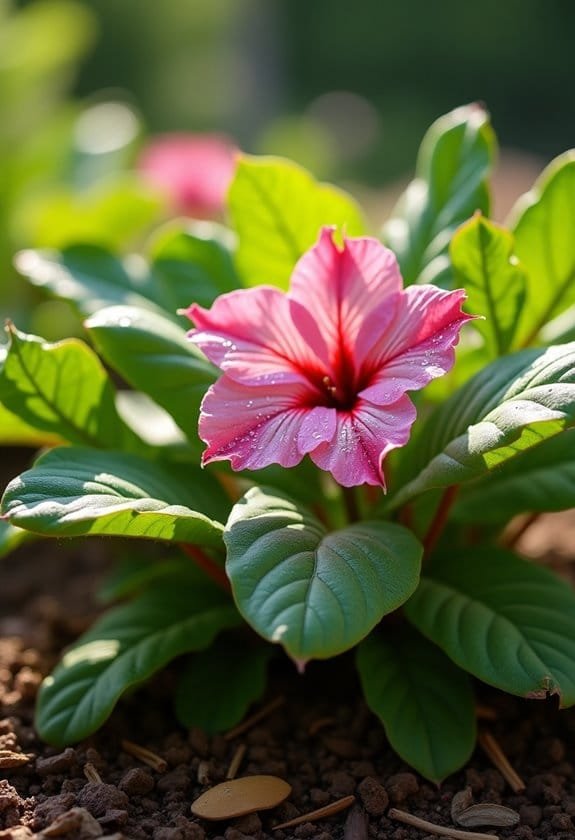
Musk mallow, scientifically known as Malva moschata, flourishes under full sunlight while preferring well-drained soils that maintain medium moisture levels.
Thriving best in temperate climates and hardy across zones 3 to 8, it showcases an adaptability that gardeners appreciate.
Understanding its requirements for light, soil, water, and temperature will enhance the successful cultivation of this resilient plant, ensuring vibrant blooms throughout the growing season.
Light
During the growing season, Malva moschata thrives in full sun, making it an excellent choice for bright garden spaces. Sunlight exposure plays a significant role in its growth, as the plant flourishes under direct sunlight throughout the day, promoting both healthy foliage and vibrant blossoms. The light intensity effects are particularly important, enhancing vigor and bloom quality from early summer to fall.
While Musk Mallow shows a clear preference for sunny conditions, its shade tolerance benefits allow for some adaptability in garden design. This resilience means it can still grow adequately in light shade, making it a versatile option for various landscapes.
However, maximizing sunlight exposure remains essential to achieve the best results. Adequate light not only supports growth but also mitigates potential issues related to humidity, as medium moisture levels are most conducive for Malva moschata.
When selecting a planting site, gardeners should prioritize areas that guarantee ample sunlight. The right balance of light enables the plant to reach its full potential, ensuring a flourishing display that captivates all who encounter it. Such attention to light conditions is key for cultivating this beautiful perennial.
Soil
For ideal growth, Malva moschata thrives in well-drained soils that retain medium moisture, making it suitable for a variety of garden environments. This versatile plant can adapt to different soil types, including slightly sandy or loamy mixtures, which facilitate the essential drainage. The plant is characterized by its preference for consistently moist conditions, similar to Silverweed, which showcases its adaptability to various habitats.
The significance of drainage can't be overstated, as stagnant water can lead to root rot and other detrimental conditions. Additionally, good aeration promotes healthy root development, allowing Musk Mallow to absorb nutrients effectively.
Moisture retention plays a crucial role, particularly in hotter, more humid summers when the plant may struggle due to excessive heat. Proper soil moisture is critical in maintaining plant health, allowing it to flourish even in challenging conditions.
Regular monitoring of soil conditions is also advisable; while Malva moschata is generally resistant to pests and diseases, unfavorable soils can make it susceptible to issues like rust or leaf spot. Furthermore, incorporating organic matter into the soil can enhance its structure and support the overall health of the plant.
Water
Thriving in well-drained soils, Malva moschata benefits from consistent watering to maintain its health and vigor. This perennial prefers medium moisture levels, particularly during its early establishment, when a robust root system is vital for long-term success.
Employing effective watering techniques, such as deep watering sessions that encourage roots to grow downward, can considerably bolster the plant's resilience. Water quality plays an essential role in the overall health of Musk Mallow.
Utilizing clean, freshwater without high concentrations of salts or chemicals fosters ideal growth, allowing the plant to flourish in its preferred full sun conditions. As Musk Mallow adapts to diverse soil types, it can also implement drought strategies to withstand brief periods of water scarcity once established. Additionally, understanding the drought tolerance of nearby plants can enhance garden design and plant pairing.
However, gardeners must remain vigilant; while Malva moschata can tolerate short dry spells, prolonged drought might compromise flowering potential and diminish its aesthetic appeal. Overwatering presents another challenge, as it can lead to root rot, a condition detrimental to the plant's health.
Striking a balance between adequate hydration and preventing waterlogged soil guarantees that Malva moschata remains a stunning addition to any garden.
Temperature
Musk Mallow, or Malva moschata, flourishes best in USDA zones 3 to 8, making it an excellent choice for gardeners in various temperate climates. This versatile plant exhibits remarkable climate adaptation, thriving under moderate conditions typically found in meadows and grasslands.
While it demonstrates commendable temperature tolerance, Musk Mallow struggles in hot and humid summer climates, which can hinder its growth and vigor.
Optimal temperatures for this perennial range from 60°F to 75°F, ensuring it establishes a robust root system. Musk Mallow's resilience allows it to adapt to seasonal fluctuations, although extreme temperature variations can affect its performance.
It prefers full sun exposure and well-drained soils that maintain medium moisture levels; however, it can adjust to a variety of soil types, making it even more appealing for diverse gardening situations.
Under suitable growing conditions, Musk Mallow remains generally pest and disease-free. Nevertheless, gardeners should remain vigilant for potential rust or leaf spot, particularly in climates that deviate from its preferred temperature ranges.
Therefore, understanding Musk Mallow's temperature requirements is essential for maximizing its growth potential and ensuring a thriving garden.
Pollinator Criteria
Musk Mallow, or Malva moschata, plays a crucial role in attracting a rich variety of pollinators, particularly bees and butterflies, thanks to its delightful, pale pink flowers that span approximately 2.5 inches in diameter.
These visually striking blooms, combined with their sweet fragrance, create an inviting landscape, encouraging frequent visits for nectar and pollen.
As the plant thrives from early summer to fall, it not only supports local biodiversity but also guarantees pollinator populations remain nourished and sustained through its self-seeding habit. Additionally, its flowers provide landing platforms that enhance efficient pollen transfer, promoting successful pollination in the surrounding ecosystem. Common Yarrow is another perennial that also attracts a wide range of pollinators, contributing to ecosystem health.
Attracted Pollinators
A diverse array of pollinators, including bees and butterflies, flock to the fragrant flowers of Malva moschata. This enchanting plant, blooming from early summer to fall, features musk-scented, pale pink flowers that beckon pollinators with their alluring aroma.
The floral morphology of Musk Mallow—characterized by its open structure and vibrant color—offers easy access to nectar. Because of this, pollinator behavior is frequently observed as insects navigate these flowers, showcasing distinct nectar preferences.
Bees, such as honeybees and bumblebees, are particularly drawn to the blossoms, actively seeking the rich nectar that sustains them. Butterflies, drawn by the sight and scent, flutter from flower to flower, further enhancing the plant's role in the ecosystem.
The mutualistic relationship between these pollinators and Malva moschata is essential, as they facilitate cross-pollination, which directly leads to the production of fertile seeds, ensuring the plant's reproductive success. Additionally, its ability to attract various pollinators contributes to biodiversity in gardens, reinforcing the importance of planting such species.
As such, Musk Mallow stands as a beacon of ecological importance, enriching meadows and gardens alike. Its enduring ability to attract diverse pollinators underscores the intricate connections within nature, illustrating the delicate balance crucial for sustaining biodiversity.
Pollination Method
To effectively attract pollinators, Malva moschata employs several specific characteristics. Primarily, this species relies on bee behavior for successful pollination, as its pale pink flowers release a delightful musk scent, enchanting not just bees but also butterflies. These ethereal flowers bloom from early summer to fall, enhancing their appeal during essential pollination periods.
Structured in clusters within leaf axils, the flowers enhance visibility and accessibility, making them the perfect landing zone for pollinators. Each flower, adorned with five vibrantly hued petals, boasts a distinct aroma that signifies a floral signal, enticing pollinators from afar. This scent attraction is critical since it informs visiting bees of nutrient-rich nectar.
Effective pollination strategies are fundamental to the reproduction of Malva moschata. Upon successful fertilization, the plant produces round, flattened seed pods containing 10 to 16 seeds, which is crucial for its survival and proliferation.
The unique musk scent, emanating from both leaves and flowers, not only attracts pollinators but also sets Malva moschata apart from similar plant species, illustrating nature's artistry in promoting reproductive success through elaborate ecological interactions.
Care & Maintenance
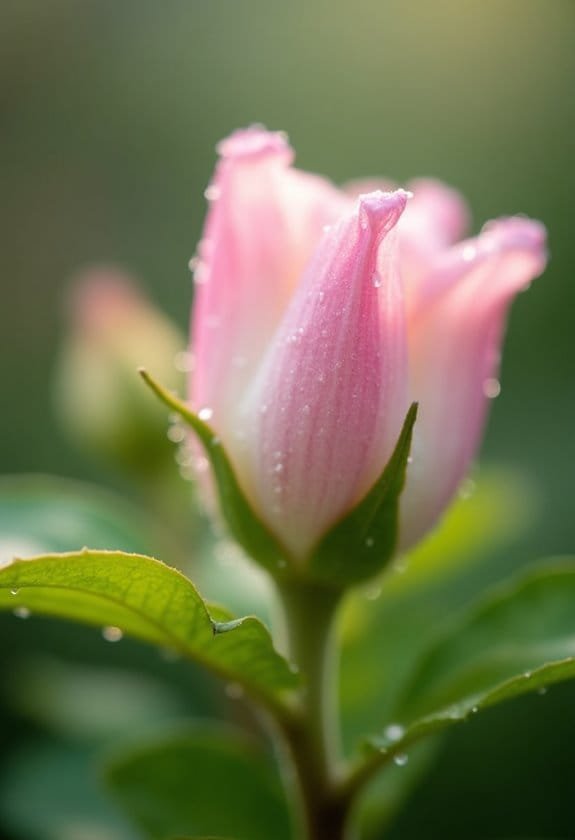
Caring for Musk Mallow (Malva moschata) involves thoughtful planting and ongoing maintenance, ensuring its vibrant blooms flourish throughout the growing season.
This adaptable perennial thrives in full sun and well-drained soils, yet it performs remarkably well across various soil types, making it suitable for a wide array of garden styles. Additionally, it is known for its resilience in diverse environments, which allows it to flourish alongside other garden plants.
Regular deadheading not only enhances visual appeal but also promotes further flowering, presenting an opportunity to appreciate nature's resilience and beauty. Additionally, Echinops species can serve as excellent companions in pollinator-friendly gardens, sharing the spotlight with Musk Mallow's blooms.
Planting Tips
Musk Mallow thrives in well-drained soils with medium moisture and full sun, making it an excellent choice for a variety of garden settings. This perennial plant exhibits remarkable adaptability, flourishing in different soil types while preferring enriched, loamy conditions. For effective propagation methods, gardeners can sow seeds in either autumn or spring. Its natural tendency to self-seed allows for effortless continuity, guaranteeing a vibrant display in suitable environments from year to year. Additionally, Musk Mallow can produce up to 2 million seeds per plant, ensuring its presence in the garden for seasons to come.
Ideal locations for Musk Mallow include cottage or wildflower gardens, where it not only contributes visual appeal but also enhances biodiversity by attracting beneficial pollinators such as bees and butterflies. Seasonal planting during spring encourages stronger roots and establishes the plant before summer's heat challenges it.
To guarantee prolonged blooming from July to September, and perhaps even late June, gardeners should incorporate regular deadheading into their maintenance routine. This method promotes the production of fresh blooms, creating a more visually enticing landscape. Additionally, Musk Mallow can share its space with plants like Primula vulgaris, enhancing the ecological role of the garden by attracting various pollinators.
Ongoing Care
Ongoing care for Malva moschata guarantees it remains a vibrant and hardy addition to any garden. Utilizing effective deadheading techniques encourages continual blooming, extending the flowering period from early July to September. By routinely removing spent flowers, gardeners stimulate the plant to produce new buds, ensuring a prolonged display of its cheerful blooms.
Mulch benefits can't be overlooked, as applying a layer around the base helps retain soil moisture and suppress weeds. Since Musk Mallow thrives in medium moisture with well-drained soils, this practice cultivates an ideal environment for growth.
Furthermore, monitoring for signs of rust or leaf spot is essential, despite Malva moschata being generally pest and disease-free.
Additionally, the self-seeding advantages of this perennial are significant; once established, it can effortlessly regenerate under suitable conditions, prompting minimal maintenance.
Pruning back spent foliage and eliminating any damaged leaves not only encourages healthier growth but also maintains a tidy appearance within the garden.
Suggested Companions
Enhancing garden aesthetics and biodiversity is easy when pairing Malva moschata with compatible companions. This enchanting perennial thrives alongside echinacea and black-eyed Susan, attracting similar pollinators while promoting ecological benefits through companion planting. By using effective planting strategies, garden enthusiasts can create a vibrant, interconnected habitat that flourishes.
To craft a naturalized appearance, it's advisable to plant Musk Mallow with other perennial wildflowers, allowing its self-seeding nature to facilitate continuity throughout the seasons. Pairing it with low-growing ground covers, such as creeping thyme, effectively suppresses weeds, which enhances the plant's upright growth and overall vigor. White clover's nitrogen-fixing capabilities can also benefit the surrounding plants by improving soil quality.
Furthermore, selecting companions that share its preferences, like catmint and daisies, optimizes growth conditions. Both enjoy full sun and well-drained soils, facilitating a harmonious environment that bolsters each plant's health. Additionally, one should be mindful of the aggressive growth of nearby plants like stinking chamomile, as it can compete for resources and threaten the health of Musk Mallow.
However, one must avoid planting Musk Mallow near moisture-loving species, as it prefers medium moisture levels.
Through careful consideration of companion choices and planting strategies, gardeners can cultivate a thriving ecosystem, enriching their outdoor spaces not only with beauty but with ecological resiliency, creating lasting, dynamic landscapes.
Common Issues
Musk Mallow (Malva moschata) is remarkably resilient, yet it doesn't escape some common issues that may arise in specific environmental conditions.
Though generally pest and disease-free, growers should remain vigilant for ailments such as rust or leaf spot, both of which can compromise plant health if overlooked.
Additionally, improper growing conditions, such as excessive heat and humidity, can lead to stunted growth, underscoring the importance of proper care and monitoring.
Pests/Diseases
While generally resilient, Musk Mallow (Malva moschata) can occasionally face a few pests and diseases that gardeners should keep an eye on.
Though this plant is largely free from serious issues, conditions may favor the emergence of rust and leaf spot, particularly during wet or humid weather. To effectively implement disease prevention strategies, it's vital to maintain proper air circulation around the plants by avoiding overcrowding in garden beds, as this allows for drier foliage and minimizes fungal development. In addition, practicing mechanical removal of affected plant parts can further enhance disease management efforts.
Regular inspections for pests, such as aphids or spider mites, are essential. Identifying these unwanted visitors early can help prevent infestations from escalating into significant problems. Additionally, gardeners should be mindful that invasive species like Herb Robert can compete for resources, potentially making Musk Mallow more susceptible to pest and disease pressures.
Gardeners are encouraged to utilize pest management techniques tailored to organic gardening, as they support both plant health and ecological balance. If pest issues do arise, organic treatment options, such as insecticidal soaps or neem oil, have proven effective in managing unwanted insects without harming beneficial organisms.
Solutions
To guarantee optimal growth and resilience in Musk Mallow (Malva moschata), gardeners can apply several effective solutions to common issues. While this plant is generally pest and disease-free, monitoring for problems such as rust or leaf spot remains essential for maintaining peak health.
Gardeners should implement proper propagation techniques, ensuring propagation from healthy specimens to boost genetic diversity and resilience. Ensuring well-drained soil with medium moisture is essential to prevent issues like root rot, as excessive water can impede root health.
Regular deadheading of flowers not only promotes additional blooms but also mitigates the risk of self-seeding, which can overwhelm garden design. Since Musk Mallow can become invasive in temperate U.S. regions, invasive management strategies need consideration.
Gardeners should stay informed about local regulations regarding invasive species and promptly remove unwanted seedlings. It's critical to place Musk Mallow in areas where it can enjoy full sun, although it adapts well to light shade, enabling flexibility in garden design.
Summary
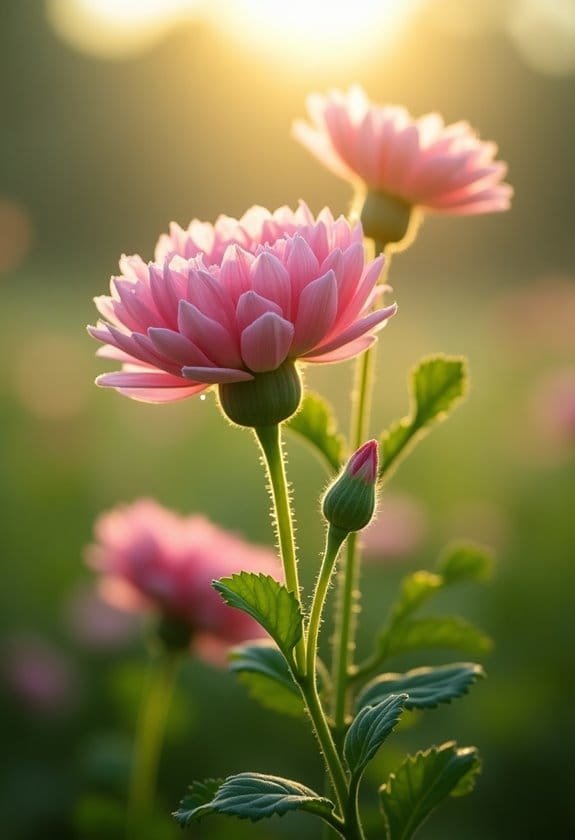
Malva moschata, commonly known as Musk Mallow, is a perennial plant admired for its delicate, musk-scented flowers that bloom from early summer to fall.
This charming species, native to Europe and parts of Asia, typically reaches a height of up to 1 meter and thrives in well-drained, medium-moisture soils, often basking in full sunlight. Due to its adaptability, Musk Mallow can flourish in various soil types, making it a versatile addition to gardens.
With its edible leaves and flowers, Malva moschata offers delightful culinary uses, often featured in salads or traditional dishes. Additionally, the plant has historical significance in herbal remedies, known for its soothing properties and ability to enhance overall wellness.
However, gardening enthusiasts need to be cautious, as Musk Mallow can exhibit invasive tendencies, particularly in temperate regions of the U.S., necessitating vigilant monitoring to control its spread.