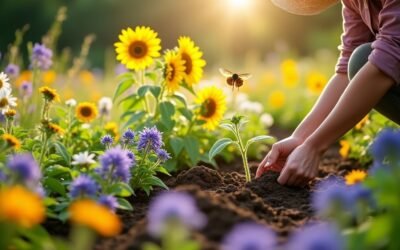
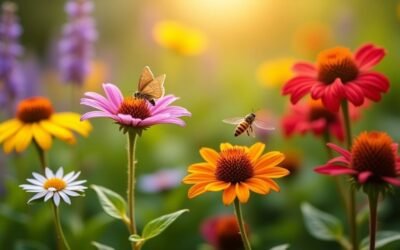
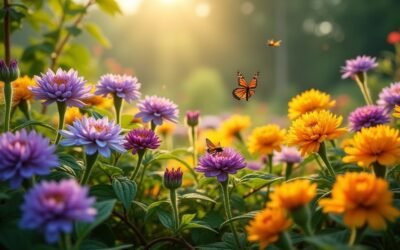
Mentha aquatica, or water mint, is a striking aquatic herb often found in wetlands, marshes, and shallow waters across Europe and parts of Asia. This perennial plant can grow up to 90 cm (35 inches) tall, featuring square stems that may be green or purplish, and ovate leaves measuring 2-6 cm in length with serrated edges. Water mint's tiny purple tubular flowers emerge in hemispherical clusters, attracting essential pollinators like bees and butterflies. Thriving in moist, slightly acidic soils, it requires full sun or partial shade. Its culinary and traditional medicinal uses underscore its ecological significance, enhancing the local ecosystem's health and biodiversity. There's even more to uncover about its various applications.
Main Points
- Mentha aquatica, also known as water mint, is a member of the Lamiaceae family, thriving in wetland habitats.
- This plant features square stems, ovate leaves, and purple tubular flowers, beneficial for attracting pollinators.
- Water mint is commonly used in Mediterranean cuisine and has essential oils with potential anti-inflammatory properties.
- It propagates through underground rhizomes, creating expansive colonies that stabilize soil and prevent erosion.
- Care involves maintaining moist soil, monitoring for pests, and regular pruning to promote plant health and vigor.
Introduction
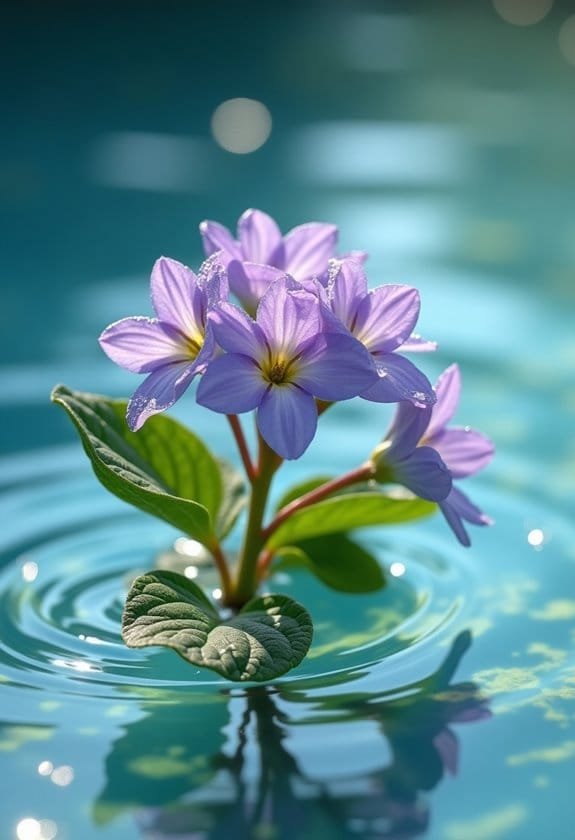
Commonly known as water mint, Mentha aquatica stands out as a herbaceous perennial in the Lamiaceae family, first classified by Carl Linnaeus in 1753.
This aromatic species flourishes in wetlands and shallow waters across Europe, northern Africa, and western Asia, reaching heights of up to 90 cm.
With its distinct characteristics and ecological significance, water mint not only enriches biodiversity but also offers culinary and medicinal benefits that have captivated cultures throughout history.
Common Name
The allure of the aromatic Water Mint, known scientifically as Mentha aquatica, captures the essence of its vibrant habitats. Commonly found in wetlands, marshes, and shallow waters, the plant thrives in damp environments, displaying a remarkable adaptability. The name "Water Mint" epitomizes its preferred locales, while its other moniker, "marsh mint," reflects its native habitats across Europe, northern Africa, and western Asia.
This herbaceous perennial isn't only admired for its lush, green foliage but also for its distinct minty fragrance. Water Mint occurs in diverse natural settings, where it often forms dense, fragrant colonies that attract foragers and botanists alike. Its leaves contain essential oils, enriched with menthol and menthone, which contribute to its culinary and medicinal uses.
Emphasized by its role in Mediterranean cuisine, Water Mint's robust flavor enhances various dishes, while its properties lend themselves to traditional remedies, showcasing its versatility.
Whether steeped in tea or incorporated into flavorful dishes, the fragrance of Water Mint serves as an enchanting reminder of nature's bounty, marrying culinary delight with curative potential.
Scientific Name
Water Mint's scientific name, Mentha aquatica L., provides a glimpse into its botanical classification and rich history.
Classified within the Lamiaceae family, this perennial herbaceous plant reveals its ecological significance, thriving in wetland and marsh environments, which reflects its natural adaptations.
First described by the distinguished botanist Carlo Linnaeus in 1753, Mentha aquatica has since garnered attention due to its unique properties and various applications.
Renowned not only as water mint but also as marsh mint, this species boasts 87 synonyms in botanical literature, illustrating its extensive variations and classifications across different regions.
Native to Europe, northern Africa, and western Asia, *Mentha aquatica* flourishes in shallow water areas, establishing a significant presence in aquatic ecosystems.
This plant serves as a crucial contributor to local biodiversity, supporting various wildlife and maintaining the ecological balance within its habitat. Additionally, it plays an important role in attracting pollinators like bees that help sustain the health of wetland ecosystems.
Overview
Thriving in wetland habitats, Mentha aquatica, or water mint, is a remarkable herbaceous perennial known for its distinctive minty aroma and ecological importance.
Native to wetland areas across Europe, North Africa, and Asia, this plant often reaches impressive heights of up to 90 cm (35 inches). Water mint features square stems and ovate leaves, creating a visually striking appearance enhanced by tiny purple tubular flowers that bloom mid to late summer.
Preferentially, water mint flourishes in constantly moist soil or shallow water, making it well-suited for boggy areas, ponds, and the margins of various water bodies.
Beyond mere beauty, the essential oils present in water mint—chiefly menthol and menthone—not only contribute to its enticing scent but also enhance culinary experiences by flavoring dishes and herbal teas.
Ecologically, water mint plays a multifaceted role; it provides crucial habitat for various aquatic organisms, supports pollinator populations, and serves as a natural water purifier, promoting healthier ecosystems.
Together, these attributes position water mint as an essential component of both human culinary practices and the intricate web of wetland ecosystems, underscoring its broad significance in nature.
Key Features
Water mint, or Mentha aquatica, stands out with its robust stature, reaching heights of up to 90 cm and showcasing distinctive square stems.
Its leaves, characterized by an aromatic profile, range from 2 to 6 cm in length, providing a visually and sensorially enriching experience.
During mid to late summer, the plant's tiny purple flowers emerge in delightful hemispherical clusters, enhancing its appeal while playing a crucial ecological role in attracting essential pollinators like bees and butterflies.
Growth Size
Growing up to 90 cm (35 in) tall, Mentha aquatica shows impressive vigor as it can stretch to nearly 1 meter in height under ideal conditions. This remarkable growth is often attributed to the plant's robust underground rhizomes, which play a vital role in its expansion and stability.
These rhizomes allow the water mint to spread horizontally, often achieving a width of 60-90 cm (24-36 in), thereby forming large colonies. By developing in moist habitats, particularly marshes and shallow waters, this herbaceous perennial thrives in consistently boggy soil conditions.
Its square stems, which can exhibit shades of green or purple, contribute to its distinct and appealing aesthetic. The leaves of water mint are ovate to ovate-lanceolate, measuring between 2-6 cm (0.79-2.36 in) long and 1-4 cm (0.39-1.57 in) broad, enhancing its lush appearance.
During mid to late summer, water mint's growth culminates in the flowering of tiny purple tubular flowers, which bloom in terminal hemispherical inflorescences. This combination of height, spread, and floral display makes Mentha aquatica not just a robust plant but also an eye-catching addition to wetland ecosystems.
Appearance
Standing out in wetland environments, Mentha aquatica exhibits a range of key features that contribute to its visual appeal. This herbaceous perennial typically grows up to 90 cm (35 in) tall and can soar up to 1 meter under ideal conditions, creating a lush and inviting presence.
Its square stems, which can manifest in either green or purple hues, possess a unique texture that varies from hairy to hairless, enhancing the plant's distinctiveness.
The leaves of Mentha aquatica are ovate to ovate-lanceolate, ranging from 2-6 cm (0.79-2.36 in) long and 1-4 cm (0.39-1.57 in) broad. These deep green leaves feature serrated edges, adding to their intriguing look and texture. Additionally, the foliage contributes to year-round interest similar to other wetland plants.
Additionally, this adaptable plant propagates through underground rhizomes, forming extensive colonies that stabilize soil while contributing to the vibrant aesthetics of its habitat.
While tiny purple tubular flowers bloom in mid to late summer, creating visually appealing terminal hemispherical inflorescences, it's important to recognize that these flowers won't be explored until the next section. Brooklime's moist environments provide an ideal condition for Mentha aquatica to thrive alongside it.
Together, these attributes make Mentha aquatica a charming component of its ecological surroundings.
Flowering Season
During mid to late summer, Mentha aquatica showcases its striking blooming period, enthralling onlookers with tiny purple tubular flowers. These blossoms are arranged in terminal hemispherical inflorescences, presenting a visually engaging display that attracts considerable attention in both cultivated gardens and natural wetlands.
Each cluster can host numerous individual flowers, further enhancing the plant's aesthetic appeal. This flowering season serves essential ecological functions as well, attracting a variety of pollinators, including bees and butterflies.
These creatures, drawn by the rich nectar of the mint's blossoms, play a crucial role in fertilization. Their efforts guarantee the continuation of the species, as the blooming process is integral to Mentha aquatica's reproduction, leading to the production of seeds that facilitate the plant's spread across its preferred wetland habitats.
The timing and abundance of these blooms notably influence local ecosystems, helping maintain biodiversity by providing necessary resources to pollinators during the warm summer months.
Ultimately, the flowering season of water mint isn't only a visual delight but also a crucial component of its life cycle and the health of its surrounding environment.
Growing Requirements
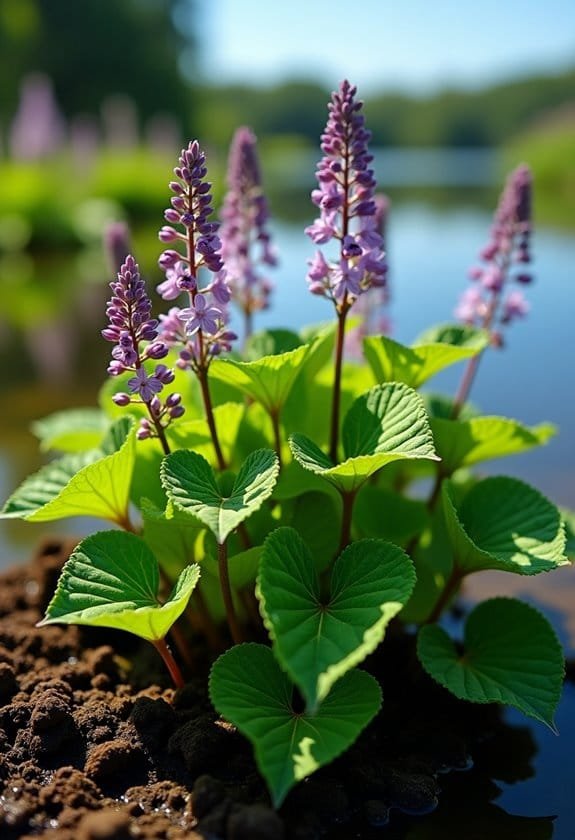
Water mint, or Mentha aquatica, flourishes in environments that offer full sun to partial shade, revealing its adaptability to various light conditions.
This resilient perennial thrives in soil that remains constantly moist, showcasing its preference for environments akin to wetlands and shallow water.
Understanding the plant's precise requirements for light, water, and soil can greatly enhance successful cultivation, ensuring that gardeners enjoy the lush, aromatic foliage this herb has to offer.
Light
Light is an essential factor for the healthy growth of Water Mint (Mentha aquatica). Thriving in bright, well-lit environments, this herb prefers full sun, ideally receiving at least six hours of direct sunlight each day.
While Water Mint can adapt to varying light conditions, its growth and flowering potential markedly decline in shadier areas. Under less than ideal conditions, the plant's lush foliage may become sparse, inhibiting its natural vigor.
In therapeutic gardening environments such as paludariums and ripariums, low-intensity LED or fluorescent lights provide an effective alternative when natural sunlight is limited. These artificial lights create an environment that mimics the radiant atmosphere Water Mint craves.
Regular monitoring of light requirements is vital; adequate light not only encourages robust growth but also fosters the plant's aromatic qualities, enhancing its overall appeal.
Water Mint's resilience shouldn't be mistaken for the absence of light care; even hardy plants need proper illumination to flourish.
Consequently, cultivating this vibrant herb necessitates attention to its light needs, ensuring it thrives and produces the delightful fragrance and flavor that gardeners cherish.
Soil
For ideal growth, Water Mint (Mentha aquatica) requires consistently moist soil or shallow water, thriving best in areas that are nutrient-rich with a slightly acidic to neutral pH range of 6.5 to 7.5. This plant is particularly well-suited for wet meadows and can flourish in boggy soil, making it an excellent choice for garden ponds, as well as the margins of water bodies.
Water Mint possesses a vigorous growth habit, spreading rapidly through underground rhizomes, which makes spacing essential; gardeners should plant them about 1 foot apart to avoid overcrowding. Regular watering is vital to maintain the best moisture levels, as this mint can withstand water depths of up to 3 inches without detriment.
In addition to its aesthetic and culinary attributes, Water Mint plays an important ecological role. It stabilizes the substrate, aiding in the prevention of soil erosion while also supporting healthy aquatic ecosystems by filtering pollutants from its growing environment.
This dual utility highlights the plant's significance, combining beauty with environmental stewardship, ultimately making Water Mint a valuable addition to both gardens and natural landscapes.
Water
Consistency is key for the healthy growth of Water Mint (Mentha aquatica). This remarkable member of the mint family thrives in consistently moist environments, often found in boggy areas, ponds, and the edges of water bodies where the depths can reach up to 3 inches. Yellow Waterlily also prefers similar consistent water levels, making it essential for their growth as well.
Water Mint possesses a remarkable ability to spread through its underground rhizomes, establishing an extensive network of growth when provided the right conditions.
During dry spells, regular watering becomes essential, safeguarding the plant from stress and ensuring ideal vitality.
While Water Mint displays adaptability to various light conditions, it truly excels in bright, well-lit settings, contributing to its robust development.
Additionally, Water Mint's sensitivity to pH levels plays a crucial role in its flourishing; it thrives best in neutral to mildly acidic conditions, with an appropriate pH range between 6.5 and 7.5.
Proper attention to its hydration and acidity will yield a lush, vibrant plant that captures the essence of freshwater ecosystems. Furthermore, consistent moisture levels are critical for its optimal growth and vitality, similar to the Water Plantain's environmental requirements.
Consequently, understanding its fundamental water needs will empower gardeners to cultivate this aquatic gem successfully.
Temperature
Maintaining the right temperature is fundamental for the healthy growth of Water Mint (Mentha aquatica). This plant flourishes in temperate climates, thriving at temperatures ranging from 15°C to 24°C (59°F to 75°F).
While Water Mint demonstrates notable resilience, allowing it to endure cooler temperatures down to -15°C (5°F), it performs best under specific conditions. Ideally, it enjoys full sun to partial shade, particularly in warmer regions, where providing some shade during peak heat becomes essential to preventing heat stress.
In its natural habitat, Water Mint often grows along shallow margins and channels, benefiting from consistently moist soil. Regular watering plays an important role in maintaining the necessary moisture, which in turn helps regulate root temperature and promotes vigorous growth.
For maximum development, the soil should remain moist but not waterlogged, as excessive water can impede the plant's health. Consequently, understanding temperature requirements, alongside appropriate shading and moisture levels, guarantees a thriving environment for Water Mint, leading to robust growth and an abundance of fragrant foliage.
Pollinator Criteria
Water mint's nectar-rich, tubular flowers serve as an inviting oasis for a diverse array of pollinators, including bees, butterflies, and hoverflies.
During its essential flowering period in mid to late summer, this resilient plant not only sustains these important creatures but also utilizes its strong minty aroma to enhance attraction. Additionally, water mint's growth in well-drained soils makes it an ideal candidate for supporting local ecosystems.
Consequently, water mint's unique characteristics contribute considerably to local biodiversity, offering essential sustenance and habitat for beneficial insects in wetland areas. Additionally, the plant's extensive root systems support the ecosystem by stabilizing soil and preventing erosion in aquatic environments.
Attracted Pollinators
Numerous pollinators flock to Mentha aquatica due to its nectar-rich flowers, which play an important role in supporting their populations. This aromatic mint, blooming from mid to late summer, serves as an essential food source when other floral resources become scarce. The plant's stunning purple tubular flowers are arranged in shallow, terminal hemispherical inflorescences, enhancing visibility and accessibility for foraging creatures like butterflies, honeybees, and hoverflies. Its diverse habitat requirements mirror those of other flowering plants like Creeping Cinquefoil(Potentilla reptans) that thrive in various soil conditions.
By providing consistent nourishment, Mentha aquatica effectively contributes to local biodiversity. Pollinators thrive in this lush environment, and their activity supports the pollination of myriad other plants within the ecosystem, establishing significant interdependencies. Additionally, the water mint offers shelter and habitat for beneficial insects, thereby amplifying its ecological importance in wetland areas. As these pollinators interact with the mint's nectar-laden blooms, they create a symbiotic relationship that bolsters not only their populations but also the health of surrounding flora.
The extensive role of Mentha aquatica highlights a harmonious connection between plant and pollinator, illustrating how each contributes to the thriving tapestry of wetland ecosystems. Moreover, like Black horehound, the water mint's flowers provide vital nectar and pollen that attract essential pollinators and enhance local ecological balance.
Pollination Method
Pollination in Mentha aquatica primarily relies on a diverse array of pollinators, including bees, butterflies, and hoverflies. These creatures are drawn to the plant's small purple tubular flowers, which bloom in attractive terminal hemispherical inflorescences. The arrangement of the flowers facilitates easy access for visiting insects, enhancing the effectiveness of this pollination method.
During mid to late summer, the plant's reproductive success peaks, as it attracts a multitude of pollinators. This seasonal abundance not only supports cross-pollination but also increases genetic diversity within the population, a critical factor for adaptation and resilience. As water mint is particularly reliant on these external agents for fertilization, the absence of suitable pollinators threatens its reproductive capabilities.
Additionally, the presence of Mentha aquatica in wetland ecosystems fosters biodiversity, providing essential resources for various pollinator species. In turn, these pollinators contribute to the health of the environment.
The way water mint interconnects with its pollinators highlights the intricate relationships in nature, showcasing the importance of maintaining these mutualistic systems. Through its flowering patterns and nectar production, mint is used not just for culinary delight, but also for sustaining ecological balance.
Care & Maintenance
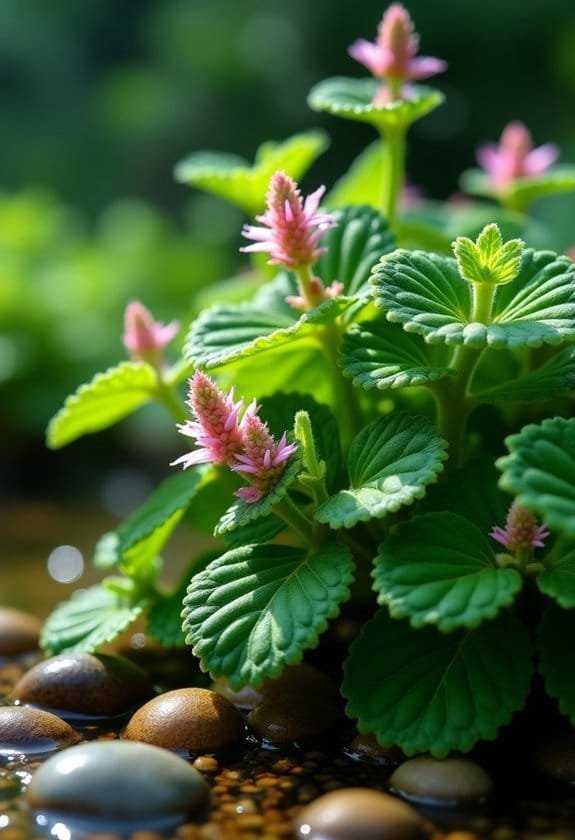
When cultivating Mentha Aquatica, careful consideration of its planting tips is essential, as it enjoys full sun to part shade and requires consistently moist conditions.
Ongoing care involves regular monitoring for moisture, cutting back after flowering, and timely rhizome division, all of which contribute to a thriving, vibrant plant.
Additionally, pairing water mint with compatible companions can enhance biodiversity in the garden, fostering a harmonious ecosystem while preventing overcrowding.
Planting Tips
How can gardeners guarantee the thriving growth of Water mint? First, they must recognize that this mint is native to wetlands and therefore flourishes in consistently moist soil or shallow water, ideally no more than three inches deep. Salad Burnet's ability to grow in drought-resistant conditions may offer insights for managing moisture levels in Water mint.
A location that receives full sun to part shade will greatly enhance its vitality, promoting lush foliage.
When planting, gardeners can choose to propagate Water mint through division in spring or by utilizing seeds and rhizome cuttings.
It's important to space these plants about one foot apart, allowing ample room for expansion and preventing competition for nutrients and water.
Monitoring moisture levels is essential; Water mint demands regular watering, particularly during dry spells, to flourish.
Additionally, trimming back the plant after flowering serves a dual purpose: it encourages fresh growth while minimizing the risks of overcrowding, which can entice diseases like powdery mildew. Furthermore, providing adequate sunlight is crucial as it encourages healthy growth and abundant foliage, similar to the sun requirements of Creeping Buttercup.
Ongoing Care
After ensuring Water mint is properly planted and established, ongoing care is essential for its continued success. This aromatic herb flourishes in consistently moist soil or shallow water, ideally with depths reaching up to 3 inches. Regular maintenance, including hydration checks, is vital in preventing the plant from drying out.
Once flowering concludes, cutting back the stems promotes vigorous new growth and minimizes overcrowding, fostering a healthy plant environment.
It's also important to space water mint at least 1 foot apart, as this prevents competition for nutrients and allows ample room for expansion. Periodic thinning is advisable for maintaining ideal growth conditions by reducing density.
Vigilance against pests like powdery mildew and mint rust is necessary, with regular pruning serving as an effective strategy to manage these challenges.
Additionally, propagation of water mint can be conveniently achieved through division in spring or by utilizing rhizome cuttings, creating new plants effortlessly.
With consistent attention to these care techniques, water mint can thrive as a lush and vibrant part of any garden, offering both beauty and versatility in culinary uses.
Suggested Companions
A variety of companion plants can enhance the growth and aesthetic appeal of water mint (Mentha aquatica) in your garden. Marginal aquatic plants like Lobelia cardinalis and Juncus effusus flourish alongside water mint, both favoring consistently moist conditions. Their striking colors and textures not only create visual harmony but also contribute to a thriving ecosystem. Additionally, incorporating species such as Oenanthe aquatica can further promote wetland biodiversity, enriching the overall environment.
When selecting companions, it's crucial to space plants like Echinacea purpurea and Marsh Marigold adequately to prevent overcrowding; this spacing enables each species to develop fully and independently.
The addition of Iris pseudacorus is particularly beneficial, as its tall, lush foliage juxtaposes gracefully with the low-growing water mint, while both species attract essential pollinators.
To maintain the health of water mint and its companions, keep regularly moist soil, providing minimal nutrients since water mint excels in such environments. Common Honeysuckle is also an excellent companion due to its extended flowering period, which supports local pollinators and contributes to garden biodiversity.
Regular pruning of the mint promotes better air circulation and light penetration, fostering a balanced ecosystem, which ultimately benefits neighboring plants like Caltha palustris.
Common Issues
Water mint, while a cherished addition to many gardens, faces several common issues that could impact its health and vigor.
Among these are pests like aphids and spider mites, as well as diseases including powdery mildew and mint rust, which thrive in humid environments and can hinder growth if not managed properly.
Understanding these challenges allows gardeners to adopt effective solutions, ensuring their Mentha aquatica remains a robust and vibrant part of their landscape.
Pests/Diseases
Pests and diseases can pose significant challenges for growers of Mentha aquatica, commonly known as water mint. One prevalent issue is powdery mildew, which manifests as a white, powdery coating on leaves. This fungal disease typically flourishes in environments with high humidity and low air circulation.
Another concern is mint rust, caused by the fungus Puccinia menthae, presenting as orange-red pustules on leaves' undersides, which can eventually lead to leaf drop if not addressed.
Aphids, small sap-sucking insects, can infest water mint, resulting in curling and yellowing of leaves, while spider mites thrive in drier conditions, creating fine webbing that discolors foliage. These pests often navigate channels of streams, facilitating their spread.
Additionally, snails and slugs can inflict significant feeding damage on the delicate leaves, especially in moist environments.
Effective management of these pests and diseases is essential for maintaining healthy plants, as the ramifications of infestations and infections can compromise water mint's overall vigor.
Growers need to remain vigilant, employing careful sanitation practices and environmental adjustments to combat these persistent challenges effectively.
Solutions
Maintaining a healthy crop of Mentha aquatica requires proactive strategies to address common issues. This aromatic plant, known for its adaptability in western Asia, can become invasive in non-native environments. Consequently, it's important to monitor its growth and control its spread diligently.
Creating a thriving habitat involves ensuring consistently moist conditions; whether planted in a garden pond or container, maintaining sufficient water levels is key to avoid stress.
Regular pruning post-flowering not only prevents overcrowding but also stimulates the development of fresh shoots, significant for a robust plant. In addition to these preventive measures, growers should remain vigilant against fungal diseases like powdery mildew and mint rust, which can be minimized by ensuring proper spacing and allowing adequate air circulation. Overhead watering should be avoided, as it exacerbates these issues.
Moreover, if Mentha aquatica is cultivated in domestic gardens, it's important for pet owners to exercise caution, as this plant can be toxic to dogs, cats, and horses if ingested. Additionally, like garlic mustard, its invasive character can lead to significant competition with native flora, necessitating careful management.
Summary
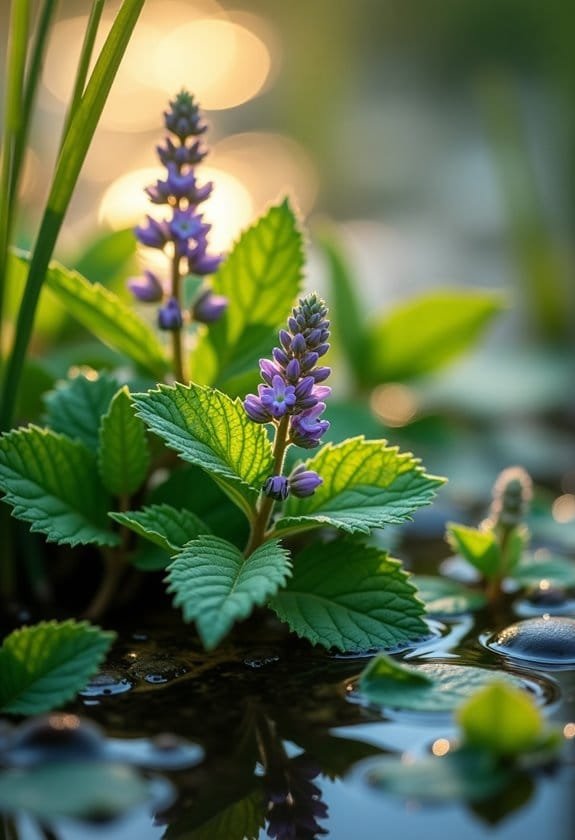
Growing in wet habitats like marshes and riverbanks, Mentha aquatica, or Water Mint, is a herbaceous perennial that can reach heights of up to 90 cm (35 in). Known for its aromatic ovate to lanceolate leaves that measure between 2-6 cm (0.79-2.36 in) long, it produces small pinkish-purple flowers in terminal inflorescences during mid to late summer. This plant thrives in shallow waters, contributing considerably to both its ecosystem and culinary applications.
Water Mint is particularly notable for its essential oils, including menthol and menthone, renowned for their various health benefits, which encompass anti-inflammatory and antimicrobial properties. Beyond its medicinal uses, the plant plays an essential role in wetland biodiversity. It attracts important pollinators like butterflies and bees, stabilizing soil and providing critical habitats for many organisms.
In cooking, the leaves enhance the flavors of a multitude of dishes, beverages, and herbal teas, particularly in Mediterranean cuisine. Given its versatility and ecological importance, Water Mint embodies a harmonious blend of utility and beauty, enriching both the culinary world and natural habitats.
Hence, Mentha aquatica serves as a reflection of nature's intricate balance and its multifaceted contributions.