*Nicotiana langsdorffii*, or Langsdorff's Tobacco, is a remarkable plant native to Brazil and Chile, distinguished by its enchanting lime green trumpet-shaped flowers and unique blue pollen. This hardy perennial thrives in well-drained, humus-rich soil, requiring 6 to 8 hours of sunlight daily and an ideal temperature of 70-85°F for germination. Reaching heights of 2 to 4 feet, it attracts pollinators like bees and hummingbirds, enriching biodiversity. Though all parts are toxic if ingested in large quantities, this visually stunning plant enhances gardens with minimal maintenance. There's so much to appreciate about its ecological role and care requirements that one might want to explore further.
Main Points
- *Nicotiana langsdorffii*, also known as Langsdorff's Tobacco, is native to Brazil and Chile and part of the Solanaceae family.
- It features striking lime green trumpet-shaped flowers and unusual blue pollen, attracting various pollinators like bees and hummingbirds.
- The plant thrives in well-drained, humus-rich soil with a pH range of 6.0 to 7.0, requiring full sun to part shade.
- It exhibits self-sowing tendencies, contributing to garden biodiversity without being overly aggressive.
- Minimal maintenance is needed, but regular deadheading and consistent watering are essential for prolonged blooming and overall health.
Introduction
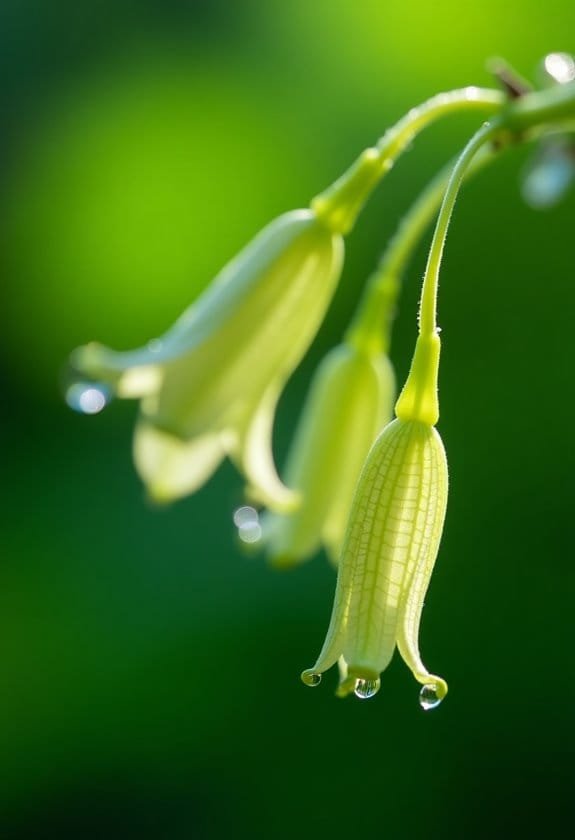
Nicotiana langsdorffii, commonly known as Langsdorff's Tobacco, showcases stunning lime green flowers that fascinate garden enthusiasts.
This flowering plant, native to Brazil and Chile, exhibits a height of 2-4 feet and blooms profusely during warmer months, attracting pollinators like hummingbirds with its visually striking presence.
Understanding its unique characteristics, herbal properties, and potential hazards is essential for those looking to incorporate this captivating species into their outdoor spaces.
Common Name
Langsdorff's Tobacco, a fascinating member of the Solanaceae family, draws attention in gardens with its stunning lime green, trumpet-shaped flowers. Officially known as Nicotiana langsdorffii, this plant is named in honor of the Russian Consul G. I. Langsdorff, who made significant contributions to botanical exploration in Brazil during the 1820s. A vivid representation of the nightshade family, Langsdorff's Tobacco thrives in various garden settings, effectively blending ornamental beauty with ecological function.
The plant's eye-catching green flowers bloom profusely, enchanting both gardeners and pollinators throughout the growing season and even until frost. Recognized for its unusual blue pollen, Langsdorff's Tobacco offers visual delight while promoting biodiversity in garden ecosystems. Its late-season blooms attract not just hummingbirds but a diverse array of other pollinators, enhancing the overall health of the surrounding flora.
In cultivating Nicotiana langsdorffii, gardeners not only appreciate its unique aesthetic but also contribute to ecological balance, making this striking plant a worthwhile addition to any landscape.
Therefore, Langsdorff's Tobacco exemplifies the harmonious relationship between beauty and function in the world of gardening.
Scientific Name
What makes *Nicotiana langsdorffii* stand out in the botanical world is its unique scientific classification within the Nicotiana genus of the Solanaceae family, often referred to as the nightshade family. The species name *langsdorffii* pays homage to G. I. Langsdorff, a prominent Russian Consul who explored Brazil in the 1820s, presenting a historical connection to this remarkable plant.
Native to the temperate zones of Chile and Brazil, *Nicotiana langsdorffii* thrives in its warm climate, showcasing its distinctive lime green, bell-shaped flowers that bloom vibrantly against the backdrop of lush foliage.
These flowers, complete with unusually blue pollen, attract various pollinators, particularly hummingbirds, which play an essential role in its reproduction.
In addition to its aesthetic appeal and ecological importance, all parts of *Nicotiana langsdorffii* are poisonous if consumed in significant quantities, echoing a common trait among its relatives in the nightshade family.
Understanding the nuances of its classification and characteristics enriches one's appreciation for this enchanting plant, emphasizing its significance in both botany and environmental ecosystems.
Overview
Renowned for its striking appearance and ecological significance, *Nicotiana langsdorffii* captures the attention of gardeners and botanists alike. This visually enchanting annual, standing between 2 to 4 feet tall, showcases trumpet-shaped flowers that emit a vibrant lime green hue.
Native to Brazil and introduced to the world in 1819, the plant thrives in well-drained, evenly moist soil, requiring full sun to part shade for ideal growth. Its unusual blue pollen and large, sticky green leaves contribute to a distinctive allure, making the species particularly attractive to pollinators such as hummingbirds, which flock to its profuse blooms.
However, all parts of Langsdorff's Tobacco are poisonous if ingested in large quantities, necessitating careful handling in garden environments.
While it can self-sow, it does so without running the risk of becoming invasive, providing a manageable addition to landscapes. As a member of the nightshade family, this plant's unique characteristics not only enrich the garden aesthetic but also highlight its role within the ecosystem.
From its intoxicating flowers to its striking structure, *Nicotiana langsdorffii* is a fascinating subject of study and admiration.
Key Features
Nicotiana langsdorffii, or Langsdorff's Tobacco, typically achieves a height of 2 to 4 feet, showcasing large, deep green leaves that can grow up to 12 inches long.
Its striking lime green, trumpet-shaped flowers not only enhance its visual appeal but also attract a variety of pollinators, particularly hummingbirds, making it a vibrant addition to any garden.
Blooming generously until frost, the plant continuously offers a spectacle of color while requiring respectful handling due to its toxicity when ingested in significant amounts.
Growth Size
With its impressive stature, Nicotiana langsdorffii typically grows to a height of 2-4 feet, averaging around 3 feet in cultivated gardens. The plant proudly displays broad, deep-green leaves, with basal leaves reaching impressive lengths of 10-12 inches.
In addition to its height, it can spread approximately 1-1.5 feet wide, creating a substantial visual impact in any garden setting.
Nicotiana langsdorffii thrives best with the right conditions, requiring about 6-8 weeks of indoor cultivation before placing it outdoors. When grown indoors, it benefits from sufficient light and can be positioned in areas that receive afternoon shade, promoting ideal growth.
While often treated as an annual due to its weaker perennial nature in warmer zones 10-11, it can be successfully cultivated with care. This strategic planting allows garden enthusiasts to enjoy its unique, lime green or chartreuse tubular flowers that droop at various angles, adding an enchanting element to their landscapes.
Ultimately, this plant combines remarkable growth size with distinct foliage, making it an excellent choice for gardeners seeking to enhance their floral displays.
Appearance
Boasting a remarkable stature, this plant captivates with its striking appearance. Nicotiana langsdorffii, a member of the nightshade family (Solanaceae), typically grows between 2 to 4 feet tall, presenting an eye-catching visual in any garden.
Its large, broad leaves, deep green in color, can extend up to 10 to 12 inches long and possess a slightly sticky surface, which is distinctive for a member of its family, signaling its adaptability.
The plant's unique allure is further enhanced by its vivid lime green, trumpet-shaped flowers, roughly 2 inches in length, which elegantly droop at various angles, creating an enchanting display.
These blooms contain an unusual blue pollen, which not only serves to attract pollinators but also adds an unexpected pop of color amid the foliage.
Among the variants, the 'Variegata' offers a delightful twist, showcasing cream splashes across its leaves, thereby enhancing its ornamental value.
This remarkable visual character makes Nicotiana langsdorffii a standout choice in garden design, truly a centerpiece with its vibrant contrasts and enchanting features.
Flowering Season
During the summer months, Nicotiana langsdorffii transforms gardens with its profuse blooms that last until frost. This perennial, renowned for its striking lime green and chartreuse flowers, utilizes blooming techniques that enhance its visual appeal. The tubular blossoms, measuring about 2 inches long, emerge prominently from a robust central flower stem, surrounded by a rosette of lush leaves, which provides an elegant contrast.
The flowering season of Nicotiana langsdorffii captivates observers with its unique upward-facing flowers and the unusual blue pollen that dusts each bloom. This aesthetic allure isn't merely for decoration; it serves crucial pollination strategies. By attracting a diverse range of pollinators, including bees and hummingbirds, the plant maximizes its reproductive potential.
To guarantee continuous flowering, regular deadheading becomes essential, preventing seed set and encouraging further blooms.
Light plays a critical role in this plant's life cycle; flowers require sunlight for germination, sprouting within 7-14 days under favorable conditions.
Growing Requirements
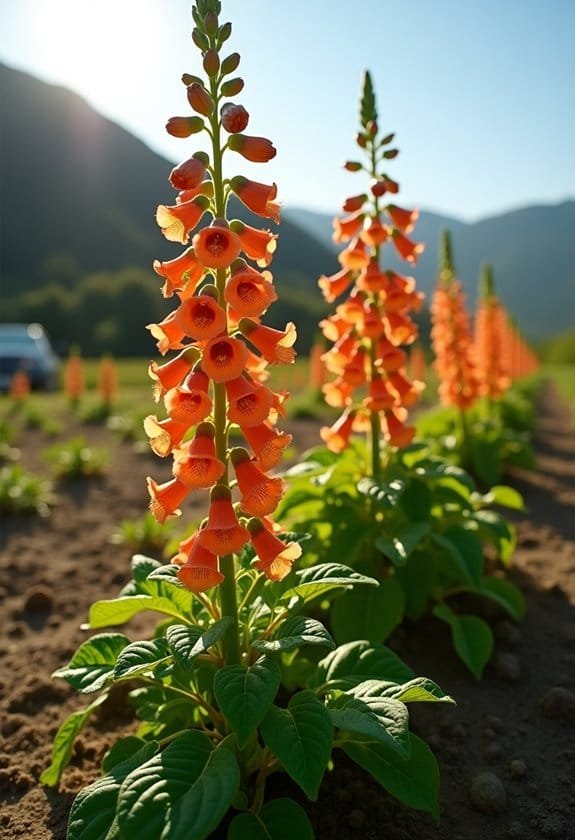
Nicotiana langsdorffii flourishes under conditions of full sun to part shade, indicating its need for substantial light to support vigorous growth.
To thrive, this species requires well-drained soil that retains even moisture, necessitating approximately one inch of water weekly during dry periods to keep its roots content.
When cultivating, gardeners should start seeds indoors 6-8 weeks prior to the last frost, ensuring a suitable temperature range of 70-85°F for germination and adequate spacing of 12 inches apart to promote healthy airflow and prevent disease.
Light
Generally, Nicotiana langsdorffii thrives best in full sun to partial shade, needing at least 6 hours of sunlight daily for ideal growth and flowering. These light requirements are essential, as insufficient light exposure can stunt growth and diminish the vibrancy of the flowers. Germination also benefits from light, as seeds kept in temperatures between 70-85°F elevate successful sprouting, supported by adequate illumination.
In hotter climates, providing afternoon shade can mitigate the harsh impact of intense sunlight, preventing flower bleaching and fostering a vibrant green foliage. This balance allows the plant to perform at its peak, promoting lush growth and abundant blooms until frost. While Nicotiana langsdorffii can tolerate some shade, ideal light conditions directly influence flowering extravagance and overall health.
Achieving the right light exposure not only sustains growth but also enhances visual appeal, as robust plants showcase their beauty and energy. Cultivators should guarantee their plants receive proper light for a flourishing garden, embracing the inherent interconnection between light and botanical success.
Consequently, the significance of suitable light becomes immeasurable in nurturing this dynamic species.
Soil
To flourish beautifully, Nicotiana langsdorffii thrives in well-drained, humus-rich soil that's moderately moist. This species requires a specific soil composition that balances structure and nutrition, ensuring it receives essential resources without becoming waterlogged.
Ideal conditions include a pH balance hovering around 6.0 to 7.0, as this range fosters optimal nutrient availability for robust growth.
Moreover, incorporating organic matter into the soil can greatly enhance its quality. Organic additives improve both soil structure and nutrient retention, providing a crucial foundation for healthy plant development.
Regularly mixing in compost or well-rotted manure can lead to vigorous blooms, as these amendments enrich the soil with nutrients that support metabolic functions in the plant.
When planting seeds, it's essential to lightly cover them, as they require exposure to light for germination. This simple yet profound act can dramatically influence seed emergence and set the stage for a flourishing garden.
By attentively meeting these soil requirements, gardeners help Nicotiana langsdorffii reach its full potential, showcasing its stunning blooms and vibrant foliage.
Hogweed is also sensitive to frost and thrives in nitrogen-rich soils, making proper soil requirements a key consideration for successful cultivation.
Ultimately, investing attention in soil health is a fundamental step toward cultivating this exquisite species efficiently.
Water
For optimal growth, Nicotiana langsdorffii needs regular watering of about 1 inch per week to keep its soil moderately moist. Achieving this ideal watering frequency is essential, as the plant thrives in well-drained, evenly moist soil. Lack of water can lead to stress, especially during the blooming period, so it's important to increase watering during dry spells to prevent wilting and encourage robust growth.
Moreover, implementing methods that enhance moisture retention, such as mulching, can remarkably benefit the plant, particularly in arid conditions. While Nicotiana langsdorffii possesses some degree of drought tolerance, maintaining consistent moisture levels is imperative for encouraging vibrant blooms and overall health.
In hot climates, providing afternoon shade can further reduce water evaporation, helping to keep the soil adequately moist and supporting the plant's hydration needs. Regular observation and adjustments to watering practices based on soil moisture levels will contribute greatly to the longevity and health of Langsdorff's Tobacco.
Temperature
Nicotiana langsdorffii thrives in warm environments, requiring specific temperature ranges for ideal germination and growth. As seedlings, they germinate best in temperatures between 70-85°F, taking approximately 7-14 days for seeds to emerge. Maintaining this temperature range is essential until transplantation occurs after the last frost, ensuring that young plants develop robustly.
Temperature effects on Nicotiana langsdorffii's health become evident when considering its temperature preferences. The plant flourishes with minimal temperature fluctuations; they prefer stable conditions that foster strong growth and resilience.
In hot climates, providing some afternoon shade proves important, preventing bloom bleaching and keeping plant temperatures within a healthy range.
Moreover, while Nicotiana langsdorffii is relatively hardy, it benefits from generous watering during arid spells, enhancing its ability to endure heat. Remarkably, this thoughtful management of both moisture and temperature plays a significant role in maximizing the plant's potential.
Gardeners should endeavor to create a nurturing environment that respects these delicate temperature preferences, ultimately leading to a thriving display of this enchanting tobacco plant in their gardens.
Pollinator Criteria
*Nicotiana langsdorffii* captivates a variety of pollinators, especially hummingbirds, which thrive on its vibrant, tubular lime green flowers.
These flowers, which bloom abundantly until frost, provide a rich nectar source, enticing numerous insects and ensuring effective pollination throughout the growing season.
The striking blue pollen further enhances the plant's allure, serving as a visible marker of nutritious sustenance that supports a balanced ecosystem.
Attracted Pollinators
Attraction is key when it comes to pollinator-friendly plants, and Nicotiana langsdorffii excels in this area with its striking lime green trumpet-shaped flowers. These vibrant blooms particularly enchant hummingbirds, thanks to their alluring colors and unique structure, which conveniently offers nectar rewards throughout the growing season.
The flowers' unusual blue pollen provides an additional visual incentive, making them irresistible to various pollinator species. The scentless nature of Nicotiana langsdorffii allows pollinators to rely heavily on their keen eyesight to locate these floral treasures, enhancing garden biodiversity.
By drawing in a wide array of pollinators, this plant offers essential support for healthy ecosystems while enriching the overall aesthetics of garden designs. With a blooming period lasting until frost, it provides a continuous food source and an inviting haven for beneficial insects.
Importantly, while Nicotiana langsdorffii exhibits self-sowing tendencies, it doesn't behave aggressively toward neighboring plants. This harmonious coexistence allows gardeners to appreciate its beauty and essential role in attracting pollinators without compromising the delicate balance within their gardens.
Such qualities firmly establish Nicotiana langsdorffii as an invaluable addition for any pollinator-friendly landscape.
Pollination Method
The pollination method of Nicotiana langsdorffii plays a significant role in its ability to attract and sustain various pollinators. This plant's unique flower morphology features tubular blooms in vibrant lime green, perfectly designed for hummingbird attraction. These birds, drawn by the visually striking colors and the alluring blue anthers, seek out the nectar, consequently facilitating pollination during the plant's blooming period from summer until frost.
In the domain of pollination ecology, the absence of fragrance in Nicotiana langsdorffii distinguishes it from many flowering species. Instead of relying on scent to lure pollinators, it strategically employs its vivid visual characteristics to guarantee efficient visitation. This reliance on visual cues highlights the adaptability of this species, aligning well with the feeding habits of hummingbirds, which depend heavily on sight to locate food sources.
Moreover, while it can self-sow, this process is non-aggressive, subtly enriching local biodiversity without overwhelming native flora. The sustainable interactions between Nicotiana langsdorffii and its pollinators underscore the importance of maintaining ecological balance, showcasing the interplay between plant traits and species survival in their shared environment.
Care & Maintenance
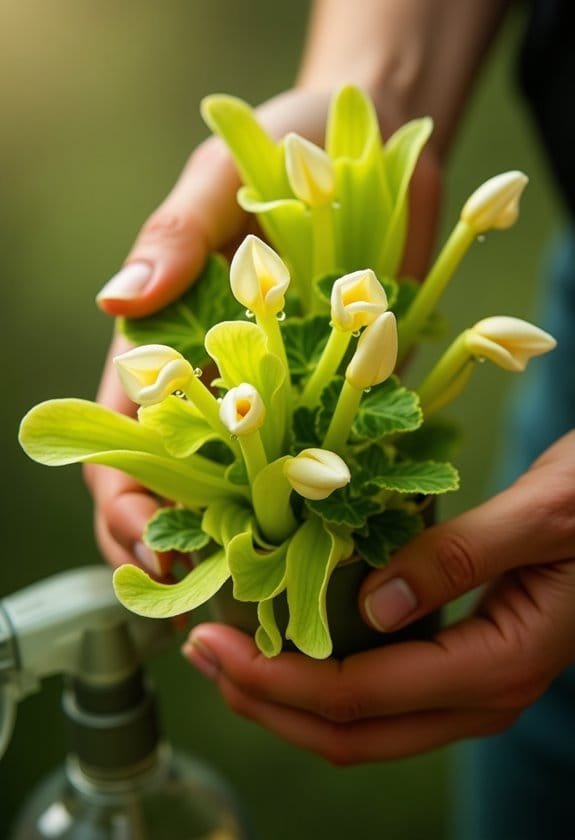
Nicotiana langsdorffii flourishes with attentive care and the right conditions. Proper planting tips, such as organizing seedlings 12 inches apart in well-drained, humus-rich soil, lay the foundation for robust growth.
Consistent watering—about 1 inch weekly—ensures the plant's health. Ongoing maintenance, including selective pruning and strategic fertilization, won't only enhance its aesthetic appeal but also promote vibrant flowering, ultimately creating a visually stunning display in any garden setting.
Planting Tips
Sowing *Nicotiana langsdorffii* seeds indoors six to eight weeks before the last frost sets the stage for a vibrant garden. These tiny seeds should be lightly covered, as they require light for optimal germination.
After germination, proper seedling care becomes essential; nurturing these young plants encourages overall health. Once the threat of frost has passed, it's important to evaluate transplant timing, spacing seedlings about 12 inches apart to allow for their expansive growth.
*Nicotiana langsdorffii* flourishes in conditions ranging from full sun to part shade, receiving adequate sunlight while benefiting from afternoon shade in hotter climates. This balance aids in healthy development, enhancing its visual appeal.
Regarding water requirements, maintaining well-drained, evenly moist soil is critical; the plant needs approximately 1 inch of water per week during dry spells to guarantee its growth.
Ongoing Care
After transplanting *Nicotiana langsdorffii* seedlings, ongoing care becomes essential for a thriving garden. Regular watering, around one inch per week, is critical, particularly during dry spells, as it helps maintain evenly moist soil.
Applying balanced fertilizer types during the growing season encourages vigorous foliage growth and promotes an abundance of flowering. Gardeners should follow package instructions carefully for best results, ensuring their plants receive the necessary nutrients without over-fertilizing.
In addition to watering and fertilizing, deadheading techniques play an important role in enhancing the plant's longevity and visual appeal. By removing spent flowers, gardeners stimulate continued blooming and prolong the flowering period until frost descends, creating a vibrant display.
Pruning tips also contribute to the overall health and aesthetic of *Nicotiana langsdorffii*. Regularly cutting back overgrown stems and removing dead or damaged leaves can greatly improve the plant's shape and flowering potential.
While this species requires minimal maintenance once established, dedicated care through watering, fertilization, deadheading, and pruning will result in a lush, flourishing addition to any garden, enriching its beauty and liveliness.
Suggested Companions
Pairing *Nicotiana langsdorffii* with the right companions can amplify both the beauty and health of a garden. This striking plant works exceptionally well with red or purple-leaved coleus, as the vibrant foliage offers a dramatic contrast against its delicate lime-green flowers. Such bold *color combinations* create a stunning visual that captivates the eye.
Additionally, incorporating purple basil varieties not only enhances garden aesthetics but also complements the light conditions preferred by Langsdorff's Tobacco.
When planning your garden layout, grouping *Nicotiana langsdorffii* in threes or fives allows for a more impactful visual statement, emphasizing its unique qualities. Furthermore, selecting companion plants that provide some afternoon shade can prevent bloom bleaching in hotter climates, ensuring the flowers maintain their vibrancy.
Incorporating dark-foliage plants alongside *Nicotiana langsdorffii* enriches the overall garden palette, enhancing the beauty of its flowers while fostering a diverse ecosystem.
Common Issues
Nicotiana langsdorffii faces several common issues that can impact its health and vigor.
Potential threats include aphids and tobacco budworms, which require vigilant monitoring and targeted management strategies to thwart damage.
Additionally, while this species thrives with minimal maintenance, careful attention to watering and soil drainage is essential; improper care could foster root rot or encourage unwanted seedlings due to its self-sowing tendency.
Pests/Diseases
Pests and diseases can pose significant challenges to the health and growth of Nicotiana langsdorffii. Among the most prevalent pests are aphids, which, if left unmanaged, induce leaf curling and stunted growth, adversely affecting the plant's vigor. Tobacco budworms also present a significant threat; their infestation can damage flowers, compromising both the aesthetic appeal and the overall health of the tobacco plant.
Additionally, fungal diseases, particularly root rot, thrive in poorly-drained soil or conditions with excessive moisture, leading to potential plant collapse.
To tackle these issues, effective pest management techniques are vital. Regular monitoring and early intervention enable gardeners to act swiftly against emerging threats.
Applying insecticidal soap or neem oil effectively combats aphids and budworms, ensuring that these pests don't spiral out of control.
For disease prevention strategies, maintaining good air circulation and utilizing drip irrigation reduces the likelihood of fungal infections, allowing for robust growth and longevity.
Solutions
Gardeners often face a variety of common issues when growing Nicotiana langsdorffii, but many of these can be managed with effective solutions.
To guarantee successful propagation techniques, maintaining a soil temperature between 70 and 85°F during germination is crucial, as seeds crave light for maximum sprouting and generally germinate within 7 to 14 days.
Watering is another important aspect; the soil should remain consistently moist, with approximately 1 inch of moisture weekly.
In cases where blooms are sparse, gardeners should consider applying a balanced fertilizer to enhance foliage and flower production while addressing potential nutrient deficiencies.
Companion planting can also yield impressive benefits; planting alongside compatible species helps create a thriving ecosystem that deters pests.
Proper pest management, particularly for common nuisances like aphids and tobacco budworms, involves monitoring plants closely and implementing natural or chemical solutions when necessary.
Finally, prompt deadheading of spent flowers not only promotes prolonged blooming periods but also invigorates plant health right up until frost.
Summary
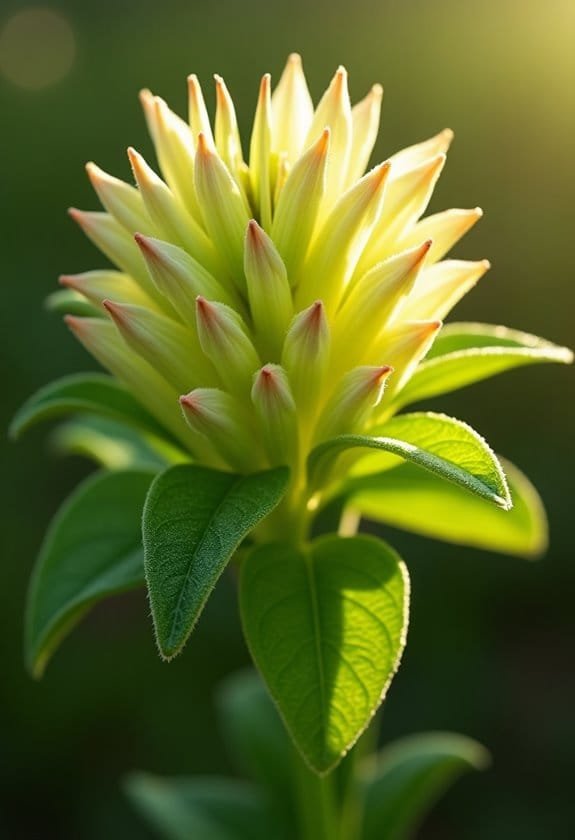
Langsdorff's Tobacco stands out in any landscape with its unique lime green trumpet-shaped flowers and striking blue pollen. This enchanting plant typically reaches heights of 2 to 4 feet, thriving in full sun to part shade while favoring well-drained, evenly moist soil.
Its alluring blooms not only enhance garden aesthetics but also attract a variety of pollinators, particularly hummingbirds, thereby promoting local biodiversity.
However, it's essential to exercise plant toxicity awareness, as all parts of Nicotiana langsdorffii are poisonous if ingested in large quantities. When handled with care, the plant can self-sow without becoming invasive, making it a lovely addition to any garden, especially when grouped with dark-foliage species.
The beauty of Langsdorff's Tobacco lies not only in its visual appeal but also in its ecological benefits.
This plant exemplifies a balance between artistry and responsibility, offering a striking presence that contributes to the aesthetic tapestry of gardens while serving as an important resource for pollinators.