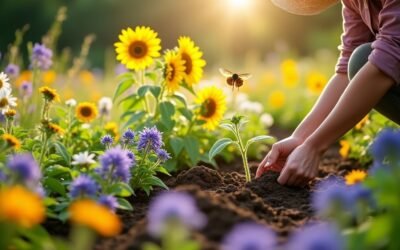
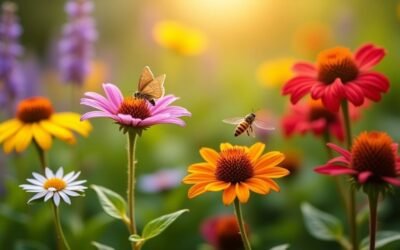
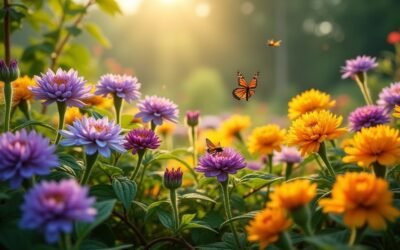
Nigella hispanica, known as Spanish Fennel Flower or Spanish Love-in-a-Mist, stands up to 24 inches tall, showcasing vibrant blue star-shaped flowers with dark red centers. Flourishing in full sun and well-drained, nutrient-poor soils, this hardy annual thrives with minimal care. Its intricate seed pods and feathery foliage create a breath of elegance in any garden. Attracting essential pollinators, including bees and butterflies, Nigella supports biodiversity while also providing culinary seeds, known as black cumin, with a nutmeg-like flavor. This plant not only elevates beauty but also serves practical purposes, suggesting rich insights awaiting exploration.
Main Points
- Nigella hispanica, commonly known as Spanish Love-in-a-Mist, features bright blue star-shaped flowers and intricate seed pods.
- The plant thrives in full sun and prefers well-drained, nutrient-poor soils with a pH between 6.0 and 7.0.
- Its seeds, known as black cumin, are used in various culinary dishes for their unique flavor.
- Spanish Love-in-a-Mist attracts pollinators like bees and butterflies, supporting biodiversity in gardens.
- Regular maintenance includes deadheading and monitoring for pests like aphids and spider mites to ensure healthy growth.
Introduction
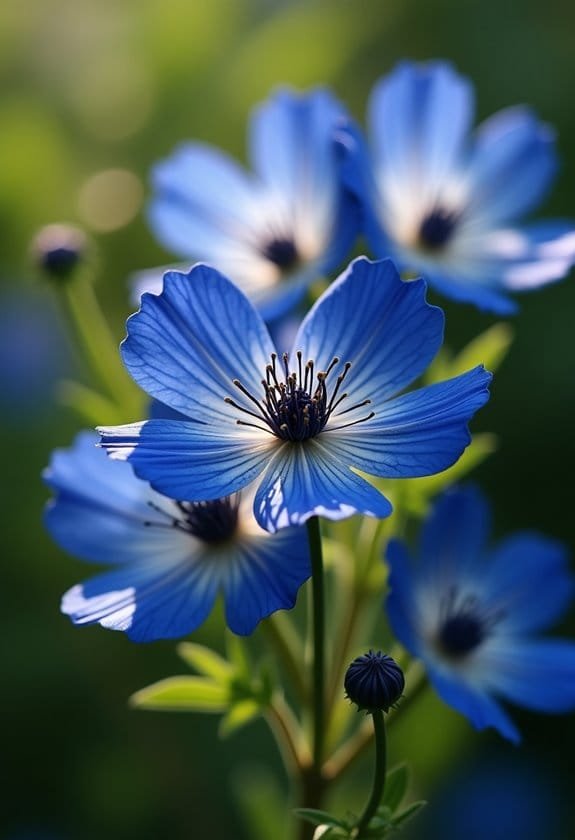
Nigella hispanica, often called Spanish Love-in-a-Mist, captivates with its feathery foliage and vibrant star-shaped blooms, showcasing hues from deep blue to purple.
Standing at approximately 24 inches, this annual plant flourishes in sunny gardens from Southern Europe, attracting beloved pollinators like bees and butterflies.
Its seeds, known as "black cumin," not only serve culinary purposes but also enhance biodiversity, making Nigella hispanica an appealing choice for both aesthetics and ecological balance. Additionally, its growth and flowering patterns can contribute to pollination and ecological significance, supporting a diverse range of wildlife in the garden.
Common Name
Known for its enchanting beauty, the Spanish Love-in-a-Mist captures attention with its intricate floral structure and delicate appearance. Officially known as Nigella hispanica, this stunning plant presents a unique blend of ethereal charm and botanical significance.
Often referred to as Fennel Flower, its feathery foliage closely resembles that of the fennel plant, creating an intriguing visual connection in gardens. When blooming, the flowers reveal a complex arrangement of delicate petals, embodying the floral artistry of nature.
Additionally, Nigella hispanica is recognized for its ability to attract pollinators, making it a valuable addition to any garden, enhancing both landscaping aesthetics and biodiversity.
The species' name, papillosa, highlights its uniquely textured blooms, which play a mesmerizing role in the floral tapestry. In various culinary traditions, the seeds of this extraordinary flower are often referred to as "Black Cumin," when utilized in diverse dishes, underlining its cultural significance.
Scientific Name
The enchanting beauty of the Spanish Love-in-a-Mist, scientifically recognized as Nigella hispanica, belongs to the Ranunculaceae family. This delicate annual flower captivates gardeners and floral enthusiasts alike with its intricate structure and striking appearance. Known for its feathery foliage and stunning bright blue flowers adorned with dark red centers, Nigella hispanica enhances the visual landscape of gardens, particularly during its blooming period in late June and July.
The seeds of this remarkable plant, commonly referred to as "black cumin," offer culinary applications across various cuisines, adding a unique flavor profile that complements many dishes. This versatility in both ornamental and culinary contexts has earned Nigella hispanica a favored place in many gardens, recognized and promoted by the Royal Horticultural Society for its aesthetic appeal and hardiness.
As gardeners embrace this charming plant, it's essential to understand its specific needs and ideal growing conditions. The whimsical, star-shaped blossoms, a metaphorical burst of fireworks in a garden, can indeed transform outdoor spaces into enchanting retreats, showcasing the wonder of nature's design through their simple elegance and beauty.
Overview
With its whimsical blue and purple star-shaped flowers, Spanish Love-in-a-Mist, or Nigella hispanica, stands out as a stunning addition to any garden. This annual plant, reaching a height of up to 24 inches, typically blooms from late June to July, producing intricate seed pods that follow its colorful display.
Known for its ability to self-sow, this hardy flower thrives in well-drained soil under full sun, making it an ideal candidate for gardens, wildflower meadows, and borders.
Historically, Nigella hispanica holds significant value, intertwining with culinary practices and cultural symbolism across various regions. While commonly recognized for its ornamental beauty, the seeds have been used in cooking, imparting a unique flavor reminiscent of nutmeg or pepper.
This versatility elevates the plant beyond visual appeal, offering practical culinary uses that design kitchen delights.
Culturally, Spanish Love-in-a-Mist symbolizes love and protection, enhancing its appeal in gardens infused with symbolism. When paired with roses, this enchanting flower not only enhances aesthetic appeal but also attracts beneficial pollinators, embodying a harmonious balance between beauty and ecological importance.
In its entirety, Nigella hispanica remains a perennial favorite for those who seek to enrich their gardens visually and practically.
Key Features
Nigella Hispanica, or Spanish Love-in-a-Mist, stands impressively at approximately 24 inches in height, showcasing bright blue star-shaped flowers adorned with dark red centers.
Blooming mainly in late June and July, this annual flower captivates gardeners not only with its unique appearance but also with its delicate, feathery foliage, reminiscent of fennel.
Its ability to self-sow effortlessly in well-drained, sunny spots makes it an appealing choice for those seeking vibrant, low-maintenance additions to their gardens.
Growth Size
Typically reaching heights of up to 24 inches, Nigella hispanica makes a striking addition to any garden. This mid-sized annual flower exhibits intriguing growth habits, thriving best in full sun and well-drained soil. The ideal planting techniques involve spacing each plant approximately 6 inches apart—this promotes adequate growth and guarantees proper air circulation, minimizing the potential for disease.
Height variations may occur based on environmental factors such as soil quality and light exposure, but most plants generally achieve the expected height.
Once established, Nigella hispanica is remarkable for its self-sowing behavior, creating a vibrant tapestry of blooms that can regenerate in subsequent seasons without significant intervention. This characteristic not only enhances garden aesthetics but also simplifies maintenance, making them a beloved choice for both novice and experienced gardeners.
The finely dissected, thread-like leaves contribute to the plant's airy appearance, beautifully framing the delicate blossoms that eventually emerge.
Appearance
Standing out in any garden, Nigella hispanica, or Spanish Love-in-a-Mist, showcases stunning star-shaped flowers that flow in shades of dark blue to purple. This remarkable color diversity enchants observers, creating a whimsical yet romantic aesthetic.
The plant reaches approximately 24 inches in height, making it a striking addition to garden beds and borders, where its presence can enliven the landscape.
The floral texture of nigella is significant, featuring rough-edged petals that contrast beautifully with the delicate, thread-like foliage. Resembling fennel, the leaves exhibit intricate foliage patterns, enhancing the overall visual complexity of the plant.
As the flowers mature, they develop into enchanting pale green capsules, offering an intriguing visual interest even after the blooming season has passed. In its native habitat, Nigella hispanica thrives in well-drained, nutrient-poor soils, highlighting the importance of adequate soil conditions for optimal growth.
In essence, the combination of vibrant flower colors and finely formed leaves makes Nigella hispanica not only a delightful spectacle but a versatile choice for any garden.
Its unique appearance and growth habit provide a dynamic layer to horticultural displays, inviting admiration and fostering a deeper appreciation for the beauty of nature's designs.
Flowering Season
When does the enchanting display of Nigella hispanica, or Spanish Love-in-a-Mist, take center stage? This enthralling annual plant typically begins its flowering duration in late June, continuing to grace gardens throughout July. During this period, gardeners can revel in the sight of its striking bloom colors, ranging from vivid blue to deep purple, which create a stunning contrast against the lush greenery.
Standing tall at up to 24 inches, Nigella hispanica produces whimsical, star-shaped flowers that not only delight the human eye but also attract essential pollinators like bees and butterflies. This flowering season contributes considerably to the garden's aesthetic appeal, transforming ordinary landscapes into romantic havens reminiscent of cottage gardens.
Each unique flower features rough-edged petals, enhancing the overall charm and character of these plants. As the flowers mature, they give way to attractive seed pods, which can be harvested for decorative uses, extending the plant's impact even after the blooming concludes.
Thus, the flowering season of Nigella hispanica isn't merely a transient beauty; it resonates through time, leaving lasting impressions on both the beholder and the ecosystem it supports.
Growing Requirements
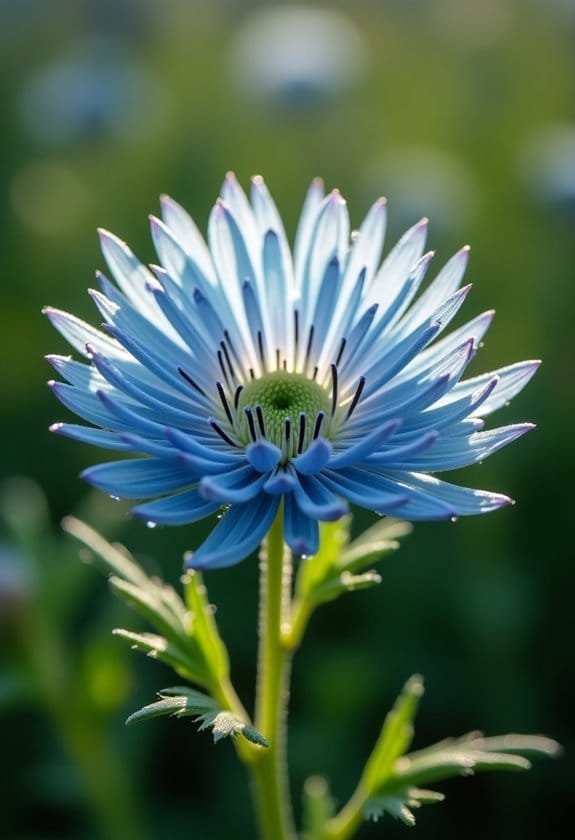
Nigella hispanica requires specific growing conditions to flourish effectively in a garden setting.
It thrives in full sun, basking in bright light, while also demanding well-drained soil to prevent waterlogging, which can hinder root development.
Understanding these fundamental elements, along with temperature and moisture needs, sets the stage for successful cultivation and vibrant blooms throughout the growing season.
Light
The ideal growing environment for Nigella hispanica, commonly known as the Spanish Fennel Flower, demands full sun to thrive and produce its striking blooms. It requires a minimum of six hours of direct sunlight each day. Inadequate sunlight duration can lead to leggy growth, diminishing the plant's overall appeal and flowering capabilities.
Beyond aesthetics, insufficient light negatively impacts its health, leading to vulnerability against pests and diseases.
Optimal light exposure not only bolsters flowering but also enhances growth vigor. A well-lit growth environment nurtures the plant's robust structure, allowing it to stand strong against harsh weather conditions.
Planting in locations that provide morning sunlight offers an advantageous shield against the relentless heat of the afternoon sun, ensuring that Nigella hispanica maintains its splendid vibrancy.
Moreover, the light impact on these delicate flowers is profound. Encouraging a balance of sun exposure and shade, particularly during the hottest parts of the day, can considerably improve blooming and overall liveliness.
As a result, creating an environment conducive to ample sunlight is essential for gardeners wishing to enjoy the full potential of the Spanish Fennel Flower's exquisite characteristics.
Soil
A well-drained soil foundation is essential for the thriving growth of Nigella hispanica, as it helps prevent root rot and promotes healthy development.
Ideally, this flowering plant flourishes in light, sandy soils which allow for both excellent aeration and adequate moisture retention—crucial for its overall health. To enhance soil performance, gardeners should consider integrating organic matter, such as compost, as effective soil amendments. These additions not only improve nutrient availability but also enrich the soil structure.
Proper pH testing is critical, ensuring levels remain between 6.0 to 7.0 to optimize nutrient uptake. Deviations from this range can lead to nutrient deficiencies, adversely affecting plant health and growth potential.
Alongside these practices, implementing drainage strategies is imperative; excessive water can lead to waterlogged soils that severely inhibit the plant's growth.
Water
Regular watering plays an essential role in the growth and flowering of Nigella hispanica, particularly during dry spells. This plant thrives in consistently moist, yet well-drained soil, vital for promoting robust development and vibrant blooms.
Inadequate moisture can stunt growth, while excessive watering poses a significant risk, potentially leading to root rot due to waterlogging.
Employing effective watering techniques, such as integrating a drip irrigation system, can guarantee an even distribution of water, thereby maintaining an ideal moisture level within the soil. This method allows gardeners to control water application, preventing the dreaded oversaturation that can hinder seed germination and initial plant establishment.
Additionally, establishing a layer of mulch around the plant's base not only enhances moisture retention but also reduces the frequency of watering sessions, thereby acting as a natural barrier against evaporation. This protective layer helps maintain the delicate balance that Nigella hispanica requires to flourish, enabling it to produce those stunning, characteristic flowers.
Temperature
Ideal growth for Nigella hispanica hinges on specific temperature conditions that align with its natural preferences. This annual flower thrives best within a temperature range of 65°F to 75°F (18°C to 24°C), providing a conducive environment that fosters robust growth and vibrant blooms.
Germination, however, occurs most effectively at slightly cooler temperatures, between 60°F and 70°F (15°C to 21°C), making early spring or fall the ideal sowing periods.
Interestingly, Nigella hispanica demonstrates considerable temperature adaptation, tolerating light frost yet exhibiting stress in temperature extremes, particularly when conditions exceed 85°F (29°C). High temperatures can result in a decline in flowering, emphasizing the importance of temperature monitoring for gardeners, particularly in hotter climates.
Close attention to temperature fluctuations can prevent unnecessary stress and encourage healthy flowering.
Thus, understanding and managing the temperature requirements of Nigella hispanica not only guarantees a more vibrant garden but also enhances the overall health of the plants. By adhering to these temperature guidelines, gardeners can cultivate flourishing Nigella hispanica that serves as a stunning addition to any landscape.
Pollinator Criteria
Nigella hispanica captivates various pollinators, particularly bees and butterflies, through its vibrant blue blossoms, which serve as an important nectar source during the peak of summer.
The plant utilizes a wind-assisted pollination method, while its open structure enhances accessibility for these beneficial creatures, ensuring efficient pollen transfer. Additionally, like Creeping Buttercup, it supports biodiversity by attracting a range of insect species that contribute to ecosystem health. The plant's nectar production is crucial for sustaining healthy pollinator populations throughout the growing season.
Attracted Pollinators
Many gardeners find that Spanish Love-in-a-Mist (Nigella Hispanica) is particularly effective at attracting pollinators such as bees and butterflies. This plant features vibrant blue flowers that produce rich nectar, aligning beautifully with pollinator preferences. Its peak flowering period in late June and July coincides with the heightened activity of beneficial insects, making it an irresistible beacon for these essential creatures. Additionally, the extended blooming period of similar plants like Creeping Cinquefoil(Creeping Cinquefoil) supports sustained nourishment for pollinators in the garden.
In addition to its alluring blossoms, the feathery foliage creates critical habitat benefits, providing sanctuary for pollinators when they seek refuge. This protective environment encourages various species to visit, enhancing the overall health of garden ecosystems.
Moreover, Nigella Hispanica's propensity to self-sow guarantees a consistent presence in gardens, which plays a significant role in supporting local pollinator populations throughout the growing season.
Additionally, the plant's compatibility with numerous flowering counterparts facilitates effective companion planting. This diverse planting strategy helps attract butterflies and other beneficial insects, cultivating a harmonious ecosystem that invites multiple pollinator species.
Essentially, Spanish Love-in-a-Mist not only beautifies gardens but serves as an important ally in promoting pollinator health and biodiversity. Its role is indispensable in creating vibrant, thriving habitats for our precious pollinators. Researchers note that the presence of native plants like Ilex aquifolium can further enhance the biodiversity within these habitats.
Pollination Method
Pollinators play an essential role in the reproduction of Spanish Love-in-a-Mist, facilitating the transfer of pollen necessary for fertilization. Utilizing specific pollination strategies, Nigella Hispanica primarily attracts bees and butterflies, insects that exhibit specific behaviors beneficial to the plant. The bright blue flowers, accentuated by dark red centers, enhance visibility, beckoning these crucial creatures.
The open structure of the blooms allows for easy access, ensuring efficient pollen transfer between flowers. While Spanish Love-in-a-Mist possesses anemophilous traits—capable of wind pollination—it heavily relies on biotic pollination for ideal seed set, highlighting the significance of insect activity. Germander Speedwell, known for attracting nectar-seeking insects, exemplifies how a flowering plant can create mutual relationships with pollinators.
Nectar availability plays a key role in attracting these pollinators, enticing them to return consistently, which in turn maximizes reproductive success. In this delicate dance of mutual benefit, pollinators engage in foraging behavior, maneuvering between flowers for nectar.
Consequently, as they visit each bloom, they inadvertently facilitate fertilization through the exchange of pollen. This interplay emphasizes the intricate relationship between Nigella Hispanica and its pollinators, underscoring the fundamental role of biodiversity in maintaining healthy ecosystems. Additionally, plants like white clover contribute to soil health through nitrogen fixation, reinforcing the environmental significance of diverse plant species.
Each visit contributes to the plant's life cycle, fostering emergence and growth.
Care & Maintenance
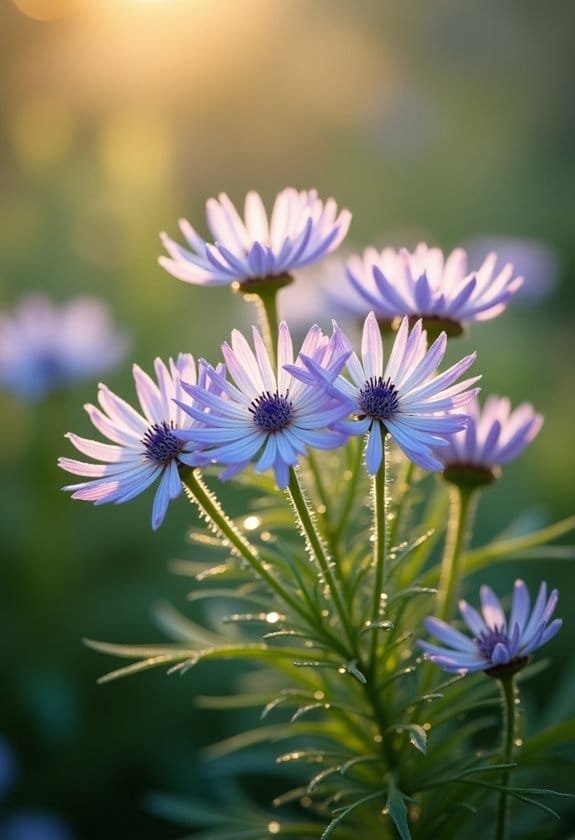
When caring for Nigella hispanica, gardeners should focus on ideal planting techniques, ongoing maintenance practices, and choosing suitable companion plants.
Establishing this species in well-drained soil, combined with full sun exposure, sets the foundation for its flourishing growth, while regular deadheading promotes an abundance of blooms throughout the season.
Planting Tips
Successful planting of Nigella Hispanica requires careful attention to detail and timing. Gardeners should sow seeds in early spring or fall, ensuring they're either on the surface or just barely covered with soil. Proper seed spacing is vital; maintain a distance of 6 inches between each seedling to promote ideal growth, allowing each plant to thrive without competition.
Employing effective germination methods begins with gently watering the seeds using a fine spray. This technique helps avoid displacing the seeds while keeping the soil consistently moist until germination occurs. Once seedlings emerge, it's important to thin them out, ensuring that the established plants maintain that essential 6-inch spacing. Additionally, ensuring that the soil is well-drained, alkaline will help prevent root rot during the early growth stages.
Alongside these planting techniques, gardeners should also monitor growth and maintain well-drained soil conditions, supporting the healthy development of these low-maintenance annuals. Notably, the successful growth of plants like Vipers Bugloss involves similar drought-resistant techniques, which can also benefit the establishment of Nigella Hispanica.
A neglected garden can quickly become chaotic, leading to overcrowded plants that inhibit one another's growth. Regularly deadheading flowers won't only encourage a picturesque continuous blooming effect but also prevent unwanted self-seeding throughout the garden, allowing Nigella Hispanica to flourish magnificently in its designated space.
Ongoing Care
After planting Nigella Hispanica, ongoing care is imperative for guaranteeing a vibrant and bountiful display. To promote continuous blooming, regular deadheading of flowers is recommended; this practice prevents unwanted self-seeding, allowing for a more controlled garden environment.
Careful monitoring of plant spacing is essential. Thinning seedlings to about 6 inches apart guarantees peak growth and allows air circulation, minimizing the risk of disease.
Watering should be done with a fine spray, especially during dry spells. It's important to be cautious, ensuring that the shallowly sown seeds remain undisturbed.
Pruning techniques play a significant role in maintaining the plant's aesthetic. Cutting back the foliage after flowering helps to uphold a tidy appearance while encouraging new growth for subsequent seasons.
While fertilization is generally unnecessary, a balanced fertilizer can support healthy development if the soil quality is poor.
Additionally, those interested in seed collecting will find Nigella Hispanica's seeds to be readily available and easy to gather for future planting. Engaging in companion planting can also enhance the growing environment, fostering a healthy ecosystem that supports these beautiful flowers throughout their lifecycle.
Suggested Companions
Creating a vibrant garden often hinges on the art of companion planting, and Nigella Hispanica shines in this aspect. This striking plant flourishes when paired with roses, enhancing their aesthetic appeal while simultaneously attracting beneficial pollinators like bees and butterflies. Its dense growth habit, when spaced 6 inches apart, effectively crowds out weeds, promoting garden health and reducing maintenance efforts.
Moreover, planting Nigella alongside colorful annuals such as cosmos or zinnias creates engaging color contrasts that invigorate the garden space. The nectar-rich flowers of Nigella not only fulfill a visual role but also provide biodiversity benefits by fostering ecosystems that support a diverse range of pollinators.
Additionally, its remarkable ability to self-sow allows it to fill gaps left by perennial plants, ensuring the garden remains lush with blooms in subsequent seasons. Furthermore, it thrives in full sun conditions which enhances its growth and flowering potential.
Thus, companion planting with Nigella Hispanica not only beautifies the garden but also contributes to a healthier, more resilient ecosystem. By thoughtfully choosing plant partners, gardeners can embrace the full potential of this enchanting flower, enriching their outdoor spaces in both appearance and functionality.
Common Issues
Nigella Hispanica encounters several common issues that can jeopardize its health and aesthetic appeal.
Although the plant shows resilience against deer, it often falls prey to aphids and other pests, which can create unsightly foliage damage and stress.
Additionally, factors like overwatering and high humidity can lead to serious fungal diseases, making it essential for gardeners to implement effective management strategies.
Pests/Diseases
Maintaining the health of Nigella hispanica requires vigilance against a few common pests and diseases that may occasionally pose a threat.
Though generally resistant, this exquisite plant can attract aphids and spider mites. Using effective pest control methods, such as insecticidal soap or horticultural oil, can help mitigate these infestations.
In humid conditions, fungal diseases like powdery mildew may develop; therefore, employing disease prevention strategies—ensuring adequate air circulation and avoiding overhead watering—can greatly reduce the risk.
Poorly drained soil can lead to root rot, a severe concern for the health of Nigella hispanica. To thwart this issue, planting in well-drained soil and practicing mindful watering habits are essential.
Additionally, in damp environments, snails and slugs may become problematic, necessitating the use of organic treatment options like beer traps or copper barriers to effectively deter these pests.
Regular monitoring for signs of distress, including yellowing leaves or stunted growth, enables gardeners to implement swift measures, thereby preserving the plant's vigor and aesthetic appeal.
Good gardening practices reinforce resilience against these challenges, ensuring the beauty of Nigella hispanica thrives even amidst potential adversity.
Solutions
Gardeners dealing with common issues related to Nigella hispanica can implement several effective solutions to ascertain the plant thrives.
To guarantee its ideal growth, it's vital to provide full sun exposure and well-drained soil; this minimizes the risk of root rot and promotes healthy development. Regularly utilizing appropriate fertilizer options, especially those low in nitrogen, can enhance flowering without encouraging excessive foliage.
Additionally, employing proper propagation techniques is necessary. Seedlings should be thinned to approximately 6 inches apart, allowing sufficient space for growth and airflow, preventing overcrowding. Consistent deadheading of spent flowers not only encourages continuous blooming but also keeps self-seeding under control, promoting a tidy landscape design.
Monitoring for pests and diseases remains important, though Nigella hispanica's low maintenance nature makes it relatively pest-resistant once established.
By attentively addressing these common concerns, gardeners can foster a flourishing environment for their plants, resulting in stunning displays and a thriving ecosystem.
Summary
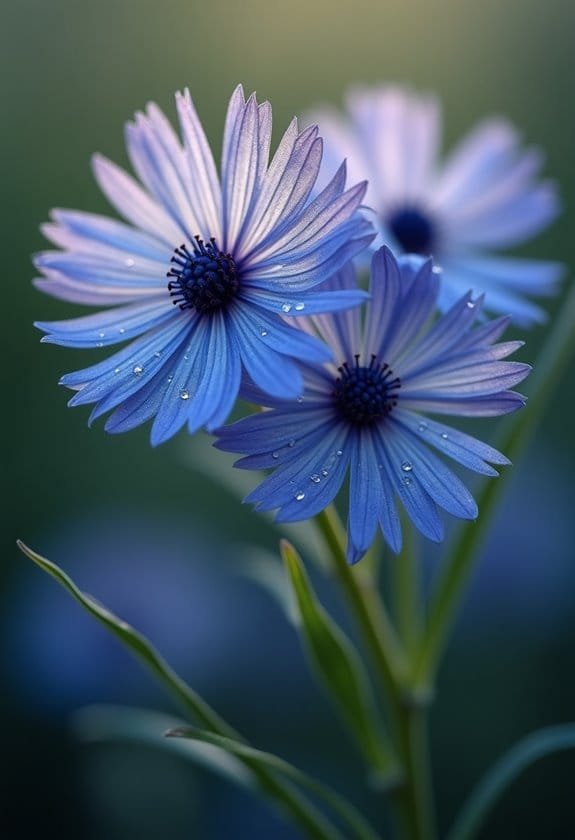
Spanish Love-in-a-Mist, scientifically known as Nigella hispanica, fascinates with its delicate foliage and stunning blue flowers highlighted by dark red centers. This enchanting annual reaches an impressive height of approximately 24 inches, flourishing abundantly in full sun and well-drained soil.
With a flowering period spanning late June to July, its aesthetic uses in cottage gardens enrich the landscape with vibrant hues, attracting pollinators and enhancing biodiversity within the environment.
The plant's propagation techniques are remarkably simple, as Nigella hispanica self-sows readily, allowing gardeners to effortlessly cultivate this species year after year. Additionally, seeds can be collected from mature capsules and stored for future planting, ensuring continued enjoyment of its striking beauty.
When considering landscape integration, the unique appearance of Nigella hispanica makes it a delightful choice for borders or mixed beds, offering a charming focal point. Priced at approximately $3.25 per packet, which contains about 500 seeds, this flower's ease of maintenance and fascinating qualities make it a valuable asset for any garden enthusiast, embodying both utility and aesthetic appeal in one delightful package.