Phaseolus coccineus, the Scarlet Runner Bean, enchants with its brilliant scarlet flowers and tender, edible pods. Originating from Mexico and Central America, this herbaceous perennial thrives in well-drained, organic-rich soil, requiring full sun exposure of 6 to 8 hours daily. Growing up to 15 feet, it blooms during summer and fall, attracting essential pollinators like hummingbirds. With a germination depth of 2 to 3 inches, consistent moisture is vital, especially during flowering. While aesthetically pleasing, this plant also enriches soil through nitrogen fixation and demands careful management to prevent common pests and diseases—indicating a multifaceted role in agriculture and ecology that's worth exploring further.
Main Points
- Phaseolus coccineus, commonly known as the Scarlet Runner Bean, is a tender perennial vine native to Mexico and Central America.
- The plant produces attractive scarlet flowers that attract pollinators like hummingbirds and bumblebees.
- It thrives in well-drained, organic-rich soil and requires full sun exposure for optimal growth.
- Edible parts include young pods and mature beans, popular in various culinary dishes.
- Be mindful of common issues such as root rot and aphids, and ensure consistent moisture for healthy pod development.
Introduction
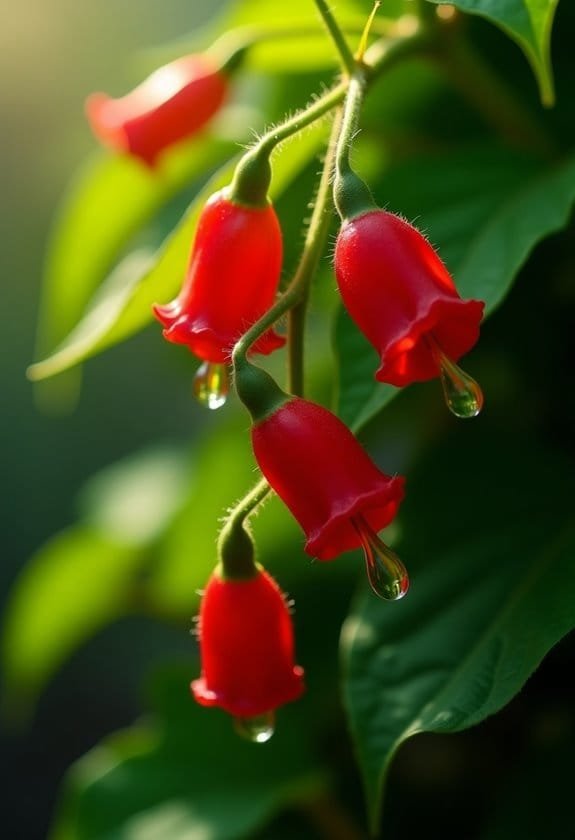
The Scarlet Runner Bean, scientifically recognized as Phaseolus coccineus, stands out with its vibrant scarlet flowers and impressive growth potential, reaching up to 15 feet in length.
This perennial vine isn't only visually enchanting but also plays an important role in local ecosystems by attracting essential pollinators like hummingbirds and bumblebees.
With a rich history dating back to around 2000 BC in Mexico and Central America, this bean offers culinary versatility while showcasing fascinating characteristics such as hypogeal germination, distinguishing it from its common counterparts.
Common Name
Known for its striking red flowers, the Scarlet Runner Bean draws attention from both gardeners and pollinators alike. This common name aptly reflects the bean's vibrant blossoms, which serve as a beacon for hummingbirds and bumble bees in search of nectar.
The Scarlet Runner Bean, with its three-lobed heart-shaped leaves reminiscent of typical bean varieties, offers more than just visual appeal; it has a culinary legacy that stretches back to at least the 1600s.
Originating from Mexico and Central America, the Scarlet Runner Bean was cultivated for both ornamental and food purposes. Growing up to an impressive 15 feet long, this climbing plant not only enhances garden aesthetics but also provides edible components. The young pods, along with the colorful flowers, yield a distinctive bean-like flavor that elevates various dishes, from fresh salads to hearty meals.
In urban gardens and rural settings alike, the Scarlet Runner Bean flourishes, inviting not only humans but also beneficial pollinators to its colorful display. This dual purpose—as both a source of sustenance and an enchanting garden feature—ensures its continued popularity among gardening enthusiasts.
Scientific Name
While many admire the Scarlet Runner Bean for its vibrant flowers and culinary uses, it's vital to recognize its scientific classification as *Phaseolus coccineus*. This remarkable species belongs to the family Fabaceae, which includes a variety of legumes.
Originating from the lush regions of Mexico and Central America, *Phaseolus coccineus* is often cultivated as an annual in temperate climates, showcasing its adaptability.
One of the plant's defining features is its striking red flowers that attract pollinators, coupled with large, flat pods that can measure up to 25 cm in length. Additionally, *Phaseolus coccineus* exhibits hypogeal germination, a fascinating process where the cotyledons, or seed leaves, remain buried in the soil throughout the initial sprouting phase.
This characteristic enables the seedlings to focus energy on root development before above-ground growth begins.
Understanding the scientific classification of *Phaseolus coccineus* not only highlights the botanical intricacies of this plant but also underscores its significance in both culinary and ornamental gardening.
Overview
Scarlet Runner Bean captivates gardeners and chefs alike with its striking aesthetics and versatility. Known scientifically as Phaseolus coccineus, this tender herbaceous perennial hails from Mexico and Central America, thriving particularly well at high elevations. In colder climates, however, it's typically cultivated as an annual, with vine lengths reaching an impressive 15 feet.
The plant's vibrant scarlet red or, occasionally, white flowers beckon pollinators such as hummingbirds and bees, creating a lively garden atmosphere.
The unique hypogeal germination method allows the cotyledons to remain nestled underground during sprouting, ensuring greater resilience. The seeds, characterized by a striking black base adorned with maroon mottling, further enhance the bean's visual appeal.
Beyond its ornamental prowess, the Scarlet Runner Bean is prized for its culinary uses; both young pods and mature beans deliver a distinctive, bean-like flavor that enhances various dishes.
Historically significant, this crop was cherished by early colonists and Native Americans before 1750, reflecting its deep roots in ancient cultures like the Aztecs. Consequently, the Scarlet Runner Bean seamlessly blends beauty with utility, marking its place in both gardens and kitchens.
Key Features
The Scarlet Runner Bean, or Phaseolus coccineus, showcases remarkable growth, often reaching impressive heights of up to 15 feet when provided with adequate support.
Its striking appearance is marked by dark green, heart-shaped leaves accented by purple-tinged veins, complemented by vibrant scarlet flowers that bloom during the warmer months.
This plant not only captivates gardeners but also plays a crucial role in enhancing local ecosystems, attracting essential pollinators with its vivid blossoms.
Growth Size
Vines of the scarlet runner bean can quickly reach impressive lengths, often growing between 6 to 8 feet in typical Midwestern gardens, and sometimes extending up to 15 feet. This remarkable growth contributes to their reputation as vigorous vining plants, thriving in diverse climates.
In approximately 68 days after sowing, these robust vines typically reach their snap stage, presenting crisp, edible pods, while they complete their cycle by producing fully dry shells in about 115 days.
Scarlet runner bean vines boast trifoliate, heart-shaped leaves, which exhibit a dark green complexion accented by striking purple-tinged veins. These characteristics enhance their aesthetic appeal, making them a popular choice for gardeners.
To optimize their growth, these vines benefit immensely from support structures such as trellises or netting. These supports allow the plants to ascend upward, maximizing space efficiency and ensuring adequate air circulation.
Although the vines thrive under most conditions, gardeners should be mindful of high temperatures exceeding 90°F, which can hinder pod production.
Appearance
Known scientifically as Phaseolus coccineus, this plant captivates with its trifoliate, heart-shaped leaves that showcase a rich dark green color complemented by distinctive purple-tinged veins. Vines of the Scarlet Runner Bean grow rapidly, often reaching impressive lengths of up to 15 feet, while in Midwest gardens, they typically extend between 6 and 8 feet.
At sunrise, the plant blooms with clusters of vibrant scarlet red flowers, creating a striking visual display that gradually fades by sunset. These red flowers, which attract pollinators such as hummingbirds, emerge in racemes, showcasing their vivid hue against the lush foliage.
The plant also produces large, flat pods, which can attain lengths of up to 25 centimeters. Initially green, these pods mature into a fibrous texture that signals their readiness. Notably, the seeds within are diverse in color, with the most common variety exhibiting a black base adorned with maroon mottling.
Not only are these seeds essential for planting, but they also hold culinary value, contributing to the versatility of this remarkable plant. Overall, the striking appearance of the Scarlet Runner Bean emphasizes its role as both an ornamental and functional garden element.
Flowering Season
During summer and fall, the Scarlet Runner Bean bursts into bloom, typically flowering about two months after seeds are sown. These striking flowers, with their vibrant scarlet hue, attract a variety of pollinators, particularly ruby-throated hummingbirds and bumble bees. The flowering period aligns with the plant's growth stage, emphasizing the importance of cool summer conditions for ideal pod production.
Each flower uniquely opens at sunrise, presenting its beauty to the world, and gracefully fades by sunset, contributing greatly to the local biodiversity and pollination cycle. This daily ritual not only adds color to gardens and landscapes but also supports essential ecological interactions.
Ideal flowering and pod set generally occur in late summer or early fall, when temperatures are more moderate, avoiding the extremes that can impede productivity. As the flowers flourish and thrive in these conditions, they further enhance the chances of successful pollination and subsequent pod development.
Consequently, cultivating scarlet runner beans during this period not only encourages the flourishing of these radiant flowers but also nurtures a healthier garden ecosystem, promoting a symbiotic relationship between plants and pollinators.
Growing Requirements
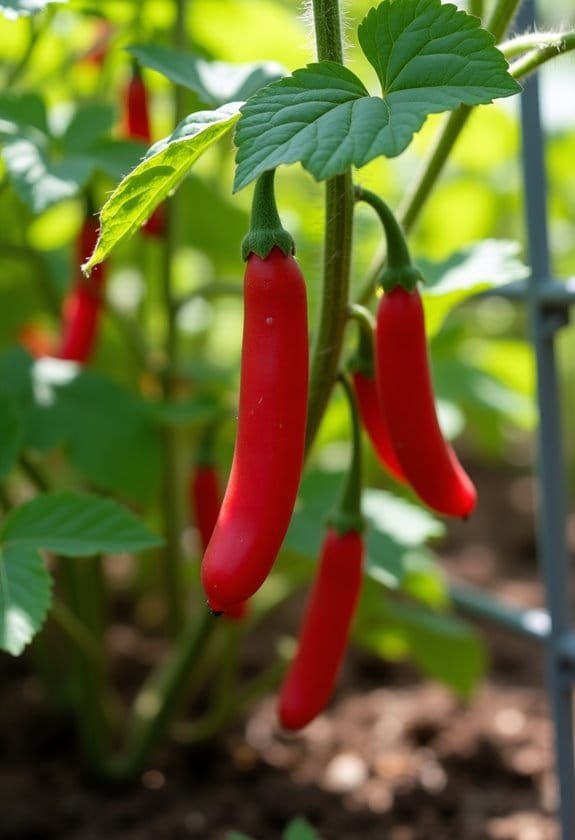
Scarlet Runner Beans flourish under full sunlight, thriving in well-drained soil rich in organic matter, which supports their vigorous growth.
These plants prefer consistent moisture levels, especially essential during flowering and as pods develop, ensuring a robust yield.
When planning to plant, it's crucial to wait until average soil temperatures exceed 50°F (10°C), as this safeguards against frost damage and allows for ideal germination.
Light
For ideal growth, these vibrant beans thrive in full sun, ideally soaking up at least 6 to 8 hours of direct sunlight each day. This intense light exposure not only fosters robust growth but also enhances flowering and pod production.
In fact, when planted in conditions where they receive abundant full sun, Scarlet Runner Beans flourish, exhibiting their full potential in warm climates.
While the plants can tolerate part shade, it's crucial to understand that such environments can lead to decreased yields and slower growth, particularly during hotter months. Consequently, gardeners must consider light conditions when planning their plots.
Additionally, to maximize their exposure to this necessary sunlight, providing support structures during planting is essential. The vining characteristic of these plants allows them to climb; therefore, vertically oriented supports enable them to reach higher and capture more light.
In cooler summer months, the correlation between consistent sunlight exposure and floral production becomes even more pronounced.
Soil
Achieving healthy growth of Scarlet Runner Beans requires attention to soil quality. These vibrant legumes thrive in rich, organic matter-laden soil, which boosts nutrient availability and supports robust root development. White clover's ability to enhance soil health through nitrogen fixation can be beneficial for your garden planning.
Well-drained soil is essential, as it prevents waterlogging, which can harm the plants. The ideal soil temperature for successful germination is at least 50ºF. This makes late spring the prime time for planting.
When sowing, it's vital to plant seeds two to three inches deep and space them four to eight inches apart. This spacing allows ample room for vine growth and pod development, ensuring each plant receives sufficient resources.
Throughout the growing season, Scarlet Runner Beans demand consistent moisture levels, particularly during the flowering and pod expansion stages, to facilitate nutrient uptake and support overall plant health. Additionally, incorporating plants that attract pollinators like butterflies can enhance the flowering process and improve overall yield.
To enhance soil conditions further, gardeners should consider mulching. This practice helps conserve moisture, regulate soil temperature, and simultaneously suppress weeds, thereby creating an environment conducive to thriving beans.
Water
Consistently watering Scarlet Runner Beans is essential for healthy growth and ideal pod production, especially during flowering and pod expansion. These plants require abundant water during peak growth periods, as insufficient moisture can severely hinder pod set, particularly in hot conditions.
The ideal approach includes providing approximately 1 to 2 inches of water per week, ensuring the soil remains consistently moist but not waterlogged.
Scarlet Runner Beans thrive best in well-drained soil; excess water can lead to root rot, negatively impacting overall growth and health. In regions with warmer climates, monitoring moisture levels becomes increasingly significant, as cooler summers enhance productivity.
To further assist in moisture retention, gardeners can utilize mulching techniques around the base of the plants. This method helps conserve soil moisture, reducing the need for frequent watering sessions. Additionally, employing organic mulch serves to regulate soil temperature, creating a more stable environment for root development.
Ultimately, a conscious watering strategy not only promotes vigorous plant growth but also contributes to a bountiful harvest, thereby enhancing the overall gardening experience for both novices and experienced cultivators alike.
Temperature
Scarlet Runner Beans flourish in temperatures ranging from 70°F to 85°F (21°C to 29°C), which are perfect for their growth and pod production.
These legumes thrive best when soil temperatures reach a minimum of 50°F (10°C) before sowing, ensuring successful seed germination and robust plant development. Given their sensitivity to frost, gardeners must plant these beans after the last frost date in spring, as chilly conditions can severely damage their tender foliage.
While Scarlet Runner Beans prefer warm temperatures, high heat can pose challenges. Temperatures exceeding 90°F (32°C) can hinder pod set and decrease the overall yield during the growing season, leaving the plants struggling to produce.
Remarkably, these beans perform best in cooler summer conditions, where temperatures remain within their perfect range, allowing for ideal pod development and robust foliage growth.
Understanding the temperature requirements of Scarlet Runner Beans is essential for successful cultivation.
Pollinator Criteria
Scarlet runner beans primarily attract ruby-throated hummingbirds and bumble bees, which are essential for their pollination process.
The vibrant scarlet flowers, opening with the dawn and closing at dusk, serve as a critical nectar source, supporting these pollinators throughout the day.
To guarantee ideal pod development and maintain genetic integrity, gardeners must carefully manage plant isolation, creating a distance of 75 to 150 feet from other varieties.
Attracted Pollinators
Vibrant scarlet red flowers of the Scarlet Runner Bean captivate a variety of pollinators, particularly ruby-throated hummingbirds and bumble bees. These aesthetically pleasing blooms open during daylight hours and close at sunset, creating a natural rhythm that draws pollinators primarily at sunrise. This timing aligns with the active hours of many species, ensuring high visitation rates.
The significance of these plants extends beyond mere beauty; they serve as essential components of local biodiversity. By attracting diverse pollinators, Scarlet Runner Beans enhance the sustainability of garden ecosystems, fostering rich interactions within these environments. Additionally, they contribute to soil health through their interactions with various pollinators, supporting a healthy ecological balance.
Ideal flowering and pod production occur during cooler summer temperatures, further augmenting their appeal to pollinators when they're most active.
To maintain genetic purity in heirloom seed production, cross-pollination facilitated by these pollinators is critical. This raises the importance of understanding isolation practices for specific cultivars, which helps prevent unintended hybridization while still supporting the health of pollinator populations. Furthermore, the vibrant flowers of the Scarlet Runner Bean are recognized for their role in attracting beneficial insects, similar to the seasonal displays of Pyracantha.
Pollination Method
When considering the pollination method of the runner bean, it's clear that cross-pollination plays an integral role in the plant's reproductive success.
Unlike self-pollinating species, scarlet runner beans (Phaseolus coccineus) primarily rely on pollinators like ruby-throated hummingbirds and bumblebees to help them cross-pollinate. These creatures are naturally drawn to the vibrant, nectar-rich flowers, which open at sunrise and provide essential sustenance throughout the day.
To maintain the purity of the seeds, gardeners should verify that different varieties of runner beans are isolated by at least 75 to 150 feet. This distance is important as the plants possess a remarkable tendency to cross-pollinate with neighboring varieties, potentially compromising seed characteristics.
The structure of individual flowers facilitates easy access to nectar, encouraging frequent visits from pollinators and greatly enhancing the likelihood of successful fertilization.
Understanding the intricate pollination characteristics of scarlet runner beans enables gardeners to make informed decisions when saving seeds, aiming for varieties that remain true to their type.
In this way, the beautiful, blooming runner bean serves not only as an aesthetic addition but also as an essential support system for local biodiversity.
Care & Maintenance
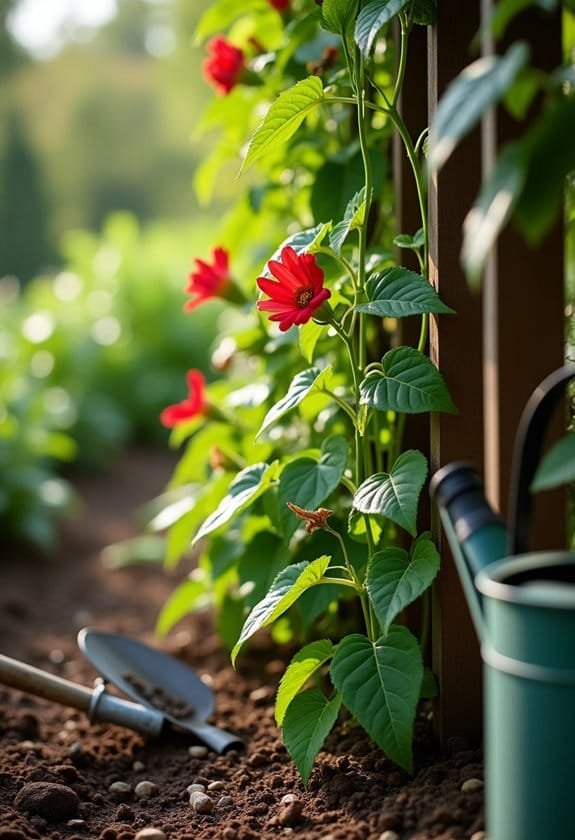
Caring for Scarlet Runner Beans requires attention to several key factors to guarantee vigorous growth and bountiful harvests.
Initially, growers should focus on planting them in well-drained, organic-rich soil after the last frost, guaranteeing soil temperatures are over 50°F (10°C).
Ongoing care includes regular watering during critical growth phases, providing sturdy support systems for their impressive height, and selecting compatible companion plants to enhance their growth and resilience in the garden.
Planting Tips
For successful planting of Scarlet Runner Beans, timing and preparation are key. Begin by sowing seeds outdoors post the last frost, ensuring the soil temperature reaches at least 50ºF (10ºC) for ideal germination. This specific temperature is vital, as cooler soil can impede growth and development of these vibrant beans.
When planting, space the seeds 4 to 8 inches apart, and bury them at a depth of 2 to 3 inches. This approach fosters robust growth, allowing each plant ample room to flourish. Additionally, incorporating support structures such as trellises or netting is necessary, as these vigorous vines can reach lengths of up to 15 feet, creating a stunning vertical landscape.
Consistent watering throughout the growth cycle is essential, particularly during flowering and pod expansion; this practice greatly enhances pod production and overall plant health. Watercress, a leafy green that thrives in similar environments, serves as a reminder of the importance of nutrient-rich substrates for optimal growth in your garden.
Finally, applying mulch can assist in conserving moisture while maintaining ideal soil temperature, which is indispensable for promoting healthier growth and abundant flowering.
Ongoing Care
Throughout the growing season, maintaining Scarlet Runner Beans requires attentive care to guarantee vibrant health and abundant harvests. Consistent watering is essential, particularly during flowering and pod expansion; this practice promotes healthy growth and maximizes yield, as lack of moisture can inhibit pod development.
Additionally, applying organic mulch around the base of the plants helps conserve soil moisture while suppressing weeds, thereby aiding overall plant health.
Regularly monitoring for pests, such as aphids or beetles, is necessary in ongoing care. Employing organic pest control methods protects both the foliage and green pods, ensuring that plants remain robust against potential infestations.
Harvesting mature pods routinely encourages further production, preventing the plants from becoming overburdened, which could stifle their growth.
As the growing season winds down, cutting back the vines is important. Allow any remaining pods to mature on the plant for ideal seed collection; this enhances future crops while preserving genetic integrity.
Suggested Companions
Surrounding Scarlet Runner Beans with the right companion plants can greatly enhance their growth and productivity. By planting these beans alongside crops like corn and squash, gardeners can utilize the beans' remarkable nitrogen-fixing abilities, which enrich the soil and support neighboring plants. This symbiotic relationship leads to improved crop outcomes.
Incorporating marigolds into the garden serves a dual purpose; they effectively deter harmful pests, such as aphids, while simultaneously attracting beneficial insects that promote a healthier ecosystem.
Moreover, herbs like basil and parsley not only encourage better growth and flavor of the beans but also act as beacons for these helpful pollinators.
However, it's vital to avoid planting runner beans near legumes like peas, as both compete for similar nutrients and space, potentially hindering growth.
During maintenance, regular watering becomes essential, particularly during flowering and pod expansion. Using mulch around companion plants can conserve soil moisture and improve overall plant health.
Common Issues
Scarlet runner beans are susceptible to various pests and diseases, which can considerably impact their growth and yield.
Factors such as root rot, often caused by poorly drained soil, and high temperatures above 90°F can undermine healthy plant development, leading to fewer beans despite vigorous flowering.
To tackle these common issues, gardeners should focus on preventive measures, including ensuring well-drained soil, maintaining balanced watering practices, and monitoring for pests that may threaten their crops.
Pests/Diseases
Common issues that affect scarlet runner beans include a range of pests and diseases, which can considerably hinder plant growth and yield.
Aphids are particularly troublesome as these tiny insects sap the plants' energy by feeding on their essential fluids, resulting in stunted growth and distorted leaves.
Another significant concern is rust disease, caused by various fungi that manifest as yellow-brown spots on the foliage, ultimately impairing the plant's ability to photosynthesize effectively.
Bean beetles also pose a threat, chewing through both the leaves and seeds, emphasizing the necessity for vigilant monitoring to detect their presence early on.
Adding to the woes of gardeners, fungal infections like powdery mildew flourish under conditions of high humidity and overcrowding, highlighting the importance of adequate spacing and air circulation for healthy plants.
Finally, root rot often emerges from excessive moisture and poor drainage, leading to severe consequences like wilting and eventual plant death. Therefore, ensuring well-drained soil and careful watering practices becomes paramount in preventing such devastating conditions.
Recognizing these pests and diseases is the first step in safeguarding the health of scarlet runner beans.
Solutions
To effectively tackle issues affecting scarlet runner beans, gardeners should implement a series of proactive strategies. One significant challenge arises from high temperatures, particularly when exceeding 90°F, which can severely limit pod set. To counter this, planting during milder climates will prove beneficial, guaranteeing ideal yields.
Furthermore, consistent moisture is essential during flowering and pod expansion; insufficient watering at this stage can lead to poor production.
To maintain seed purity, a distance of 75-150 feet from other runner bean varieties is important, preventing unwanted cross-pollination. Additionally, excessive heat may lead to flowering without pod development, so employing shade or ambient cooling techniques during hot spells will help alleviate this problem.
Thinning seedlings to 6 inches apart post-germination is another significant practice, as this reduces competition for resources such as water and nutrients, fostering healthier plants.
By following these guidelines, gardeners can't only enhance the growth and health of their scarlet runner beans but also secure the vibrant green pods they desire, all while cultivating an environment conducive to their success.
With diligence and care, the journey toward thriving scarlet runner beans can be both rewarding and fruitful.
Summary
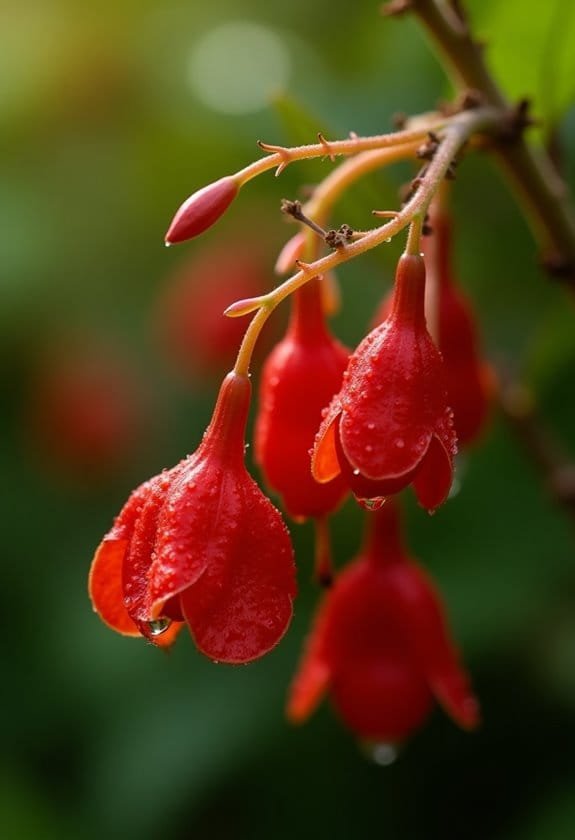
The Scarlet Runner Bean, scientifically known as Phaseolus coccineus, is a vibrant and versatile plant cherished for its ornamental beauty and culinary applications. This stunning vine, native to Mexico and Central America, can grow up to 15 feet in length, showcasing brilliant scarlet flowers that attract pollinators such as ruby-throated hummingbirds and bumblebees.
The plant features trifoliate heart-shaped leaves, adding to its appeal in gardens.
Culinary enthusiasts appreciate the edible green pods and seeds, which can be used in a variety of dishes, from fresh salads to sautéed preparations. Dried beans, offering a delightful nut-like flavor, enhance the diversity of flavors in numerous recipes.
Germination occurs in just 5 to 10 days when seeds are sown at a depth of 1 inch in well-drained, organic-rich soil, ideally positioned in full sun after the last frost.
Cultivated since before 1750, the Scarlet Runner Bean has historical significance, intertwining with early colonial agriculture and Native American gardening practices.
Consequently, this remarkable plant not only enriches gardens with its striking appearance but also provides a connection to the cultural tapestry of agricultural history.