Photinia davidiana, commonly referred to as Chinese Photinia, is a remarkable broadleaf evergreen shrub native to East Asia, particularly western China, Japan, and Korea. Typically growing between 10 to 15 feet in height and 8 to 10 feet in width, it features lustrous dark green leaves that display vibrant reddish hues during new growth in spring and summer. Blooming from May to June, it produces fragrant clusters of small white flowers that attract various pollinators. Thriving in well-drained, slightly acidic soil, its care includes regular watering, pruning, and fertilization to guarantee a vigorous, resilient presence in gardens and ecosystems alike. Exploring its ecological benefits and common challenges reveals much more about this stunning shrub.
Main Points
- Photinia davidiana, commonly known as Chinese Photinia, is a broadleaf evergreen shrub native to East Asia, belonging to the Rosaceae family.
- This shrub grows 10-15 feet tall and 8-10 feet wide, with glossy dark green leaves that turn reddish in spring and summer.
- It thrives in USDA Zones 5-6, preferring well-drained, slightly acidic soil and full sun exposure for optimal growth.
- Photinia produces fragrant white flowers in clusters from May to June, attracting a variety of pollinators and contributing to ecosystem biodiversity.
- Common issues include fireblight, leaf spot diseases, and pests; proactive management and companion planting can enhance plant health and resilience.
Introduction
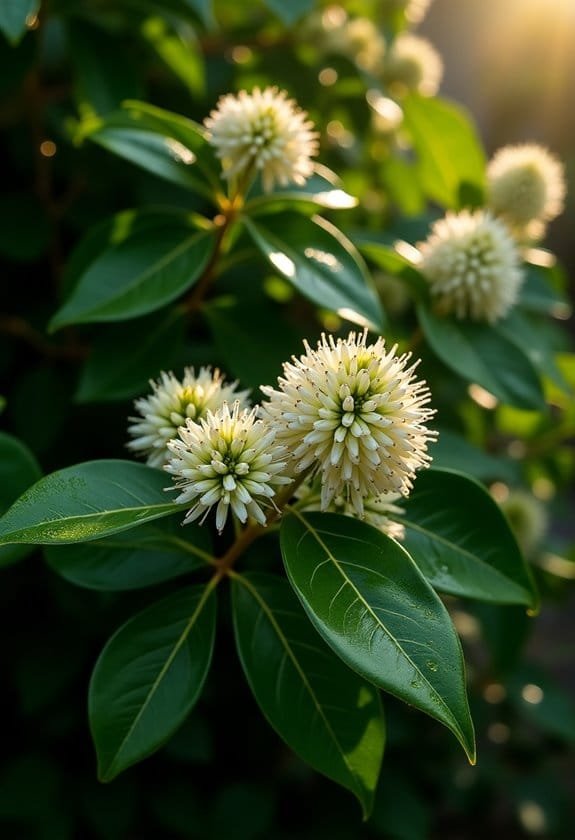
Photinia davidiana, widely known as Chinese Photinia, stands out as an ornamental shrub cherished for its dark green, lustrous foliage and striking seasonal features.
Typically reaching heights of 10-15 feet, this broadleaf evergreen not only offers aesthetic appeal but also serves ecological functions by attracting wildlife with its small white flowers and persistent red pomes.
Understanding its growth requirements and maintenance needs enables gardeners to appreciate its beauty while ensuring the shrub thrives in various landscapes.
Common Name
Known as Chinese Photinia, this shrub captivates gardeners with its striking ornamental features and adaptability. Originating from East Asia, the Chinese Photinia boasts lustrous dark green evergreen leaves that form a dense, lush canopy.
These leaves provide a vibrant backdrop to the showy white flowers, which bloom profusely from May to June, creating a breathtaking display that entices pollinators and adds beauty to any landscape.
Reaching heights of 10 to 15 feet and widths of 8 to 10 feet, Chinese Photinia is easily incorporated into shrub borders or hedges, making it a versatile choice for gardens of various sizes. In late summer, red pomes develop, which persist into winter, offering visual interest even as other plants fade.
This adaptability to changing seasons further enhances its appeal in ornamental settings.
As a member of the Rosaceae family, which includes a variety of flowering and fruiting plants, the Chinese Photinia enriches landscapes with not only its beauty but also a connection to a broader ecological framework.
This shrub's combination of aesthetic allure and practicality makes it a favorite among horticulturists and nature enthusiasts alike.
Scientific Name
The Chinese Photinia's remarkable features are complemented by its scientific classification, which provides valuable insights into its botanical identity. Known scientifically as Stranvaesia davidiana, this shrub belongs to the esteemed Rosaceae family, commonly referred to as the rose family.
This classification is critical in plant taxonomy, as it situates the species within a broader context of related plants, enhancing understanding of its horticultural significance.
Previously categorized under the genus Stranvaesia, the plant's recent recognition as Photinia davidiana reflects evolving botanical classification standards. Phonetically, the name is expressed as foh-TIN-nee-uh duh-vid-ee-A-nuh, a pronunciation that may initially perplex but ultimately adds character.
Native primarily to East Asia, including regions in China, Japan, and Korea, it exhibits adaptability and ecological importance.
Stranvaesia davidiana's inclusion in the Maleae tribe further underscores its relationships with other ornamental species, facilitating a profound appreciation for its ornamental values in gardening and landscaping.
This intricate botanical identity encapsulates not only the plant's physical attributes but also its potential impact on horticulture, enhancing biodiversity and aesthetic appeal within cultivated spaces.
Overview
An ornamental evergreen shrub, Photinia davidiana, commonly referred to as Chinese Photinia, captivates gardeners and landscapers alike with its striking features. Native to East Asia, particularly western China, this versatile plant matures to impressive heights of 10-15 feet and spreads 8-10 feet wide, boasting dark green, lustrous leaves measuring 2-3 inches long.
During the late spring, it enchants with clusters of small, white flowers that bloom in May and June, providing seasonal interest. Following the flowering phase, the shrub produces vibrant red pomes that persist into winter, enhancing winter gardens.
Photinia's adaptability makes it an excellent choice for landscape design, as it thrives in well-drained, fertile soils and prefers full sun to partial shade.
Gardeners appreciate its ecological benefits, including habitat provision for various wildlife species and pollen for pollinators. However, it's crucial to be mindful of its susceptibility to pests and diseases, such as leaf spot, fireblight, and powdery mildew, which can impact its vigor.
With proper care, Photinia davidiana offers not only aesthetic appeal but also a lasting contribution to sustainable gardening practices and vibrant landscapes.
Key Features
Photinia Davidiana stands out as a remarkable ornamental shrub, typically reaching heights of 10 to 15 feet and spreading 8 to 10 feet wide.
Its glossy evergreen leaves create a vibrant backdrop for the striking small white flowers that emerge in delightful clusters during May and June.
Following their bloom, the plant produces enchanting red pomes that linger throughout the winter, enhancing its ornamental appeal and supporting wildlife.
Growth Size
Reaching impressive heights of 10 to 15 feet and spreading 8 to 10 feet wide, Chinese Photinia is known for its broadleaf evergreen structure. This shrub exhibits a wide spreading and informal growth habit, making it an excellent choice for back or middle planting within shrub borders. Its dimensions not only accentuate landscape design but also accommodate various spacing requirements, allowing it to flourish without overcrowding.
Photinia Davidiana thrives best in USDA Zones 5-6, where it prefers well-drained, slightly acidic, and organic soil conditions. These factors contribute considerably to its growth size and overall health. To maintain its ideal dimensions, gardeners should employ strategic pruning techniques. Regular pruning encourages fuller growth and helps shape the shrub, ensuring it maintains a balanced form while also removing any dead or diseased branches.
As the seasons unfold, the shrub becomes an eye-catching feature, producing small red pomes around 6 mm in diameter during late summer. These fruits persist into winter, enhancing the plant's aesthetic appeal and drawing attention even in the colder months.
Consequently, the growth size of Chinese Photinia serves as a crucial component of its charm and utility in landscaping.
Appearance
With its striking dark green, lustrous leaves, Chinese Photinia captivates in any landscape. The plant showcases oval-shaped leaves, measuring 2-3 inches long, offering a rich, glossy leaf texture that enhances its visual appeal. As a broadleaf evergreen shrub, it retains its foliage year-round, ensuring a vibrant presence regardless of the season.
In spring and summer, new growth appears with a reddish hue, evolving to deep green as the seasons unfold. This seasonal color change complements its informal growth habit, which typically reaches heights of 10-15 feet and widths of 8-10 feet. Its sprawling nature makes it ideal for planting in shrub borders, hedges, or as free-standing screens to delineate spaces.
Additionally, Chinese Photinia produces charming red pomes, approximately 6 mm in diameter, which persist throughout winter, offering further interest and texture to the landscape. These fruits play a significant role in attracting wildlife, contributing to the dynamic ecosystem of gardens.
Flowering Season
During the flowering season from May to June, Chinese Photinia showcases small clusters of delicate white flowers that measure about 6 mm across. These exquisite blooms provide not only a stunning visual display but also significant flowering benefits, enhancing seasonal aesthetics in gardens and landscapes.
The fragrant flowers attract various pollinators, including bees and butterflies, thereby contributing to the ecological balance required for a healthy environment. This pollinator attraction is essential, as it fosters biodiversity and supports plant reproduction as insects transfer pollen from bloom to bloom.
Following the flowering period, the shrub develops red pomes that persist into winter, offering seasonal interest beyond the initial bloom. The vivid contrast of the bright red fruit against the foliage creates an engaging element, maintaining visual appeal through the colder months.
As a popular choice for landscaping, Chinese Photinia serves a dual purpose: it enhances the garden's beauty and promotes beneficial wildlife interactions. Gardeners appreciate its ability to attract pollinators while providing a stunning seasonal display, demonstrating the importance of ornamental plants in creating vibrant ecosystems.
Growing Requirements
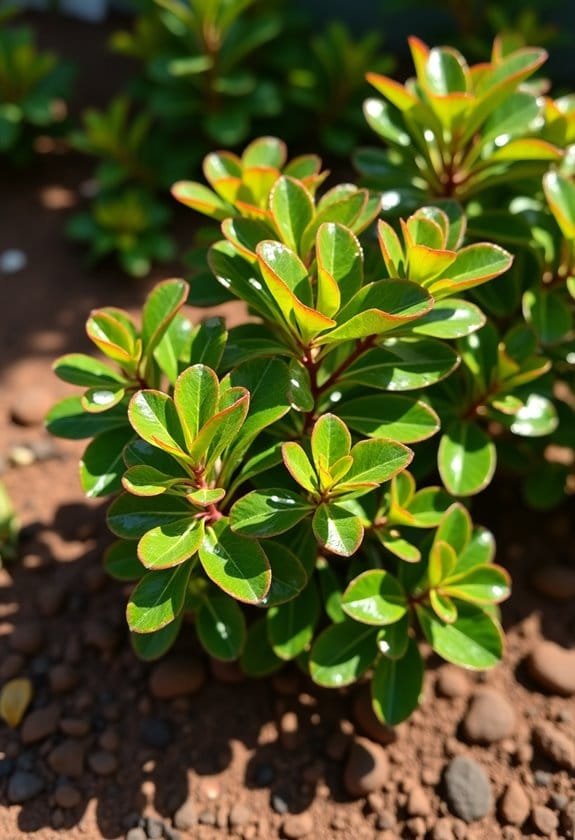
Photinia davidiana flourishes under specific growing conditions that greatly impact its overall health and vigor.
It prefers well-drained, fertile soil, leaning toward slightly acidic pH levels and requires full sun exposure for a minimum of six hours daily to promote ideal growth.
Adequate moisture, coupled with regular watering during dry spells, is essential, aligning with its need for balanced soil nutrients and careful attention to temperature variations throughout its growing season.
Light
For stunning growth and vibrant blooms, Photinia davidiana thrives in full sun, needing at least 6 hours of direct sunlight each day. This abundant sunlight not only enhances the plant's glossy leaf appearance but also promotes the formation of lush flower clusters during the blooming season.
While it can tolerate partial shade, the shading effects can be detrimental, causing leggy growth and reduced flowering. Accordingly, maximizing sunlight exposure is essential for growth optimization.
Insufficient light not only compromises the plant's vigor but also increases susceptibility to diseases, such as fireblight, which can greatly impede its health. To mitigate these risks, gardeners should site Photinia in areas that receive morning sun, as this practice promotes healthy growth while minimizing the chances of fungal infections and other related issues.
The radiant exposure enables the plant to photosynthesize more effectively, yielding robust growth and flourishing blossoms.
Soil
A healthy plant structure is supported by the right soil conditions. For Photinia davidiana to thrive, it requires moist, well-drained soils that are slightly acidic, typically with a pH around 6.5. The organic matter's significance can't be overstated, as it aids in nutrient retention and enhances soil health benefits, promoting robust growth.
Fertile soils facilitate proper root establishment, guaranteeing that the plant can efficiently uptake essential nutrients. To maintain ideal conditions, soil testing may be advantageous; this guarantees both pH levels and nutrient content align with the shrub's needs.
Regular soil pH adjustment might be necessary to create a balanced environment conducive to flourishing foliage. Incorporating organic mulch around the plant's base encourages moisture retention and helps regulate soil temperature, creating a steadfast home for the roots.
Moreover, consistently monitoring moisture levels, particularly during dry spells, is essential, as Photinia davidiana is susceptible to stress in overly dry conditions. Thus, providing appropriate soil conditions supports overall plant health and guarantees sustained growth, emphasizing the interconnectedness of soil and plant health in cultivating a thriving landscape.
Water
Maintaining consistently moist soil is imperative for the health of Photinia davidiana. This elegant shrub thrives best when growers implement effective irrigation techniques, particularly during dry spells, to guarantee adequate soil moisture. Its penchant for well-drained, slightly acidic soil means that caution is needed to avoid water pooling around the roots, which can lead to detrimental conditions.
During the heat of summer or prolonged droughts, providing supplemental irrigation becomes essential. Maintaining a regular watering schedule, ideally delivering water to a depth of 12 to 18 inches, will support robust growth and prevent dehydration. In addition, the practice of mulching around the base can greatly enhance moisture retention, creating a more stable environment for the plant.
While Photinia davidiana demonstrates moderate drought tolerance, monitoring soil moisture levels is imperative. Both overwatering and underwatering can expose the plant to diseases like fireblight, which can threaten its vitality.
Consequently, understanding the delicate balance between moisture levels not only fosters a thriving plant but also enriches the gardener's experience, allowing them to nurture a stunning centerpiece in their landscape.
Temperature
Typically thriving in USDA Hardiness Zones 5 to 6, Photinia davidiana requires a temperate climate to flourish. This shrub is particularly sensitive to temperature fluctuations; extreme cold can severely impact its health and flowering potential. Evidence shows that consistent temperatures above freezing during the growth period are essential, as prolonged exposure to frigid conditions may hinder its overall development and vigor.
Moreover, the cold tolerance of Photinia davidiana doesn't extend indefinitely. With proper care, it can withstand moderate cold, but gardeners must remain alert to signs of stress.
During hotter summer months, these plants may experience heat stress, which can negatively affect their performance and aesthetic appeal. To alleviate this, providing partial shade can be beneficial, particularly in regions that face intense sunlight and elevated temperatures.
Such protective measures not only help maintain moisture retention but also create a more stable microclimate, ensuring that this lovely shrub continues to thrive without succumbing to environmental pressures.
Consequently, understanding and monitoring temperature conditions is indispensable for successful cultivation of Photinia davidiana, fostering vibrant foliage and robust growth throughout its life cycle.
Pollinator Criteria
Photinia davidiana thrives in environments alive with diverse pollinators, largely attracting bees and butterflies to its fragrant white flowers.
Pollination occurs primarily through these insects as they visit the blooms, transferring pollen that enables fruit production, which in turn serves as an essential food source for local fauna. Additionally, white clover's nitrogen-fixing capabilities enrich the soil, benefiting the health of Photinia and attracting more pollinators.
This mutualistic relationship highlights the importance of maintaining healthy Photinia populations, as their flourishing ecosystems support both plant reproduction and a vibrant community of pollinators crucial for biodiversity. Additionally, the presence of plants like Common Fleabane can enhance biodiversity through pollinator support, benefiting ecosystems further.
Attracted Pollinators
The attractive blooms of Photinia davidiana play an essential role in supporting various pollinators, including bees and butterflies. From May to June, these small white flowers cluster together, offering abundant nectar and pollen fundamental for the sustenance of these crucial species.
The shrub's dense foliage provides ideal nesting and foraging habitats, considerably enhancing the chances of survival for pollinators, which reinforces the habitat's importance in maintaining ecological balance.
Pollinators such as bees, with their sophisticated pollination strategies, rely on these resources to thrive. In addition, the lingering red pomes in winter attract birds, which inadvertently participate in the pollination process as they travel between plants.
The ability of Photinia davidiana to provide food sources and nesting sites for various pollinators showcases its ecological significance.
Regular maintenance, including prudent pruning, can bolster flower production, thereby increasing the availability of these important resources.
This interconnected relationship between Photinia davidiana and its pollinator partners underlines the broader implications for biodiversity, emphasizing the necessity of retaining such plants in landscapes.
Pollination Method
For effective pollination in Photinia davidiana, cross-pollination from other individuals plays a crucial role, primarily achieved through insect activity, particularly from bees.
These pollinators are attracted to the plant's small, fragrant white flowers, which bloom in clusters during the months of May and June. The flowers' structure promotes insect visitation by providing nectar, a sweet reward that entices these essential pollinators.
The pollination benefits extend beyond mere reproduction; successful cross-pollination leads to the formation of vibrant red pomes, which can persist throughout the winter months, attracting birds and other wildlife.
However, the plant faces pollination challenges due to its self-incompatible nature, necessitating interactions with other individuals to guarantee effective fruit set.
This further emphasizes the importance of maintaining healthy pollinator relationships, as increased nearby flowering plants can greatly enhance pollination rates and overall fruit production. Additionally, planting species that are deer-resistant and pest-resistant can benefit the overall garden ecosystem and support pollinator success.
Care & Maintenance
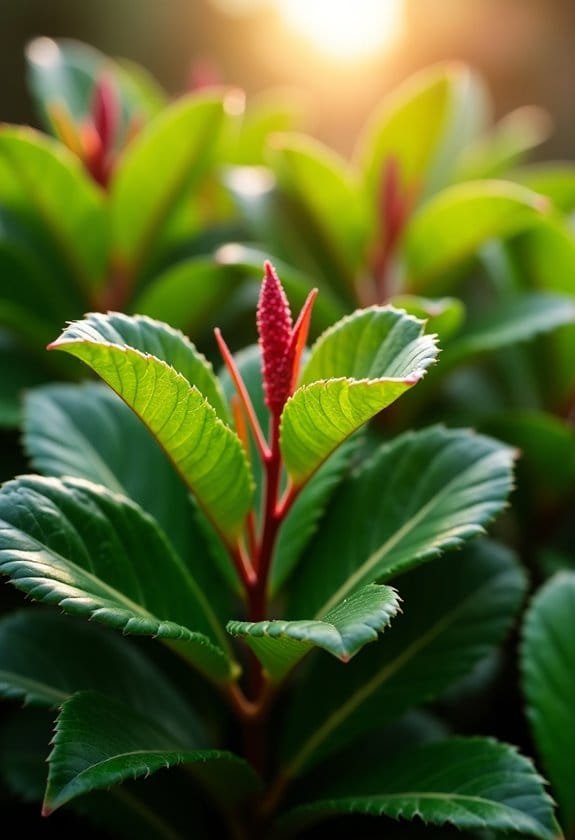
To guarantee the ideal growth of Photinia davidiana, careful attention to planting techniques, ongoing maintenance, and suitable companion plants is essential.
Regular watering, particularly during dry spells, nurtures the plant's preference for well-drained, moist soils, while mulching aids in moisture retention and weed suppression.
Planting Tips
How can gardeners guarantee the thriving growth of Photinia Davidiana? Proper planting techniques are crucial for establishing this broadleaf evergreen shrub. Begin by selecting a location that boasts well-drained, moist, and fertile soils, along with exposure to full sun to partial shade. Such ideal conditions maximize growth potential and aesthetic appeal.
Incorporating soil amendments, such as organic matter, into the planting hole enhances nutrient availability and supports robust development. Annual fertilization with organic materials sustains the plant's vigor, promoting resilience against environmental stressors.
Irrigation strategies also play a critical role in Photinia's success. Regular watering, especially during dry spells, helps maintain adequate moisture levels, ensuring the shrub thrives in its chosen environment.
Mulching around the base further aids moisture retention, while simultaneously suppressing weeds that can compete for crucial resources.
Additionally, gardeners should consider pruning to refine the plant's shape and mitigate potential pest issues, like fireblight.
Consequently, implementing these aforementioned practices encourages a flourishing, vibrant Photinia Davidiana that enhances any landscape.
Ultimately, attention to detail during planting fosters long-term growth and health, showcasing the true beauty of this exquisite shrub.
Ongoing Care
Ongoing care for Photinia Davidiana is essential to guarantee its vibrant growth and longevity. Regular watering techniques are imperative, particularly during dry spells, making sure the plant maintains necessary moisture levels.
Employ deep watering methods, saturating the root zone thoroughly to encourage strong root development. Seasonal adjustments in care, such as mulching around the base, not only retain soil moisture but also suppress weeds, enhancing the growing environment.
Fertilization with organic matter further promotes ideal health, boosting growth and fortifying the shrub against environmental stressors.
Adhering to pruning guidelines is essential for maintaining its shape and improving air circulation; perform this task ideally during late winter or early spring, just before the new growth begins.
In addition, vigilant monitoring for signs of fireblight and pests, such as aphids, helps guarantee the shrub's liveliness. Addressing these issues promptly can considerably minimize their impact on the plant's health.
Together, these practices create a nurturing space for Photinia Davidiana to flourish, transforming it into a striking feature in any landscape, reflecting the beauty and resilience of nature's design.
Suggested Companions
Companion planting can substantially enhance the overall health and aesthetic of a garden featuring Photinia Davidiana. Employing strategic plant combinations, such as Azaleas and Rhododendrons, creates a visually striking display while ensuring all plants thrive in well-drained, slightly acidic soils. This synergy not only maximizes garden aesthetics but also fosters an environment rich in biodiversity. Common Holly (Ilex aquifolium), for instance, is a valuable companion due to its ability to provide food and shelter for wildlife, enhancing the ecological balance in the garden.
Photinia Davidiana's watering needs align closely with many companion plants, making it essential to select species that require similar moisture levels; consistent watering during dry spells is imperative. Additionally, to bolster pest resistance and combat issues like fireblight, consider integrating hardy plants like Boxwood or Juniper. These companions naturally deter pests and provide a protective barrier. Furthermore, it's beneficial to monitor for pests and diseases, as similar to Purging buckthorn's ecological interactions, the presence of diverse companion plants can enhance resilience against potential threats.
Regular maintenance, including early spring pruning of both Photinia and its companions, promotes vigorous growth and enhances shape, ensuring a cohesive visual flow throughout the growing season.
Layering mulch around these plants regulates soil temperature, retains moisture, and suppresses weeds, creating an ideal habitat. By carefully selecting companion plants, gardeners can create a resilient environment that not only beautifies their space but also supports the health of Photinia Davidiana and its surroundings.
Common Issues
Photinia davidiana faces several common issues that can affect its health and appearance.
Among these concerns, fireblight, leaf spot diseases, and various pests, including aphids and scale insects, can threaten the plant's robustness, often leading to significant visual damage and decreased growth.
Addressing these challenges requires prompt action, such as improving air circulation, employing appropriate treatments, and maintaining vigilant monitoring, all essential for preserving the plant's beauty and resilience.
Pests/Diseases
Maintaining the health of Photinia davidiana can be challenging due to its susceptibility to several pests and diseases. This resilient shrub often faces threats such as fireblight, a bacterial affliction that causes the leaves to wilt dramatically and leads to dieback of stems. Prompt disease management is essential to prevent the rapid spread of this infection. Additionally, leaf spot diseases present another common issue, where dark spots appear on the leaves, potentially resulting in premature leaf drop if left untreated. Furthermore, Common Tansy can complicate maintenance by dominating areas and outcompeting desirable plants.
Moreover, powdery mildew can disrupt the plant's vigor, manifesting as a white powdery coating, especially in humid conditions. Insects like aphids and scale are prevalent pests that further contribute to the decline of Photinia, as they suck sap from the plant, thereby weakening its overall health. Employing effective pest control measures and prevention strategies is important for maintaining the shrub's vigor. Regular monitoring and timely interventions, including the use of fungicides for managing diseases and insecticides for pest infestations, can effectively safeguard Photinia davidiana from these common issues. Additionally, promoting biodiversity through diverse plant selections can create natural competition, aiding in the control of both pests and diseases.
Solutions
Tackling the common issues faced by Photinia davidiana relies on a combination of proactive strategies and regular care. Implementing effective disease prevention strategies helps to combat leaf spot, fireblight, and powdery mildew, all of which can severely compromise plant health. Regular monitoring is essential; promptly identifying symptoms enables timely interventions.
Pest management techniques are equally significant, particularly the control of aphids and scale insects. Early detection and management not only minimizes potential damage but also fosters a healthier growing environment. Simple techniques, such as introducing beneficial insects or using insecticidal soap, can effectively combat infestations.
Moreover, incorporating soil enrichment methods through organic fertilizers and mulching enhances overall soil quality, retains moisture, and boosts resistance against diseases and pests. Regular watering, especially during dry spells, is essential for maintaining adequate moisture levels in the soil.
In addition, strategic pruning improves air circulation within and around the shrub, curbing disease spread by eliminating infected limbs.
Summary
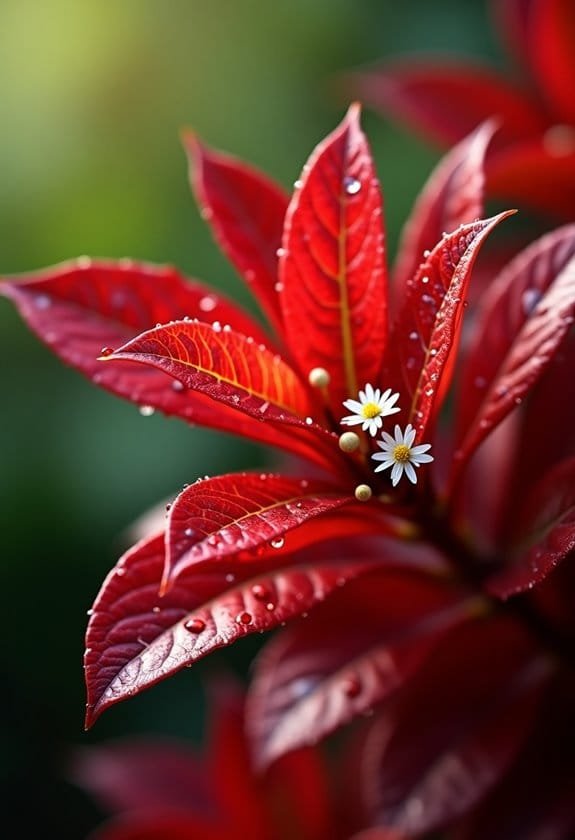
Known for its vibrant foliage and ornamental appeal, Chinese Photinia (Photinia davidiana) is an evergreen shrub native to Asia. This striking plant, characterized by lustrous dark green leaves, effectively reaches heights of 10 to 15 feet and spreads 8 to 10 feet wide, rendering it an exceptional choice for landscaping applications.
Its hardy nature makes it perfect for shrub borders, hedges, and screens, offering versatile landscaping benefits. In late summer, the shrub produces red pomes that endure into winter, drawing birds and enhancing wildlife attraction, which enriches the local ecosystem and adds year-round interest.
From May to June, small white flowers bloom, contributing to its ornamental uses and overall aesthetic appeal. Photinia davidiana thrives in well-drained, fertile soils and enjoys full sun to partial shade, contributing to its low maintenance requirements, appealing to gardeners looking for manageable options.
However, it can be susceptible to pests and diseases, such as fireblight and powdery mildew, necessitating attention to its health. Ultimately, the Chinese Photinia stands as a valued addition to diverse gardens, blending beauty with practicality, further enchanting those who appreciate nature's elegance.