Phuopsis stylosa, or Caucasian Crosswort, is a resilient perennial found in the dry regions of Iran, Turkey, and the Caucasus. This plant typically grows to about 10 inches in height and spreads around 24 inches wide, creating attractive mats of foliage. Its spectacular deep rose-pink flowers bloom densely, providing essential nectar for pollinators like bees and butterflies. Thriving in well-drained soil, it exhibits exceptional drought tolerance while requiring careful moisture management. With semi-evergreen characteristics, Caucasian Crosswort not only enhances garden aesthetics but also contributes considerably to soil health, inviting both ecological and visual benefits as one explores its features further.
Main Points
- Phuopsis stylosa, or Caucasian Crosswort, features deep rose-pink flowers that attract pollinators, enhancing garden sustainability.
- This plant thrives in diverse light conditions, preferring dry, well-drained soils and exhibiting robust drought tolerance.
- It grows up to 10 inches tall and can spread 24 inches wide, forming dense mats ideal for ground cover.
- Regular deadheading and pruning improve blooming duration, while its nitrogen-fixing capabilities enhance soil fertility.
- Caucasian Crosswort is typically priced around $12.50 for standard plants, with smaller containers available for approximately $7.50.
Introduction
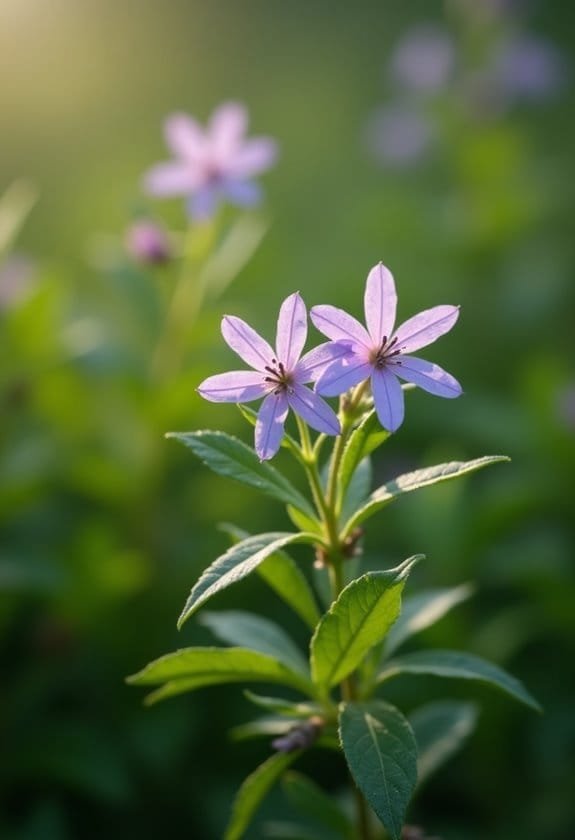
Phuopsis stylosa, widely known as Caucasian Crosswort, stands out with its striking deep rose-pink flowers that form dense, mat-like growth.
Originating from the arid landscapes of Iran, Turkey, and the Caucasus, this resilient plant thrives in environments that require minimal water and demonstrate remarkable adaptability.
Its ecological benefits, such as attracting pollinators and improving soil structure, establish Caucasian Crosswort as a valuable addition to sustainable gardens.
Common Name
Known commonly as Caucasian Crosswort, this alluring plant originates from the Caucasus region. With its distinctive deep rose-pink, domed, pin-cushion flowers, the Caucasian Crosswort not only captures attention but also enhances garden landscapes with its vibrant hues. The striking flowers bloom on a low-growing perennial, giving it a scenic appeal that can transform outdoor spaces into lively vistas.
Phuopsis stylosa typically forms dense mats that can spread up to 24 inches wide, making it an effective ground cover. This adaptability allows it to thrive in a variety of light conditions, from sun-drenched areas to shaded locales. Gardeners appreciate its versatility, as it flourishes under diverse circumstances, demonstrating resilience in varying environments.
Additionally, the plant's musky scent often wafts through the air, contributing to its unique allure. This fragrance, combined with its lovely flowers, makes Caucasian Crosswort a remarkable choice for those seeking to create sensory-rich gardens. Furthermore, its ability to thrive in well-drained soils enhances its suitability for various garden settings, making it a favorite among horticulturists.
Whether used as a ground cover or an ornamental feature, Phuopsis stylosa embodies a blend of beauty and practicality, appealing to both novice and seasoned horticulturists alike.
Scientific Name
The scientific classification of plants provides insights into their relationships and characteristics. Phuopsis stylosa, commonly known as Caucasian Crosswort, belongs to the renowned Rubiaceae family, which encompasses a diverse range of flowering plants. This species falls under the specific taxonomic classification of the Rubieae tribe, linking it to other closely related plants within this expansive family.
Initially described by the distinguished botanist Joseph Dalton Hooker, Phuopsis stylosa has undergone significant acknowledgment over time, including recognition by B.D. Jacks. This botanical history highlights the ongoing discourse in plant taxonomy, revealing how scientific naming is essential for understanding biodiversity and evolutionary relationships.
Interestingly, Phuopsis stylosa also bears the synonym Trin. Hook.f. ex B.D.Jacks, illustrating its varied taxonomic association and the complex journey of its classification.
Resources like The Plant List and the Royal Horticultural Society safeguard this information, ensuring that enthusiasts and botanists alike can access accurate details regarding such species. By engaging with these classifications, one truly appreciates the intricate web of life and the significance of each plant's legacy within its ecosystem.
Overview
Caucasian Crosswort, a perennial gem from the Caucasus, Iran, and Turkey, captivates with its striking deep rose-pink, pin-cushion flowers. Typically reaching 10 inches tall and spreading up to 24 inches wide, this remarkable plant forms a dense mat that serves both aesthetic and practical purposes in gardens. Renowned for its cultural significance, Caucasian Crosswort enhances landscape aesthetics, making it a favored choice for ornamental borders and ground cover.
Its ability to thrive in diverse environments—whether basking in the sun or nestled in shade—demonstrates its adaptability. This drought-tolerant beauty prefers intermittent moisture, thriving in various soil types.
Beyond its visual appeal, Caucasian Crosswort offers ecological benefits too; it attracts a wealth of pollinators, including bees and butterflies, bolstering local biodiversity and serving as a crucial habitat for beneficial insects.
Incorporating Phuopsis stylosa into gardens not only enriches the visual tapestry of outdoor spaces but also nurtures the surrounding ecosystem, revealing the dual power of beauty and function in landscaping. Ultimately, this enchanting perennial stands as a symbol of nature's artistry and its essential role in promoting ecological balance.
Key Features
Phuopsis stylosa showcases a remarkable growth size, reaching approximately 10 inches in height while sprawling up to 24 inches wide, thereby forming an attractive mat-like spread in any garden setting.
The deep rose-pink, pin-cushion flowers bloom vibrantly during its flowering season, contributing both aesthetic beauty and sensory richness with their musky foliage.
Growth Size
While commonly known for its appealing growth habits, Phuopsis stylosa typically reaches a mature height of about 10 inches and can spread up to 24 inches wide. This plant exhibits a notable growth potential, forming a dense mat-like structure that resembles a soft, ferny carpet across the ground. Its spread habit creates an effective ground cover, enhancing both beauty and functionality in garden settings.
For ideal growth, perfect spacing plays a key role. When planted at the correct intervals, Phuopsis stylosa can interconnect seamlessly, creating a lush and uniform cover.
This semi-evergreen plant adapts well to various light conditions, thriving equally in sunny and shady environments, which adds to its versatility in different landscapes.
Moreover, the dense foliage not only provides visual appeal but also contributes significant ecological benefits by improving soil structure over time. With proper maintenance, Phuopsis stylosa can flourish, coming to life each season while retaining a continuous green presence. Additionally, like Guelder Rose, it provides crucial wildlife food sources that support various garden ecosystems.
Its adaptability and robust growth characteristics make it an excellent choice for gardeners looking to enhance their outdoor spaces with attractive and sustainable ground cover.
Appearance
With its striking deep rose-pink, pin-cushion flowers, Phuopsis stylosa captivates attention in any garden setting.
The plant showcases attractive domed clusters, imparting a soft yet vibrant presence. With a mature height of approximately 10 inches and a spread reaching 24 inches, its ferny dense mat appearance enhances landscape aesthetics through lush visual interest.
The semi-evergreen nature guarantees that even during colder months, foliage remains intact, subtly shifting in color variations that reflect seasonal changes.
This plant thrives in diverse environments, adapting well to both sun and shade, which adds to its versatility in design.
A distinctive musky smell surrounds Phuopsis stylosa, enriching the sensory experience of any garden it inhabits.
Each growth habit contributes not only to the plant's striking appearance but also integrates it seamlessly into various landscaping themes.
As it flourishes, it enchants onlookers, encouraging them to appreciate the intricate relationship between form and function.
Phuopsis stylosa's compelling features, from its vibrant blooms to its lush foliage, make it an ideal choice for gardeners seeking both beauty and resilience in their plant selections.
It truly stands as a confirmation of the elegance of nature's design.
Flowering Season
Blooming from late spring to early summer, the vibrant flowers of Phuopsis stylosa, also known as Caucasian Crosswort, create a spectacular display that fascinates both gardeners and pollinators alike.
These deep rose-pink blooms form tightly clustered heads resembling pin-cushions, showcasing an enchanting ornamental appeal that enhances flower gardens. Spanning several weeks, the flowering season considerably impacts local ecosystems through its pollinator interactions, as bees and butterflies flock to the plant for its rich nectar.
However, various environmental impact factors—such as humidity and sunlight—can lead to seasonal variations in bloom duration and vibrancy. For instance, the distinctive musky fragrance of the flowers becomes more pronounced during warm, humid conditions, enriching the sensory experience of garden spaces.
To prolong the flowering season, gardeners often practice deadheading, which involves removing faded blooms to prevent self-seeding and encourage additional growth. This careful management not only preserves the visual aesthetics of the plant but also supports sustained visitation from pollinators, ultimately contributing to local biodiversity.
Therefore, the flourishing blossoms of Phuopsis stylosa serve as a crucial component in both horticultural beauty and ecological health.
Growing Requirements
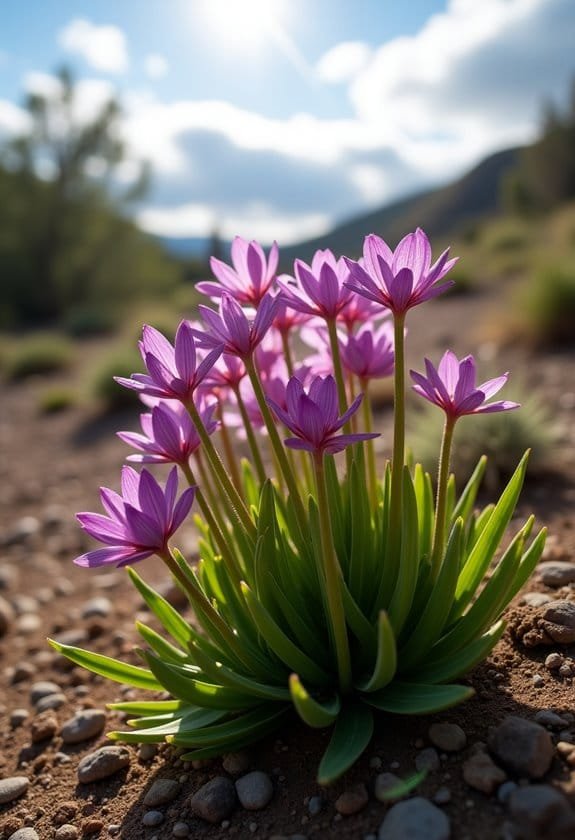
Phuopsis stylosa flourishes in environments characterized by dry, semi-shade conditions, making it particularly desirable for rock gardens nestled beneath light shrubs.
The plant exhibits remarkable adaptability, thriving in a range of soil types—from poor to rich—and demonstrates a preference for intermittent moisture, underscoring its robust drought tolerance.
For ideal growth, it requires careful attention to light exposure, soil quality, and watering schedules, culminating in a mature size of approximately 10 inches tall and 24 inches wide.
Light
Light plays an essential role in the growth of Phuopsis stylosa, as it thrives in various lighting conditions. This adaptable plant showcases remarkable versatility, flourishing in both sun exposure and shade. Its light preferences lean toward dry, semi-shade environments, where dappled sunlight is ideal for promoting robust growth.
When planted in sunnier locations, Phuopsis stylosa can endure moderate shade, yet it reaps significant benefits from enhanced moisture availability, increasing its blooming potential.
Additionally, this plant's resilience allows it to acclimate to rocky gardens, where it finds a comfortable niche near dry stone walls and light shrub canopies. The interplay of sunlight filtering through the foliage creates microhabitats that facilitate a healthier growing environment.
For those looking to cultivate this lovely species indoors, starting seeds around March can yield successful results. Alternatively, direct sowing in outdoor spaces from mid-April effectively integrates Phuopsis stylosa into garden landscapes.
Soil
The soil's quality is vital for the successful growth of Phuopsis stylosa, commonly known as Caucasian Crosswort. This hardy plant displays remarkable adaptability, thriving in both poor and rich soils. However, it particularly favors well-drained environments.
Implementing effective soil enrichment strategies, such as incorporating organic compost, can greatly enhance its growth and flowering potential. These methods rejuvenate nutrient levels, allowing the plant to flourish.
Additionally, using moisture retention techniques, like mulching, can help maintain consistent soil moisture. While Caucasian Crosswort is drought-tolerant, it thrives best with intermittent watering, especially during dry spells. This approach guarantees the plant can access the moisture it needs while avoiding waterlogging.
Moreover, employing drainage improvement methods, such as amending soil with sand or grit, can create an ideal growing environment. This is significant, as stagnant water can harm the delicate root systems, ultimately hindering growth.
The semi-evergreen nature of Caucasian Crosswort contributes positively to soil health over time, as its foliage supports both structure and nutrient cycling. Collectively, these strategies create a nurturing soil ecosystem, promoting the vibrant growth and beauty of this unique plant.
Water
When caring for Caucasian Crosswort, it's essential to strike a balance in watering. This plant, known scientifically as Phuopsis stylosa, exhibits a unique tolerance for dry spells while thriving best with sufficient moisture. A consistent watering regimen during dry periods considerably enhances the vibrancy of its growth.
Although it stands out as one of the drought-resistant plants, gardeners will find that utilizing water conservation techniques, such as mulching or incorporating companion planting, supports its ongoing development. Additionally, companion planting can enhance soil nitrogen levels, contributing to overall plant health. Moreover, these practices can create a diverse ecosystem, mimicking the functions of local biodiversity found in natural habitats.
Caucasian Crosswort flourishes in sunnier locations, and it appreciates ample moisture during the growing season. The mat-like growth habit not only beautifies gardens but also effectively aids in soil moisture retention, reducing evaporation across the surrounding area.
By establishing healthy, dense mats, this plant minimizes water loss and promotes a sustainable gardening profile.
While it adapts to various soil types, gardeners should aim for regular watering to maintain soil moisture during vital growth phases. Implementing these strategies encourages a thriving ecosystem, ensuring that both the plant and its environment benefit from thoughtful care.
Ultimately, nurturing Phuopsis stylosa becomes a rewarding journey toward harmonious garden aesthetics and efficient water management.
Temperature
Temperature plays an essential role in the thriving of Phuopsis stylosa, or Caucasian Crosswort. This remarkable plant exhibits impressive climate adaptability, tolerating a minimum temperature of -20°F, which allows it to flourish in various cooler climates.
Its semi-evergreen nature guarantees that it maintains foliage throughout the year, adding visual interest even during frost-laden months, showcasing its resilience against temperature extremes.
While Phuopsis stylosa prefers environments that provide intermittent moisture, it demonstrates flexibility in water availability, handling dryer spells adeptly.
However, for peak growth, sufficient watering remains vital. This species also adapts comfortably to both full sun and partial shade, highlighting its versatility amid diverse garden settings.
Furthermore, Phuopsis stylosa's remarkable frost resistance emphasizes its capability to withstand challenging seasonal shifts.
It performs well in poor or rich soil conditions, requiring no special amendments to thrive, making it an excellent choice for gardeners seeking a low-maintenance yet visually striking addition to their landscape.
Consequently, understanding the temperature and climate requirements of Phuopsis stylosa not only enhances one's gardening experience but also guarantees the plant's health and flourishing growth.
Pollinator Criteria
Phuopsis stylosa, with its striking deep rose-pink blossoms, draws a variety of pollinators, particularly bees and butterflies, which are essential for effective pollination in garden ecosystems.
These vibrant pin-cushion flowers serve not only as a visual delight but also as critical resources that enhance biodiversity during their peak blooming season. Additionally, the presence of plants like Common Comfrey, known for attracting pollinators, can complement the ecosystem and provide further support to beneficial insects in the garden.
Understanding the specific pollination methods utilized by these attractants can illuminate the plant's role in sustaining beneficial insect populations, ultimately fostering a healthier environment. Additionally, the plant's ability to support diverse pollinators makes it a valuable addition to any garden focusing on ecological sustainability.
Attracted Pollinators
Vibrant blooms of Phuopsis stylosa attract a diverse array of pollinators, including bees and butterflies. Known for its striking deep rose-pink flowers, this plant provides an abundant nectar source during its flowering period, which coincides harmoniously with the active season of many pollinator species. The sweet, musky scent emitted more prominently in humid conditions further enhances the plant's allure, cleverly guiding pollinators toward its blooms.
Pollinator preferences for specific flower colors and scents play an essential role in creating ecological interactions, and Phuopsis stylosa exemplifies this phenomenon. Its dense mats of foliage not only serve as habitat but also shelter nesting areas from harsh weather, promoting safety and encouraging pollinator habitation. Additionally, the plant's nitrogen-fixing capabilities significantly enhance soil fertility, benefiting surrounding vegetation and promoting a healthier environment for all organisms.
By attracting these beneficial species, the plant considerably contributes to biodiversity benefits, enhancing the ecological health of gardens and surrounding landscapes.
Through fostering robust populations of pollinators, Phuopsis stylosa helps support food production while ensuring the reproductive success of other plants. Consequently, this native perennial acts as a critical player in the intricate web of life, reaffirming its importance in promoting thriving ecosystems.
Pollination Method
The pollination method employed by Phuopsis stylosa is finely tuned to attract its key pollinators, primarily bees and butterflies. Vibrant pink flowers, blooming profusely, serve as beacons for these insects, offering accessible nectar that sustains their foraging activities. The remarkable nectar production of Caucasian Crosswort not only entices pollinators but also enhances the plant's overall reproductive success, illustrating significant pollination benefits.
By employing strategic cross-pollination techniques, this species fosters genetic diversity within local populations, allowing for greater resilience against environmental stressors. The flowers' structural design effectively promotes cross-pollination, encouraging beneficial interactions between different plant individuals.
As a result, the dense mat-like growth of Phuopsis stylosa creates a microhabitat that nurtures various beneficial insects, further enhancing ecological health.
Importantly, the flowering period aligns with the active seasons of key pollinators, such as bees and butterflies. This synchronization maximizes pollination opportunities, facilitating robust seed production.
Consequently, the intricate relationship between Phuopsis stylosa and its pollinators reflects a symbiotic strategy that not only secures the species' survival but also supports the broader ecosystem.
Care & Maintenance
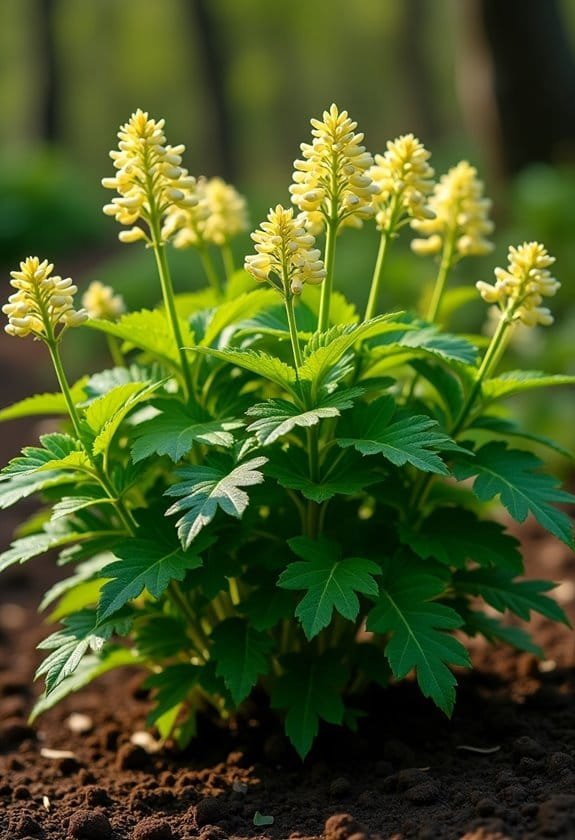
When caring for Phuopsis stylosa, gardeners should consider its adaptable nature, as this drought-tolerant plant can thrive in various soil types and light conditions.
To guarantee ongoing health and flowering, regular practices such as appropriate deadheading and seasonal pruning can greatly enhance its aesthetic appeal and blooming duration.
Additionally, selecting suitable companions can create a harmonious garden environment that supports this semi-evergreen's vibrant presence throughout the seasons.
Planting Tips
Although Phuopsis stylosa is adaptable, succeeding with this plant requires attention to its specific care and maintenance needs. When engaging in seasonal planting, it's essential to prepare the soil adequately. This perennial flourishes in well-drained environments, accommodating both poor and rich soil conditions.
Gardeners should aim for a slightly sandy or loamy consistency to enhance growth. Proper plant spacing plays an important role; placing the plants about 18 to 24 inches apart will guarantee adequate air circulation and reduce competition for nutrients.
Regarding light, the Caucasian Crosswort prefers dry, semi-shade locations, so consider partial sunlight when selecting a planting site. Regular watering is necessary, particularly in sunnier spots, as it promotes ideal growth while supporting its drought-tolerant nature.
However, it's important to monitor moisture levels closely, since constant wetness may lead to root rot. To encourage a second flowering cycle, a strong pruning after the initial bloom is advisable, while deadheading contributes greatly to controlling unwanted self-seeding.
Ongoing Care
Maintaining Phuopsis stylosa involves a blend of attentive watering, strategic pruning, and occasional soil enhancements to secure healthy growth and vibrant blooms. This remarkable plant is drought-tolerant, thriving with intermittent moisture, so it's vital to implement effective drought strategies, especially during protracted dry spells.
When watering, aim for a balance; too much can lead to root rot, while too little may hinder blooming.
To encourage additional blossoms and improve its appearance, employing proper pruning techniques is important. Deadheading spent flowers promotes a more vibrant display, while light pruning after blooming can stimulate new growth.
This semi-evergreen plant can withstand varying soil conditions, from poor to rich, but enhancing soil quality consistently will yield better growth and increased flower production. Seasonal maintenance is minimal, particularly in colder months, as Phuopsis stylosa retains its foliage year-round.
It's versatile regarding light exposure, doing well in sunny or shaded areas, though protection from intense afternoon sun is beneficial.
Suggested Companions
Creating a harmonious garden often involves selecting the right companion plants for Phuopsis stylosa. This vibrant perennial thrives companion planting alongside drought-tolerant species like sedums and thyme, particularly in rock gardens and semi-shaded areas.
These pairings not only support similar light and water needs but also enhance garden aesthetics through texture and color diversity.
To elevate visual appeal, adding Alchemilla mollis (Lady's Mantle) can yield stunning contrasts; its soft, lobed foliage beautifully complements the bright pink flowers of Caucasian Crosswort, creating an enchanting display.
Incorporating ornamental grasses provides an adaptable backdrop, which harmonizes with the growth patterns of Phuopsis stylosa.
Furthermore, incorporating low-lying native ground covers adds biodiversity benefits, attracting an array of beneficial insects. This natural interaction bolsters the garden's ecosystem, improving soil structure and supporting the overall health of the Phuopsis stylosa plant.
To maintain this synergy, gardeners should regularly deadhead surrounding flowers to prevent self-seeding and minimize competition for essential resources.
Common Issues
Common issues that arise with Phuopsis stylosa include susceptibility to pests and diseases, which can hinder its growth and visual appeal.
While the plant resists deer, it may attract aphids, consequently necessitating vigilant monitoring and intervention through insecticides or natural predators to maintain plant health.
Additionally, powdery mildew can develop in humid conditions; as a result, ensuring adequate air circulation proves essential for minimizing this fungal threat. Maintaining well-drained soil is also crucial to prevent root diseases, as improper drainage can lead to issues such as crown rot.
Pests/Diseases
Though Phuopsis stylosa is largely resistant to pests and diseases, it's not entirely immune to some common threats. Gardeners may encounter issues with aphids and spider mites, which can quickly diminish the plant's vigor.
Employing effective pest management techniques helps mitigate these risks; introducing natural predators or utilizing insecticidal soap can foster a healthy balance within the garden ecosystem.
In addition to insect pests, fungal diseases like powdery mildew can also pose a problem, particularly in overly moist conditions.
Implementing disease prevention strategies is essential; ensuring adequate airflow around Phuopsis stylosa can considerably reduce the likelihood of such infections. Additionally, root rot becomes a concern when the plant is overwatered or planted in poorly-draining soil.
Regularly monitoring soil moisture levels is pivotal to preserving root health. A proactive approach is imperative to maintaining the plant's resilience.
Regular observation of leaf health enables early detection of any pest infestations or diseases, allowing for prompt action.
Solutions
Maintaining the health and visual appeal of Phuopsis stylosa requires attention to several common issues that can arise in garden settings. One beneficial practice involves regular deadheading, which helps manage self-seeding and prevents overcrowding, thereby ensuring the plant retains its striking aesthetic qualities.
Additionally, while this species exhibits drought tolerance, providing adequate moisture during dry spells fosters ideal growth and vibrancy.
For those looking to enhance flowering cycles, strong pruning post-bloom is recommended—it rejuvenates the plant and augments flower yield. The semi-evergreen nature of Phuopsis stylosa retains beautiful foliage throughout the year, ensuring visual interest even during dormant seasons, which can greatly impact overall garden design.
Successful propagation can further enrich a garden's biodiversity by sowing seeds indoors from March or directly outdoors by mid-April, with transplantation occurring by mid-May. These actions not only facilitate plant health but also promote minimal environmental impact through sustainable gardening methods.
Summary
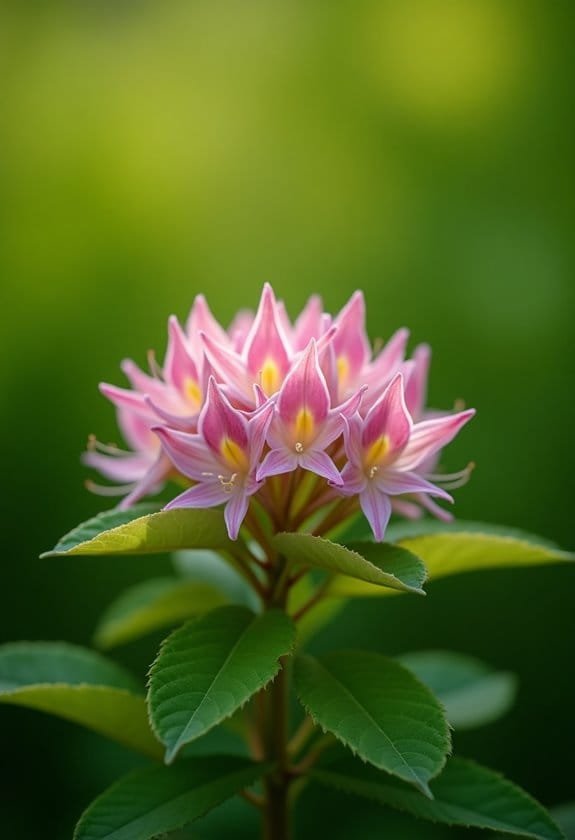
Phuopsis stylosa, or Caucasian Crosswort, captivates with its striking deep rose-pink flowers and charming mat-like growth. Native to the Caucasus region, this plant thrives in diverse environments, showcasing remarkable adaptability to various soil types and light conditions, from sun-drenched gardens to shaded nooks.
Its semi-evergreen foliage, reaching up to 10 inches tall and 24 inches wide, enhances biodiversity by attracting essential pollinators such as bees and butterflies.
In landscape design, Caucasian Crosswort holds substantial cultural significance, making it a favored choice for ornamental applications, particularly in historical gardens that demand unique architectural elements.
Its distinctive musky aroma, sometimes reminiscent of cannabis, adds an unexpected sensory layer to gardens, albeit occasionally leading to misidentification.
With a price point often around $12.50 USD, and local nurseries offering units at approximately $7.50 for 0.5 quart containers, it remains accessible for avid gardeners.