Prostanthera cuneata, or Alpine Mint Bush, is a resilient perennial shrub, typically growing 1 to 2 feet tall and 3 to 4 feet wide. Characterized by its dense, evergreen foliage and fragrant cupped flowers, it plays an important role in supporting local biodiversity. This shrub thrives in full sun and well-drained, coarse soils, requiring consistent moisture for best growth. With its late spring blooms, it attracts essential pollinators, thereby enhancing ecosystem health. Additionally, Alpine Mint Bush proves low-maintenance, making it ideal for busy gardeners. For those keen to understand its broader ecological implications, further exploration reveals even more fascinating details.
Main Points
- Prostanthera cuneata, or Alpine Mint Bush, is a resilient shrub native to Australia's Great Dividing Range, growing 1 to 2 feet tall.
- It thrives in full sun and well-drained soils, tolerating temperatures as low as 0°F in USDA hardiness zone 7.
- Late spring blooms feature fragrant white flowers that attract pollinators, enhancing local biodiversity.
- The shrub requires low maintenance, needing regular watering and mulching to retain soil moisture and suppress weeds.
- Propagation is simple via cuttings or seeds, and companion planting improves soil health and supports wildlife.
Introduction
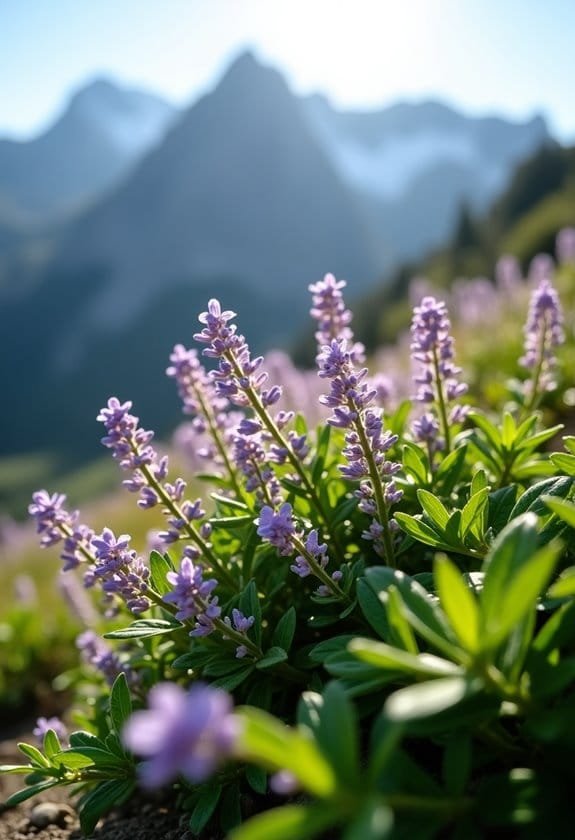
Prostanthera cuneata, widely known as the Alpine Mint Bush, represents a remarkable addition to any garden.
This evergreen shrub, typically reaching heights of 1 to 2 feet and widths of 3 to 4 feet, showcases fragrant white flowers that bloom in late spring, drawing in essential pollinators like bees.
Its ability to thrive in well-drained soil and survive temperatures as low as 0°F highlights its hardiness, making it a resilient choice for diverse garden settings.
Common Name
Known commonly as the Alpine Mint Bush, this evergreen shrub captivates with its aromatic leaves and vibrant blossoms. Native to the high sub-alpine areas of the Great Dividing Range in Australia, the Alpine Mint Bush thrives in conditions that embrace full sun, allowing it to flourish with dense foliage and impressive stature.
Typically reaching heights of 1 to 2 feet and widths of 3 to 4 feet, this resilient shrub adds structure and beauty to any landscape.
During late spring, it showcases stunning white flowers adorned with brilliant red, yellow, and purple throats, an alluring sight that attracts various pollinators, particularly bees. The minty fragrance released from crushed leaves provides sensory delight, enhancing its appeal in gardens.
The Alpine Mint Bush not only enriches the environment but also serves essential ecological functions, fostering biodiversity within its habitat.
With its enchanting blooms and aromatic presence, the Alpine Mint Bush invites admiration and cultivates a connection to nature. Its adaptability makes it a cherished choice for garden enthusiasts seeking a unique plant that thrives in challenging terrains, thereby enriching the biodiversity of their growing spaces.
Scientific Name
The scientific name for the Alpine Mint Bush is Prostanthera cuneata, reflecting its classification within the Lamiaceae family. This evergreen shrub, native to Australia's high sub-alpine regions on the Great Dividing Range, showcases an impressive adaptation to cool climates.
Prostanthera cuneata typically reaches heights of 1 to 2 feet and spans 3 to 4 feet in width, making it a compact yet visually striking addition to gardens. Its deep green foliage adds a lush appearance, while the plant produces distinctive white flowers that bloom in late spring, featuring vibrant red, yellow, and purple throats.
The aromatic leaves aren't only visually appealing but also contribute to its popularity in landscaping and as a culinary herb. Prostanthera cuneata thrives best in well-drained soil, indicating a preference for environments that avoid water saturation—ideal for gardeners concerned about overwatering.
Moreover, this resilient plant tolerates temperatures down to 0°F, flourishing in USDA hardiness zone 7. This robust nature further emphasizes its suitability for various garden settings, allowing it to endure changes in climate while maintaining its aesthetic charm.
Overview
Nestled in the high sub-alpine regions of Australia, the Alpine Mint Bush, scientifically known as Prostanthera cuneata, captivates with its striking appearance and resilience.
This evergreen shrub typically grows to a manageable height of 1 to 2 feet, with a width spanning 3 to 4 feet, making it an excellent choice for gardeners seeking low-growing options. The Alpine Mint Bush boasts fragrant, dark green foliage that not only pleases the eye but also delights the senses.
In late spring, it showcases cupped white flowers adorned with purple dots, attracting a variety of beneficial insects that enhance garden biodiversity. Particularly well-adapted to high elevation climates, this remarkable plant thrives in USDA hardiness zone 7 and withstands temperatures as low as 0°F.
Its low maintenance requirements further solidify its status as a favorite among horticulturists and enthusiasts alike. Moreover, Prostanthera cuneata is recognized as one of the Great Plant Picks, thanks to its ability to suppress weeds while forming a dense ground cover that stabilizes soil. Additionally, it shares similarities with white clover's role in promoting biodiversity and soil health through its ground cover capabilities.
With such attributes, it emerges not just as a flora but as a valuable ecosystem contributor, blending beauty and practicality effortlessly.
Key Features
Prostanthera cuneata, or Alpine Mint Bush, typically reaches a height of 1 to 2 feet and spreads 3 to 4 feet wide, making it an ideal choice for smaller gardens.
This evergreen shrub boasts aromatic, dark green foliage, and in late spring, it showcases charming cupped white flowers adorned with purple dots.
Its compact growth and striking appearance, combined with resilience to harsh conditions, are key features that elevate its appeal in diverse horticultural settings.
Growth Size
Compact yet robust, the Alpine Mint Bush (Prostanthera cuneata) typically reaches heights of 1-2 feet and can spread 3-4 feet in width, making it a perfect option for a compact garden. Its moderate growth rate enables it to achieve its mature dimensions of approximately 2 x 3 feet within five years.
When examining growth rate comparison, the Alpine Mint Bush thrives relative to other shrubs due to its ability to establish quickly and create a dense, aromatic foliage structure that draws attention.
The plant boasts dark green, glossy, small leaves that not only enhance its visual appeal but also contribute to a lush, thick growth habit. This evergreen shrub's adaptability to USDA Zone 7b and its ability to withstand temperatures as low as 5ºF make it an excellent choice for various landscapes, providing year-round interest.
In terms of shrub width, its expansive spread allows for effective use in borders or as a stand-alone feature, enriching any garden space.
With its consistent growth patterns and appealing characteristics, the Alpine Mint Bush continues to capture the admiration of gardeners and horticulturists alike.
Appearance
With its robust size and growth characteristics, the Alpine Mint Bush draws attention for its striking appearance. This dense evergreen shrub reaches a height of 1-2 feet and spreads to 3-4 feet, establishing a visually appealing presence in any landscape.
Its rounded, dark green foliage features small, glossy, aromatic leaves that create a rich texture, enhancing the overall aesthetic appeal. The delightful fragrance released from the foliage elevates the sensory experience of this plant, particularly when the leaves are crushed.
In addition to its foliage texture, the Alpine Mint Bush also showcases a fascinating floral color during its blooming period. While the flowers themselves are cupped and mainly white, they're adorned with vibrant red, yellow, and purple throats, which create an eye-catching contrast.
This shrub's moderately fast growth rate allows it to reach its mature dimensions of 2 feet by 3 feet within five years, making it a splendid choice for both ornamental gardens and natural landscapes.
The combination of its aromatic leaves and striking appearance guarantees that the Alpine Mint Bush remains an alluring focal point in any botanical setting.
Flowering Season
During late spring, the Alpine Mint Bush bursts into bloom, enchanting onlookers with its distinctive cupped white flowers. These blooms, often adorned with vibrant red, yellow, and purple throat markings, create a striking visual display that captivates both gardeners and pollinators alike.
The flowering patterns exhibit sporadic bursts of color from spring into fall, extending their seasonal interest and providing an evolving visual narrative throughout the growing season. Each flower clusters densely, enhancing the shrub's overall impact while uniquely contributing to a pleasant garden ambience.
The foliage, when gently crushed, releases a delightful minty aroma, further enriching the sensory experience during the blooming period. This minty fragrance complements the colorful display, creating an inviting atmosphere that attracts bees and other beneficial insects, integral for pollination.
As the flowers fade, the plant retains its lush green foliage, ensuring that the Alpine Mint Bush remains an appealing feature even outside its primary flowering season.
Its longevity and variability in color variations bring a dynamic element to gardens, making it a valued addition for enthusiasts who appreciate a plant that consistently delights with both sight and scent.
Growing Requirements
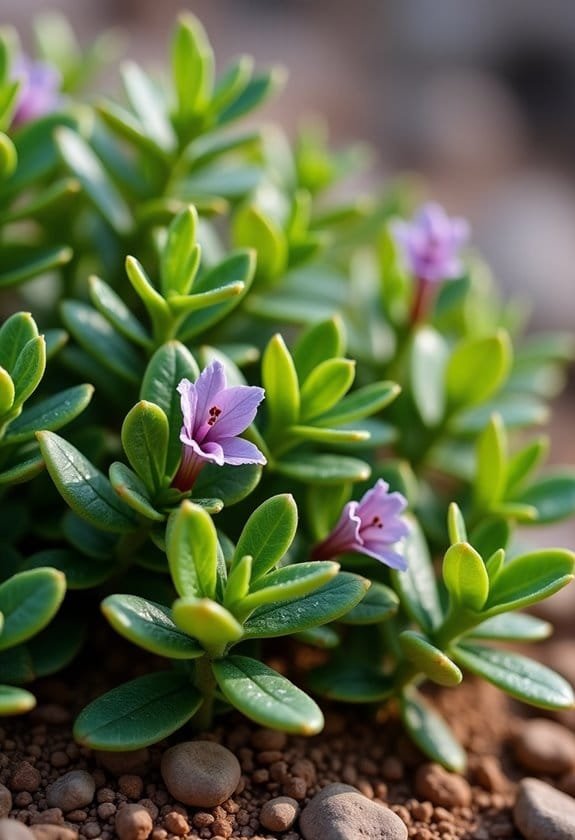
Prostanthera cuneata, commonly known as the Alpine Mint Bush, flourishes under specific conditions that greatly influence its growth and vigor.
This resilient shrub thrives in full sun, prefers well-drained, coarse potting soils, and requires consistent watering, particularly during summer heat.
Understanding these essential growing requirements not only guarantees the plant's health but also enhances its contribution to the surrounding ecosystem.
Light
For anyone interested in cultivating Prostanthera cuneata, understanding its light requirements is essential. This splendid plant thrives in full sun, demanding at least six hours of direct sunlight daily to flourish most effectively. In cooler regions, it benefits from a light duration of half a day to full sun exposure, which greatly encourages healthy development and vibrant flowering.
The importance of light intensity can't be overstated, as adequate sunlight enhances the aromatic properties of its evergreen foliage, resulting in a more fragrant experience for anyone passing by. Conversely, insufficient light can lead to sparse growth and diminished flowering, affecting the plant's overall aesthetic appeal in the garden.
Notably, ideal lighting conditions bolster Prostanthera cuneata's resilience and light adaptation, allowing it to thrive even in diverse garden settings, particularly in USDA Zone 7.
Gardeners aiming to maximize the plant's potential should carefully consider the placement and location within their landscapes, ensuring it receives the required light that directly supports its growth and aromatic characteristics. By providing these essential conditions, they'll cultivate a visually striking and sensory-rich addition to their gardens.
Soil
Successful cultivation of Prostanthera cuneata heavily depends on providing the right soil conditions. This plant flourishes in coarse, well-drained potting soil that closely resembles its natural high sub-alpine habitat. The selection of appropriate soil types is essential, as Alpine Mint Bush plants require an ideal environment to thrive.
Good drainage is of utmost importance because Prostanthera cuneata doesn't tolerate waterlogged conditions or heavy clay soils, which can lead to root rot. Regarding pH balance, the ideal range for this species lies between 5.5 and 7.5. This range promotes healthy growth, ensuring that nutrients are effectively absorbed by the roots.
Furthermore, the plant's moderately fast growth rate, achieving dimensions of 2 feet by 3 feet over five years, necessitates a supportive average soil structure. Additionally, incorporating species such as Prunus spinosa can enhance soil health due to their ability to attract beneficial pollinators.
Gardeners should regularly check and amend their soil to maintain these conditions, as neglecting the right type can impede development.
Establishing a thriving environment with proper soil types and effective drainage practices will pave the way for the successful growth of Prostanthera cuneata, enriching both gardens and landscapes alike.
Water
To keep Prostanthera cuneata flourishing, consistent watering is crucial, particularly during the hot summer months. This remarkable plant requires regular summer hydration to maintain its health and vigor, especially as it establishes itself in the garden.
With regard to watering techniques, one should ascertain that the plant receives adequate moisture without falling victim to waterlogging, which can be detrimental to its roots. Prostanthera cuneata thrives in well-drained, coarse potting soil, promoting ideal water drainage. Moreover, maintaining consistent soil moisture is vital for achieving optimal growth, as it is beneficial for plants with deep root systems like comfrey.
During the establishment phase, maintaining consistent soil moisture levels is essential. Once the plant becomes established, it exhibits greater drought tolerance. However, it's important to regularly monitor soil moisture, particularly in dry summer months, to confirm maximum growth potential. Greater Knapweed, which also thrives in well-drained environments, can serve as a complementary species in a diverse garden.
Watering frequency should be adjusted based on prevailing weather conditions; during extended dry spells, increasing the amount of water can greatly support the plant's health.
Temperature
Prostanthera cuneata thrives best in temperature ranges that mirror its natural high-elevation habitat, where it adapts to cooler conditions typical of sub-alpine environments. This resilient plant, hardy in USDA Zone 7, can withstand temperatures as low as 0°F, showcasing impressive winter hardiness.
During extreme weather events, like the harsh winter of 2010-11, Prostanthera cuneata demonstrated remarkable climate resilience, exhibiting minimal damage despite significant temperature fluctuations.
To foster ideal growth and robust flower production, full sun exposure is essential, especially in colder climates where sunlight becomes limited. Additionally, proper siting in well-drained soil plays a pivotal role in ensuring the plant withstands both chilly winters and intermittent sunlight.
This careful placement not only combats root rot—an issue exacerbated by stagnant moisture—but also allows the plant to thrive in its preferred temperate conditions.
In essence, cultivating Prostanthera cuneata requires attention to environmental cues and a deep understanding of its unique needs. By ensuring it receives adequate sunlight and drainage, gardeners can celebrate its vibrant aroma and visually appealing foliage for years to come.
Pollinator Criteria
Prostanthera cuneata's fragrant white flowers draw a variety of pollinators, primarily bees, which play an essential role in its pollination success.
Blooming in late spring, these flowers coincide with early foraging periods, providing important sustenance for invincible pollinators, while the plant's dense foliage offers crucial shelter.
Attracted Pollinators
Attracting a variety of pollinators, the Alpine Mint Bush thrives in ecosystems where bees are prevalent. This delightful shrub, known scientifically as Prostanthera cuneata, features abundant white flowers adorned with colorful throats that entice bees by offering both nectar and pollen. Blooming in late spring aligns perfectly with the active foraging season of many pollinators, optimizing its attraction potential.
The fragrant foliage of the Alpine Mint Bush further enhances its appeal, enchanting bees who are drawn not only to the vibrant flowers but also to the aromatic leaves. This specific pollinator behavior encourages frequent visits, ensuring effective pollination.
Gardeners benefit considerably from incorporating this attractive shrub into their plant selection, as visits from these bees contribute to increased biodiversity within garden ecosystems. Furthermore, the enhanced pollination supports the reproduction of nearby flora, fostering healthy local ecosystems.
Consequently, growers can observe improved fruit and seed production in surrounding plants, enriching their gardens. Emphasizing the Alpine Mint Bush's dual role as a pollinator magnet and a crucial ecological ally underscores its importance not just aesthetically, but also as an integral part of sustainable gardening practices.
Pollination Method
The Alpine Mint Bush employs a fascinating pollination method that primarily involves attracting various bee species. Its fragrant foliage and distinctive white flowers, adorned with colorful throats, effectively signal nectar availability to these pollinators. This adaptation, strategically timed for late spring, coincides with the active foraging season of many bees, therefore maximizing pollination efficiency.
Additionally, the plant's dense growth habit not only enhances its attractiveness but also provides essential shelter and breeding grounds for diverse insect species, including pollinators.
Research indicates that native species like the Alpine Mint Bush often outperform non-native plants in attracting local pollinators, showcasing the importance of plant diversity within ecosystems.
The presence of various pollinators greatly bolsters the chances of successful cross-pollination, which is essential for improving fruit and seed production. As these insects exchange genetic material between flowers, they contribute to the robustness of the Alpine Mint Bush population, ultimately supporting broader wildlife diversity.
Care & Maintenance
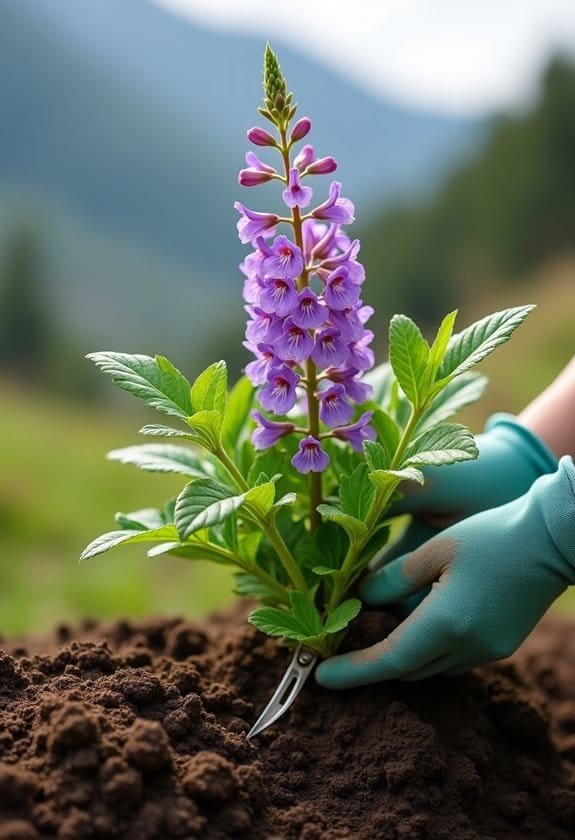
Care and maintenance of Prostanthera cuneata require attention to specific planting tips and ongoing care strategies.
This resilient shrub flourishes best in well-drained, coarse soil and benefits from consistent, moderate watering during scorching summers, allowing it to thrive with minimal intervention.
Complementing this plant with suitable companions not only enhances its aesthetic appeal but also contributes to a harmonious garden ecosystem, making it an invaluable addition to low-maintenance landscapes.
Planting Tips
How can one guarantee the healthy growth of Prostanthera cuneata?
Successful planting begins with selecting the right locations, as these plants flourish in coarse, well-drained potting soil that promotes ideal root development and prevents detrimental waterlogging. Salad Burnet is also known for thriving in calcium-rich soils, which can help inform your choice of soil amendments.
A sunny spot, receiving half a day to full sun exposure, guarantees the plant can reach its flowering potential, especially in colder climates that may impact growth.
When considering propagation methods, softwood cuttings can produce new plants effectively, expanding one's garden aesthetic with vibrant foliage and aromatic blooms.
It's crucial to provide regular watering during the hot summer months to maintain consistent soil moisture, as dryness can hinder vitality.
Applying mulch around the base not only retains moisture but also suppresses weeds, creating a more manageable and aesthetically pleasing garden space.
To further safeguard against pests and diseases, maintain adequate air circulation by strategically spacing plants apart.
Though Prostanthera cuneata exhibits resilience, ensuring these conditions will enhance its growth potential, allowing the plant to thrive and beautify any garden design. Additionally, incorporating companion planting strategies with flowering herbs like Wild Thyme can enhance pollination and biodiversity in your garden.
Ongoing Care
To guarantee Prostanthera cuneata thrives, regular upkeep becomes essential, especially during the hot summer months. This shrub requires consistent moisture, so watering it thoroughly every week during dry spells is critical. Incorporating seasonal adjustments makes certain that the Alpine Mint Bush remains healthy and vibrant.
Pruning techniques play an important role in its maintenance; lightly trimming the shrub after flowering encourages bushier growth and bolsters the plant's aesthetic appeal. Utilizing mulch around the base not only retains soil moisture but also suppresses unwanted weeds, further promoting healthy development in various growing conditions.
For those in colder climates, it's important to site the plant thoughtfully. Providing protection from extreme winter temperatures is paramount; ideally, position the shrub in a well-lit area, especially when indoors.
Although Prostanthera cuneata has shown remarkable resilience with negligible pest damage, diligent pest monitoring is recommended. Regularly checking for any signs of infestation keeps the plant in excellent health and minimizes maintenance efforts, guaranteeing a truly low-maintenance gardening experience.
Ultimately, these care practices will enhance the plant's longevity and overall enjoyment in various landscapes.
Suggested Companions
Many gardeners find that pairing Prostanthera cuneata with the right companions can greatly enhance its growth and resilience. By selecting suitable plant combinations, gardeners can foster a thriving ecosystem with robust biodiversity benefits.
For instance, planting alongside native species like Leptospermum namadgiensis not only enriches the aesthetic appeal but also supports local wildlife and pollinators.
Incorporating nitrogen-fixing plants, such as Hairy Canary Clover, is an excellent strategy for soil enhancement, as these plants improve nutrient availability, essential for the Alpine Mint Bush's health.
Additionally, selecting drought-tolerant companions like Oregon Grape or Salal fosters a low-maintenance landscape that aligns with the region's climate, reducing the need for excessive watering.
It's important to choose companions with similar watering and sunlight needs, ensuring the Alpine Mint Bush thrives in well-drained soil while receiving regular summer moisture.
Finally, utilizing ground covers like Coastal Strawberry provides a beneficial weed-resistant layer that not only protects the soil but also attracts essential pollinators, creating a symbiotic environment. Proper spacing between plants is also crucial for preventing diseases, ensuring each species can flourish optimally.
Such thoughtful pairings can turn an ordinary garden into a resilient, vibrant ecosystem, demonstrating the beauty of coexistence and ecological harmony.
Common Issues
Though Prostanthera cuneata is generally free from significant pests and diseases, occasional issues can arise, necessitating vigilance from gardeners.
While this resilient shrub thrives in cooler climates, proper siting and summer watering play pivotal roles in preventing stress-related growth problems.
Understanding these factors guarantees that the Alpine Mint Bush remains a vigorous and attractive addition to any landscape, resisting common threats effectively.
Pests/Diseases
Over time, gardeners have found Prostanthera cuneata, or Alpine Mint Bush, to be remarkably free from significant pest damage. This resilience stems from its robust evergreen foliage and adaptability to various garden ecosystems, which enhances its natural defenses against pests and diseases.
As a champion of organic gardening benefits, this plant requires minimal oversight, allowing it to thrive with little intervention.
Despite its pest resistance, employing monitoring techniques remains prudent. Regular observation for common nuisances like aphids and slugs can catch invasions before they escalate, ensuring the plant's health. Although these pests aren't significant threats to Alpine Mint Bush, using effective pest resistance strategies can bolster its defenses even further.
The absence of disease issues also adds to the allure of this hardy species, making it an ideal choice for those looking to cultivate beautiful, low-maintenance gardens.
Solutions
While Prostanthera cuneata remains largely free from pests and diseases, gardeners may encounter some common issues that require attention.
One significant aspect of maintaining this low-maintenance plant is ensuring it receives adequate summer watering, particularly during scorching heat. Consistent moisture is crucial for ideal growth, particularly in drier climates.
Despite its resistance to disease and pests, effective pest management techniques and regular inspections can help maintain the plant's vigor.
Moreover, while deer tend to avoid the Alpine Mint Bush, occasional browsing can occur. Planting in protective areas or integrating deer-resistant companions may mitigate this issue.
The dense growth habit of Prostanthera cuneata serves as a natural solution for weed control, outcompeting many unwanted species and consequently promoting sustainable gardening practices.
This natural suppression minimizes the need for herbicides, allowing for a healthier garden ecosystem.
Additionally, periodic mulching around the base enhances moisture retention and suppresses weed growth even more.
Summary
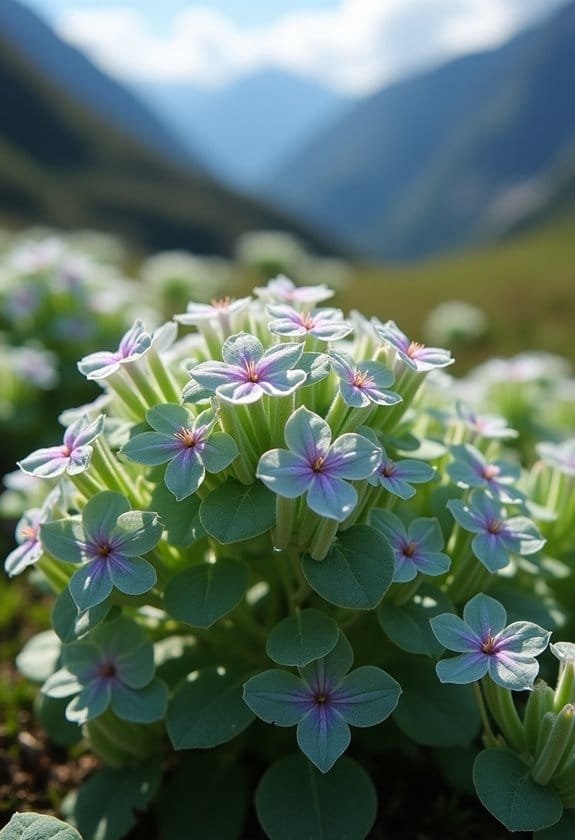
Featuring dense evergreen foliage and aromatic leaves, Prostanthera cuneata, or Alpine Mint Bush, is a resilient perennial shrub ideal for gardens. This enchanting plant grows between 1 to 2 feet in height and expands up to 3 to 4 feet in width, making it an excellent choice for smaller landscapes.
The shrub's striking white flowers, adorned with purple-yellow patterns, bloom in late spring, drawing in vital pollinators like bees.
The uses and benefits of Alpine Mint Bush extend beyond its aesthetic appeal. Its low maintenance requirements greatly reduce gardening labor, and its resilience against pests and diseases guarantees a healthy growth environment.
Additionally, the shrub suppresses weeds effectively, contributing to a more harmonious ecosystem.
Propagation is relatively straightforward, typically achieved via cuttings or seeds, allowing gardeners to expand their collection or share this species with others.
Native to Australia's Great Dividing Range, Prostanthera cuneata enhances local biodiversity by forming robust ground cover.
When cultivated correctly, it thrives in well-drained, coarse soil, preferably in full sun exposure, and withstands temperatures as low as 0°F, establishing itself as a premier choice for gardeners seeking both beauty and durability.