Pyracantha species, often referred to as Firethorn, are notable for their striking appearance and indispensable ecological roles. These plants, reaching heights of 6 to 18 feet, exhibit glossy leaves and vibrant berries, which serve as important food sources for birds during winter. Thriving in diverse climates, they flourish in well-drained soil and require at least six hours of sunlight daily. Firethorn also attracts essential pollinators like bees and butterflies with its fragrant white flowers in late spring and summer. By understanding their growth requirements and maintenance strategies, gardeners can appreciate their beauty while enhancing local biodiversity, revealing even more fascinating facts ahead.
Main Points
- Pyracantha, commonly known as Firethorn, includes seven species, such as Pyracantha coccinea (Scarlet Firethorn), in the Rosaceae family.
- This genus is valued for its glossy leaves, vibrant red or orange berries, and dense growth, making it ideal for creating hedges.
- Firethorn thrives in various climates, from southern Europe to the Himalayas, and adapts well to different soil types.
- Flowering occurs in late spring to early summer, attracting pollinators like bees and butterflies, essential for genetic diversity.
- Bright berries provide winter food for birds, supporting local wildlife and enhancing garden biodiversity.
Introduction
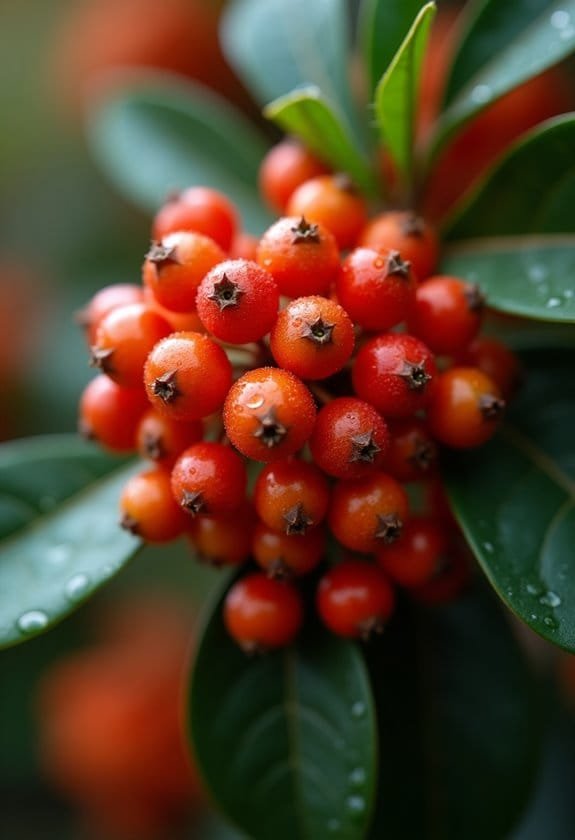
Pyracantha, commonly known as Firethorn, represents a fascinating genus within the Roseaceae family, featuring fascinating species that thrive across diverse landscapes in southeastern Europe, the Himalayas, and central China.
This resilient shrub, which typically reaches heights of 6 to 18 feet, offers not only aesthetic appeal with its glossy leaves and vibrant fruits but also practical benefits, including wildlife habitat and erosion control.
Understanding the unique characteristics and ecological contributions of Pyracantha is essential for both gardeners and conservationists alike, as this adaptable plant continues to be an invaluable asset in various environments.
Common Name
Known for its striking appearance and vibrant fruit, Firethorn captures attention in gardens everywhere. The common name "Firethorn" reflects the plant's formidable thorns, which can reach up to 2 inches in length, serving both a protective role and a decorative one. Additionally, Pyracantha is often referred to as Egyptian Thorn and Everlasting Thorn, illustrating its cultural and historical significance. The term "Scarlet Pyracantha" specifically designates the varieties that yield bright red berries, which flourish in the autumn.
This genus of flowering shrubs showcases clusters of delicate, white flowers during spring, each measuring about 0.5 inches in diameter, giving way to an impressive display of orange to red berries throughout the fall. These berries not only attract diverse bird species but also create a visual feast that enhances garden aesthetics.
Moreover, Firethorn's dense growth habit enables it to form impenetrable hedges and screens, contributing both beauty and security to landscapes. Its remarkable adaptability allows it to thrive in a variety of soils and climates, from southern Europe to parts of the United States, making it a cherished choice for gardeners and landscapers alike.
Scientific Name
The scientific classification of Firethorn plays a significant role in understanding its characteristics and relationships within the plant kingdom. The genus name, Pyracantha, is rooted in Greek, with "pyr" signifying fire, and "akantha" meaning thorn. This name captures the essence of Firethorn's striking appearance, characterized by both its vividly colored fruits and its sharp thorns.
Within the Pyracantha genus, there are seven distinct species, one of which is Pyracantha coccinea, commonly known as Scarlet Firethorn. This species stands out for its abundant clusters of bright orange-red berries, which not only offer visual appeal but also attract various wildlife.
The classification of Pyracantha under the Rosaceae family connects it with other notable plants such as roses and strawberries, highlighting its botanical significance.
Historically, Pyracantha was misclassified under the Cotoneaster genus, but subsequent research has led to its reclassification, emphasizing its unique characteristics and evolutionary lineage.
Adaptable in nature, Pyracantha species thrive across diverse climates, including those found in southeastern Europe, the Himalayas, and central China, showcasing remarkable resilience in different environments.
Overview
Firethorn, a popular choice for gardeners and landscapers alike, offers both aesthetic charm and ecological benefits. Pyracantha, the plant's scientific name, is a semi-evergreen shrub that typically reaches heights and widths between 6 to 18 feet. Its formidable sharp thorns make it a natural deterrent, enhancing security while providing an enchanting visual display.
In late spring to early summer, Pyracantha adorns itself with clusters of delicate white flowers, which later give way to vibrant orange to red pomes that mature by fall and persist into winter, attracting various bird species.
Resilient and versatile, Firethorn thrives in USDA zones 5 to 9, flourishing in full sun to partial shade while showing remarkable tolerance for drought and poor soil conditions. Regular pruning is advisable to maintain the shrub's shape and curb excessive growth.
The dense root system makes Pyracantha ideal for hedges, screens, and effective erosion control. Native to southern Europe and Iran, the plant provides not only ornamental features but also significant ecological value by attracting pollinators and creating essential habitats for wildlife, illustrating that beauty and functionality can coexist harmoniously in nature.
Key Features
Pyracantha species are striking shrubs, typically ranging between 6 to 18 feet in height and width, characterized by their robust growth habits.
In late spring to early summer, they blossom into clusters of conspicuous white flowers, which eventually give way to vibrant pomes that shift from bright orange to red as they ripen in the fall.
With their shiny, dark green leaves and sharp spines, these plants not only offer ornamental beauty but also serve as formidable natural barriers, enhancing security and privacy in landscapes.
Growth Size
Growing upright and bushy, Pyracantha species can reach heights of 6 to 18 feet (1.8 to 5.5 meters) while maintaining a similar width. This robust growth habit contributes to its reputation as an excellent choice for creating hedges or privacy screens in landscape designs, effectively forming a dense barrier against external elements.
Pyracantha, commonly known as Firethorn, showcases an impressive growth rate that allows it to establish quickly in various environments, making it a favored selection among gardeners. The shrub's structure is characterized by its bushy density, flourishing in well-drained soils and areas with full sun to partial shade, thereby maximizing its potential.
As the Firethorn matures, it develops a notable framework formed by its oval-shaped, glossy, dark green leaves, which measure between 1 to 2.5 inches long. Such a lush foliage supports the production of clusters of striking white flowers that bloom in late spring to early summer.
These features, alongside the shrub's vibrant orange to red pomes that appear in the fall, create an alluring spectacle, establishing Pyracantha as both an aesthetic and functional asset in landscaping.
Appearance
Characterized by their striking features, Pyracantha species stand out in any landscape. These hardy, thorny shrubs typically grow upright, reaching impressive heights of 6 to 18 feet, with a similar spread. Their glossy, dark green, lanceolate leaves, measuring between 1 to 2.5 inches long, provide a lush backdrop that enhances surrounding flora throughout the growing season. The leaves exhibit a vibrant sheen, drawing attention to their rich coloration, which contrasts beautifully with other garden elements.
In addition to their foliage, Pyracantha plants are adorned with sharp, dense thorns on stems, serving as a natural barrier against intruders or unwanted wildlife. This makes them popular choices for security hedges and privacy screens, blending function with beauty.
The ornamental appeal heightens in fall when vibrant clusters of bright orange to red berries emerge, creating a stunning display. These berries not only contribute to the visual spectacle but also serve as an essential food source for birds during winter months, extending the ecological value of these exceptional shrubs.
Ultimately, Pyracantha's combination of tough resilience and enchanting appearance makes it a remarkable addition to any landscape design.
Flowering Season
In late spring to early summer, the stunning display of Pyracantha's flowers enthralls gardeners and pollinators alike. Typically blooming around late May, Pyracantha coccinea showcases dense clusters of white blossoms, each approximately 2 to 3 inches across. This flowering season is particularly poignant, as the flowers emerge from last year's growth, creating an arresting sight that entices a variety of pollinators, including industrious bees and delicate butterflies.
Each floral cluster consists of five petals surrounded by a multitude of stamens, forming an intricate structure that aids in attracting these essential organisms. The blooming phase lasts several weeks, during which these clusters paint gardens with a vibrant allure.
Following this flowering season, the blossoms gracefully shift into bright orange-red pomes, which not only embellish the landscape but also provide sustenance for wildlife during late summer and into the winter months.
Thriving best in hardiness zones 5 to 9, Pyracantha flourishes in full sun to partial shade, showcasing its adaptability and resilience. Consequently, its enchanting flowering period serves not only as a delight for the eyes but also plays an important role in the ecological tapestry of gardens.
Growing Requirements
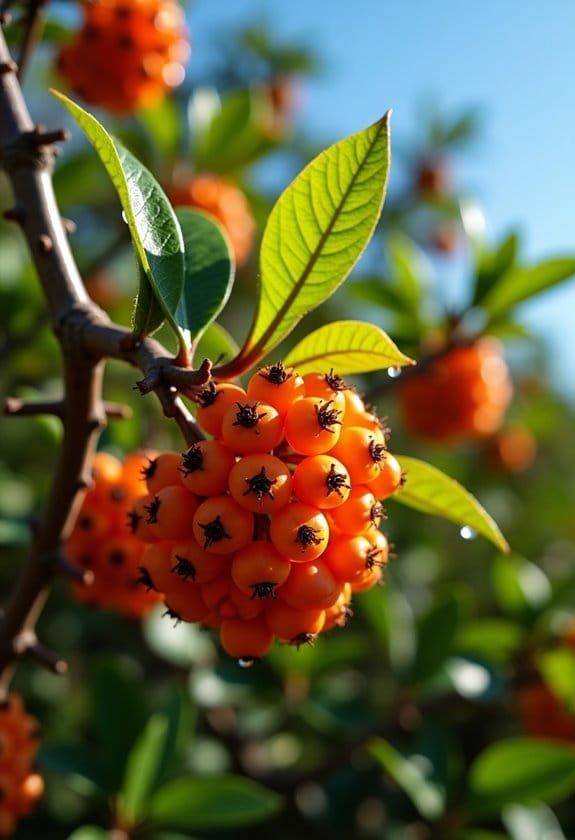
Pyracantha thrives in conditions that combine adequate light, suitable soil types, and appropriate moisture levels.
To achieve ideal growth, it requires at least six hours of direct sunlight daily, well-drained soil, and infrequent watering once established—a strategy that fosters resilience against drought.
Additionally, understanding its temperature preferences within hardiness zones 5 to 9 can further enhance its successful cultivation in diverse climates.
Light
Light plays an essential role in the growth of Pyracantha species, as these plants thrive best under full sun conditions. For ideal development and berry production, Pyracantha requires at least six hours of direct sunlight each day. When placed in an environment that offers such light, these hardy shrubs flourish, showcasing their vibrant foliage and abundant fruit.
While Pyracantha can endure partial shade, ideally receiving around four to six hours of sunlight, it often leads to reduced flowering and fruiting. Consequently, gardeners aiming for lush growth and a bountiful harvest should prioritize full sun exposure. This adaptability in light requirements allows Pyracantha to be versatile in various landscapes, yet sunlight remains essential to their health.
Although established Pyracantha exhibits drought tolerance, meaning they can manage low moisture levels effectively, light exposure is still fundamental. Insufficient sunlight can hinder their growth and overall vigor, impacting their aesthetic appeal and ecological value.
Understanding the importance of full sun helps growers provide the right conditions, ensuring these beautiful plants thrive and contribute vibrant colors to their surroundings while attracting various wildlife.
Soil
Successful growth of Pyracantha species relies on suitable soil conditions, emphasizing the significance of well-drained substrates.
These resilient shrubs thrive in well-drained soils, showcasing remarkable adaptability to a variety of soil types, including both acidic and alkaline environments, as well as clay soils. Their versatility allows for successful cultivation in diverse settings, from urban gardens to rural landscapes.
Pyracantha prefers average moisture levels—once established, it exhibits drought tolerance, yet it still needs moderate watering during dry spells to maintain peak health.
Furthermore, the shrub's ability to tolerate poor soil conditions makes it an excellent choice for challenging environments, where soil quality may be low.
While there isn't a strictly defined ideal soil pH, healthy growth can occur across a range of pH values, underlining the species' resilience. However, good drainage is essential, as excessive water retention can lead to detrimental fungal issues.
Gardeners should verify their chosen planting sites facilitate this drainage.
Ultimately, by understanding the preferences for well-drained soils, cultivators can create the perfect foundation for sustainable Pyracantha growth, guaranteeing these vibrant shrubs flourish while enriching their surroundings.
Water
While Pyracantha species are known for their drought tolerance once established, consistent watering is essential during the initial growing season to secure robust root development.
These plants require moderate water, particularly in sandy or poor soils, allowing the roots to establish firmly. During this critical period, gardeners should apply water deeply and infrequently, fostering long-term resilience against drought conditions. This technique encourages deep root growth, which enhances the plant's stability.
It's important to confirm that the soil drains well, as excessive moisture can lead to fungal issues detrimental to Pyracantha's health. Ideally, they thrive in average to medium moisture levels, adapting well to a variety of soil types.
Remember that standing water is the enemy; hence, monitoring drainage is essential.
During dry spells, gardeners need to provide supplemental water, which spurs healthy growth and supports vibrant foliage, resulting in a visually appealing landscape.
Consistent attention to water levels during the first growing season will lead to a flourishing Pyracantha, capable of withstanding harsh conditions in the future.
Temperature
For ideal growth and berry production, Pyracantha species flourish within hardiness zones 5 to 9, showcasing their ability to adapt to a variety of temperatures.
These resilient plants thrive with a minimum of six hours of direct sunlight daily, which not only stimulates optimal growth but also encourages abundant berry production. Temperature plays a vital role in their development; while they can endure fluctuating climates, prolonged exposure to extreme conditions can cause significant stress, making them more vulnerable to pests and diseases.
In colder climates, it becomes necessary to shield Pyracantha from harsh winds that could negatively impact their health.
Firethorn's remarkable drought tolerance also exemplifies its adaptability, allowing it to maintain vigor during dry spells, provided the plant is properly established.
Consequently, gardeners should observe the environmental temperature and guarantee that the plants receive adequate protection during severe weather events, safeguarding their flourishing growth.
Pollinator Criteria
Pyracantha species attract a diverse array of pollinators, primarily bees and butterflies, enthusiastic for the nectar produced by their fragrant clusters of white flowers.
These pollinators employ various methods, such as foraging and cross-pollination, which enhance genetic diversity not only within the Pyracantha but also among surrounding flora. The plant's wildflower appeal makes it an inviting source of food for these essential species in the garden.
Understanding the unique preferences and behaviors of these visitors can foster a thriving ecosystem, making Pyracantha an essential asset for any garden dedicated to supporting local wildlife. Additionally, the presence of dense foliage in Pyracantha plants provides a protective habitat for numerous species, further contributing to ecological balance.
Attracted Pollinators
Clusters of white flowers that bloom in spring transform Pyracantha species into a vibrant attraction for various pollinators. These dense formations not only enhance the aesthetic appeal of the landscape but also offer substantial nectar and pollen resources essential for supporting pollinator populations.
Bees, butterflies, and other beneficial insects enthusiastically flock to the fragrant blooms, particularly during the peak bloom period, showcasing strong foraging behavior that bolsters local biodiversity.
Interestingly, while the malodorous scent may deter humans, it captivates specific pollinator species who are drawn to more potent fragrances. Honeybees and native bee populations depend on these clusters of white flowers, diligently collecting resources that are crucial in their life cycles.
As these pollinators contribute to successful fertilization, they play an important role in the subsequent development of the bright berries that appear in the fall, serving as a food source for various wildlife.
Thus, Pyracantha serves not just as an ornamental plant but as a significant ecological participant, fostering a dynamic garden habitat. By nurturing a rich environment, these flowering shrubs echo nature's resilience, cultivating both beauty and biodiversity seamlessly intertwined.
Pollination Method
To optimize pollination, Pyracantha species thrive on the activity of insect pollinators like bees and butterflies, which are drawn in by the dense clusters of nectar-rich white flowers. These blooms, typically opening in late spring to early summer, present an essential food source during this peak seasonal period, ensuring efficient cross-pollination. The flowers' arrangement, forming dense clusters, further invites multiple pollinator visits, enhancing fertilization success and subsequent fruit production.
By promoting planting in groups, gardeners can create conducive environments, increasing the chances of attracting diverse pollinators, as emphasized in the Invasive Plant Atlas. Additionally, the timing of the flowering synchronizes with the active season of many insects, effectively amplifying pollination rates. This deliberate interconnection between flowering stages and pollinator activity underscores the significance of biodiversity in local ecosystems.
The presence of both nectar-rich flowers and subsequent berries from Pyracantha species not only sustains pollinators during flowering but also invites birds and mammals, thereby enriching overall biodiversity.
In this intricate web of life, Pyracantha acts as a pivotal player, fostering various ecological relationships that sustain food webs and promote health in surrounding habitats.
Care & Maintenance
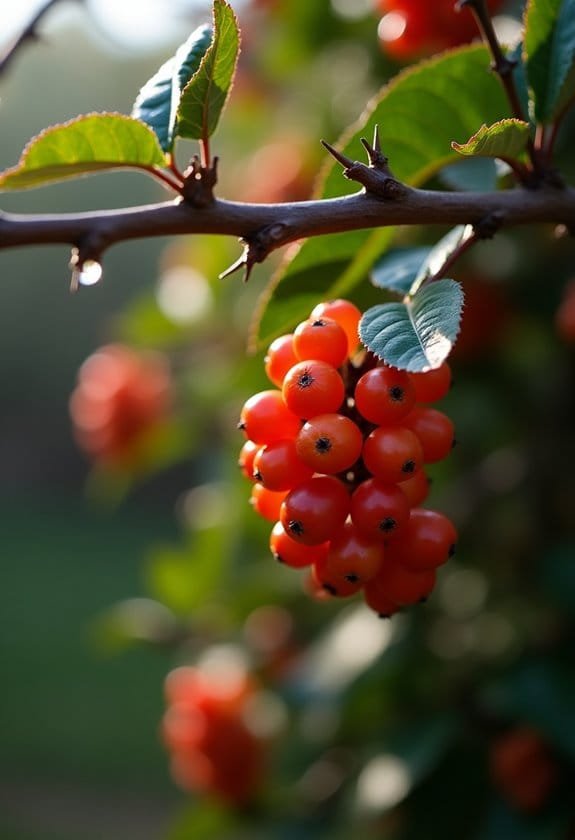
When managing Pyracantha, gardeners should prioritize effective planting methods, routine care, and thoughtful companion selection to guarantee vigorous growth and aesthetic appeal.
Planting in spring within well-drained soil allows these resilient shrubs to establish strong roots, enhancing their drought tolerance and health over time.
Regular maintenance practices, including strategic pruning and pest monitoring, contribute greatly to their overall vitality, creating a flourishing landscape that thrives in sunlight while attracting beneficial wildlife.
Planting Tips
Planting Pyracantha successfully involves a few key strategies that guarantee robust growth and vibrant blooms.
Ideally, gardeners should plant Pyracantha in the spring to early summer, as this timing allows the roots to establish in well-drained soil before the intense heat of summer sets in. To guarantee peak growth, the plant must receive at least six hours of full sun daily; partial shade can be tolerated but may hinder bloom potential.
Initially, regular watering is essential, particularly in the first growing season, which helps promote significant root development. Once established, Pyracantha exhibits remarkable drought tolerance, requiring moderate upkeep.
Equally important, regular pruning shapes the plant while encouraging healthy growth and abundant flowering, guaranteeing an impressive display of blooms and fruit during its seasonal cycle.
Furthermore, keeping an eye out for common pests, such as aphids and spider mites, empowers gardeners to implement integrated pest management strategies. These practices preserve the plant's health and well-being, allowing the Firethorn to thrive in the landscape, contributing beauty and resilience for years to come.
Ongoing Care
Successful planting sets the stage for ongoing care, which is essential for maintaining the health and beauty of Pyracantha. Regular pruning after flowering is important; it not only encourages a desirable shape but also promotes robust growth. This practice facilitates improved air circulation, effectively reducing the risk of diseases that could harm the plant.
Monitoring for common pests such as aphids and spider mites plays an integral role in ongoing care as well. Early detection of these infestations can considerably mitigate damage, ensuring the plant remains vigorous and disease-free.
Pyracantha thrives best in well-drained soil, showing remarkable tolerance for various soil types—including poor and alkaline conditions—once established.
Moderate watering is critical, particularly during dry spells, as it supports healthy growth without promoting fungal issues linked to overly saturated soil.
Additionally, the application of organic mulch not only conserves moisture but also suppresses weeds, creating an environment conducive to overall plant health and temperature regulation.
Suggested Companions
Creating a vibrant garden with Pyracantha is easy when you choose the right companion plants. Planting alongside junipers not only provides a lush backdrop but also aids in pest management by attracting beneficial insects, which help control unwanted pests.
Furthermore, incorporating flowering perennials like black-eyed Susans or coneflowers enriches visual appeal while attracting pollinators, creating a lively ecosystem that complements the seasonal interest of Pyracantha. Additionally, including plants like Field Forget-Me-Not can enhance your garden's attractiveness to pollinators while contributing to biodiversity.
To promote healthy growth and mitigate the risk of fungal diseases, maintaining a distance of at least three feet between Pyracantha and its companion plants is crucial. This spacing guarantees adequate air circulation, a critical component for plant health.
Additionally, regular pruning of Pyracantha in late spring substantially improves its shape and encourages better growth, especially when paired with companion plants that bloom concurrently, resulting in a harmonious garden aesthetic. Cornus sanguinea's support for pollinators can further enhance the biodiversity of your garden.
Soil preparation and consistent watering before planting companions enhance the establishment of Pyracantha, particularly in areas prone to drought.
With thoughtful selections and meticulous care, a garden thriving with Pyracantha and its carefully chosen companion plants can become an inviting retreat, bursting with life and color.
Common Issues
Pyracantha species can face several common issues, primarily involving pests and diseases that can threaten their health.
Although these resilient plants are generally robust, problems such as fire blight and infestations from aphids may arise if environmental conditions aren't ideal.
To effectively combat these challenges, adopting regular monitoring practices, implementing integrated pest management strategies, and ensuring appropriate care can greatly enhance their resilience and longevity.
Pests/Diseases
Many gardeners find Pyracantha species to be resilient against pests and diseases; however, they can still face some common issues that require attention. While these hardy plants are generally resistant, conditions such as scab, fireblight, and leaf blight can compromise their health.
These diseases often manifest through leaf discoloration and premature shedding, detracting from the plant's vibrant appearance and overall vigor.
Pests, though less frequent, can pose challenges; common culprits include aphids and spider mites. These tiny invaders can weaken plants by sucking sap, potentially leading to stunted growth and decreased flowering. Regular monitoring and early detection are essential for effective management to maintain the integrity of the plant.
Furthermore, ensuring proper spacing is important; it promotes air circulation, reducing the risk of fungal infections. Maintaining healthy soil and watering practices plays a significant role in disease prevention, as stressed plants are more susceptible to infections.
Solutions
Effective management of common issues faced by Pyracantha species hinges on proactive solutions that address both pests and diseases. Though generally resistant to pests, these plants can struggle with diseases such as fireblight and leaf blight. As a result, regular monitoring is essential. Early detection of common pests like aphids and spider mites through systematic inspections helps in curtailing potential infestations.
Proper spacing—approximately two to three feet apart—and adequate air circulation around these thorny branches considerably lowers the risk of disease outbreaks. Adopting integrated pest management strategies plays a key role; maintaining healthy soil and practicing mindful watering cultivates resilience.
Additionally, engaging in regular pruning after flowering not only shapes the intrinsic beauty of Pyracantha but also mitigates overcrowding. This allows for improved airflow and sunlight penetration, both crucial for preventing pest issues and enhancing overall plant health.
Just like nurturing a friendship, consistent care nurtures the health of these resilient plants while safeguarding their robust foliage and vibrant blooms. By employing these strategies, gardeners can guarantee their Pyracantha species continue to thrive amidst challenges.
Summary
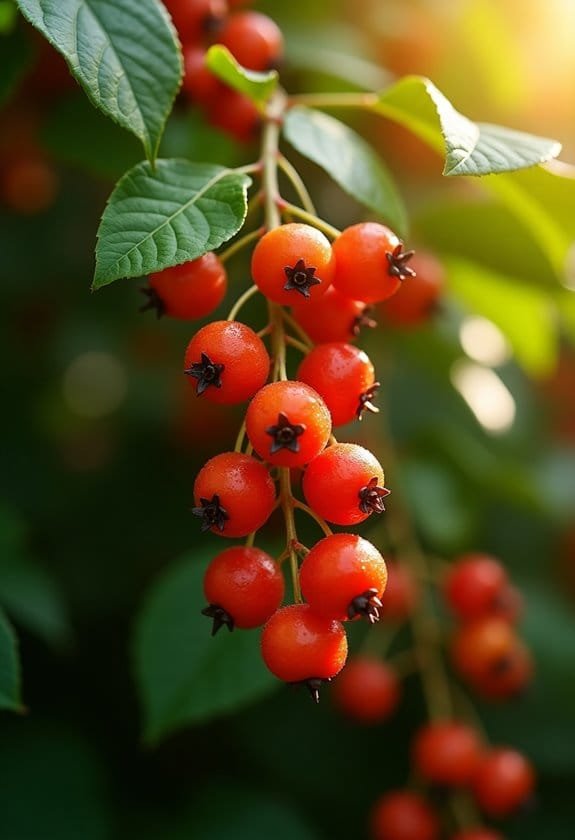
This intriguing shrub, commonly known as Firethorn, captivates with its vibrant clusters of flowers and striking fruits. Pyracantha, native to southern Europe and Iran, grows between 6 to 18 feet tall and wide, showcasing beautiful white flowers in late spring.
These blossoms are followed by a stunning display of bright orange to red pomes in autumn, attracting various bird species while deterring deer with its formidable spines. Additionally, like Cuckoo Flower, Pyracantha serves as a vital food source for pollinators and wildlife, enhancing local biodiversity.
Drought-tolerant and adaptable, Pyracantha thrives in well-drained, average soils and flourishes in full sun to partial shade, making it a versatile choice for many landscapes.
However, regular pruning is essential—not only to maintain its appealing shape but also to stimulate healthy growth. While Pyracantha is generally resistant to pests and diseases, it can be vulnerable to issues like fire blight and leaf spots, necessitating vigilant monitoring and effective management strategies. Additionally, the ecological importance of plants like Pyracantha lies in their ability to provide wildlife habitat and serve as food sources, enhancing local biodiversity.