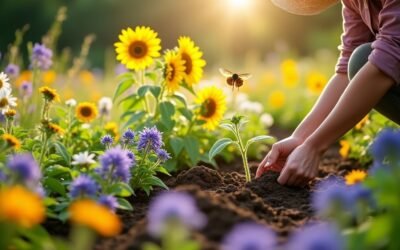
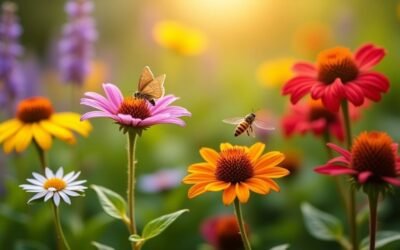
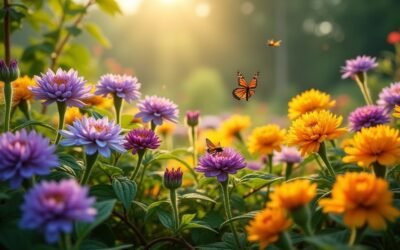
Agastache, often called Giant Hyssop or Hummingbird Mint, is a remarkable genus of herbaceous perennials native to North America. These plants exhibit vibrant flower spikes, typically ranging from 18 inches to 6 feet in height, complementing the aromatic foliage that emits anise-like fragrances. Thriving in well-drained soil, Agastache species require full sun for 6 to 8 hours daily, making them suitable for low-maintenance gardens while attracting essential pollinators like bees and hummingbirds. Despite their resilience, they can encounter challenges such as root rot and pests. Understanding their care needs enhances not only plant health but also overall garden biodiversity, paving the way for further exploration.
Main Points
- Agastache, or Giant Hyssop, encompasses around thirty species primarily found in North America, known for their vibrant flower spikes and aromatic foliage.
- Common species include Agastache foeniculum (Anise Hyssop) and Agastache mexicana, both valued for their fragrant leaves and appeal to pollinators.
- These herbaceous perennials thrive in full sun and well-drained soil, making them suitable for low-maintenance, wildlife-friendly gardens.
- Agastache plants can range in height from 18 inches to 6 feet, providing dynamic layering in landscape designs.
- The long bloom period of Agastache—lasting 6 to 12 weeks—significantly supports pollinators like bees, butterflies, and hummingbirds.
Introduction
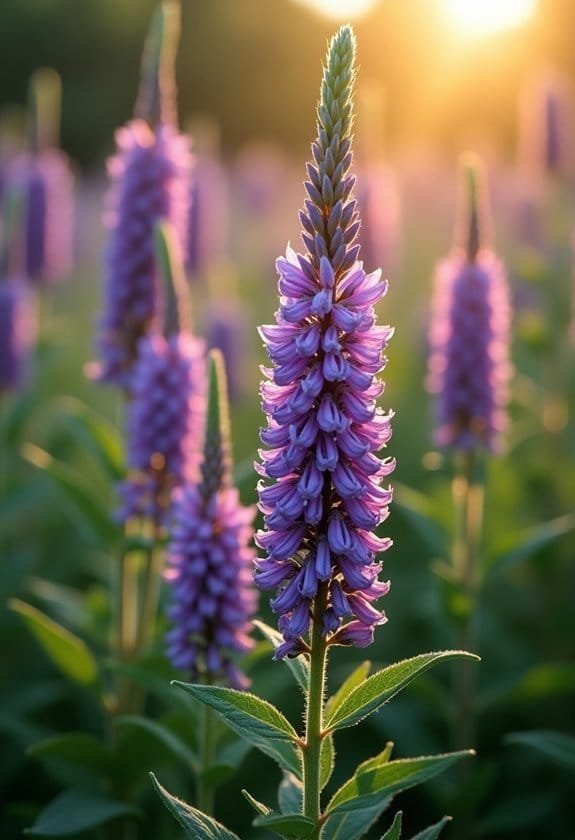
Agastache, commonly referred to as Giant Hyssop or Hummingbird Mint, represents a diverse genus of herbaceous perennials native primarily to North America.
Known for their vibrant flower spikes, which bloom in hues ranging from delicate blues to bold reds, these plants not only enhance garden aesthetics but also play a vital role in supporting local pollinator populations.
With their resilience in well-drained soil and ability to thrive under full sun, Agastache species offer both beauty and ecological benefits, making them a valuable addition to any wildlife-friendly garden.
Common Name
What makes Giant Hyssop such a delightful addition to gardens? This enchanting herbaceous perennial, known scientifically as Agastache, captivates with its aromatic foliage and vibrant flower spikes.
Commonly referred to as Hummingbird Mint, Giant Hyssop stands tall in various colors, including striking shades of blue, purple, red, and white. These flowers not only beautify the landscape but also attract essential pollinators like bees and hummingbirds, rendering them vital for a balanced ecosystem.
Primarily native to North America, Giant Hyssop flourishes in sunny, well-drained environments, making it an ideal choice for diverse gardens. Varieties such as Agastache foeniculum, known as Anise Hyssop, and Agastache rugosa, are particularly appreciated for their delightful scents and prolonged blooming periods, inviting continuous enjoyment throughout the growing season.
Moreover, Agastache species exhibit impressive drought tolerance and resistance to deer and rabbits, making them perfect for low-maintenance gardens.
These qualities enhance their appeal, proving that beauty can thrive alongside practicality in horticulture. Hence, incorporating Giant Hyssop into garden designs not only elevates aesthetic allure but also supports biodiversity in an increasingly urbanized environment.
Scientific Name
Known for its aromatic charm and vibrant blooms, the genus *Agastache* encompasses a remarkable diversity of species within the mint family, Lamiaceae. The scientific name *Agastache* identifies about thirty distinct species, primarily native to North America. These plants are celebrated for their upright growth habits and distinctive floral spikes, which attract pollinators and delight gardeners alike.
Common varieties include *Agastache foeniculum*, often called Anise Hyssop, and *Agastache mexicana*, recognized as Mexican Hyssop.
The aromatic foliage of *Agastache* species can elicit delightful culinary creativity, with flavor profiles reminiscent of anise or licorice. Thriving in USDA hardiness zones 4 to 10, these resilient plants adapt well to varying climates and soil types.
Their blooms, ranging in color from deep blues to radiant purples, fiery reds, and delicate whites, grace gardens from summer through fall, providing visual nourishment.
In essence, the scientific name *Agastache* not only signifies a connection to its botanical roots but also suggests the inherent, intoxicating aromas that make this genus a beloved choice among plant enthusiasts and chefs alike.
Overview
With a rich array of aromatic species, the *Agastache* genus stands out as a favorite in gardens across North America. Commonly referred to as Giant Hyssop or Hummingbird Mint, these herbaceous perennials comprise about 30 species primarily native to this region.
*Agastache* plants exhibit upright growth that typically reaches between 1 to 6 feet, adorned with long-lasting spikes of tubular flowers that bloom vibrantly from summer to fall.
The assortment of colors available—ranging from enchanting blues and radiant reds to intriguing purples and delicate whites—makes these flowers particularly attractive to a variety of pollinators, including bees, butterflies, and hummingbirds.
Thriving in full sun and well-drained soil, Agastache demonstrates an impressive tolerance for drought conditions, along with a natural resistance to browsing by deer and rabbits, thanks to its fragrant foliage.
Ideal for a multitude of garden settings, including pollinator gardens, rock gardens, and naturalized areas, *Agastache* plays a significant role in enhancing local biodiversity, offering ecological benefits while charming onlookers with its stunning displays. Additionally, like white clover, *Agastache* can attract essential pollinators that support ecological health and balance.
Key Features
Agastache species present a remarkable versatility in growth size, typically ranging from 18 inches to an impressive 6 feet tall, offering both subtlety and grandeur to garden landscapes.
Their striking appearance features elongated summer spikes adorned with vibrant flowers in colors such as white, blue, red, and purple, which not only catch the eye but also serve as critical resources for pollinators.
Flourishing in full sun, these herbs provide long-lasting blooms from summer through early fall, creating a dynamic atmosphere that shifts beautifully with the changing seasons. Additionally, like the vital nectar source they provide for pollinators, Agastache species attract a variety of beneficial insects that enhance garden health.
Growth Size
When considering the growth size of Agastache species, gardeners will find a fascinating range of heights from 18 inches to 6 feet, depending on the specific variety. This variability enriches any landscape, as different heights provide dynamic layers of interest.
For instance, the mature size of *Agastache Blue Fortune*, a popular cultivar, typically reaches about 2-3 feet tall and 20-24 inches wide, making it an ideal candidate for borders or mid-level planting.
The growth habit differs among species; many exhibit stiff stems that contribute to a robust, non-invasive clump-forming structure. This characteristic allows them to fill in garden spaces effectively, ensuring healthy competition against weeds while maintaining their own integrity.
Moreover, flower spikes arise from these sturdy stems, offering delightful blooms that usually reach around 1 inch in size. With colors ranging from vibrant blue to rich purple, these spikes attract a plethora of pollinators, enhancing the garden's ecosystem.
As Agastache species flourish, their lance-shaped foliage, featuring a distinct toothed edge, adds an extra layer of texture, capturing the eye and elevating the garden's aesthetic appeal.
Appearance
The striking appearance of Agastache species truly captivates any garden enthusiast. These plants, commonly known as Giant Hyssop, showcase upright spikes adorned with tubular flowers that come in vibrant shades of blue, purple, red, and white. Typically about 1 inch in size, these blossoms create a stunning visual impact that stands tall against various backdrops.
Agastache species exhibit lance-shaped, toothed leaves that not only contribute to their aesthetic appeal but also emit delightful fragrances, varying by species—some wafting hints of licorice or anise.
Ranging from 18 inches to an impressive 6 feet in height, these upright, clump-forming plants possess stiff stems that support their tall flower spikes. Native to Mexico, their versatile adaptability makes them a favored choice among gardeners aiming to attract pollinators.
The fragrant foliage, combined with an extended flowering period from summer to fall, enriches the garden with continuous visual interest. The alluring scent and bright colors draw in bees and hummingbirds, enhancing the garden's ecosystem.
Agastache species don't merely decorate spaces; they elevate them, bringing life and liveliness through their remarkable features.
Flowering Season
A spectacular display of color unfolds from early summer to early fall as Agastache species enter their flowering season. These plants produce striking flower spikes that showcase tubular, two-lipped blooms, each approximately one inch in size.
Colors range from serene blues to vibrant pinks, fiery reds, and pure whites, creating a visual feast for any garden enthusiast. The flowering season typically lasts between six to twelve weeks, with slight variations among species.
During this period, Agastache plants become particularly attractive to hummingbirds, making them invaluable additions for gardeners seeking to support pollinator populations.
Regular deadheading—removing spent flowers—can stimulate continued blooming, enhancing the garden's aesthetic appeal while prolonging the joy provided by these lively plants.
Additionally, Agastache species serve as important resources for beneficial pollinators like bees, contributing to the ecosystem's health and sustainability.
Growing Requirements
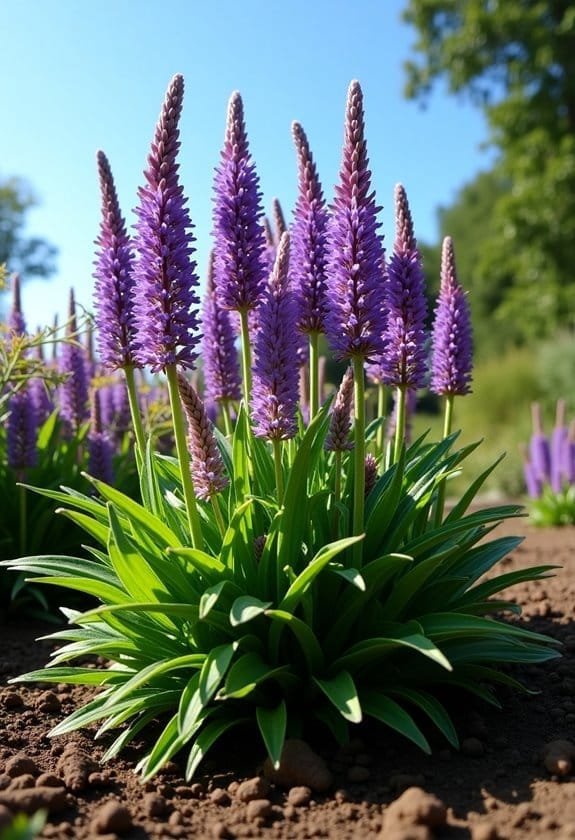
Agastache thrives under specific growing conditions that guarantee its vibrancy and resilience. It requires full sun—ideally receiving 6 to 8 hours of direct light each day—to flourish, along with well-drained soil that balances pH levels between 6.0 and 8.0 for peak growth.
Its drought tolerance once established further enhances its appeal, allowing gardeners to enjoy a low-maintenance yet striking addition to their landscapes.
Light
For best growth and blooming, full sun exposure is essential for Agastache species, with a requirement of 6 to 8 hours of direct sunlight each day. This abundant light fosters robust development and vibrant flowering, thereby enticing numerous pollinators.
Without sufficient sunlight, however, these plants experience leggy growth, reduced flowering, and significant declines in overall health, creating plants that could be likened to wilting shadows of their potential.
While Agastache thrives in full sun, they can tolerate light shade in particularly hot climates, offering a reprieve from excessive heat stress. This adaptability allows them to survive tough conditions while still performing relatively well.
Additionally, planting Agastache in well-drained areas not only supports their sunlight needs but also prevents root rot, which can occur in overly moist environments. The importance of good soil drainage is echoed in the growing conditions required for other plants like pignut, which also thrive in non-waterlogged conditions.
Regular exposure to bright sunlight enhances the aromatic qualities of Agastache's foliage, amplifying their allure to pollinators and contributing to a lively garden ecosystem.
Hence, ensuring that these plants receive adequate sunlight is vital for cultivating a thriving display of color and scent in any landscape.
Soil
Successful growth of Agastache is closely linked to the quality of soil, making well-drained conditions a priority. This plant flourishes in well-drained soil that prevents root rot, fostering robust root systems and vibrant foliage.
While Agastache exhibits adaptability across various soil types—including sandy, normal, and even clay-heavy soils—avoidance of heavy or soggy conditions is vital for its overall health.
The versatility of Agastache extends to its tolerance for a broad range of soil pH levels, from acidic around 6.0 to neutral between 6.0 and 8.0. This adaptability allows it to thrive in diverse garden settings, accommodating different soil characteristics many gardeners might encounter.
For areas prone to poor drainage, employing raised beds or containers can markedly enhance growing conditions, as they help maintain ideal soil structure and drainage.
Regular soil checks are advisable to monitor moisture levels, particularly at a depth of about three inches. This practice guarantees that the soil remains conducive to growth, allowing Agastache to reach its potential, blooming beautifully and attracting pollinators throughout the growing season.
Water
Watering practices are fundamental for guaranteeing the healthy growth of Agastache. Initially, it's essential to regularly water the plants for the first 2-4 days after planting to encourage the establishment of a robust root ball. During this early period, adequate moisture helps the roots anchor themselves in the ground, fostering future resilience.
Once established, Agastache demonstrates impressive drought tolerance, meaning they require minimal watering except during prolonged dry spells. To maintain ideal hydration, garden enthusiasts should adhere to a weekly watering schedule.
Additionally, using a finger test can help determine soil moisture; simply insert a finger about three inches into the soil. If the soil feels dry, it's time to water. It's critical to regularly check for signs of water stress, especially during hot weather when plants may demand more moisture.
Empowered by proper water management, these perennial plants flourish and will reward gardeners with their enchanting blooms. By understanding their needs, one can cultivate beautiful Agastache that thrives even in less-than-perfect conditions, showcasing nature's resilient splendor.
Temperature
Agastache flourishes in a variety of temperate climates, thriving best in USDA hardiness zones 5-10. This adaptability allows it to accommodate diverse environments, from cooler regions to warmer locales.
Agastache prefers full sun exposure, needing 6 to 8 hours of direct sunlight daily, which greatly influences its growth and flowering potential. Once established, this resilient plant showcases remarkable heat and drought tolerance, enabling it to withstand elevated temperatures without substantial stress.
Native plants like Agastache often display stronger survival skills in fluctuating weather patterns, contributing to their popularity among gardeners seeking hardy specimens. Additionally, blackthorn is another plant valued for its resilience and ability to thrive under tough conditions, making it a great choice for similar garden settings.
Interestingly, Agastache demonstrates greater resilience against winter wetness than many other species, favoring its survival in regions that experience harsh winters. However, even with its adaptability, it should ideally be planted in well-draining soil, as heavy or soggy conditions can lead to root decline and ultimately compromise plant health. Furthermore, Horseshoe Vetch serves as an example of a plant adapted to thrive in well-drained calcareous soils, highlighting the importance of suitable soil conditions for optimal growth.
Pollinator Criteria
Agastache species primarily attract pollinators such as bees, butterflies, and hummingbirds, thanks to their vibrant, tubular flowers that are rich in nectar.
These plants engage in a mutualistic relationship with these pollinators; for instance, bees efficiently collect nectar while simultaneously facilitating successful pollination, which is essential for the plant's reproductive success.
Attracted Pollinators
With vibrant colors and enticing fragrances, Agastache species inherently attract a diverse range of pollinators. Their vivid, tubular flowers offer excellent sources of nectar, appealing particularly to hummingbirds and bees. Lasting from summer to fall, the long bloom period guarantees that these pollinators have access to continuous nourishment during their essential foraging times. Furthermore, like Erysimum species, Agastache also supports ecosystem health by providing critical resources for pollinators.
The fragrant foliage of Agastache also serves dual purposes; while it repels deer and rabbits, it invites beneficial insects that enhance garden biodiversity. The striking color variations—ranging from deep blue to soft purple—further heighten their allure, making these plants irresistible to hummingbirds, which are instinctively drawn to bright, tubular blooms that signal abundant rewards.
Incorporating Agastache into garden designs not only reinforces eco-friendly practices but also enriches local ecosystems. By choosing deer-resistant species that thrive in varied conditions, gardeners can foster environments that support the health and diversity of pollinator populations. Additionally, planting flowers like Wild Mignonette can attract a variety of pollinators such as bees that contribute to a thriving ecosystem.
Accordingly, cultivating Agastache species serves as both a beautiful landscape choice and a sincere commitment to promoting a thriving biosphere. The critical role these plants play illustrates how thoughtful gardening can lead to lasting ecological benefits.
Pollination Method
The vibrant, tubular flowers of Agastache species play an essential role in attracting a range of pollinators, thanks to their design and nectar-rich composition. These plants serve as beacons for bees, butterflies, and hummingbirds, who are drawn to the bright colors and fragrant foliage. Agastache flowers, with their upright spikes, provide a stable landing platform, making it easier for pollinators to access the abundant nectar hidden within their blossoms.
Blooming throughout the summer and into the fall, Agastache guarantees a continuous supply of nectar, supporting local wildlife and enhancing biodiversity. The intricate relationships between Agastache and its pollinators are vital for plant reproduction, as these creatures transfer pollen while feeding, facilitating cross-pollination.
Many insects, especially those sensitive to fragrance, find the aromatic foliage of Agastache irresistible, further attracting pollinators.
Ultimately, Agastache species contribute substantially to local ecosystems by sustaining various pollinator populations; this interconnectedness underscores the importance of preserving such plants in gardens and natural habitats alike. The delicate balance between Agastache, its nectar, and its pollinators exemplifies nature's intricate design and the vital roles played within it.
Care & Maintenance
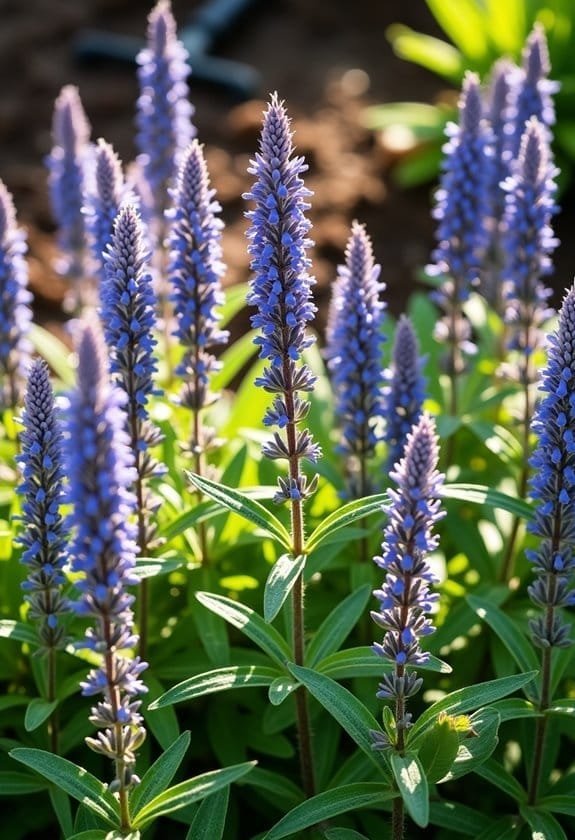
Proper care and maintenance are essential for the vibrant growth of Agastache species, which flourish in well-drained soil under full sun exposure.
To guarantee these hardy plants thrive, gardeners should implement diligent watering practices and consider the benefits of deadheading to stimulate continual blooming throughout the season.
Utilizing balanced fertilizers and pairing them with compatible companions will further enhance their resilience and aesthetic appeal in the garden landscape.
Planting Tips
For successful planting of Agastache, selecting a location that receives full sun is essential, as these plants thrive with 6 to 8 hours of sunlight daily. Choosing a site with well-drained soil is equally critical; enduring soggy conditions can lead to the plants' rapid decline.
Before planting, gardeners should amend heavy soil with organic matter to enhance drainage.
Upon planting, it's crucial to water frequently for the first 2 to 4 days, ensuring the roots establish firmly. After this initial period, shifting to weekly watering helps maintain moisture levels without oversaturation. This careful balance fosters robust growth and vibrant blooms.
Light pruning after planting can greatly improve the plant's growth habit and aesthetic appeal. Additionally, implementing regular deadheading not only keeps the appearance tidy but also encourages further blooming throughout the growing season, maximizing the garden's visual impact.
Following these planting tips not only sets the foundation for a flourishing Agastache landscape but also prepares the gardener for ongoing maintenance and care, leading to a breathtaking, continuously refreshed display. By adhering to these principles, one can cultivate a thriving Agastache presence, enhancing biodiversity in the garden.
Ongoing Care
After successfully planting Agastache, ongoing care plays a significant role in maintaining its health and vibrancy.
Initially, it's vital to water Agastache plants frequently for the first 2-4 days following planting, moving to a weekly schedule once they've established a strong root system. This process guarantees the plants adapt to their environment, becoming drought-tolerant over time.
Regular deadheading of spent blooms encourages continuous flowering while maintaining a tidy appearance throughout the growing season. Light pruning soon after planting shapes the plant, enhancing its visual symmetry.
For ongoing care, gardeners should monitor soil moisture by performing a finger test at a depth of 3 inches. Water only when the soil feels dry to the touch, as overwatering can lead to root rot.
Once established, Agastache requires low maintenance, making it an ideal choice for eco-conscious gardeners. The plant thrives under typical conditions, needing minimal intervention—especially during extended dry spells, where closer attention may be necessary.
Therefore, consistent monitoring empowers gardeners to enjoy the beauty and resilience of Agastache in their landscapes, fostering a flourishing habitat with little hassle.
Suggested Companions
Choosing the right companion plants can greatly enhance the beauty and health of Agastache in a garden. This distinctive genus thrives alongside drought-tolerant species such as Sedum, Echinacea (Coneflower), and lavender, all harmonizing well in similar soil and sunlight requirements. Additionally, many of these companions share similar growing conditions that support a thriving ecosystem.
The contrasting textures of ornamental grasses like Miscanthus and Panicum provide a lush backdrop, showcasing Agastache's vibrant blooms.
For added pollinator attraction, pairing Agastache with Monarda (Bee Balm) not only offers a kaleidoscope of colors but also invites bees and butterflies to your landscape, enriching the ecosystem.
Furthermore, integrating shorter species like Coreopsis fosters visual layers and creates a cohesive garden design with diverse heights and hues, guaranteeing a dynamic aesthetic. Chicory's flowers also attract essential pollinators, further complementing the diversity of your garden.
It's crucial to practice regular deadheading of Agastache to prolong its blooming period while maintaining visual appeal. Companion plants should share similar care practices to guarantee uniform growth and health throughout the garden.
Many of these accompanying plants are deer resistant, further enhancing the resilience of the landscape against common pests.
Fundamentally, thoughtful selection of companion plants elevates both the beauty and sustainability of Agastache, resulting in a flourishing tapestry of life. Additionally, Ajuga reptans serves as an effective ground cover that can enhance both soil quality and moisture retention, benefiting nearby plants.
Common Issues
Agastache species frequently encounter challenges that can jeopardize their health and aesthetic appeal.
Root rot emerges from poor drainage and excessively moist soil, while leaf spot diseases thrive in humid conditions, creating dark lesions that can lead to defoliation.
Additionally, pests like aphids and spider mites not only damage foliage but also threaten overall plant vigor, making it essential for gardeners to implement effective management strategies to mitigate these common issues.
Pests/Diseases
What common pests and diseases might affect Agastache species? While Agastache, commonly referred to as Giant Hyssop, is largely resilient against pests and diseases, it can still encounter issues.
Aphids and spider mites are the most prevalent pests, potentially leading to stressed plants if not managed promptly. Utilizing insecticidal soap or neem oil can be effective in addressing these infestations.
Additionally, powdery mildew poses a risk, particularly in high humidity and poorly ventilated conditions. By ensuring adequate spacing and pruning for airflow, gardeners can effectively mitigate this risk.
Root rot is another important concern, often resulting from planting in overly wet or poorly drained soil; as a result, maintaining well-draining conditions is essential.
Leaf spot diseases, typically caused by fungal pathogens, can also affect Agastache, underscoring the importance of good sanitation practices and minimizing leaf wetness.
Solutions
Addressing pests and diseases is only one part of ensuring Agastache species thrive in the garden. For these giant plants, proper cultivation practices also play a significant role. Ensuring well-drained soil, or even utilizing raised beds, prevents root rot, a common issue where poor drainage hinders growth.
Additionally, when plants appear leggy or floppy, incorporating companion plants fosters sturdier growth and enhances aesthetics. Regular deadheading of spent blooms won't only invigorate flowering but also elevate the garden's overall appearance, creating a more vibrant display of native plants.
In times of drought stress, especially in hot climates, weekly watering becomes imperative once these resilient plants are established. This practice supports their robust development and survival.
In addition, managing self-seeding is essential. Gardeners can collect seeds just before they scatter, thereby avoiding overcrowding and ensuring healthy growth during subsequent seasons.
Moreover, strategies to deter deer, which often view these plants as tasty snacks, can include the application of natural repellents or the installation of physical barriers. With these thoughtful solutions, gardeners can cultivate a thriving landscape adorned with Agastache, enhancing both beauty and biodiversity.
Summary
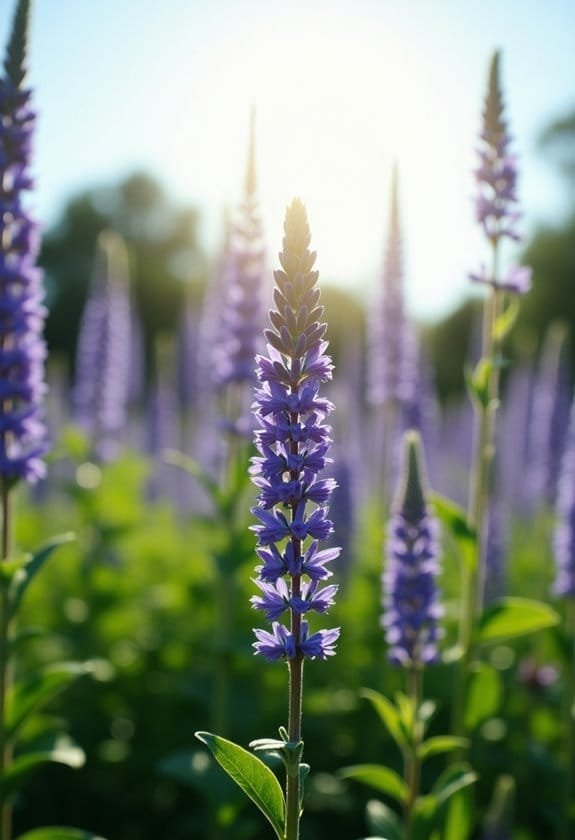
The allure of Agastache, also known as Giant Hyssop or Hummingbird Mint, captivates gardeners with its stunning flower spikes and fragrant foliage.
This fascinating genus of herbaceous perennials, native to North America, thrives in well-drained soils and showcases vibrant flower colors ranging from blue and purple to red and white. The blooms emerge from summer through fall, adding long-lasting visual interest to gardens.
Agastache's role in pollinator-friendly gardens can't be overstated, as its nectar-rich flowers attract a wide variety of pollinators, including bees and hummingbirds.
This characteristic makes Agastache an essential component of any native plants initiative aimed at enhancing local ecosystems. Significantly, species within this genus can reach heights between 18 inches and 6 feet, providing diverse landscapes for gardeners to appreciate.
Moreover, Agastache exhibits remarkable heat and drought tolerance, coupled with resistance to deer and rabbits. This combination renders it a low-maintenance choice, appealing to busy gardeners seeking beautiful yet resilient plants.
To conclude, Agastache not only enriches garden aesthetics but also supports ecological health, promoting biodiversity through its essential role in pollinator-friendly environments.