Arabis allionii, or Siberian Wallflower, is a striking perennial recognized for its vibrant orange phlox-shaped flowers, typically reaching heights of 1 to 2 feet. This charming plant thrives in well-drained soils, prefers full sun, and shows impressive drought tolerance once established. It serves as a crucial nectar source for pollinators, especially in early spring, thereby enhancing local biodiversity. With minimal maintenance needs, it becomes an appealing choice for gardeners of all experience levels. However, attention is required regarding pests such as aphids and snails. Enthusiasts will find that further exploration reveals even more delightful characteristics.
Main Points
- Arabis allionii, commonly known as Siberian Wallflower, is a compact perennial with vibrant orange flowers that bloom from late spring to early summer.
- This plant thrives in well-drained soil and requires at least six hours of full sun daily for optimal growth.
- Siberian Wallflower attracts bees and butterflies, serving as an essential nectar source and supporting local biodiversity.
- It is low maintenance and drought-tolerant once established, making it suitable for novice gardeners and various garden settings.
- Regular inspection for pests like aphids and proper watering will help maintain the health and vigor of the plant.
Introduction
Arabis allionii, often referred to as the Siberian Wallflower, represents an intriguing member of the Brassicaceae family.
This remarkable perennial or biennial plant, native to central Asia and now thriving in various regions including North America and Europe, showcases vibrant orange, phlox-shaped flowers that bloom during spring to early summer.
With its ability to attract pollinators and its preference for well-drained soil, this plant not only enhances garden aesthetics but also contributes greatly to local biodiversity.
Common Name
Often referred to as Siberian Wallflower, Arabis allionii showcases vibrant orange flowers that captivate gardeners and nature enthusiasts alike. Belonging to the Brassicaceae family, this charming plant blooms in the early season, bringing a burst of color to meadows and gardens.
Its phlox-shaped blossoms, combined with a delightful fragrance, create an inviting atmosphere, enticing not only people but also various pollinators, such as bees and butterflies.
The Siberian Wallflower thrives in full sun and well-drained soil, making it an excellent choice for landscape enhancement. Its preference for sunny environments allows it to flourish, contributing to ecological health by attracting diverse wildlife.
This plant is designed to flourish within its biological niche, promoting garden biodiversity in the process. Notably, despite its beauty, Arabis allionii symbolizes disappointment in love, a poignant reminder within the language of flowers.
Scientific Name
Classified scientifically as Arabis allionii, this plant showcases its unique characteristics within the Brassicaceae family. Known colloquially as the Siberian Wallflower, Arabis allionii boasts brilliant orange flowers that capture the eye and elevate its status in landscapes. This species falls under the order Brassicales, a diverse group that includes many well-known flowering plants.
Arabis allionii has several synonyms, with Cheiranthus allionii hort. being commonly referenced in horticultural contexts. While the plant is native to central Asia, it has been successfully naturalized in regions such as North America and Europe, highlighting its adaptability and appeal for cultivation.
As a short-lived perennial or biennial, Arabis allionii typically reaches a height of 1-2 feet (30-60 cm) and features narrow, lance-shaped leaves that contribute to its overall aesthetic.
Historical documentation of Arabis allionii can be traced through scientific literature by notable botanists like DC, affirming its established position within botanical studies.
Readers can further explore its characteristics and taxonomy through authoritative botanical databases, including Plants of the World Online and Royal Botanic Gardens, Kew, ensuring thorough understanding of its scientific name and classification.
Overview
The Siberian Wallflower, known scientifically as Arabis allionii, enchants garden enthusiasts with its stunning orange flowers that bloom in early spring. This short-lived perennial, belonging to the Brassicaceae family, typically reaches a height of 1 to 2 feet and can spread between 1 and 1.5 feet wide, making it an attractive option for various garden settings.
Its bright, phlox-shaped blossoms create a vivid display, transforming meadows and borders into bursts of color. Preferring well-drained soil and basking in full sun, the Siberian Wallflower exhibits impressive drought tolerance once established, although regular watering is essential during its initial growth phase.
Furthermore, this plant plays an important ecological role, attracting a plethora of pollinators like bees and butterflies, which enhances the biodiversity of any garden. With minimal maintenance required after establishment, the Siberian Wallflower isn't only a fascinating choice for colorful meadow designs, but it also serves as a long-lasting addition to diverse landscapes.
As gardeners seek to create sustainable environments, incorporating such resilient and visually appealing species becomes increasingly important. Consequently, the Siberian Wallflower stands out as an excellent candidate for both aesthetic and ecological gardening goals.
Key Features
Arabis allionii, or the Siberian Wallflower, showcases a growth size ranging from 1 to 2 feet tall and 1 to 1.5 feet wide, making it an ideal candidate for vibrant borders and mass plantings.
Its striking orange, phlox-shaped flowers bloom early in the season, enriching landscapes while attracting essential pollinators like bees and butterflies.
This delightful perennial not only enhances aesthetic appeal but also plays a significant role in supporting biodiversity with its nectar-rich offerings.
Growth Size
Typically reaching heights of 1-2 feet (30-60 cm) and widths of 1-1.5 feet (30-45 cm), Arabis allionii showcases a compact growth habit that makes it an attractive addition to gardens. This growth size allows the Siberian Wallflower to fit comfortably into various garden settings, whether planted in a border, rock garden, or container. Its narrow, lance-shaped leaves elegantly contribute to this compact form, creating a neat appearance that complements other plants.
As a short-lived perennial or biennial, Arabis allionii has the potential to establish a permanent presence in gardens, especially when given the proper care. Its ability to thrive in diverse soil types—including well-drained sandy, loam, or clay—further enhances its appeal, as gardeners don't need to modify their existing soil excessively.
Blooming in the early season, this wallflower's growth size allows for a beautiful display of clusters of bright orange, fragrant flowers, which attract pollinators and enliven the garden.
Appearance
What makes the Siberian Wallflower stand out in any garden? Its brilliant orange flowers are undeniably eye-catching, drawing attention with their phlox-shaped blooms that appear in early spring and continue to dazzle through early summer.
This short-lived perennial or biennial, scientifically known as Arabis allionii, typically reaches heights of 1 to 2 feet (30 to 60 cm) and can spread approximately 1 to 1.5 feet (30 to 45 cm) wide, showcasing narrow, lance-shaped leaves that frame the vibrant display.
The aromatic orange flowers aren't just visually appealing; they also serve a vital ecological role by attracting a variety of pollinators, including bees and butterflies, essential for garden biodiversity.
In addition, their compact stature allows for versatile placements in mass plantings, borders, or container gardens, ensuring they don't overshadow taller plants.
Although less hardy than other Siberian species, the Siberian Wallflower enhances meadows and landscapes with its vivid color palette, creating an enchanting sight that whispers of spring's arrival. Furthermore, like the River Water Crowfoot, this plant also plays a role in supporting local biodiversity, contributing not just to beauty but also to the ecosystem's health.
This remarkable plant is an ideal choice for those aiming to beautify their outdoor spaces while supporting local wildlife.
Flowering Season
One of the most enchanting aspects of the Siberian Wallflower is its striking flowering season, which lights up gardens from late spring to early summer. This early-season bloomer typically showcases vibrant orange flowers, characterized by their phlox-shaped appearance, creating a vivid display that captivates onlookers.
With a blooming height of about 30 centimeters, the Siberian Wallflower transforms both gardens and meadows into colorful canvases. The brilliant orange flowers aren't just visually appealing; they also emit a delightful fragrance that attracts an array of pollinators, including bees and butterflies.
This aspect holds ecological significance; as the Siberian Wallflower flourishes, it serves as an essential source of nectar, supporting pollinators during a time when few other flowering plants are available. Additionally, the diverse pollinator populations enriched by such blooms contribute positively to the overall health of local ecosystems.
As a short-lived perennial or biennial, the Siberian Wallflower establishes itself rapidly, ensuring a lively bloom in subsequent seasons. This flowering period profoundly impacts garden biodiversity, enriching local ecosystems while enhancing the beauty and vibrancy of outdoor spaces.
Ultimately, the Siberian Wallflower's flowering season stands as a reflection of nature's artistry, weaving color and life into the fabric of late spring and early summer.
Growing Requirements
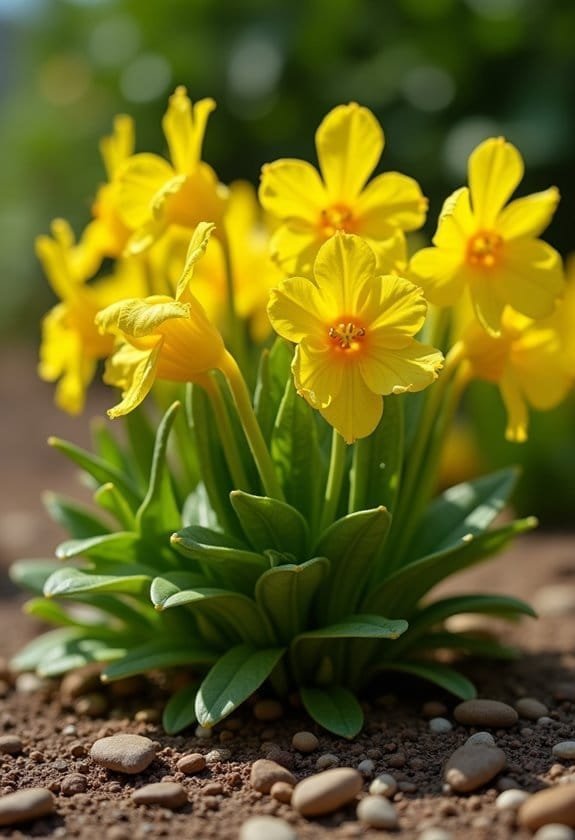
To thrive, Arabis allionii, commonly known as the Siberian Wallflower, requires specific growing conditions that cater to its unique needs.
This resilient plant flourishes in full sun and requires at least six hours of direct sunlight each day while favoring well-drained soil types that can range from sandy to clay; once established, it demonstrates remarkable drought tolerance.
Understanding its water and temperature requirements during the initial growth phase is essential for promoting robust root development and vibrant flowering, making it an excellent addition to any garden.
Light
Full sun exposure is critical for Arabis allionii, also known as the Siberian Wallflower, as it directly influences the plant's growth and flower production. This resilient plant prefers full sun, basking in bright light for six to eight hours daily, which guarantees vigorous development and prolific blooming.
In ideal conditions, the wallflower showcases its stunning orange flowers to their fullest potential, creating a vibrant display that captivates gardeners and pollinators alike.
While the Siberian Wallflower flourishes in full sunlight, it also demonstrates a remarkable adaptability to afternoon shade, particularly in hotter climates where intense heat may stress the plant. However, it's important to recognize that insufficient light can lead to reduced flowering and stunted growth, undermining its overall health.
A healthy balance of sunlight promotes robust establishment, guaranteeing the plant's longevity and resilience in diverse garden settings. Without adequate light conditions, the vibrancy of its blossoms diminishes, robbing the garden of its intended brilliance.
Ultimately, providing Arabis allionii with its preferred full sun environment paves the way for a flourishing garden that delights with its rich colors and robust presence.
Soil
Well-drained soil is essential for the healthy growth of Arabis allionii, commonly known as the Siberian Wallflower. This perennial thrives by preventing root rot, a frequent ailment resulting from excessive moisture accumulation.
While the Siberian Wallflower can adapt to various soil types—sandy, loamy, or even clay—gardeners should guarantee adequate drainage in their chosen medium. Full sun exposure, at least six hours daily, complements its soil requirements, maximizing growth potential.
When establishing this plant, regular watering becomes critical, enabling the roots to get accustomed to their surroundings. However, once solidly rooted, Arabis allionii demonstrates remarkable drought tolerance, demanding minimal additional watering.
It's significant to recognize that light feeding with fertilizer can bolster its growth, particularly during the initial stages, while ongoing maintenance requires only occasional attention.
This adaptability to different soil types makes the Siberian Wallflower a versatile choice for various gardening conditions. By prioritizing well-drained mediums and balancing sunlight with proper watering, gardeners set the foundation for the vibrant and resilient blooming of this enchanting flower.
Water
Establishing an effective watering routine is crucial for the health of Arabis allionii, particularly during its early growth stages. Regular watering fosters healthy root development, enabling the plant to acclimate to its environment. While establishing the plant, it's critical to maintain consistent moisture levels; this promotes vigor and prepares it for future challenges.
Once Arabis allionii is established, it exhibits remarkable drought tolerance and requires less frequent watering, adapting well to varying moisture levels. However, gardeners should always be cautious of overwatering, as this can lead to root rot, a severe condition that jeopardizes the plant's health. The role of well-drained soil is essential not only for moisture management but also to support root health.
To mitigate this risk, ensuring well-drained soil is essential for effective moisture management. The importance of moisture retention in the soil cannot be overstated, as it supports healthy plant growth and resilience.
Arabis allionii thrives best in full sun but benefits greatly from consistent moisture during dry spells. A carefully balanced watering strategy prevents stress on the plant, thereby optimizing blooming conditions in early spring, when the vibrant flowers are most anticipated.
Temperature
A stable temperature range is crucial for Arabis allionii to reach its full potential. Thriving best in temperate climates, this Siberian Wallflower prefers temperatures that avoid the extremities of hot summers and frigid winters.
While it can tolerate a variety of conditions, it shows less hardiness compared to other Siberian species. Fluctuating temperatures can stress the plant, inhibiting its growth and blooming.
For ideal development, Arabis allionii requires full sun exposure for at least six hours daily, enhancing its photosynthetic capabilities. During its active growing phase, from early spring to early summer, the right temperature plays a significant role in ensuring vibrant blooms and lush foliage.
Overly wet or compacted soils, combined with extreme temperatures, can lead to detrimental conditions such as root rot.
Once established, the plant demonstrates some drought tolerance; however, consistent moisture during early growth is crucial. This delicate balance emphasizes the need for gardeners to monitor not only soil conditions but also ambient temperatures, thereby fostering an environment where Arabis allionii can flourish, brightening landscapes with its stunning hues.
Pollinator Criteria
Arabis allionii attracts a diverse range of pollinators, primarily bees and butterflies, thanks to its bright orange flowers that emit a sweet fragrance. These visual and olfactory cues play an essential role in the plant's pollination method, which relies on the transfer of pollen as these insects forage for nectar. Additionally, similar to Ajuga reptans, it creates a vibrant ecosystem that benefits overall garden health and contributes to local ecosystem diversity. This attraction to pollinators is also supported by the extended blooming period of many flowering plants, which ensures a consistent food source throughout the growing season.
Attracted Pollinators
Attracting pollinators is crucial for maintaining ecological balance, and Siberian Wallflower excels in this role. Arabis allionii serves as a critical nectar and pollen source for diverse insects, particularly bees and butterflies. The plant's bright orange flowers not only stand out prominently in any garden but also release a sweet fragrance that draws these beneficial pollinators in droves, enhancing their activity and interaction within the ecosystem.
Gardeners who cultivate Siberian Wallflowers contribute considerably to local biodiversity, as these blooms provide a reliable food source throughout their blooming season. The flowers' vibrant color and delightful scent act as beacons, guiding pollinators to their sweet offering. Many garden enthusiasts order Siberian Wallflower seeds or plants, confident that their orders ship within a timely manner, ensuring their gardens flourish with life. Additionally, plants like Water Avens have been recognized for their role in supporting local ecosystem diversity through pollinator interactions.
Furthermore, the inclusion of Arabis allionii in several RHS curated resources highlights its importance in creating conducive habitats for pollinators. By integrating this plant into their landscapes, gardeners actively engage in sustainable practices that support wildlife populations and enrich the overall ecological harmony of their surroundings. Additionally, the Siberian Wallflower's vital role in attracting pollinators ensures that nearby plants also benefit from increased cross-pollination.
As a result, the Siberian Wallflower not only beautifies spaces but fosters critical connections within the natural world.
Pollination Method
Pollinators play an essential role in the reproduction of flowering plants, and the Siberian Wallflower exemplifies effective pollination strategies that cater to these insects. This plant, Erysimum marshallii, offers a rich supply of nectar and pollen, attracting various pollinators, particularly bees and butterflies.
The vibrant orange flowers, with their sweet fragrance, serve as beacons for these creatures, signaling a nutritious reward. Additionally, the Siberian Wallflower shares similar growing conditions as the Corn Marigold, requiring full sunlight and well-draining soil to thrive, which further enhances pollinator activity in shared settings.
As an early season bloomer, the Siberian Wallflower is significant for pollination when floral resources are scarce. Typically blooming in early spring, it supports pollinators emerging from winter dormancy, thereby fulfilling an important ecological function. Additionally, the plant contributes to supporting wildlife by providing essential resources throughout the growing season.
Pollination occurs primarily through the transfer of pollen from the anthers to the stigmas, facilitated by the enthusiastic foraging behavior of these insects.
Care & Maintenance
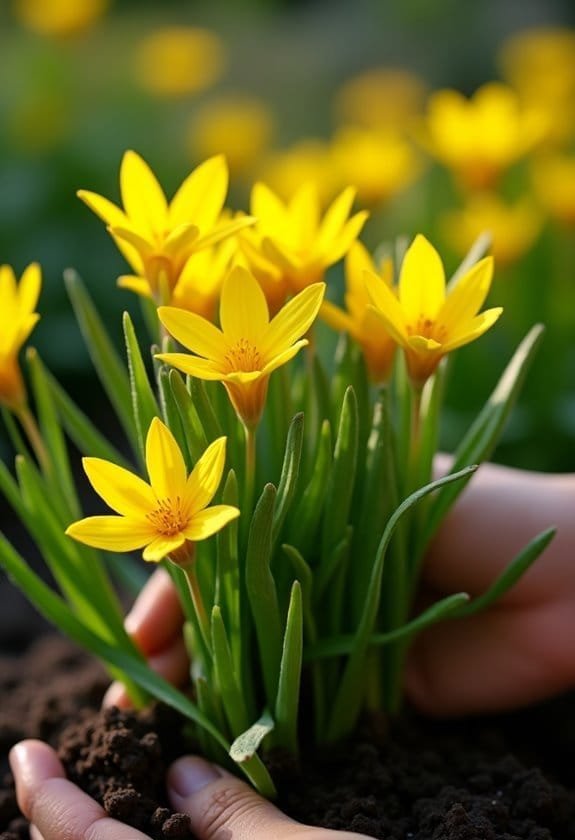
The care and maintenance of Arabis Allionii, or the Siberian Wallflower, begin with selecting the ideal planting conditions.
This resilient plant thrives in well-drained soil and basking in full sun, ensuring robust growth and vivid blooms; consequently, understanding its needs sets the stage for longevity.
Once established, it requires minimal upkeep, allowing gardeners to appreciate its beauty in meadows and borders without extensive effort.
Planting Tips
For successful planting of Arabis Allionii, also known as the Siberian Wallflower, it's essential to choose a spot with well-drained soil and full sun exposure.
This vibrant plant in the family Brassicaceae flourishes in conditions that mimic its native habitats, such as meadows and rocky slopes. During the initial establishment phase, regular watering helps establish a robust root system; however, once fully grown, the Siberian Wallflower becomes drought-tolerant, greatly reducing its long-term maintenance needs.
Light feeding, particularly a balanced fertilizer, can support healthy growth, especially for young plants, as they benefit from nutrients that foster root development. Additionally, when planting, consider spacing them about 12 to 18 inches apart to allow their spectacular orange flowers to breathe.
Their tendency to self-sow means that, over time, this perennial plant will create a naturalized effect, continuing to adorn your landscape with minimal effort.
Once planted, gardeners can revel in the beauty of these blossoms while enjoying the knowledge that they've chosen a resilient and low-maintenance addition to their gardens, ensuring beauty for years to come.
Ongoing Care
Ongoing care for the Siberian Wallflower involves straightforward maintenance practices that guarantee its continued health and beauty. This plant is easy to grow, flourishing with minimal intervention once established.
Initially, during its establishment phase, regular watering is vital. Supplying enough moisture promotes robust root development, which lays the foundation for a thriving plant.
Light fertilization during the growing season enhances the vibrancy of blooms and supports overall growth, ensuring the wallflower remains an eye-catching feature in the garden. A general-purpose, balanced fertilizer with an N-P-K ratio of 10-10-10 can work wonders, especially when applied every four to six weeks.
Pruning spent flowers not only enhances the plant's aesthetic appeal but also encourages further blooming, extending the flowering season. This practice improves air circulation and minimizes the risk of disease, contributing to a healthier plant overall.
Moreover, it's imperative to plant the Siberian Wallflower in well-drained soil and full sun, ideally situated within meadows or borders.
Suggested Companions
Companions that complement Arabis allionii can elevate the overall impact of any garden design. To achieve a mesmerizing aesthetic, gardeners should consider pairing this vibrant Siberian Wallflower with bold-colored flowers, such as blue, violet, red, and pink varieties. These colors create striking visual contrasts, enhancing the garden's allure.
Each companion should thrive in full sun and well-drained soil, ensuring compatibility with Arabis allionii's growing conditions. Integrating fragrant flowers, like Lavandula or Salvia, not only enhances sensory experiences but also attracts beneficial pollinators, crucial for a flourishing ecosystem. Additionally, including plants that support biodiversity through diverse plant selections can help suppress invasive species like Creeping Buttercup, promoting healthier growth for all garden inhabitants.
Moreover, regular light feeding can greatly benefit surrounding plants, maintaining a harmonious nutrient balance within this shared environment. Once established, Arabis allionii requires minimal maintenance, merging beautifully with its companions to form a low-effort, self-sustaining garden.
Cut flowers can emerge from these pairings, as many of the suggested companions present aesthetically pleasing blooms perfect for arrangements. By thoughtfully selecting these compatible plants, gardeners can create an inviting space that captivates the senses, invites wildlife, and showcases the dynamic beauty of nature in diverse hues.
Common Issues
Common issues faced by Arabis allionii, particularly in less-than-ideal conditions, include susceptibility to various pests and diseases that can undermine its health and vigor.
With a preference for well-drained soil and full sun, the plant's frailty under adverse weather conditions accentuates the significance of careful monitoring and timely interventions.
Addressing these challenges not only guarantees robust growth but also enhances the plant's overall resilience, allowing it to flourish in its garden environment.
Pests/Diseases
Arabis allionii, or Siberian Wallflower, typically thrives in various conditions but faces a few threats from pests and diseases. Though generally resilient, it can fall victim to aphids, small insects that can distort leaves and diminish the plant's vigor considerably.
In humid environments, powdery mildew may emerge, manifesting as unsightly white fungal growth on the foliage and stems. Addressing this issue often requires improving airflow and ensuring adequate spacing between plants.
Moreover, root rot poses a serious risk in poorly drained soils. This condition causes wilting and yellowing of leaves, signaling distress and potential decline. To prevent this, it's vital to plant in well-drained conditions that allow excess moisture to escape.
Another concern arises from slugs and snails, particularly in moist areas. These mollusks may ravage young shoots and leaves, necessitating vigilant monitoring. Employing physical barriers or manual removal can effectively control these pests.
Regularly inspecting the plants and intervening early can help maintain the health of the Siberian Wallflower, ensuring its establishment and growth remain strong. Overall, staying alert to these pests and diseases is essential for thriving garden specimens.
Solutions
To tackle the common issues that arise with Siberian Wallflower, gardeners should focus on a few vital practices.
To begin with, it's essential to guarantee the plant is placed in well-drained soil, as this prevents root rot and promotes vigorous growth. Regular watering is indispensable during the establishment phase; however, once the plant is well-rooted, it exhibits remarkable drought tolerance, requiring minimal irrigation thereafter.
Additionally, light fertilization during the growing season greatly enhances the plant's blooming capacity and color vibrancy. For peak growth and abundant floral displays, the Siberian Wallflower should receive full sun exposure; yet, in hotter regions, a touch of afternoon shade may help protect it from excessive heat.
Moreover, vigilance concerning pests is critical. Aphids, commonly attracted to this plant, can be effectively managed by fostering an environment that encourages beneficial insects, which naturally help control their population.
Are Arabis Allionii and Erysimum Species related or similar in any way?
Arabis Allionii and Erysimum species are not directly related but share certain similarities. Both belong to the Brassicaceae family and are known for their colorful flowers. Arabis Allionii is a low-growing perennial while Erysimum species overview includes biennial and perennial species known for their vibrant blooms.
Summary
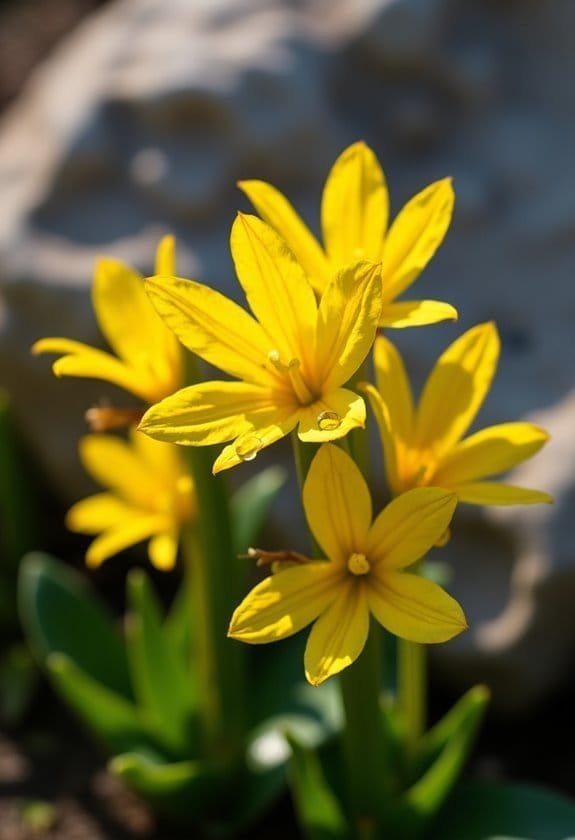
The Siberian Wallflower, known scientifically as Arabis allionii, is a vibrant addition to gardens and meadows, celebrated for its striking orange flowers that bloom in early spring. Belonging to the Brassicaceae family, this plant, also referred to as Cheiranthus allionii, presents an aesthetic appeal while proving highly beneficial for local ecosystems.
Reaching heights of 1-2 feet, it thrives in well-drained soil types, including sandy, loam, and clay, preferring full sun conditions.
Once established, the Siberian Wallflower requires minimal maintenance, making it a user-friendly option for both novice and experienced gardeners. Its nectar-rich, fragrant flowers not only entice bees and butterflies but also promote biodiversity in the environment.
This short-lived perennial or biennial plant can self-sow, encouraging naturalized populations that enhance the landscape year after year.
Available in seed packets, Arabis allionii stands out as a cost-effective choice for gardeners committed to eco-friendly practices. Its adaptability and ability to flourish in various soil conditions underscore its significance in sustainable gardening and garden beautification alike, promoting harmony with nature while providing enduring visual enjoyment.