Asparagus officinalis, or common asparagus, is a fascinating herbaceous perennial reaching heights of 3 to 5 feet. Its needle-like leaves, arranged in clusters, add aesthetic beauty to gardens and habitat diversity. Thriving in well-drained loamy soil, it requires full sun and precise watering for ideal growth. After establishing a robust root system, spears can be harvested for culinary delights. Female plants produce visually striking red berries, though they contain toxic seeds. This plant not only enhances health with vitamins and low calories but also engages pollinators like bees. Each aspect invites further exploration into its cultural and ecological significance.
Main Points
- Asparagus officinalis is a herbaceous perennial that grows 3 to 5 feet tall with needle-like leaves and requires full sun for optimal growth.
- It thrives in well-drained loamy soil with a pH of 6.5 to 7.5, benefiting from compost addition before planting.
- Rich in vitamins A, C, E, K, and folate, asparagus offers numerous health benefits while being low in calories due to its high water content.
- Flowers are small and bell-shaped, attracting pollinators like bees and butterflies, which are crucial for berry production in female plants.
- Care includes managing pests like the Common Asparagus Beetle and ensuring proper harvest techniques to promote robust future growth.
Introduction
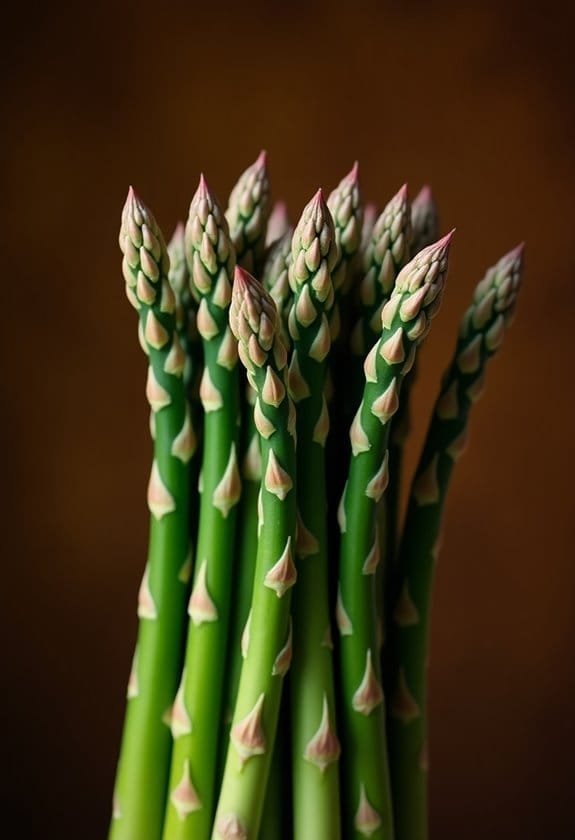
Asparagus officinalis, popularly known as garden asparagus, stands as a remarkable herbaceous perennial that can reach impressive heights of 3 to 5 feet.
Characterized by stout stems and delicate, feathery foliage, this plant thrives in well-drained loamy soil with a pH between 6.5 and 7.5, necessitating full sun for ideal growth.
The historical significance of asparagus, tracing back to ancient Egypt, emphasizes its enduring role in cuisine and culture across many regions, making it a fascinating subject for further exploration.
Common Name
The common name for Asparagus officinalis is simply "asparagus," a term that highlights its vibrant nature as it sprouts into tender green spears. Derived from the Latin meaning "to sprout" or "to shoot," this name reflects the plant's remarkable ability to emerge anew each spring.
An alternative name, "sparrow grass," recalls historical usage, particularly among peasants who cultivated this perennial vegetable. Asparagus showcases a variety of colors, including white and purple, each offering distinct flavor profiles that cater to diverse palates.
As a perennial vegetable, asparagus plants have the capacity to regenerate shoots for many years after they become established, facilitating a rewarding harvest cycle that encourages consistent cultivation. Its unique growth habits and delicious taste contribute to asparagus's celebrated status in culinary traditions and cultural festivities across numerous regions, particularly during vibrant spring celebrations.
As people indulge in its delicate flavors, they connect with traditions that span centuries, illustrating not just a passion for food but a broader appreciation for the natural world. Consequently, asparagus symbolizes the intersection of nature's bounty and human culture, encapsulating the joy derived from simple yet profound sustenance.
Scientific Name
Originating in ancient times, the scientific name for common asparagus is Asparagus officinalis, a designation that underscores its botanical significance. This herbaceous, perennial plant typically reaches heights of 3 to 5 feet, showcasing a robust presence in gardens and forests alike.
Characterized by stout stems, feathery needle-like leaves, and delicate bell-shaped flowers, Asparagus officinalis often displays yellowish-green hues that provide a lovely contrast against its leafy backdrop. This species is native to Europe, Africa, and Asia, yet it has successfully naturalized in many regions, including the United States, where it thrives in various climates.
The plant also produces small red berries measuring 6 to 10 mm in diameter. While visually attractive, these berries contain toxic seeds that pose risks to humans and pets alike, emphasizing the need for caution.
Understanding its scientific classification offers insight into Asparagus officinalis's ecological role and potential applications in culinary and medicinal contexts. Consequently, this remarkable plant not only enriches biodiversity but also provides a unique link to agricultural history, inviting both admiration and respect from gardeners and botanists globally.
Overview
Often celebrated for its culinary versatility and health benefits, garden asparagus captivates both amateur and professional gardeners alike.
Asparagus officinalis, the scientific name for garden asparagus, is a perennial plant exhibiting dioecious characteristics, meaning it produces separate male and female flowers. Typically thriving in well-drained loamy soil, these asparagus plants flourish within a pH range of 6.0 to 8.0. Reaching heights of 3 to 5 feet, the plants showcase feathery, needle-like leaves that cluster beautifully in rose-like shapes.
The growing season for garden asparagus is essential; the initial two years focus on establishing robust root systems to support future yields. Harvesting should commence only after this period.
Significantly, male plants tend to generate more edible spears compared to their female counterparts due to their reduced energy expenditure on seed production.
Rich in essential vitamins A, C, E, and K, as well as folate, garden asparagus serves as a nutritional powerhouse while maintaining a low-calorie profile, thanks to its impressive water content of 93%.
This delightful vegetable not only enhances culinary experiences but also offers substantial health benefits, making it a prized addition to gardens worldwide.
Key Features
Asparagus officinalis reaches impressive heights of 3 to 5 feet, showcasing stout stems and delicate, feathery foliage that forms clusters reminiscent of blooming roses.
This fascinating plant flowers during late spring to early summer, producing bell-shaped blooms that shift from greenish-white to yellowish hues, adding visual interest before yielding toxic red berries in female specimens.
Remarkably, the ideal growth conditions—well-drained, loamy soil with a pH of 6.5 to 7.5 and full sun—are essential for cultivating robust, edible spears.
Growth Size
The impressive growth size of Asparagus officinalis makes it a striking addition to any garden. Typically reaching heights of 3 to 5 feet, this perennial plant displays an erect structure that commands attention. With a canopy that spans 1.5 to 3 feet wide, its needle-like foliage forms lush clusters in whorls, adding texture and vibrancy to the landscape.
Asparagus spears are harvested at 6 to 8 inches, emphasizing the plant's quick growth and adaptability. By cutting the young spears at ground level, gardeners guarantee ideal tenderness and flavor. As the plants tend to mature, they develop stout stems that allow for various branching patterns, contributing to a bushy and multi-branched appearance that enhances their visual appeal.
Beneath the surface, the asparagus plants boast a robust root system composed of rhizomes. This underground network is essential for nutrient absorption, allowing the plant to thrive year after year.
Asparagus officinalis not only stands tall in gardens, but it also represents a resilient and productive addition, providing both aesthetic beauty and culinary delight through consistent growth.
Appearance
Strikingly tall, Asparagus officinalis displays a unique appearance that captivates garden enthusiasts. Typically reaching heights of 3 to 5 feet, this plant boasts erect, thick stems of asparagus that stand proudly, accentuated by their distinctive feathery foliage.
The needle-like leaves, grouped in clusters resembling rose petals, contribute to the plant's overall charm. Each leaf, measuring about 1 inch long, adds a delicate touch, enhancing the visual appeal.
Among the various asparagus plants, the female specimens are particularly remarkable. They yield small, shiny red berries, approximately 6 to 10 mm in diameter, which remain visible through winter, serving as a proof of the plant's hardiness. These berries contain seeds and provide not just beauty but also energy for future generations.
Asparagus exhibits a range of stem colors, mainly green or purple; the purple varieties are renowned for being sweeter and lower in fiber content. This variety not only showcases nature's diversity but also holds charming culinary implications.
Collectively, these attributes make Asparagus officinalis a fascinating and aesthetically pleasing addition to any garden, elevating both the landscape and the kitchen.
Flowering Season
During summer, the flowering season of Asparagus officinalis showcases its unique botanical characteristics. During this time, small greenish-yellow flowers emerge, adorning the plant in delicate clusters ranging from one to three blooms at the leaf axils. Each bell-shaped flower, measuring 4.5 to 6.5 mm in length, features six pale yellow to green tepals, crowned by striking orange-tipped stamens.
The male flowers tend to be more abundant, successfully enticing pollinators, while female flowers produce charming, ornamental red berries following the flowering period.
It's important to note that flowering usually occurs in the plant's second or third year, yet for optimal growth, spear harvesting should take precedence during the initial years. After the flowering season concludes, the asparagaceae must remain vigilant, allowing the ferns to stay intact until frost arrives.
This practice guarantees essential nutrient storage, critical for robust growth in the upcoming season. The cycle of flowering and dormancy reflects a deeper harmony within nature, emphasizing the intricate balances that sustain the life of Asparagus officinalis.
Therefore, understanding this crucial phase enriches our appreciation for this remarkable plant.
Growing Requirements
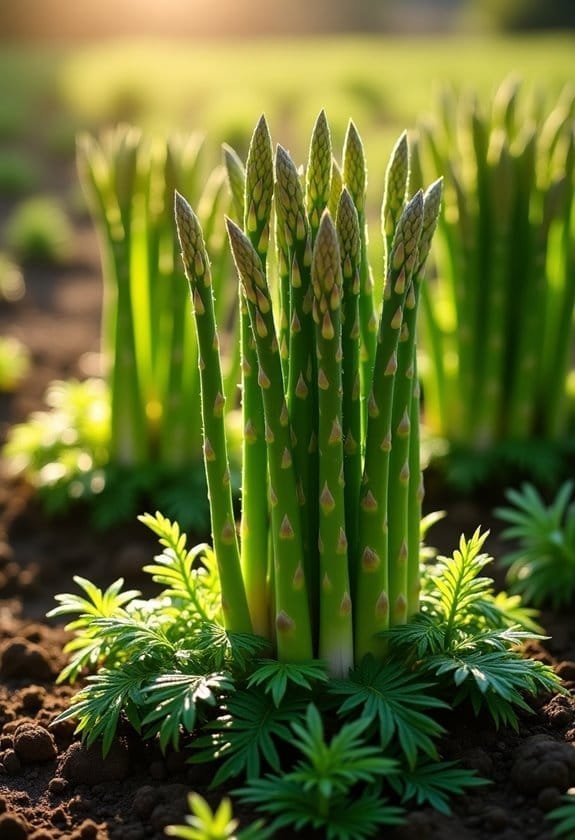
Asparagus officinalis flourishes in conditions that mimic its native habitat, requiring well-drained loamy soil with a pH range of 6.5 to 7.5.
Adequate sunlight and protection from frost are essential for sustaining young spears, while precise irrigation practices help maintain the balance of moisture important for ideal growth.
Understanding these fundamental growing requirements is significant for cultivating a robust asparagus crop, ensuring that each plant reaches its full potential in a carefully curated environment.
Light
For ideal growth, asparagus thrives under full sun exposure, requiring at least 6-8 hours of direct sunlight each day. This abundant light is essential for the development of vibrant young shoots, which emerge in early spring and require warmth to flourish.
In temperate climates, these tender spears are susceptible to frost damage, necessitating careful site selection that maximizes sunlight throughout the year.
Asparagus, with its robust nature, takes advantage of sunny conditions to photosynthesize effectively, converting light energy into nutrients vital for its growth. Without sufficient light, the plant's vigor diminishes, impeding productivity and potentially delaying harvest.
Furthermore, while growers should be vigilant about the overall health of their asparagus plants, they must remember that healthy light exposure plays a significant role in preventing disease.
Selecting a planting site that enjoys full sun not only promotes vigorous growth but also guarantees that the soil warms adequately, preparing it for the seasonal emergence of buds. Additionally, asparagus can benefit from interplanting with species like cross-leaved heath, which supports ecological diversity and provides pollinator resources for aiding in overall garden health.
Once soil temperatures reach around 45-50°F, the joyful cycle of growth begins, reminding gardeners of nature's rhythm and the careful balance required for a fruitful harvest.
Soil
When aiming for a successful asparagus crop, choosing the right soil is critical. Asparagus thrives in well-drained loamy soil, boasting a pH level between 6.5 and 7.5 for ideal growth. Unfortunately, poor performance occurs if the pH dips below 6.0, stunting the plant's potential.
Before planting asparagus crowns, gardeners should prepare the soil by incorporating compost and other amendments, ensuring it meets the necessary nutrient levels and pH balance.
To further support vigorous growth, a fertility boost is crucial. Applying approximately 1.2 lbs of 10-10-10 fertilizer per 100 feet of garden rows enhances the nutrient availability the plants need.
During the establishment phase, proper watering plays an equally essential role, as the first growing season demands an intake of 1-2 inches per week, all while preventing water-logged conditions that risk root rot.
To sustain ongoing productivity, soil testing every three years is advisable, allowing growers to monitor pH and nutrient needs effectively.
Water
Consistent watering is essential for a thriving asparagus crop, especially during its first growing season. To guarantee strong root establishment, growers should provide one to two inches of water per week, particularly during dry spells.
Drip irrigation is highly recommended, as it delivers moisture directly to the soil, effectively preventing water-logged conditions that can lead to root and crown rot.
Adequate soil drainage plays an equally important role; without it, water-logged soil may foster diseases that are detrimental to the health of asparagus plants.
During the initial years of growth, attentive monitoring of moisture levels is crucial for supporting young plants as they develop robustly above and below the soil surface.
It's important for gardeners to avoid overwatering or allowing standing water around the asparagus crowns, as this practice can severely hinder their growth and overall vitality.
Temperature
Asparagus thrives best in frost-free areas, as young spears are particularly vulnerable to frost damage during their early growth phases. The ideal soil temperature for asparagus growth ranges from 45°F to 50°F, a significant range that supports the emergence of buds about 10 to 12 days after soil warming. By establishing roots in slightly warmer soil, the plant promotes vigorous development and a robust root system, ensuring stronger yields in the long run.
In addition to temperature considerations, asparagus plants require full sun exposure to flourish. Ideally, they should receive 6 to 8 hours of direct sunlight each day, which energizes their growth processes and maximizes photosynthesis.
For gardeners in cooler climates, it's essential to select planting sites that offer protection from cold winds, thereby minimizing stress on developing spears. Monitoring soil temperatures closely is instrumental in enhancing the overall health of asparagus plants, enabling them to thrive despite challenging environmental factors.
Pollinator Criteria
Asparagus officinalis is particularly inviting to various pollinators, especially bees and butterflies, due to its bell-shaped, yellow-green flowers.
These insects play a crucial role in the plant's reproduction by transferring pollen from male to female plants, considerably influencing seed production and overall plant health.
A diverse habitat enriched by Asparagus not only encourages these essential pollinators but also fosters a balanced ecosystem that enhances both growth and ecological resilience.
Attracted Pollinators
While these plants thrive in diverse environments, the successful reproduction of Asparagus officinalis heavily relies on the activity of various pollinators. During the flowering period in summer, small yellow-green flowers emerge, attracting essential visitors such as bees and butterflies.
These pollinators play an important role, particularly because Asparagus officinalis is dioecious, meaning it has distinct male and female plants. Male plants produce a greater number of flowers, which typically entice more pollinators, enhancing overall pollination efficiency.
For female plants, cross-pollination facilitated by these pollinators is crucial for seed production. Without this significant interaction, the development of small, ornamental red berries becomes impossible.
The diversity of pollinators directly influences the robustness of asparagus growth, ensuring that female plants yield the highest possible quality. Additionally, enhancing the surrounding environment with companion plants can create a haven for these beneficial insects, fostering biodiversity.
This strategy not only supports the health of asparagus crops but also optimizes berry production in female plants. In this interconnected ecosystem, the lively activity of pollinators becomes a linchpin in the reproductive success of Asparagus officinalis.
Pollination Method
Since successful seed production hinges on effective pollination, understanding the criteria for pollinators becomes essential for cultivating Asparagus officinalis. This dioecious plant, characterized by separate male and female specimens, necessitates cross-pollination to achieve ideal seed production.
During the summer flowering period, small, bell-shaped flowers release their pollen, attracting various pollinators, with bees playing a crucial role due to their activity and efficiency. The dynamic interplay between pollinator activity and the productive capabilities of asparagus directly influences overall crop outcomes.
Male plants, which yield larger and more abundant edible spears, rely on female plants, whose resources are often diverted toward seed development, leading to fewer harvestable shoots. Nevertheless, successful fertilization results in the formation of red berries on female plants, an indicator of accomplished pollination, albeit these berries are generally less desirable for human consumption.
Implementing effective pollination practices and fostering healthy populations of pollinators can greatly enhance yields of asparagus spears in cultivated environments. Consequently, recognizing and nurturing pollinator activity grants asparagus growers a crucial advantage, ensuring a bountiful harvest while supporting biodiversity within their agricultural practices.
Enhanced pollination can effectively bridge the gap between floral potential and actual harvest.
Care & Maintenance
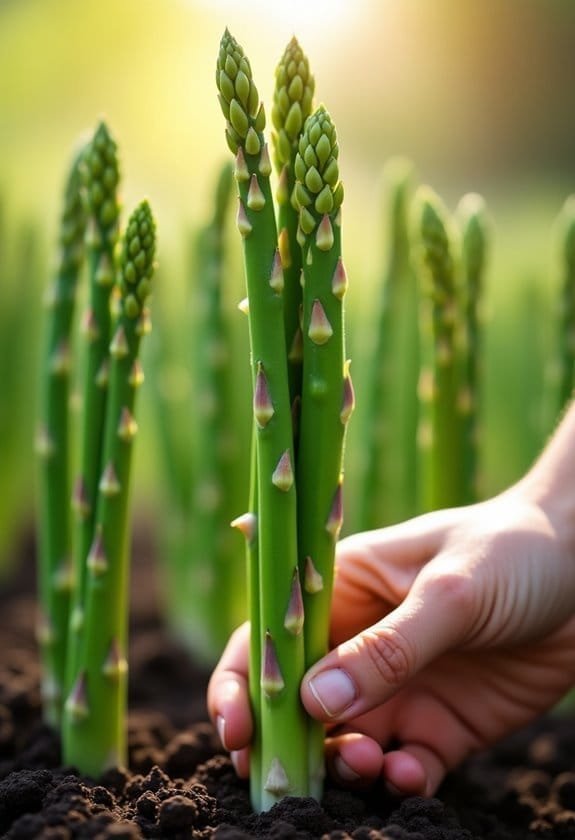
Asparagus thrives best with careful attention to its soil, watering, and maintenance techniques.
Establishing it in well-drained loamy soil with a pH between 6.5 and 7.5, along with consistent watering of 1-2 inches weekly during the first growing season, lays the foundation for robust growth.
Once established, it's essential to leave the ferns until frost naturally ends their life cycle, allowing them to enrich the soil for future harvests while minimizing pests through the selection of resistant varieties.
Planting Tips
Successfully planting asparagus requires careful attention to soil preparation and spacing. To promote optimal growth, cultivators should select well-drained, loamy soil with a pH ranging from 6.5 to 7.5.
When planting asparagus crowns, it's important to position them in furrows 6-8 inches deep and space each crown 12-18 inches apart to prevent overcrowding, allowing each plant to flourish.
Prior to planting, incorporating compost into the soil can enhance its structure and nutrient content. Additionally, applying 1.2 lbs of a balanced 10-10-10 fertilizer per 100 feet guarantees that the asparagus plants will have the requisite nutrients for robust development.
During the first growing season, consistent watering is essential; providing 1-2 inches of water weekly, preferably through drip irrigation, prevents water-logged soil that could lead to diseases.
Weeds can compete for important nutrients, so regularly hoeing and removing them early will benefit the asparagus. Applying a layer of straw mulch will help suppress weed germination while maintaining favorable conditions for the ferns, which continue to store nutrients until frost.
Regular soil testing every three years helps maintain prime conditions for these magnificent plants.
Ongoing Care
Effective ongoing care is significant for maintaining a healthy asparagus bed throughout its growing season. Consistent watering, amounting to 1-2 inches per week, is particularly imperative during dry spells, especially in the first growing season. This practice encourages robust growth while preventing the water-logged conditions that can lead to dangerous diseases.
Mulching with straw serves multiple functions; it suppresses weed growth, thereby allowing for ideal nutrient absorption, and retains necessary soil moisture. It's advisable to hand-pull any weeds early to guarantee asparagus plants thrive without competition.
Leaving the ferns intact until they naturally succumb to frost facilitates better nutrient storage, promoting recovery for the upcoming season.
Additionally, a light application of compost or a balanced 10-10-10 fertilizer in either spring or fall can provide vital nutrients, though no further fertilization is necessary during the growing season.
Regular monitoring for pests, such as asparagus beetles, is essential; prompt removal of any infected plant material helps maintain overall plant health and prevents potential disease outbreaks.
Engaging in these practices guarantees a productive and sustainable asparagus bed, yielding delicious spears for years to come.
Suggested Companions
When choosing companion plants for asparagus, gardeners can enhance both growth and flavor while creating a more balanced ecosystem. Beneficial companions, such as dill, coriander, and basil, can stimulate asparagus's growth and improve its flavor profile, providing a delightful culinary experience.
Marigolds, renowned as effective pest repellents, guard against destructive insects, cultivating a healthier garden environment for asparagus plants.
Moreover, planting strawberries near asparagus yields mutual benefits; asparagus serves as a natural deterrent against pests that threaten strawberries, promoting harmonious cohabitation. Additionally, oregano and alyssum contribute beneficial interactions, supporting asparagus health while suppressing weeds that could compete for essential nutrients and water.
However, gardeners should take care to maintain distance from plants like onions and garlic, as their presence can adversely affect asparagus growth, hindering overall productivity.
By strategically selecting companion plants, one can create a flourishing garden ecosystem where each cultivar plays its part, ensuring robust health and resilience. This method allows for planting resistant varieties that thrive together, highlighting the interconnectedness of species within a garden.
Common Issues
Asparagus cultivation faces several challenges, including pests like the Common Asparagus Beetle and diseases such as Fusarium root rot.
These issues not only threaten the health of the plants but can also greatly reduce yields if not addressed promptly.
Pests/Diseases
Pests and diseases pose significant challenges to asparagus cultivation, threatening the health and yield of these prized plants. Among the most notorious pests, the Common Asparagus Beetle and the Spotted Asparagus Beetle can severely weaken crops, necessitating diligent monitoring and hand removal strategies for effective pest management.
Another common insect, the Asparagus Aphid, reproduces rapidly in spring, often leaving twisted leaves and honeydew deposits, which indicate an urgent need for intervention, such as water sprays or introducing beneficial insects.
Additionally, cutworms, which target young asparagus plants at night, can be deterred by implementing preventive measures, like placing collars around newly planted crowns for added protection against their voracious appetite.
Diseases such as Fusarium root and crown rot, asparagus rust, and purple spot further complicate cultivation efforts, often leading to significant crop losses if not addressed promptly. Adopting proper cultural practices, alongside selecting resistant varieties, is essential for mitigating these threats.
Continued vigilance against these pests and diseases is crucial, as outbreaks can emerge unexpectedly, underscoring the need for regular inspections and timely responses to safeguard asparagus health and productivity.
Solutions
Effective solutions to common issues in asparagus cultivation are crucial for maintaining healthy crops and maximizing yields.
One considerable threat comprises the spotted asparagus beetle, which can weaken plants. Gardeners should monitor these pests, employing hand removal and sanitation techniques to safeguard their spears.
Fusarium root and crown rot poses another serious challenge, often leading to stunted growth. To combat this disease, selecting resistant crown varieties and adhering to good cultural practices, such as crop rotation and proper drainage, is essential.
Regular soil testing every three years helps maintain ideal pH levels (between 6.5 and 7.5) and nutrient availability, supporting vigorous growth.
Addressing cutworm damage necessitates checking soil conditions around newly planted crowns and utilizing protective collars to deter these pests during feeding cycles.
Moreover, asparagus aphids can greatly harm crops by curling new growth and fostering sooty mold. Effective control strategies include regular harvesting to limit infestations, using powerful water sprays to dislodge pests, and introducing beneficial insects that naturally regulate aphid populations.
Through these integrated approaches, growers can cultivate thriving asparagus plants, enhancing their overall productivity and resilience against common adversities.
Summary
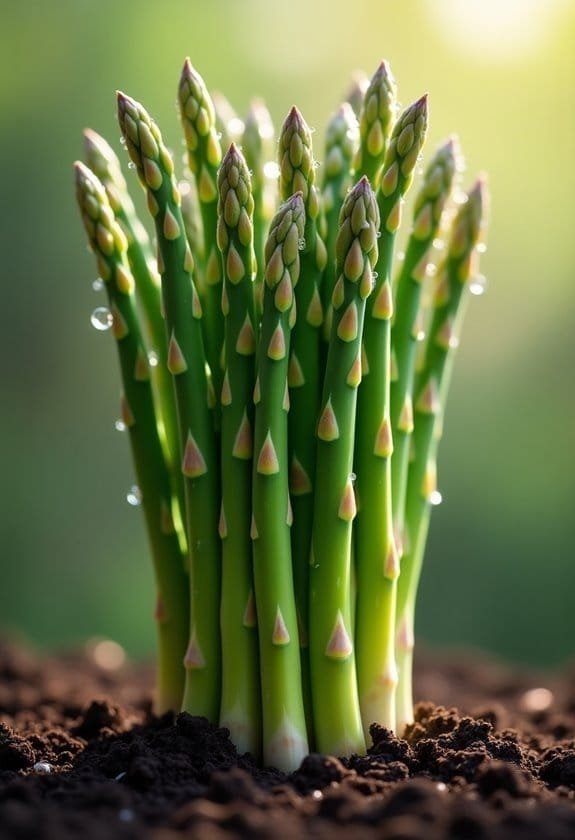
Garden asparagus, scientifically known as Asparagus officinalis, is a versatile perennial plant that stands out for its distinctive stout stems and feathery foliage, often reaching heights of 3 to 5 feet.
Thriving in well-drained loamy soil with a pH between 6.5 and 7.5, this remarkable vegetable crop requires full sun and frost-free conditions for ideal growth.
Asparagus comes with a unique reproductive system, where female varieties produce larger spears but may also yield inedible red berries, while preferred male hybrids, like Jersey Giant, enhance spear production efficiency.
Beyond its agricultural attributes, asparagus is celebrated for its health benefits. Rich in essential vitamins—A, C, E, and K—as well as crucial minerals and dietary fiber, it promotes digestion and overall wellness.
Curiously, the consumption of this nutritious vegetable can lead to a distinct odor in urine, a phenomenon that affects 40-79% of people due to asparagusic acid breaking down into sulfur compounds.