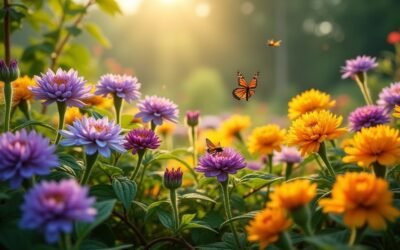
Callistephus chinensis, or China Aster, is a enchanting member of the Asteraceae family, renowned for its extensive color spectrum, including hues of white, blue, and violet. Typically reaching heights of 8 to 36 inches, its blooms can measure 3 to 6 inches in diameter. Thriving in hardiness zones 2 to 11, it prefers well-drained, loamy soil with a pH of 6.0 to 7.0. This flower attracts crucial pollinators like bees and butterflies, enriching garden biodiversity. Additionally, with proper care—including regular watering and deadheading—gardeners can foster splendid displays throughout the growing season and discover significant horticultural insights.
Main Points
- Callistephus chinensis, or China Aster, is a versatile flowering plant known for its vibrant blooms ranging from 3 to 6 inches in diameter.
- Thriving in hardiness zones 2 to 11, China Asters prefer rich, well-drained loamy soil with a pH of 6.0 to 7.0.
- Regular watering, particularly during dry spells, is essential for maintaining the plant's health and preventing root rot.
- The flowers attract various pollinators, including bees and butterflies, contributing positively to garden ecosystems.
- China Asters provide continuous blooms from June to October, enhancing garden aesthetics with their diverse colors and forms.
Introduction
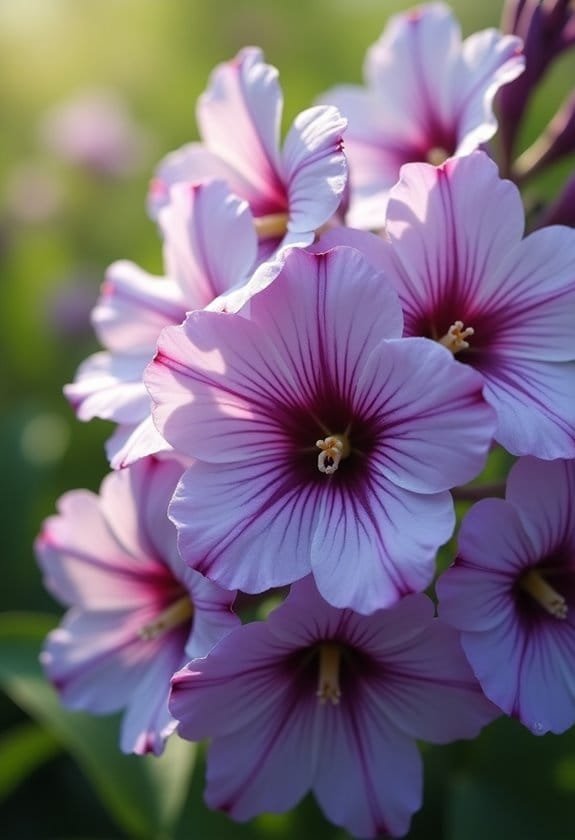
The China Aster, scientifically named Callistephus chinensis, stands as a vibrant example of floral diversity within the Asteraceae family.
Originating from China, this annual plant dazzles with an array of colors from soft pastels to vivid hues, boasting blooms that can reach up to six inches in diameter.
With its adaptable nature and suitability for various garden habitats, the China Aster not only beautifies landscapes but also enhances biodiversity, making it an admirable choice for gardeners looking to make a colorful impact.
Common Name
Known widely as the China Aster, Callistephus chinensis also goes by the names Annual Aster and Aster Sinensis. This annual flowering plant, a member of the Asteraceae family, finds its origins in the rich, diverse landscapes of China.
Gardeners and floriculturists adore the China Aster for its striking array of colors, which range from pure white and soft pink to vibrant red, deep blue, and sunny yellow.
The blooming season of China Asters stretches from early summer through fall, adding splashes of color to gardens and borders. These plants typically grow to heights between 8 to 36 inches, making them versatile choices for various planting arrangements, including borders and container gardens.
In addition to their height, China Asters exhibit a remarkable diversity in flower forms, featuring everything from simple daisy-like heads to lavish, fully double shaggy blooms, each enchanting in its own right.
Through their vivid colors and adaptable growth forms, China Asters enliven outdoor spaces, inviting admiration and joy from anyone who encounters their splendid display throughout the blooming season.
Scientific Name
Callistephus chinensis stands out not just for its vibrant blooms, but also for its unique classification in the plant kingdom. This species belongs to the Asteraceae family, an extensive group known for its composite flower structures. Originating in China, Callistephus chinensis is commonly referred to as the Annual Aster or Aster Chinensis, underscoring its seasonal lifecycle as an annual.
Phonetically pronounced as kal-LISS-steff-us chai-NEN-sis, the name reflects its intricate taxonomical roots. As a cool-weather annual, it thrives in diverse hardiness zones, specifically from 2 to 11, accommodating a broad range of climates. This adaptability contributes to its widespread popularity among gardeners and floral enthusiasts.
With over 80 different cultivars available, Callistephus chinensis exhibits an impressive variety of colors and flower forms, ranging from deep purples to soft pastels. Each cultivar showcases distinctive traits, enriching gardens and floral arrangements alike.
Its classification not only highlights its botanical significance but also emphasizes the remarkable beauty and versatility inherent in this beloved plant. Gardeners and florists alike can appreciate how a simple scientific name encapsulates a wealth of diversity and vibrant life.
Overview
Originating from China, the China Aster captures attention with its stunning display of colorful blooms and adaptability to various garden settings. Known scientifically as Callistephus chinensis, this cool-weather annual belongs to the Asteraceae family. The flowers exhibit a rich palette, showcasing shades of white, pink, red, blue, violet, purple, and yellow, with sizable blossoms ranging from 3 to 6 inches in diameter.
Typically, China Asters bloom from early summer through fall, offering extended visual interest in gardens. These plants grow between 8 to 36 inches tall, allowing for creative incorporation into diverse designs, including cottage and cutting gardens, as well as decorative borders.
They thrive best in well-draining soil, which prevents root rot and promotes healthy growth. Moreover, China Asters not only enhance the aesthetic appeal of a garden landscape but also serve as a safe choice for households with pets, being non-toxic to animals. Additionally, their attractive flowers draw pollinators such as bees, further enriching the garden ecosystem.
Consequently, the China Aster stands as a versatile and valuable option for gardeners seeking vibrant color and ecological benefits throughout the growing season.
Key Features
Callistephus chinensis, commonly known as China Asters, boasts an impressive range of growth sizes, with heights spanning from 8 to 36 inches, making them versatile choices for various garden spaces.
Their striking appearance features flowers that bloom in multiple colors and forms, including single daisy-like heads and luxurious double shaggy varieties, creating an enthralling visual display.
With a flourishing season that extends from early summer to fall, these annuals provide an enduring burst of color and aesthetic appeal, enriching any landscape throughout the warmer months.
Growth Size
When considering China asters, gardeners can expect a diverse range of growth sizes, making them versatile for various garden settings. These plants, known scientifically as Callistephus chinensis, typically range in height from 8 to 36 inches, depending on the cultivar selected.
Most commonly, a mature plant will reach heights of approximately 12 to 14 inches, particularly among compact varieties, which makes them perfect for borders and containers where space may be limited.
The versatility extends beyond height; bloom sizes also impact their aesthetic appeal. China asters showcase flowers that can measure between 3 and 6 inches in diameter, providing a bold visual statement within any landscape.
This variety includes not only single daisy-like heads but also fully double shaggy blooms, each type contributing unique texture and depth to garden arrangements.
With a wide array of cultivars available, gardeners can easily find specific mature plant characteristics that ignite their creative vision.
Whether one seeks low-growing options or taller perennials adorned with vibrant blooms, China asters cater to different gardening preferences, enabling the creation of stunning floral displays brimming with color and life.
Appearance
With their striking presence in gardens, China asters (Callistephus chinensis) stand out due to their vibrant color palette and distinctive bloom forms. These flowers typically rise to heights of 8 to 36 inches, offering a versatile addition to any garden landscape.
Their broadly ovate to triangular-ovate leaves, which feature deep serrations, contribute to a lush and appealing foliage appearance that beautifully complements the exquisite flowers.
The flower blooms themselves vary notably, ranging from 3 to 6 inches in diameter. China asters display an impressive array of forms, including single daisy-like heads and fully double shaggy varieties that invite admiration.
The colors available for these blooms are nothing short of stunning, encompassing whites, pinks, reds, blues, violets, purples, and yellows. This remarkable diversity allows gardeners to craft dynamic, eye-catching displays throughout their spaces.
Each China Aster bloom typically lasts around six weeks, enhancing their appeal during the growing season. With peak flowering taking place from early summer through fall, these plants provide extended visual interest, infusing gardens with their rich colors and unique flower arrangements, making them a celebrated choice for garden enthusiasts.
Flowering Season
The flowering season of China asters showcases an alluring display of colors that enriches gardens from early summer to mid-fall. Typically, their flowering period spans from June to October, presenting a continuous spectacle that attracts gardeners and pollinators alike.
The peak blooming time generally occurs in late summer and early autumn, making this a vital moment for enhancing garden aesthetics.
China asters offer a diverse range of blooms, with flower sizes measuring between 3 to 6 inches in diameter. Their colors include vibrant shades of pink, purple, white, and blue, creating a lively tapestry of hues in any setting.
With variations like single, semi-double, and fully double blooms, gardeners can experience blooming that varies in complexity and texture.
To prolong the flowering period, some enthusiasts practice succession planting. By sowing seeds every two weeks following the last frost, they can achieve staggered blooms that extend this magnificent showing even further.
Despite individual blooms lasting about six weeks on average, ideal care can enable some to thrive for up to two months. Consequently, China asters contribute not only beauty but also duration to delightful garden scenes.
Growing Requirements
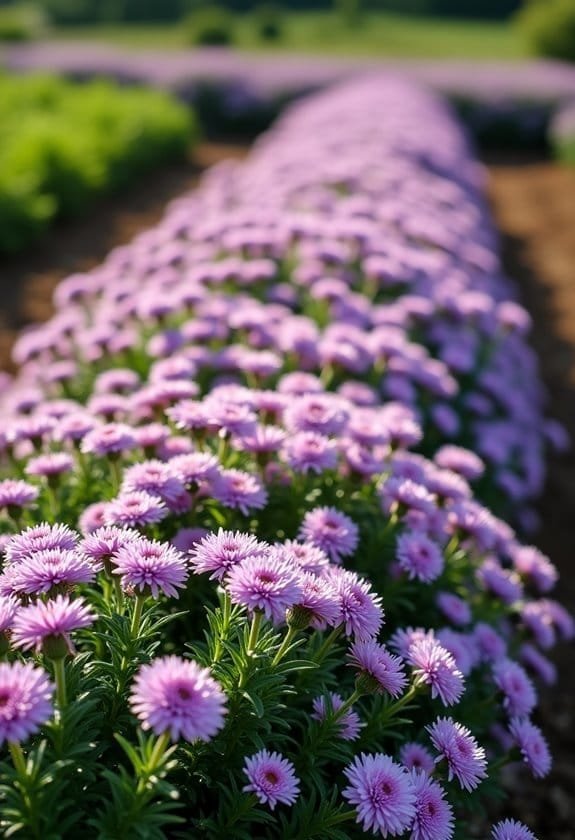
In cultivating Callistephus Chinensis, understanding its growing requirements is essential for thriving plants and abundant blooms.
These vibrant china asters prefer full sun to partial shade, flourishing best in rich, well-drained soil that remains evenly moist yet not soggy.
Light
Although China asters (Callistephus chinensis) flourish best in full sun, they can tolerate partial shade, provided they receive at least six hours of direct sunlight each day for ideal growth. These vibrant flowers thrive in conditions that expose them to bright light, greatly enhancing their blooming potential.
However, in hotter climates, the provision of midday shade becomes crucial, protecting the plants from excessive heat and preserving both their vitality and blooming capacity. Notably, similar to Dog Rose, wild roses also require adequate sunlight for optimal growth and flowering.
To guarantee robust growth, maintaining good air circulation around the plants is critical. Not only does it optimize light exposure, but it also helps minimize the risk of fungal diseases, which can stem from stagnant air.
The right soil temperature further complements these conditions; a well-draining soil that retains moisture allows the roots to absorb sunlight efficiently. Additionally, monitoring growth patterns can help identify when the plants might need additional light or shade adjustments for optimal health.
Regular monitoring for adequate sunlight exposure is fundamental, as inadequate lighting may lead to stunted growth, fewer blossoms, and overall diminished plant health.
Therefore, for China asters to reach their full potential, a combination of sufficient light, thoughtful shading in extreme heat, and good air circulation are all crucial components in their nurturing environment.
Soil
Successful growth of Callistephus chinensis heavily depends on the quality of soil. This vibrant flower thrives in rich, loamy soil that's well-drained and maintains an even moisture level, which is critical for robust growth and prolific blooming. Ideally, the soil should have a pH range of 6.0 to 7.0, ensuring ideal nutrient availability as well as overall plant health.
Regularly amending the soil with organic matter, such as compost, not only enriches the soil but also enhances fertility, fostering vigorous plant development.
In addition, keeping the soil consistently moist throughout the growing season is essential, and gardeners should aim to water the plants at least twice a week, particularly during dry spells.
To further retain soil moisture and regulate temperature around the root zone, mulching is a highly recommended practice. A layer of organic mulch can work like a protective blanket, preventing excessive evaporation while also suppressing weeds.
Consequently, giving proper attention to the soil quality and moisture requirements can indeed pave the way for flourishing Callistephus chinensis, transforming gardens into vibrant displays of color throughout the season.
Water
Water is essential for the thriving growth of Callistephus chinensis, commonly known as China aster. These vibrant flowers require regular watering, ideally twice a week, to maintain evenly moist soil. Consistent watering is necessary, especially during hot, dry periods, as it prevents wilting, which can drastically inhibit blooming and damage delicate flowering buds.
However, it's crucial to avoid overwatering, as waterlogged conditions can lead to root rot and various diseases. China asters flourish in well-drained soil, where excess moisture can escape.
To assist in retaining soil moisture without risking water accumulation, gardeners can apply a layer of mulch around the plants; this simple practice not only conserves moisture but also helps regulate soil temperature, promoting favorable growth conditions.
In cooler conditions, adjustments in watering frequency may be necessary—though it's important to make sure that soil doesn't dry out completely. Keeping the soil moist guarantees that these beautiful flowers can display their rich colors and thrive, creating a stunning visual impact in gardens while consistently encouraging healthy growth and splendid blooms.
With careful attention to watering practices, one can cultivate a flourishing display of China asters.
Temperature
Callistephus chinensis, or China aster, thrives in cool conditions, with ideal temperatures ranging from 65°F to 75°F (18°C to 24°C). This temperature range is fundamental for peak bloom production; excessive heat can hinder flowering and even cause the plants to stop blooming altogether. Consequently, in regions with extreme summer temperatures, it's wise to provide some shade or to plant in cooler areas to maintain plant vigor.
Moreover, soil temperature plays an important role during the germination phase, which generally occurs within 10 to 15 days. For successful germination, it's necessary to keep the soil temperature between 65°F and 70°F (18°C to 21°C).
China asters can adapt to various hardiness zones, specifically from zones 2 to 11, showcasing their resilience in varied temperature conditions. However, gardeners should remain vigilant of temperature extremes, as China asters can be sensitive to prolonged wet weather, which may threaten their overall growth and well-being.
This attention to temperature not only facilitates robust development but also encourages abundant and vibrant blossoms, ensuring that these beautiful flowers thrive in a garden setting.
Pollinator Criteria
China Asters, or Callistephus chinensis, attract a myriad of pollinators, primarily bees and butterflies, due to their vibrant blooms and abundant nectar.
With flowers ranging from 3 to 6 inches in diameter, these plants offer perfect landing pads for pollinators engaging in vital pollination methods, which notably contribute to both plant reproduction and ecosystem health. Moreover, Selfheal's blooms also enrich pollinator habitats by providing essential nectar sources.
Cultivating China Asters not only enhances garden aesthetics but also fosters biodiversity, creating welcoming environments for these essential species. Moreover, similar to Brooklime's flowers, China Asters support pollinators by providing accessible feeding platforms.
Attracted Pollinators
Attracting a diverse array of pollinators, China asters stand out in gardens with their vibrant flower colors and rich nectar. These spectacular blooms, which flourish from early summer to fall, serve as a consistent food source for bees, butterflies, and other beneficial insects, thereby fostering a resilient ecosystem.
With their broad, open flower heads, China asters provide convenient access, allowing pollinators to efficiently gather nectar while inadvertently facilitating the process of pollination. The presence of similar flowering plants, such as Campanula glomerata, can enhance pollinator visits and promote healthy garden biodiversity.
The diverse hues of China asters—from white and pink to blue and yellow—appeal to specific pollinator preferences, showcasing how color can influence biodiversity within a garden.
For instance, bees are often drawn to blue and purple blossoms, while butterflies tend to favor vibrant reds and pinks. This color variety not only enhances visual interest but also stimulates ecological interactions, promoting healthy pollinator populations. Additionally, planting species like water mint can further attract pollinators due to its nectar-rich flowers, creating an even more inviting environment for these essential insects.
Pollination Method
Pollinators play an essential role in the reproduction of China asters through their method of pollination. These vibrant flowers, with their multitude of disc and ray florets, create an inviting environment for bees, butterflies, and other insects.
The structure of the flowers allows easy access to nectar, which serves as a critical food source for these pollinators. The bright colors, ranging from white to purple and yellow, act as visual signals, enhancing attraction and increasing visitation rates.
China asters bloom from early summer to fall, offering an extended period for pollination. This continuous flowering cycle maximizes interaction with pollinators, thereby facilitating efficient cross-pollination among plants. Helianthemum nummularium also plays a significant role in supporting pollinator populations through their abundant nectar and pollen resources. Additionally, like other flowering plants, Erysimum species play a significant role in supporting pollinator populations through their abundant nectar and pollen resources.
Care & Maintenance
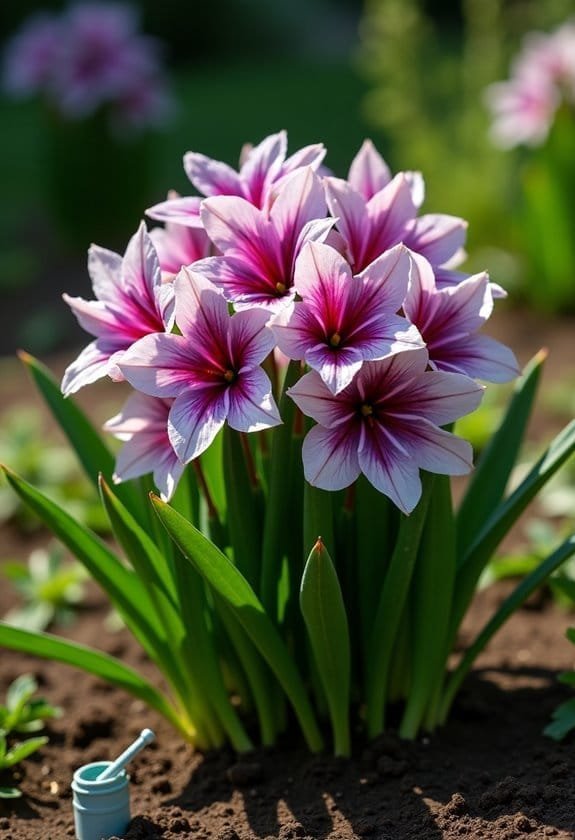
When it comes to caring for Callistephus chinensis, understanding its specific needs is crucial for ideal health and vibrant blooms.
The plant thrives in full sun or partial shade and requires rich, well-drained soil; regular watering and biweekly fertilization will guarantee it flourishes.
Moreover, proper spacing of 6-12 inches between plants promotes air circulation, which is fundamental for preventing diseases and encouraging a robust growth environment.
Planting Tips
Planting the vibrant China Aster brings a splash of color to any garden, but proper care and maintenance are fundamental for thriving blooms.
Gardeners can start China Aster seeds indoors about 6 to 8 weeks before the last frost date, ensuring they sow seeds correctly by covering them with no more than 1/8 inch of soil for ideal germination. Alternatively, they can directly sow seeds in garden beds after the last frost. Providing ample space between seedlings is essential; a spacing of 6 to 12 inches encourages good air circulation and mitigates disease risks.
Regular watering is important for China Asters, ideally occurring twice a week, especially during drier spells, while keeping the soil rich, well-drained, and evenly moist.
Throughout the growing season, a balanced 10-10-10 fertilizer applied biweekly enriches the soil, promoting robust blooming and overall plant health.
As the bloom time approaches, gardeners should also focus on maintaining the plant's health—regularly deadheading spent flowers stimulates the production of new blooms, ensuring a stunning display that lasts from early summer through fall.
Ongoing Care
To keep China Asters thriving after the initial planting, ongoing care plays a key role in guaranteeing sustained blooms and overall plant health.
These vibrant flowers flourish in full sun or partial shade, necessitating rich, well-drained soil that's kept moist but not soggy. Regular watering, typically twice a week, is critical, especially during dry spells, enabling the plants to maintain ideal moisture levels for impressive blossoms.
In addition to hydration, bi-monthly fertilization greatly enhances growth and encourages vivid colors during the blooming season. Deadheading spent flowers not only beautifies the plant but also stimulates prolonged blooming periods.
To promote an airy growing environment, gardeners should space China Asters 6-12 inches apart to avoid overcrowding—a practice that reduces disease risk.
Furthermore, keeping an eye out for common pests such as aphids and spider mites is important. Timely intervention can prevent these nuisances from wreaking havoc on the plant's health.
Similarly, vigilance against diseases like Fusarium wilt guarantees that the China Asters remain healthy and productive. With dedicated care, these charming flowers can delight garden enthusiasts throughout the growing season.
Suggested Companions
Choosing the right companions for China asters can greatly enhance both the health of the plants and the beauty of the garden. Pairing China asters with marigolds serves a dual purpose; the marigold's natural repellent properties deter harmful pests like aphids, reducing potential infestations and promoting plant vigor.
Additionally, incorporating companion plants such as snapdragons and cosmos enhances visual harmony while attracting essential pollinators, critical for a flourishing ecosystem.
To maintain peak growth, it's essential to arrange taller companions like zinnias or sunflowers towards the back of garden arrangements. This guarantees that sunlight adequately reaches the shorter China asters without being overshadowed, allowing them to thrive.
Moreover, borage stands out as a significant companion, attracting beneficial insects like bees, which actively promote pollination and improve the overall soil quality—fundamental for neighbor flowers.
Lastly, keeping at least 12 inches of space between China asters and their companions maximizes air circulation. This careful spacing prevents moisture accumulation, greatly lowering the risk of mold and other diseases that could threaten plant health. Additionally, staggering plant heights can create a visually appealing garden structure while optimizing sunlight exposure for all plants.
Common Issues
China asters encounter a range of common issues, primarily due to pests and diseases that threaten their health.
Fusarium wilt and aster yellows, among other ailments, necessitate prompt action to protect the plant's well-being, while pests like aphids and spider mites can wreak havoc if left unchecked.
Pests/Diseases
Pests and diseases pose considerable threats to the health of Callistephus chinensis, commonly known as China asters. Among the most frequent pests are aphids and spider mites, which can undermine the structural integrity of the plants and lead to severe damage if left unchecked.
In addition, the presence of Fusarium wilt—a soil-borne fungal disease—can devastate aster populations, as it interferes with the plant's capacity to absorb nutrients and water. Immediate removal of infected specimens is essential to halting its spread within the garden.
Similarly, root and stem rot can manifest in poorly drained soil, underscoring the necessity of proper drainage techniques to safeguard plant health. Another alarming issue is aster yellows, a bacterial disease transmitted by leafhoppers that induces stunted growth, resulting in diminished visual appeal and liveliness.
To combat this condition, one must diligently monitor the leafhopper population while promptly eliminating infected plants. Regular inspection for both pests and diseases is critical; early detection enables gardeners to maintain vibrant blooms and prevent the rapid proliferation of infestations or infections.
A proactive approach can markedly enhance the resilience and longevity of China asters.
Solutions
To effectively manage common issues that arise with Callistephus chinensis, gardeners should implement a series of targeted solutions.
Fusarium wilt, a notorious soil-borne disease, necessitates prompt removal of infected plants to halt the spread to neighboring, healthy specimens. Additionally, ensuring effective pest management is essential; regular monitoring for aphids and spider mites can prevent infestations, while organic pesticides may be used to maintain balanced populations without harming beneficial insects.
Aster yellows, another significant concern, stems from bacterial infection and manifests through stunted growth in affected plants. Therefore, controlling leafhopper populations becomes fundamental in curbing transmission.
Furthermore, stem rot often results from poor drainage, indicating a need for proficient soil management practices that limit excess moisture around the roots. By ensuring well-drained soil, gardeners can create an unfavorable environment for pathogens that thrive in soggy conditions.
Interestingly, China asters exhibit deer-resistance, making them a smart choice for gardens in areas plagued by these foraging mammals.
Applying these targeted strategies not only fosters a healthy environment for Callistephus chinensis but also enhances overall garden vitality, ensuring blooms remain vibrant and flourishing throughout the growing season.
Can Chinese Forget-Me-Nots Be Planted Alongside China Asters?
Yes, Chinese Forget-Me-Nots and China Asters can be planted alongside each other as they both thrive in similar growing conditions. Both plants are known for their vibrant and colorful blooms, and they can create a beautiful and diverse garden display when planted together. Cynoglossum amabile plant characteristics make it a great addition to any garden.
Summary
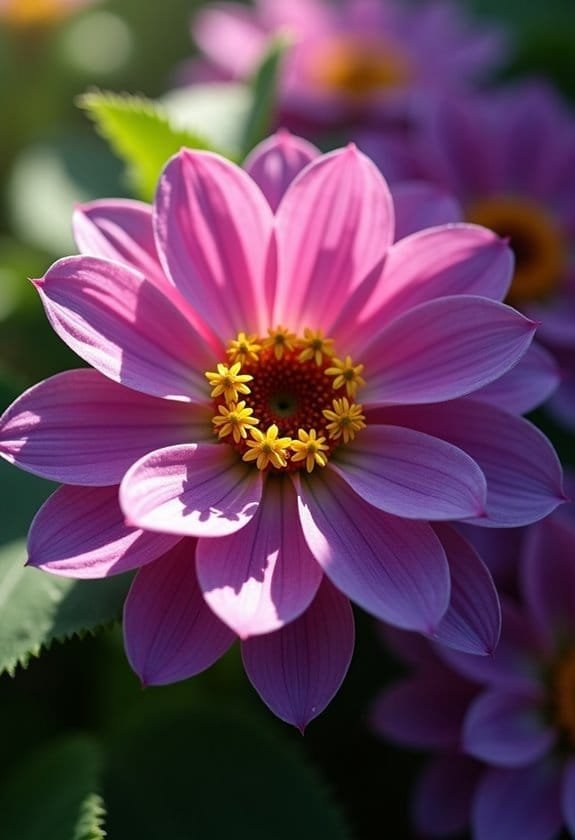
Callistephus chinensis, also known as the China Aster, is a vibrant addition to any garden, offering an impressive display of colorful blooms from early summer to fall.
This cool-weather annual, with blooms ranging from 3 to 6 inches in diameter, thrives under full sun to part shade in rich, well-drained soil. Regular watering guarantees soil moisture, especially in areas prone to drought.
China Asters showcase diverse cultivars, reaching heights between 8 to 36 inches and featuring a spectrum of hues, including white, pink, red, blue, violet, purple, and yellow.
Beyond their aesthetic appeal, they're drought-tolerant and deer-resistant, making them an exceptional choice for sustainable gardens. However, gardeners must remain vigilant against common pests like aphids and spider mites, as well as diseases such as aster yellows.
Regular monitoring, crop rotation, and the prompt removal of infected plants help manage these threats effectively. Additionally, China Asters contribute positively to their ecosystems by attracting essential pollinators like bees, enhancing biodiversity. They thrive in well-draining soil, similar to the cornflower, which helps prevent root rot.