Calluna vulgaris, known as heather, is a hardy perennial dwarf shrub that flourishes in well-drained, acidic soils, typically favoring a pH around 6.0. Ranging from 4 to 24 inches in height and spreading 1 to 2 feet wide, this evergreen plant possesses needle-like leaves and charming bell-shaped mauve flowers, which attract essential pollinators from July to September. Heather's minimal maintenance needs and drought tolerance make it an appealing choice for gardeners seeking to enhance biodiversity. As annual pruning encourages bushy growth and vibrant blooms, cultivating heather may bring delightful surprises to any garden or landscape. Further insights await those intrigued by this resilient plant.
Main Points
- Calluna vulgaris, commonly known as heather, is a perennial dwarf shrub that thrives in acidic and well-drained soils.
- It produces charming mauve or white flowers, blooming from July to September, attracting various pollinators.
- Heather prefers full sun with at least six hours of sunlight daily and requires about one inch of weekly watering initially.
- This plant plays a vital ecological role in soil stabilization and serves as a habitat for wildlife, particularly red grouse.
- Regular pruning in early spring enhances bushy growth and promotes healthy blooming, while minimal maintenance is needed once established.
Introduction
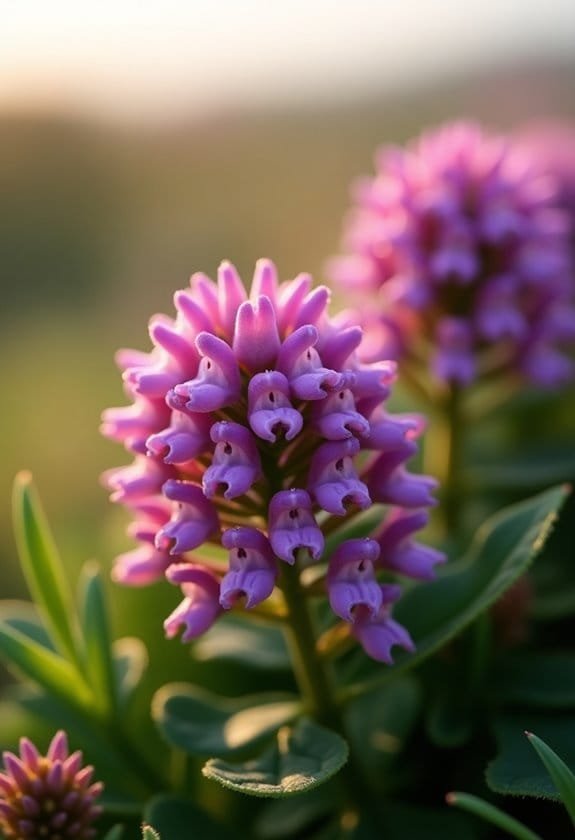
Commonly known as heather, Calluna vulgaris is a resilient, perennial dwarf shrub that enchants with its small, colorful blooms during the summer months.
Standing at a modest height of 4 to 24 inches, its distinguishing features include tiny leaves, seldom exceeding 3mm, which form opposite pairs, setting it apart from its close relative, Erica.
This remarkable plant thrives in Europe's heathland and moorland ecosystems, favoring acidic soils and full sunlight, making it a favored choice for gardens and landscapes alike. Additionally, it showcases its ecological significance by providing sustenance for wildlife and contributing to soil stabilization.
Common Name
Often admired for its beauty, Calluna vulgaris is better known as heather, Scotch heather, or Scottish heather, particularly in the British Isles where it thrives. The common name "heather" derives from its extensive presence in heathland habitats, where it blankets the landscape with vivid purple and pink hues, creating a picturesque scene.
This evergreen shrub typically reaches heights of 12 to 24 inches, forming dense mats that offer both aesthetic appeal and ecological utility.
In addition to heather, it's often referred to as common heather, underlining its widespread occurrence. Many gardeners appreciate Calluna vulgaris for its low maintenance requirements and the diverse range of cultivars available, such as 'Dark Beauty' and 'Spring Cream,' each showcasing unique flower characteristics.
Its ecological significance is remarkable as well; heather provides habitat and sustenance for a variety of wildlife, including the red grouse, which feeds on its foliage throughout the year.
Ultimately, the allure of heather extends beyond its charming blooms—it serves as an essential component of the ecosystem, enriching both garden spaces and natural environments alike.
The terminology surrounding this beloved plant encapsulates its widespread familiarity and crucial ecological role.
Scientific Name
The scientific name of heather, Calluna vulgaris, emphasizes both its beauty and its ecological significance. Derived from the Ancient Greek word "Kallyno," meaning "to beautify," the name aptly reflects the plant's aesthetic appeal. The term "vulgaris," translating to "common" in Latin, indicates this species' widespread presence across various regions.
Taxonomically, Calluna vulgaris belongs to the family Ericaceae, which encompasses several other shrub species, highlighting its classification within a larger botanical context.
Distinguished from the closely related genus Erica, Calluna vulgaris showcases a unique four-part corolla structure, a definitive characteristic within its family. This evergreen dwarf shrub typically reaches heights between 4 to 24 inches and spreads 1 to 2 feet wide, thriving mainly in heathland and moorland habitats.
Native to Europe, Iceland, the Faroe Islands, and the Azores, its remarkable adaptability allows it to survive extreme cold, enduring temperatures below -20°C (-4°F). In addition, Calluna vulgaris flourishes in acidic, well-drained sandy or rocky soils.
With a flowering period extending from July to September, the plant's hues can range from soft mauve to pure white, offering a stunning visual display in its native landscapes.
Overview
Calluna vulgaris, widely recognized as heather, presents an enchanting blend of beauty and resilience in various landscapes. This evergreen perennial shrub, a member of the Ericaceae family, generally grows between 4 to 24 inches tall and spans 1 to 2 feet wide. Its small leaves, arranged in opposite pairs, provide a lush backdrop to the plant's stunning blooms, which occur from July to September and primarily consist of mauve flowers. For those seeking variety, heather plants with double flower forms also exist.
Originally native to Northern and Central Europe, this hardy species has been successfully introduced to regions like North America and New Zealand, thriving in acidic, well-drained soils characteristic of their habitat.
Importantly, Calluna vulgaris shows remarkable cold tolerance, enduring temperatures plunging below −20°C (−4°F). This resilience makes it suitable for diverse climates, including challenging conditions and poor soil, where few other plants can withstand.
Additionally, its non-toxic nature renders it a safe choice for gardens, appealing to ornamental enthusiasts seeking low-maintenance, visually striking acid-loving plants. Consequently, heather not only enhances aesthetics but also contributes to ecological diversity within the landscape. Furthermore, like Erica cinerea, Bell Heather's role as a nectar source for pollinators underscores its ecological value.
Key Features
Calluna vulgaris stands out with its modest growth size, reaching heights of just 30 to 50 cm, making it an attractive low-growing shrub.
Its appearance features small, evergreen leaves less than 2-3 mm long, which are arranged in opposite pairs, distinguishing it from similar plants like Erica.
Blooms emerge from July to September, presenting striking terminal racemes of bell-shaped flowers primarily in mauve, although some cultivars gracefully showcase white varieties, enhancing its garden appeal.
Growth Size
Heather typically grows to heights ranging from 0.4 to 2 feet (30 to 60 cm) and can spread 1 to 2 feet (30 to 60 cm) wide. Its growth habit is characterized as an evergreen dwarf shrub, which creates an upright stature that often results in an appealing groundcover effect. This compact form is especially evident in mature plants, with some specific varieties, such as 'Kinnlochruel,' reaching heights of approximately 10 to 12 inches (25 to 30 cm).
The overall lushness of heather can be enhanced by proper pruning and maintenance, which encourages bushy growth and an attractive appearance. Depending on the cultivar, the size and density of the plant may vary considerably, but all possess a certain charm that draws gardeners and landscape enthusiasts alike.
A well-maintained bed of heather can serve as a vibrant focal point in a garden setting, effectively drawing the eye with its lush greenery. The combination of subtle height and width allows it to integrate seamlessly with other plants, enhancing the visual appeal of any outdoor space.
Appearance
With its striking evergreen form, this dwarf shrub stands out in any garden. Calluna vulgaris, commonly known as heather, typically grows to heights between 30 to 50 cm, with a modest width of 1 to 2 feet. This compact nature makes it an ideal choice for various landscaping needs.
The plant's appearance is further defined by its small, needle-like leaves, generally measuring less than 2-3 mm in size and arranged in opposite pairs, a characteristic that sets it apart from related Erica species.
Heather's bright green foliage flourishes during spring, vibrant and lush, shifting to enthralling brick-red hues in the late fall and winter. This seasonal color change enhances its year-round aesthetic appeal.
One of the plant's most notable features is its flowers, which bloom mainly between July and September. They typically display a charming mauve color, though white variants exist, with their distinctive bell-like shape offering an intriguing visual contrast against the foliage.
The flowers grow in terminal racemes and exhibit a four-part corolla structure, serving as a key identification trait for Calluna vulgaris when compared to the five-part structure of Erica species. Consequently, the plant radiates beauty and versatility throughout the seasons.
Flowering Season
During the flowering season, Calluna vulgaris captivates gardeners and nature enthusiasts alike with its vibrant blooms. This period, spanning from July to September, showcases the heather flowers, typically peaking in late summer.
The blossoms mainly exhibit stunning mauve or rich purple hues, although occasional white variants add diversity to the palette. Arranged in terminal racemes, these bell-shaped flowers boast sepal-like bracts that enhance their visual appeal.
Each heather flower measures approximately one inch, making them a striking feature in garden landscapes. Markedly, Calluna vulgaris can also present double forms of these flowers, distinguishing it from Erica species and amplifying ornamental value.
Beyond their aesthetic contribution, the flowering season of heather serves a crucial ecological purpose, attracting various pollinators, including bees and butterflies.
These insects are drawn to the nectar-rich blooms, fostering a symbiotic relationship that benefits the plant through pollination. Consequently, Calluna vulgaris embodies both beauty and function within its ecosystem, promoting biodiversity while delighting the eyes of those fortunate enough to witness its vibrant spectacle during the flowering months.
Growing Requirements
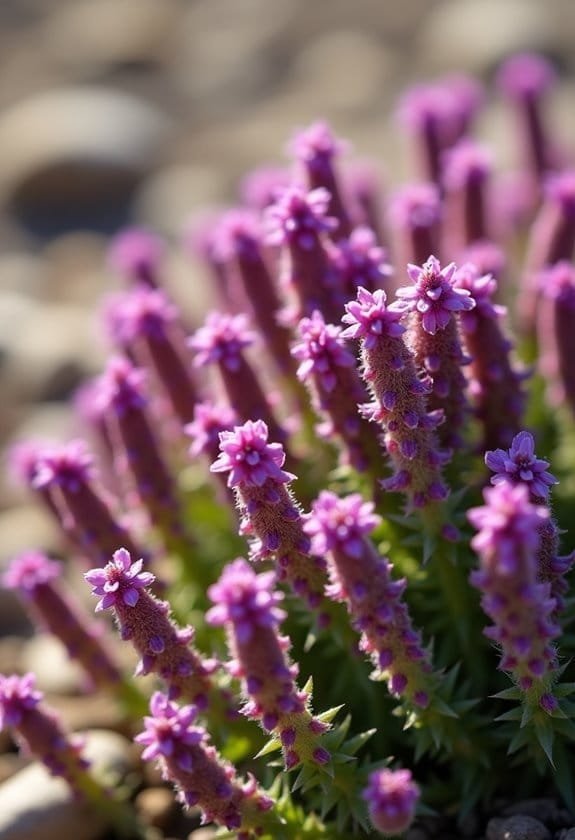
To successfully cultivate Calluna vulgaris, one must carefully consider its growing requirements, including light, soil, water, and temperature.
This hardy plant flourishes in well-drained, acidic soil with a pH around 6.0 and thrives in full sun, aiding its robust growth.
Understanding these elements is essential for ensuring ideal conditions, leading to vibrant blooms and overall plant health.
Light
How much sunlight does Calluna vulgaris need to flourish? This enchanting heather thrives best in full sun, ideally basking in at least six hours of direct sunlight each day. This substantial sun exposure is vital for peak growth and vibrant flowering, leading to an impressive display of colors ranging from mauve to purple.
Although heather can tolerate some shade, particularly during the sweltering summer months, excessive shade may suppress blooming and result in a leggy appearance, diminishing its aesthetic appeal.
To achieve the best flower production and overall health, it's recommended to plant heather in sunny to semi-shady locations, particularly within hardiness zones 5-7. In these environments, heather needs not only sufficient light but also the right soil conditions to prosper.
With proper sun exposure, the plant maintains its striking colors, creating a visually stunning landscape. The interplay of light and growth guarantees Calluna vulgaris enthralls garden enthusiasts and casual observers alike.
For gardeners looking to enhance their green spaces, understanding these light requirements is fundamental for cultivating a flourishing patch of heather.
Soil
The success of Calluna vulgaris heavily depends on its soil conditions, making an understanding of its requirements vital for growth. This plant thrives in well-drained, sandy, or humus-rich acidic soil, ideally with a pH around 6.0. Such soil provides the best environment for roots to establish and absorb nutrients effectively.
Notably, Calluna vulgaris also tolerates poor soils, which can include rocky substrates, showcasing its adaptability to harsh climates and conditions.
Proper drainage is essential to prevent root rot, often a result of waterlogged soil and fungal diseases, which can jeopardize plant health. To cultivate young plants successfully, gardeners should consider using mulch, particularly peat moss, as it helps maintain moisture while fostering the desired acidic environment.
Additionally, spacing plants about 20 cm apart during planting promotes effective ground cover, allowing for healthy growth and air circulation.
Water
Consistent watering plays an imperative role in the successful growth of Calluna vulgaris, particularly in its first 18 months after planting. During this establishment period, heather requires about one inch of water weekly to guarantee robust development. This consistent moisture aids in fostering a healthy root system, which is essential for long-term survival.
Once the plant has established itself, it becomes drought tolerant, demonstrating resilience against dry conditions. However, it still appreciates extra moisture during especially dry spells, particularly in warmer zones where arid conditions can prevail. For ideal results, using lime-free rainwater is preferable, as tap water can adversely affect the plant's acidic soil requirements. It is also beneficial to consider companion planting with other drought-resistant species that enhance the garden's biodiversity and ecological balance.
While careful watering is important, it's equally important to avoid overwatering, which can lead to root rot. Consequently, well-drained soil is critical to prevent waterlogging and potential fungal issues.
Implementing a layer of mulch, such as peat moss, can greatly aid in moisture retention, especially during extended dry periods, providing the heather with the supportive environment it needs.
Temperature
Successful cultivation of Calluna vulgaris also depends on understanding its temperature requirements. This remarkable plant is exceptionally cold-hardy, thriving in USDA hardiness zones 4 to 6, where temperatures can plunge below −20°C (−4°F). Such resilience allows heather to flourish in moist and cool climates, which provide ideal growth conditions.
However, while Calluna vulgaris tolerates the chill of winter, it remains sensitive to excessive heat and humidity, particularly in southern regions where summers can be unforgiving. Young plants require meticulous winter care; mulching plays a critical role in insulating the roots against freezing temperatures.
Once established, heather demonstrates impressive resilience to frost and snow, but protection from strong winds becomes essential for maintaining its stability and overall health. Wind can exert detrimental pressures on this delicate yet robust sponge of flora, impacting both growth and longevity.
Thus, to cultivate healthy Calluna vulgaris, gardeners must balance ensuring ample cool temperatures while safeguarding against heat extremes and wind exposure. With attentive care to these temperature-related needs, heather can truly thrive, gracing gardens with its vibrant colors and textures throughout the seasons.
Pollinator Criteria
Calluna vulgaris attracts a diverse array of pollinators, including bees, butterflies, and bumblebees, thanks to its abundant nectar and pollen sources.
The plant's bell-shaped flowers not only act as a welcoming platform but also facilitate effective pollination through their unique design, aligning perfectly with the foraging behaviors of these beneficial insects.
Attracted Pollinators
The vibrant blooms of Calluna vulgaris draw a variety of pollinators, thanks to their abundant nectar produced from July to September.
During this peak blooming season, the small, bell-shaped flowers of heather become an enticing food source for bumblebees, honeybees, butterflies, and moths. Their unique structure allows these essential pollinators easy access to nectar, which is critical for their survival as they prepare for winter.
This ecological relationship not only nourishes the pollinators but also supports the overall biodiversity within heathland habitats. The flowering of heather coincides with the late summer and early autumn, strategically aligning with the foraging needs of these insects.
Accordingly, Calluna vulgaris plays an important role in providing resources and cover for various wildlife.
Furthermore, the incorporation of heather into garden landscapes can foster bee-friendly environments, enhancing local pollinator populations. By cultivating Calluna vulgaris, gardeners contribute to a healthier ecosystem while also enjoying the beautiful ornamental displays created by its vibrant blooms.
In this way, heather serves as both a beacon for essential pollinators and a fundamental component of sustaining ecological balance.
Pollination Method
Attracting a variety of pollinators, Calluna vulgaris employs an effective pollination method that hinges on the structure and nectar production of its flowers. The bell-shaped flowers bloom from July to September, optimized for attracting specific pollinators, particularly bees and bumblebees. These pollinators are drawn to the flowers' rich nectar and accessible pollen, which serve as crucial food sources.
The design of these flowers greatly enhances pollinator engagement; widely spaced anthers grant easy access to reproductive parts, facilitating efficient pollination. Through this interplay, heather not only guarantees its own reproduction but also supports the broader ecosystem by fostering diverse pollinator populations.
Furthermore, heather's high degree of floral color variation allows different cultivars to attract a wide range of pollinator species, further enriching the ecological web.
Research highlights that the presence of heather positively impacts the overall abundance and diversity of local pollinators, affirming its significant role in enhancing ecosystem health. By synchronizing flowering with peak pollinator activity, Calluna vulgaris exemplifies a harmonious relationship between plant and pollinator, showcasing nature's intricate balance and interdependence.
Care & Maintenance
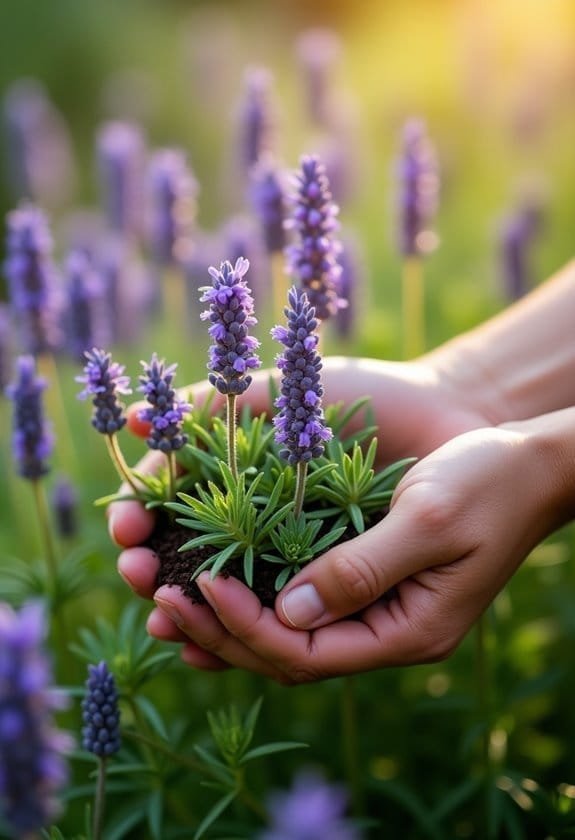
In understanding the care and maintenance of Calluna vulgaris, it's crucial to recognize its specific planting requirements and ongoing care needs.
This resilient plant thrives best in well-drained, acidic soils, requiring careful placement about 20 cm apart to guarantee ideal ground coverage.
Alongside proper watering and mulching strategies, choosing companion plants wisely can enhance both growth and aesthetic appeal in the garden. Incorporating plants like Cross-Leaved Heath can create a harmonious environment that supports local biodiversity.
Planting Tips
Establishing a vibrant heather garden requires attention to several key planting tips. First, gardeners should plant heather, specifically Calluna vulgaris, during springtime, allowing ample time for establishment before the winter months.
Selecting a site with full sun to semi-shade and ensuring well-drained acidic soil is essential for ideal growth. Chicory also thrives in well-draining soil, which emphasizes the importance of selecting suitable conditions for various plants.
To effectively grow and care for young heather plants, consistent watering is needed, aiming for about one inch of moisture per week. Established plants exhibit impressive drought tolerance, yet benefit from extra watering during dry spells to enhance resilience.
Fertilizing with peat-reduced organic compost or ericaceous fertilizer in early spring further supports their growth, as heather flourishes in fertile soils with limited feeding requirements.
Pruning should occur annually in early spring, where last year's new shoots are trimmed back by about half to prevent legginess and encourage healthy blooming.
To protect vulnerable young plants from frost, mulching is recommended, and planting them in groups can offer additional shelter.
As established plants gain maturity, they become remarkably resilient to frost and snow, assuring a flourishing heather garden year after year. Additionally, incorporating nectar-seeking insects into the garden helps support biodiversity, similar to the role of Sweet Woodruff in attracting pollinators.
Ongoing Care
To maintain a thriving Calluna vulgaris garden, ongoing care is crucial. Annual pruning during spring, ideally in March or April, fosters healthy growth by cutting back last year's new shoots by half, guaranteeing a robust display of flowers.
Young plants require consistent watering, approximately one inch weekly, establishing strong root systems. Although mature plants exhibit drought tolerance, additional moisture during arid spells prevents stress.
While fertilization is generally unnecessary if organic matter enriches the soil, an acidifying nitrogen fertilizer may benefit growth when applied in early spring. However, gardeners should avoid over-fertilization, which can lead to unwieldy, leggy plants.
Before winter, mulching becomes essential to safeguard young plants from frost's harsh embrace, while established varieties also appreciate the protective insulation that a mulch layer provides.
Regular monitoring for pests such as spider mites and scale insects is critical. Signs of stress, like browning foliage or leggy growth, indicate an urgent need for assessment.
Suggested Companions
When incorporating Calluna vulgaris into a garden, selecting the right companions can enhance its beauty and support its care requirements. Suitable partner plants include other heathers (Erica spp.) and alpine varieties, both of which thrive in similar acidic, well-drained soil conditions essential for heather's growth. Additionally, heather's propensity for moist, acidic soils makes it a compatible neighbor for plants that share similar environmental preferences.
Drought-tolerant perennial flowers, like sedums and ornamental grasses, serve not only as beneficial companions but also align with heather's low maintenance demands, allowing gardeners more time to admire their lush arrangements.
Adding evergreen groundcovers, such as creeping thyme or various mosses, enhances the visual appeal by providing contrasting textures and vibrant colors throughout changing seasons. Wild Thyme, known for its pollinator-friendly traits, acts as a wonderful ground cover that also supports local ecosystems with its extended flowering period.
For extended seasonal interest, one should consider pairing heather with late-blooming perennials like asters, which can enrich the garden's display well beyond heather's typical summer to fall bloom period.
To maintain ideal health, regular pruning of both heather and its companions is advisable; this should be done in early spring before new growth emerges, ensuring a tidy appearance while promoting vigorous growth for all associated plants.
Properly chosen companions create a harmonious garden ecology, enriching the cultivation experience and visual impact.
Common Issues
Calluna vulgaris faces several common issues that enthusiasts should be aware of to guarantee healthy growth.
Problems such as root rot, powdery mildew, and pest infestations can severely impact the plant's strength and aesthetic appeal, showcasing the importance of strategic care.
Addressing these challenges through proper watering techniques, balanced fertilization, and timely pest management can greatly enhance the resilience and beauty of heather plants.
Pests/Diseases
The health of Calluna vulgaris can be compromised by several common pests and diseases. Among these, powdery mildew stands out, appearing as a dusty, white coating on the leaves and often resulting from conditions like overcrowding and insufficient air circulation. Avoiding overhead watering can markedly reduce the likelihood of this fungal ailment.
Additionally, root rot emerges as another major concern, commonly induced by waterlogged soil and the Phytophthora fungus. This disease can devastate heather plants, making it essential to maintain well-draining soil to avert excessive moisture retention.
On the pest front, spider mites and scale insects frequently target Calluna vulgaris, leading to distorted leaves or, in severe cases, leaf drop. These unwelcome guests can be effectively managed through the use of insecticidal soap or horticultural oils, ensuring the plant remains healthy and vibrant.
Browning foliage, often a visual cue of stress, may indicate overwatering or insufficient lighting conditions, ultimately threatening the plant's health.
Therefore, regular monitoring for signs of pests or disease, despite heather's resilience, is imperative for maintaining the overall wellness of this remarkable species.
Solutions
Tackling common issues with Calluna vulgaris starts with understanding the root causes and implementing effective solutions. For instance, powdery mildew, a frequent concern, can easily be managed by avoiding overhead watering and fostering airflow around the plants. These adjustments minimize humidity, cutting down the chances of this fungal disease flourishing.
Similarly, root rot, typically caused by the Phytophthora fungus due to waterlogged soil, can severely impact the health of these heathers. To combat this problem, aim for well-draining soil that allows excess moisture to escape, thereby preserving root integrity.
Moreover, browning foliage often signals plant stress and may arise from environmental deficiencies or improper care. Ensuring adequate light, monitoring watering practices, and adhering to seasonal care can rejuvenate the plant.
Finally, addressing leggy stems, often a result of excess nitrogen or inadequate light, demands thoughtful adjustments to fertilization and light exposure. Regular inspections for pests like mites or scale insects can also mitigate harm; gentle streams of water or insecticidal soaps serve as effective treatments.
Are White Gaura Plants Related to Calluna Vulgaris (Heather)?
Yes, white gaura plants are not related to Calluna vulgaris, commonly known as heather. White Gaura plants belong to the Onagraceae family and are native to North America, while heather is part of the Ericaceae family and is native to Europe and Asia.
Summary
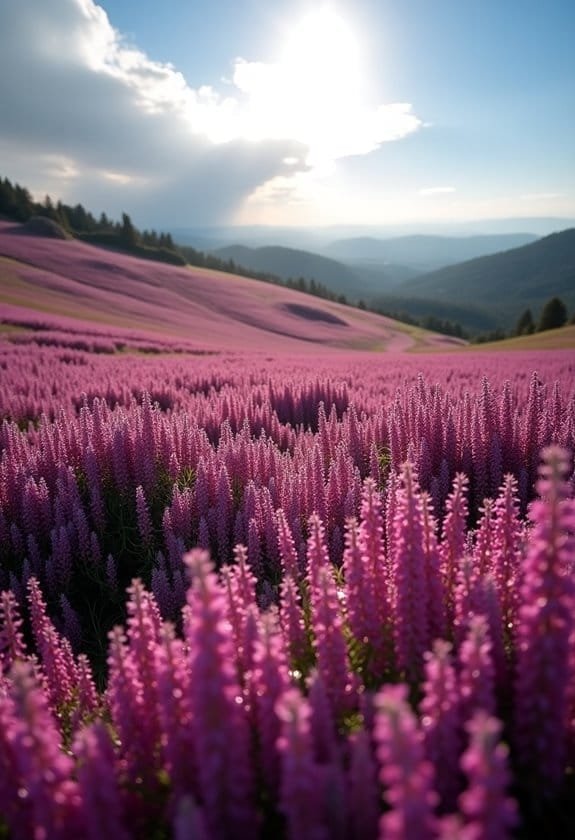
Known for its vibrant mauve blooms and evergreen foliage, Calluna vulgaris, or heather, is a hardy perennial shrub that thrives in acidic, well-drained soils. Typically reaching heights of 30 to 50 centimeters, this resilient plant blooms from July to September, showcasing its beautiful flowers in late summer.
Not only does it enhance the landscape, but it also plays an essential role in supporting local ecosystems, providing a critical food source for wildlife, such as the red grouse.
This winter-hardy species tolerates temperatures as low as -20°C (-4°F), adapting beautifully to heathland and moorland habitats across Europe and beyond. Numerous cultivars—such as 'Dark Beauty' and 'Spring Cream'—offer variations in flower color and growth habits, requiring minimal maintenance once established.
Historical significance in folklore and herbal medicine continues to intrigue researchers, particularly regarding its potential anti-inflammatory properties. Additionally, bell heather's vital role as a nectar source for pollinators, like bees and butterflies, enhances its ecological value.
The presence of Calluna vulgaris greatly contributes to biodiversity and soil stabilization, underlining the importance of this remarkable plant.
As individuals cultivate heather in their gardens, they not only celebrate its aesthetic value but also foster the ecological balance within their environments.