Campanula carpatica, often referred to as Tussock Bellflower, is a hardy perennial that flourishes in the Carpathian Mountains. This enchanting plant grows between 6 to 12 inches (15-30 cm) tall and features heart-shaped dark green leaves that create lovely low mounds. Its exquisite bell-shaped flowers, measuring about 1 inch (2.5 cm) in diameter, bloom in shades of blue, purple, or white from early summer to early fall, attracting essential pollinators like bees and butterflies. Preferring well-drained soil and full sun, it requires minimal maintenance. This plant not only beautifies gardens but also enriches biodiversity, enhancing ecological balance in the environment. There's much more to explore about its care and benefits.
Main Points
- Campanula carpatica, or Tussock Bellflower, thrives in well-drained soils and prefers full sun to partial shade with at least 6 hours of sunlight daily.
- Its bell-shaped flowers bloom from early summer to early fall, attracting essential pollinators like bees, butterflies, and hummingbirds.
- The plant grows to a height of 6 to 12 inches, forming low-growing mounds with heart-shaped, toothed dark green leaves.
- Regular deadheading and proper spacing of 12-14 inches apart promote continuous blooming and prevent overcrowding.
- Campanula carpatica supports biodiversity and complements garden ecosystems well when paired with drought-tolerant and taller companion plants.
Introduction
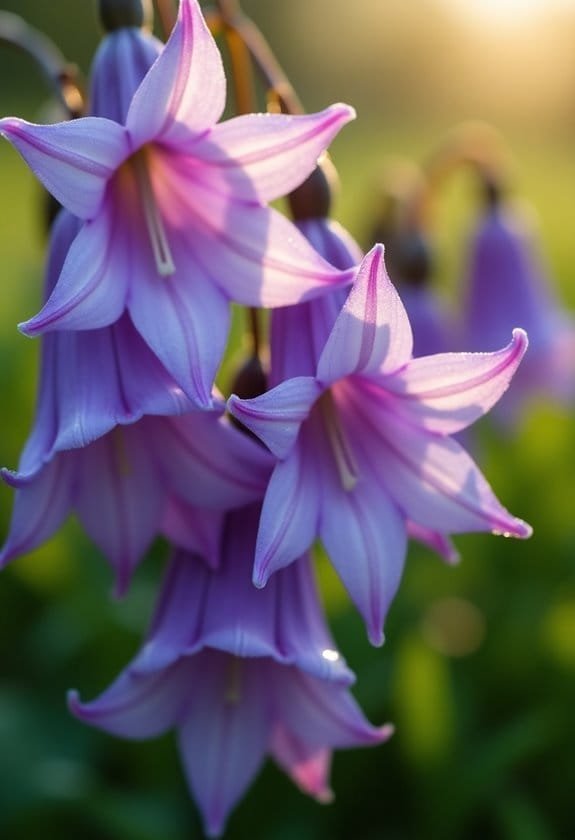
Campanula carpatica, widely known as the Tussock Bellflower, is an enchanting herbaceous perennial that hails from the rugged Carpathian Mountains.
It boasts charming bell-shaped blossoms in enchanting shades of blue, purple, or white, elevating any garden setting with its striking visual appeal.
As it flourishes in diverse climates, this resilient plant offers a mix of beauty and practicality, thriving in sunny to partially shaded locations while adding a delightful touch to rock gardens and borders.
Common Name
Known for its striking appearance, the Carpathian Bellflower captures attention with its vibrant bell-shaped flowers that bloom in hues of blue, purple, or white.
Also referred to as Carpathian Harebells or Tussock Bellflower, this perennial plant is native to the stunning Carpathian Mountains in Eastern Europe, where it flourishes.
The Carpathian Bellflower typically grows to a height of 6 to 12 inches, making it a popular choice for various garden designs, including ground cover, borders, and rock gardens.
To thrive, this charming plant prefers well-drained soil, which contributes to its resilience and ability to attract pollinators.
With its ability to adapt to different landscapes, the Carpathian Bellflower enhances the beauty of cottage gardens and outdoor spaces.
As the seasons change, its blooms serve not only as a visual delight but also as an essential food source for pollinating insects.
Scientific Name
The Carpathian Bellflower is scientifically classified as *Campanula carpatica*, which reflects its place within the Campanulaceae family. This perennial herbaceous plant is native to the rugged terrain of the Carpathian Mountains in Eastern Europe, where it flourishes in climates that echo its cool mountainous origins.
Heightening its aesthetic appeal, *Campanula carpatica* is distinguished by its ornamental bell-shaped flowers that bloom in striking shades of blue, purple, or white. These enchanting flowers grace gardens from early summer through early fall, providing a vibrant display that beckons gardeners and pollinators alike.
Typically, this species grows to a modest height and width of 6-12 inches (15-30 cm), making it an ideal choice for borders or rock gardens. The scientific name, *Campanula carpatica*, signifies not only its botanical lineage but also emphasizes its adaptability; it flourishes in USDA zones 3-8, showcasing resilience in various conditions, while exhibiting a preference for cooler environments.
This enchanting plant exemplifies nature's artistry, bringing beauty and botanical intrigue to cultivated spaces, inviting admiration and interest from those who care for it.
Overview
Beauty and resilience define *Campanula carpatica*, a perennial plant that fascinates gardeners with its vibrant bell-shaped flowers and lush foliage. Commonly known as the Tussock Bellflower, this stunning plant originates from the Carpathian Mountains, where it flourishes in its native habitat, reaching heights of 6 to 12 inches.
The distinct heart-shaped leaves create low-growing mounds, providing an attractive backdrop to the plant's showy, upward-facing flowers. Occurring from early summer to early fall, these blossoms exhibit shades of blue, purple, and white, rendering them a striking addition to any garden tableau.
*Campanula carpatica* thrives in a range of conditions, preferring full sun to partial shade and well-drained, fertile soil. To maintain its vibrant health during dry spells, the use of mulch is recommended, as it helps preserve moisture and keeps roots cool.
Not only is this plant low maintenance and disease-resistant, but it also attracts essential pollinators, such as bees and butterflies. It proves to be an excellent choice for cottage and rock gardens, providing a mesmerizing display that delights the eyes while contributing positively to the local ecosystem.
Key Features
Campanula carpatica, or Tussock Bellflower, typically showcases growth heights of 6 to 12 inches, contributing a charming presence to any garden.
Its impressive display of showy, bell-shaped flowers, available in shades of blue, purple, or white, captures attention from early summer to early fall, especially with regular deadheading.
This plant's adaptability to well-drained, fertile soils further enhances its appeal, allowing it to flourish in various light conditions, while attracting pollinators like hummingbirds.
Growth Size
Growing to a height of 6-12 inches, Campanula carpatica, commonly known as Tussock Bellflower, also exhibits a slightly wider spread due to its mounding habit. This perennial plant thrives particularly well in well-drained, fertile soil, which greatly impacts its overall growth potential.
Under ideal conditions, Tussock Bellflower can produce showy, bell-shaped flowers—approximately 1 inch in diameter—blooming in stunning shades of blue, purple, or white during the summer, with a flowering period extending from early summer to early fall.
However, growth size can fluctuate based on local climate conditions. For instance, in regions characterized by hot and humid weather, the plant might experience shorter flowering periods, leading to a potentially short-lived lifespan.
As a result, gardeners should carefully consider their local environment when planting this species. To guarantee proper air circulation and encourage healthy development, it's advised to space individual plants 12-14 inches apart.
This practice allows each flower to flourish without competing for resources, ultimately enhancing the visual impact of their vibrant blooms in a well-maintained garden setting. Tussock Bellflower truly embodies the delicate balance of nature's design, thriving in harmonious surroundings.
Appearance
Adorning gardens with its stunning floral display, Tussock Bellflower features eye-catching, bell-shaped blooms in vibrant shades of blue, purple, or white, each measuring about 1 inch (2.5 cm) across. This enchanting plant typically forms low-growing mounds that enhance landscape variety and visual interest.
With heights ranging from 6 to 12 inches (15 to 30 cm), Tussock Bellflower achieves a compact form, making it ideal for borders and rock gardens.
The heart-shaped, toothed dark green leaves provide a striking backdrop for the delicate flowers, creating a harmonious balance in any garden setting. Remarkably, different cultivars, such as 'Blue Clips' and 'White Clips', offer unique floral characteristics, enhancing aesthetic appeal and enabling gardeners to select according to personal preferences. Tormentil shares similar ecological benefits by supporting local biodiversity and attracting pollinators.
Those enchanting white flowers stand out against the foliage, adding elegance and sophistication.
The plant's low-maintenance nature and adaptability make it a fantastic choice for versatile uses, whether as ground cover or accent plants. As Tussock Bellflower blossoms, its beauty invites admiration, transforming ordinary spaces into vibrant showcases of nature's artistry, all while requiring minimal care to thrive. Additionally, incorporating drought-tolerant plants in garden design can complement the beauty of Tussock Bellflower while promoting sustainable landscaping practices.
Flowering Season
Although Tussock Bellflower is renowned for its vibrant blooms, its flowering season truly captivates gardeners each year. Typically, the plant begins to bloom in early summer, revealing a spectacular display of bell-shaped flowers that can vary in shades from deep blue to soft purple and pristine white. Each delicate bloom measures approximately 1 inch (2.5 cm) across, creating a delightful visual impact that enhances any rock garden or border. Dandelions, similar to Tussock Bellflower, are also remarkable for their early-season nectar which supports pollinators during blooming periods.
This extended flowering period, lasting from early summer to early fall, allows gardeners to enjoy months of color. Regular deadheading considerably bolsters this blooming performance by fostering continuous growth and prolonging the flowering period.
However, local climate conditions mustn't be overlooked, as hot and humid environments can challenge the plant's longevity, leading to a shorter lifespan. Additionally, understanding the self-seeding nature of the Tussock Bellflower can further enhance garden integration by promoting natural flowering options.
In ideal circumstances, characterized by full sun and well-drained soil, Tussock Bellflower can deliver a prolific exhibition of flowers, transforming spaces into lively canvases of nature's art.
Therefore, competent gardeners understand the importance of maintaining perfect growing conditions to fully appreciate the beauty and resilience of this enchanting perennial.
Growing Requirements
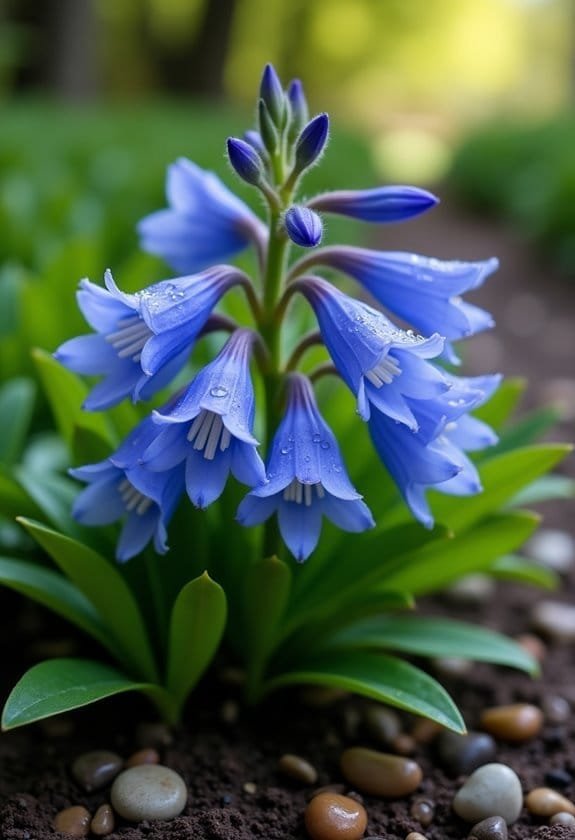
Understanding the growing requirements of Campanula carpatica is essential for ensuring its vibrant health and flourishing blooms.
This perennial plant excels in well-drained, loamy soil with a neutral pH, thriving best under full sun to partial shade while enthusiastically soaking up regular moisture.
Given these specific needs, gardeners should carefully consider light exposure, soil composition, and watering practices to create an ideal environment for this charming species.
Light
For ideal growth, Campanula carpatica flourishes in full sun to partial shade, requiring at least 6 hours of sunlight each day. This beautiful perennial, known for its striking blue, purple, or white flowers, thrives effectively when bathed in adequate light.
In hotter climates, partial shade becomes increasingly significant, as it protects the plants from extreme heat and humidity that can adversely affect their health and vibrancy.
While Campanula carpatica can tolerate shade, doing so may result in diminished flowering and overall vigor compared to those basking in brighter conditions. The right balance of light not only guarantees the plant's splendid blooms but also helps maintain the cool root conditions essential for sustained moisture and growth.
Proper exposure to sunlight enhances the aesthetic appeal of gardens, creating enchanting displays of color that beckon admirers.
In essence, for those cultivating Campanula carpatica, striking the right balance between full sun and partial shade is vital. This balance allows for a thriving plant, which in turn enriches any garden environment, promoting an atmosphere of mesmerizing beauty and resilience.
Soil
Ideal growth of Campanula carpatica hinges on well-drained, fertile soils that possess a neutral pH; however, the plant can tolerate slightly acidic conditions.
This perennial flourishes in loamy, moist soils, emphasizing the crucial need to avoid overly wet or dry environments, especially during blazing hot summer climates that can stress the root system. To guarantee peak vitality, mulching plays a pivotal role, helping to maintain cool root temperatures and consistent moisture levels.
Regular soil monitoring becomes essential, allowing gardeners to adjust moisture levels during dry spells, thereby supporting robust growth.
Compounding this, proper spacing is crucial; placing plants 12-14 inches apart enhances air circulation and guarantees adequate access to nutrients in the soil. This strategic arrangement allows each plant to thrive without competing for resources, thereby promoting their harmonious development.
Water
While moderate moisture levels are important for the healthy growth of Campanula carpatica, especially during its growing season, gardeners must strike a balance in watering practices. Regular watering is critical, particularly during dry spells, to maintain the plant's vibrant blooms and overall health.
However, overwatering poses a significant risk, as it can lead to detrimental root rot, particularly in well-drained soil. To retain soil moisture, mulching around the plant's base is highly recommended, as it not only keeps the roots cool but also promotes healthier growth.
Campanula carpatica thrives best in loamy, moist, well-drained soils with a neutral pH. This ideal environment helps facilitate proper absorption of water and nutrients, which are essential for the plant's health.
Gardeners should adjust their watering routines based on prevailing climate conditions. In hot, humid environments, where moisture may quickly evaporate, paying close attention to the soil's moisture content is important.
Temperature
Campanula carpatica thrives in moderate temperatures, typically ranging from 60°F to 75°F (15°C to 24°C), which is crucial for prime growth and vibrant flowering. This temperature range supports robust physiological processes, encouraging the plant to produce its signature bell-shaped blooms.
While it prefers cooler root conditions, its need for mulch to retain moisture becomes particularly evident during warm periods. Additionally, the plant exhibits sensitivity to high heat and humidity, especially during nighttime. In hot, humid climates, Campanula carpatica may experience reduced vigor and a shorter lifespan. This reaction underscores the significance of maintaining a prime thermal environment.
Hardy in USDA zones 3-8, it typically adapts well to a variety of cooler climates, showcasing its resilience.
For germination, seeds require temperatures around 70°F (21°C), taking up to 28 days to sprout under favorable light conditions. Consequently, gardeners should monitor temperature fluctuations to facilitate successful cultivation. By providing a stable temperature, enthusiasts greatly enhance their chances of fostering healthy plants, resulting in a stunning display of delicate flowers throughout the growing season.
Pollinator Criteria
Campanula carpatica primarily attracts pollinators such as bees and butterflies, drawn in by its vibrant, bell-shaped flowers, which serve as a critical nectar source.
This plant employs a strategy of entomophily, where insects facilitate the transfer of pollen, ensuring successful reproduction and supporting wider ecological networks. Additionally, its drooping flower clusters provide ideal landing platforms for pollinators, enhancing their access to nectar and increasing pollination efficiency.
Attracted Pollinators
The vibrant blooms of Campanula carpatica, with their rich hues of blue, purple, and white, play an indispensable role in attracting a variety of pollinators. This plant boasts striking bell-shaped flowers that provide not only visual appeal but also a significant nectar source.
From early summer to early fall, these flowers bloom in succession, extending the availability of food for pollinators like bees, butterflies, and even hummingbirds. The unique shape of the flowers facilitates easy access to nectar, enhancing the foraging experience.
Hummingbirds, in particular, are especially drawn to the bell-shaped flowers, their long bills perfectly suited for extracting nectar. In addition, the low-growing habit of Campanula carpatica creates a suitable habitat for ground-nesting pollinators, promoting local biodiversity by offering safe environments for these vital species.
Gardeners incorporating this delightful plant into their landscapes inadvertently support healthy pollinator populations, which are critical for ecosystem stability and food production.
Moreover, the presence of these attracted pollinators enriches the garden experience, inspiring appreciation of the interconnectedness between plants and wildlife. Ultimately, Campanula carpatica stands as a reflection of nature's beauty and functionality.
Pollination Method
How do the distinctive features of Campanula carpatica enhance its pollination method? The showy flowers in shades of blue, purple, or white attract diverse pollinators, such as hummingbirds, bees, and butterflies, enhancing its effectiveness in reproduction.
These upward-facing, bell-shaped flowers allow nectar-feeding insects direct access to the nectar, an essential resource, ensuring efficient pollination. Additionally, like Water Avens, Campanula carpatica exhibits extended flowering periods, providing continuous support to pollinator populations.
Campanula carpatica is classified as pollinator-friendly, greatly contributing to local biodiversity. Its extensive blooming period, from early summer to early fall, supports various pollinators, providing them essential sustenance during key growth phases.
By regularly deadheading spent blooms, gardeners can stimulate new flower development, further attracting an array of pollinators throughout the growing season.
Additionally, the presence of this resilient species not only bolsters pollinator health but also elevates the overall aesthetics of gardens. The diverse blooms create vibrant visual displays, fostering an inviting environment for both pollinators and human viewers alike. Moreover, like Common Cowslip with its early blooming period, Campanula carpatica plays an essential role in sustaining pollinator populations during critical times.
As a result, the intricate relationship between Campanula carpatica and its pollinators exemplifies the delicate balance of ecosystems, showcasing how one species can play an important role in the health and well-being of an entire community.
Care & Maintenance
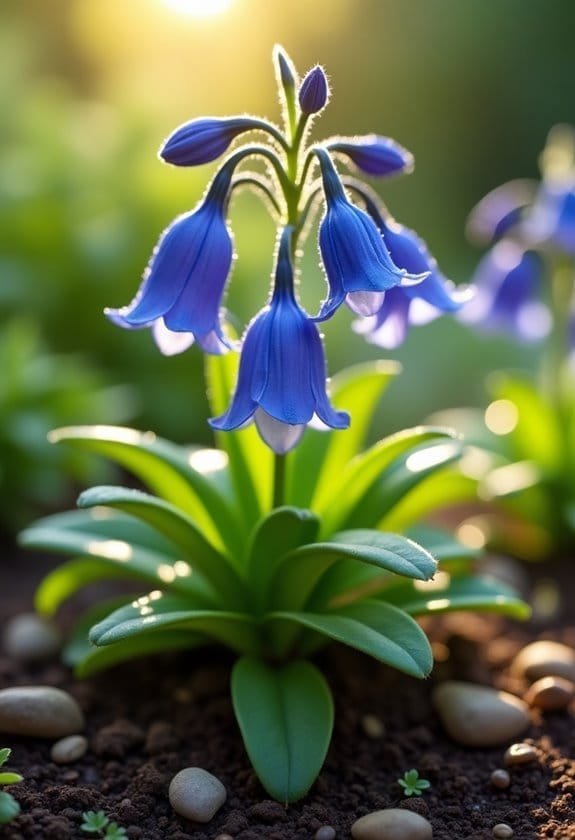
To guarantee the thriving of Campanula carpatica, understanding its planting tips, ongoing care, and suitable companions is essential.
This charming perennial flourishes best in well-drained, fertile soil with a neutral pH, and its need for full sun to partial shade sets the stage for peak growth.
Planting Tips
When planting Campanula carpatica, choosing the right location and soil is critical for its growth. This beautiful tussock bellflower thrives in well-drained, fertile soil with a neutral pH, where it can bask in full sun to part shade. Ideal spots often include areas near rocks, as they can offer the right balance of warmth and moisture retention.
For best spacing, plant these delightful flowers 12-14 inches apart; doing so guarantees proper air circulation and helps prevent overcrowding, which could lead to disease.
Once planted, mulching around the base is vital. This practice not only keeps the roots cool but also retains moisture during dry spells—essential for healthy blooming.
To maximize flowering potential from early summer to early fall, deadhead spent blooms regularly. Additionally, every 2-4 years, dividing the plants can greatly enhance their vigor. This method revitalizes the plant and promotes abundant blooming, assuring they flourish in conditions that aren't too wet or dry.
With these careful considerations, gardeners can cultivate vibrant Campanula carpatica that will enhance their landscapes beautifully.
Ongoing Care
Ongoing care for Campanula carpatica is vital to guarantee its vibrant blooms and overall health. To achieve ideal flowering from early summer to early fall, regular deadheading should be performed. This process not only enhances the appearance of the plant but also encourages additional blossoms by redirecting the plant's energy from seed production to new growth.
Moreover, dividing clumps every 2 to 4 years is important for maintaining vigor and preventing overcrowding. Campanula carpatica thrives in well-drained, fertile soil, which it requires to flourish. Applying a layer of mulch around the base effectively retains moisture during dry spells, supporting the plant's needs.
Regular watering is vital, particularly during prolonged dry periods. However, it's important to strike a balance, as overwatering can lead to root rot; the plant prefers moderate moisture levels.
Fertilizing with a general-purpose fertilizer each spring will promote healthy growth and plentiful flowering, providing the necessary nutrients that contribute considerably to the plant's resiliency.
Through attentive ongoing care, gardeners can cultivate a thriving display of Campanula carpatica, enhancing both the aesthetic appeal and health of their garden.
Suggested Companions
Adding the right companions to Campanula carpatica can enhance both its beauty and health in the garden.
This stunning perennial, recognized with the Award of Garden Merit, thrives alongside drought-tolerant companions such as Sedum and Dianthus. These plants share similar light and soil preferences, making them ideal partners. Additionally, well-draining soils are crucial for the successful growth of both Campanula and its companions.
Incorporating taller perennials like Delphinium or Shasta Daisy can create a visually appealing layered effect while ensuring complementary bloom times. This strategy not only elevates the aesthetic appeal but also contributes to a harmonious garden ecosystem.
For cooler seasons, Hellebores and Heuchera can bring color and texture, enriching the garden during the dormancy of Campanula.
To promote healthy growth, it's essential to maintain a spacing of at least 12-14 inches between Campanula carpatica and its companions. This distance minimizes competition for resources while allowing each plant to thrive.
Additionally, regular deadheading of Campanula flowers can greatly enhance overall bloom quality, benefiting neighboring plants as they continue to flourish. For gardens positioned in regions experiencing part shade in hot summer months, these carefully selected companions won't only survive but truly thrive together. Furthermore, pollinator attraction is an important aspect to consider when selecting companion plants, as enhancing biodiversity can benefit the overall health of the garden ecosystem.
Common Issues
Campanula carpatica faces several challenges, including pests like aphids and slugs, as well as diseases such as powdery mildew that can compromise its health.
If left unchecked, these issues can diminish the plant's vigor, requiring timely monitoring and effective interventions.
To foster resilience, gardeners must prioritize well-drained soil, adequate spacing, and diligent deadheading, ensuring that the plant thrives despite potential setbacks.
Pests/Diseases
Despite its overall resilience, Campanula carpatica can occasionally face challenges from pests and diseases. Slugs and snails pose significant threats, feasting upon the tender leaves of this delightful plant. These pests tend to thrive in damp conditions; therefore, gardeners should avoid growing in areas where moisture accumulates.
Powdery mildew frequently emerges in situations with high humidity and poor air circulation. Adequate spacing between plants facilitates airflow, reducing the likelihood of this fungal disease. Similarly, root rot may develop if the soil is overwatered or insufficiently drained, underscoring the necessity for well-drained soil to safeguard plant health.
While aphid infestations are less common, they can still occur, necessitating vigilance. Infestations might require intervention through organic insecticidal soap if their numbers surge.
Regular inspection of foliage and soil conditions is critical for early detection of these pests and diseases, allowing gardeners to maintain the overall vigor of Campanula carpatica. By monitoring these factors and taking preventive measures, gardeners can enhance the longevity and resilience of this beautiful perennial, ensuring its enchanting blooms continue to thrive throughout the growing season.
Solutions
Maintaining the health of Campanula carpatica requires proactive solutions to common issues that may arise. This beautiful perennial can suffer from crown rot if planted in overly wet soil, making it essential to guarantee proper drainage. Avoiding waterlogged conditions is crucial for its survival.
During high heat and humidity, the plant may struggle; therefore, providing part shade in hot summer months, along with a layer of mulch, can retain soil moisture and keep roots cool.
Regular deadheading of spent flowers is advisable, as this not only encourages prolonged blooming but also enhances the plant's visual appeal throughout the growing season. Additionally, it's important to prevent overcrowding, which can diminish growth; consequently, spacing plants 12-14 inches apart and dividing them every 2-4 years is recommended for peak vigor.
Effective pest management is key to sustaining the health of Campanula carpatica. Keeping foliage well-aerated through proper spacing and pruning practices reduces the risk of pests, such as aphids.
How Can I Successfully Cultivate Campanula Carpatica Alongside Cynara Cardunculus in My Garden?
If you want to successfully cultivate Campanula Carpatica alongside the cynara cardunculus plant in your garden, consider their individual sunlight and water requirements. Campanula Carpatica prefers well-drained soil and full sun, while the cynara cardunculus plant can tolerate poor soil and partial shade. Keep them properly spaced to avoid competition for resources.
Summary
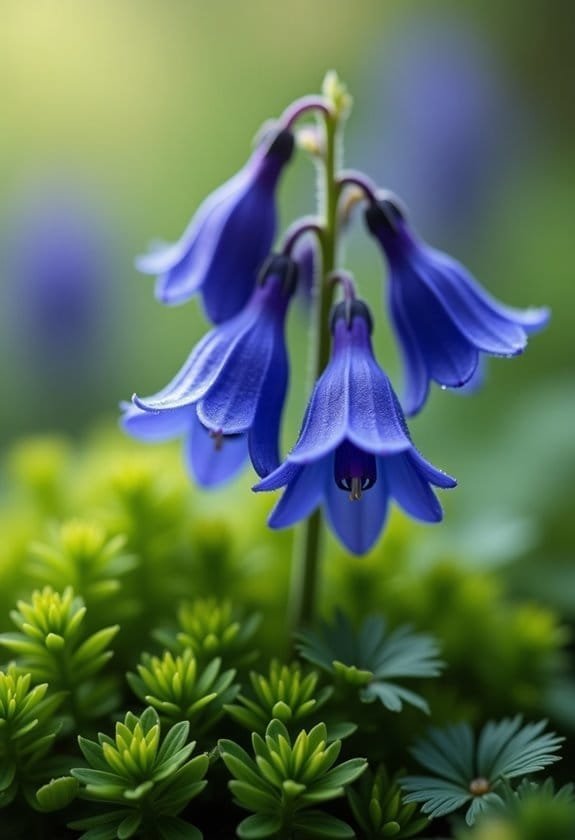
Known commonly as Tussock Bellflower, Campanula carpatica is a hardy perennial that thrives in the rugged beauty of the Carpathian Mountains. This low-growing herbaceous plant typically reaches a height of 6 to 12 inches and showcases showy bell-shaped flowers in enchanting hues of blue, purple, or white.
It's been honored with the Royal Horticultural Society's Award for its striking appearance and resilience, making it a coveted choice for garden and border edges. Flourishing in full sun to partial shade with well-drained, fertile soil, it adapts wonderfully to rock gardens, further enhancing diverse landscapes.
Campanula carpatica boasts an extensive blooming period from early summer to early fall; regular deadheading can greatly prolong this vibrant display. Additionally, it attracts a plethora of pollinators, such as bees and butterflies, thereby supporting local biodiversity.
This perennial is low maintenance, generally resistant to pests and diseases, and thrives best in cooler climates with consistent moisture, particularly in hotter regions. To guarantee vigor and health, dividing the plant every 2 to 4 years becomes essential.