Campanula lactiflora, or Milky Bellflower, is a remarkable perennial native to the Caucasus and northeastern Turkey, flourishing in USDA hardiness zones 5-8. Growing between 3 to 5 feet tall, it displays delightful star-shaped flowers in shades from lavender to white during its July to September bloom period. This plant thrives in well-drained, nutrient-rich soils and requires 4 to 6 hours of sunlight daily. Its beauty aids pollinators like bees and butterflies, enhancing local biodiversity. Regular maintenance, including watering and deadheading, guarantees ideal growth and prolonged flowering. For those curious about companion planting and aesthetic appeal, there's more to explore.
Main Points
- Campanula lactiflora, or Milky Bellflower, is a perennial native to the Caucasus and northeastern Turkey, thriving in USDA zones 5-8.
- This plant features elegant star-shaped flowers in lavender to white, blooming from July to September, attracting pollinators like bees and butterflies.
- Milky Bellflower grows 3 to 5 feet tall and prefers well-drained, nutrient-rich soil with full sun to partial shade for optimal growth.
- Regular care includes monitoring for pests, deadheading for extended blooming, and staking taller varieties in exposed areas.
- It pairs well with plants like Achillea and Echinacea, enhancing gardens while being deer-resistant and supporting local biodiversity.
Introduction
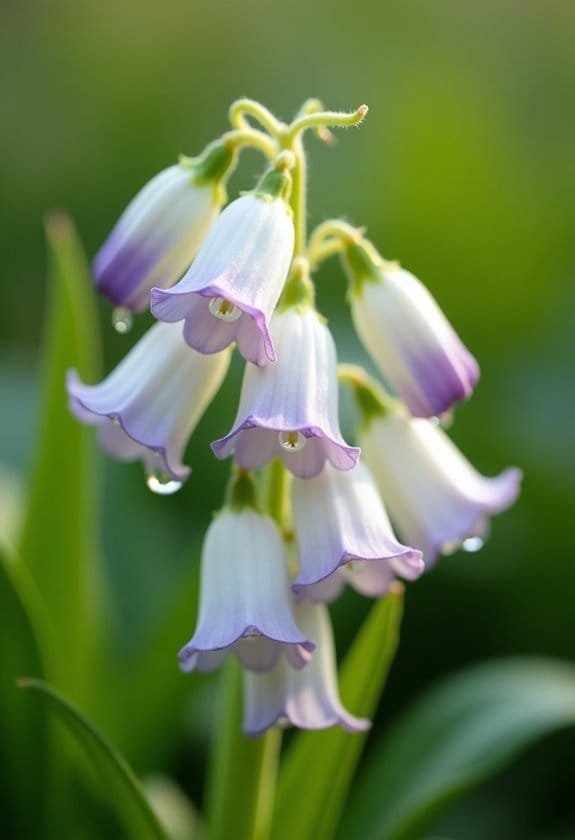
Campanula lactiflora, commonly referred to as Milky Bellflower, stands as a striking perennial native to areas such as the Caucasus and northeastern Turkey.
With its elegant star-shaped flowers, which can be found in hues ranging from deep lavender to pristine white, this plant adds an enchanting charm to gardens and wildflower meadows alike.
Blooming from July to September, its extended flowering period not only enchants the eye but also invites a variety of pollinators, thereby enriching the local ecosystem.
Common Name
Known as Milky Bellflower, this perennial plant captivates with its delicate star-shaped flowers and graceful appearance. Campanula lactiflora, belonging to the esteemed Campanula genus, is often referred to as bellflowers due to its iconic bell-like blooms. Each flower, ranging from deep lavender to pristine white, forms a lush cluster that enhances the vibrancy of any garden setting.
Originating from diverse regions like the Caucasus, northeastern Turkey, and northern Iran, Milky Bellflower exhibits remarkable adaptability across various climates and environments.
As a long-blooming species, it enchants garden enthusiasts by producing an abundance of blooms from July through September, adding a stunning summer display to landscapes. The plant's height, reaching up to 3 feet, allows it to stand out gracefully among other flora, making it a preferred choice for borders and naturalized areas.
Gardeners often appreciate Milky Bellflower for its easy maintenance and ability to attract pollinators, such as bees and butterflies. With its aesthetic charm and sturdy resilience, this perennial serves not only as a beautiful addition to gardens but also as an essential component of local ecosystems, enriching both beauty and biodiversity.
Scientific Name
The Milky Bellflower's allure can be further appreciated through its scientific classification as Campanula lactiflora. This striking plant belongs to the Campanulaceae family, a vibrant group known for its bell-shaped flowers that enchant gardens and natural landscapes alike.
The name "Campanula," derived from Latin, signifies "bell," a nod to the distinctive shape of the plant's blossoms. Conversely, "lactiflora" translates to "milk-flowering," aptly describing the plant's creamy, fluid-like blooms.
Campanula lactiflora is native to regions that include the Caucasus, northeastern Turkey, and northern Iran, thriving in moderate climates that enhance its growth and importance. Typically reaching heights of 3 to 5 feet (90-150 cm) and spreading 2 to 3 feet (60-90 cm), it serves as a magnificent accent in various garden designs.
The standout feature of the Milky Bellflower includes its impressive star-shaped flowers, available in shades from deep lavender to pristine white, each measuring approximately 1 inch (2.5 cm) in length.
Overview
Often admired for its beauty and resilience, Milky Bellflower captivates gardeners and nature lovers alike. Campanula lactiflora, a striking perennial native to the Caucasus, northeastern Turkey, and northern Iran, stands tall at heights of 3 to 5 feet, with a charming spread of 2 to 3 feet.
Between July and September, it showcases star-shaped flowers that come in enchanting shades of deep lavender to white, each measuring about an inch long, providing a vivid spectacle during the summer months.
This versatile species flourishes in diverse soil types, though it prefers well-drained, nutrient-rich conditions, making it an excellent choice for various garden designs. Whether basking in full sun or enjoying partial shade, Milky Bellflower thrives, effortlessly adapting to its environment.
Moreover, its ability to attract essential pollinators, such as bees, butterflies, and hummingbirds, enriches garden biodiversity. Importantly, Milky Bellflower is deer-resistant and non-invasive, ensuring it won't overstretch its welcome.
Once established, it easily naturalizes through self-seeding, producing a delightful drift-like appearance with minimal maintenance, adding charm and importance to any landscape.
Key Features
Campanula lactiflora, or Milky Bellflower, impresses with its remarkable growth size, reaching heights of 3 to 5 feet and spreading up to 3 feet wide.
The plant features gorgeous star-shaped flowers that grace gardens with colors ranging from deep lavender to pure white, creating an eye-catching display from July to September.
This perennial not only enhances summer aesthetics but also thrives in a variety of conditions, requiring well-drained, nutrient-rich soils and enjoying both full sun and partial shade.
Growth Size
Typically reaching heights of 3 to 5 feet (90 to 150 cm), Milky Bellflower showcases sturdy, multi-branched stems that can extend up to 60 inches (1.5 meters) tall, depending on the specific variety. This impressive stature allows Campanula lactiflora to serve as a striking focal point in gardens, drawing attention with its robust growth habit.
The plant typically spreads between 2 to 3 feet (60 to 90 cm), establishing a well-defined presence in various garden landscapes. Its versatility in placements extends from mixed borders to charming cottage gardens, providing a burst of color.
Some varieties, such as 'Loddon Anna,' offer a continuous blooming period throughout summer, while others prefer an intermittent display, showcasing vibrant blooms briefly before reblooming in the fall.
The individual flowers, measuring about 1 inch (2.5 cm) in length, appear in clusters, resembling fluffy clouds that dance gently in the breeze. This charming arrangement not only enhances its aesthetic appeal but also contributes to the allure of garden designs. Additionally, like the English Daisy, Bellis perennis, Milky Bellflower thrives in full sun to partial shade, optimizing its growth for various garden conditions.
Appearance
Milky Bellflower captivates with its star-shaped flowers that range in hue from deep lavender to pristine white, each measuring about 1 inch (2.5 cm) long. This exquisite plant, scientifically known as Campanula lactiflora, showcases trumpet-shaped flowers that flourish in clusters, creating a luscious display of rich violet-blue that can uplift any garden.
Typically reaching a height of 3 to 5 feet (90 to 150 cm) with a spread of 2 to 3 feet (60 to 90 cm), the Milky Bellflower's bushy habit supports sturdy, multi-branched stems that provide a robust structure for its alluring blooms.
The flowers appear in fluffy clusters, yielding a cloud-like effect that enchants viewers, while the narrow, green leaves serve as a contrasting backdrop, emphasizing the delicate softness of the floral colors.
As the sunlight filters through the petals, the ensemble evokes a dreamlike landscape, reminiscent of a serene meadow.
This perennial delight not only enhances aesthetic appeal but also promotes biodiversity, attracting pollinators and offering a vibrant treat for the eyes throughout its lengthy blooming period.
Campanula lactiflora epitomizes grace and resilience in ornamental horticulture.
Flowering Season
During the summer months, from July to September, Milky Bellflower showcases its stunning display of star-shaped blooms. This perennial plant thrives during this flowering season, exhibiting flowers that range in shades from deep lavender to pristine white. Each bloom measures approximately 1 inch (2.5 cm) in length, adding a delicate touch to any garden space.
Milky Bellflower not only enhances the aesthetic appeal of landscapes, but it also plays a significant role in supporting local ecosystems. The vibrant blooms attract various pollinators, including bees and butterflies, which are essential for maintaining biodiversity. Remarkably, this hardy perennial often produces blooms in its first year, providing gardeners with an immediate visual payoff.
Additionally, after the initial flowering period, the plant demonstrates resilience by reblooming in the fall when properly pruned back. This characteristic lengthens the flowering season, ensuring that gardens remain vibrant well into autumn.
With its long-lasting presence and ecological benefit, Milky Bellflower proves to be a remarkable choice for garden enthusiasts looking to create a stunning and inviting environment that supports wildlife.
Growing Requirements
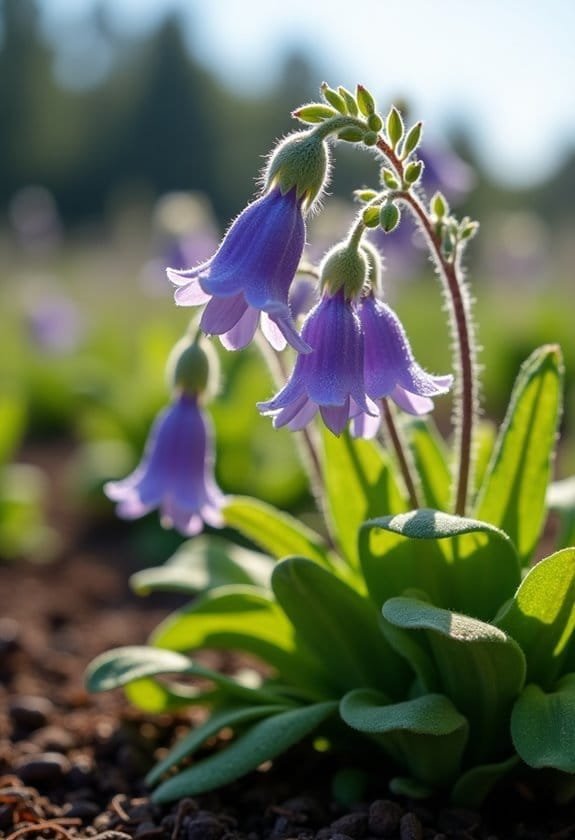
Campanula lactiflora flourishes best when provided with the right growing conditions, specifically full sun to partial shade, particularly favoring part shade in warmer climates to alleviate stress.
This perennial thrives in well-drained, nutrient-rich soils with an average to alkaline pH, which guarantees robust growth and prolific blooming.
Regular watering, balanced by allowing the soil to dry out between sessions, is essential for maintaining health and preventing root rot, while a moderate temperature range within USDA zones 5-8 supports its overall vitality.
Light
Many gardeners find that Campanula lactiflora flourishes in a range of light conditions, from full sun to partial shade. This adaptability makes it an excellent choice for various garden landscapes.
In warmer climates, where the sun's intensity can be overwhelming, Campanula lactiflora prefers part shade, which helps prevent stress and promotes ideal growth. Ideally, this hardy perennial thrives in locations that receive 4 to 6 hours of sunlight each day, facilitating the plant's healthy blooming.
The interplay of light and growing conditions greatly impacts flower production and overall vigor. Adequate sunlight not only enhances blooming but also contributes to a remarkable blooming season spanning from July to September. Therefore, a well-lit environment becomes essential for any gardener aiming to achieve the bountiful displays characteristic of this species.
Conversely, while Campanula lactiflora can adapt to more shaded areas, insufficient light often leads to reduced flowering and weaker growth. Essentially, providing the right light conditions is a vital factor in ensuring this beloved perennial's success and longevity in any garden setting.
Soil
Providing well-drained, nutrient-rich soil is essential for the healthy growth of Campanula lactiflora. This perennial flourishes in average to fertile soils with a neutral to alkaline pH. By ensuring the soil remains well-drained, the risk of root rot diminishes considerably, allowing the plant to thrive. Campanula lactiflora adapts well to various soil types, making it versatile for diverse garden settings.
In preparing the soil, garden enthusiasts should aim for a light texture, especially if dealing with heavy, compacted soils. They can achieve this by incorporating organic matter or other amendments, enhancing aeration and drainage.
Maintaining moisture is another critical aspect; while the plant appreciates evenly moist conditions, it mustn't remain overly saturated. Regularly monitoring soil moisture levels will help gardeners provide adequate hydration, ensuring that the soil dries out between waterings, thereby promoting robust growth. Additionally, like Geum rivale, Campanula lactiflora benefits from consistent soil moisture for optimal health and performance.
Ultimately, investing time in creating an ideal soil environment will yield aesthetic rewards, as Campanula lactiflora's striking blooms become a focal point within any landscape. By understanding the nuances of soil requirements, one can cultivate a thriving, radiant garden masterpiece.
Water
Maintaining the right watering regimen is key to the healthy growth of Campanula lactiflora. This delightful milky bellflower thrives best with moderate watering, ensuring that its well-drained soil dries out between sessions. Overwatering can lead to root rot, a concern that gardeners must vigilantly monitor. To promote robust establishment during its first year, consistent moisture is essential.
In regions experiencing dry spells or elevated temperatures, plants may require extra watering to sustain their vigor and blooming potential. While Campanula lactiflora prefers average moisture levels, it performs exceptionally well in nutrient-rich environments. As a result, soil moisture assessments should occur regularly to align watering practices with the plant's needs.
Moreover, light fertilization can further enhance blooming throughout the growing season, allowing delightful clusters of violet to flourish. Striking the right balance of moisture allows the plant to not only survive but thrive, creating a harmonious environment conducive to stunning annual displays.
Temperature
For ideal growth, Campanula lactiflora thrives in specific temperature ranges that correspond to USDA hardiness zones 5-8. These zones denote conditions that offer the balanced warmth and moisture essential for its development.
This perennial plant exhibits a commendable resilience, particularly flourishing within heat zones 5-7, showcasing its adaptability to moderate heat conditions.
Campanula lactiflora prefers well-defined ideal growing conditions, favoring full sun or partial shade.
In hotter climates, it particularly benefits from cooler environments to mitigate stress during peak temperatures.
This species requires average moist, well-drained soils, ideally enriched with organic matter, to guarantee robust growth. Such nutrient-rich substrates align perfectly with the native regions of this delightful bellflower.
Though largely low maintenance, gardeners should be mindful that, in exposed locations or unusually hot conditions, Campanula lactiflora may require staking.
This support aids the plant in maneuvering strong winds while guaranteeing upright growth, allowing the splendid blooms to reach their full potential.
Pollinator Criteria
Campanula lactiflora, with its star-shaped flowers, primarily attracts bees, butterflies, and hummingbirds due to their vibrant hues and strategic bloom period.
These pollinators play an essential role in the plant's reproduction, as their foraging activities facilitate the transfer of pollen from one flower to another, ensuring genetic diversity and the prosperity of future generations.
Attracted Pollinators
The vibrant blooms of Milky Bellflower play an essential role in attracting a diverse array of pollinators, such as bees, butterflies, and hummingbirds. With their striking star-shaped flowers blooming from July to September, these plants exhibit a rich color and tubular structure that provide a reliable nectar source, making them especially appealing to long-tongued insects. Additionally, similar to Autumn hawkbit, Milky Bellflower promotes enhanced biodiversity by providing late-season nectar, ensuring that pollinators have resources as other flowers fade.
Gardeners who cultivate Milky Bellflower actively support local biodiversity, encouraging the presence of beneficial insect populations vital for ecosystem health. This flowering season is particularly advantageous, as it guarantees a continuous food supply for pollinators at a time when many other plants have already completed their blossoming cycle.
The deer-resistant nature of the Milky Bellflower further enriches its environment, reducing the reliance on chemical deterrents that might otherwise pose risks to pollinators. These flowers not only attract various pollinators but also provide ecological benefits by promoting healthier plant communities through cross-pollination.
Pollination Method
Although various factors influence the pollination method of Milky Bellflower, its star-shaped, tubular flowers play an essential role in attracting specific pollinators. These blooms cater primarily to bees, butterflies, and hummingbirds, providing an abundant supply of nectar and pollen. This design encourages pollinators to enter the flower's narrow opening, facilitating efficient pollination as they gather nectar.
Blooming from July to September, Milky Bellflower offers a consistent food source during a critical period when many other plants flourish. This summer bounty assures that local pollinators remain nourished, sustaining their populations. Each visit from a pollinator not only aids in fertilization but also enhances genetic diversity within the plant, essential for a resilient ecosystem. Additionally, the Milky Bellflower's ability to self-seed promotes stable populations in natural settings, further bolstering local ecosystems and supporting pollinator habitats. Such resilience is particularly advantageous in gardens, where its deer-resistant nature allows for uninterrupted growth. Furthermore, similar to the wild strawberry's pollination strategies, the Milky Bellflower also relies on various pollinators for optimal reproduction. Moreover, Guelder Rose's wildlife food source feature highlights the importance of floral diversity in sustaining multiple pollinator species.
Care & Maintenance
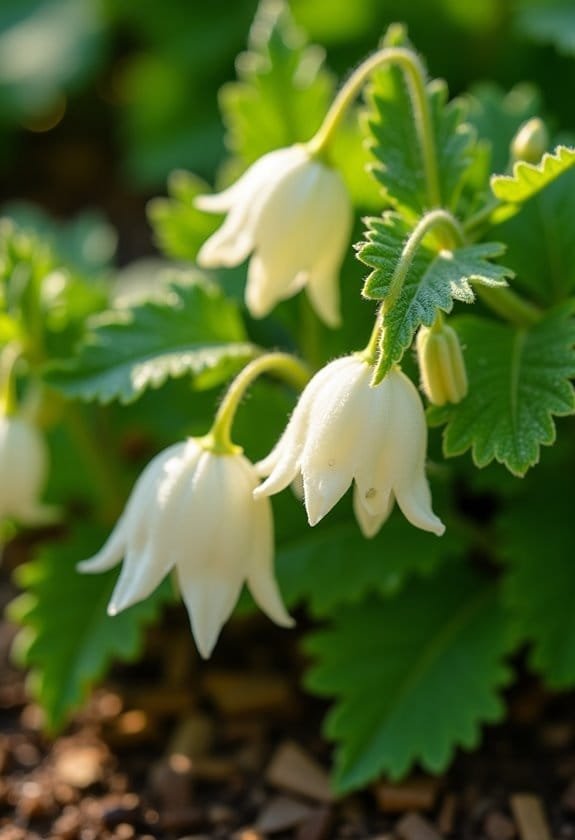
When caring for Campanula lactiflora, gardeners should consider key factors such as planting tips, ongoing care, and suitable companions to guarantee vibrant growth.
Proper placement in well-draining soil and appropriate light conditions will greatly enhance the plant's health and flowering potential.
Furthermore, pairing it with complementary plants can create a visually stunning arrangement while promoting a thriving ecosystem in the garden.
Planting Tips
For anyone looking to cultivate Campanula lactiflora, planting tips are essential to its success. This charming perennial flourishes in full sun to partial shade, favoring well-drained, nutrient-rich soil to maximize its growth and flowering performance.
When preparing the planting site, it's important to enrich the soil if needed, ensuring that it retains moisture without becoming waterlogged. Orpine, another resilient perennial, thrives in well-drained soil that is ideal for nutrient retention.
Moderate watering is fundamental for Campanula lactiflora; allowing the soil to dry between waterings can prevent detrimental issues like root rot.
In early spring, light fertilization can invigorate blooming; however, excessive application should be avoided as it encourages lush foliage with few blooms instead of the desired floral spectacle.
Regular deadheading, or removing spent flowers, not only promotes a longer blooming period but also manages self-seeding, keeping the plant's growth in check.
Additionally, enthusiasts should monitor for common pests and diseases that might threaten their plants. Snails and slugs can be problematic, while powdery mildew may develop in humid conditions. Proper air circulation is crucial in preventing diseases like powdery mildew, as seen in other garden plants such as heather.
To mitigate these challenges, ensuring good air circulation around the plants greatly reduces risks associated with pests and diseases, allowing Campanula lactiflora to shine beautifully in the garden.
Ongoing Care
To maintain the vibrant beauty of Campanula lactiflora throughout the growing season, ongoing care is necessary. This perennial thrives best with moderate watering; gardeners should allow the soil to dry between waterings to promote ideal growth.
Although it's a low-maintenance plant, some vigilance is required, particularly in monitoring for snails, slugs, and powdery mildew, which can detract from its allure.
Placement is essential, as Campanula lactiflora flourishes in well-drained, nutrient-rich soil and prefers conditions ranging from full sun to partial shade. When properly positioned in USDA hardiness zones 5-8, the plant not only survives but flourishes, producing exquisite blooms.
Deadheading spent flowers is a significant part of ongoing care, as this simple act can extend the flowering season from July to September. Additionally, cutting back the plant post-bloom can prevent unwanted self-seeding while encouraging a potential second flush of flowers, further enriching the garden's visual appeal.
Suggested Companions
Choosing the right companion plants for Campanula lactiflora can greatly enhance the overall beauty and health of a garden. Integrating Achillea, commonly known as Yarrow, provides a striking color contrast alongside Milky Bellflower, as both thrive in similar climatic conditions, thereby improving garden aesthetics.
Geranium, or Cranesbill, offers a diverse palette of flower colors and varying growth habits, enriching the visual appeal of mixed borders.
Furthermore, Nepeta, also known as Catmint, introduces a textural contrast with its soft gray-green foliage, making it an excellent choice for cottage gardens that feature Campanula lactiflora.
Echinacea, or Coneflower, complements the delicate stature of the bellflower, fostering an engaging interplay of height and form that stands out within garden designs.
Finally, Digitalis, or Foxglove, harmonizes beautifully by introducing tall spikes of bell-shaped blooms, contributing an elegant verticality to the composition.
Common Issues
While Campanula lactiflora is largely resistant to larger herbivores like deer and rabbits, it isn't immune to other challenges.
Gardeners should watch for pests such as snails and slugs, which can be effectively managed with barriers or manual removal.
They must also remain vigilant against fungal diseases like rust and powdery mildew, particularly under humid conditions.
Pests/Diseases
Campanula lactiflora, often known as Milky Bellflower, faces several common pest and disease challenges that can affect its health and appearance. One prevalent issue involves pests such as snails and slugs, which can inflict significant damage on both leaves and flowers if left unchecked.
These slimy adversaries thrive in moist conditions, often leaving behind unsightly trails and devouring plant material, compromising the beauty of the blossoms.
On the disease front, powdery mildew emerges during humid weather, characterized by a white, powdery coating on the foliage.
This fungal condition not only detracts from the plant's aesthetic appeal but can also hinder its overall liveliness if not addressed promptly. Rust, presenting as orange-brown pustules on leaves, poses another significant threat that requires immediate management to prevent widespread infection within the garden.
Despite being generally resilient, Milky Bellflower can succumb to root rot, primarily due to overwatering.
This issue underscores the crucial importance of ensuring well-drained soil, allowing the roots to breathe and absorb nutrients effectively. Regular monitoring and timely removal of affected plant parts remain essential practices to maintain the health of these vibrant flowers.
Solutions
Healthy growth of Campanula lactiflora hinges on proactive solutions to common issues. Although this beautiful perennial is generally resistant to disease or pest issues, vigilant observation is imperative. Gardeners should routinely check for snails, slugs, rust, and powdery mildew, as early detection allows for effective management.
Maintaining well-drained soil is fundamental, given that Campanula lactiflora thrives in nutrient-rich substrates. It's essential to guarantee proper drainage to prevent waterlogging, which can lead to root rot. Adequate soil moisture is important, but over-watering must be avoided. Additionally, regular monitoring of growth patterns can further aid in preventing potential infestations and invasive competition from plants like Creeping Buttercup. This is crucial, especially in areas where species such as Common Teasel can outcompete native plants for resources.
Moreover, implementing regular deadheading not only enhances the plant's aesthetic appeal but also prolongs the blooming season while preventing self-seeding.
In exposed regions, taller varieties may require staking to protect against wind and rain. Such support can prevent damage from the elements, helping the plants maintain their structure.
If self-seeding becomes problematic, cutting the plants back after flowering can effectively manage their spread and allow for a potential second bloom in late summer.
What Are the Similarities and Differences Between Campanula Lactiflora and Campsis Radicans?
Campanula lactiflora and campsis radicans, also known as trumpet honeysuckle, are both flowering plants that attract pollinators with their colorful blooms. However, campanula lactiflora tends to have more delicate, bell-shaped flowers, while campsis radicans features trumpet-shaped, orange-red blooms. Both plants thrive in full sun and well-drained soil.
Summary
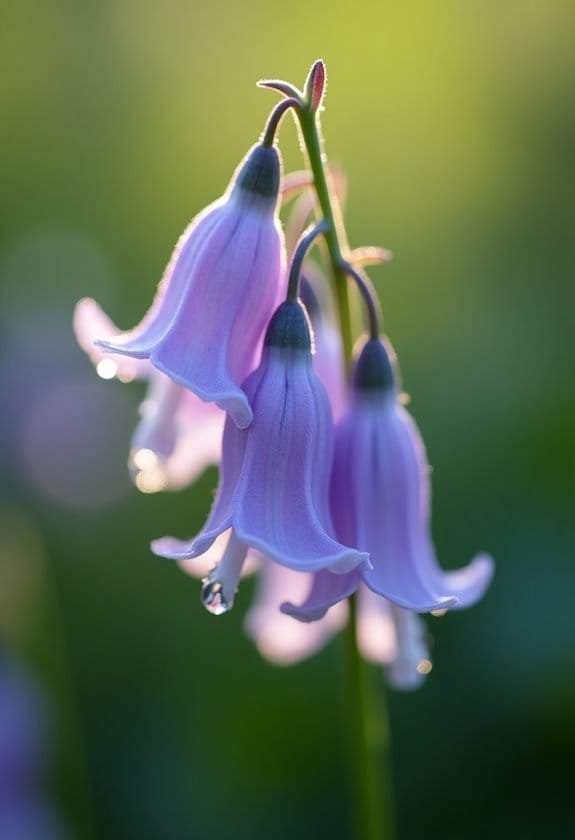
Milky Bellflower, or Campanula lactiflora, is a versatile perennial that stands out in any garden. Reaching heights of 3 to 5 feet, this elegant plant blooms from July to September, showcasing star-shaped flowers that range from deep lavender to pristine white.
Its adaptability allows it to thrive in diverse soil types, although it prefers well-drained, nutrient-rich environments. Hardy in USDA zones 5-8, Milky Bellflower not only enhances garden aesthetics but also supports local biodiversity by attracting essential pollinators such as bees, butterflies, and hummingbirds.
With minimal maintenance requirements, it flourishes with just occasional deadheading and moderate watering, as long as the soil is allowed to dry between waterings.
Campanula lactiflora is particularly valued in garden designs for its ability to complement cottage gardens and mixed borders, creating a delightful visual impact. Furthermore, its self-seeding nature leads to charming natural drifts, adding to its appeal.
To conclude, this enchanting perennial not only enriches garden landscapes but also fosters a vibrant ecosystem, making it an exceptional choice for any horticultural enthusiast.