Campanula persicifolia, or Peach-Leaved Bellflower, captivates gardeners with its exquisite cup-shaped flowers that bloom in violet-blue to white hues. This robust perennial, native to northern and alpine Europe, reaches impressive heights of up to 36 inches, creating a striking presence in any landscape. It flourishes in well-drained, slightly alkaline soils, thriving in USDA Zones 3-8 while enduring temperatures down to -40°F. Not only does it attract diverse pollinators, enhancing local biodiversity, but it also requires low maintenance, making it an appealing choice for garden enthusiasts. Curious about its care specifics or ecological benefits? There's much more to discover.
Main Points
- Campanula persicifolia, or Peach-Leaved Bellflower, features cup-shaped flowers in violet-blue to white shades, enhancing garden aesthetics.
- This perennial plant thrives in well-drained, slightly alkaline soils and prefers full sun to partial shade.
- Flowering occurs from late spring to early summer, attracting various pollinators such as bees and butterflies.
- Clump-forming, it reaches heights of 18-36 inches and requires division every 3-5 years to maintain health.
- Ensure regular watering and deadheading to promote blooming and prevent issues like powdery mildew and overcrowding.
Introduction
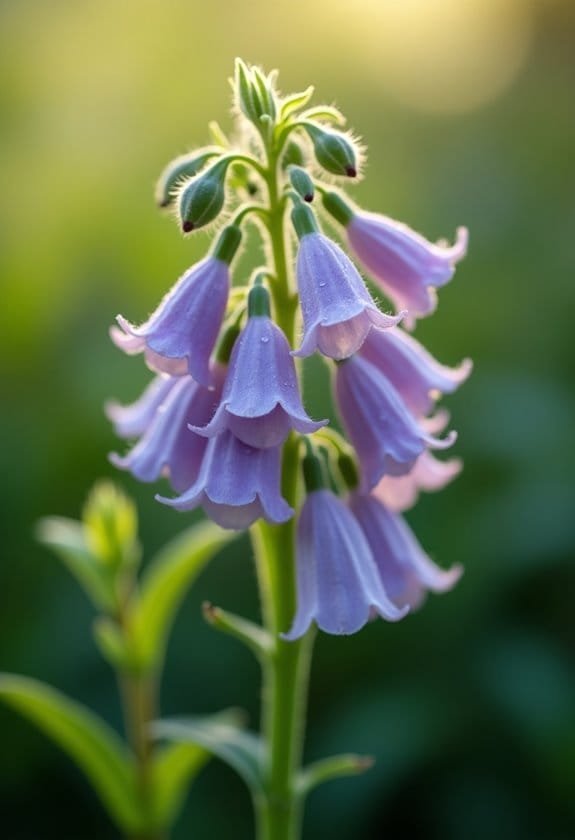
Campanula persicifolia, commonly known as Peach-Leaved Bellflower, emerges as an enchanting perennial native to the cooler climates of northern and alpine Europe.
With its striking cup-shaped flowers that beautifully display shades from violet-blue to white, this plant can reach impressive heights of up to 36 inches, creating a stunning visual impact.
Resilient and adaptable, it thrives in various conditions, making it a popular choice for gardens seeking vibrant seasonal blooms. Additionally, the Peach-Leaved Bellflower is often companion planted with other perennials to enhance the overall aesthetic and biodiversity of the garden.
Common Name
The beauty of the Peach-Leaved Bellflower lies not only in its stunning appearance but also in its enchanting names. Known scientifically as Campanula persicifolia, this perennial plant captivates gardeners and nature enthusiasts alike with its bell-shaped flowers, which bloom in delightful shades of violet-blue or crisp white.
The term "Peach-Leaved" originates from the plant's leaves, which strikingly resemble those of a peach tree, establishing a visual connection to the fruit tree's soft foliage.
In addition to Peach-Leaved Bellflower, it's affectionately called Fairy Bells, a title that evokes the plant's whimsical charm. Other charming nicknames, such as Peach Bells and Petticoat Bellflower, highlight its aesthetic appeal and the enchanting atmosphere it brings to any garden.
This clump-forming perennial can reach impressive heights of 18 to 36 inches, making it a splendid focal point in floral arrangements or borders.
In its native habitat within northern and alpine regions of Europe, the Peach-Leaved Bellflower adapts gracefully to cooler climates. Such remarkable adaptability, along with its stunning floral display, contributes to its popularity among those seeking to add enchanting beauty to their landscapes.
Scientific Name
Recognized scientifically as Campanula persicifolia, the Peach-Leaved Bellflower belongs to the Campanulaceae family, which encompasses a diverse range of bell-shaped flowering plants. This herbaceous perennial species, commonly found in gardens, showcases an impressive array of cultivars, each drawing intrigue with its distinctive blooms.
Campanula persicifolia thrives in its native environments of northern and alpine regions of Europe, where cool weather conditions prevail. The phonetic spelling, kam-pan-YOO-luh per-sis-ih-FOH-lee-uh, provides insight into the plant's scientific classification, emphasizing the genus Campanula.
Adaptable to various soil types, this resilient species flourishes in USDA Zones 3-8, demonstrating remarkable hardiness even in extreme cold temperatures as low as -40°F (-40°C).
The beauty and reliability of Campanula persicifolia not only serve aesthetic purposes but also support biodiversity by attracting pollinators, thereby playing a crucial role in the ecosystem.
The science behind its classification highlights the intricate relationships within the plant kingdom, suggesting that every bloom is a proof of evolution's artistry. Understanding Campanula persicifolia's scientific name reflects both its horticultural value and ecological significance.
Overview
With its elegant bell-shaped flowers and robust stature, Peach-Leaved Bellflower, scientifically known as Campanula persicifolia, captivates garden enthusiasts and pollinators alike.
This clump-forming perennial, hailing from the northern and alpine regions of Europe, boasts sturdy stems that reach heights of 18 to 36 inches, while spreading 12 to 18 inches wide. The plant features narrow, toothed leaves that create attractive basal rosettes, enhancing its visual appeal.
Thriving in USDA zones 3-8, Peach-Leaved Bellflower flourishes in conditions ranging from full sun to partial shade, making it versatile for various garden settings.
Blooming from early to mid-summer, its cup-shaped flowers showcase an exquisite palette of violet-blue to white, drawing in crucial pollinators such as bees, butterflies, and hummingbirds.
Furthermore, this resilient species is largely pest-free and showcases impressive resistance to deer and rabbits, making it a low-maintenance option for gardeners seeking enduring beauty.
Peach-Leaved Bellflower not only serves as a stunning ornamental flower but can also create an effective ground cover, enhancing the landscape with its robust charm.
Key Features
Campanula persicifolia, the Peach-Leaved Bellflower, showcases an impressive growth size, typically reaching heights of 18 to 36 inches, with elegant clumps that can spread 12 to 18 inches wide.
Its striking cup-shaped flowers, measuring around 1.5 inches, bloom from late spring to early summer, painting gardens in a delightful palette of violet-blue to white.
With sturdy stems supporting these blossoms, the plant not only beautifies landscapes but also serves as a long-lasting cut flower in arrangements.
Growth Size
Growing in clumps, Campanula persicifolia typically reaches heights between 18 to 36 inches (45 to 90 cm) and spreads 12 to 18 inches (30 to 45 cm) wide. This perennial plant thrives in full sun to part shade, demonstrating remarkable adaptability in garden settings.
The growth size allows it to create stunning displays when planted in groups, enhancing visual interest and providing ample coverage in borders or beds.
The narrow, toothed, leathery leaves contribute to the overall aesthetic, forming pleasing rosettes that can grow up to 8 inches in length. During its flowering period, which occurs from late spring to early summer, the plant reveals erect, slender stems adorned with delightful bell-shaped flowers.
These blooms can exhibit colors ranging from violet-blue to purple and white, further enriching the garden's tapestry.
Once established, Campanula persicifolia showcases its longevity, often surviving for decades. Its ability to self-seed guarantees a continuous presence, allowing it to spread gracefully throughout the landscape.
The combination of its growth size, attractive foliage, and intriguing flowers makes this bellflower a desirable choice for many gardeners aiming to achieve a harmonious, vibrant outdoor space.
Appearance
Peach-Leaved Bellflower showcases striking visual characteristics that make it a standout in any garden. This perennial plant, Campanula persicifolia, features exquisite cup-shaped flowers that can be single or double, displaying shades that range from fascinating violet-blue to pure white. Each flower measures about 1.5 inches in size and blooms atop slender, erect stems, creating a lovely contrast against the plant's robust structure.
The leaves of this species form a rosette at the base, presenting narrow, toothed, and leathery textures. Typically, these basal foliage elements measure 4 to 8 inches in length, contributing to the plant's overall lush appearance.
The sturdy stems can reach heights of 18 to 36 inches and widths of 12 to 18 inches, establishing a compact yet impressive growth habit.
As flowering occurs from late spring to early summer, the Peach-Leaved Bellflower draws attention, especially when it's massed in borders or naturalized areas. Its enchanting visual appeal combined with its resilience through various climates further elevates its status as a must-have for garden enthusiasts, creating a lasting impression with each bloom.
Flowering Season
The enchanting display of blooms from the Peach-Leaved Bellflower occurs from late spring to early summer, mesmerizing gardeners with their vibrant colors and unique shapes. This flowering season showcases an impressive array of cup-shaped blooms, measuring approximately 1.5 inches in size, most commonly found in shades of violet-blue, purple, and white.
These elegant flowers rise above the lush foliage on slender, erect stems, creating a striking visual display that enhances any garden setting.
During this period, the Peach-Leaved Bellflower not only adds beauty but also plays an essential role in attracting pollinators, including bees and butterflies, which are crucial for ecosystem health.
To maximize the aesthetic appeal and guarantee a prolonged flowering season, it's important to routinely remove spent flowers. Deadheading these faded blooms encourages new blooms to develop, extending the plant's vibrant display.
Growing Requirements
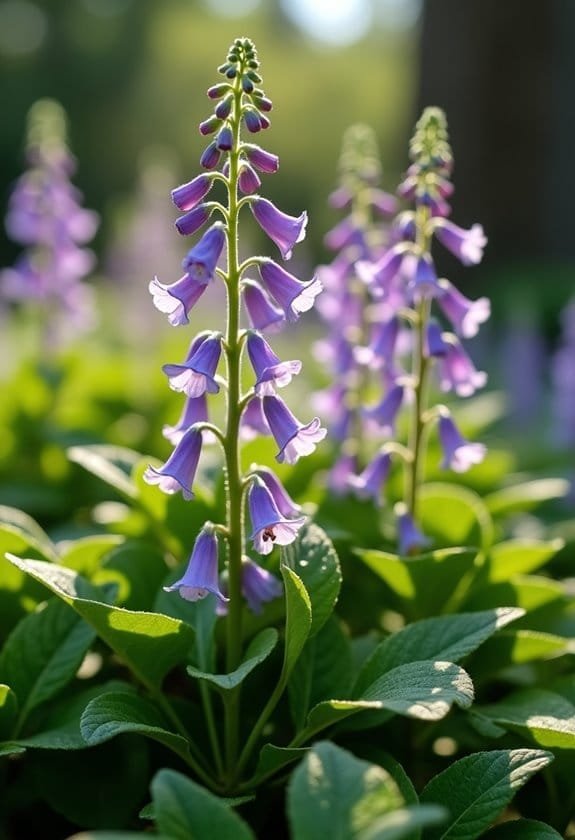
Campanula persicifolia thrives in well-drained soils, flourishing in environments that range from full sun to partial shade, accommodating a variety of garden settings.
This perennial requires regular watering to maintain a medium moisture level, particularly when the soil surface appears dry, as overwatering can lead to detrimental waterlogging.
Hardy in USDA zones 3-8 and capable of withstanding temperatures as low as -40°F, it prefers slightly alkaline soil, making it a resilient choice for diverse landscapes.
Light
Ideal sunlight conditions are essential for the thriving of Campanula persicifolia, with full sun to partial shade promoting the best blooming outcomes. This species flourishes when it receives at least six hours of sunlight each day, ensuring vibrant blooms and robust growth.
While Campanula persicifolia can tolerate some amount of shade, significant reductions in light can hinder its flowering potential, leading to sparse blossoms and diminished vigor.
Furthermore, the plant adapts well to various environments, but sustained exposure to sunlight enhances its resilience and aesthetic appeal. In regions classified under USDA zones 3-8, vulnerable plants, especially in zone 7, may necessitate afternoon shade to avert excessive stress.
A delicate balance between sun and moisture is critical, as plants may become desiccated in hotter conditions. Common Honeysuckle, which thrives similarly in full sun, also benefits from careful monitoring of light exposure to achieve optimal growth.
Regular monitoring of light exposure not only promotes healthier plants but also enables self-seeding when conditions are ideal. Ensuring that Campanula persicifolia enjoys well-drained soil while basking in appropriate sunlight is essential for maximizing its growth potential and extending its blooming season.
Consequently, gardeners must carefully consider and adjust the plant's light conditions for flourishing gardens filled with delightful peach-leaved bellflowers.
Soil
To thrive, Campanula persicifolia needs well-draining soil that accommodates its adaptability to different conditions, including slightly alkaline environments.
This hardy plant flourishes best in medium moisture settings, requiring regular watering while ensuring the soil never becomes waterlogged. Proper soil aeration is critical, as compacted soil can impede growth, particularly when cultivated in containers.
Notably, the diverse root system of Campanula persicifolia allows it to withstand a variety of soil types, resulting in its prevalence across northern and alpine European habitats.
Whether in sandy loam or clay, the key lies in maintaining excellent soil quality, which greatly influences plant vigor and flowering potential.
To promote ideal growth, gardeners should consider dividing the plants every 3-5 years.
This practice not only rejuvenates mature specimens but also allows for the redistribution of nutrients within the soil, ultimately enhancing its overall health.
Water
Maintaining proper moisture levels is essential for the healthy growth of Campanula persicifolia. This beautiful plant thrives in medium moisture soils, notably preferring conditions that are well-drained to prevent the detrimental effects of waterlogging on its roots.
Regular watering becomes important, particularly during dry spells, where the soil surface should ideally dry slightly between waterings to promote best moisture retention.
In USDA zone 7, extra precautions like afternoon shade are recommended to mitigate moisture loss, especially in warmer weather conditions. While this hardy species can tolerate brief periods of drought once established, consistent moisture is critical for achieving its full growth potential.
Overwatering, however, poses a considerable risk; it can lead to severe complications such as root rot, undermining the plant's strength.
Consequently, it's imperative for gardeners to pay close attention to soil moisture levels, using techniques like finger testing or moisture meters to ascertain the needs of their Campanula persicifolia effectively.
Temperature
Campanula persicifolia, commonly known as Peach-Leaved Bellflower, flourishes in a variety of temperatures, showcasing its adaptability across USDA zones 3-8. This remarkable perennial can endure frigid extremes, withstanding temperatures as low as -40°F (-40°C).
Thriving best in cool weather, it prefers environments that offer full sun to partial shade, which greatly influences its capacity to produce vibrant blooms in early spring.
In zone 7, however, Peach-Leaved Bellflower requires afternoon shade and more frequent watering to combat the stress of elevated temperatures. Established plants display impressive resilience, capable of weathering both winter cold and summer drought, although ideal conditions amplify their growth potential.
The surrounding temperature and climate significantly impact the species' self-seeding abilities, allowing it to propagate naturally in hospitable environments.
This adaptability not only contributes to the aesthetic appeal of gardens but also enhances biodiversity, as it attracts various pollinators.
In regions that align with the plant's temperature preferences, gardeners can expect an enchanting display of blossoms, enriching their outdoor spaces season after season.
Selecting the right conditions is essential for these delicate yet hardy beauties to thrive.
Pollinator Criteria
Campanula persicifolia, with its vibrant and inviting blooms, draws an impressive array of pollinators, such as bees, butterflies, and hummingbirds, each presenting a unique method of pollination.
During its peak flowering period from late spring to early summer, the plant not only provides essential nectar but also facilitates crucial cross-pollination among neighboring flora, thereby enhancing local biodiversity.
Understanding the specific pollinator preferences and the mechanisms of interaction within this ecosystem will reveal the significance of preserving such resilient plants in diverse garden environments.
Attracted Pollinators
Attracting a diverse array of pollinators, the Peach-Leaved Bellflower, or Campanula persicifolia, plays an important role in enhancing garden biodiversity.
Its striking flowers, which bloom in late spring to early summer, provide a critical source of nectar and pollen for a variety of beneficial insects. Vibrant hues ranging from violet-blue to white not only captivate the human eye but also serve as visual signals that draw in bees, butterflies, and even hummingbirds. The Peach-Leaved Bellflower's ability to thrive in partial shade makes it an excellent addition to diverse garden settings, ensuring a robust habitat for pollinators.
As a deer-resistant plant, Campanula persicifolia flourishes unperturbed, ensuring that pollinators can thrive within this welcoming habitat. Its ability to self-seed contributes to a consistent supply of nectar over time, creating a reliable food source for these key creatures each growing season. Additionally, the presence of nectar-rich flowers, similar to those of the Meadow Cranesbill, enhances the overall attraction of pollinators in the garden.
Companion plants, when strategically selected, can further enhance the ecological value of a garden populated with these bellflowers, fostering an environment rich in biodiversity.
In this way, the Peach-Leaved Bellflower not only survives but actively supports pollinator populations, ultimately benefiting the entire ecosystem.
Pollination Method
Pollinators enthusiastically seek out the Peach-Leaved Bellflower due to its bell-shaped flowers, which are specifically crafted to enhance accessibility. This enchanting plant employs a refined pollination method that mainly attracts beneficial pollinators, including bees, butterflies, and hummingbirds.
The wide openings of the flowers, with their delicate structure, enable easy access for these creatures, facilitating successful nectar extraction from the heart of the flower buds. Additionally, the presence of vibrant flowers in the garden attracts a variety of species, creating an engaging environment for pollinators.
Pollination typically occurs from late spring to early summer, aligning perfectly with the plant's vibrant blooming period. This timing not only maximizes the opportunities for pollinator visits but also fosters effective cross-pollination, promoting genetic diversity among the offspring.
As the Peach-Leaved Bellflower can self-seed, it lays the groundwork for a continuous cycle of growth, which sustains an inviting habitat for pollinators year after year. The plant's blooms also serve as a vital nectar source for various pollinators, enhancing biodiversity in gardens and promoting ecological health.
Care & Maintenance
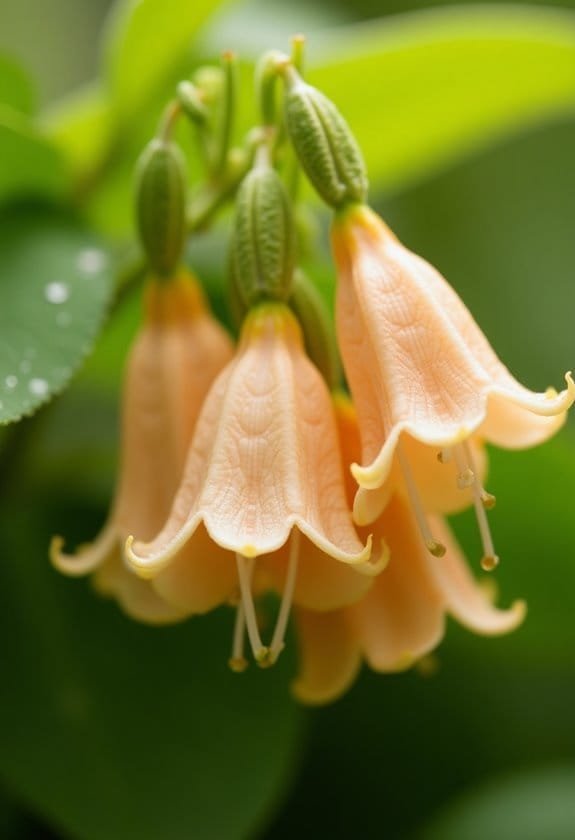
To cultivate a thriving Campanula persicifolia, gardeners should heed essential planting tips and ongoing care methods.
These bellflowers prefer well-drained, moderately moist soil under full sun to partial shade, ensuring their vibrant blooms flourish throughout the summer.
Pairing them with compatible companions enhances their aesthetic appeal while fostering a harmonious garden ecosystem, effectively inviting a palette of colors and textures.
Planting Tips
Choosing the right spot for Campanula persicifolia is vital for its success in the garden. This perennial thrives in full sun to partial shade, preferring well-draining soil that maintains a medium moisture level.
When planning the planting site, gardeners should select an area that allows for adequate air circulation and sunlight, making this an excellent choice for various garden conditions.
Once established, regular watering is essential to guarantee the soil remains moist without becoming waterlogged, promoting healthy growth. To enhance the plant's flowering potential, gardeners should deadhead spent flowers promptly; this practice encourages an extended blooming period from early to mid-summer, enhancing visual appeal.
Additionally, it's beneficial to cut back to basal in late fall or early spring after the blooming period, which encourages vigorous growth during the new season.
Finally, to maintain the vigor of Campanula persicifolia, gardeners should consider dividing clumps every 3-5 years. This prevents overcrowding while promoting healthier growth overall.
Ongoing Care
Ongoing care for Campanula persicifolia maintains vibrant blooms and robust growth throughout the growing season. To achieve this, gardeners should regularly deadhead spent flowers, which not only enhances the plant's appearance but also encourages new blooms, extending the flowering period from early to mid-summer.
A diligent approach to watering is vital; the soil should be moist but never waterlogged, as excessive moisture can lead to root rot and diminish overall vigor.
Moreover, to maintain the plant's health and productivity, it's advisable to divide clumps every three to five years. This practice promotes healthier growth and guarantees that the plants remain vigorous.
Additionally, providing support for tall stems is important, particularly during adverse weather conditions such as wind and rain, which can easily damage their structure.
Campanula persicifolia makes an excellent choice for cut flowers, adding elegance to floral arrangements. For those cultivating this stunning perennial, adhering to these ongoing care practices will yield enchanting displays and an enduring garden presence throughout its lifespan.
Suggested Companions
A well-planned garden can greatly benefit from incorporating companions for Campanula persicifolia, as these plants enhance both aesthetics and health. The Peach-Leaved Bellflower thrives when planted alongside roses, as their contrasting textures and vibrant flower colors create a visually engaging display. This combination not only provides visual appeal but also enriches the overall garden landscape.
To achieve a rustic cottage garden aesthetic, gardeners should consider integrating foxgloves and delphiniums. Their varying heights and lush blooms harmonize beautifully with the Campanula's elegant structure. Salvias, with their brilliant blue and purple flowers, further amplify the color palette, establishing a cohesive and vibrant setting. Incorporating plants such as Crataegus monogyna, known for its thorny characteristics, can enhance both structure and wildlife support within the garden.
Incorporating ornamental grasses can create an intriguing dynamic, providing texture and movement that accentuates the delicate nature of Campanula persicifolia, while simultaneously drawing the eye to its features. Additionally, planting companions that attract early pollinators will enhance garden biodiversity and contribute to a healthier ecosystem.
For those interested in low-maintenance rock gardens, shorter Campanula varieties flourish among shade-loving plants, promoting a diversified ecosystem.
Thus, these carefully chosen companion plants not only beautify the garden but also foster health and resilience, ensuring Campanula persicifolia thrives in ideal conditions.
Common Issues
While Campanula Persicifolia, or Peach-Leaved Bellflower, brings beauty to gardens, it also encounters several common issues that can hinder its growth.
Susceptible to powdery mildew in humid conditions, these plants often require appropriate spacing and improved airflow for effective management.
Additionally, gardeners must be vigilant against pests like slugs and snails, especially during wet seasons, as they can rapidly compromise the plant's health and vigor.
Pests/Diseases
In any garden, Campanula persicifolia can face several common pest and disease challenges. While it generally remains pest-free, occasional infestations can occur, particularly from slugs and snails attracted to the tender foliage. These creatures can cause considerable damage, devouring leaves and ultimately compromising the plant's health.
One prevalent disease affecting Peach-Leaved Bellflower is powdery mildew, which tends to manifest under humid conditions. This fungal issue thrives in poor air circulation, making proper spacing essential for prevention. When plants are too crowded, they can trap moisture, fostering a perfect environment for mold to flourish.
Regular monitoring is important to identify these pests and diseases early, allowing for timely intervention. Employing organic treatments, such as neem oil or diatomaceous earth, can provide effective solutions if infestations arise.
Furthermore, proper care—adequate watering and avoiding overcrowding—can minimize these risks substantially.
Maintaining robust plants can also help, as regular deadheading and dividing every 3 to 5 years promotes overall health. By prioritizing such practices, gardeners can enjoy the beauty of Campanula persicifolia while mitigating the potential impacts of pests and diseases.
Solutions
To tackle common issues with Campanula persicifolia, gardeners should focus on proactive measures. Regular monitoring is essential, especially since this plant is susceptible to slugs and powdery mildew. Adequate spacing between plants enhances airflow, reducing the likelihood of disease. Proper watering techniques should be practiced to avoid waterlogged conditions, which can lead to detrimental root rot; instead, keep the soil moist yet well-drained for superior growth.
Gardeners can enhance the plant's flowering potential by deadheading faded flowers, which not only prolongs blooming into the summer but also deters self-seeding, preventing overcrowding. Additionally, dividing clumps every 3-5 years revives plant vigor and mitigates potential self-seeding aggressiveness, particularly in regions like New England, where these issues can be pronounced.
In warmer zones, maintaining afternoon shade and ensuring adequate moisture are critical practices to combat heat stress, thereby supporting overall plant health.
Summary
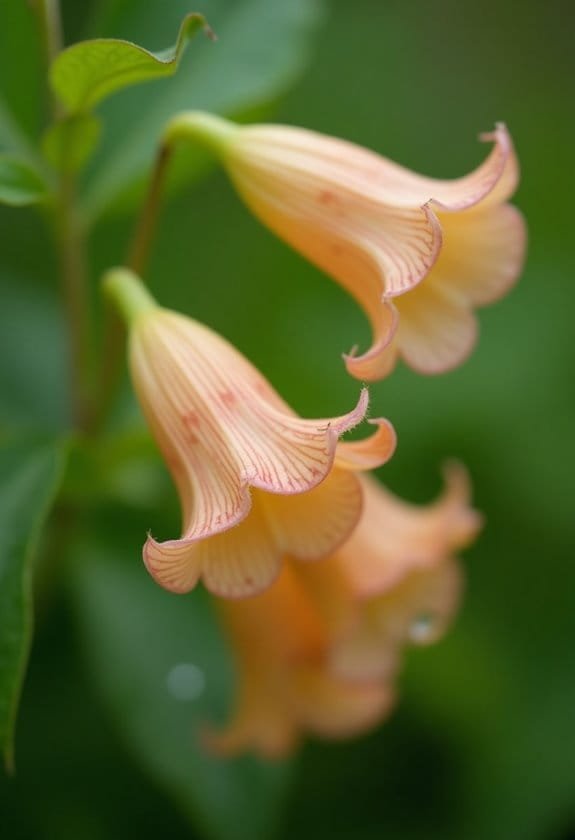
Campanula persicifolia, or Peach-Leaved Bellflower, is a striking perennial that thrives in northern and alpine regions of Europe. This intriguing plant grows robustly, reaching heights of up to 36 inches, and features tall, sturdy stems adorned with attractive, cup-shaped flowers ranging in color from violet-blue to pristine white. Its bloom time spans from early to mid-summer, delighting gardeners with long-lasting displays.
It flourishes in USDA zones 3-8, showcasing remarkable hardiness that allows it to withstand temperatures as low as -40°F (-40°C). Ideal growth conditions include well-draining soil and a location that provides full sun to partial shade. Peach-Leaved Bellflower's narrow, toothed leaves form basal rosettes that enhance its overall visual appeal.
Notably, this perennial is an excellent choice for cut flowers, gracing arrangements with its beauty and elegance. Regular maintenance, such as deadheading and division every 3-5 years, contributes to the plant's health, while also ensuring it attracts beneficial pollinators, like bees and butterflies. Additionally, its role in supporting pollinator populations highlights the ecological benefits of including this perennial in garden designs.