Catananche caerulea, referred to as Blue Cupidone or Cupid's Dart, enchants with its striking blue flowers and resilient growth. This perennial, reaching heights of 18-28 inches, thrives in Mediterranean climates, favoring well-drained soil and full sun. Its blooms, appearing from mid-summer to early fall, measure 1-2.5 cm in diameter, attracting pollinators like bees and butterflies. With a chromosome count of 2n=18, this resilient species exhibits genetic stability, enhancing its ecological contribution. Regular care, including deadheading and proper drainage, guarantees vibrant displays while mitigating common issues. For those enthusiastic to transform their gardens, further insights await just ahead.
Main Points
- Catananche caerulea, commonly known as Cupid's Dart, showcases vibrant blue flowers with violet centers, blooming from mid-summer to early fall.
- This plant thrives in well-drained, medium moisture soil and requires at least 6 hours of full sunlight daily.
- It originates from southern Europe and North Africa, exhibiting resilience in diverse Mediterranean environments.
- Catananche caerulea attracts bees and butterflies, promoting biodiversity and supporting healthy ecosystems through efficient pollination.
- Regular maintenance, including deadheading and proper drainage, enhances flowering periods and reduces risks of diseases like powdery mildew.
Introduction
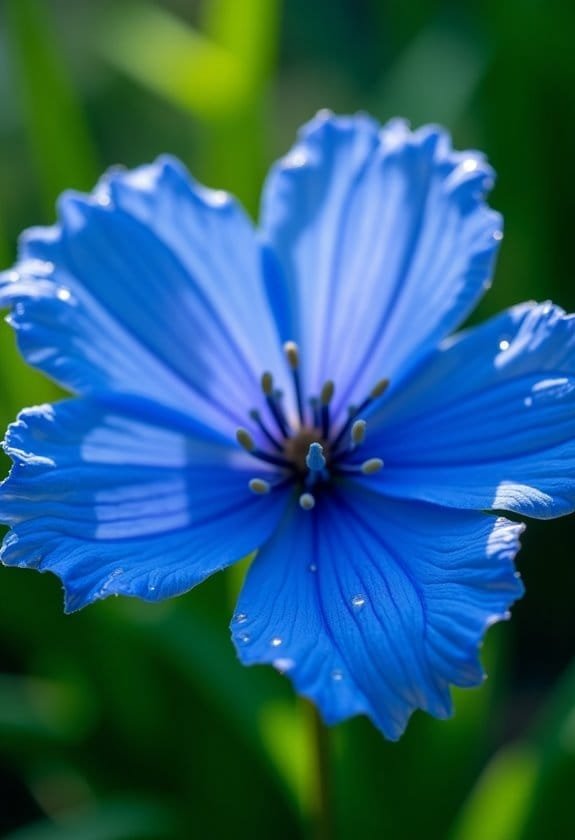
Catananche caerulea, widely known as Cupid's Dart, captivates with its vibrant blue flowers and robust growth in Mediterranean habitats.
Standing tall at 18-28 inches, this perennial herbaceous marvel thrives in well-drained soil under full sun, showcasing its resilience and adaptability.
With a rich history intertwined with love potions from ancient cultures, Catananche caerulea invites exploration into its botanical characteristics and cultural significance.
Common Name
Often celebrated for its enchanting appearance, Catananche caerulea is widely known as Cupid's Dart, Blue Daisy, or the Greek Love Plant. These common names reflect the plant's historical association with attraction and romance. The name "Cupid's Dart" is particularly evocative, originating from ancient Greek practices where this striking perennial herb was utilized in love potions, symbolizing desire and allure.
Catananche caerulea showcases mesmerizing lilac-blue, daisy-like flowers that bloom from summer to fall, attracting both the eye and pollinators. Its self-sowing nature allows it to thrive in suitable environments, often resulting in spontaneous volunteer seedlings that enhance its presence in gardens.
Additionally, the plant's attractive papery seedheads contribute to its charm, making it a favored choice for dried floral arrangements.
The euphoric appeal of Cupid's Dart lies not only in its aesthetic qualities but also in its rich historical significance. Enthusiasts of this remarkable plant often integrate it into their landscapes, appreciating not just its beauty, but also its ability to evoke deep romantic sentiments.
Consequently, the common names associated with Catananche caerulea truly encapsulate its essence.
Scientific Name
What does the scientific name of Cupid's Dart disclose about this enchanting plant? The name Catananche caerulea provides essential insights into both its taxonomy and characteristics. Classified within the Asteraceae family, Catananche caerulea signifies its affinity with other flowering plants, commonly known for their ecological importance and ornamental value.
The species epithet "caerulea," translating to "heavenly blue" in Latin, beautifully captures the plant's striking floral display, which draws admirers from gardens and wild landscapes alike.
Originating in the Mediterranean regions of southern Europe and parts of North Africa, this perennial herbaceous plant thrives in diverse environments, often showcasing its vibrant blue flowers amidst arid settings. With a chromosome number of 2n=18, Catananche caerulea exhibits a stable genetic configuration, typical of many resilient perennial species.
Intriguingly, the genus name "Catananche" derives from Greek roots signifying "compulsion," hinting at the plant's historical association with love potions. Consequently, every element of its scientific name articulates more than mere classification; together they weave a narrative, revealing the plant's beauty, ecological role, and cultural history.
Overview
Known for its enchanting beauty and historical lore, Catananche caerulea, or Cupid's Dart, enchants gardeners and nature lovers alike. This exquisite perennial herb originates from the Mediterranean regions of southern Europe, where it thrives under the warmth of full sun.
Catananche caerulea showcases flamboyant, rich blue flowers that bloom from mid-summer to early fall; these striking blooms, measuring 1-2 inches wide, feature violet-centered, lavender daisy-like petals that capture the eye with their vibrant hues. Typically growing in upright clumps, this plant reaches heights between 18 to 28 inches (45 to 70 cm), imparting a lively presence in any garden setting.
Additionally, its attractive papery seedheads add to its charm, making Cupid's Dart suitable for dried arrangements, enhancing both aesthetics and decor. Historically, the Greeks incorporated this plant into love potions, connecting it with themes of attraction and romance.
Preferring well-drained soil, Catananche caerulea flourishes in hardiness zones 3-8 and heat zones 1-8, rendering it a favored option for borders and rustic cottage gardens. With its remarkable attributes, this plant remains a symbol of nature's ability to blend beauty with history.
Key Features
Catananche caerulea, with its upright clumps reaching heights of 18 to 28 inches, offers a striking presence in any low-maintenance garden.
The plant's lavender-blue flowers, blooming from mid-summer to early fall and measuring 1-2 inches wide, provide vibrant color against its robust basal rosette of long, linear, grayish-green leaves.
This combination of size and alluring appearance makes Cupid's Dart not only visually appealing but also a resilient choice for sun-drenched landscapes.
Growth Size
Upright clumps characterize the growth size of Catananche caerulea, typically reaching heights between 18 to 28 inches (45 to 70 cm). This perennial plant demonstrates a robust growth pattern, forming linear leaves that create a basal rosette, measuring between 2 to 20 cm long and 0.25 to 0.75 cm wide. The plant's architecture not only enhances its aesthetic appeal but also contributes to its resilience in various environments.
Flowering stems extend up to 30 cm long and feature a few scattered leaves, presenting a woolly texture that adds a distinctive quality to the overall appearance. Each individually borne flowerhead measures between 1 to 2.5 cm in diameter, showcasing rich blue blossoms with violet centers, generally spanning 1 to 2 inches (3 to 5 cm) wide. The visual impact of these blooms is particularly striking, drawing attention in any garden setting.
Self-sowing tendencies allow Catananche caerulea to thrive in ideal conditions, leading to the emergence of volunteer seedlings capable of supplanting the original plant over time. This dynamic growth strategy guarantees sustainability and longevity within the plant's habitat, while lending itself to fascinating displays each blooming season.
Appearance
Exhibiting a striking visual appeal, Catananche caerulea, or Cupid's Dart, features vibrant blue flowers that bloom from summer to fall.
These flamboyant blooms typically measure between 1-2 inches wide (3-5 cm) and consist of violet-centered, lavender daisy-like petals that invite admiration. The plant itself grows in upright clumps, achieving heights of 18-28 inches (45-70 cm), which lends it a majestic presence in gardens.
The flowering stems are erect and woolly, generally extending up to 30 cm long, with individual flower heads borne on branched sprays that further enhance its charm. These ligulate florets showcase an enchanting bluish-purple strap, measuring 2.5-2.9 cm long and featuring five delicate teeth.
A particularly attractive trait of Catananche caerulea is its papery seedheads, which not only add visual interest but are also perfect for dried arrangements.
Its leaves form a basal rosette and are linear, ranging in length from 2-20 cm and width from 0.25-0.75 cm. Coated in soft woolly hairs, they exhibit a lovely grayish-green color, perfectly complementing the dazzling flowers.
Fundamentally, Catananche caerulea combines aesthetic beauty with functional elegance, creating a charming garden staple.
Flowering Season
The flowering season of Catananche caerulea, commonly known as Cupid's Dart, brings vibrant blue blooms to gardens from mid-summer to early fall. During this enchanting blooming season, the striking violet-centered, lavender daisy-like petals emerge, showcasing flowers that measure between 1 to 2 inches wide (3 to 5 cm).
These floral displays grace upright flowering stems that can reach heights of 18 to 28 inches (45 to 70 cm), forming robust clumps that provide a dynamic visual interest in both garden borders and beds.
Notably, the allure of Catananche caerulea extends beyond its blossoms, as the plants also develop papery seedheads upon completion of their flowering cycle. These seedheads prove invaluable for dried arrangements, enhancing a gardener's creative endeavors.
To maximize the abundance of blooms, regular deadheading of spent flowers is recommended. This practice encourages more prolific flowering, effectively extending the overall blooming season, which gardeners are enthusiastic about.
With its elegant blooms and efficient growth habits, Catananche caerulea serves not only as a visually striking addition to the landscape but also as a reliable perennial that enhances beauty through each season's progression. Additionally, it attracts essential pollinators for garden ecosystems, further enriching the garden's biodiversity.
Growing Requirements
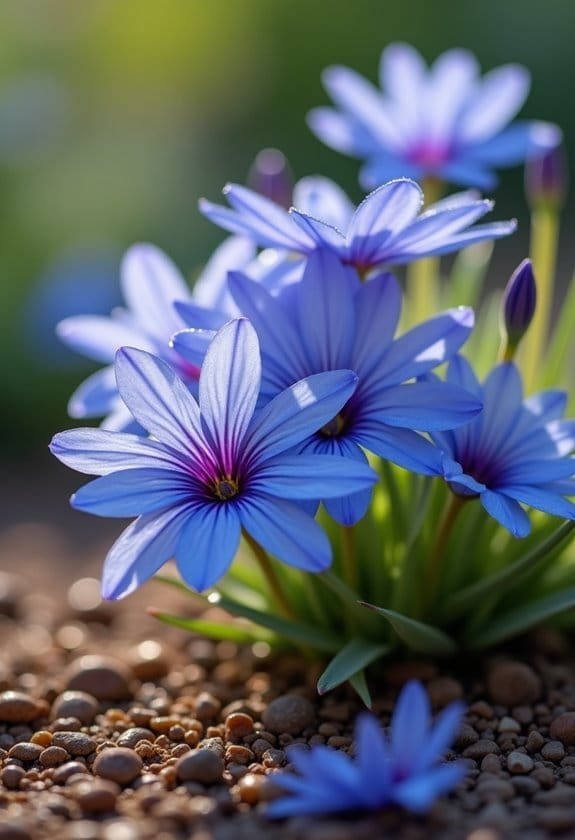
Catananche caerulea flourishes under the radiant embrace of full sunlight, necessitating well-drained soil that ideally blends loam with sand for peak development.
While this resilient perennial showcases impressive drought tolerance once established, it thrives best with moderate moisture during its growth phase, helping to alleviate stress and encourage robust flowering.
Additionally, a cooler environment is paramount post-germination, with recommended transplanting occurring approximately 4 to 8 weeks thereafter, creating an ideal foundation for this enchanting yet low-maintenance garden gem.
Light
In full sun, Catananche caerulea, commonly known as Blue Cupidone, truly flourishes, needing at least 6 hours of direct sunlight each day to showcase its vibrant blooms. This plant's preference for bright environments is vital for its health and beauty; indeed, peak growth and prolific flower production occur primarily in sunny settings.
While Blue Cupidone can tolerate some light shade, its full potential is realized under the sun's warm rays. Once established, this hardy perennial exhibits impressive drought tolerance, yet it still requires consistent moisture during the germination phase to guarantee robust development.
However, gardeners must exercise caution, as overwatering in sunny conditions can lead to detrimental effects on the plant's health. In regions identified within hardiness zones 3-8, Catananche caerulea adapts well to varying light conditions, favoring those that mimic its native sunny habitats.
In this context, maintaining the appropriate light exposure is crucial for nurturing Blue Cupidone's striking floral displays, which can transform any garden into a vibrant tapestry of color and life. Consequently, those cultivating this enchanting plant should prioritize its sunlight needs to marvel at its full array of blooms.
Soil
Well-draining soil is crucial for Catananche caerulea's growth and significance. This plant flourishes in a loose, well-draining mixture, ideally composed of loam and sand, to prevent waterlogging that can hinder root development. It thrives under medium moisture conditions, meaning it can tolerate some humidity, but gardeners must avoid heavy clay or constantly wet soils, particularly during winter, to prevent detrimental root rot.
Catananche caerulea prefers a soil pH that ranges from neutral to slightly alkaline, ideally between 7.0 and 8.0, supporting its metabolic functions and enhancing growth. The soil shouldn't only provide adequate moisture retention but also guarantee excellent drainage, which is critical for this species' overall health.
Utilizing unamended heavy soils can lead to issues like powdery mildew outbreaks, which are detrimental to its foliage and overall vigor. Moreover, creating a favorable environment for Catananche caerulea will meaningfully enhance its flowering potential, making it an attractive addition to sunny garden spots.
Consequently, understanding the nuances of soil composition and moisture management is key to cultivating this beautiful plant successfully.
Water
Maintaining proper moisture levels is key to the success of Catananche caerulea. This charming plant prefers medium moisture conditions during its growth period but proves itself as drought-tolerant once fully established. Gardeners should focus on consistent watering, especially during the early stages, when seedlings require adequate hydration to develop strong roots.
It's essential to provide well-drained soil, as Catananche caerulea struggles in heavy clay or wet environments, particularly during winter months. Excess moisture can induce conditions like powdery mildew, underscoring the importance of monitoring soil moisture levels diligently.
The balance between hydration and drainage fosters a healthy environment for these Cupids Dart, preventing problems associated with overwatering. In regions characterized by high humidity and heat, vigilance with watering becomes vital. Inadequate water supply during peak stress periods can lead to wilting or stunted growth.
As a result, the savvy gardener should adapt their watering strategy to match local climatic conditions, ensuring that this delightful perennial can thrive. By striking the right balance between moisture and soil drainage, Catananche caerulea can flourish, enchanting any garden with its mesmerizing blooms.
Temperature
Typically, Catananche caerulea flourishes within a temperature range of 15°C to 25°C (59°F to 77°F), making it an ideal choice for gardens that experience moderate climates. According to the Royal Horticultural Society, these temperature conditions encourage robust growth and vibrant blooms.
While this plant prefers full sun, it can adapt to partial shade, offering flexibility for various garden designs. Catananche caerulea is drought-tolerant once established, requiring only moderate watering to thrive.
The essentials don't end there; it also performs best in well-drained soil, essential for preventing root rot, particularly during winter dormancy. Heavy clay or consistently wet soils greatly increase the risk of detrimental rot, especially in colder hardiness zones, where the plant mightn't withstand frost.
As the plant isn't frost-resistant, employing protective measures is important in areas below zone 3. These precautions guarantee that the Catananche can weather the cold season, returning in spring with fullness and vigor.
Pollinator Criteria
Catananche caerulea, commonly known as Cupid's Dart, serves as a vibrant beacon for pollinators like bees and butterflies, drawn to its rich nectar and pollen.
Its ligulate florets, measuring approximately 2.5 to 2.9 cm, facilitate efficient pollination, ensuring that these crucial species find sustenance during the plant's blooming period from mid-summer to early fall. Furthermore, like Red Campion, Cupid's Dart thrives in well-drained soil, which enhances its ability to attract a variety of pollinators. Additionally, implementing beneficial companions in nearby planting can promote the overall health and stability of garden ecosystems, similar to the role of Salad Burnet.
Attracted Pollinators
The vibrant blue flowers of Catananche caerulea, also known as Blue Cupidone, create a striking display that beckons a variety of pollinators, particularly bees and butterflies. These pollinators, drawn by the plant's engaging color and delicate fragrance, flock to the daisy-like blossoms during the blooming season from summer to fall, seeking the rich nectar.
Catananche caerulea boasts grassy leaves that provide a lush backdrop, enhancing the visual appeal of garden environments. Additionally, its awareness of pollinator attraction highlights its significance in supporting local ecosystems.
The presence of these Cupids, popularly called Cupids Dart, enriches local biodiversity. As bees and butterflies navigate from flower to flower, they contribute to increased pollinator activity in the vicinity, benefitting nearby plants by improving their pollination outcomes. This interaction exemplifies the symbiotic relationship between flowering species and pollinators, crucial for ecosystem health.
Moreover, Catananche caerulea's drought-tolerant nature guarantees it can thrive during dry spells, maintaining a sustainable habitat for pollinators when other food sources may dwindle. Additionally, its ability to thrive in well-drained soils highlights its adaptability and makes it an ideal choice for gardeners looking to support pollinator populations.
Consequently, incorporating Blue Cupidone into garden designs not only enhances aesthetic value but also considerably supports essential pollinator populations, promoting a flourishing environment for all living organisms involved.
Pollination Method
Pollinators play an essential role in the reproductive success of Catananche caerulea, as its attractive blue flowers primarily depend on them for effective pollen transfer. This plant exhibits effective pollination strategies that cater to its insect pollinators, particularly bees, enhancing its reproductive potential.
The flower morphology of Cupid's Dart, characterized by edible bluish-purple ligulate florets, is intricately designed to facilitate insect behavior, allowing easy access to nectar and pollen. Additionally, the vivid colors and scent of these flowers help mimic effective floral displays designed to attract a wider range of pollinators.
Blooming from mid-summer to early fall, Catananche caerulea provides an important nectar source during peak foraging seasons. The bright blue flowers serve as visual signals, effectively attracting various pollinating insects, including beneficial solitary bees. This interaction not only nourishes the pollinators but also promotes cross-pollination, which is crucial for genetic diversity and the overall health of the plant population. Additionally, like selfheal, Catananche caerulea employs effective pollination strategies to ensure its adaptation and survival within diverse ecosystems.
The native Mediterranean habitat fosters a rich ecosystem, with a diverse array of pollinators adapted to these unique floral characteristics. Through this meticulously intricate relationship, Catananche caerulea guarantees its survival, relying on the diligent work of insects that gather and distribute pollen, thereby fortifying its reproductive success in the natural landscape.
Care & Maintenance
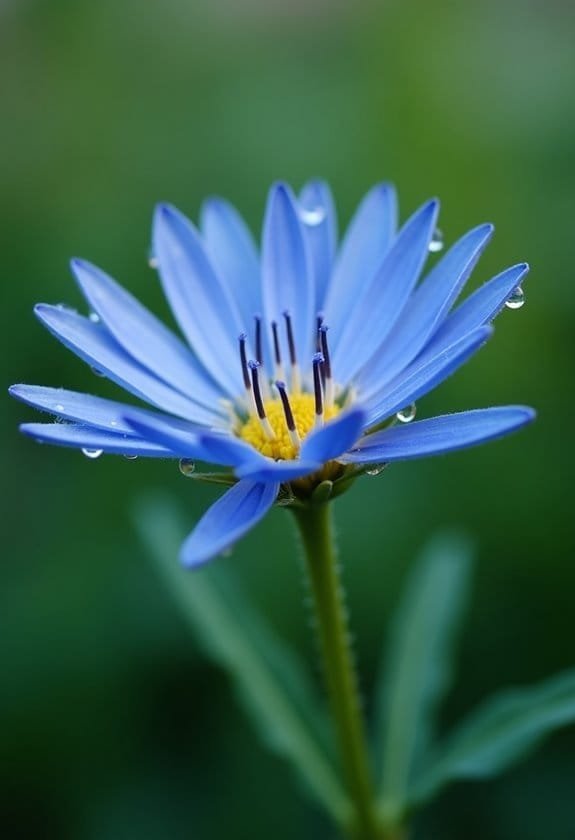
When caring for Catananche caerulea, gardeners should focus on several key areas, including ideal planting tips and ongoing maintenance strategies.
This perennial thrives in well-drained soil and full sunlight, conditions that are essential for robust growth and to mitigate the risk of powdery mildew.
Planting Tips
Catananche caerulea thrives best in well-drained soil that maintains medium moisture levels, steering clear of heavy clay or overly wet conditions, particularly during winter.
For ideal growth, it's crucial to guarantee appropriate plant spacing; a distance of 12 to 18 inches between plants allows for adequate air circulation, minimizing competition for nutrients. Engaging in companion planting can enhance its growth, with types like lavender or salvia providing beneficial associations that deter pests while attracting pollinators.
When introducing this perennial into a garden, consider seasonal division. This method not only rejuvenates established plants but also allows for strategic expansion of your Catananche caerulea population in spring.
It's worth noting that this species self-sows under favorable conditions, contributing to a lush, vibrant display as it rejuvenates itself throughout the growing season.
Regular maintenance, such as the removal of spent flower stalks, encourages an extended blooming period into early fall.
Ongoing Care
Ongoing care for Catananche caerulea is crucial to maintain its vibrant appearance and health. Regular fertilizer application, particularly a balanced, slow-release type in early spring, nourishes the plant and promotes abundant blooming. Additionally, Horseshoe Vetch's vital role in supporting local biodiversity can inspire gardeners to choose plants that benefit surrounding wildlife.
Seasonal pruning plays a critical role; gardeners should promptly remove spent flower stalks to encourage continuous blossoming and retain an attractive, tidy aesthetic throughout the growing season. Additionally, after flowering, cutting back the plant to about 4 inches aids in improving vigor, helping to extend its life as a short-lived perennial.
Gardeners must also consider soil amendments. Well-draining soil is essential, and those managing heavy soils should watch for powdery mildew, which can hinder the plant's growth. Practicing good garden hygiene and maintaining adequate spacing minimizes risks related to mildew. Common Yarrow's drought resilience can serve as an inspiring example for gardeners looking to create a low-maintenance plant palette.
To propagate Catananche caerulea effectively, division in spring or root cuttings in winter are recommended methods, ensuring ideal timing for successful establishment. Moreover, managing its natural propensity to self-seed proves beneficial, especially for those wishing to prevent unwanted volunteer seedlings in their garden landscapes.
Through diligent care, this charming perennial can reward gardeners with luscious blooms and resilient growth year after year.
Suggested Companions
Choosing the right companions for Catananche caerulea can elevate the overall aesthetic and health of the garden. Effective plant combinations create stunning color harmony, enhancing the visual appeal while sustaining a lively ecosystem.
Pairing Catananche caerulea with summer-blooming Alliums, as well as robust Shasta Daisy (Leucanthemum x superbum) and White Coneflower (Echinacea purpurea), provides complementary colors that bloom in succession, guaranteeing continuous seasonal blooms. Additionally, including companions such as Common Rockrose (Helianthemum nummularium) can enhance the overall biodiversity by attracting vital pollinators like bees to the garden.
To promote ideal growth, it's essential these companions thrive under similar conditions. They all require full sun and well-drained soil, fostering an environment where they can flourish. For perfect spacing, plant companions at least 30 cm apart, allowing for healthy air circulation and reducing competition for resources.
Regular maintenance greatly benefits the entire display. Tasks like deadheading spent blooms and light fertilization in early spring enhance vibrancy and prolong flowering periods. Additionally, ensuring that the soil is well-drained is critical for the health of all plants, including Catananche caerulea.
These efforts not only support the health of Catananche caerulea but also guarantee its companions contribute to a flourishing garden environment. With careful selection and maintenance, gardeners can create a picturesque landscape that delights the eye and attracts beneficial pollinators.
Common Issues
Catananche caerulea faces several challenges that can hinder its growth, including susceptibility to powdery mildew and occasional pest infestations like aphids and snails.
To promote plant health, maintaining well-drained soils, spacing plants at least 30 cm apart, and engaging in regular maintenance are essential practices that greatly reduce these issues.
Understanding these common concerns guarantees a flourishing environment for this delightful perennial, allowing it to display its vibrant blooms unfettered by disease or unwanted competition.
Pests/Diseases
While Catananche caerulea is largely resistant to pests, it can occasionally draw aphids, which require attention. These small sap-sucking insects can adversely affect plant health if left unchecked, making effective aphid management essential.
Fortunately, the beneficial insects like ladybugs naturally assist in controlling aphid populations, creating a harmonious balance in the garden ecosystem.
Another concern with Catananche caerulea involves powdery mildew, especially when it's planted in heavy, poorly-drained soils. This fungal disease thrives in conditions with inadequate sunlight and air circulation, resulting in a white, powdery coating on foliage.
To prevent this issue, gardeners should guarantee proper air circulation and select loose, well-draining soil.
Moreover, care must be taken to avoid root rot, a condition caused primarily by overwatering or planting in dense clay soils. Maintaining medium moisture levels is important, as waterlogged conditions can lead to the degradation of root systems, ultimately harming overall plant health.
Solutions
Gardeners can effectively address common issues related to Catananche caerulea by implementing a few straightforward strategies. To combat the notorious powdery mildew, especially prevalent in heavy soils, guaranteeing well-drained soil is critical.
Utilizing soil amendment techniques, such as incorporating organic matter or grit, can transform clay-heavy substrates into thriving environments that promote healthy growth.
Additionally, engaging in regular maintenance—such as removing spent flower stalks—encourages the plant to redirect energy towards producing more blooms, thereby enhancing its visual appeal in the garden.
Gardeners should also consider plant pairing strategies, positioning Catananche caerulea alongside drought-tolerant companions to create visually stunning, yet functional, arrangements.
Furthermore, managing volunteer seedlings becomes essential for maintaining control over plant populations. If left unchecked, these self-sowing plants can become invasive, bottling up competition for nutrients and space.
While Catananche caerulea is remarkably pest-resistant, occasional inspections for pests like aphids or snails ascertain they don't pose a threat to the overall health of the garden.
What Are the Similarities and Differences Between Catananche Caerulea and Catalpa Bignonioides in Terms of Care and Maintenance?
When it comes to caring for Catananche caerulea and Catalpa bignonioides (Indian bean tree), there are similarities and differences. Both thrive in well-drained soil and full sunlight. However, Catananche caerulea prefers cooler temperatures, while Catalpa bignonioides requires warmer climates. Additionally, Catalpa bignonioides is a larger tree that may need more pruning. For more catalpa bignonioides (indian bean tree) information and characteristics, consult a professional.
Summary
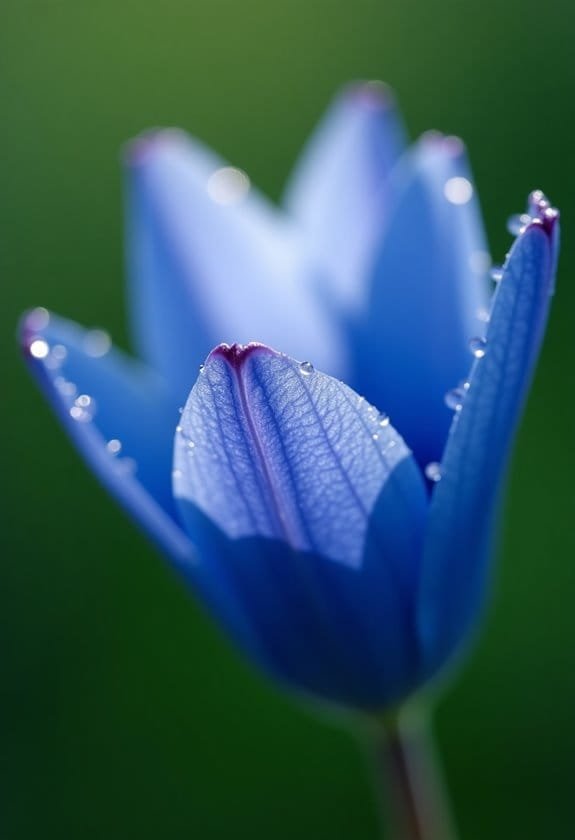
What makes Catananche caerulea, or Cupid's Dart, a favorite among garden enthusiasts? This perennial plant boasts vibrant lavender-blue, daisy-like flowers that bloom graciously from mid-summer to early fall, enchanting all who glimpse them.
Thriving in hardiness zones 3-8, it flourishes in full sun while preferring well-drained, sandy, or gravelly soil, showcasing its remarkable drought tolerance and resistance to pests. Historically, the plant holds cultural significance, having been utilized by ancient Greeks and Romans in delightful love potions, symbolizing attraction, which beautifully complements its endearing common name.
Catananche caerulea's effortless propagation techniques contribute to its allure. It self-sows in ideal conditions, ensuring a continual presence despite its short lifespan. Additionally, the attractive papery seedheads produced post-bloom serve as stunning attributes for seasonal arrangements, enriching home decorations.
With several cultivars, including the esteemed Major and Alba, each offers unique flower colors and characteristics, enhancing garden aesthetics.
Ultimately, Catananche caerulea not only provides visual splendor but serves as an illustration of nature's ability to weave history, beauty, and purpose into the tapestry of our gardens, making it a cherished choice among horticulturalists.