Cosmos sulphureus, or Yellow Cosmos, captivates gardeners with its vibrant, nectar-rich blooms, ranging from orange to golden-yellow and measuring up to four inches across. This hardy annual grows between 2 to 6 feet, thriving in well-drained soils and requiring over six hours of sunlight daily. Not only does it attract essential pollinators like bees and butterflies, but it also supports local ecosystems through self-seeding and providing habitats for beneficial insects. Minimal maintenance, such as regular deadheading, enhances bloom longevity. With its aesthetic appeal and ecological benefits, Cosmos sulphureus invites deeper exploration into gardening possibilities and community engagement.
Main Points
- Cosmos sulphureus, or Yellow Cosmos, showcases vibrant golden-yellow blooms, reaching up to 4 inches in diameter, enhancing garden aesthetics.
- This hardy annual grows between 2 to 6 feet tall and thrives in poor soils with good drainage.
- Ideal for pollinator gardens, Yellow Cosmos attracts butterflies, bees, and hummingbirds, supporting local biodiversity.
- Minimal maintenance is required; regular deadheading encourages continuous blooms from May to November.
- Its edible flowers can produce natural yellow dye and have medicinal uses, including relief for fever and inflammation.
Introduction
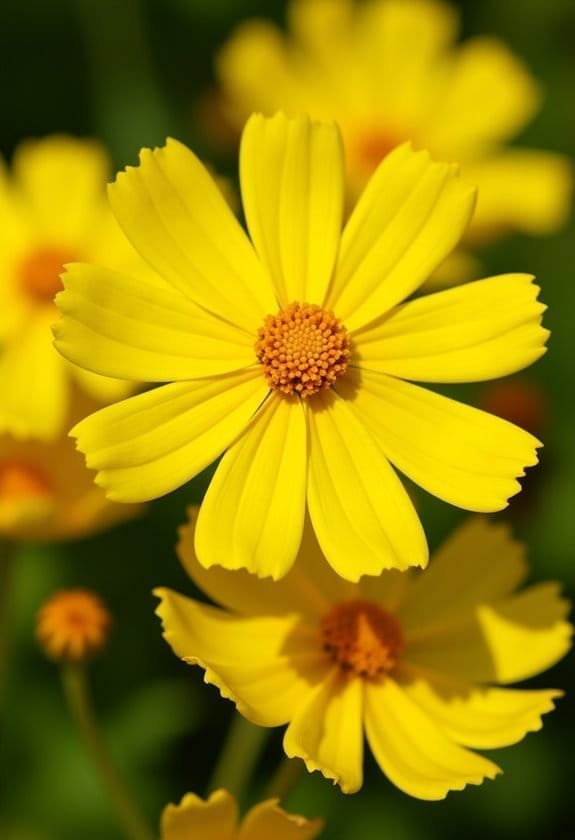
Known scientifically as Cosmos sulphureus, Yellow Cosmos is a remarkable annual plant that flourishes in warm, arid climates.
Standing at heights of 2 to 3 feet, it captivates observers with its vibrant orange and golden-yellow blooms from early summer until frost.
As a resilient addition to gardens, it not only thrives in poor soils but also plays a crucial role in supporting local biodiversity by attracting various pollinators like butterflies.
Common Name
Cosmos sulphureus, adorned with its stunning golden-yellow and orange blooms, is often referred to as Yellow Cosmos, Klondike Cosmos, or Orange Cosmos. This vibrant plant, belonging to the Asteraceae family, presents an eye-catching display from summer until the first frost, enchanting garden enthusiasts and pollinators alike.
With a typical height ranging from 2 to 6 feet, depending on the variety, Yellow Cosmos thrives in various garden settings. Known for its remarkable low maintenance and drought-tolerant properties, this species appeals to both novice and seasoned gardeners.
Additionally, its ability to self-seed fosters a profusion of colorful flowers, enriching the biodiversity of any garden ecosystem. As a hospitable environment for butterflies and other beneficial insects, Yellow Cosmos plays a crucial role in enhancing pollinator habitats.
Often utilized as cut flowers, the dazzling blooms of Orange Cosmos are perfect for brightening indoor arrangements, bringing a touch of the outdoors inside.
The allure of Cosmos sulphureus lies not only in its aesthetic charm but also in its ecological contributions, making it a beloved choice for gardens aiming to support wildlife and aesthetics simultaneously.
Scientific Name
What makes the scientific name "Cosmos sulphureus" particularly fitting for this vibrant plant? Derived from the Latin word "sulphur," the term reflects the striking yellow to orange hues of the flowers, which resemble the warmth of sunlight.
As a member of the Asteraceae family, Cosmos sulphureus, commonly known as Yellow Cosmos or Sulphur Cosmos, flourishes in full sun conditions, thriving in arid climates native to Central America. This hardy annual can reach heights of up to six feet, showcasing lush, compound leaves that extend impressively to 12 inches.
The species exhibits remarkable resilience, blooming vibrantly from early summer to fall, typically from May to November. The phonetic spelling, KAHS-mos sul-FER-ee-us, encapsulates its botanical identity, while its growth pattern invites admiration.
Germination is an essential phase of its life cycle, requiring a soil temperature of 70°F to 80°F for ideal results, with seed germination ranging from seven to 21 days. Consequently, the name "Cosmos sulphureus" serves not simply as a label, but as an invitation to appreciate the dynamic beauty and adaptability inherent in this stunning flower.
Overview
Bursting with color and life, Yellow Cosmos (Cosmos sulphureus) stands out as a favorite among garden enthusiasts. This annual plant, reaching heights of 2 to 3 feet, displays stunning orange and yellow flowers, each about 4 inches wide, from May to November.
Originating from Central America, it thrives in full sun and well-drained soils, making it an adaptable choice for various garden designs.
Yellow Cosmos isn't just visually appealing; it also holds cultural significance in many communities, often symbolizing joy and positivity.
Beyond its aesthetic value, this vibrant flower has medicinal uses, traditionally employed to alleviate ailments like fever and inflammation, thanks to its bioactive compounds.
Moreover, the plant's remarkable ability to self-seed and attract pollinators, such as butterflies and bees, enriches biodiversity, fostering a thriving ecosystem in the garden.
As it flourishes, Yellow Cosmos offers a brilliant display of color, serves as excellent cut flowers, and provides opportunities for flower-pressing crafts.
With its numerous benefits and striking appearance, Cosmos sulphureus effortlessly enhances both gardens and the ecological tapestry around them.
Key Features
Cosmos sulphureus, or Yellow Cosmos, showcases an impressive growth size, reaching heights of 2 to 3 feet while producing striking golden-yellow or orange flowers that can be as large as 2 inches in diameter.
This vibrant annual thrives in diverse conditions, blooming continuously from May through November, which not only enriches garden aesthetics but also attracts essential pollinators like butterflies and bees.
Its unique ability to self-seed allows this hardy plant to offer year-after-year color, ensuring it remains a stunning addition to any landscape.
Growth Size
When it comes to growth size, Cosmos sulphureus impresses with its versatility and robust nature. Typically, this plant reaches a height of 2 to 3 feet (60 to 90 cm) and can spread between 1 to 3 feet (30 to 90 cm) in width, making it suitable for various garden placements.
Significantly, within the Cosmic series, these vibrant flowers can grow up to 6 feet tall (183 cm), showcasing considerable plant height variation that may require staking, especially in windy conditions.
The rapid growth of Cosmos sulphureus is quite remarkable, with seeds germinating in as little as 7 to 21 days under ideal growth conditions. This adaptability extends to its ability to thrive in poor soil and withstand drought, rendering it low-maintenance once established.
Gardeners appreciate its resilience, as the plant flourishes in diverse environments, from urban gardens to wildflower meadows.
Cosmos sulphureus not only enhances garden aesthetics with its striking golden-yellow or orange blooms, which can measure up to 4 inches (10 cm) in diameter, but also attracts pollinators, enriching the ecosystem and drawing nature's beauty closer to home.
Appearance
The vibrant blooms of Cosmos sulphureus stand out in any garden setting, characterized by their striking golden-yellow and orange colors that catch the eye. Each flower typically reaches up to 2 inches in diameter, allowing for significant visual impact that enhances garden aesthetics. The petal structure showcases delicately layered, rounded forms, presenting a rich texture that attracts pollinators and captivates onlookers.
Accompanying the brilliant flowers, the foliage contrast is equally engaging. The plant features deeply dissected, thread-like compound leaves that can grow up to a striking 12 inches long. This intricate leaf structure provides a delicate, feathery backdrop, emphasizing the boldness of the blooms while introducing softness to the overall appearance.
Furthermore, growth versatility is a hallmark of Cosmos sulphureus, as the plants can thrive at heights between 2 to 6 feet, depending on the specific variety chosen. This adaptability makes them suitable for various garden designs, from borders to centerpieces, enhancing their popularity among gardeners.
Together, the vivid colors, intricate petal structure, and unique foliage create a visually arresting display, ensuring Cosmos sulphureus remains a cherished choice for landscape enthusiasts.
Flowering Season
Gardeners delight in the vibrant flowering season of Cosmos sulphureus, which typically spans from May to November.
This period showcases the plant's exquisite flowering patterns, marked by lush, golden-yellow and orange blooms that often reach up to 2 inches in diameter. Each flower stands out dramatically against green foliage, creating a striking visual display that captivates viewers in gardens and landscapes alike.
The seasonal impact of Cosmos sulphureus extends well into the cooler months, as the flowering can last until the first frost.
Thriving in full sun, these plants require ideal care to guarantee continuous blooming throughout the season. Regular deadheading, the practice of removing spent flowers, not only encourages the growth of new blooms but also prolongs the flowering period, enhancing the plant's overall aesthetic value.
Growing Requirements

To successfully cultivate Cosmos sulphureus, one must consider its specific growing requirements that include light, soil, water, and temperature parameters.
This resilient annual flourishes in full sun, necessitating at least half a day of direct sunlight to guarantee robust growth and vibrant blooms, while it exhibits remarkable adaptability to various soil conditions, from moist to dry.
Ideal seed germination occurs when soil temperatures reach 65°F or higher, making careful attention to these factors essential for a flourishing garden display.
Light
When it comes to growing Cosmos sulphureus, guaranteeing it gets enough light is vital for vibrant blooms and healthy growth. This beautiful flower thrives best in full sun, requiring at least half a day of direct sunlight to meet its light requirements. Sunlight benefits these plants considerably, promoting photosynthesis, which is fundamental for their sustenance and energy production.
For peak growth optimization, gardeners should consider the sun's angle and duration throughout the day, maximizing exposure during those significant hours. Adequate sunlight not only encourages larger, more prolific blossoms but also strengthens the plant's resilience against pests and diseases.
Conversely, insufficient light can result in leggy growth and sparse flowering, leading to an underwhelming garden display.
To encourage continuous blooming, gardeners should also practice regular deadheading, which diverts the plant's energy towards producing new buds rather than seed formation. This practice, combined with proper light exposure, guarantees that Cosmos sulphureus remains vigorous and healthy while delighting onlookers with its stunning golden hues throughout the summer and into fall.
Soil
What makes soil an essential component for growing Cosmos sulphureus? The foundation of healthy Cosmos sulphureus lies in the composition of the soil.
These flowers prefer average, moist, and well-drained soil types, thriving best when conditions promote drainage while retaining essential moisture. A sowing depth of 1/16 inch encourages ideal germination, with seeds ideally planted in spring when temperatures rise between 70°F and 80°F.
While fertile soils enhance growth, Cosmos sulphureus demonstrates remarkable adaptability and can flourish even in poor, dry conditions, thereby mitigating the risks of instability from excessive fertilizer.
Regular soil amendments, such as organic matter, can bolster blooming potential without creating a dependency on high nutrient levels. However, once established, these resilient plants require minimal maintenance, allowing gardeners to appreciate their beauty without overly stringent care routines.
Drainage considerations remain paramount, as overly saturated soil can lead to root rot.
As a result, understanding these factors and creating a balanced environment guarantees that Cosmos sulphureus not only survives but thrives, offering vibrant bursts of color to gardens and landscapes alike.
Water
For ideal growth, Cosmos sulphureus relies on a balanced approach to watering that accommodates its adaptable nature.
Initially, after planting, maintaining consistent moisture in the soil for the first 5 to 10 days is vital for successful germination, which typically occurs within 7 to 21 days. During this germination phase, water management strategies should emphasize keeping the soil adequately moist but not waterlogged.
Once established, Cosmos sulphureus demonstrates remarkable resilience, thriving even in drought conditions. This plant's ability to withstand limited irrigation underscores the watering frequency importance, as excessive water can adversely affect its development and stability. Additionally, this adaptability aligns with the drought-tolerant characteristics of other resilient plants like Wild Thyme.
For best results, gardeners should adopt moisture retention techniques, such as mulching, which assists in preserving soil moisture while preventing the growth of weeds.
Additionally, these vibrant blooms flourish under full sun exposure. This exposure naturally minimizes the need for additional watering and enhances the plants' overall vigor and blooming potential. Chicory, another hardy plant that thrives in similar conditions, also benefits from consistent moisture as part of its growth requirements.
Therefore, implementing a conscientious watering regimen that leverages these principles guarantees that Cosmos sulphureus not only survives but flourishes, showcasing its stunning hues throughout the growing season.
Temperature
Cosmos sulphureus flourishes with warm temperatures, ideally thriving in conditions above 70°F. This vibrant plant exhibits remarkable heat tolerance, thriving even in extreme heat that can exceed 100°F. Such resilience makes it particularly well-suited for arid climates, where many other plants may struggle.
However, prime germination occurs at soil temperatures ranging from 70°F to 80°F. For successful establishment, the seeds require a frost-free growing period, as the plant goes dormant in cold and moist conditions.
In outdoor sowing, it's critical to wait until after the frost, ensuring the soil temperature reaches at least 65°F for effective germination. Maintaining these warm temperatures is paramount, as the germination period typically spans from 7 to 21 days under favorable conditions.
This climate adaptation allows Cosmos sulphureus to not only survive but thrive in challenging environments, showcasing nature's ingenuity.
Gardeners should take note of the essential temperature requirements to access the full potential of this beautiful plant, ensuring a plentiful display of its cheerful blooms throughout the growing season.
Pollinator Criteria
Cosmos sulphureus draws an impressive array of pollinators, including butterflies and hummingbirds, thanks to its bright, inviting blossoms.
These flowers rely primarily on a combination of visual appeal and nectar production to facilitate pollination, ensuring a vibrant ecosystem.
Attracted Pollinators
Gardeners appreciate the vibrant allure of Cosmos sulphureus, as it draws an array of pollinators such as butterflies, bees, and hummingbirds. The bright golden-yellow and orange flowers act as visual signals, enticing these essential insects and birds, which greatly contributes to effective plant reproduction.
By integrating Yellow Cosmos into their garden designs, horticulturists can maximize pollinator benefits, fostering a vibrant ecosystem. The continuous blooms from May to November present a reliable food source, ensuring that pollinators remain active in the garden throughout the growing season.
This persistent availability not only supports individual species but also enriches the overall ecosystem impact, enhancing biodiversity as more beneficial insects are attracted. Additionally, Cosmos sulphureus proudly engages in self-seeding, establishing enduring floral displays that invite a wider variety of pollinators each year.
Moreover, the nectar-rich flowers of Cosmos sulphureus prove essential in creating a pollinator-friendly landscape. Their vibrant beauty coupled with ecological benefits makes them an invaluable component of plant selections for both amateur and professional gardeners.
Through thoughtful cultivation, gardeners can enjoy the exquisite dance of pollinators while nurturing the health of their surrounding environment. Increasing biodiversity is a key factor in maintaining wild marjoram's role in supporting wildlife gardens.
Pollination Method
Pollination in Cosmos sulphureus mainly relies on a diverse array of pollinators attracted by its vibrant blossoms. The flower morphology, characterized by bright orange to golden-yellow petals, serves as a visual beacon, indicating a rich source of nectar. These open structures facilitate easy access for pollinators like butterflies, bees, and hummingbirds, which are essential to the plant's pollination strategies.
The self-seeding nature of Cosmos sulphureus allows these vibrant flowers to thrive in various environments, providing continuous food sources and ensuring that pollinators have nourishment from summer through fall. This adaptability not only enhances biodiversity but also promotes healthier garden ecosystems by increasing the abundance of beneficial pollinators.
Studies underscore the importance of Cosmos sulphureus in bolstering ecosystem impacts, revealing that its introduction can lead to improved plant productivity and a flourishing community of pollinators. As these pollinators navigate the open flowers, they facilitate cross-pollination, contributing to genetic diversity within the plant population.
Consequently, cultivating Cosmos sulphureus can create a dynamic interplay between flora and fauna, ultimately sustaining ecological balance and enriching the surrounding environment.
Care & Maintenance
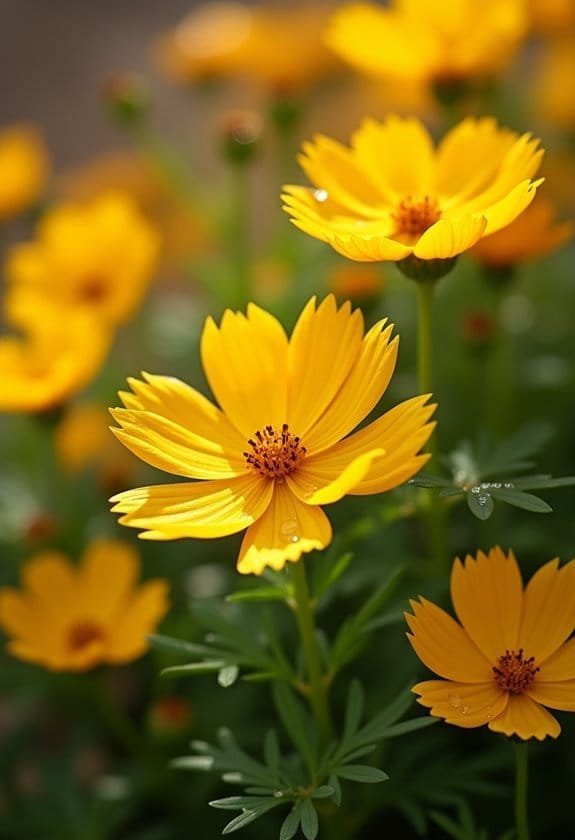
Proper care and maintenance of Cosmos sulphureus guarantees vibrant blooms and robust growth throughout the seasons.
This plant flourishes in full sun, requires well-drained soil, and benefits from periodic deadheading to prolong its flowering period.
Additionally, thoughtful companion planting can enhance its resilience and beauty, making it an ideal choice for diverse garden settings.
Planting Tips
Cosmos sulphureus flourishes in full sun and adapts well to a variety of soil conditions, making it a versatile choice for gardeners. For ideal growth, seed selection should prioritize varieties known for their vibrant colors and robust flowering capabilities. As cosmos thrives in rich, well-drained soils, gardeners can enhance garden placement by choosing locations that experience at least six hours of direct sunlight daily.
Sowing seeds outdoors becomes most successful once soil temperatures reach a minimum of 65°F—usually occurring after the last frost of the season.
During the initial germination period, which lasts between seven to twenty-one days, it's essential to maintain consistently moist soil. A layer of organic mulch can assist with moisture retention while also suppressing weeds, hence providing a nurturing environment for these plants.
Regular deadheading of spent blooms encourages continuous flowering from late spring until the first frost in fall, showcasing the plant's resilience.
For an aesthetically pleasing arrangement, pinching back dead or exhausted plants to about 12-18 inches fosters reblooming while ensuring an orderly display throughout the growing season.
Ongoing Care
Maintaining the vibrant beauty of Cosmos sulphureus requires consistent care and attention throughout their growing season. Regular deadheading—removing spent flowers—encourages continuous blooming from early summer to fall, enhancing the display of brilliant yellow blossoms.
To support their growth, timely fertilizer application can provide necessary nutrients, particularly in the early stages of development. Pest monitoring is essential to guarantee plant health, as common invaders like aphids and slugs may threaten the foliage, while gray molds can cause rot. Keeping a keen eye on these pests helps maintain the overall vigor of the plants.
Once established, Cosmos sulphureus thrives in average, well-drained soils, making consistent watering necessary but over-watering a concern—these hardy blooms can even tolerate dry conditions.
Seasonal pruning, such as cutting back dried plants to 12-18 inches in late summer, not only promotes reblooming but also refines the garden's appearance. For taller varieties, providing stakes during windy conditions prevents damage and guarantees proper support.
Suggested Companions
Pairing Cosmos sulphureus with the right companion plants can greatly enhance garden aesthetics and health. Significantly, marigolds and zinnias are excellent choices, thriving under similar conditions while attracting essential pollinators. This companion planting guarantees a vibrant floral display while contributing to an ecosystem rich in biodiversity.
Incorporating taller plants, such as sunflowers, alongside Cosmos creates a visually striking structure and offers mutual shade, protecting them from harsh winds. Together, they cultivate a harmonious environment that benefits all plants and promotes biodiversity in the garden.
Regular deadheading of Cosmos sulphureus promotes continuous blooming and reduces competition for nutrients, allowing companion plants more resources to flourish. Moreover, incorporating aromatic herbs like basil or flowering plants such as borage not only enhances aesthetic diversity but also provides pest deterrence, repelling potential threats to Cosmos.
To optimize their growth, gardeners should maintain a consistent watering schedule, making certain the soil remains moist yet well-drained, which is essential for the health of both Cosmos and their companions. Additionally, planting moisture-loving plants like Guelder Rose alongside Cosmos can create a visually dynamic and ecologically rich environment that supports pollinators while enhancing resilience. This thoughtful cultivation creates a resilient garden ecosystem, encouraging not just survival but a flourishing environment teeming with life and color.
Common Issues
Cosmos sulphureus faces various common issues, primarily involving pests and diseases that can compromise plant health.
Aphids and slugs, if left unchecked, can weaken the plants considerably, while the risk of gray mold in humid conditions underscores the importance of ideal air circulation and spacing.
In addition, as these plants tend to self-seed, controlling their populations is essential to prevent rampant, weedy growth that can detract from their intended aesthetic appeal.
Pests/Diseases
In gardens, Cosmos sulphureus faces several common pests and diseases that can impact its growth and overall health.
Aphids, slugs, and gray molds pose notable threats, particularly during the growing season when infestations are likely to occur. Aphids often lead to stunted growth and unsightly leaf curling, while slugs create considerable damage to the leaves and stems, making pest management strategies essential for maintaining vibrant plants.
Regular monitoring of these plants allows for early detection of pest issues, which is vital for effective intervention. Implementing organic control methods, such as introducing beneficial insects or using neem oil, can help manage these pests naturally.
Additionally, selecting pest-resistant varieties can enhance resilience, allowing Cosmos sulphureus to thrive despite potential challenges.
Furthermore, maintaining healthy plants through proper watering techniques and regular deadheading not only promotes floral vigor but also builds a stronger defense against diseases.
Good air circulation and preventing overhead watering greatly reduce the risk of gray mold, especially in humid conditions.
Solutions
Addressing common issues faced by Cosmos sulphureus requires a proactive approach that combines regular monitoring with effective management strategies. Gardening enthusiasts should incorporate essential growth strategies like timely deadheading of spent flowers, guaranteeing continuous blooming throughout the growing season.
In addition to aesthetic enhancement, this practice helps promote robust plant health.
Pest management is critical in maintaining the health of Cosmos sulphureus. Regularly examining plants for common pests, such as aphids and slugs, allows for prompt action to control infestations, thereby safeguarding the plant's well-being.
In windy conditions, it's advisable to stake any taller varieties, which can reach heights of up to six feet, to prevent structural damage.
Seasonal care also plays an important role in the overall success of these flowers. Providing consistent moisture for five to ten days after seeding guarantees proper germination; a lack of adequate hydration can lead to uneven sprouting or total failure.
Furthermore, if leggy growth appears, gardeners should consider increasing sunlight exposure or curtailing fertilization, as nutrient-rich soils can contribute to lankiness.
Are Yellow Cosmos and Cornflowers Suitable for the Same Garden Environment?
Yellow cosmos and centaurea cyanus, also known as cornflower, are both suitable for the same garden environment. These colorful flowers complement each other well, creating a vibrant and diverse garden landscape. Both are low-maintenance plants that thrive in sunny, well-drained areas, making them perfect additions to any garden.
Summary

Yellow Cosmos, scientifically known as Cosmos sulphureus, is a vibrant and hardy annual that delights gardeners with its striking orange and yellow blooms from summer until the first frost. Reaching heights of 2 to 6 feet, this fast-growing species thrives in full sun and prefers well-drained, impoverished soils, demonstrating remarkable adaptability to various gardening conditions.
With a germination period of 7 to 21 days, seeds flourish when soil temperatures remain between 65°F and 80°F, allowing for direct sowing in spring.
One of the primary appeals of Yellow Cosmos lies in its ability to attract beneficial insects, including butterflies and bees, which play important roles in pollination, enhancing local ecosystems. Additionally, its edible flowers serve a dual purpose, not only beautifying gardens but also providing a source for natural yellow dye production, thereby enriching creative pursuits.
Once established, Yellow Cosmos exhibits self-seeding benefits, facilitating the continual resurgence of blooms year after year, transforming gardens into vibrant tapestries of color with minimal maintenance required.
This resilient plant offers both ecological and aesthetic advantages, making it a favored choice among gardeners and nature enthusiasts alike.