*Cucurbita pepo,* known as marrow or courgette, is a dynamic squash species rich in nutrients and cultural significance. It's low in calories, containing roughly 20 kcal per 100 grams, while providing essential vitamins A and C—about 18.4 mg of Vitamin C per serving—beneficial for immune and vision health. Thriving in nutrient-rich, well-drained soil, it flourishes under full sun for 6 to 8 hours daily. Pollination, mainly via bees, is crucial for robust fruit production. Regular care, including watering approximately 10 liters a week, guarantees healthy growth. Understanding its requirements and challenges can yield fruitful results, prompting further exploration into its fascinating cultivation.
Main Points
- *Cucurbita pepo* includes varieties like marrow and courgette, known for their tender, edible rind when harvested immature.
- It is low in calories and high in vitamins A and C, making it a nutritious addition to meals.
- This species can grow as either bush or vining plants, requiring full sun and well-drained, nutrient-rich soil.
- Effective pollination relies on insect pollinators, particularly bees, with hand pollination sometimes necessary for optimal fruit set.
- Regular maintenance, including watering and pest monitoring, is essential to maximize yield and ensure healthy growth.
Introduction
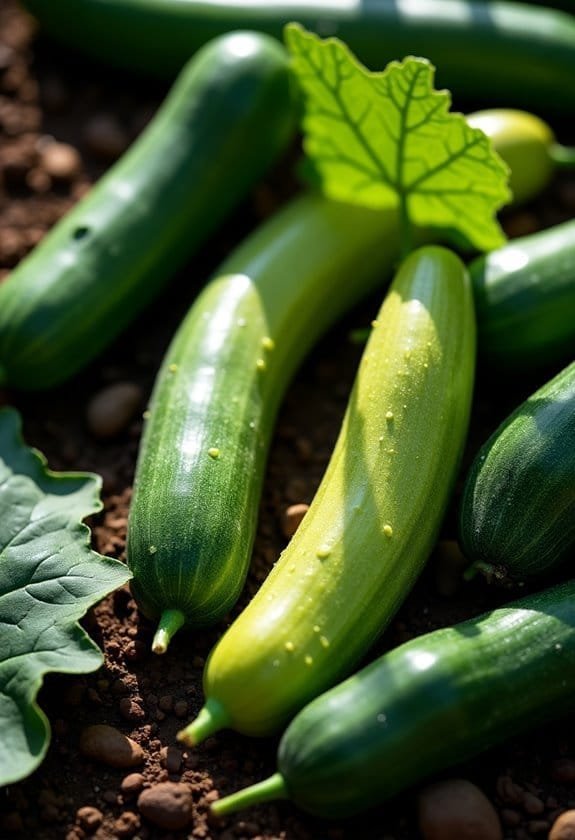
Cucurbita pepo, commonly known as squash, encompasses a variety of tender fruits, such as marrows and courgettes.
This species thrives in diverse climates, showcasing its adaptability and significant role in global cuisines since its introduction to Europe in the 16th century.
Often celebrated for its nutritional benefits, particularly in dishes featuring the low-calorie zucchini, C. pepo serves not only as a food source but also as a cultural symbol rooted in historical cultivation.
Common Name
What do you think of the various names used for this versatile vegetable? Known as both marrow and courgette, Cucurbita pepo showcases a delightful range of culinary potential. The term "courgette" has French origins, while "zucchini," its Italian equivalent, became mainstream in American diets due to Italian immigration. These names reflect regional preferences, yet they all refer to the same species, typically harvested in its immature state as a summer squash.
Marrows, often between 3 to 8 inches in length, exhibit a high water content of about 94%, rendering them not only hydrating but also low in calories—attributes that contribute to their status as a healthy dietary choice. The colors of marrows vary mainly between green and yellow, offering visual appeal alongside their nutritional benefits.
Historically, the usage of the term "courgette" gained traction in British cuisine during the 1960s, marking a significant shift in culinary practices. Understanding these common names deepens one's appreciation for Cucurbita pepo, highlighting its importance in diverse culinary traditions and its valued role in various diets across cultures.
Scientific Name
Recognized for its adaptability and variety, the scientific name *Cucurbita pepo* holds significance in the world of botany and agriculture. As a member of the gourd family, Cucurbitaceae, this species is renowned for its remarkable diversity, particularly its classification into summer squashes, such as courgettes, and winter squashes, like marrows.
These squashes exhibit unique growth habits; summer squash typically grows in bushy forms, while winter varieties tend to ramble across the ground, showcasing their expansive nature.
Historically, *Cucurbita pepo* holds a notable place in human diets, especially among Native American tribes, who cherished the plant long before European contact. This connection is emphasized by the plant's mention in the journals of the Lewis and Clark Expedition in 1804, highlighting its integral role in early American nutrition.
The tender rinds of *Cucurbita pepo* varieties remain edible even at maturity, contributing to their popularity in culinary traditions around the globe.
Consequently, understanding *Cucurbita pepo* not only enriches knowledge in botany but also underlines the extensive agricultural and cultural impact this versatile plant has had over centuries.
Overview
The fascinating world of *Cucurbita pepo* reveals not only its botanical significance but also its rich cultural heritage and nutritional value. This species of summer squash, which encompasses popular varieties like courgettes, marrows, and zucchinis, is characterized by the harvesting of its immature fruit.
With origins tracing back to Central America and Mexico, *Cucurbita pepo* has been cultivated for thousands of years, firmly establishing its historical importance in early diets. Nutritionally, this versatile squash is low in calories, containing approximately 20 kcal per 100 grams and offers a wealth of essential vitamins, such as A and C, along with dietary fiber.
Its name, "squash," is derived from the Massachusett Native American word "askutasquash," reflecting its cultural significance in American history.
In terms of growth characteristics, varieties within *Cucurbita pepo* can be categorized as bushy or vining, influencing their spatial requirements in home gardens. Comparatively, *Cucurbita maxima*, another species within the Cucurbita genus, is typically cultivated for its mature fruits, emphasizing the unique attributes of *Cucurbita pepo* and its importance as a staple in various cuisines.
Key Features
Cucurbita pepo exhibits a remarkable variety of growth sizes and appearances, characterized by its lush, vibrant foliage and distinctive, often ribbed fruits.
Typically, these plants flourish with bushy growth patterns in summer varieties, while winter types present a more sprawling nature, showcasing an impressive display of large, yellow flowers during their blooming season.
Understanding these key features not only highlights the plant's adaptability but also its significance in various culinary applications and ecosystems.
Growth Size
With striking versatility, zucchini can grow as either bush or vining plants, showcasing distinct growth characteristics. Bush varieties generally achieve heights of 2 to 4 feet, while vining types can extend an impressive length of up to 10 feet. This adaptability makes them suitable for various gardens or spaces, whether they're thriving in small plots or sprawling across larger areas.
The ideal harvest size for zucchini falls between 3 to 8 inches long. At this size, the immature squash is remarkably tender and flavorful, making it a favored choice for culinary uses. Interestingly, zucchini's growth period from planting to harvest takes about 45 to 55 days, rendering it one of the faster-growing vegetables in many gardens.
For successful growth, zucchini flourishes in well-drained soil with a pH level of 6 to 6.75, receiving full sun exposure—ideally 6 to 8 hours daily.
Additionally, plants require around 10 liters (about 2 gallons) of water weekly, particularly during the critical flowering and fruiting stages, ensuring robust growth and high yields. This careful balance of conditions supports a bountiful harvest, allowing gardeners to enjoy fresh, homegrown zucchini.
Appearance
Zucchini showcases a variety of striking features that make it easily recognizable. The appearance of Cucurbita pepo, commonly known as marrow or courgette, is defined by its smooth, tender skin, which can range from deep green to a sunny yellow. Often, this vibrant skin sports streaks or spots, enhancing its visual allure.
The fruit typically grows in an elongated, cylindrical shape, measuring between 3 to 8 inches long, and is best harvested while still immature for ideal taste and texture. Inside, the flesh reveals a creamy white hue, enriched with water content—approximately 90%—which distinguishes it from other squashes.
This high water content not only influences its culinary versatility but also makes it a delightful addition to various dishes. Depending on the variety, cucumber plants exhibit either bushy or vining growth habits, providing gardeners with unique opportunities for cultivation and placement.
Notably, both the fruit and its vibrant blossoms are edible, with the flowers distinguishing themselves through their trumpet-like shape and radiant yellow color, adding to the overall charm and utility of this remarkable plant.
Flowering Season
Blooming vibrantly from late spring to early summer, the flowering season of Cucurbita pepo captures the attention of gardeners and culinary enthusiasts alike. This period marks the essential development of male and female flowers, with male blossoms appearing roughly a week prior to their female counterparts.
These male flowers, often more plentiful, play a fundamental role in the pollination process, which is necessary for fruit set.
Optimal conditions for this flowering season require full sun exposure; the plants thrive best with 6 to 8 hours of direct sunlight daily. Insufficient light or low temperatures during early growth can greatly hinder the formation of the critical female flowers, leading to reduced fruit production.
As the flowering season progresses, regular harvesting of zucchini and courgettes proves beneficial. By harvesting frequently, gardeners can stimulate the plant's capacity to produce more blossoms, thereby encouraging continued flowering and fruiting.
This cyclical relationship between flowering and fruiting underlines the delicate balance needed for a robust growing season, where attentiveness to light and harvesting can influence the success of Cucurbita pepo cultivation tremendously.
Ultimately, the vibrancy of the flowering season reflects the potential bounty of summer harvests.
Growing Requirements
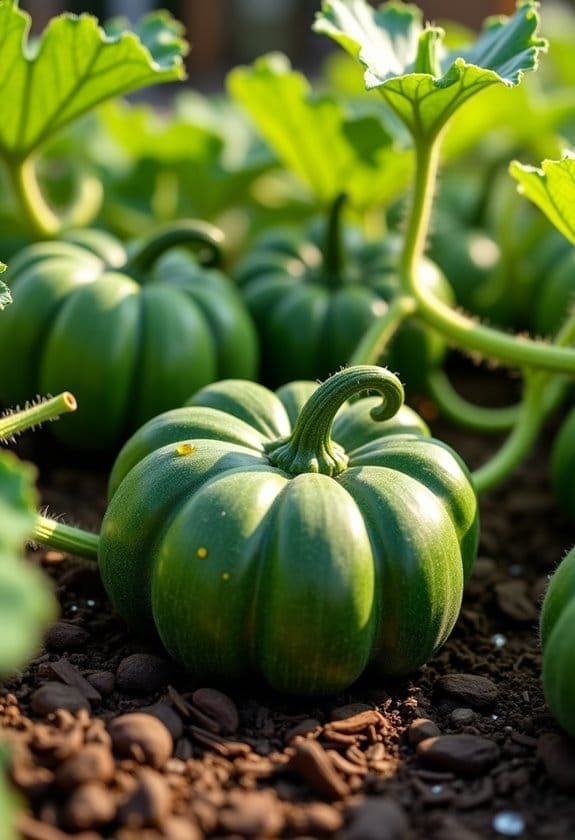
To cultivate Cucurbita pepo successfully, one must prioritize specific growing requirements that guarantee ideal health.
These plants flourish in well-draining, nutrient-rich soil with a slightly acidic pH of 6-6.75, and they bask in full sunlight, requiring 6-8 hours of direct exposure daily.
Additionally, maintaining consistent moisture through regular watering—around 10 liters weekly—is essential, especially during critical growth phases like flowering and fruiting, ensuring vibrant development and robust yields.
Light
During the growing season, *Cucurbita pepo* varieties, including zucchini, flourish in full sunlight, requiring at least 6-8 hours of direct sun each day. This essential exposure allows young plants to harness solar energy, promoting optimal photosynthesis, which is fundamental for robust growth.
Without adequate light, these plants may divert energy into excessive leaf production, often resulting in a disappointing lack of flowering or fruiting—a common issue when temperatures drop or in shaded environments.
Proper sunlight not only enhances the flowering stage but also boosts the overall vigor of the plants, ultimately maximizing yields of marrows and courgettes.
To create an ideal environment, it's important to avoid planting in shaded areas or locations with competing vegetation that could hinder light access.
Ideally, gardeners should sow seeds when soil temperatures reach around 60°F, as this guarantees conditions conducive to absorbing light effectively.
Hence, understanding the critical role of light in cultivation reinforces the need for careful planning and site selection, helping to guarantee that these delectable squash varieties produce abundantly and healthily throughout their growing season.
Soil
*Cucurbita pepo*'s success relies heavily on rich, well-draining soil that's packed with nutrients, ideally exhibiting a pH level between 6 and 6.75. To cultivate marrows and courgettes successfully, gardeners must prioritize soil composition. Incorporating organic matter into the soil before planting not only enhances nutrient availability but also improves soil structure, promoting better root growth.
Organic materials, such as compost or well-rotted manure, can notably enrich the soil, ensuring that essential nutrients are readily accessible during the plant's growth cycle.
Furthermore, these plants flourish in well-aerated soil, which facilitates water drainage and prevents root rot. It's also important to allow for adequate spacing between plants, as this promotes air circulation, mitigating the risk of disease and enabling healthy growth rates.
When soil conditions are prime, marrows and courgettes thrive, developing strong stems and abundant foliage. This ultimately leads to a more prolific harvest, allowing gardeners to reap the benefits of their meticulous soil preparations.
Water
Amid the quest for a bountiful harvest, water management stands out as a critical factor for the successful growth of *Cucurbita pepo*. These plants require approximately 10 liters, or 2 gallons, of water weekly, with heightened needs during flowering and fruiting stages.
Achieving proper soil moisture is essential; excessive saturation can result in root rot, while inadequate water may lead to fruit drop or poor development. Hence, maintaining consistently moist soil without sogginess is crucial for ideal growth.
To promote effective water absorption, regular watering should occur in the early morning. This practice minimizes evaporation loss, enabling plants to draw moisture before facing the intensity of midday heat.
During prolonged dry spells, mulching around the base of the plants serves as a protective layer, retaining valuable soil moisture and aiding in temperature regulation. By balancing these water management techniques, gardeners can foster an environment where *Cucurbita pepo* thrives, producing a rich harvest of courgettes and marrows.
Ultimately, understanding the nuanced relationship between water and soil moisture cultivation is key to ensuring these delightful vegetables flourish in gardens across diverse climates.
Temperature
Growing successfully, zucchini plants flourish in temperatures ranging from 60°F to 85°F, making it crucial for gardeners to wait until the threat of frost has passed before planting. The ideal soil temperature for sowing seeds should hover around 70°F, ensuring optimal germination and robust growth. If temperatures drop below 50°F for prolonged periods, it can stunt development, leading to stress and a diminished fruit set.
Conversely, high temperatures exceeding 90°F pose their own dilemmas; plants often divert energy towards survival mechanisms instead of focusing on fruit production, resulting in fewer zucchinis.
To maximize yield, maintaining consistent temperature and ensuring regular watering is critical, as fluctuating weather conditions can disrupt flowering and fruiting dynamics.
Moreover, zucchini's vigorous growth and productivity hinge on monitoring external conditions carefully. This balance between warmth and moisture creates an optimal microclimate, nurturing strong plants capable of abundant harvests.
Pollinator Criteria
Pollinator criteria for *Cucurbita pepo* are essential, as they primarily rely on bees, particularly bumblebees and honeybees, for effective pollination.
These industrious insects guarantee that pollen transfers between the male and female flowers, enabling fruit set and enhancing the overall quality and size of the harvest, while ideally requiring multiple visits for ideal fertilization. Additionally, incorporating flowering plants like selfheal can further enhance the local ecosystem by offering additional nectar sources for these vital pollinators.
Companion planting, such as incorporating sunflowers or marigolds, can considerably attract more pollinators, creating a vibrant ecosystem that benefits the health and productivity of zucchini and its relatives. Furthermore, Common Vetch can be utilized in crop rotation systems to enhance soil quality and support local biodiversity.
Attracted Pollinators
Cucurbita pepo flowers attract a variety of pollinators, primarily bees, with honeybees excelling in effectiveness due to their preference for bright yellow blossoms. These vibrant blooms provide essential nectar and pollen, which are vital for the sustenance of both male and female flowers.
Male flowers typically emerge first, signaling the start of the pollination process, while female flowers follow in their wake, necessitating active pollinator engagement for successful fruit development.
Optimal pollination occurs between 10 AM and 4 PM when the flowers are fully open, offering an inviting environment for pollinators to transfer pollen efficiently. To enhance the likelihood of sufficient pollinator visitation, planting diverse flowering plants nearby is beneficial; different species often bloom at staggered intervals, presenting a continual food source for bees.
In scenarios where pollinators are scarce, such as in enclosed gardens, hand pollination can be a practical solution. This method involves transferring pollen from male flowers to female flowers manually, ensuring that Cucurbita pepo can achieve fruitful yields.
Pollination Method
Successfully ensuring the pollination of Cucurbita pepo requires an understanding of key pollinator criteria. This species, encompassing zucchinis and marrows, primarily relies on insect pollinators, particularly bees, to achieve effective pollination essential for fruit development. The plants' male flowers emerge first, establishing a foundation for female flowers, which can only thrive post-pollination.
Thus, robust pollinator activity is vital for a successful yield.
In controlled environments such as greenhouses, where natural pollinators may be absent, hand pollination becomes necessary. This involves transferring pollen from male flowers directly to female counterparts, ensuring that fertilization occurs.
Ideal conditions—adequate sunlight and warm temperatures—are critical for balanced floral development, directly influencing pollination success rates.
Moreover, environmental stressors, including drought or nutrient deficiencies, can severely hinder the fruit set, potentially leading to fruit drop. Such stresses not only diminish the plants' health but also diminish their appeal to pollinators, creating a cyclical challenge for gardeners and farmers.
Consequently, understanding these pollinator criteria is imperative for fostering healthy Cucurbita pepo plants and enhancing agricultural productivity.
Care & Maintenance
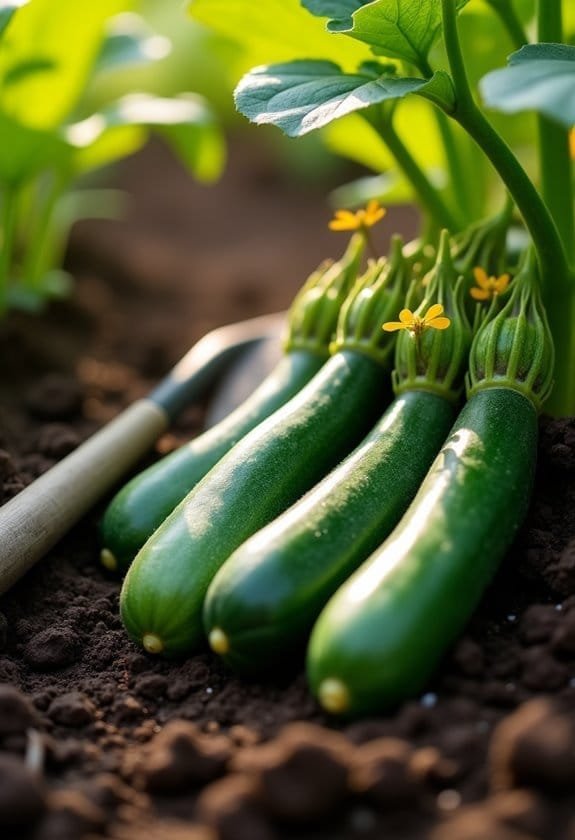
To cultivate thriving Cucurbita Pepo, proper planting and ongoing care are essential for prime growth and productivity.
These plants flourish in nutrient-rich soil with a slightly acidic pH, so careful attention to soil conditions and water needs can yield delicious results.
Additionally, selecting appropriate companion plants can enhance growth while deterring pests, fostering a balanced ecosystem in the garden.
Planting Tips
When growing zucchini, it's important to start with well-draining soil rich in organic material, ideally with a pH level between 6 and 6.75. This soil composition supports the Cucurbita pepo, which belongs to the gourd plant family, ensuring ideal growth conditions for the immature marrows.
Plant the seeds after the danger of frost has passed, typically in spring, allowing them to flourish.
Zucchini plants thrive in full sun, requiring 6 to 8 hours of direct sunlight daily. To accommodate their growth, space the plants adequately, facilitating air circulation and sun exposure.
Watering is essential; providing about 10 liters (2 gallons) per week helps maintain soil moisture but avoids over-saturation, particularly during flowering when the plant's needs increase.
A regular application of high-potassium fertilizers will bolster healthy fruit setting and promote overall development, especially during the establishment phase.
Besides nutritional needs, vigilant monitoring for pests and diseases is crucial. Conduct inspections systematically, aiming to catch any issues early, and consider crop rotation or resistant cultivars to enhance resilience, thereby safeguarding the plants' well-being.
Such diligent practices yield a robust ridge of flourishing zucchini.
Ongoing Care
Providing ongoing care for zucchini involves consistent attention to watering, soil health, and pest management.
Regular watering, approximately 10 liters (2 gallons) per week, is fundamental during critical periods like flowering and fruiting, helping to prevent stress on the plants, which could impede their growth.
Maintaining ideal soil pH between 6 and 6.75 is essential, as it fosters a conducive environment for nutrient absorption, thereby enhancing vigorous plant development. Monitoring soil conditions and adjusting as necessary can greatly influence plant health.
Pest management is another important component of zucchini care.
Regular inspections help identify nuisances such as aphids, slugs, and snails, allowing for early intervention. Improving airflow around the plants can also deter pests, promoting a healthier growing environment.
In terms of pollination, confirming insect activity around the plants is critical.
In cooler conditions, hand pollination might be necessary to guarantee successful fruit set. To encourage continued zucchini production, harvest the fruits when they reach 3-8 inches in length, as this practice prevents over-regulation of developing fruits, allowing the plants to thrive throughout the growing season.
Suggested Companions
Enhancing the growth of Cucurbita pepo through companion planting can lead to healthier and more productive crops. Selecting suitable companion plants not only boosts growth but also nurtures beneficial insects that play a critical role in pest management.
For instance, dill attracts ladybugs and lacewings, which effectively reduce aphid populations that threaten marrow and courgette. Chamomile further enhances soil health by repelling pests and enriching nutrients, creating a robust microenvironment for Cucurbita pepo.
Additionally, marigolds prove invaluable as they deter common pests like beetles, enhancing overall plant vigor. Nasturtiums serve dual purposes: as trap plants, they attract aphids away from Cucurbita pepo, while simultaneously inviting pollinators, thereby increasing fruit production.
Meanwhile, sunflowers provide beneficial shade, mitigating heat stress and fostering ideal growth conditions.
Common Issues
Managing *Cucurbita pepo* involves traversing a landscape fraught with potential pests and diseases that can threaten both plant health and yield.
Common culprits, such as aphids and powdery mildew, not only compromise the vigor of the plants but can also drastically reduce the quality of the fruit produced.
Understanding these challenges, along with appropriate management solutions, is essential for ensuring fruitful harvests and maintaining the overall resilience of the crop.
Pests/Diseases
When growers cultivate *Cucurbita pepo*, they must remain vigilant about common pests and diseases that can harm their plants. One prevalent disease affecting these cucurbits is powdery mildew, which thrives in dry conditions and tends to proliferate on drought-stressed plants. This white powdery fungal growth can severely hinder plant health, leading to reduced yields and compromised flavor.
Additionally, slugs and snails notably threaten young marrows and courgettes, often causing extensive damage that may halt growth altogether. Conversely, mature *Cucurbita pepo* plants showcase greater resilience against these pests.
However, aphids also pose a risk, as they feed on the soft growth of the plants and can transmit viruses, such as the cucumber mosaic virus. This virus manifests through yellow mottling and stunted growth, which detracts from the aesthetic and nutritional value of the harvest.
To effectively manage these challenges, growers should conduct regular inspections for signs of pest or disease infestation. Early detection becomes essential in mitigating broader issues within the garden.
Furthermore, ensuring proper ventilation and maintaining healthy moisture levels can considerably help reduce the susceptibility of *Cucurbita pepo* to pests and diseases.
Solutions
Addressing common issues in cultivating *Cucurbita pepo* requires an understanding of both physiological and environmental factors that affect production.
For instance, excessive leaf growth can obstruct flowering and fruiting, necessitating balanced watering and fertilization to support ideal development. As the growing season progresses, it's typical for male flowers to emerge initially, but proper planting timing and sufficient warmth guarantee that female flowers also form as the plants mature.
In scenarios where natural pollinators are scarce, especially during adverse weather conditions, hand pollination becomes essential to maintain fruit production. Regularly harvesting immature fruits not only boosts productivity but also prevents over-regulation of developing fruits, encouraging continuous fruit set.
Additionally, gardeners should remain vigilant about bitter-tasting fruits, often indicating harmful cucurbitacins, which arise due to cross-pollination or saved seeds. Monitoring and removing these fruits is crucial to mitigate potential health risks.
Are There Any Uses for Cucurbita Pepo (Marrow, Courgette) in Traditional Medicine or Herbal Remedies, Similar to Clematis Vitalba (Old Man’s Beard)?
Cucurbita pepo, also known as marrow or courgette, has been used in traditional medicine for its anti-inflammatory and digestive properties. Similarly to Clematis vitalba, it has been utilized in herbal remedies for various ailments. For more clematis vitalba information and facts, consult with a healthcare professional or herbalist.
Summary
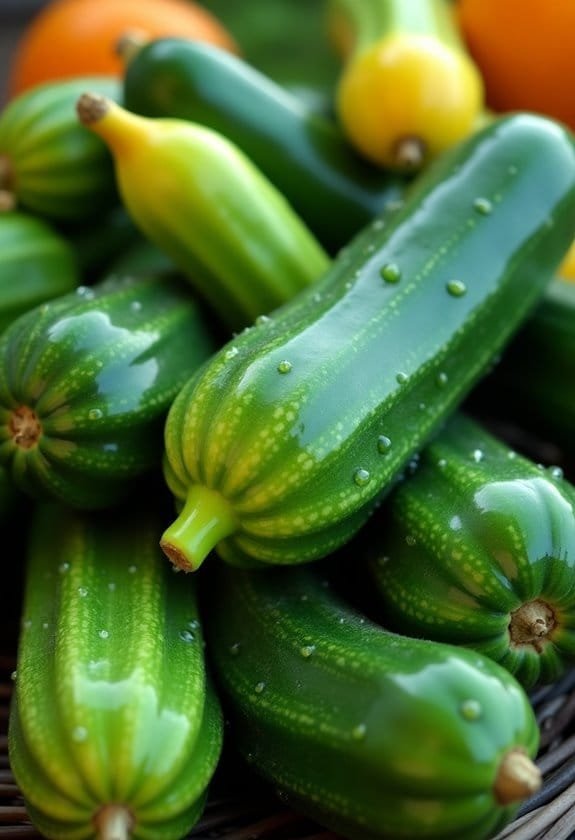
*Cucurbita pepo*, commonly known for its popular varieties like marrows and courgettes, is often harvested while still immature for its tender, edible rind. This versatile species, categorized as a summer vegetable, boasts a low caloric content of approximately 20 kcal per 100 grams, enriching diets with valuable nutrients such as Vitamin C and dietary fiber. With about 18.4 mg of Vitamin C contributing to 20% of daily value and 2 grams of fiber, *Cucurbita pepo* supports overall health effectively.
Historically, this plant holds significant cultural importance, being documented during the Lewis and Clark Expedition in 1804, highlighting its role in early American diets.
Zucchini, a well-loved variety, contains about 94% water, making it a hydrating option for summertime meals.
To flourish, *Cucurbita pepo* requires full sunlight and well-draining soil, paired with regular watering, underlining the precision needed for ideal growth.
From culinary uses to nutritional benefits, its appeal spans various demographics, positioning *Cucurbita pepo* as an essential component of both modern and traditional cuisines, embodying the perfect blend of taste and healthful features.