*Cynara cardunculus*, known as globe artichoke and cardoon, is a striking perennial native to the Mediterranean. Growing 3 to 6 feet tall, it flaunts silvery-gray foliage and vibrant purple flowers. This versatile plant thrives in well-drained, nutrient-rich soil with a pH of 6.0 to 8.0, requiring full sun exposure for ideal growth. Both the edible stalks and roots boast an artichoke-like flavor, enriching Mediterranean cuisine. Additionally, its nectar-rich blooms attract diverse pollinators, enhancing local biodiversity. With proper care, including monitoring for pests and ensuring adequate drainage, the plant can flourish beautifully, revealing further nuances as one explores its many facets.
Main Points
- *Cynara cardunculus* includes both globe artichokes and cardoons, valued for their edible flower buds and blanched leaf stalks in Mediterranean cuisine.
- Thrives in rich, well-drained soil with full sun exposure, and prefers temperatures between 70°F and 85°F for optimal growth.
- The plant features striking silvery-gray foliage and vibrant purple thistle-like flowers, enhancing gardens and attracting pollinators like bees and butterflies.
- Regular maintenance such as pruning and monitoring for pests is essential to prevent issues like root rot and powdery mildew.
- Cardoon can become invasive in certain areas, requiring careful management to control its spread and complete removal of taproots if necessary.
Introduction
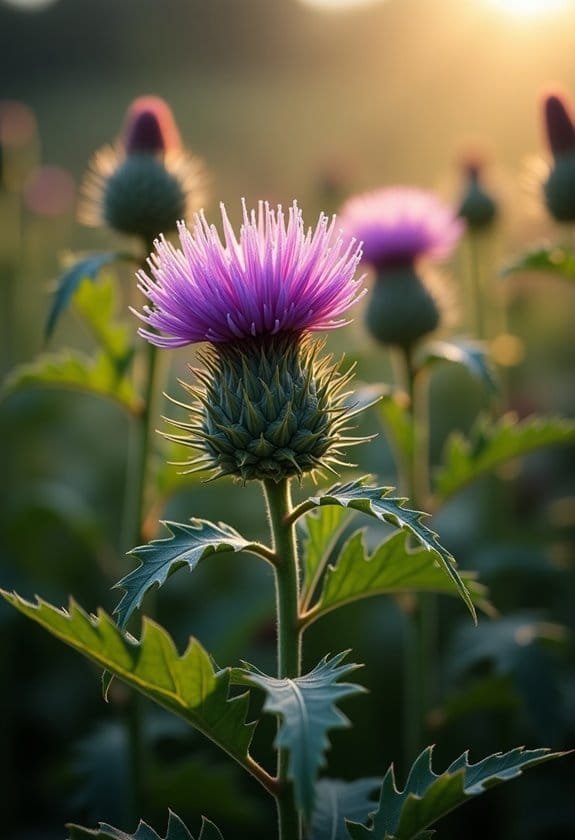
Cynara cardunculus, widely recognized as cardoon, is an intriguing perennial plant with origins in the Mediterranean region.
Its impressive stature, reaching heights of 3 to 5 feet, showcases silvery-gray foliage adorned with striking purple, thistle-like flowers, making it an enchanting addition to gardens.
Not only does this plant provide edible leaf stalks and roots with a flavor reminiscent of artichokes, but it also enhances local biodiversity by attractively inviting pollinators, such as bees and butterflies, to its blooms.
Common Name
Known for its impressive stature and striking appearance, Cynara cardunculus is commonly referred to as "cardoon" and "globe artichoke." These names highlight the plant's dual purpose as both an edible vegetable and an ornamental attraction. The term "cardoon" primarily refers to the blanched stems that are cultivated for their artichoke-like flavor, which has deep roots in Mediterranean cuisine. This plant's historical significance enriches culinary traditions, making the cardoon a valued ingredient.
On the other hand, the globe artichoke is widely recognized for its distinctive purple thistle-like flowers, which are typically grown for their edible flower buds, a delicacy enjoyed by many.
Both of these common names reflect the plant's sizable growth habit; Cynara cardunculus can reach impressive heights of 3 to 5 feet, adding striking visual interest to gardens and landscapes.
While the cardoon is celebrated for its culinary applications, it also boasts ornamental appeal with its lush foliage and intricate flower structures. Consequently, the charm of Cynara cardunculus lies not only in its nutritional benefits but also in its ability to enhance the beauty of outdoor spaces.
Scientific Name
With its scientific designation of *Cynara cardunculus*, this plant stands out as a member of the diverse Asteraceae family. This classification also encompasses two distinct groups: the Scolymus Group, encompassing globe artichokes, and the Cardunculus Group, associated with cardoon.
The dual identity reflects the plant's versatility and cultural significance, as it has been cultivated since ancient times, particularly in Mediterranean regions, serving both culinary and ornamental purposes.
*Cyana cardunculus* is recognized for its striking foliage, characterized by silver-green leaves that can add unique texture to gardens. Its remarkable flower heads, resembling large purple thistles, not only captivate the human eye but also attract an array of pollinators, enhancing biodiversity.
Thoroughly adapted to USDA hardiness zones 7-10, this hardy perennial can flourish, attaining heights of 3 to 5 feet when nurtured adequately.
Overview
Celebrating its origins in the Mediterranean, *Cynara cardunculus*, commonly referred to as cardoon and globe artichoke, captivates gardeners and chefs alike. This remarkable perennial plant flourishes in temperate climates, often reaching heights of 3 to 6 feet.
Featuring large, spiny silvery leaves and vibrant violet-topped flowers, it not only attracts pollinators but also serves as a striking ornamental fixture in gardens. Cardoon makes a unique culinary addition as well, with its edible blanched stalks offering an exquisite artichoke-like flavor.
Historically significant, cardoon has been cultivated since the ancient Greek and Roman eras, finding its place in Mediterranean cuisine through the ages. In colder climates, however, it's treated as an annual, while in warmer regions, it flourishes as a perennial, thriving in full sun with well-drained soil.
This dual-purpose appeal—ornamental beauty and culinary versatility—makes *Cynara cardunculus* a prized plant. Ultimately, its rich history and robust adaptability underscore why both gardeners and food enthusiasts remain drawn to this versatile staple, celebrating its legacy in the landscape of culinary delights.
Key Features
Cynara cardunculus, often reaching heights between 3 to 5 feet, showcases its impressive stature with spiny, serrated silver-green leaves.
During its flowering season, the plant adorns the landscape with striking violet-topped flowers that resemble globes, enticing pollinators and enriching garden biodiversity.
Its robust growth habit necessitates careful management, ensuring that this ornamental edible not only delights the eye but also serves a practical purpose in culinary applications.
Growth Size
Growth size is one of the defining features of Cynara cardunculus, as it typically reaches heights between 3 and 6 feet and spans a width of 2 to 3 feet. This impressive stature showcases the plant's vigorous growth habits, making it a striking addition to any garden.
The foliage, adorned with deeply cut, gray-green leaves that can extend up to 3 feet in length, presents a lush and textured appearance that enhances its visual interest.
When in bloom, Cynara cardunculus produces remarkable globe-like flowers crowned with violet tops, creating a splendid display that attracts pollinators and captivates the beholder.
To thrive, this species requires ample space, well-drained soil, and full sun exposure, thereby necessitating a thoughtful approach to planting in a garden setting.
Interestingly, while cardoon plants may die back annually, their resilience is evident as they regenerate from a deep taproot, illustrating their ability to adapt to varying conditions.
Appearance
The striking appearance of Cynara cardunculus is defined by its spiny, silvery foliage and impressive stature. Reaching heights of 3 to 5 feet, the plant boasts robust rosettes adorned with deeply cut, jagged edges that emanate a silvery hue in their youth.
This fascinating silver color gradually transforms into a more muted gray-green as the leaves mature, lending a sense of elegance to its appearance. While the older leaves may lose their upright form, showcasing a graceful decline, their substantial size—up to 3 feet long—adds a dramatic flair to the landscape.
The plant's robust, upright growth pattern enhances its aesthetic appeal, offering both textural contrast and visual interest. Beneath the surface, a deep taproot establishes its foundation, enabling annual regeneration after seasonal dieback.
Cynara cardunculus not only stands out in gardens, but also serves as a habitat for various pollinators, thanks to its ornamental qualities. Each element of this plant contributes to its striking appearance, showcasing the remarkable interplay between nature's design and functionality, ensuring it remains a sought-after specimen in ornamental horticulture.
Flowering Season
In late spring and early summer, Cynara cardunculus bursts into bloom, producing vibrant, purple thistle-like flowers that draw in a variety of pollinators. After a vigorous growth phase, where the plant can double its size during the first summer, these spectacular flower spikes emerge, marking a transformative season.
Typically, the flowering period lasts several weeks, enhancing the garden's aesthetic while offering an essential food source for bees and butterflies, significant for their survival. The purple flowers, resembling thistles, add a striking visual element, but also signal the importance of timely management.
If left unchecked, flowering can diminish the plant's overall appeal, particularly as harvested blooms can impact visual symmetry, making the shift to dormancy less attractive.
Globe artichokes, a variant of Cynara cardunculus, coincide in flowering. Their buds should be harvested while young to avoid developing a fibrous texture that detracts from their culinary value.
Hence, recognizing the dual role of these purple flowers as both beauty and bounty is significant for garden enthusiasts, who should strike a balance between aesthetic enjoyment and practical care.
Growing Requirements
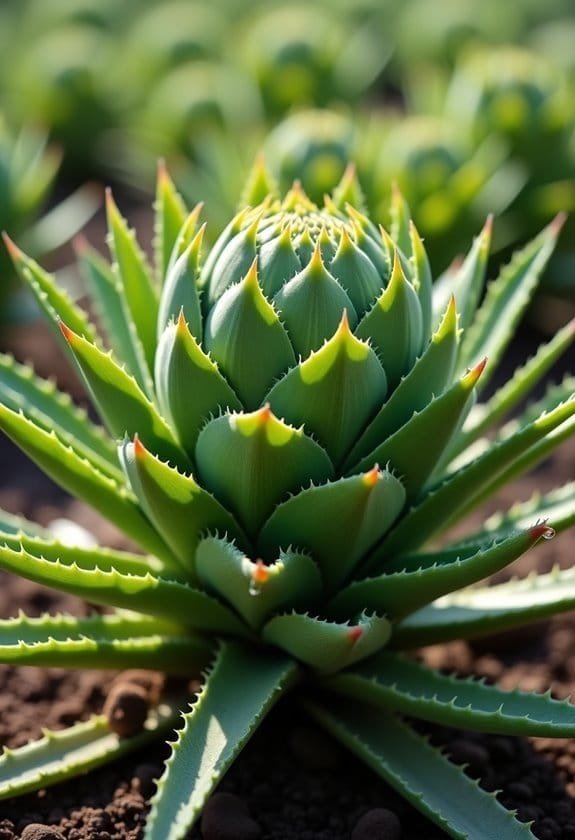
Cynara cardunculus exhibits specific growing requirements that are vital for its thriving development.
This plant flourishes in rich, well-drained soil with a pH range of 6.0 to 8.0 and demands full sun exposure to maximize its growth potential.
Understanding these factors, alongside appropriate watering and temperature considerations, guarantees that gardeners can cultivate this unique species successfully.
Light
Thriving in full sunlight, Cynara cardunculus requires at least 6 to 8 hours of direct sun each day to reach its full potential. This remarkable plant, which encompasses globe artichokes and cardoon, flourishes in conditions where it can bask in full sun exposure.
Situated in sheltered locations can further enhance its growth, as protection from strong winds safeguards the delicate tall flower stalks and broad foliage that define this species.
Inadequate sunlight can impede the development of Cynara cardunculus, especially in cooler climates, where the lack of warmth might necessitate treating the cardoon as an annual. The plant's impressive growth, typically ranging from 3 to 6 feet, is contingent not only on sufficient light but also on an appropriate balance of moisture in the soil.
While it can tolerate poorer soil conditions, peak growth thrives in rich, well-drained soils that retain enough moisture without becoming waterlogged.
Ultimately, ensuring these plants receive ample full sun exposure will lead to robust growth and an impressive display. When cultivated under ideal light conditions, Cynara cardunculus serves as a vibrant addition to any garden landscape, offering both aesthetic and culinary value.
Soil
For ideal growth, Cynara cardunculus requires well-drained, rich soil that balances moisture retention with drainage to prevent root rot. This plant thrives best in soil with an ideal pH range between 6.0 and 8.0, accommodating both acidic and alkaline conditions. Such versatility enables cultivation across diverse environments, promoting adaptability and resilience.
Prior to planting, it's vital to amend the soil with organic matter or compost, enriching the substrate with essential nutrients that support vigorous growth. Nutrient-rich soil acts like a nourishing foundation, fostering healthy roots that subsequently lead to robust foliage.
However, gardeners must consider that cardoon and globe artichoke can be sensitive to prolonged wet winters. As a result, effective drainage becomes imperative to mitigate the risk of disease, particularly root rot, which thrives in overly saturated conditions.
Additionally, regular mulching proves beneficial; it helps maintain consistent soil moisture levels while enhancing root health. The insulating properties of mulch also bolster winter survivability in warmer climates, creating a protective barrier against temperature extremes.
Water
Watering is essential for the health and growth of Cynara cardunculus. This remarkable plant flourishes best in rich, well-drained soil that retains moisture without becoming waterlogged. Regular watering becomes important, particularly during dry spells, guaranteeing the plant maintains vitality and encourages the development of robust stems and intricate root systems. Providing consistent moisture can also benefit pollinator attraction, which is crucial for sustaining healthy ecosystems.
Applying a layer of mulch around the base not only retains soil moisture but also regulates temperature, providing a suitable environment during scorching summer months.
Interestingly, during exceptionally hot summers, Cynara cardunculus may enter a state of dormancy, reducing its water needs. However, it's important to provide adequate moisture during the cooler seasons to support active growth.
One must exercise caution, as over-watering can lead to detrimental issues like root rot, a condition where roots decay due to excessive moisture. Thus, it's advisable to allow the soil to dry slightly between watering sessions, striking a balance that promotes health and vigor. Additionally, ensuring consistent moisture levels, similar to the requirements of Water Mint, provides an optimal growing environment for various plants.
Temperature
Cynara cardunculus flourishes in warm climates, ideally within USDA hardiness zones 7-10, where mild winters support its growth. This remarkable plant, which encompasses both the cardoon and globe artichoke varieties, prefers full sun exposure to achieve ideal growth and flowering.
It thrives in temperatures ranging from 70°F to 85°F but requires some protection, as frost and strong winds can prove detrimental to its tall flower stalks. Additionally, during the scorching heat of summer, cardoon and globe artichoke plants may experience die-back, highlighting the significance of care in such conditions.
Growers can mitigate heat stress by applying mulch, which aids in moisture retention while creating a more stable soil temperature. In addition, for successful cultivation, it's vital to initiate seed germination indoors six to eight weeks before the last frost date, thereby ensuring that these crops have a robust start to their growing season.
Consequently, understanding the temperature needs of Cynara cardunculus is essential for gardeners aspiring to cultivate these stunning plants, thereby revealing the full potential of their beauty and flavor.
Pollinator Criteria
Cynara cardunculus captivates a diverse array of pollinators, particularly bees and butterflies, drawn to its vibrant purple flowers.
The plant employs a mixture of attractants to facilitate pollination, allowing these insects to efficiently transfer pollen between blooms, thereby enhancing reproductive success.
Attracted Pollinators
Globe Artichoke and Cardoon are known for their stunning, vibrant purple blooms that enchant a variety of pollinators, particularly bees and butterflies. These plants boast large, thistle-like flowers that produce abundant nectar and rich pollen, making them an indispensable food source for pollinators throughout the growing season.
Each bloom serves as a visual beacon, rising tall and upright, which draws in pollinators from substantial distances due to their striking colors and impressive height.
The ecological importance of *Cynara cardunculus* extends beyond mere aesthetics. By attracting a diverse array of pollinators, these plants play a crucial role in supporting healthy ecosystems and enhancing biodiversity.
Planting Globe Artichokes and Cardoons strategically alongside companion plants not only complements garden aesthetics but also fosters an environment thriving with pollinator activity. This intentional arrangement encourages interactions among various species, stimulating a more diverse garden ecology.
In essence, the thistle-like flowers of *Cynara cardunculus* not only provide sustenance for pollinators but also contribute considerably to the intricate web of life within garden ecosystems, underscoring the importance of these remarkable plants.
Pollination Method
Attracting a swarm of bees and butterflies, *Cynara cardunculus* relies heavily on pollinators for its reproductive success. This plant, including both globe artichokes and cardoons, employs an effective pollination method primarily facilitated by these insects. The hermaphroditic flowers contain both male and female reproductive structures, which promotes cross-pollination as pollinators move from bloom to bloom, ensuring genetic diversity within the population.
The vibrant, thistle-like flowers bloom in late spring, coinciding with peak activity periods for many native pollinators. This timing underscores the plant's adaptations, as the synchronized availability of flowers and pollinators enhances successful fertilization and subsequent seed set.
Pollinators are particularly attracted to the striking purple color and nectar-rich blooms, reinforcing the interdependence between *Cynara cardunculus* and its pollinator partners.
Incorporating both cardoon and artichoke plants into gardens not only supports the reproductive needs of these species but also fosters biodiversity. By attracting local pollinators, these plants play an essential role in maintaining ecosystem health, demonstrating how a single flowering plant serves as a vibrant link within a larger ecological network.
Care & Maintenance
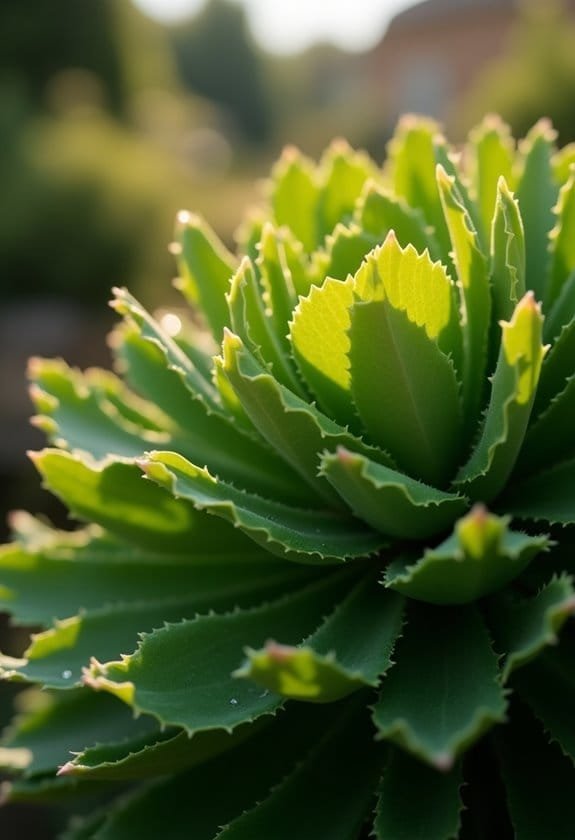
To nurture Cynara cardunculus effectively, one must understand the essentials of planting, ongoing care, and suitable companions.
Properly selecting a location with rich, well-drained soil and ample sunlight, while considering potential companions that can enhance growth, sets the foundation for success.
As the plant develops, consistent maintenance, including pruning for shape and monitoring for pests, guarantees vibrant health and striking beauty throughout the growing season.
Planting Tips
Ensuring successful growth of Cynara Cardunculus, whether it's cardoon or globe artichoke, starts with proper planting techniques.
Selecting well-drained soil with a pH level between 6.0 and 8.0 is fundamental, as this allows for ideal nutrient uptake and root development. Full sun exposure is essential; hence, choose a location that basks in sunlight during the day.
Before outdoor planting, germinate seeds indoors six to eight weeks before the last frost date. This early start gives plants a robust beginning, enhancing their vigor once transplanted outdoors under suitable conditions.
Spacing is equally important; plant seedlings at least one meter apart to accommodate their expansive growth and to prevent overcrowding, which can compromise air circulation.
To promote a tidy appearance and stimulate ongoing health, gardeners should routinely trim off the older leaves, preventing clutter while allowing the plant to focus energy on new growth.
In colder climates, applying heavy mulch during winter becomes significant, safeguarding the deep taproot and ensuring successful overwintering.
Ongoing Care
Caring for Cynara Cardunculus requires consistent attention to maintain its health and beauty. Ongoing care is essential in fostering the growth of these magnificent plants. Regularly trimming older leaves helps achieve a neat vase shape and encourages overall plant vigor, ensuring the stunning spines along the leaves remain an eye-catching feature.
Monitoring for pests like Japanese beetles is imperative; addressing infestations promptly can prevent significant damage. Heavy mulch applied around the base retains moisture and insulates the roots during winter, promoting resilience against temperature fluctuations.
Protection against strong winds is also important since the tall flower stalks are susceptible to damage. Staking or providing windbreaks can help safeguard these graceful giants.
In addition, managing the plants' growth by splitting clumps in spring allows them to access sufficient nutrients and space, which is key to thriving.
Each element of care contributes to the spectacle that's Cynara Cardunculus. By understanding each requirement and nurturing these plants adequately, one can cultivate a vibrant display worthy of admiration, all while participating in the life cycle of this extraordinary species.
Suggested Companions
Selecting the right companions for Cynara Cardunculus can greatly enhance its growth and visual appeal. Planting cardoon and globe artichoke alongside low-growing herbs like *Thymus* (thyme) and *Salvia* (sage) can provide ornamental depth and beneficial ground cover. These companions not only beautify the garden but also help prevent soil erosion and retain moisture.
Incorporating ornamental grasses, such as *Calamagrostis acutiflora* (feather reed grass), creates a striking contrast in textures while offering essential support against strong winds, facilitating a more stable growing environment.
Furthermore, interplanting marigolds proves effective in repelling nematodes and other harmful insects, safeguarding the health of Cynara Cardunculus.
Optimal spacing of companion plants should be about one meter apart, ensuring each plant receives adequate sunlight and airflow. This distance fosters healthy development by reducing competition for nutrients.
Additionally, integrating edible herbs like *Ocimum basilicum* (basil) can boost pollinator activity during the flowering season, increasing fruit and seed production for both cardoon and globe artichoke. Incorporating pollinator-friendly plants can attract beneficial insects, synchronizing well with the blooming season of the globe artichoke.
Common Issues
Cynara cardunculus faces several common issues, primarily caused by pests and diseases that can hinder robust growth.
Pests like snails, slugs, and aphids require vigilant monitoring, while diseases such as root rot and powdery mildew highlight the importance of ensuring proper drainage and airflow.
Effective solutions, including the selection of spineless varieties and strategic plant placement, can greatly alleviate the challenges presented by this resilient yet sometimes troublesome plant.
Pests/Diseases
Gardeners should be aware of several common pests and diseases that can affect Cynara cardunculus, such as snails, slugs, and aphids. These pests tend to chew on the foliage, ultimately reducing the plant's vigor and overall yield. Monitoring regularly is vital, as infestations can spread rapidly in favorable conditions.
Several diseases can also threaten Cynara cardunculus, particularly root rot and powdery mildew. Root rot typically occurs in poorly drained soils, where excess moisture creates a perfect environment for pathogens.
Meanwhile, powdery mildew flourishes in humid conditions, coating leaves with a white, powdery substance that inhibits photosynthesis and growth.
To maintain healthy plants, it's important for gardeners to implement proactive strategies. For instance, crop rotation and ensuring proper air circulation can greatly diminish the likelihood of pest and disease complications. Additionally, using organic pesticides responsibly can serve as an effective line of defense.
Lastly, when managing invasive outbreaks of cardoon, complete removal of the taproot is essential, as any remaining roots may lead to unsightly resprouting and further problems.
Timely intervention can safeguard the integrity of Cynara cardunculus in any garden.
Solutions
To tackle common issues with Cynara cardunculus, implementing proactive measures can make a significant difference in plant health and productivity. Cardoon (Cynara cardunculus) is susceptible to various pests, including snails, slugs, and aphids. Regular monitoring and the application of organic pest control methods can effectively manage these threats.
Additionally, diseases like root rot and powdery mildew can severely impact plant health; ensuring well-drained soil and facilitating good air circulation are essential preventive strategies.
Another challenge involves strong winds that may inflict physical damage on cardoon plants. Utilizing windbreaks or staking methods can mitigate this risk, promoting structural integrity.
Furthermore, should these plants become invasive, complete removal of the deep taproot is critical to prevent unwelcome sprouting, particularly in regions such as California where such behavior is noted. Common Broom's ability to become invasive highlights the importance of managing non-native species effectively.
To enhance overall aesthetics and plant performance, regular trimming of older leaves is advisable; this practice not only maintains the attractive vase shape but also encourages robust new growth.
Summary
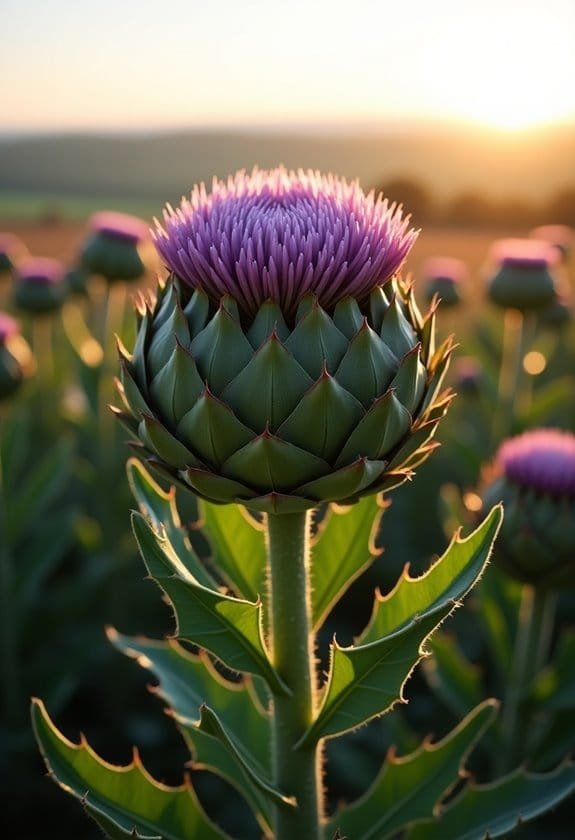
Cardoon, also known as Cynara cardunculus, is an intriguing plant that combines ornamental beauty with culinary uses. This remarkable perennial can rise between 3 to 6 feet, showcasing spiny, silvery foliage and striking violet-topped flowers.
The edible portions of Cynara cardunculus include blanched young leaf stalks, which bear a flavor reminiscent of artichokes, as well as roots that can be cooked and consumed, making it a plant of culinary interest.
Thriving in hardiness zones 7-10, Cynara cardunculus flourishes in full sun and well-drained soils but requires protection from strong winds and frost. This adaptability makes it a valuable addition to diverse gardens.
Beyond its culinary uses, cardoon serves an ornamental purpose, providing textural contrast and attracting pollinators such as bees and butterflies, enhancing biodiversity.
However, gardeners should exercise caution, as cardoon can become invasive in certain areas; complete taproot removal is essential for effective management.