Cynoglossum amabile, or Chinese Forget-Me-Not, is a charming perennial that thrives in well-drained, loamy soil, reaching heights of 12 to 36 inches. It boasts vibrant blue flowers, about one inch in diameter, clustered elegantly along hairy stems. This plant flourishes in full sunlight, requiring at least six hours daily, while also tolerating partial shade. Regular deadheading stimulates ongoing blooming and maintains its ecological appeal, attracting essential pollinators like butterflies and hummingbirds. While susceptible to certain pests and diseases, its resilience and ornamental beauty make it a beloved choice for gardens, offering enchanting visuals throughout the growing season. Discovering more can reveal further fascinating insights.
Main Points
- Cynoglossum amabile, or Chinese Forget-Me-Not, features vibrant blue 1-inch flowers and grows 12 to 36 inches tall.
- It thrives in well-drained, loamy soil with a pH of 6.0 to 7.0 and requires 6 hours of sunlight daily.
- Regular deadheading encourages continuous blooming, while moderate watering and mulching help maintain soil moisture.
- This plant attracts pollinators like butterflies and hummingbirds, enhancing biodiversity in gardens.
- Common issues include pests and diseases like aphids and root rot; proper care can mitigate these problems.
Introduction
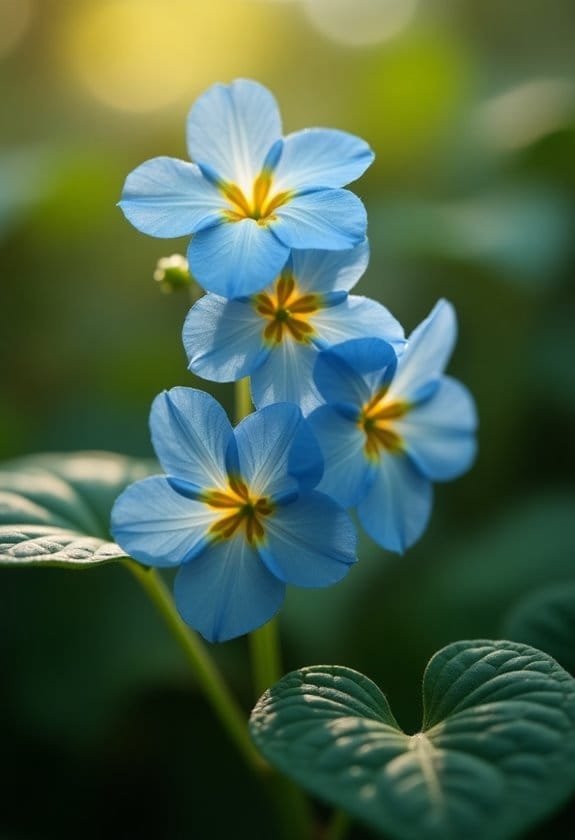
Known scientifically as Cynoglossum amabile, the charming Chinese forget-me-not captures attention with its vibrant clusters of small, blue flowers.
This hardy annual can reach heights of 12 to 36 inches, thriving in well-drained, loamy soils that cater to its sunlight requirements.
Common Name
The vibrant blue flowers of Cynoglossum amabile, commonly referred to as the Chinese Forget-Me-Not, catch the eye in any garden setting. With its enchanting blossoms, this hardy annual stands out among various plant species.
Often labeled as Blue Showers or Hound's Tongue, the Chinese Forget-Me-Not thrives in temperate climates and generally reaches heights between 12 to 18 inches. This compact size makes it an excellent option for floral arrangements, where its vivid hues can effortlessly complement other blooms.
An important characteristic of the Chinese Forget-Me-Not is its tendency to self-seed, a feature that can transform it into a weedy presence in some environments. This self-sowing ability not only enhances its beauty but also increases its prevalence in gardens over time, creating a stunning display of blue.
Full sun to partial shade is ideal for ideal growth, allowing these enchanting flowers to flourish and display their striking colors. Overall, the Chinese Forget-Me-Not proves to be an adaptable and visually appealing choice for gardeners seeking a touch of elegance, bringing life and vibrancy to any landscape.
Scientific Name
Cynoglossum amabile stands out as the scientific name for the Chinese Forget-Me-Not, encapsulating its classification as a hardy annual. This designation reflects not only the plant's resilience but also its ability to flourish in various environments.
Cynoglossum amabile boasts clusters of striking bright blue flowers, which greatly enhance any garden's visual appeal. The green foliage complements these blooms, creating a picturesque combination that attracts both gardeners and pollinators alike.
Typically reaching heights between 12 to 36 inches, Cynoglossum amabile provides versatility, making it suitable for both garden beds and floral arrangements. The plant's flowering season unfolds during the spring and summer months, thriving abundantly in temperate climates where growing conditions are ideal.
Interestingly, many often confuse Cynoglossum amabile with Myosotis sylvatica, commonly referred to as true forget-me-nots. While both exhibit striking similarities in appearance, careful observation reveals distinct characteristics that set them apart.
As a result, understanding the nuances of Cynoglossum amabile not only enriches botanical knowledge but also deepens appreciation for the diversity found within the flowering plant world.
Overview
Delightful clusters of vibrant blue flowers make the Chinese Forget-Me-Not an enchanting addition to any garden. Known scientifically as Cynoglossum amabile, this hardy annual thrives in eastern Asia and parts of southern Europe.
Typically reaching heights of 12 to 18 inches, with a spread of 8 to 12 inches, Chinese Forget-me-nots flourish in well-drained, loamy soil enriched with organic matter, making them particularly resilient.
Blooming from late spring through the summer months, the delicate flowers attract a variety of pollinators, including butterflies and hummingbirds, enhancing any garden's ecological harmony.
For successful germination, seeds should be lightly covered with soil, with a typical germination rate ranging from 40 to 50 percent, which can be improved through specific techniques. Appreciated for their self-seeding qualities, these plants provide gardeners with a seamless return each season.
However, they may become weedy in ideal growing conditions, requiring careful management.
Key Features
The Chinese forget-me-not, or Cynoglossum amabile, reaches a modest height of 1 to 2 feet while showcasing clusters of delicate blue flowers that grace gardens throughout the spring and summer.
Blooming approximately 10 to 12 weeks after planting, these hardy annuals enchant with their vibrant displays, lasting up to six weeks under proper care.
Their self-seeding nature not only guarantees continual beauty but also supports a low-maintenance gardening approach, making them a treasured element in any landscape.
Growth Size
Reaching impressive heights of 12 to 36 inches, Chinese Forget-Me-Not showcases its beauty with stems that can extend up to 18 inches or more, making it ideal for floral arrangements. This hardy annual thrives in temperate zones, enjoying both full sun and partial shade, which influences its remarkable growth size.
With a spread of 8 to 12 inches, Cynoglossum amabile fits comfortably into various garden settings, delivering a lush, full appearance that enhances any landscape.
The plant's growth size isn't merely a function of its height but also includes its compact, inviting structure. Clusters of small, bright blue flowers, approximately 1 inch in size, bloom profusely during the late spring to summer months, resulting in an aesthetic spectacle that captures the eye.
This impressive flowering cycle can last up to 6 weeks with proper care, ensuring a vibrant and continuous display throughout its growing season.
Appearance
With its impressive stature and compact spread, Chinese Forget-Me-Not captivates gardeners with its striking appearance. This elegant plant showcases clusters of small, vibrant blue flowers, each approximately 1 inch in diameter, that create an eye-catching tapestry throughout gardens. Typically reaching heights of 12 to 36 inches, with a spread of 8 to 12 inches, it forms a dense, lush display that enhances various landscapes.
The oval-shaped leaves form a rosette at the base, providing foundational support for the hairy stems that bear multiple flower clusters. These stems not only contribute to the plant's overall structure but also serve as a canvas for the dazzling flowers that attract numerous pollinators.
These beneficial insects, drawn by the flowers' hue and nectar, play an essential role in enriching local ecosystems, illustrating the plant's dual importance in horticulture and biodiversity.
Flowering commences in late spring and continues until the first frost, ensuring a continuous visual feast during this period. The culmination of the plant's aesthetic appeal lies in these clusters of striking blue flowers, making Chinese Forget-Me-Not an irresistible choice for any gardener seeking delight and ecological harmony.
Flowering Season
Flowering season for the Chinese Forget-Me-Not is a vibrant spectacle that captivates gardeners and pollinators alike. Typically, this stunning plant begins to bloom in late spring, brightening gardens with its striking clusters of one-inch flowers, available in mesmerizing shades of blue and pink. The blooming period can extend until the first frost date, allowing these beauties to grace the landscape for several months.
When seeds are sown in spring, the plants require about 10 to 12 weeks to produce their characteristic flowers, making them a quick delight for enthusiastic gardeners. To optimize the flowering season, enthusiasts can stagger sowing dates by approximately one month, resulting in continuous blossoms and a sustained display of color.
Additionally, engaging in deadheading—removing spent blooms—encourages the development of new flowers, thereby greatly prolonging the overall flowering period. This technique not only enhances the visual appeal of the garden but also invites various pollinators, ensuring a thriving ecosystem.
The Chinese Forget-Me-Not stands out as an exceptional choice for anyone seeking to infuse their green spaces with radiant, prolonged floral beauty.
Growing Requirements
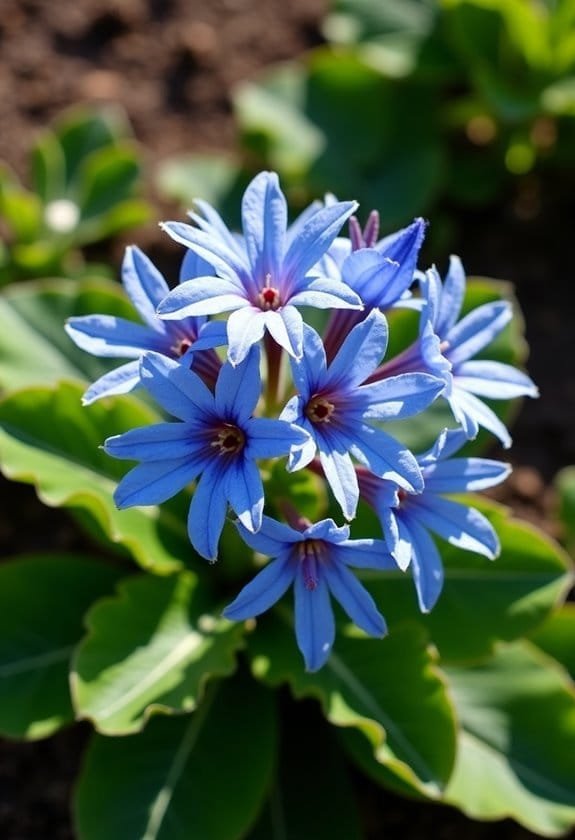
To cultivate the Chinese Forget-Me-Not, gardeners must pay close attention to its specific growing requirements, ensuring that it receives the right balance of light, soil, water, and temperature.
This plant flourishes in well-drained, loamy soil enriched with organic matter, requiring at least six hours of sunlight daily, while also benefiting from moderate watering to maintain its preferred moisture levels.
Light
The Chinese forget-me-not thrives best in full sunlight, needing at least 6 hours of direct sun each day to flourish and produce its beautiful blooms. A sunny spot in the garden not only enhances its growth but also supports its blooming cycle, which typically occurs 10-12 weeks after spring planting, provided the light levels are adequate.
In warmer climates, however, afternoon shade can be advantageous, as it helps mitigate heat stress and allows these plants to remain healthy and vigorous.
While full sun is ideal, the Chinese forget-me-not can tolerate partial shade, benefiting from 2 to 6 hours of sunlight as an alternative to prevent scorching during extreme heat conditions.
Positioning the plant in an area that combines morning sunlight with some protective shade during the hottest parts of the day can notably enhance overall growth and flower production. This balanced approach guarantees plants receive the necessary light without enduring harmful excess heat, fostering a robust and vibrant display.
Ultimately, the right light conditions are pivotal for cultivating this lovely species, ultimately rewarding gardeners with a spectacular floral exhibition.
Soil
Growing Chinese forget-me-nots requires a commitment to soil quality, as these plants flourish in loamy, well-drained soils rich in organic matter. This enrichment not only supports moisture retention but also guarantees that essential nutrients are available for their annual growth cycle.
The ideal pH level for these vibrant flowers ranges from neutral to slightly acidic, specifically between 6.0 and 7.0. Such conditions enhance the plants' ability to absorb nutrients effectively, fostering healthy foliage and enchanting blooms.
Chinese forget-me-nots are particularly intolerant of heavy clay soils or poorly drained environments; therefore, guaranteeing good drainage is vital for their health and growth. Introducing soil enhancements, such as organic compost, can greatly improve soil structure, allowing for better aeration and moisture retention—two key factors for robust plant performance.
Regular maintenance practices, including mulching, further support these plants by suppressing weeds and helping to maintain consistent moisture levels in the soil. By prioritizing these soil conditions and care methods, gardeners can cultivate a thriving patch of Cynoglossum amabile that will reward them with beautiful blooms, season after season.
Water
Successful cultivation of Chinese forget-me-nots hinges on consistent watering practices. These plants thrive in evenly moist soil, which is essential for preventing harmful fungal infections. However, sogginess must be avoided, as excess water can jeopardize plant health. Regular monitoring of soil moisture is important, especially during hot, dry spells, when the need for increased watering becomes evident.
Overwatering poses particular risks for seedlings, which thrive on thorough watering only after germination. The gardener must find a suitable balance, adjusting watering frequency according to changing weather conditions. This guarantees the soil remains suitably moist, especially through the significant blooming cycle.
As the plant isn't cold-hardy, it will die back at the first touch of fall frost, making diligent watering throughout its growing season even more imperative for achieving robust blooms.
In addition, gardeners should provide adequate space around each plant, as proper air circulation aids in moisture management, reducing the risk of disease. This thoughtful approach to water and space not only nurtures the Chinese forget-me-not but also enhances its beauty, promoting a vibrant display of delicate blue flowers in the garden.
Temperature
Ideal conditions for Chinese forget-me-nots require moderate temperatures that lean towards cooler climates, as high heat can hinder their growth.
These charming plants thrive best when germination occurs within the ideal temperature range of 68-70°F. This specific temperature range is essential for successful seedling establishment, ensuring that young plants develop robustly.
Sowing seeds before the last spring frost becomes critical, as Cynoglossum amabile isn't cold-hardy and will perish after the first fall frost. Consequently, gardeners must monitor local temperature patterns closely to achieve favorable results.
As summer approaches and temperatures rise, increased watering frequency becomes necessary. The aim here is to maintain soil moisture levels, reducing stress on the plant during hot, dry spells.
Additionally, blooming typically occurs 10-12 weeks after spring planting, contingent upon ideal temperature conditions that promote vigorous growth and development.
Pollinator Criteria
The Chinese forget-me-not, with its striking blue flowers, attracts a variety of pollinators, including butterflies and hummingbirds.
These species, drawn to the plant's dense floral clusters, engage in an essential pollination method that enhances genetic diversity and overall garden health.
This mutualistic relationship not only supports the survival of these pollinators but also enriches local ecosystems, making the plant a crucial addition for gardeners aiming to foster biodiversity.
Attracted Pollinators
When Chinese Forget-Me-Nots bloom, their vibrant blue flowers quickly draw in a variety of pollinators, most notably butterflies and hummingbirds.
These tiny, azure blooms serve as an important nectar source, offering sustenance vital for the life cycles of these delicate creatures. Active primarily in the spring and summer, pollinators flock to the abundant flowers, seeking the sweet liquid that sustains them during their foraging expeditions.
The charming aroma and striking color of the blue flowers signal a rich resource, enticing not only butterflies but also various other insects essential for enhancing local biodiversity.
This interaction promotes a healthy garden ecosystem, establishing a balanced cycle of life that benefits all species involved. In addition, Cynoglossum amabile's attractiveness extends beyond individual gardens, contributing to the overall health of surrounding habitats.
Pollination Method
How do Chinese Forget-Me-Nots effectively attract their pollinators? Cynoglossum amabile employs an ingenious pollination method by showcasing densely clustered, striking blue flowers that catch the eye of bees, butterflies, and hummingbirds.
These vivid arrangements grant excellent visibility from afar, making it easy for pollinators to locate their next meal.
The plants produce an abundance of nectar and pollen, enticing these creatures to forage, ensuring their efficient role in the pollination process. This symbiotic relationship is essential, as pollinators not only indulge in this nectar source but also facilitate the transfer of pollen among flowers, which is vital for successful fertilization.
Moreover, the blooming period from late spring to early summer aligns perfectly with the seasons of increased activity for many pollinator species.
As a result, Chinese Forget-Me-Nots enjoy heightened opportunities for cross-pollination, boosting seed production considerably. This process not only leads to increased genetic diversity but also enhances the plant's ability to self-seed, ultimately populating wider areas and thereby benefiting local ecosystems.
The harmonious bond between the plant and its pollinators embodies nature's resilience and interconnectedness.
Care & Maintenance
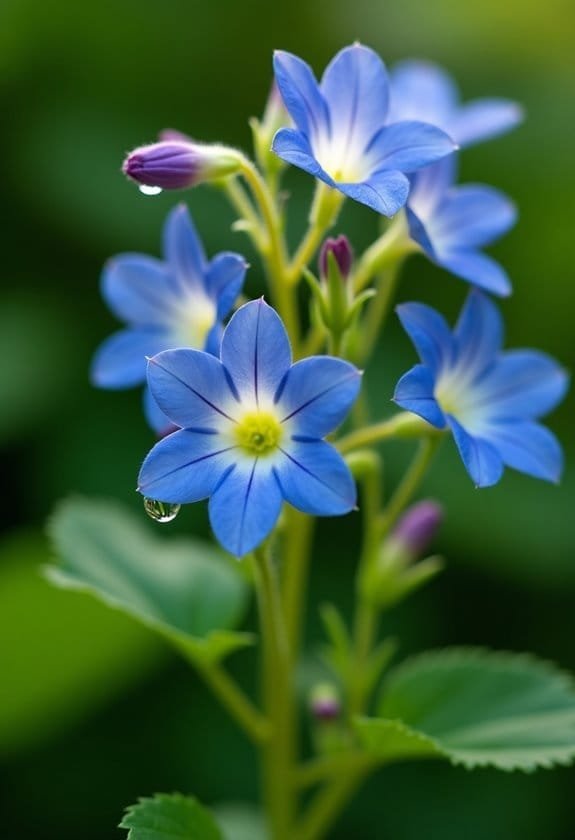
To cultivate thriving Chinese Forget-Me-Nots, one must start with the right planting conditions and ongoing care strategies.
This delicate species, known scientifically as Cynoglossum amabile, flourishes in well-drained, loamy soil, ideally with a slightly acidic to neutral pH of 6.0-7.0, benefiting from careful spacing of 10-12 inches between each plant.
Maintaining consistent watering, while vigilantly monitoring for pests and providing mulch for moisture retention, will ultimately enhance the plant's health and bloom capacity, ensuring a vibrant display.
Planting Tips
Planting Chinese Forget-Me-Nots requires attention to detail for the best results. These hardy annuals thrive when sowed at the right time—either early in spring or during the fall. To cultivate a robust first-year display, gardeners should space seeds approximately 9-12 inches apart, ensuring they're lightly covered with soil to encourage germination.
Consistent watering is critical; the soil should remain evenly moist without becoming soggy, as excessive water can lead to detrimental fungal infections.
As the season progresses, applying a balanced fertilizer will promote vigorous growth and abundant blooming, essential for achieving an impressive garden spectacle. Additionally, mulching serves a dual purpose: it retains soil moisture while suppressing unwelcome weeds, allowing the Chinese Forget-Me-Nots to flourish without competition.
Deadheading spent blooms regularly not only enhances the visual appeal but also encourages continuous flowering, preventing unwanted reseeding.
Gardeners must monitor for issues like powdery mildew, particularly by maintaining adequate spacing between plants to facilitate airflow. By promptly removing any affected foliage, one can effectively manage plant health, paving the way for a vibrant and resilient display of these lovely flowers throughout the growing season.
Ongoing Care
Ongoing care for Chinese Forget-Me-Nots is fundamental for maintaining their vibrant display and overall health. Regular deadheading of Cynoglossum amabile flowers encourages continuous blooming while preventing unwanted reseeding, which can lead to overcrowding. Common Yarrow, recognized for its vital role in attracting pollinators, can also be included in your garden to enhance biodiversity.
To enhance airflow, it's essential to maintain a spacing of 10-12 inches between plants. This practice not only promotes healthy growth but also diminishes the risk of fungal diseases, particularly powdery mildew, which thrives in damp, poorly ventilated conditions.
Consistent watering is another key aspect of ongoing care. Keeping the soil evenly moist, yet avoiding waterlogging, is particularly important during hot, dry spells to prevent wilting. Additionally, a balanced fertilizer applied during the growing season supplies the necessary nutrients these flowers need for lush foliage and vibrant blooms.
Regular monitoring for pests like aphids and caterpillars is necessary to address any infestations promptly. Observing for signs of fungal infections, including powdery mildew, allows for quick intervention, safeguarding the health of the plants. Furthermore, planting pollinator-attractive plants can enhance the garden ecosystem by supporting essential pollinators.
Suggested Companions
Choosing the right companions for Chinese Forget-Me-Nots can enhance both the garden's beauty and plant health. When planting Cynoglossum amabile, opt for companions like vibrant poppies and enchanting snapdragons, which flourish under similar conditions of full sun to partial shade. These florals not only contrast beautifully with the forget-me-nots' delicate pink flowers but also create a dynamic visual tapestry. Additionally, including moisture-loving plants can help maintain the necessary soil conditions that facilitate growth.
To promote maximal growth, maintain a spacing of at least 10-12 inches between the Cynoglossum amabile and its companions, encouraging adequate air circulation and diminishing the likelihood of powdery mildew, a common fungal issue. Incorporating herbs such as chives or mint nearby can deter unwanted pests, enhancing the overall resilience and health of the garden.
Regular deadheading of Cynoglossum amabile not only encourages continuous blooming of its charming flowers but can also stimulate nearby companions, creating a cohesive and vibrant display. Additionally, applying mulch around these plants aids in moisture retention and suppresses weed growth, cultivating an ideal environment for all garden inhabitants. By carefully selecting companions, gardeners nurture a thriving ecosystem that celebrates both biodiversity and aesthetics. Silverweed's adaptability to diverse growing conditions illustrates the importance of plant companions in enhancing garden vitality.
Common Issues
The Chinese Forget-Me-Not often encounters a range of common issues that can hinder its growth and vigor.
Powdery mildew and root rot, stemming from high humidity and overwatering respectively, necessitate careful monitoring, while aphids and caterpillars may invade the delicate foliage, demanding vigilant pest control. Additionally, the presence of Bird Cherry's fragrant blossoms can attract beneficial pollinators that aid in balancing the local ecosystem. Addressing these challenges not only guarantees the plant's health but also enhances its stunning display of vibrant blue flowers. Additionally, Creeping Buttercup's aggressive growth can create competition for resources, impacting the overall health of surrounding plants.
Pests/Diseases
Chinese forget-me-nots are generally resilient against pests, but gardeners should remain vigilant for occasional infestations of aphids and caterpillars. While these pests rarely pose a significant threat, their presence can disrupt the plant's health and hinder its growth if not monitored properly.
In addition to pests, Cynoglossum amabile faces challenges from specific diseases, particularly fungal infections like powdery mildew and downy mildew. These fungi thrive in humid conditions and can proliferate when the plant spacing is insufficient, so maintaining a distance of 10 to 12 inches between plants is essential for good air circulation.
Moreover, overwatering presents a considerable risk, as excessively moist soil can lead to root rot, increasing the plant's vulnerability to various fungal diseases. To mitigate these issues, it's important to guarantee soil remains evenly moist but not excessively soggy.
Prompt removal of any affected leaves or flowers greatly aids in controlling the spread of diseases, thereby promoting overall plant health.
Solutions
Maintaining the health of Chinese forget-me-nots requires proactive solutions to common issues that may arise. To combat powdery mildew, gardeners should guarantee adequate spacing between plants. This encourages airflow, reduces humidity levels around the foliage, and creates a healthier environment. Additionally, plants like Buxus sempervirens can be cultivated for their dense evergreen foliage which helps provide necessary shade for forget-me-nots.
Overwatering can lead to fungal growth; consequently, maintaining evenly moist soil is essential, particularly during seedling development. Avoid sogginess by monitoring soil moisture closely.
Regular deadheading of spent flowers will markedly encourage prolonged blooming while minimizing the risks of unwanted reseeding. Additionally, vigilance against pests such as aphids and caterpillars is imperative. Addressing infestations promptly helps maintain plant health and vibrancy.
Watch for signs of wilting, which may indicate water deficiency, so consistently monitor soil moisture and adjust watering accordingly to support robust growth. It is also useful to consider that these plants thrive in moist environments, which emphasizes the need for regular maintenance practices.
Timing is critical as well; planting after the last frost date guarantees seedlings thrive in ideal conditions. By implementing these solutions, gardeners can nurture their Chinese forget-me-nots, allowing them to flourish into beautiful displays throughout the growing season.
What are the similarities and differences between Chinese Forget-Me-Not and Common Teasel?
Chinese Forget-Me-Not and Common Teasel both have vibrant blue flowers, but they are different in size and shape. The common teasel plant information shows that Teasel has spiky flower heads, unlike the delicate blooms of the Forget-Me-Not. Both plants thrive in well-drained soil and full sun.
Summary
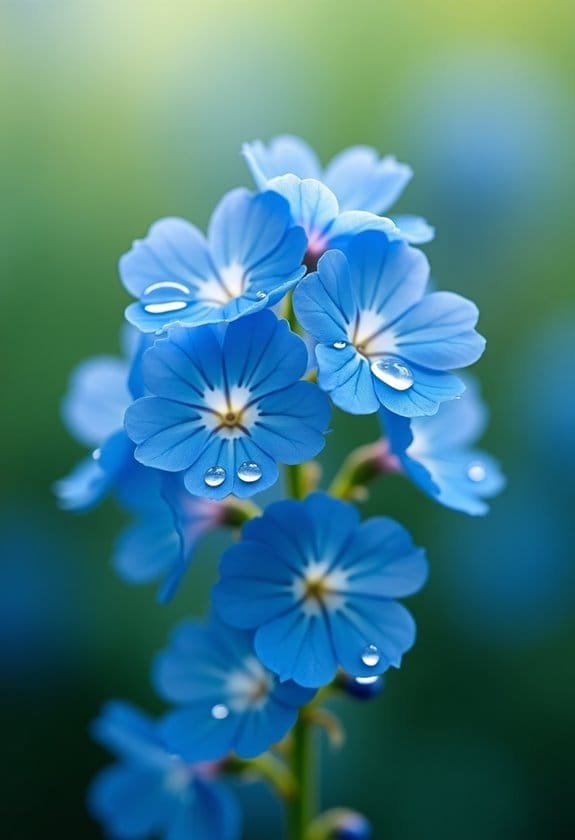
Cynoglossum amabile, popularly known as Chinese Forget-Me-Not, is a resilient annual flowering plant that showcases clusters of vibrant blue blossoms. Typically reaching heights between 12 and 36 inches, this hardy species flourishes in well-drained, loamy soil rich in organic matter.
It demands full sun exposure for at least six hours daily but can adapt to partial shade in warmer climates, making it versatile for diverse garden settings. When grown as an annual, it presents an appealing display from spring to summer and attracts essential pollinators such as butterflies and hummingbirds.
The germination of its seeds occurs within 5 to 10 days at an impressive rate of 40-50% under ideal conditions, and sowing should be done without covering for maximum efficacy. Regular deadheading is pivotal for continuous blooming, while adequate spacing of seedlings—ideally six inches apart—prevents fungal diseases, including powdery mildew.
Moreover, Chinese Forget-Me-Not serves as an exquisite cut flower, enhancing the visual allure of both landscapes and floral arrangements. Ultimately, this reliable plant not only enriches garden aesthetics but also contributes considerably to local ecosystems by attracting beneficial wildlife.