Delphinium elatum, or Candle Larkspur, is a striking perennial plant renowned for its tall, candle-like spikes that reach heights of 4 to 6 feet, adorned with vibrant blooms in blue, purple, white, and rose pink. Thriving in full sun, this species requires well-drained, fertile soil and benefits from protection against harsh winds. Beyond its aesthetic appeal, it serves as a crucial nectar source, attracting beneficial pollinators such as hummingbirds and butterflies, thereby enhancing local biodiversity. However, the plant's alkaloid content makes it toxic, underscoring the need for careful placement. There's much more to discover about its care and ecological role.
Main Points
- Delphinium elatum, commonly known as Candle Larkspur, features tall, colorful spikes that attract pollinators like hummingbirds and butterflies.
- This plant requires full sun, well-drained fertile soil, and regular watering for optimal growth and blooming.
- All parts of the Candle Larkspur are toxic to humans and pets, necessitating care in gardens accessible to them.
- Regular deadheading and monitoring for pests like slugs can help extend the blooming period and maintain plant health.
- Ideal companions for Candle Larkspur include Spotted Bellflower and Columbine, enhancing garden aesthetics and biodiversity.
Introduction
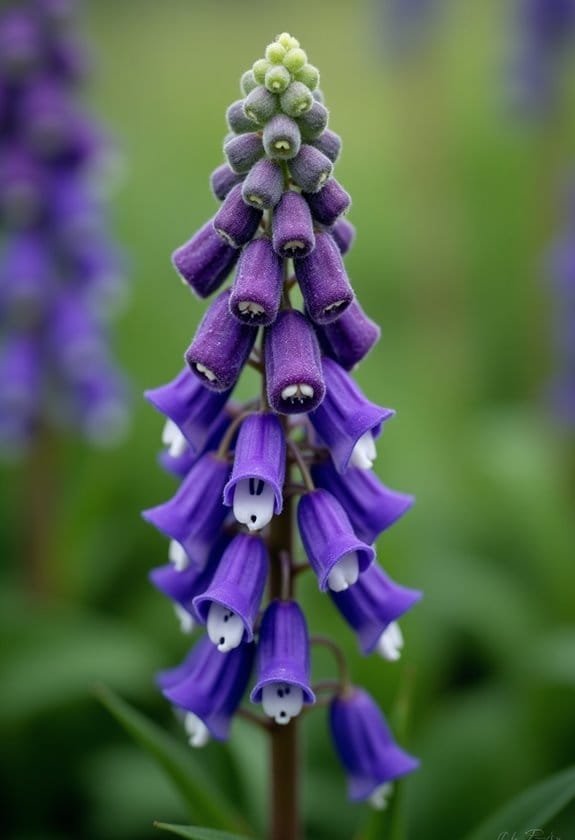
Delphinium elatum, often referred to as Candle Larkspur, is a remarkable herbaceous perennial that captivates with its tall, vibrant flower spikes.
Standing impressively between 4 to 6 feet, this plant enhances garden borders while attracting essential pollinators like hummingbirds and butterflies.
With its preference for full sun and well-drained soils, Delphinium elatum embodies both beauty and resilience, making it a valuable addition to diverse landscapes.
Common Name
Known commonly as the "Candle Larkspur," this striking perennial showcases tall, candle-like flower spikes adorned with vibrant blooms. Delphinium elatum can reach impressive heights of 4 to 6 feet, making it a breathtaking addition to garden beds and borders.
Its enchanting flowers, often blue, purple, or white, create a visual feast that enthralls onlookers, while simultaneously attracting pollinators such as hummingbirds and butterflies, which enhance the garden's biodiversity.
However, it's crucial to recognize that while the Candle Larkspur enhances aesthetic appeal, all parts of this perennial plant possess alkaloids that are toxic to humans and pets if ingested. Consuming any part of Delphinium elatum can result in severe discomfort or illness, thereby emphasizing the need for caution when incorporating it into residential landscapes.
As garden enthusiasts embrace the beauty of the Candle Larkspur, they must also acknowledge the dual nature of its allure—delightful to behold, yet potentially dangerous if not respected.
This captivating perennial rightfully earns its place in various gardens, provided it's handled with care and an understanding of its toxic properties.
Scientific Name
One might be fascinated to learn that the scientific name for the Candle Larkspur is Delphinium elatum, placing it in the diverse family of Ranunculaceae. This impressive species typically reaches heights between 4 to 6 feet (120 to 180 cm), showcasing its stature in the garden.
Delphinium elatum features tall, elegant flower spikes densely packed with vibrant flowers. These blossoms often exhibit shades of blue, purple, or the softer hues of rose pink, creating a charming palette that enchants garden enthusiasts.
With its ornamental value, Delphinium elatum serves not only to beautify landscapes but also to support the ecosystem by attracting beneficial pollinators. Hummingbirds and butterflies flock to these vibrant flowers, drawn by their nectar, which enhances the biodiversity of the garden.
The taxonomy of this remarkable plant was first described by the renowned botanist Carl Linnaeus in his seminal work "Species Plantarum" in 1753, establishing a foundation for its identification.
Through understanding its scientific nomenclature and characteristics, one can appreciate the role of Delphinium elatum in both aesthetic endeavors and ecological balance, making it a treasured addition to any garden.
Overview
In garden spaces, few plants rival the striking presence of Candle Larkspur, or Delphinium elatum. This tall herbaceous perennial can reach impressive heights of 4 to 6 feet, showcasing elegant spikes adorned with vibrant rose pink flowers that bloom from early summer to early fall.
These blooms not only create a mesmerizing visual impact but also serve an essential role in enhancing biodiversity, as they attract pollinators like hummingbirds and butterflies.
Candle Larkspur thrives in full sun, preferring well-drained, fertile soil that nourishes its vigorous growth. A sheltered location is crucial to protect the plant from strong winds, ensuring the sturdy stems maintain their upright posture.
Part of the renowned New Millennium Series, Delphinium elatum is celebrated for its robust growth and resilience, making it ideal for various garden settings, including beds, borders, and charming cottage gardens.
When properly cared for, this elegant perennial becomes a stunning focal point, mesmerizing the eye and the heart.
Its ability to deter deer and rabbits further solidifies its status as a desirable choice for gardeners seeking to cultivate a vibrant and pollinator-friendly landscape.
Key Features
Delphinium elatum showcases remarkable growth, reaching heights of 4 to 6 feet and spanning 18 to 24 inches in width.
Its elegant spikes, adorned with vibrant rose-pink flowers, bloom from early summer to early fall, creating a stunning display that captivates both the eye and the heart.
This perennial's sturdy structure and vigorous growth make it an excellent choice for gardeners seeking to enhance their landscapes while promoting biodiversity through its allure to hummingbirds and butterflies.
Growth Size
Standing impressively between 4 to 6 feet tall (120-180 cm), Delphinium elatum commands attention in any garden. Its remarkable height enhances the vertical dimension of landscapes, creating a striking presence that captivates onlookers.
With a bushy width of 18 to 24 inches (45-60 cm), this perennial plants itself firmly, providing an excellent backdrop for shorter flora.
Belonging to the celebrated New Millennium Series, Delphinium elatum boasts strong, sturdy stems that support its lofty stature and resplendent blooms. Its densely packed spikes of vibrant rose pink flowers contribute to the visual drama, as they rise majestically against the horizon.
This plant's sheer size and arrangement make it an exceptional choice for back-of-border plantings, ensuring maximum visual impact while offering a lush, colorful display.
In the garden, Delphinium elatum doesn't merely exist; it asserts itself, adding depth and intrigue to floral arrangements. Its impressive height and bold spikes transform ordinary spaces into enchanting vistas, elevating the gardening experience.
Appearance
With its striking tall spikes and vibrant blooms, Delphinium elatum, also known as candle larkspur, captures attention in any garden setting. This stunning perennial typically grows between 4 to 6 feet tall, achieving a width of 18 to 24 inches. Its impressive height makes it a prominent feature, commanding an architectural presence in garden beds.
The showy flowers, which bloom in rich hues like rose pink and deep blue-purple, display a unique candle-like shape. These semi-double structures create an alluring visual display that enhances the aesthetic appeal of outdoor spaces. The strong stems of Delphinium elatum support the heavy flower spikes, ensuring they stand firm and proud, inviting admiration from all who pass by.
Thriving best in full sun and well-drained soils, this plant adds not only beauty but also ecological benefit by attracting crucial pollinators, such as hummingbirds and butterflies, thereby boosting garden biodiversity.
The appearance of Delphinium elatum not only elevates the beauty of any landscape but also intertwines with the natural web of life, making it a delight for both gardeners and nature enthusiasts alike.
Flowering Season
The flowering season of Delphinium elatum spans from early summer to early fall, offering an enchanting display that lasts several weeks. During this time, the plant showcases tall spikes, reaching heights of 4 to 6 feet, densely packed with vibrant flowers that come in various colors, such as blue, purple, pink, and white.
These blooms not only enhance garden aesthetics but also serve as a prominent attraction for pollinators.
Delphinium elatum acts as a significant nectar source, drawing hummingbirds and butterflies, which contribute to the ecosystem by aiding in pollination during its flowering season. To maximize the potential for prolonged flowering, gardeners can practice regular deadheading, a technique that involves removing spent flower spikes. This encourages the plant to produce additional blooms, extending its visual and ecological impact.
Given its impressive height and extensive flowering period, Delphinium elatum serves as a centerpiece in many garden designs, enriching the landscape with dynamic color and fostering biodiversity.
Growing Requirements
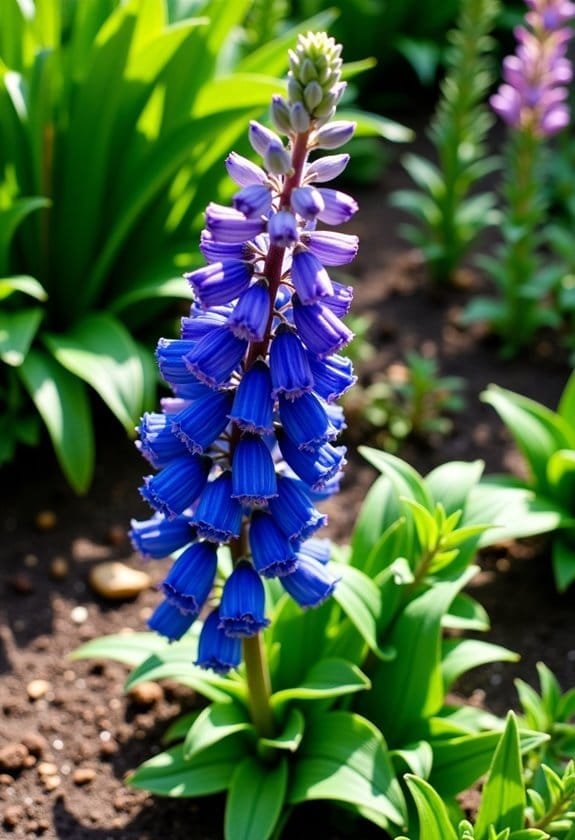
Delphinium elatum demands specific growing conditions to flourish, emphasizing the importance of light, soil, water, and temperature.
It thrives in full sun, basking in 6 to 8 hours of sunlight daily, and prefers fertile, well-drained soils with medium moisture levels.
Additionally, it showcases remarkable cold tolerance, enduring frigid temperatures down to −20°C, which positions it well for various gardening climates.
Light
Sunlight is crucial for the healthy growth of Delphinium elatum, as it thrives best in full sun conditions. Ideally, this magnificent plant requires six to eight hours of direct sunlight each day to maintain vigorous growth and abundant flowering. Such exposure not only fosters strong stems, which are essential for supporting the tall flower spikes characteristic of Delphinium elatum, but also guarantees the plant's overall vitality.
Insufficient sunlight can result in weak and spindly growth, considerably diminishing the likelihood of blooming.
While full sun is preferred, providing some afternoon shade can be beneficial during extremely hot weather, protecting the delicate leaves from burn. Morning sun is particularly advantageous, as it encourages the rapid evaporation of dew and moisture, thereby mitigating the risk of fungal diseases such as powdery mildew.
This thoughtful light exposure creates an ideal environment for the delphinium, enhancing its resilience and beauty.
Soil
For ideal growth, Delphinium elatum requires fertile, well-drained soil that retains moderate moisture. This popular flowering plant flourishes in medium moisture levels, ensuring it avoids the drawbacks of waterlogged conditions that can stunt growth and invite disease.
The best soil pH ranges between 6.0 and 7.0, slightly alkaline to neutral, which is essential for effective nutrient absorption. To boost fertility and enhance soil texture, the incorporation of organic matter—such as compost or well-rotted manure—is highly beneficial, promoting superior root development important for overall plant health.
Maintaining regular moisture is vital, especially during the blooming phase when Delphinium elatum displays its stunning flowers. Excessively dry or overly saturated soils increase the susceptibility to diseases, hindering the plant's natural beauty and vigor.
In addition, planting in well-drained locations is essential for minimizing the risk of crown rot, a potentially fatal condition for the roots. By facilitating efficient water movement away from the root zone, gardeners can foster an environment in which Delphinium elatum thrives, ultimately supporting its breathtaking floral displays that enhance any garden landscape.
Water
During the growing season, from May to September, this perennial thrives on consistent and deep watering to support its robust growth. Delphinium elatum requires moist conditions, particularly at the root level, to facilitate healthy foliage development.
It's imperative to water when the top 2 inches of soil become dry, allowing the roots to absorb necessary moisture without the risk of overwatering. When the plant experiences excess water, it can lead to detrimental effects, such as crown rot, a significant threat to its overall health.
In hot and dry conditions, maintaining a careful balance of moisture is vital for vigorous development. Properly hydrating the Delphinium supports not only its physical structure but also the splendid blooms it produces.
As the growing season concludes, gardeners should scale back their watering frequency, permitting the soil to dry out between waterings. This practice helps prevent root rot, ensuring the plant's longevity.
Ultimately, understanding the water requirements of Delphinium elatum cultivates a richer appreciation for its beauty and resilience, enabling gardeners to foster an environment conducive to flourishing perennials.
Temperature
Understanding the temperature requirements for Delphinium elatum is fundamental for successful cultivation. This plant is cold hardy, able to withstand temperatures as low as -20°C (-4°F), making it suitable for USDA Zones 3-7.
When growing Delphinium elatum, it's important to plant it in a sheltered position to shield its delicate flower spikes and foliage from harsh, cold winds that can cause significant damage.
In addition to being resilient in frigid conditions, Delphinium elatum also exhibits heat tolerance, thriving in temperatures found in Zone 8, provided there's adequate moisture.
However, continuous exposure to extreme heat, without sufficient watering, may seriously hinder its growth and blooming potential, stressing the importance of observing environmental conditions closely throughout its growing season.
For ideal results, gardeners should plant Delphinium elatum in well-drained soil that retains medium moisture.
This is particularly significant in warmer climates, where soil quality plays an essential role in the plant's ability to flourish.
Pollinator Criteria
Delphinium elatum's vibrant flowers not only captivate the human eye but also attract a diverse array of pollinators, particularly hummingbirds and butterflies, drawn by its rich nectar.
These flower spikes, which can reach heights of over six feet, offer a substantial nectar source, facilitating effective pollination through their accessible structure.
Attracted Pollinators
Candle Larkspur, or Delphinium elatum, is a magnet for pollinators, drawing in hummingbirds and butterflies with its vibrant, nectar-rich blooms. The plant's brightly colored flowers serve as a beacon, guiding these important creatures to the highly coveted nectar within. Hummingbirds, with their remarkable agility, find the tubular shape of Delphinium blossoms particularly inviting, allowing them easy access to the nourishing rewards hidden inside.
Beyond attracting these avian pollinators, Delphinium elatum greatly enhances garden biodiversity. By providing a continuous nectar source from early summer through early fall, its presence supports a variety of beneficial insects, including diverse species of bees that play a significant role in pollination.
The consistent blooming period means that these pollinators can rely on Delphinium as a steadfast resource, fostering stable ecosystems.
Gardeners cultivating Delphinium elatum not only add beauty to their landscapes but also contribute positively to local ecosystems. This plant aids in sustaining the health of essential pollinator populations, ultimately promoting a flourishing environment that benefits both flora and fauna alike.
Therefore, integrating Delphinium into gardens proves necessary for maintaining biodiversity and supporting the intricate web of life.
Pollination Method
The pollination method of Delphinium elatum is highly effective due to its unique flower structure and composition. The plant showcases an elongated blooming period, typically extending from early summer to early fall. This continuous availability of flowers guarantees that pollinators, such as hummingbirds and butterflies, visit frequently.
The vibrant colors of the blossoms attract a variety of species, while the abundant nectar supply entices these beneficial insects to engage with the flowers. The flowers feature a tubular shape, which is ideally suited for bumblebees, allowing them to access the nectar while simultaneously facilitating effective pollen transfer.
The tall flower spikes enhance accessibility, as pollinators can easily land upon them to feed. This interaction not only aids in the reproduction of Delphinium elatum but also fosters local biodiversity. By attracting a diverse array of pollinators, the plant contributes considerably to the ecological balance within its habitat.
Gardeners cultivating Delphinium elatum can play an essential role in supporting the populations of these important insects and birds. The interdependence of plants and pollinators reflects the delicate harmony of nature, emphasizing the importance of each species in sustaining our ecosystems.
Care & Maintenance
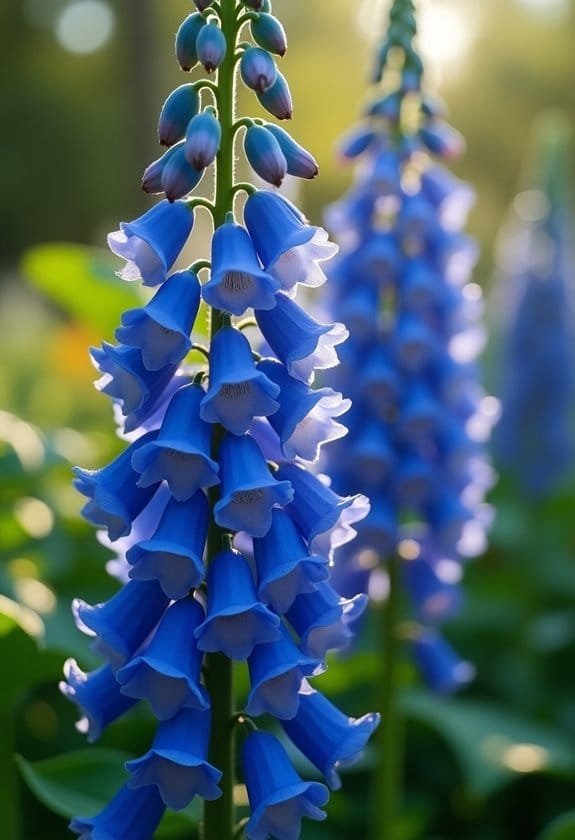
In cultivating Delphinium Elatum, gardeners must consider several key aspects of care and maintenance to guarantee ideal growth.
Regular attention to planting tips, ongoing care routines, and suitable companions can greatly enhance the plant's health and aesthetic appeal.
Planting Tips
For successful growth and vibrant blooms, plant Delphinium Elatum in fertile, well-drained soil that maintains medium moisture levels. This spectacular Candle Larkspur thrives in a location that receives full sun for 6 to 8 hours daily, maximizing photosynthesis essential for its development. Additionally, providing some shelter from strong winds protects the plant's tall, delicate spikes from damage.
When planting, it's essential to monitor the moisture levels, as overly saturated soil can lead to root rot. Horseshoe Vetch, which requires similar well-drained conditions, can be an ideal companion plant that promotes biodiversity. Regularly deadhead spent flowers to spur a second bloom, ensuring colorful displays continue throughout the growing season.
For ideal support, consider staking the tall spikes, particularly in windy areas where they might collapse under their own weight. As autumn approaches and the plants wilt, cut down to ground level to prepare for the next growing season. This practice enhances overall health and promotes vigorous growth in subsequent years. Additionally, be mindful of the soil conditions as Delphinium Elatum can benefit from well-drained environments similar to those required for other perennials like Common Yarrow.
Ongoing Care
Ongoing care for Delphinium Elatum is vital to guarantee vibrant blooms and robust growth throughout its growing season. To encourage a second bloom and prolong the flowering period, gardeners should regularly deadhead spent flower spikes, removing them promptly to stimulate further flowering.
It's also important to monitor for pests, such as slugs, snails, and leaf miners, since any infestations can compromise plant health. When detected, appropriate management strategies must be implemented swiftly.
Fertilizing with a balanced liquid fertilizer every couple of weeks during the growing season supports vigorous growth and abundant blooming, ensuring the plant thrives.
Additionally, stake adequately, particularly in windy conditions, to prevent tall flower spikes from succumbing to the elements, thereby maintaining their graceful upright form.
As the growth season winds down, cutting the entire plant down to ground level in autumn after wilting fosters healthy regrowth for the following year.
This practice not only revitalizes the plant but also prepares it for the challenges of the upcoming season, embodying the vital cycle of renewal that defines any thriving garden.
With meticulous ongoing care, gardeners can enjoy Delphinium Elatum's majestic beauty year after year.
Suggested Companions
Pairing Delphinium elatum with suitable companions can enhance both the aesthetic appeal and overall health of the garden.
Importantly, Spotted Bellflower offers attractive blue-purple flowers that thrive in similar conditions, harmonizing beautifully in mixed garden settings.
Columbine's unique flower shapes and vibrant colors complement Delphinium elatum, attracting pollinators and therefore enriching the biodiversity of the garden.
Additionally, the Smooth Aster provides late summer blooms, extending the flowering season and maintaining visual interest as the delphiniums begin to wilt.
For those looking to add contrasting colors, the Ox-eye Daisy stands out with its bright white flowers, creating a striking visual juxtaposition against the rich hues of Delphinium elatum while thriving in full sun.
Finally, the Globe Flower introduces distinctive blooms and various textures, making it an ideal companion that coexists well with Delphinium elatum in similar soil conditions.
This is especially important because moist, well-draining soil is vital for both Delphinium elatum and Guelder Rose to thrive together in a garden space.
Common Issues
Delphinium elatum faces several challenges, including susceptibility to pests and diseases that can threaten its health and vibrancy.
Common culprits like slugs and powdery mildew can wreak havoc, necessitating vigilant management strategies such as enhancing air circulation and implementing pest control measures.
Additionally, due to its impressive height, the plant may require staking or strategic placement to prevent wind damage, ensuring that its stunning blooms can be enjoyed without compromise.
Pests/Diseases
Gardeners often face challenges with pests and diseases when cultivating Delphinium elatum, as several common issues can threaten the plant's health and beauty. Among the most damaging pests are slugs and snails, which voraciously consume the tender foliage, leaving unsightly holes and compromising the plant's vigor.
Leaf miners and caterpillars also inflict damage, burrowing into leaves and disrupting nutrient flow.
Powdery mildew, a prevalent fungal disease, flourishes in humid conditions, resulting in white, powdery spots on leaves that diminish the plant's aesthetic appeal and overall strength.
Crown rot presents another significant threat, primarily stemming from poorly drained soils; this condition can lead to wilting and eventual death if not addressed swiftly.
Furthermore, all parts of Delphinium elatum are toxic, containing alkaloids that can cause severe discomfort if ingested, posing risks, particularly in gardens frequented by pets or children.
Consequently, vigilant monitoring of plants for signs of pests and diseases is essential. By maintaining good air circulation and ensuring adequate drainage, gardeners can minimize the threats posed by these common issues and promote a healthier environment for their Delphinium.
Solutions
To tackle the common issues affecting Delphinium elatum, implementing effective solutions is fundamental for maintaining plant health. This striking plant, known for its architectural height, can struggle with various pests and diseases, such as slugs, snails, and powdery mildew.
To mitigate these threats, gardeners should guarantee proper spacing between plants to enhance air circulation, thereby reducing humidity that fosters disease.
Placing Delphinium elatum in a sheltered location will minimize the risk of damage from strong winds, while staking the plants is essential to support their towering growth. Routine deadheading of spent flower spikes not only promotes a second bloom but also fosters overall vigor, enabling the plant to allocate energy effectively.
Moreover, it's important to acknowledge that all parts of Delphinium elatum are toxic to pets and children. Gardeners must educate themselves and others to prevent potential health risks associated with its ingestion.
Additionally, practices such as regular monitoring of soil moisture can further enhance plant health and resilience. Awareness of these challenges, paired with proactive measures, will surely contribute to the cultivation of resilient and splendid Delphinium elatum, enhancing the aesthetic appeal of any garden while guaranteeing safety and health for all.
Are Campanula Persicifolia and Delphinium Elatum Related or Similar in any way?
Campanula Persicifolia and Delphinium Elatum are not related, but they do share some similarities as tall, showy garden plants. Campanula Persicifolia, also known as peachleaved bellflower plant, has delicate, bell-shaped flowers while Delphinium Elatum, or delphinium, boasts stunning, spiky blooms in a variety of colors. For more peachleaved bellflower plant information, refer to gardening resources.
Summary
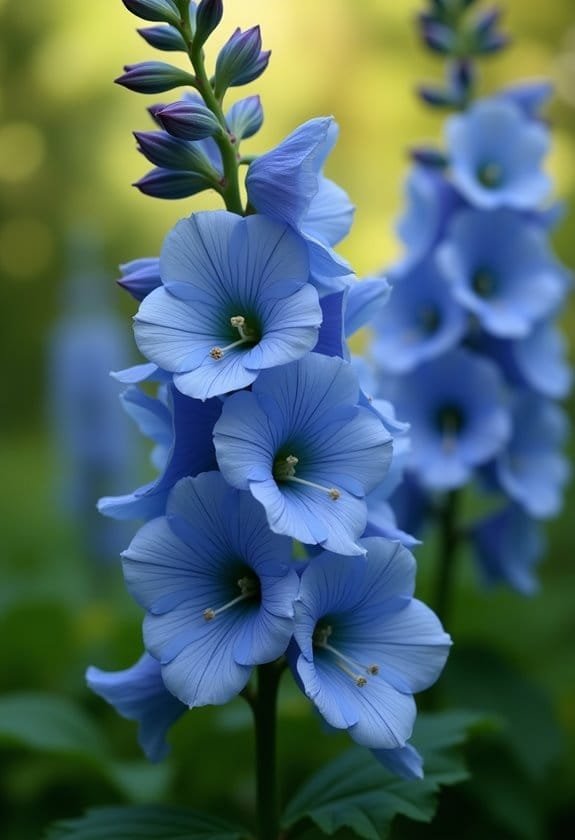
Candle Larkspur, known scientifically as Delphinium elatum, is a striking tall perennial that captivates with its vibrant spikes of rich rose pink flowers.
Reaching an impressive architectural height of 4 to 6 feet, it provides a dramatic presence in gardens, particularly when planted in beds and borders where it can stand out against other flora.
This plant thrives in full sun and prefers well-drained, fertile soils, ensuring robust growth throughout the growing season.
Blooming from early summer to early fall, Delphinium elatum not only enchants gardeners but also attracts hummingbirds and butterflies, enhancing biodiversity within the ecosystem.
The New Millennium Series showcases its strong stems and vigorous growth, making it a popular choice among gardening enthusiasts.
However, potential plant owners must proceed with care, as all parts of Candle Larkspur are toxic to pets and humans if ingested, which warrants caution in accessible areas.
Additionally, regular deadheading promotes a second bloom, allowing for prolonged enjoyment of its magnificent spikes of blue.
Embracing this stunning perennial can greatly elevate any garden's visual allure while also requiring attentive maintenance to prevent pests and diseases.