Digitalis species, commonly referred to as foxglove, are striking plants primarily recognized for their vivid tubular flowers, particularly Digitalis purpurea. Native to western Europe, they grow between 2 to 5 feet tall, thriving in moist, well-drained soils with slight acidity. A biennial lifecycle allows them to produce 1 to 2 million seeds, enhancing their prolific nature. Though beloved for their beauty, they contain toxic cardiac glycosides, requiring careful handling. Additionally, their vibrant colors attract essential pollinators like bees, contributing greatly to local biodiversity. This duality of allure and risk invites further exploration into their multifaceted roles.
Main Points
- Digitalis, commonly known as foxglove, includes several species, with Digitalis purpurea being the most well-known for its striking flowers.
- The plant thrives in moist, well-drained soil and prefers full sun to light shade, reaching heights of 2 to 5 feet.
- Digitalis is renowned for its medicinal properties, particularly in treating heart conditions with its active component, digoxin.
- All parts of Digitalis are highly toxic due to cardiac glycosides, posing serious health risks if ingested, especially for children.
- The flowers attract pollinators like bees and butterflies, contributing to local biodiversity and enhancing ecological vitality.
Introduction
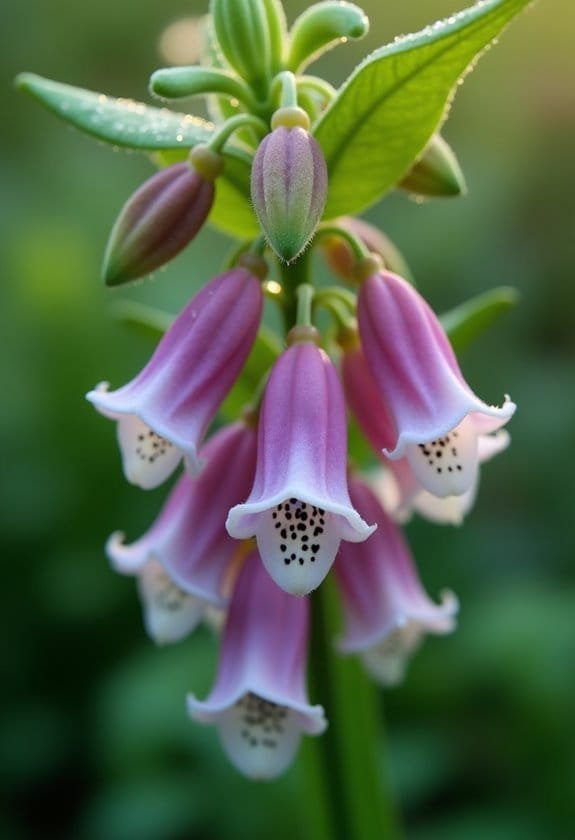
Commonly known as foxglove, the genus Digitalis encompasses several species, each distinguished by their unique characteristics and applications.
Digitalis purpurea, the most recognized of these, boasts striking tubular flowers that bloom in early summer, reaching heights of 3 to 4 feet.
While admired for its beauty, this plant's potent chemical compounds serve critical medicinal purposes, particularly in cardiac care, though they also pose significant toxicity risks if mishandled.
Common Name
The name "foxglove" originates from the German word "Fingerhut," which means thimble, and aptly describes the shape of its distinctive flowers. This common name reflects the cultural and historical perceptions of the plant, echoing tales and traditions across various cultures.
Historically, foxglove has also been known as "witch's glove" and "foxes glofe," indicating its deep roots in folklore and its perceived mystical properties.
Among the various species in the genus Digitalis, Digitalis purpurea stands out as the most recognized species, celebrated for its striking tubular flowers that tower elegantly above the garden.
With heights often reaching up to 5 feet, these plants bloom in shades ranging from deep purples to soft pinks, enchanting gardeners and passersby alike.
Common foxglove belongs to the Plantaginaceae family, which contributes both ornamental beauty and a fascinating medicinal history.
Rich in compounds that have been used in traditional remedies, the foxglove symbolizes not only aesthetic appeal but also the intricate connection between nature and health, highlighted by the etymological roots of "digitalis," referring to fingers, underscoring its glove-like appearance.
Scientific Name
Known scientifically as Digitalis purpurea, the common foxglove exemplifies the relationship between nomenclature and plant characteristics. Its generic name, "Digitalis," is derived from the Latin word "digitus," meaning finger, aptly referring to the flower's thimble-like shape which resembles a finger fitting snugly into a glove.
Belonging to the Plantaginaceae family, Digitalis purpurea stands out among the 27 recognized species of its genus, celebrated for its striking appearance and widespread cultivation for ornamental purposes.
Primarily biennial, this plant produces a rosette of large, lush leaves during its first year and showcases tall flowering spikes in its second year, creating a dramatic visual impact in gardens.
Importantly, Digitalis purpurea contains toxic cardiac glycosides, compounds that not only lend the plant its medicinal qualities but also present serious health risks if not used properly.
The delicate balance of beauty and danger inherent in Digitalis purpurea serves as a poignant reminder of nature's complexity. As gardeners and herbalists alike appreciate its stunning flowers, they must also respect the potent substances hidden within its vibrant foliage.
Overview
Digitalis, or foxglove, captures attention with its tall spikes of vibrant tubular flowers and charming foliage. This genus of perennial flowering plants, belonging to the Plantaginaceae family, includes several species, with Digitalis purpurea being the most recognized for its striking blossoms. The name "foxglove" is derived from the Latin word "digitus," meaning finger, as its flowers resemble gloves or thimbles.
Native to western Europe, common foxglove flourishes in woodland clearings, reaching heights of up to 5 feet. It produces stunning spikes of tubular flowers in mesmerizing shades of pink, purple, and white.
In particular, Digitalis plants exhibit a biennial lifecycle: they form a rosette of leaves in their first year, followed by flowering and seeding in the second year before dying.
Despite their ornamental appeal, all parts of the foxglove plant are highly toxic. This toxicity arises from the presence of cardiac glycosides, compounds that can affect heart function.
Consequently, proper identification and caution are essential for gardeners and nature enthusiasts alike. Understanding these characteristics allows one to appreciate Digitalis not just for its beauty, but also for its potential dangers.
Key Features
The common foxglove, or Digitalis purpurea, showcases its remarkable characteristics through its height, typically ranging from 2 to 5 feet.
In its second year, it exhibits a striking tall spike adorned with tubular, bell-shaped flowers, which bloom mainly in early summer and can be found in shades of pink, purple, or white accented with dark purple spots.
This biennial plant not only captivates with its aesthetic appeal but also plays an essential role in its ecosystem by producing an impressive 1 to 2 million seeds, facilitating its propagation in suitable environments.
Growth Size
During its second year, common foxglove (Digitalis purpurea) typically reaches a height of 2 to 5 feet (60 to 150 cm) and can produce numerous striking flower spikes. This perennial plant begins its lifecycle by forming a rosette of basal leaves in its first year, with these leaves being ovate to lanceolate in shape and capable of growing up to 12 inches in length.
As it matures, the flower spikes can soar to 3 to 4 feet high, presenting an impressive display that may yield between 20 to 80 tubular, bell-shaped flowers.
The hues of these blossoms span from delicate pink and vibrant purple to pure white, often adorned with darker spots on their inner petals, enchanting any observer. An astonishing feature of Digitalis purpurea is its ability to produce 1 to 2 million seeds per plant.
This remarkable self-seeding capability enables the plant to flourish abundantly in suitable environments, ensuring its presence year after year. Consequently, the growth size, coupled with its reproductive prowess, positions common foxglove as a dynamic entity in gardens and wild landscapes alike.
Appearance
Standing tall, common foxglove (Digitalis purpurea) is easily recognized by its impressive height, reaching between 2 to 5 feet. The plant boasts a striking tall spike, closely packed with one-sided clusters of bell-shaped flowers that bloom in various colors, including pink, purple, and white. Each tubular flower can reach lengths of up to 6.5 centimeters, showcasing dark purple spots inside the corolla, which adds visual intrigue.
Beneath the beautiful floral display lies a rosette of large, ovate to lanceolate leaves that form in the plant's initial growth phase. These leaves exhibit prominent veins and serve as an essential energy reservoir, allowing the foxglove to focus on developing its stunning inflorescence in subsequent years.
As the summer unfolds, each floral spike can produce between 20 to 80 individual blooms, creating a visually enchanting spectacle that attracts pollinators and garden enthusiasts alike.
Although stunning, the common foxglove's ability to generate 1 to 2 million seeds per plant poses challenges, as its invasive nature can disrupt local ecosystems.
Consequently, understanding its appearance not only fascinates but also informs responsible planting practices.
Flowering Season
Blooming vibrantly from early to late summer, Digitalis purpurea captivates with its striking floral display, which reaches its peak between June and September. The plant produces tall flower stems, often towering between 2 to 5 feet, adorned with 20 to 80 stunning tubular, bell-shaped flowers. These blooms, typically pink, purple, or white, showcase characteristic dark purple spots on their inner surfaces, attracting a myriad of pollinators, including bees and butterflies.
Flowering primarily occurs in the first year of growth, thanks to the plant's biennial nature; however, subsequent years often see less vigorous blooms. To guarantee continued flowering and to avoid excessive seed production that may hinder future displays, gardeners should practice deadheading after the initial flowering period.
Each foxglove plant can yield 1 to 2 million seeds, easily contributing to naturalization and self-seeding under favorable conditions.
Thus, Digitalis purpurea not only enchants with its beauty but also plays an essential role in its ecosystem. As it flowers abundantly in the warmth of early summer, it brings life and color to gardens, solidifying its place in ornamental horticulture.
Growing Requirements
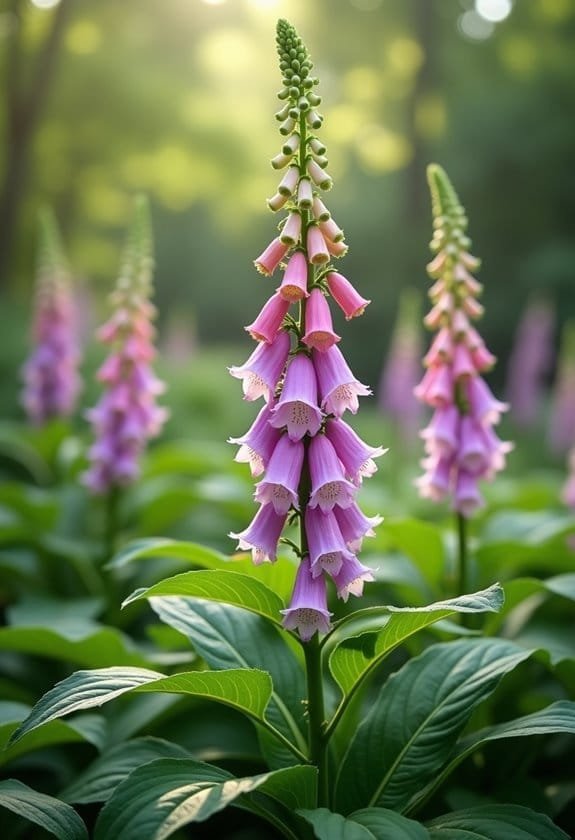
Foxglove, thriving in conditions that range from full sun to light shade, demands particular attention to its growing environment.
It flourishes best in moist, well-drained soils, ideally with a slightly acidic pH of around 6.0, which allows the plant to absorb nutrients effectively.
Understanding these requirements—light, soil, and water—ensures ideal growth, supporting the elegant flower spikes that can reach heights of up to 5 feet over two years. Additionally, ensuring good air circulation around the plants can help prevent diseases such as powdery mildew.
Light
For those looking to cultivate Digitalis species, understanding light requirements is imperative. These stunning plants, especially Digitalis purpurea, flourish in full sun to light shade, which encourages robust growth and vibrant flowers. Adequate light exposure is essential, as it not only influences the successful blooming cycle, mainly occurring in early summer but also aids in maintaining the important soil moisture levels.
Digitalis species prefer moist, well-drained soils enriched with organic matter, facilitating the absorption of water and nutrients necessary for flowering. While the plants demonstrate adaptability to various soil types, insufficient light often results in less profuse blooming, highlighting the necessity of ensuring at least some access to sunlight. Additionally, ensuring proper light conditions allows these plants to fully realize their potential for prolific seed production, which is crucial for natural reproduction.
Tall varieties of foxglove may require staking for support, particularly when dense flower spikes burden the plant. Without appropriate light, the potential for these stunning flower displays diminishes, leaving gardeners with less than satisfactory results.
Therefore, prioritizing ideal light conditions can greatly impact both the health and beauty of Digitalis species in any garden. To conclude, adequate light is fundamental for these plants to flourish and exhibit their characteristic, showy blooms that captivate onlookers.
Soil
Rich, well-drained soil is vital for the healthy growth of Digitalis species, particularly Common Foxglove (Digitalis purpurea). These plants thrive in light, moist soils that boast a considerable amount of organic matter, which helps retain moisture and enhances nutrient availability.
The preferred pH level for these foxgloves hovers around 6.0, indicating a preference for slightly acidic conditions that promote ideal development. While Digitalis can adapt to various soil types, maintaining adequate drainage is fundamental.
Soil that's excessively dry or overly saturated can hinder their growth, making it important for gardeners to monitor moisture levels. The biennial lifecycle of Digitalis underscores the significance of providing appropriate soil conditions during its juvenile phase when it forms a rosette of leaves in the first year.
Regular soil amendments, such as compost, enrich the soil's organic content, consequently fostering robust plant growth and enhancing blooming potential.
Water
Consistent moisture is vital for the healthy growth of Digitalis species, particularly Common Foxglove (Digitalis purpurea). This plant thrives in light, moist soils rich in organic matter, which help retain adequate water.
To achieve ideal growth, the soil must be moderately moist but not waterlogged, as overly saturated conditions can lead to detrimental root rot. The plant requires regular watering, particularly during hot and dry spells, to prevent drought stress and guarantee vibrant flowering.
While Digitalis purpurea can adapt to various soil types, its performance greatly improves in conditions where the soil remains consistently moist.
Mulching around the roots serves as an effective method to retain moisture while allowing for drainage, creating a perfect environment for growth. Frequent drought or excessively dry periods can greatly hinder growth and reduce flowering capacity, underscoring the necessity for ongoing irrigation.
Those growing Common Foxglove must monitor soil moisture levels regularly, responding promptly to fluctuations to maintain the delicate balance that's vital for this stunning plant's lush presence in gardens. Additionally, plants like Devils Bit Scabious can be grown alongside to support local pollinators and enhance ecological health.
Temperature
Digitalis purpurea, or foxglove, flourishes under specific temperature conditions essential for its growth. Preferring moderate temperatures, it thrives best in the ideal range of 60°F to 75°F (15°C to 24°C). This temperature range is crucial as it directly affects the plant's ability to establish a robust rosette of leaves in its first year, while also supporting the development of the flowering spike in the subsequent year.
In USDA hardiness zones 4-9, foxglove shows remarkable adaptability, though the heat of summer can pose challenges. To combat potential adverse effects of extreme temperatures, particularly in regions with scorching summers, providing afternoon shade can help prevent wilting, ensuring the plant's vigor.
Foxglove does well in moist, well-drained soils abundant in organic matter; such conditions enhance moisture retention while allowing proper drainage, contributing to overall plant health.
Thus, maintaining ideal temperatures not only plays a critical role in the thriving of Digitalis purpurea but also influences its ability to produce vibrant blossoms.
Pollinator Criteria
Digitalis species, particularly the striking Common Foxglove, attract a variety of pollinators due to their vibrant, tubular flowers that serve as inviting nectar sources.
The efficient pollination method employed by bumblebees, who navigate the flower's bell-shaped corolla guided by distinctive patterns, guarantees essential cross-pollination, bolstering genetic diversity within plant populations.
As these flowers bloom during early summer, they align perfectly with the heightened activity of many bees, creating an ideal environment for pollination and fostering local biodiversity.
Attracted Pollinators
How do foxglove flowers effectively attract a variety of pollinators? The exquisite blooms of Digitalis purpurea, with their striking colors and distinctive tubular shapes, entice numerous pollinators, particularly long-tongued bees like bumblebees. These bees are perfectly adapted to access the nectar tucked deep within the blossoms, rewarding them for their diligent visits.
The dark spots that adorn the flowers act as visual beacons, guiding these industrious pollinators directly to their energy-rich nectar source.
Blooming primarily in early summer, foxglove flowers emerge as a crucial food resource during a time when many other plants are also flowering, creating competitive yet flourishing ecosystems. Additionally, their floral structure is reminiscent of that found in self-pollination strategies, which is crucial for sustaining these beautiful plants.
In addition to attracting bumblebees, these remarkable flowers are also favorite foraging spots for hummingbirds and various butterfly species, enhancing biodiversity within gardens and wild habitats alike.
Pollination Method
Many floral species, including foxglove, rely on specific traits to guarantee successful pollination. The tubular structure of foxglove flowers is particularly effective, as it provides easy access to nectar for long-tongued bees. This shape, coupled with vibrant colors—ranging from pink to purple and occasionally white—makes the flowers highly attractive to bumblebees and other pollinators.
During the summer months, when these flowers are actively flowering, they offer an essential food source for various bee species, stimulating the pollination process. The dark purple spots lining the inner corolla serve as guides, directing pollinators toward the nectar and enhancing the likelihood of successful visits. Additionally, the presence of specific traits such as the flower structure of white clover plays a significant role in attracting pollinators, supporting ecosystem health.
Care & Maintenance
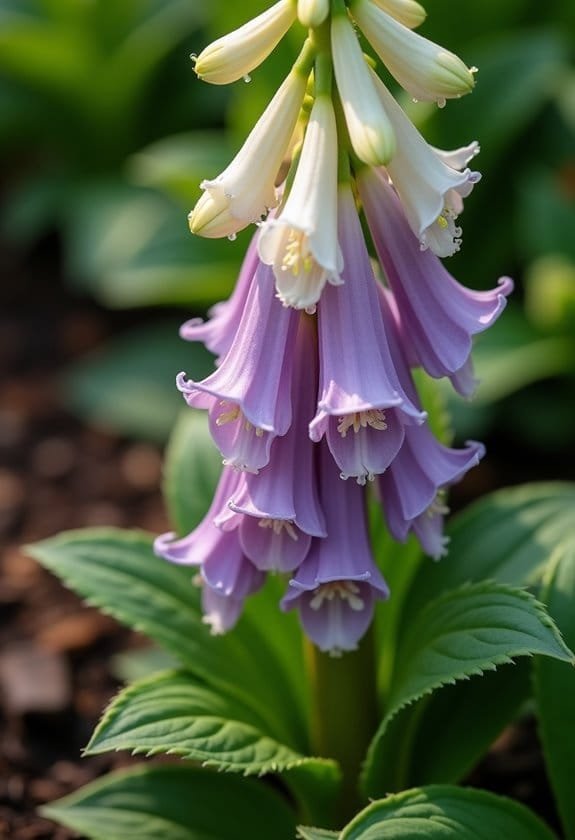
When cultivating Digitalis species, understanding their specific care requirements is paramount for thriving plants.
These stunning perennials prefer sunny to partially shaded locations with moist, well-drained soils enriched in organic matter, ensuring robust growth and vibrant blooms.
As gardeners commence on this journey, they'll find that ongoing maintenance, including regular watering, effective pest management, and strategic companion planting, plays an essential role in promoting a healthy, flourishing garden.
Planting Tips
To guarantee vibrant growth and stunning blooms, planting Digitalis species requires careful attention to their environment and care.
These magnificent plants flourish in well-drained, moist soils rich in organic matter, ideally with a pH level around 6.0. Selecting a location that receives full sun to light shade is vital, as foxgloves thrive in these mixed lighting conditions; this balance promotes robust growth and flowering potential.
When planting, space Digitalis species approximately 12 to 24 inches apart to accommodate their tall flower spikes while facilitating adequate air circulation.
Consistently watering the plants is essential, particularly during dry spells, ensuring the soil remains moist but not over-saturated, as excessive moisture can lead to detrimental root rot.
A key planting tip is to regularly deadhead spent flowers. This practice prevents excessive self-seeding, allowing gardeners to maintain control over the plant population.
However, leaving some flowers to mature encourages seed formation, providing opportunities for future planting.
Ongoing Care
After planting Digitalis species, ongoing care is essential for ensuring their health and vibrant display. Regular deadheading of spent flowers not only encourages extended blooming but also minimizes unwanted self-seeding, effectively controlling seed production.
To maintain ideal growth conditions, it's important to water Digitalis plants consistently during dry spells. These plants thrive in well-drained, organic matter-rich soil, which should remain light and moist.
Monitoring for common issues such as powdery mildew and aphid infestations is crucial. Prompt attention to these problems can sustain the plants' health and vigor. Additionally, tall varieties may require staking to prevent collapsing under their own weight in exposed areas, especially where strong winds are prevalent.
Fertilizing Digitalis once at the beginning of the growing season with a balanced fertilizer can support robust growth and enhance blooming characteristics.
As the plants mature, this routine care culminates in a spectacular floral display that captivates the eye and enriches any garden setting. By incorporating these practices, gardeners create an environment conducive to the flourishing of Digitalis species, showcasing their stunning, tubular blossoms year after year.
Suggested Companions
Digitalis species thrive beautifully alongside companions like ferns and hostas, which consistently provide complementary foliage and enjoy similar shaded, moist environments. These common companion plants enhance the garden's aesthetic while creating a harmonious ecosystem. Furthermore, planting them near Silverweed's habitat can enrich biodiversity and support pollinator activity.
Maintaining a pH of around 6.0 is vital for Digitalis, enabling effective nutrient uptake from these neighboring plants, further ensuring robust growth.
In moist conditions, employing regular deadheading of Digitalis flowers greatly enhances visual appeal while encouraging surrounding perennials to remain in bloom longer. This practice minimizes self-seeding invasiveness, maintaining an orderly garden layout.
Additionally, the tall spikes of Digitalis might require staking if situated near shorter plants, preserving a visually balanced arrangement amidst varying heights.
Furthermore, incorporating mulch around Digitalis plants not only retains soil moisture but also effectively suppresses weeds, providing essential support for both the foxglove and its companion plants. Ladys bedstraw is an excellent example of a companion plant, as it is known for its drought tolerance and ability to thrive in similar growing conditions as Digitalis.
Common Issues
Digitalis species, while enchanting for their beauty, often face significant challenges related to pests and diseases.
Aphid infestations and powdery mildew can threaten their health, particularly in humid environments where poor air circulation encourages fungal growth.
Additionally, the plant's inherent toxicity necessitates vigilance to prevent accidental ingestion by curious children or pets, underscoring the importance of mindful gardening practices.
Pests/Diseases
Foxglove plants, known for their striking blooms, can face several common issues related to pests and diseases. While generally resilient, common foxglove (Digitalis purpurea) may occasionally experience aphid infestations. These pests suck the sap from the leaves, leading to stunted growth and distorted foliage, which can diminish the plant's aesthetic appeal.
In warm, dry conditions, powdery mildew often surfaces as a white, powdery coating on the leaves and stems, a clear sign of fungal invade. If left unchecked, this disease can greatly affect the plant's vitality.
Additionally, slugs and snails thrive in the moist environments favored by foxgloves, feeding on their tender young leaves and flowers, hence damaging their overall health.
Root rot presents another challenge; it occurs when plants are overwatered or placed in poorly drained soil. This condition leads to wilting and eventual death if drainage isn't properly managed.
Finally, thrips, tiny sap-sucking insects, can infest the flowers, causing stippling and discoloration on the petals, which further impacts the ornamental value of these beloved plants.
Every gardener should remain vigilant against these persistent pests and diseases to guarantee healthy and thriving foxglove displays.
Solutions
To guarantee the health and vibrant blooms of foxglove, gardeners should implement a series of proactive strategies targeting common issues. During the first year, it's important to cultivate foxglove in soils that are moist and high in organic matter, ensuring the herbaceous perennial can thrive.
Regular deadheading is crucial to manage the invasive tendencies of Digitalis purpurea, as each plant can produce a staggering one to two million seeds, overwhelming local ecosystems.
Moreover, vigilant monitoring for signs of toxicity is fundamental, given that all parts of the plant are highly poisonous and may result in severe health consequences, including gastrointestinal distress and heart failure, if ingested.
Gardeners should routinely inspect for aphids and diseases such as powdery mildew; early detection and treatment can prevent detrimental effects on plant health.
How Can I Differentiate Between Digitalis and Fuchsia Species in my Garden?
When differentiating between Digitalis and hardy fuchsia species in your garden, look for distinct features such as the shape and color of the flowers. Hardy fuchsia species typically have pendulous, tubular flowers in shades of pink, red, or purple, whereas Digitalis flowers are more bell-shaped and come in various colors including white, pink, and purple.
Summary
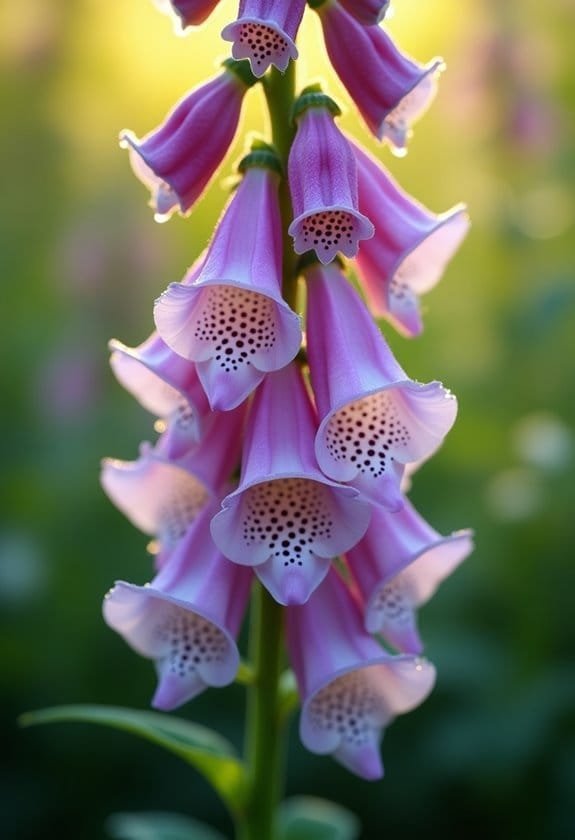
Known for their striking appearance and rich historical significance, Digitalis species encapsulate both beauty and danger. Among the 27 recognized species, Digitalis purpurea stands out for its vibrant flowers, often adorning gardens and wild landscapes with tall flower spikes that reach heights of 2 to 5 feet.
These biennial plants, thriving in light, moist, and organic soils, carry a dual legacy as both ornamental flora and important medicinal sources. Digitalis species are well-known for their production of cardiac glycosides, particularly digoxin, which modern medicine harnesses to treat heart conditions.
However, this tremendous benefit comes with significant risks, as the plant is highly toxic. Ingesting even a small amount can lead to severe health complications, especially among vulnerable populations like children. The Latin name "Digitalis," derived from the word for finger, reflects the thimble-like flower shape, emphasizing its intriguing yet perilous nature.
Furthermore, foxglove supports biodiversity by serving as a magnet for pollinators such as bees, underscoring its ecological importance.
To summarize, Digitalis species exemplify a delicate balance between their undeniable beauty, medicinal utility, and toxic potential, reminding us to respect nature's complexities.