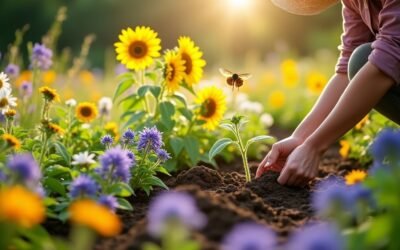
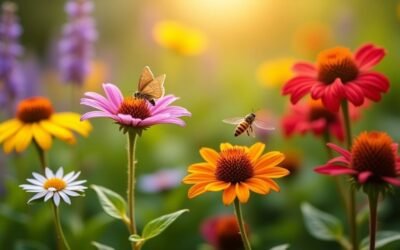
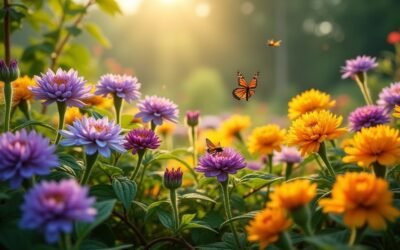
Echinacea purpurea, or Purple Coneflower, stands as a striking perennial, native to the central and eastern United States. This eye-catching plant typically grows to heights of 3 to 4 feet, showcasing vibrant pink-purple petals that bloom from early summer to mid-fall. Thriving in well-drained soils, it prefers full sun exposure and demonstrates impressive drought resilience once established. Beyond its ornamental value, it attracts essential pollinators such as bees and butterflies, enriching local ecosystems. Despite some susceptibility to pests, regular maintenance and awareness can promote its health. Exploring its historical uses and ecological significance reveals further fascinating insights.
Main Points
- Echinacea purpurea, or Purple Coneflower, thrives in well-drained soils and prefers full sun, reaching heights of 3 to 4 feet.
- It blooms from early summer to mid-fall, attracting pollinators like bees and butterflies with its vibrant pink-purple flowers.
- Historically used by Native Americans, it is known for its immune-boosting properties and remains popular in herbal medicine today.
- Regular maintenance includes moderate watering, proper drainage, and monitoring for pests like aphids and diseases such as powdery mildew.
- The plant's striking appearance and height add visual interest to gardens while promoting biodiversity and ecological health.
Introduction
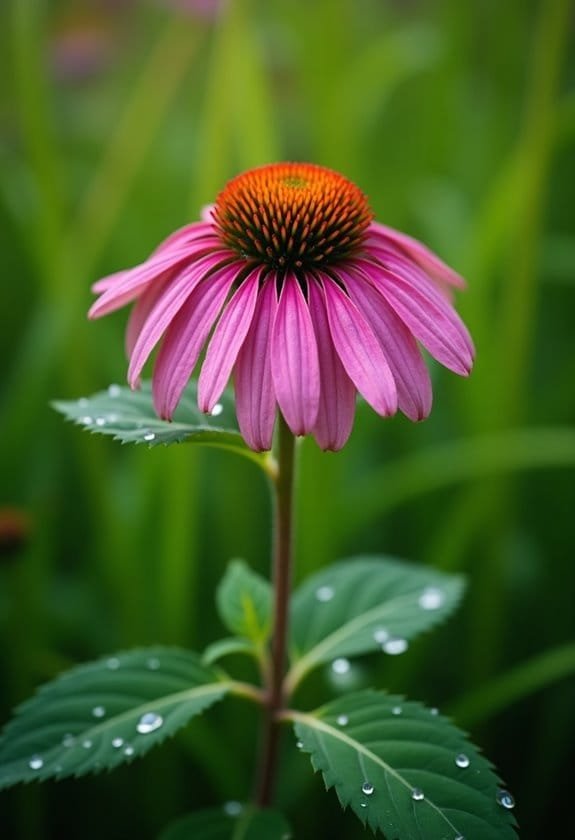
Echinacea purpurea, widely recognized as the Purple Coneflower, stands as a striking perennial wildflower known for its tall stature, reaching heights of up to 4 feet.
With its eye-catching pink-purple petals and central cone, this plant not only adorns gardens but also plays a crucial role in supporting local ecosystems by attracting essential pollinators.
Historically valued by Native Americans for its medicinal properties, Echinacea purpurea has fostered a rich legacy that continues to influence modern herbal remedies.
Common Name
The enchanting Purple Coneflower, a staple in North American gardens, captures attention with its vibrant blooms and unique structure. Commonly known by this name, Echinacea purpurea is beloved for its striking purple petals that form a beautiful contrast against the prominent central cone. This flower's common name reflects its distinctive appearance, where the cone-shaped seed head rises majestically from the surrounding petals, resembling a crown in a floral kingdom.
In addition to the widely recognized Purple Coneflower, this plant is also referred to as Coneflower, Eastern Purple Coneflower, and Purple Rudbeckia, showcasing the diversity in its common naming. Each of these names emphasizes different characteristics or geographical origins, allowing gardeners and herbalists to connect with the plant more deeply.
As a cherished addition to landscapes, the Purple Coneflower not only enhances visual appeal but also cultivates biodiversity, attracting pollinators like bees and butterflies.
With a rich history in herbal medicine, this vibrant flower has gained attention for its immune-boosting properties, embraced by various cultures through the centuries. The Purple Coneflower remains a valuable resource, bridging the gap between ornamental beauty and practical benefits.
Scientific Name
Known scientifically as Echinacea purpurea, this striking flower belongs to the Asteraceae family. Native to the central and eastern regions of the United States, Echinacea purpurea thrives in well-drained, moist loam soils, showcasing its adaptability to various environments. Growing to a height of 3 to 4 feet, this herbaceous perennial captivates onlookers with its vibrant pinkish-purple flowers, which bloom from early summer to mid-fall.
Echinacea purpurea is particularly significant for its resilience; it exhibits impressive drought tolerance and maintains its vigor in conditions of heat and humidity. Additionally, the plant's ability to resist deer makes it an appealing choice for gardeners seeking low-maintenance options.
Taxonomically, Echinacea purpurea returns year after year, ensuring that those who cultivate it can relish in its beauty season after season.
In exploring the scientific name of this remarkable plant, one not only appreciates its ecological significance but also embraces its role in supporting local wildlife. The intricate relationship between Echinacea purpurea and its environment reinforces the importance of native flora in maintaining biodiversity and supporting overall ecosystem health.
Overview
As a striking addition to any garden, Echinacea purpurea, or Purple Coneflower, captivates with its vibrant pinkish-purple flowers and remarkable resilience. This drought-tolerant perennial, native to the central and eastern United States, typically reaches heights of 3 to 4 feet, making it a substantial presence among garden flora.
From early summer to mid-fall, its stunning blooms not only enhance aesthetic appeal but also attract essential pollinators such as bees and butterflies, playing an important role in supporting local ecosystems.
Echinacea purpurea thrives in well-drained loam soil, preferably flourishing under full sun exposure. Its remarkable ability to withstand heat, humidity, and drought conditions once established speaks to its adaptability as a native plant.
Historically, this species has held significant value in Native American medicine, with its medicinal properties recognized for centuries. Today, it continues to be a popular choice for herbal supplements aimed at supporting immune health.
With its large central cone surrounded by delicate ray petals, the Purple Coneflower serves as a symbol of resilience and biodiversity, encouraging gardeners to cultivate not only beauty but also ecological balance within their landscapes.
Key Features
Echinacea purpurea, or Purple Coneflower, typically reaches heights of 3 to 4 feet, showcasing vibrant pink-purple petals that gracefully encircle a prominent central cone.
Flowering from mid-summer to mid-fall, its stunning blooms not only add visual interest but can re-bloom in the fall, further enhancing its ornamental appeal.
This perennial thrives in well-drained soil and attracts various pollinators, solidifying its role as an essential component in both gardens and ecosystems.
Growth Size
Standing tall at 3 to 4 feet, Echinacea purpurea, or Purple Coneflower, commands attention in any garden. This perennial exhibits a leggy growth habit, which, while robust, may necessitate support from surrounding companion plants to guarantee overall stability.
With blossoms gracing the landscape from mid-summer to early fall, the flowers can endure for up to two months, contributing considerably to the plant's stature in the environment.
Echinacea purpurea thrives best in well-drained, fertile loam, yet it possesses an admirable adaptability that allows it to flourish in various soil conditions, enhancing its potential growth size in diverse settings. Its height, complemented by a strong, sturdy structure, enables it to stand out among other plants, drawing admiration from onlookers.
The plant's strong presence isn't solely due to its height; the vibrant pink to purple petals that encircle a prominent central cone add layers of visual intrigue, particularly during the blooming season.
This unique combination of height and adaptability not only enriches garden aesthetics but also supports local ecosystems, inviting pollinators and encouraging biodiversity.
Appearance
The Purple Coneflower captivates with its remarkable appearance, highlighted by a large central cone surrounded by vibrant pink to purple petals. This striking plant typically reaches heights of 3 to 4 feet, showcasing an upright and leggy growth habit that adds vertical interest to any garden. The flowers, with their distinctive color palette, serve as an attraction for various pollinators, including bees and butterflies, due to their abundant nectar.
The plant's foliage further enhances its allure, featuring lance-shaped leaves that can extend up to 6 inches long. These leaves contribute to its bushy appearance, creating a lush backdrop for the stunning blossoms.
The overall structure of Echinacea purpurea embodies a balance between elegance and resilience, as it's known to be deer resistant. This quality makes the plant particularly desirable for gardeners in wildlife-prone areas, where less hardy species may struggle.
In essence, the Purple Coneflower not only enriches the aesthetic of natural and cultivated landscapes but also plays a crucial ecological role, providing sustenance for pollinators while remaining robust against common garden challenges. Its visual and ecological attributes make it a favored choice for many gardeners.
Flowering Season
Blooming from June to September, the flowering season of Purple Coneflower showcases a spectacular display of vibrant pink-purple petals surrounding a prominent central cone. This enthralling native plant typically experiences its most vigorous blooming period during the height of summer, lasting up to two months.
Its flowers, characterized by an exquisite design, attract a plethora of pollinators such as bees and butterflies, playing a pivotal role in local ecosystems.
With proper care, including ample sunlight and moderate watering, gardeners can greatly enhance the blooming duration and the quality of the flowers. As summer wanes, the blooms may persist into late summer and even early fall, offering not only aesthetic appeal but also valuable resources.
The seeds produced subsequently provide nourishment for goldfinches and other birds, further emphasizing the plant's ecological importance.
In essence, the Purple Coneflower's flowering season contributes not only beauty to gardens but also fosters biodiversity, supporting a myriad of wildlife. Its vibrant appearance and ecological benefits make Echinacea purpurea a cherished choice among garden enthusiasts and those committed to sustaining native plants.
Growing Requirements
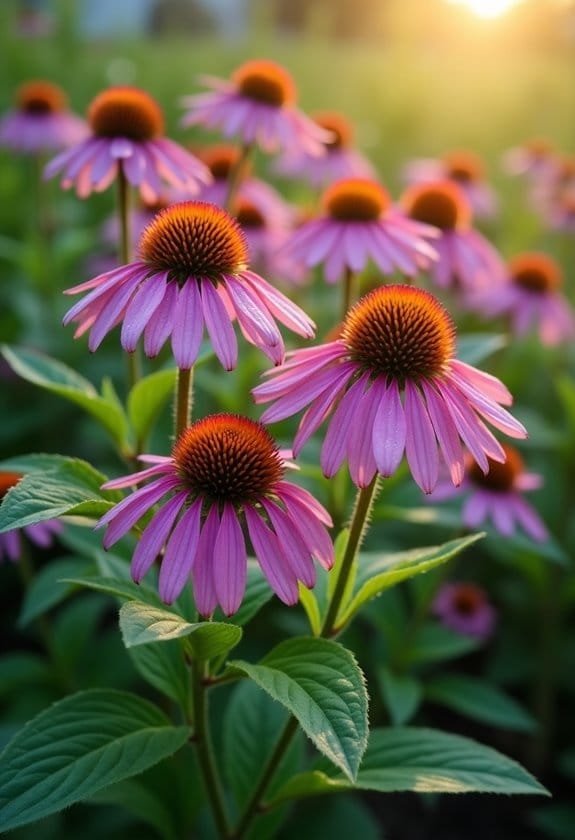
Echinacea purpurea, commonly known as Purple Coneflower, exhibits specific growing requirements essential for its thriving health.
This resilient plant favors well-drained, fertile loam, but it adapts seamlessly to other soil types, including clay and arid conditions, while demanding a minimum of six hours of sunlight each day.
In addition, once established, it demonstrates enjoyable drought tolerance; however, users should remain vigilant, as extreme dryness can cause wilting without sufficient hydration.
Light
Full sun exposure is essential for Echinacea purpurea to thrive, with at least 6 hours of direct sunlight each day being ideal. This vibrant wildflower flourishes under these conditions, ensuring strong stems and a profusion of colorful blooms that enchant both gardeners and pollinators alike.
While Echinacea can tolerate some partial shade, prolonged exposure to low light diminishes its flowering capacity and overall vigor. In shifting areas where sunlight fluctuates throughout the day, Echinacea purpurea can still adapt, demonstrating resilience and versatility.
However, it's important for garden enthusiasts to prioritize ample sunlight, particularly during the growing season from spring to summer. Adequate light not only promotes healthy growth but also enhances the plant's remarkable drought tolerance, enabling it to withstand periods of moisture deficiency without compromising its aesthetic appeal.
Hence, to cultivate a thriving display of Purple Coneflowers, one must create an environment that embraces full sun, allowing this native plant to reach its full potential.
Soil
Proper soil conditions play an essential role in the growth of Echinacea purpurea, as it thrives in well-drained, fertile loam. This plant flourishes best in fertile loam, a rich mix that maintains adequate moisture without becoming waterlogged.
While it can adapt to clay or dryer conditions, peak growth occurs in medium soil, supporting its resilience. For vigorous development, Echinacea purpurea prefers slightly moist soil. During the initial establishment phase, regular watering is vital, but gardeners must be careful to avoid excess moisture, which can lead to root rot.
Once established, the plant exhibits moderate drought resistance, allowing it to thrive in various moisture levels. Nevertheless, soil management is critical; wilting may occur during prolonged dry spells if moisture levels drop excessively.
Regularly monitoring soil conditions is necessary, particularly in extreme weather situations. The combination of well-draining and fertile loam provides a stable environment where Echinacea purpurea can flourish without stress.
Water
Creating the right soil conditions lays the groundwork for understanding the water needs of Echinacea purpurea. This vibrant plant thrives in well-drained soil, which is vital for avoiding waterlogged roots that can lead to rot. Initially, Echinacea purpurea benefits from moderate watering, particularly during dry spells. During these early stages, ensuring consistent moisture levels supports healthy establishment and encourages robust growth.
As the Purple Coneflower matures, it develops impressive drought tolerance, demonstrating its ability to withstand periods of dryness without wilting. However, it remains essential to monitor moisture levels closely, as excessive dryness can still cause wilting, signifying that water is needed. Furthermore, this adaptability makes it a great companion for drought-tolerant plants, enhancing garden resilience.
Regular watering not only fosters strong growth but also enhances blooming during the mid-summer flowering period, when the striking purple petals captivate onlookers. To complement its well-drained, alkaline soils, Echinacea purpurea performs best when grown alongside other drought-tolerant plants.
For ideal health, Echinacea purpurea flourishes in soil that retains some moisture while remaining well-drained. This balance allows the plant to access the necessary water without being overwhelmed, ensuring a thriving display of beauty in any garden setting.
Emphasizing proper watering techniques will certainly lead to bountiful blossoms and a resilient garden.
Temperature
Echinacea purpurea thrives in a diverse range of temperatures, making it suitable for many gardeners. With an impressive adaptability, this perennial flourishes across USDA hardiness zones 3 to 9, enduring a variety of temperature extremes.
For ideal growth during the summer months, it prefers temperatures between 70°F to 85°F. Such warmth allows the plant to exhibit vigorous blooming and lush foliage.
While mature Echinacea purpurea can withstand brief frosts, it's best to protect them when temperatures dip below 20°F, as prolonged exposure can harm the roots.
During severe heat spells, this resilient plant demonstrates its drought-resistant nature; however, established specimens appreciate consistent moisture to prevent wilting.
Moreover, proper winter mulching serves a dual purpose: it insulates the roots against frigid temperatures and encourages vigorous growth come spring. By creating a protective barrier, gardeners can guarantee their coneflower emerges healthy and ready to thrive as temperatures rise once again.
Consequently, understanding and managing temperature conditions becomes essential for enhancing the performance and longevity of Echinacea purpurea in any garden setting.
Pollinator Criteria
Echinacea purpurea serves as an essential nectar source, enticing a diverse array of pollinators, such as butterflies and bees, to engage in its life cycle.
The plant's striking floral structure, featuring a prominent cone surrounded by vibrant petals, facilitates effective cross-pollination, necessary for producing robust seeds.
Attracted Pollinators
Vibrant blooms of Echinacea purpurea, commonly known as Purple Coneflower, serve as a potent magnet for pollinators. These large, daisy-like flowers boast rich nectar and abundant pollen, making them a favored nectar source for various species, including butterflies, bees, and hummingbirds. The enchanting display of colors, including shades of purple and pink, not only attracts pollinators visually but also offers an essential sustenance source for these creatures. Additionally, like the Common Cowslip, Echinacea purpurea thrives in medium-moisture, well-drained soils, showcasing the adaptability of native plants.
As late summer approaches, the seed heads of Echinacea purpurea attract an array of foraging birds, most importantly the American goldfinch, which keenly feasts on the nutritious seeds. This interaction highlights how Echinacea purpurea supports diverse pollinator species, enriching garden ecosystems and enhancing overall biodiversity.
Furthermore, the plant plays an important role in the lifecycle of certain species, such as the Silvery Checkerspot butterfly, as it provides habitat for their larvae. Importantly, Echinacea purpurea thrives in diverse environments, similar to the habitats of fine-leaved water dropwort, showcasing the adaptability of native plants.
In essence, Echinacea purpurea stands out as a prominent player in ecological networks, fostering relationships between flora and fauna. By attracting pollinators with its vibrant presence and nutrient offerings, it underscores the significance of native plants in promoting a healthy, balanced ecosystem.
Pollination Method
The vibrant blooms of Purple Coneflower attract a variety of pollinators, showcasing its effectiveness in supporting diverse species. Blooming from mid to late summer, Echinacea purpurea serves as an essential nectar source for butterflies, bees, and even hummingbirds. The distinct conical shape and striking purple hue of these flowers effectively draw pollinators, facilitating cross-pollination, which enhances genetic diversity within the population.
As pollinators access the flower's conical center, they collect nectar, effectively transferring pollen between blooms, consequently contributing to successful reproduction and seed production.
The pollination process is significant, resulting in seeds that eventually nourish various wildlife, particularly American goldfinches, which rely on these seeds as an important food source. This interdependence enhances the ecological value of Echinacea purpurea, illustrating how its life cycle not only sustains its own species but also supports an array of creatures.
Additionally, incorporating Purple Coneflower into gardens enriches the surrounding ecosystem, attracting numerous pollinator species and bolstering overall biodiversity. By promoting healthy interactions between plants and pollinators, Echinacea purpurea exemplifies the intricate balance of nature, reinforcing the necessity of such relationships for continued environmental health.
Care & Maintenance
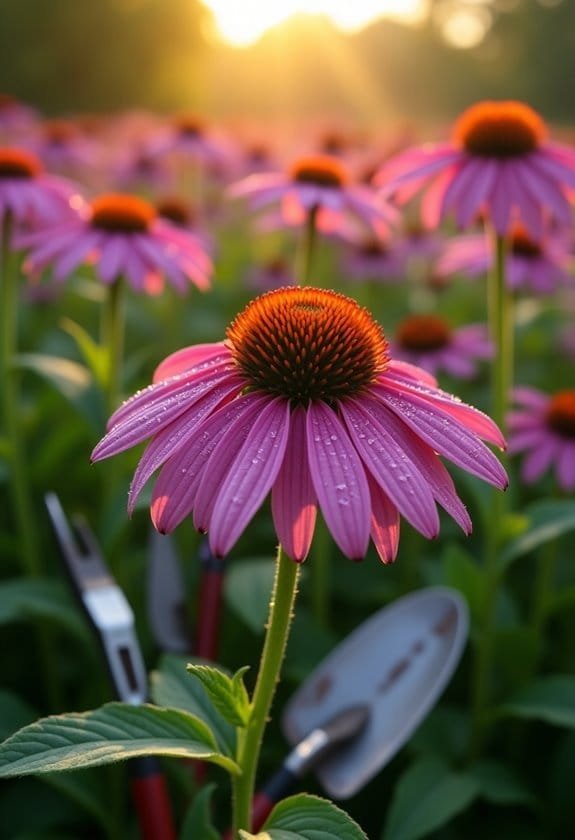
Care and maintenance of Echinacea purpurea are essential to achieving vibrant blooms and healthy growth.
This resilient plant, thriving in full to partial sun, benefits from well-drained soil, with regular deadheading and seasonal pruning to enhance bushiness and minimize overcrowding.
Incorporating companion plants not only supports its height but also enriches the garden's visual appeal, creating a harmonious landscape that captivates the eye. Additionally, pairing it with drought-tolerant plants like Large Thyme can enhance overall garden biodiversity and support beneficial pollinators.
Planting Tips
Guaranteeing ideal conditions for Echinacea purpurea involves several key practices in planting and maintenance. First, selecting a location with well-drained soil and full to partial sun exposure is essential; this plant typically reaches a height of 3 to 4 feet.
To optimize growth, gardeners should consider these important planting tips. Ideal planting times are in spring or fall, which promote strong root establishment and overall liveliness.
Once planted, Echinacea purpurea is somewhat drought-tolerant, but moderate watering is necessary during extreme dryness to prevent wilting. It flourishes without the need for fertilizers, as it thrives best in natural soil conditions.
Furthermore, regular pruning of spent flowers not only encourages additional blooms but also fosters bushier growth, transforming your garden into a vibrant display. Additionally, cutting back the plant in the fall prepares it for a healthier comeback in the next season.
Ultimately, following these planting tips guarantees that Echinacea purpurea thrives, becoming a stunning, resilient addition to any garden.
Ongoing Care
After planting Echinacea purpurea, ongoing care plays a significant role in maintaining plant health and vibrancy. This plant flourishes best with full to partial sun exposure, ideally basking in about six hours of sunlight each day. Though it exhibits drought tolerance once established, moderate watering is essential during its formative phase to promote robust growth.
Regular pruning is important, too. By deadheading spent flowers, gardeners encourage additional blooming throughout the season, effectively prolonging the plant's vibrant display. Fertilization is generally not necessary, as Echinacea purpurea thrives in its natural soil conditions; however, a light application may bolster growth in poorer soils.
Timing is also a critical aspect of ongoing care; planting in spring or fall allows the roots to establish effectively before facing temperature extremes. This proactive approach to gardening helps guarantee a resilient plant, capable of withstanding various environmental challenges.
With these precise care techniques, the beauty and health of Echinacea purpurea can flourish, transforming gardens into lively scenes of delicate purples and oranges. Consequently, an attentive gardener can cultivate a striking landscape that celebrates nature's remarkable artistry.
Suggested Companions
Planting Echinacea purpurea offers a vibrant addition to any garden, especially when paired with compatible companions. This coneflower has a large, rounded bloom that attracts both gardeners and pollinators alike, yet its growth can become leggy without proper support. To maintain an appealing visual structure, it's advantageous to plant Echinacea alongside rigid, bushy perennials such as Black-Eyed Susans or Sedums. These plants not only complement the Coneflower's aesthetic but also provide vital stability.
Pairing Echinacea purpurea with native grasses like Little Bluestem enhances the garden's texture while promoting soil health. Incorporating aromatic herbs like Lavender and Sage not only deters pests but also invites beneficial pollinators, enriching the ecosystem. The inclusion of species like Bird Cherry can further support biodiversity, providing essential nectar sources for early-season pollinators. Additionally, including Rudbeckia species as companions can enhance the visual appeal and attract diverse pollinators, further enriching your garden.
To further elevate biodiversity, consider adding other native wildflowers, such as Milkweed and Bee Balm, which create a vibrant, interconnected habitat.
It's essential to guarantee all companions share similar watering and light needs, as most thrive in full sun with well-drained soil. By thoughtfully selecting companions, gardeners can cultivate a harmonious environment that not only showcases the beauty of Echinacea purpurea but also promotes ecological sustainability.
Common Issues
Echinacea purpurea often encounters several common issues that can impact its health and energy. Fungal diseases like powdery mildew, coupled with pest infestations such as Aster Beetles, threaten to undermine the plant's growth. This highlights the necessity for proper air circulation and regular monitoring.
To safeguard these beautiful perennials, gardeners should implement timely interventions, such as appropriate watering strategies and pest control measures. This will ensure robust blooms and vibrant foliage.
Pests/Diseases
During the growing season, Echinacea purpurea faces various pests and diseases that can impact its health and beauty. One significant challenge is powdery mildew, a fungal disease that thrives in humid conditions, resulting in white, powdery growth on the leaves and stems.
This unsightly development not only detracts from the plant's aesthetic appeal but may also hinder its overall vigor.
Aphids, small yet voracious, can also invade these vibrant flowers. By feeding on sap, they may stunt growth and weaken the plants if not addressed promptly.
Additionally, root rot becomes a concern when the soil remains overly wet, leading to detrimental impacts on the root system's health. Thrips, minuscule insects that feed on flower petals, can cause distortion and diminish the flowers' visual charm.
Lastly, while Echinacea purpurea exhibits some resistance to deer, prevalent populations may still browse on its foliage, particularly when alternative food sources become scarce.
Therefore, recognizing these pests and diseases is vital for nurturing healthy, thriving purple coneflowers that can flourish despite their environmental challenges.
Solutions
Recognizing and addressing common issues can greatly enhance the health and longevity of Echinacea purpurea. This resilient plant flourishes best under ideal growing conditions, yet it can face significant challenges. For instance, during extreme drought, Echinacea may wilt if soil moisture isn't carefully monitored; hence, regular checks are essential to ensuring its health.
Moreover, to combat the plant's naturally leggy growth, interspersing Echinacea with bushier companions can provide valuable support, creating a visually appealing tapestry. Practicing deadheading—the removal of spent blooms—stimulates further flowering, dramatically boosting the plant's overall vigor during the growing season.
In the fall, pruning the plant encourages bushiness for the upcoming year. It's wise to avoid pinching back in early summer, as this action could diminish its blooming potential.
Echinacea purpurea also faces the challenge of powdery mildew, especially in humid climates. Preventive measures include ensuring proper spacing to promote air circulation and avoiding overhead watering, which can lead to excess humidity around the foliage.
All these strategies, when applied thoughtfully, can mitigate common problems and enhance the beauty and resilience of this beloved perennial.
Are Echinacea Purpurea and Calamintha Nepeta Similar in Herbal Uses?
Yes, Echinacea purpurea and Calamintha nepeta have some similarities in herbal uses. Both are known for their medicinal properties and have been used in traditional herbal medicine. The lesser calamint plant, also known as Calamintha nepeta, is often used for its aromatic and healing properties, much like Echinacea purpurea.
Summary
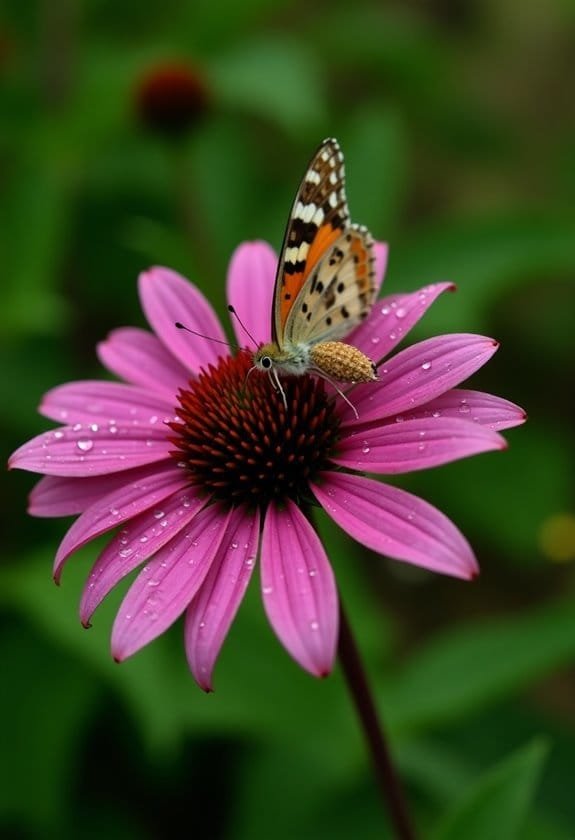
Blooming vividly throughout the summer and into fall, Echinacea purpurea, or Purple Coneflower, stands out for its striking appearance and ecological contributions. This native wildflower often reaches impressive heights of up to 4 feet, showcasing its radiant pink-purple petals that encircle a prominent central cone.
As an attractive option for gardens, Echinacea purpurea not only provides vibrant colors but also supports local ecosystems. These drought-tolerant plants can be grown in well-drained soil, thriving in full to partial sunlight, while regular pruning encourages reblooming and overall vigor.
Historically appreciated for its medicinal qualities by Native Americans, the purple coneflower is widely used in herbal supplements, prized for its immune-boosting and anti-inflammatory properties.
Additionally, Echinacea purpurea plays a crucial role in promoting biodiversity; attracting essential pollinators, such as bees, butterflies, and hummingbirds, it guarantees the proliferation of various plant species.
Moreover, as the summer wanes, its seed heads serve as nourishment for birds like Goldfinches.
To conclude, Echinacea purpurea embodies both aesthetic appeal and ecological significance, making it an irreplaceable addition to any garden landscape.